Who's Next? Cover Image

Who's Next?: Piano Trio (1 Piano, 6 Hands) Sheet

$3.95 USD
Sale price  $3.95 USD Regular price 
Skip to product information
Who's Next? Cover Image

Who's Next?: Piano Trio (1 Piano, 6 Hands) Sheet

By Joyce Grill

Level: Late Elementary

Item: 00-29216

$3.95
Shipped

One moment…

Description
Written for three players at one piano, this trio is full of musical as well as visual surprises. Players appear to be battling over who will get to play the highest and the lowest notes of this energetic piece that is as much fun to watch as it is to listen to and perform. A Federation Festivals 2016-2020 selection.

Who's Next?: Piano Trio (1 Piano, 6 Hands) Sheet isn't in MakeMusic Cloud just yet...but it could be. Let us know you'd like to see it, and you'll help shape what comes next. In the meantime, start a free trial and dive into thousands of interactive titles your students can play along with today.

Sample Pages

Sample Audio
No sample audio found.
Sample Video
Additional Details
Series: The Alfred Trio Series
Publisher: Alfred Music
Page Count: 8
UPC: 038081323077
SKU: 00-29216

More about this title

About the Composer: Joyce Grill
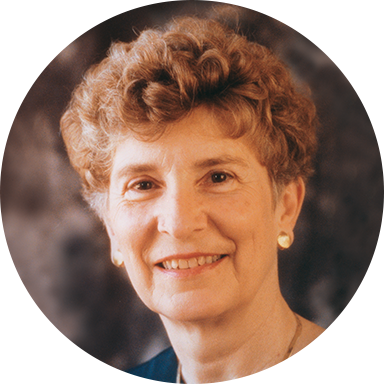
Joyce Grill

Joyce Grill brings decades of piano pedagogy and ensemble writing experience to her compositions. A retired faculty member from the University of Wisconsin-La Crosse, she holds the MTNA Master Teacher Certificate and has served the organization at both state and divisional levels. Grill's academic training includes degrees from the University of Wisconsin-Madison and advanced study in theory and composition with Nadia Boulanger at the School of Fine Arts in Fontainebleau, France, where she also studied piano with Robert and Jean Casadesus. She was named a MTNA Foundation Fellow in 2006.

Grill's reputation rests on her skill writing for multiple pianos and piano ensembles. She conducts frequently as a guest artist for multi-piano concerts and has founded the La Crosse Area Music Teachers Association. Her many publications reflect her commitment to making music education engaging and practical, drawing from her extensive classroom experience. She holds National Board Certification (NCTM) and remains active in professional music education circles.

Why we love this

Grill writes trio music that keeps all three players engaged and invested, never letting anyone sit idle or play secondary parts. The choreography of who reaches for the highest and lowest notes creates both musical interest and genuine entertainment value, making this piece as rewarding to teach as it is to perform.

What to expect

Energetic and playful, with a competitive spirit that never turns mean-spirited. The piece bounces along with moments of genuine surprise as the three pianists claim different parts of the keyboard, creating a sense of choreography that feels almost theatrical.

Who it's for

Late elementary pianists ready to tackle ensemble playing and coordinate with peers at a shared instrument. This works well for students who have solid technique and rhythmic independence but benefit from the social and musical rewards of collaborative performance.

How to get the most out of it

  • Establish clear hand positions before rehearsal begins. With six hands sharing one keyboard, players need to know their territory and respect each other's space to avoid collisions.
  • Highlight the moments where players exchange registers. These passages work best when the transition happens cleanly, almost as if one player is handing off the melody to the next.
  • Balance the three voices so no single player dominates, especially during unison sections. The fun comes from hearing all three equally.
  • Use the visual comedy intentionally. Players should make eye contact and react to each other's moves, letting the audience see the 'battle' for high and low notes.

How to use it

Perfect for a spring recital or festival where you want a piece that showcases ensemble work and brings genuine smiles to an audience. It also works well as a finale or opener that sets a lighter, more entertaining tone for a longer concert.

Skills your students will build

  • Ensemble coordination and listening to peers while maintaining their own part
  • Hand independence across multiple registers of a single keyboard
  • Rhythmic precision in energetic, fast-moving passages
  • Reading and executing rhythmic unison sections with other players
  • Spatial awareness and physical coordination at a shared instrument

You May Also Like