Who Are the Brave Cover Image

Who Are the Brave: SATB Choral Octavo

$2.40 USD
Sale price  $2.40 USD Regular price 
Skip to product information
Who Are the Brave Cover Image

Who Are the Brave: SATB Choral Octavo

Words by J. Paul Williams, music by Joseph M. Martin

Level: Moderate

Item: 00-SV9217

makemusic Cloud badge

Need it now?

Buy Digital Version
$2.40
Shipped

One moment…

Description
This work by J. Paul Williams and Joseph Martin asks us to explore the role we all perform in our daily lives. Because of world issues, it is imperative for us to reflect on things around us.

Don't just read it, hear it, play along with it, and watch your students grow with it. In MakeMusic Cloud, Who Are the Brave: SATB Choral Octavo comes alive with professional accompaniment, adjustable tempo, and built-in practice tools that turn solo practice into real progress.

Sample Pages

Sample Audio
0:00
0:00
Sample Video
Additional Details
Series: Alfred Choral Designs
Publisher: Alfred Music
Page Count: 8
UPC: 029156657586
SKU: 00-SV9217

More about this title

About the Composer: Joseph M. Martin
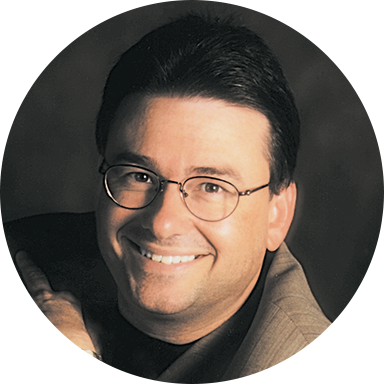
Joseph M. Martin

Joseph M. Martin studied piano performance at Furman University and earned a master's degree in the same field from the University of Texas at Austin, where he later taught in the Piano Pedagogy Department for five years. A competition winner and concert performer, he has appeared as a soloist with orchestras across the United States and Mexico, and his work has been featured in venues from Carnegie Hall to regional theaters and countless worship spaces.

Martin has built a dual career as both a performing pianist and a prolific composer and arranger. His music reaches audiences in concert halls, churches, and conferences throughout North America, reflecting his deep commitment to creating accessible, meaningful works for community musicians and congregational singers alike.

Why we love this

Martin frames this piece as a conversation rather than a lecture, inviting singers to examine their own roles and responsibilities in response to contemporary challenges. The text and music work together to create reflection without preaching, making it substantive enough for a meaningful concert moment without demanding virtuosity your singers don't yet have.

What to expect

The piece balances accessibility with dignity, creating space for reflection without heaviness. The harmonic language is clear and supportive, allowing singers to find their voices while the music asks them to consider larger questions about their place in the world.

Who it's for

This octavo suits developing choirs in grades 3 and up who are ready for part-singing with real musical substance. Singers need secure pitch and blend but not advanced technique; what they need most is the maturity to engage thoughtfully with the text.

How to get the most out of it

  • Explore the text with your singers before you tackle the music. What does "the brave" mean to them? What roles do they perform daily? This emotional investment will inform phrasing and interpretation.
  • The recorded accompaniment (available separately) can serve as a rehearsal tool early on, but encourage your singers to find independence from it. Blend and balance matter more than perfection with the track.
  • Pay attention to dynamic shaping within phrases rather than treating entire sections at one volume. Small crescendos and diminuendos will keep the message from feeling static.
  • Consider how instrumental parts (available separately) might enhance the piece in your concert context. Even modest orchestration can deepen the emotional impact.

How to use it

This works beautifully as a centerpiece for a concert exploring social awareness or identity themes, or as a thoughtful counterpoint to lighter repertoire. It also fits naturally into church music contexts where congregational singers benefit from meaningful, moderately challenging material.

Skills your students will build

  • Reading and singing SATB four-part harmony with secure voice independence
  • Interpreting text with musical intent and emotional awareness
  • Sustaining longer phrases with proper breath support and line direction
  • Balancing ensemble blend while maintaining individual part clarity

You May Also Like
