
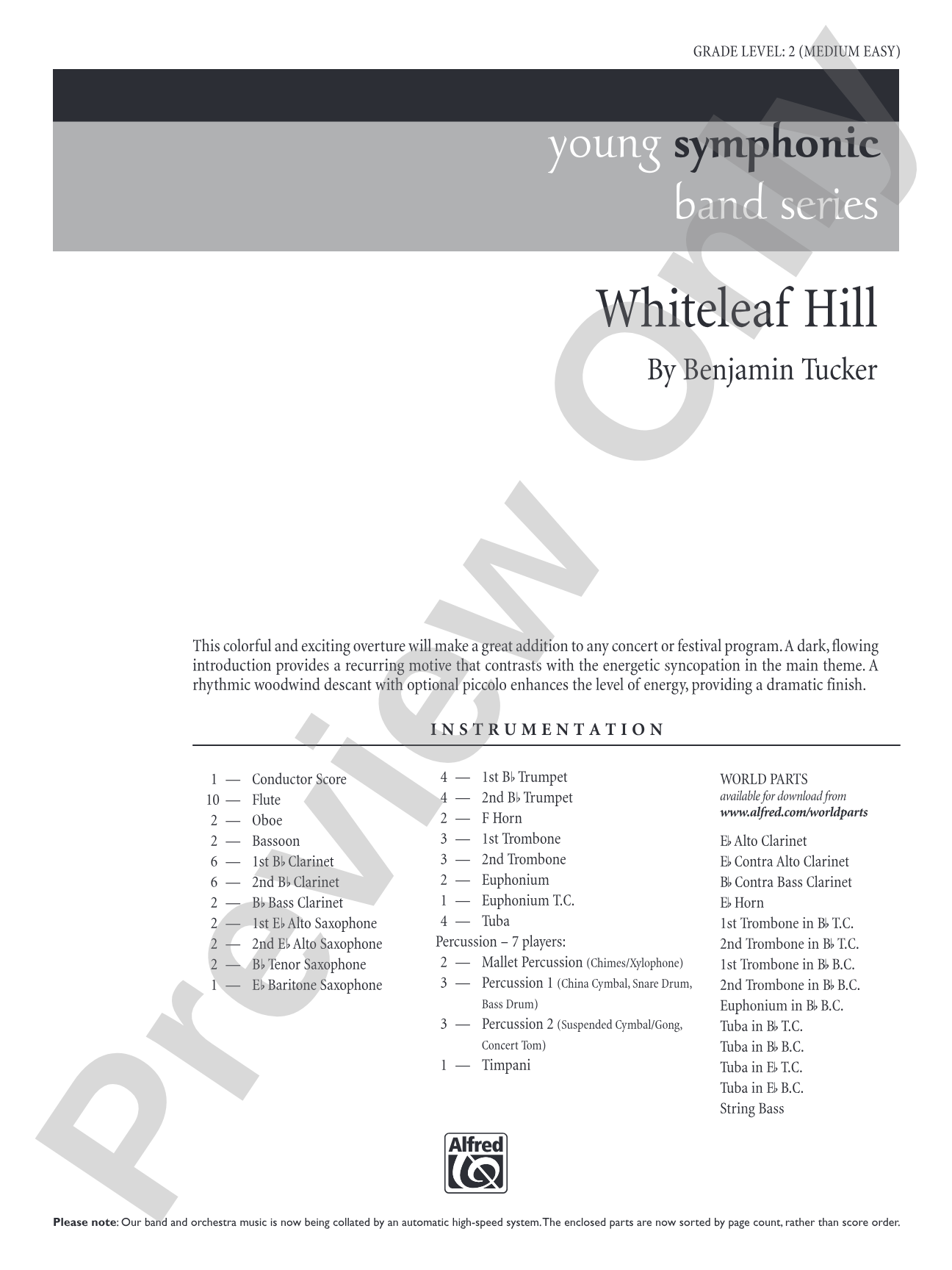



Whiteleaf Hill: Concert Band Conductor Score & Parts
By Benjamin Tucker
Grade: 2 (Medium Easy)
Item: 00-PK-0005649

$65.00
Pickup currently not available
Buy Extra Parts (Digital PDF Download)
| Product | Price | Quantity |
|---|---|---|
| Whiteleaf Hill: Score | $8.00 | |
| Whiteleaf Hill: Flute | $3.00 | |
| Whiteleaf Hill: Oboe | $3.00 | |
| Whiteleaf Hill: Bassoon | $3.00 | |
| Whiteleaf Hill: 1st B-flat Clarinet | $3.00 | |
| Whiteleaf Hill: 2nd B-flat Clarinet | $3.00 | |
| Whiteleaf Hill: B-flat Bass Clarinet | $3.00 | |
| Whiteleaf Hill: E-flat Alto Saxophone | $3.00 | |
| Whiteleaf Hill: 2nd E-flat Alto Saxophone | $3.00 | |
| Whiteleaf Hill: B-flat Tenor Saxophone | $3.00 | |
| Whiteleaf Hill: E-flat Baritone Saxophone | $3.00 | |
| Whiteleaf Hill: 1st B-flat Trumpet | $3.00 | |
| Whiteleaf Hill: 2nd B-flat Trumpet | $3.00 | |
| Whiteleaf Hill: 1st F Horn | $3.00 | |
| Whiteleaf Hill: 1st Trombone | $3.00 | |
| Whiteleaf Hill: 2nd Trombone | $3.00 | |
| Whiteleaf Hill: Baritone T.C. | $3.00 | |
| Whiteleaf Hill: Baritone B.C. | $3.00 | |
| Whiteleaf Hill: Tuba | $3.00 | |
| Whiteleaf Hill: Mallets | $3.00 | |
| Whiteleaf Hill: 1st Percussion | $3.00 | |
| Whiteleaf Hill: 2nd Percussion | $3.00 | |
| Whiteleaf Hill: Timpani | $3.00 |
Parts Added to Cart!
Description
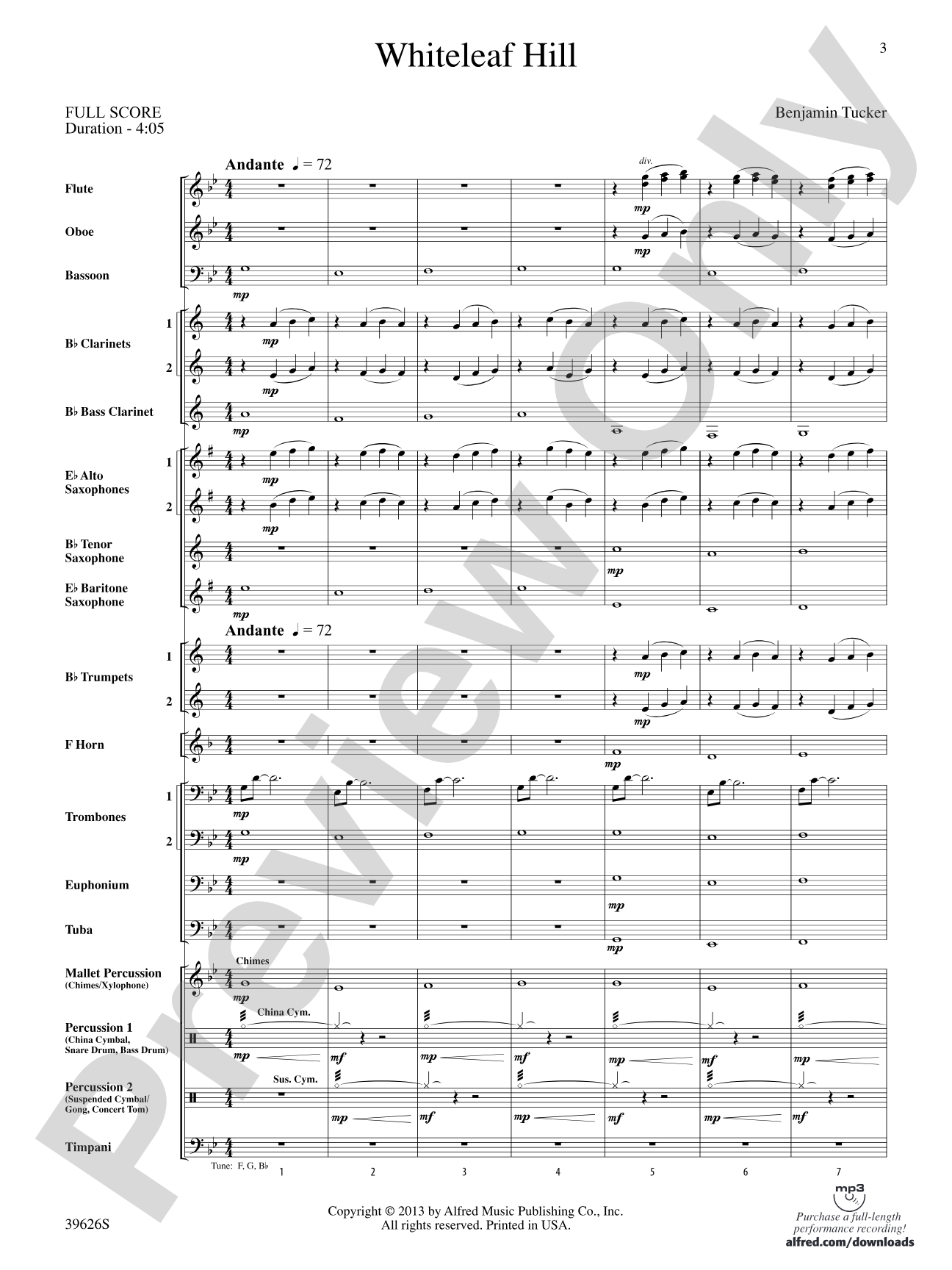
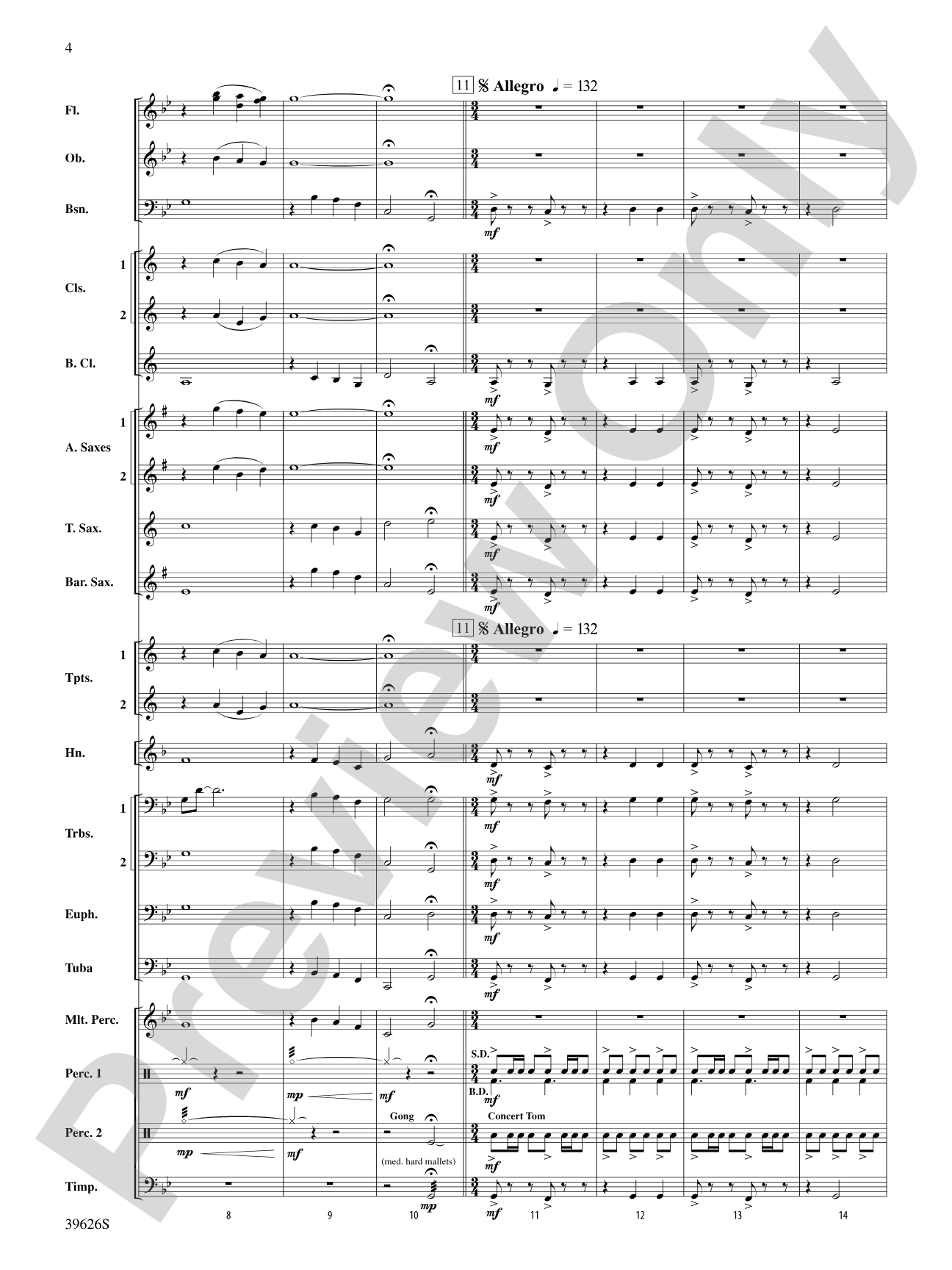
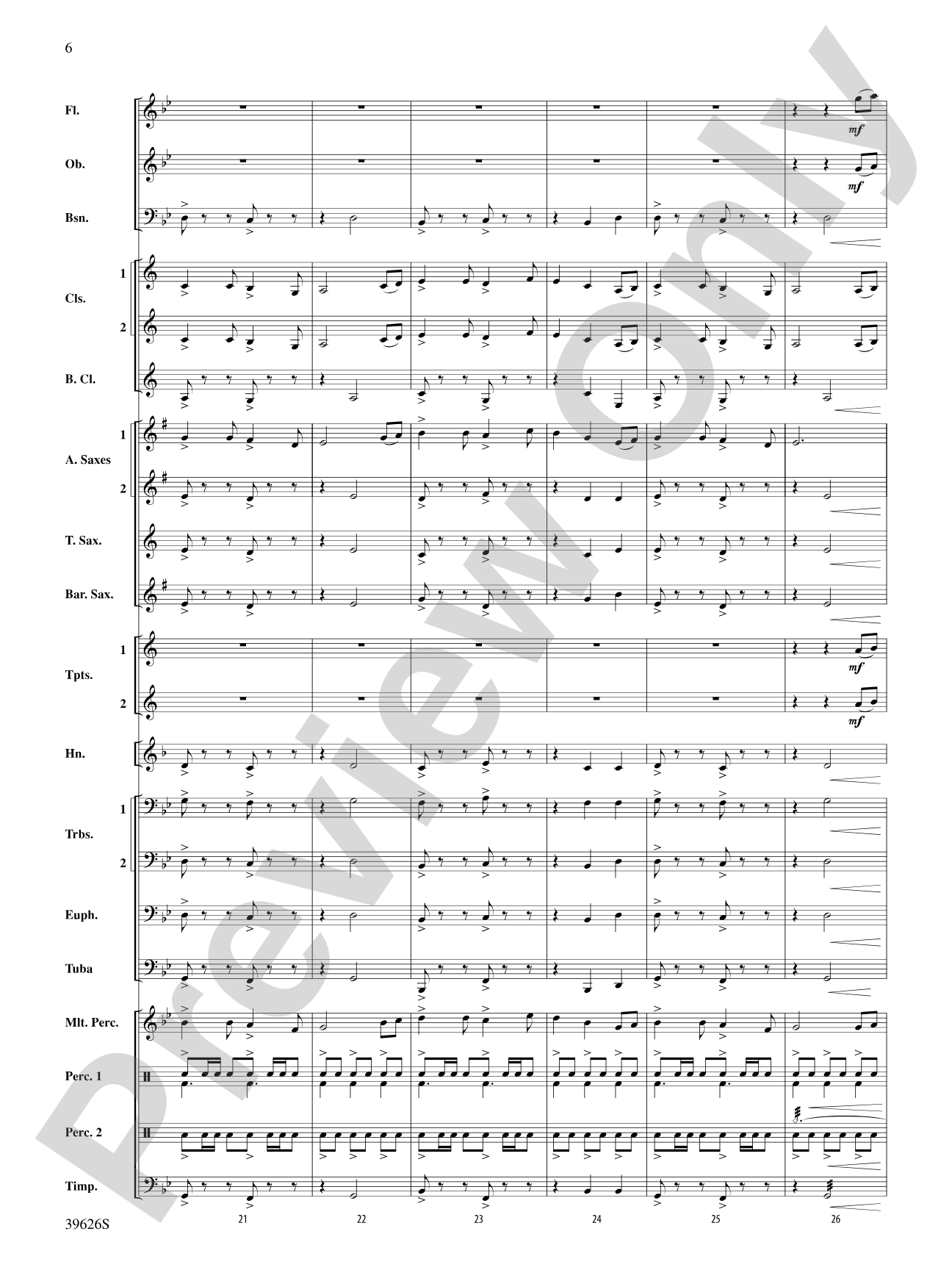
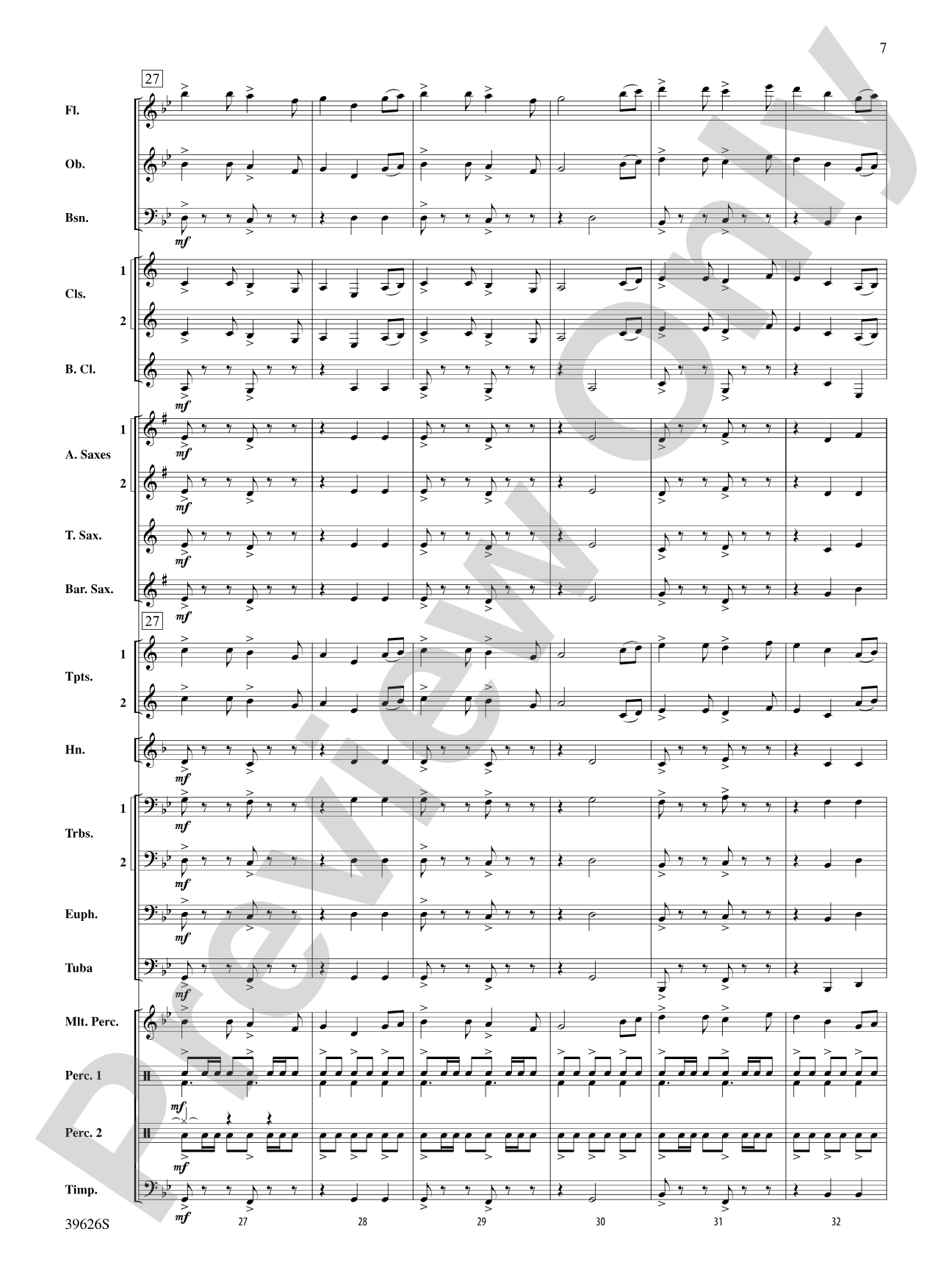
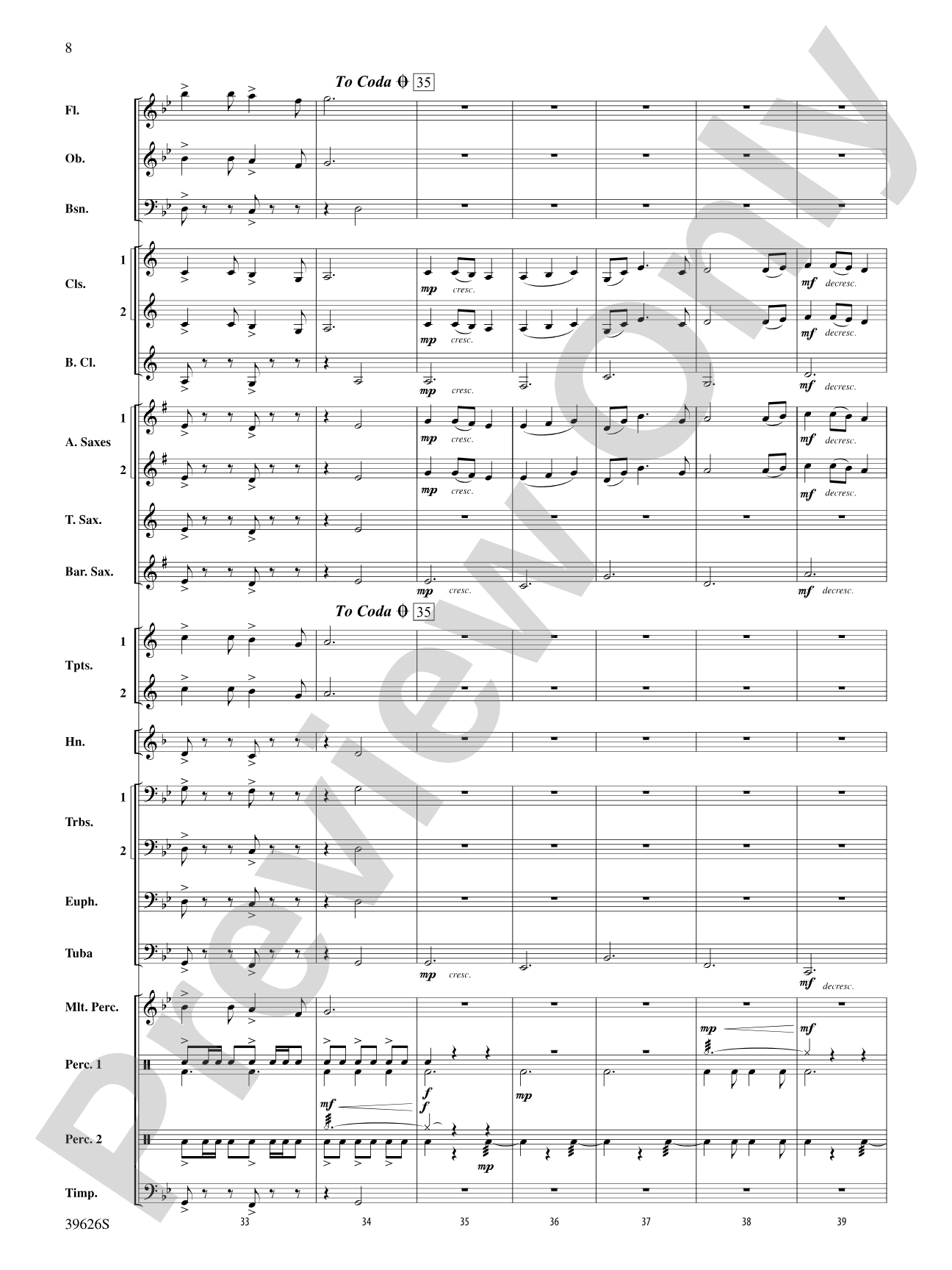
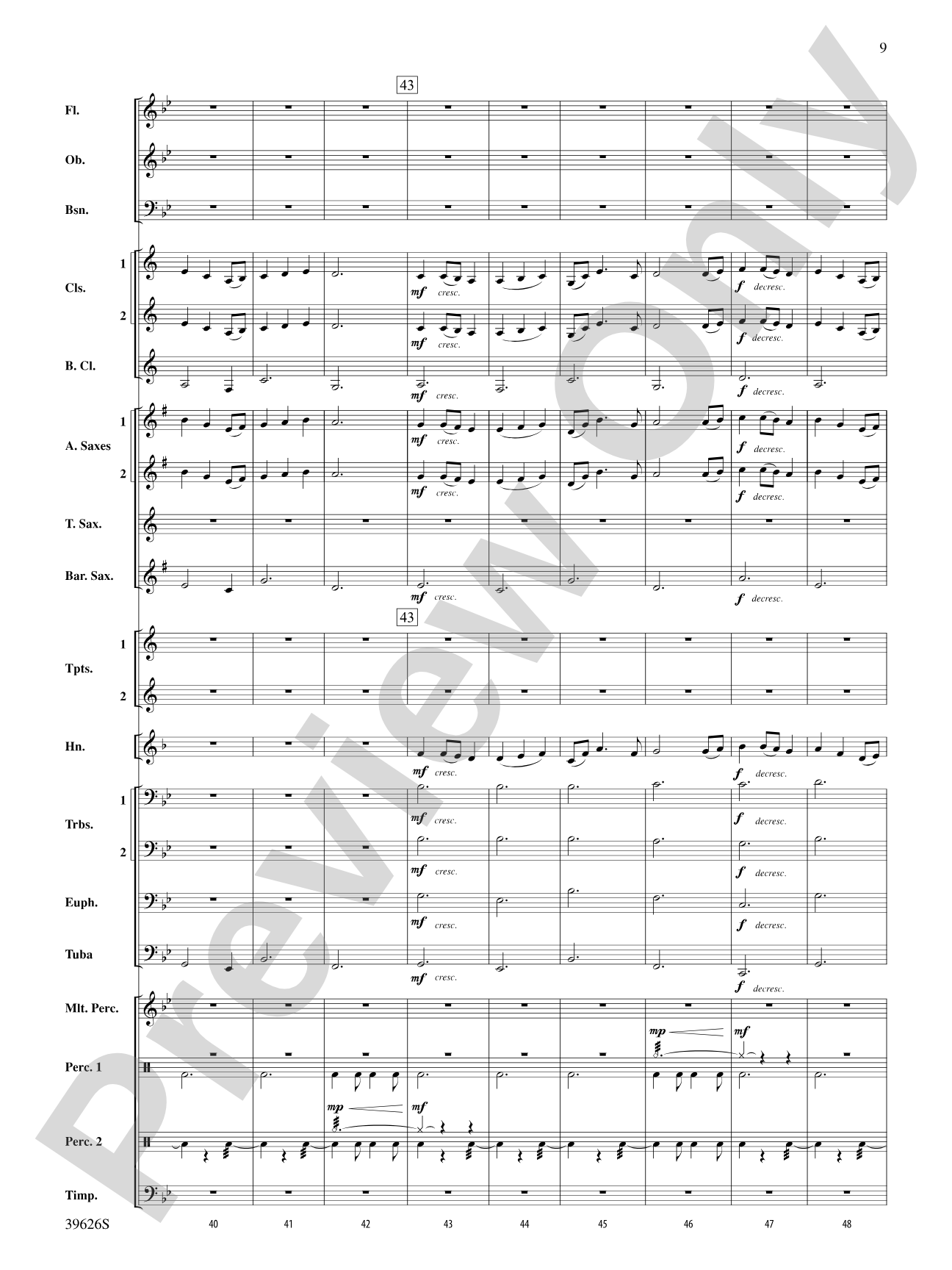
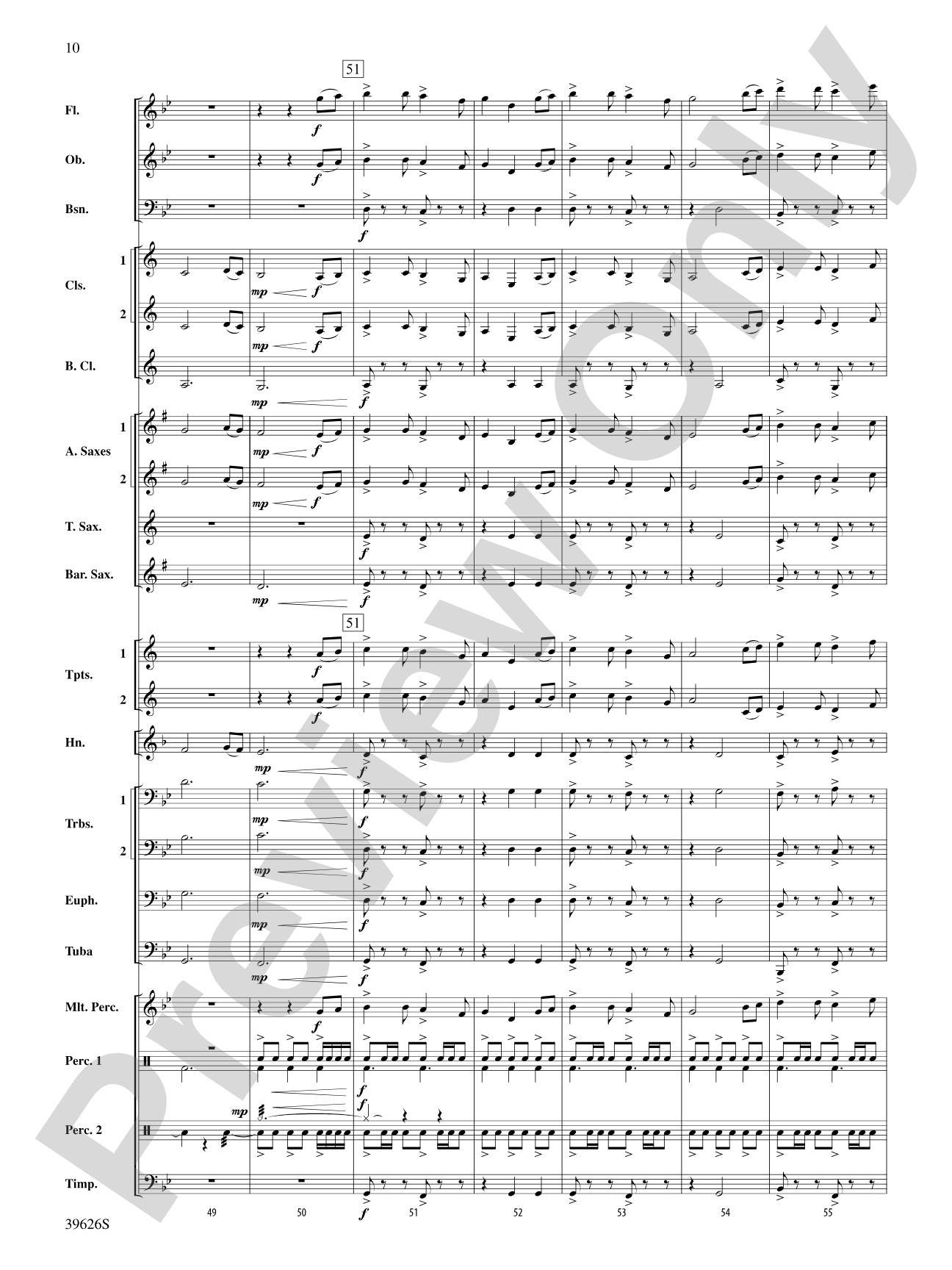
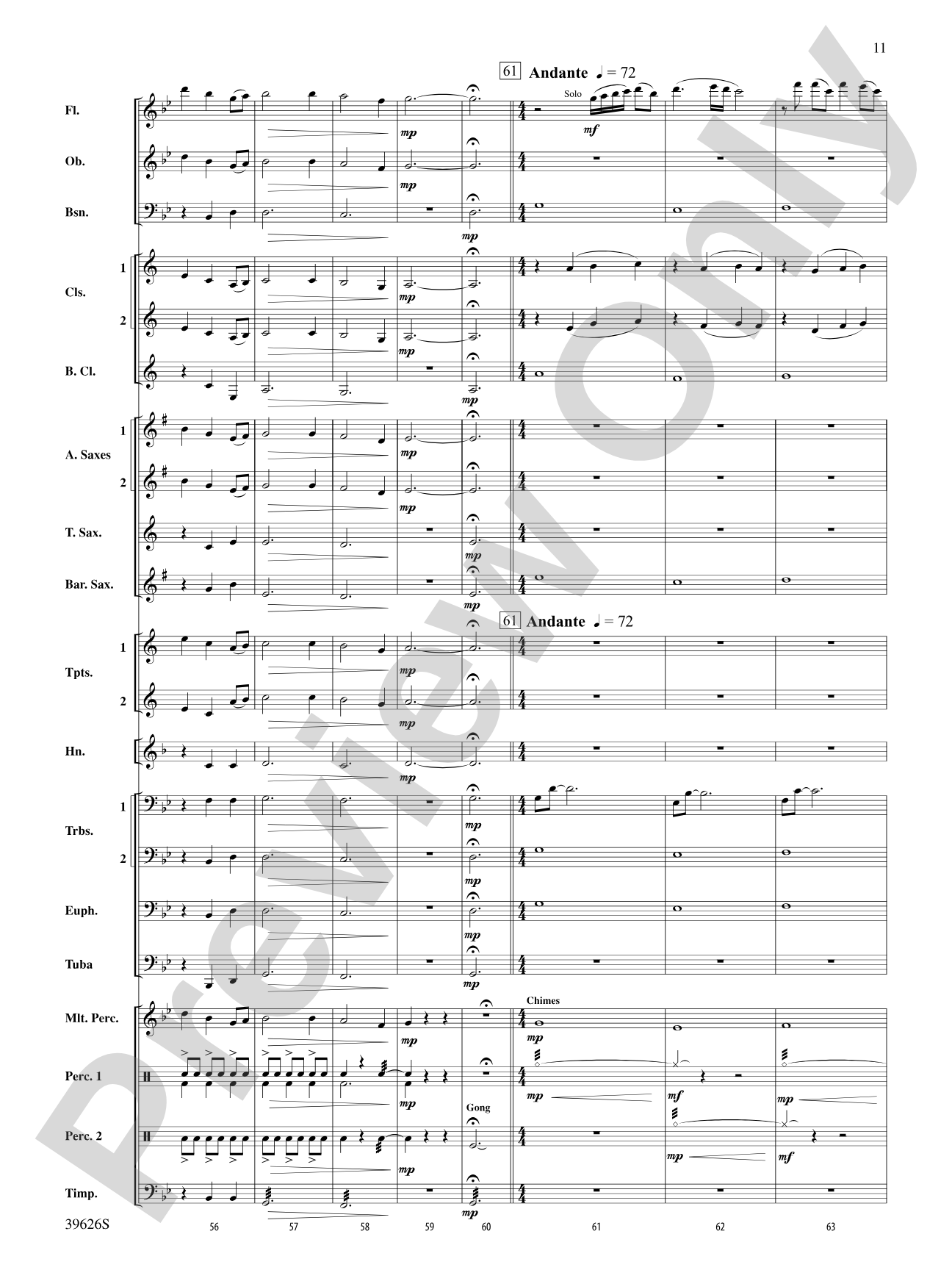
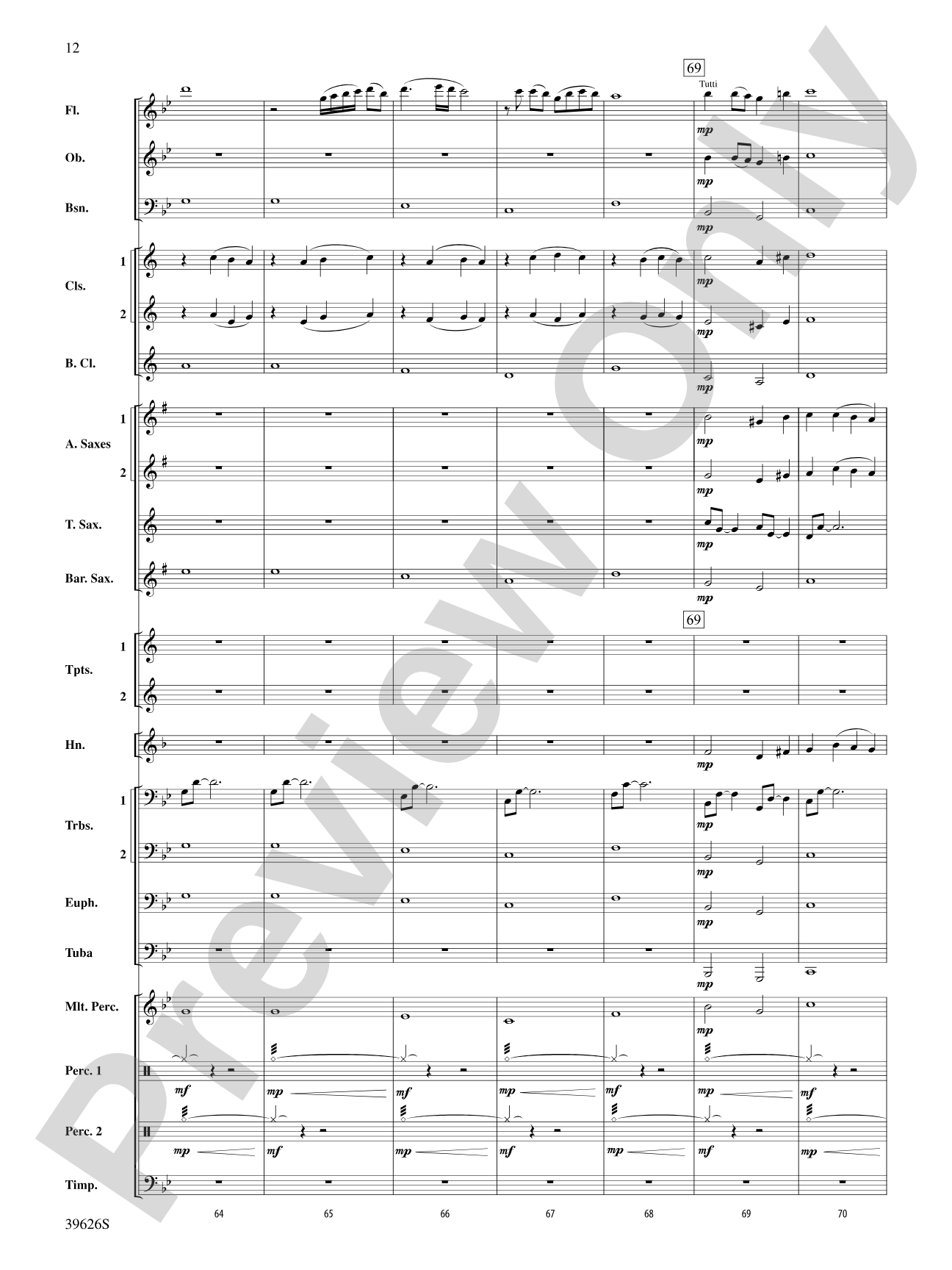
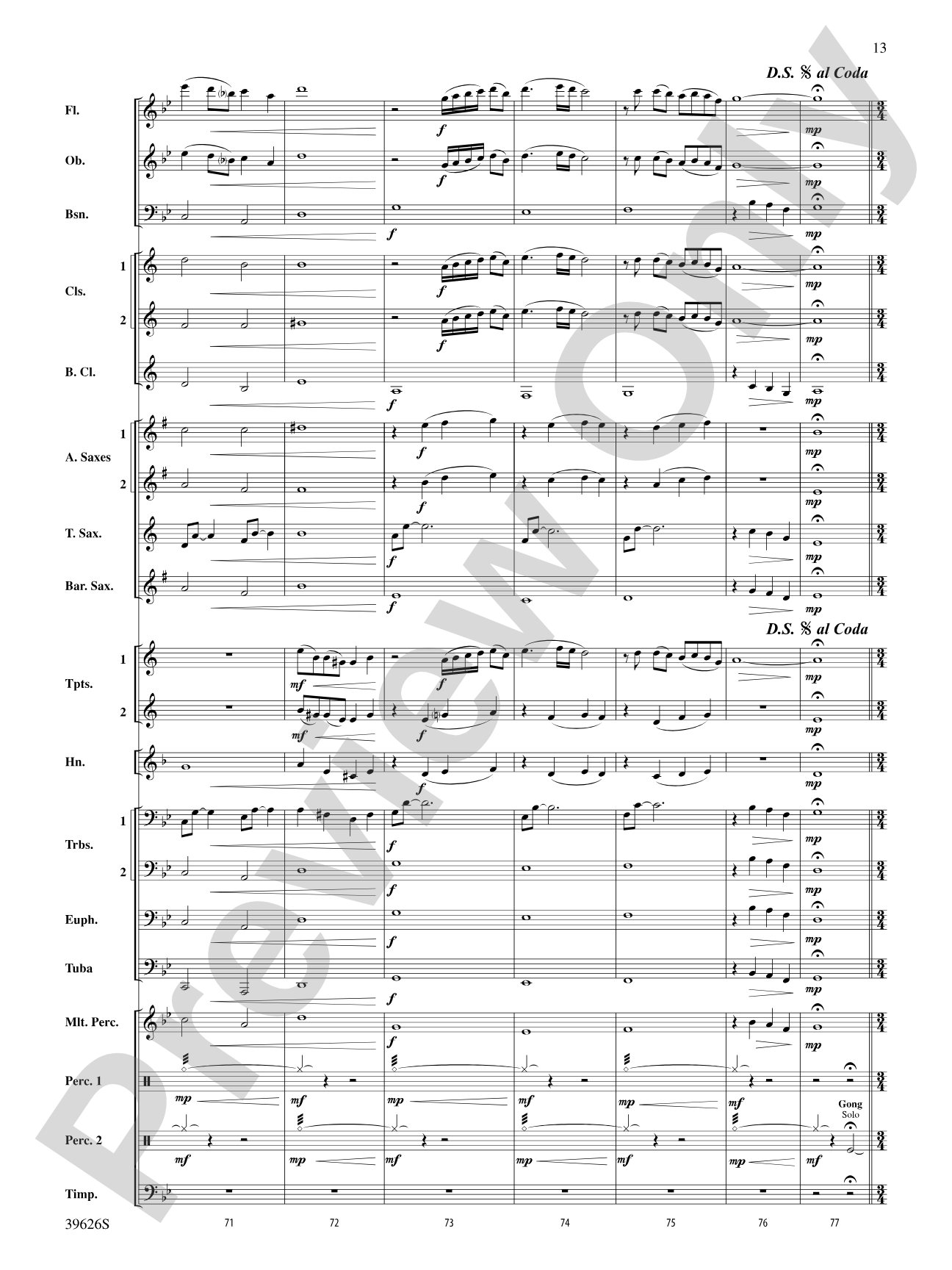
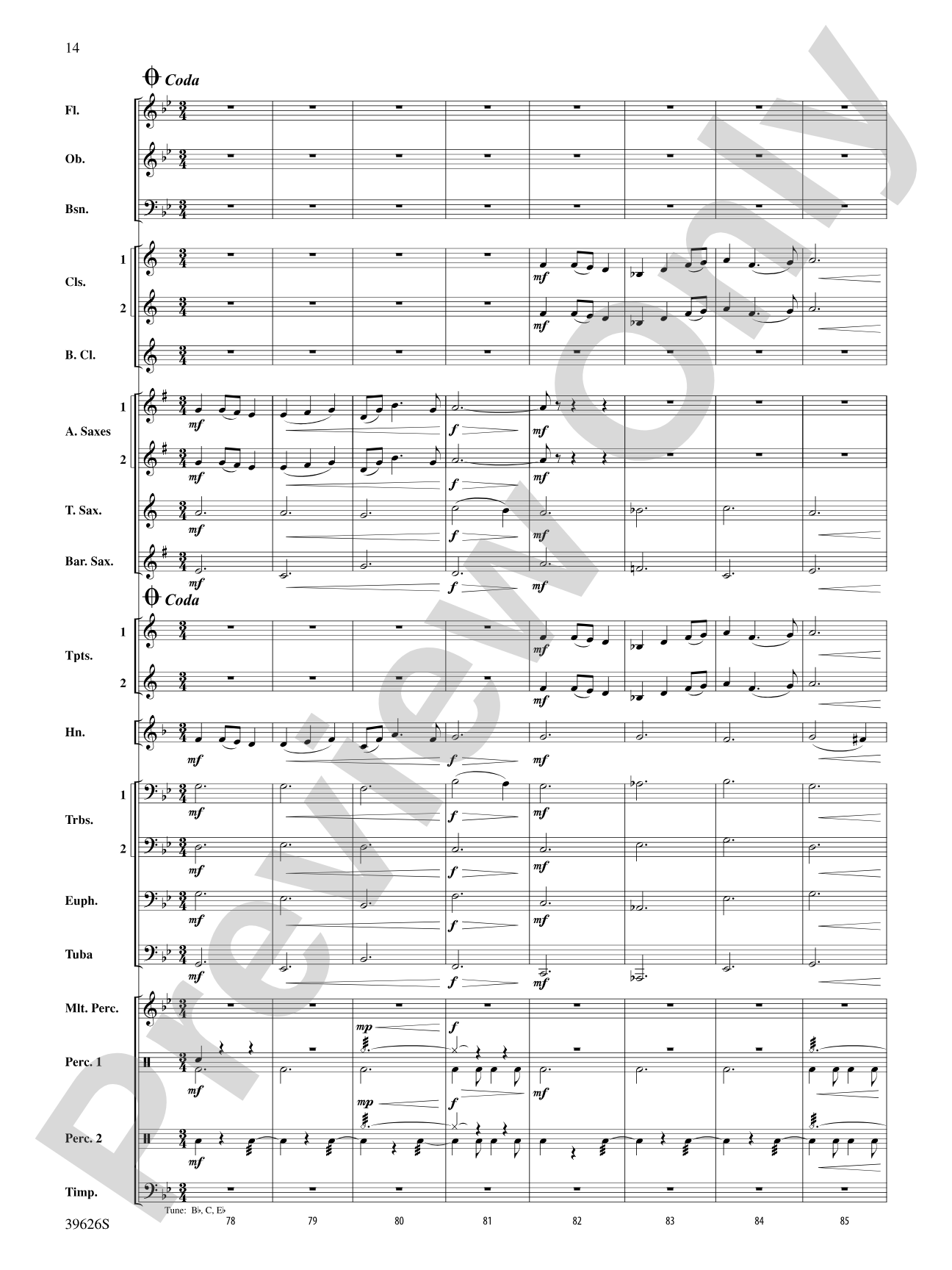
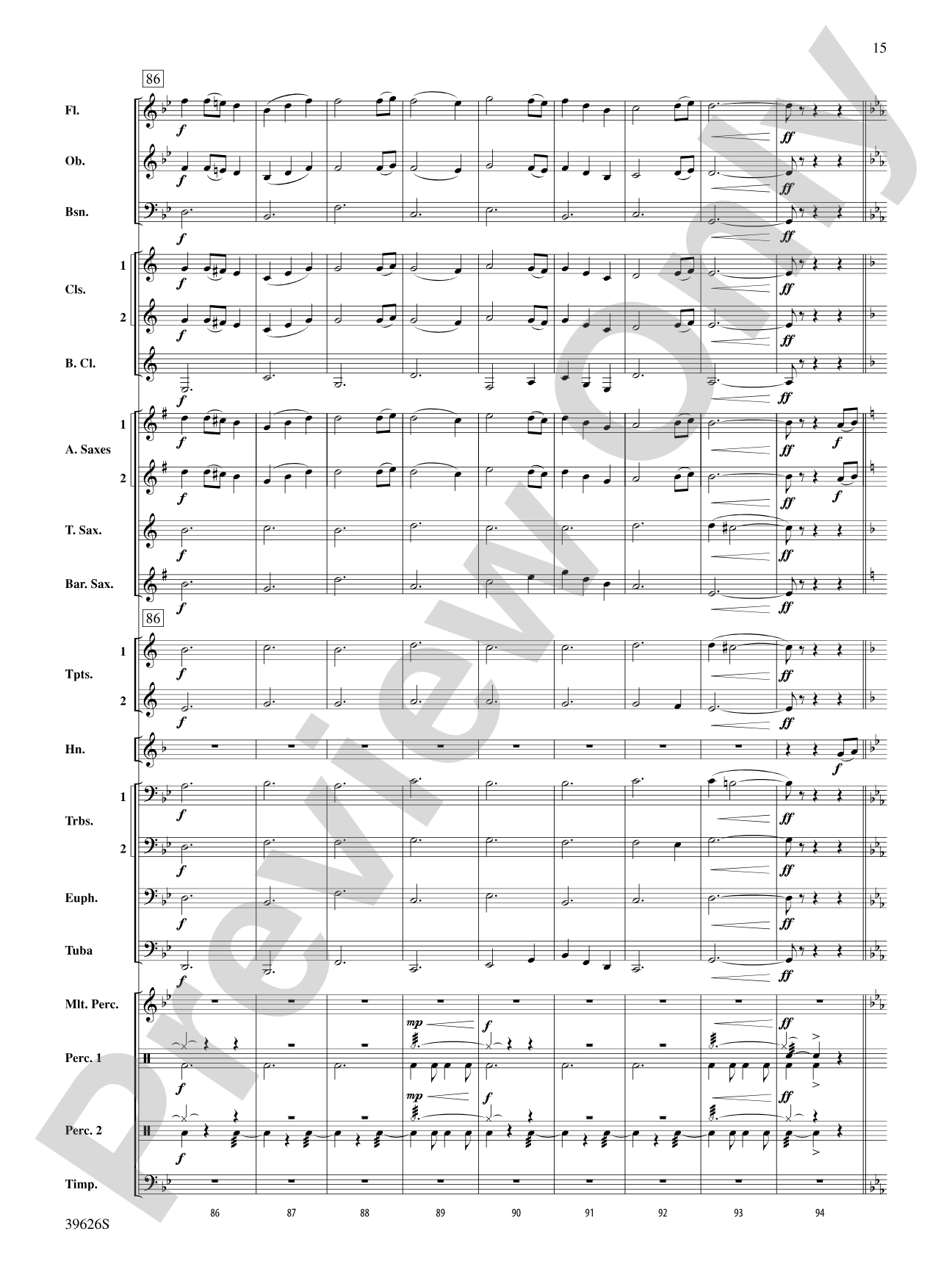
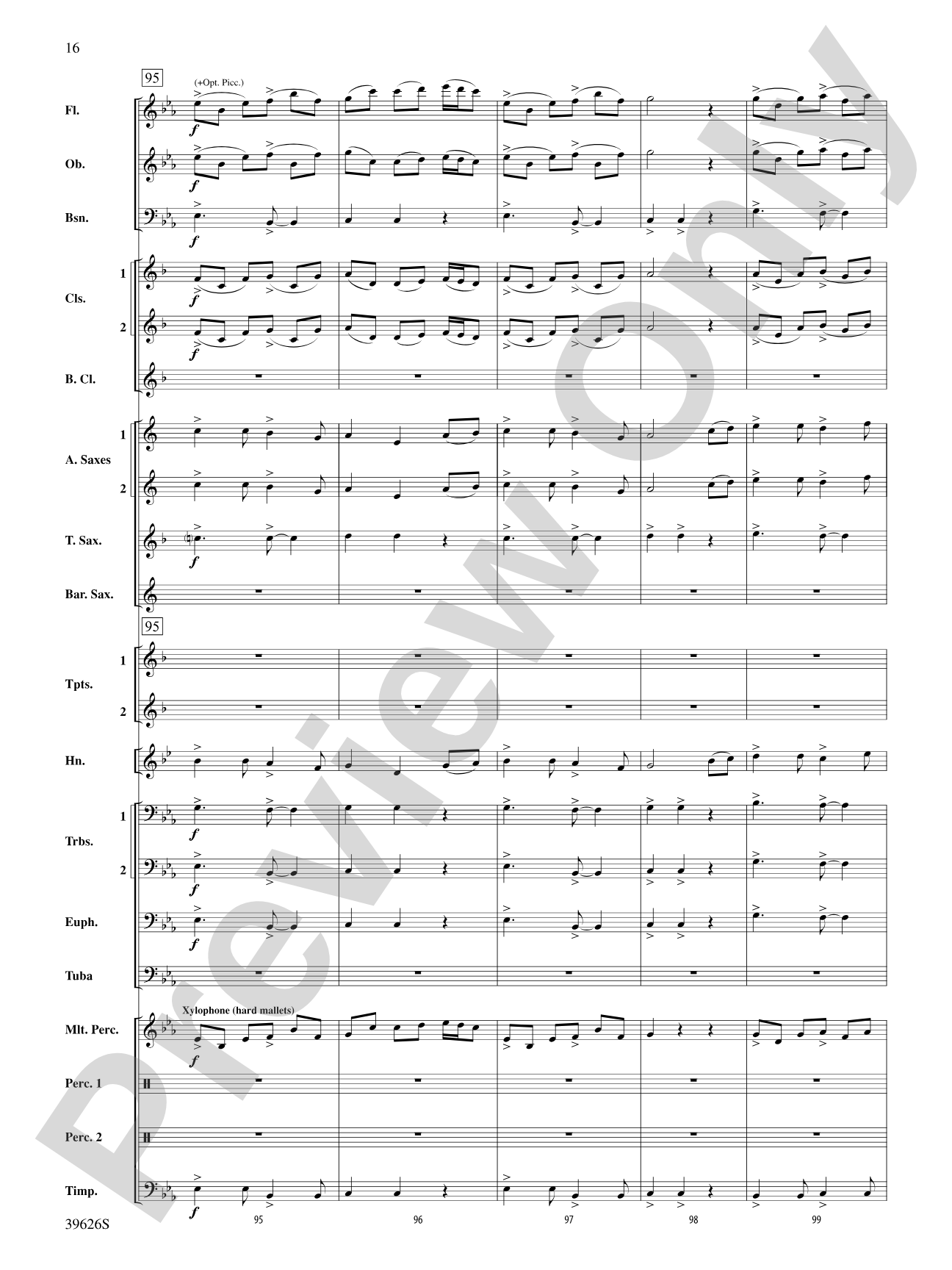
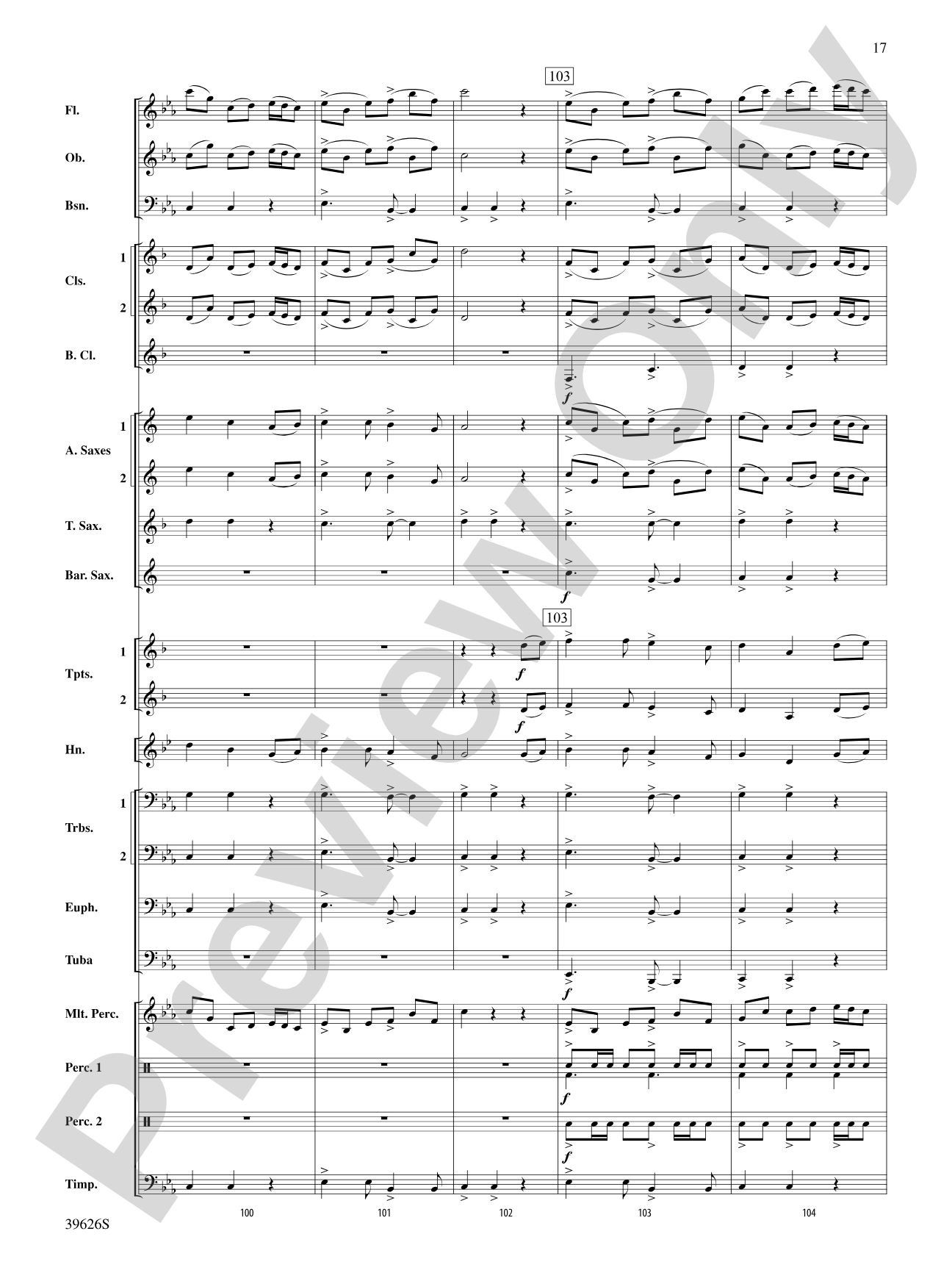
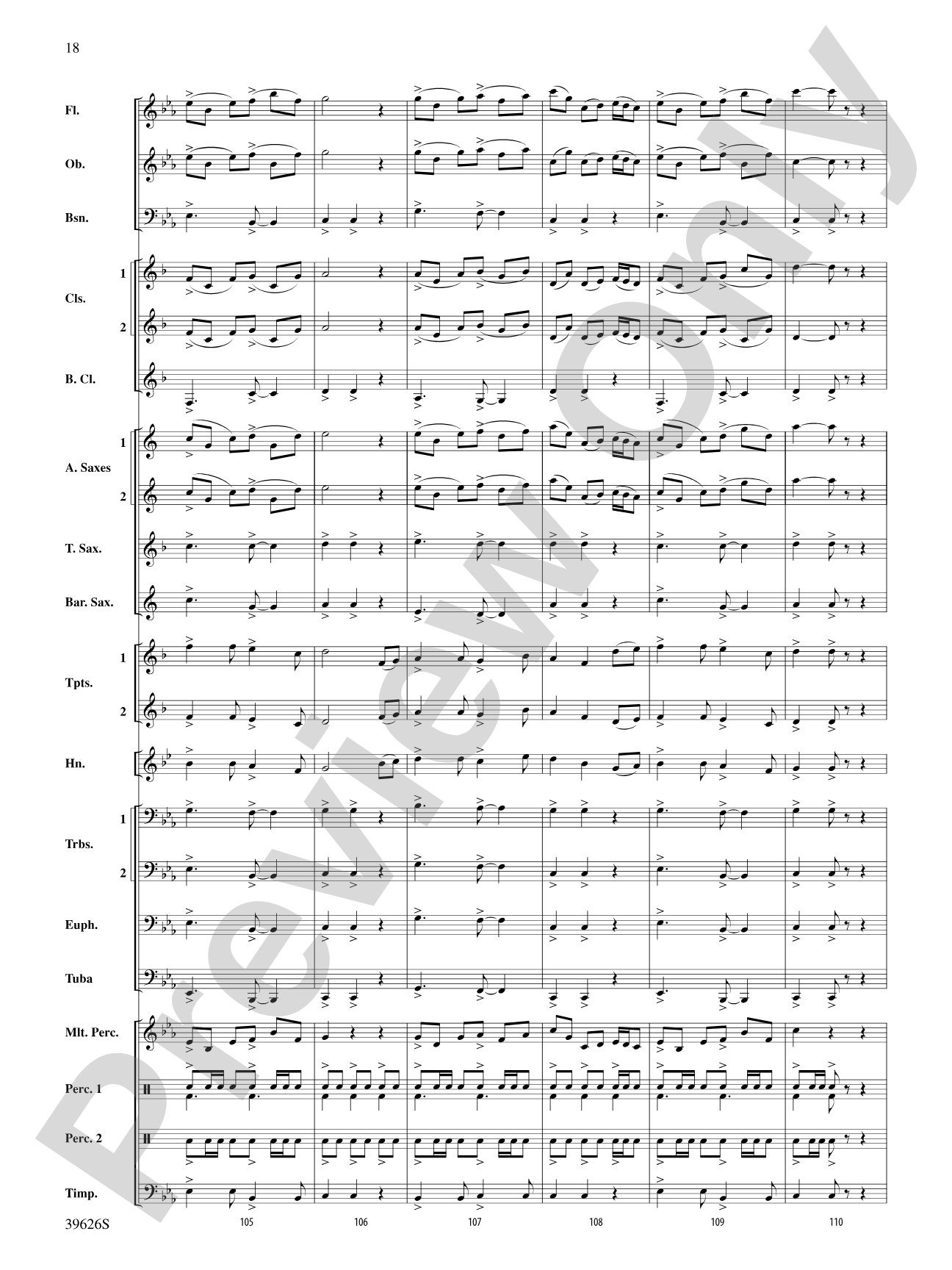
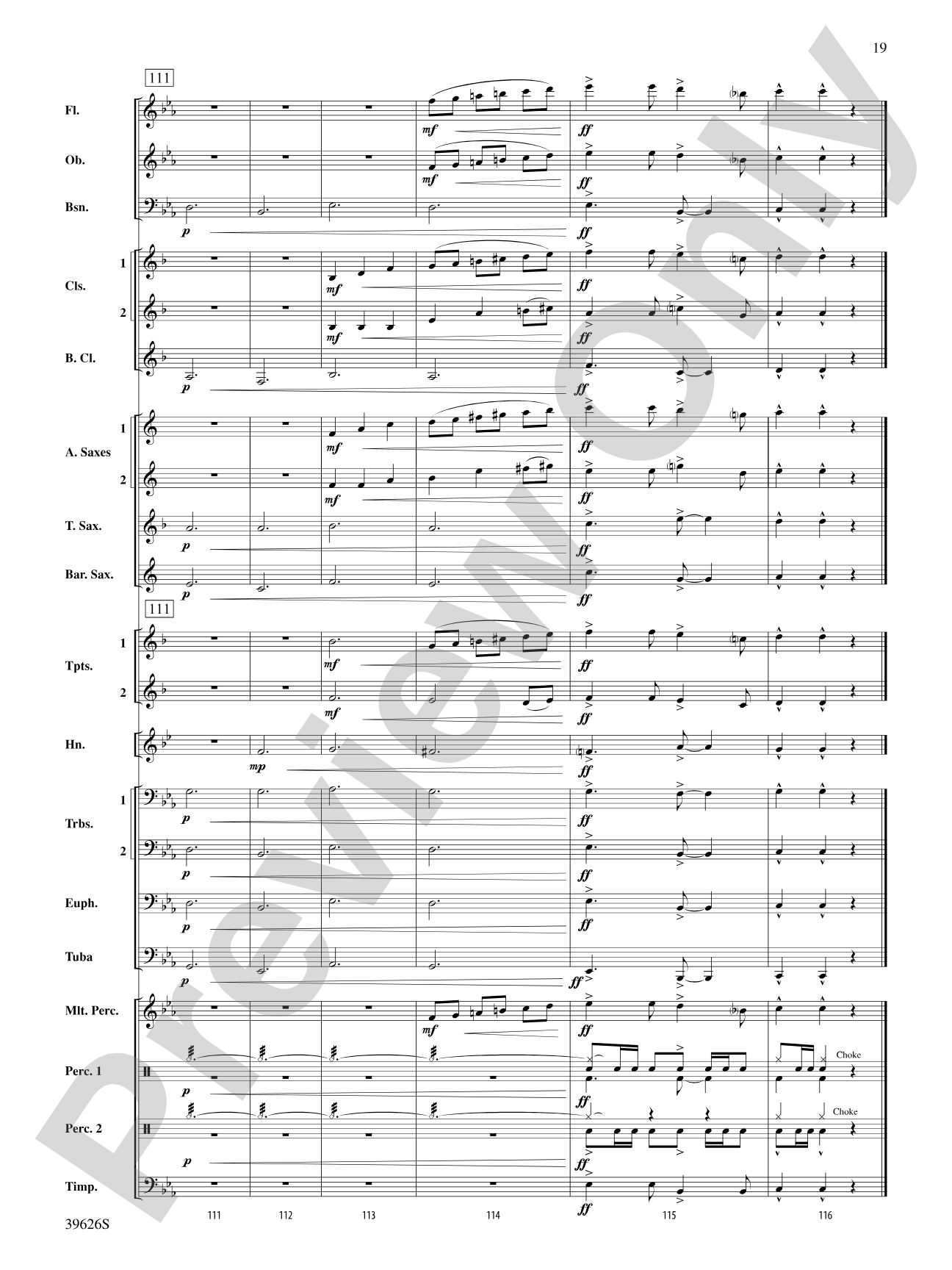
This colorful and exciting overture will make a great addition to any concert or festival program. A dark, flowing introduction provides a recurring motive that contrasts with the energetic syncopation in the main theme. A rhythmic woodwind descant with optional piccolo enhances the level of energy, providing a dramatic finish. (4:05) This title is available in MakeMusic Cloud.


Don't just read it, hear it, play along with it, and watch your students grow with it. In MakeMusic Cloud, Whiteleaf Hill: Concert Band Conductor Score & Parts comes alive with professional accompaniment, adjustable tempo, and built-in practice tools that turn solo practice into real progress.
Open in the Player
Jump straight in and assign it today.
Start Your Free Trial
Open this title and explore the full library in minutes.
Sample Audio
1
Audio File
--:--
0:00
0:00
Sample Video
No sample videos found.
Additional Details
Series:
Young Symphonic
Publisher:
Alfred Music
Page Count:
240
SKU:
00-PK-0005649
More about this title
Why we love this
Whiteleaf Hill delivers the concert overture formula that audiences love without overcomplicating the ensemble's job. The architecture is clean: Tucker establishes a compelling motive in the introduction, builds momentum through the syncopated main theme, and uses a woodwind descant (with optional piccolo color) to drive toward a satisfying conclusion. At Grade 2, it's accessible enough to program early in the season yet sophisticated enough to hold its own at festivals.
What to expect
Whiteleaf Hill opens with quiet introspection, its dark introduction establishing a thoughtful mood before the energy shifts. The syncopated main theme injects forward motion and brightness, while the added woodwind lines push the texture into rich, colorful territory. The arc builds steadily toward an exciting finish that leaves audiences wanting more.
Who it's for
Concert bands at the Grade 2 level looking for a substantial overture that works equally well on a spring concert or festival program. The piece suits ensembles with developing rhythmic maturity and solid foundation players in each section but doesn't require advanced technical facility.
How to get the most out of it
- Balance the dark, flowing introduction carefully so the recurring motive emerges clearly; it's the harmonic and melodic spine of the whole piece. Avoid letting it blur into atmospheric texture.
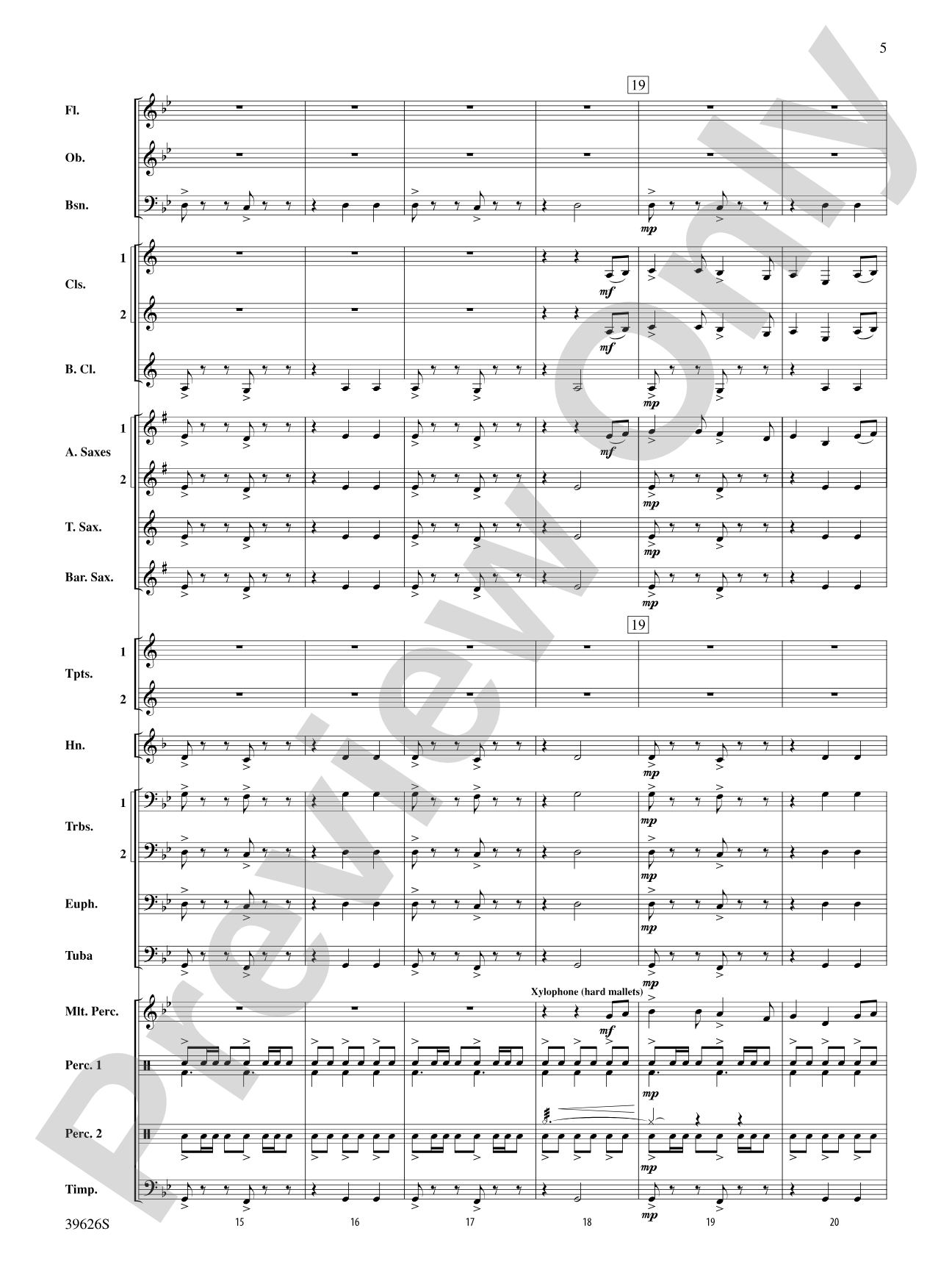
- Lock in the syncopation of the main theme early. Mark beat subdivisions in parts where syncopation crosses bar lines, and spend rehearsal time specifically on spots where rhythm aligns (or doesn't) across sections.
- Bring out the woodwind descant when it enters; it's designed to energize the texture. If you add piccolo, check that it sits above the section without drowning other voices.
- Shape the dramatic finish by controlling the buildup. Resist the urge to rush as energy increases; let the arrangement create the momentum.
How to use it
Use this as an opener to energize a program or as a second piece to showcase your band's rhythmic control and sectional blend. Its four-minute length makes it an ideal festival selection without eating up concert time, and the contrast between the introduction and main theme gives programming variety alongside heavier or more lyrical works.
Skills your students will build
- Executing syncopated rhythmic figures across multiple measures
- Balancing a recurring motive in ensemble contexts
- Maintaining ensemble sound during dynamic and textural shifts
- Responding to rising energy and tempo implications without actually accelerating