
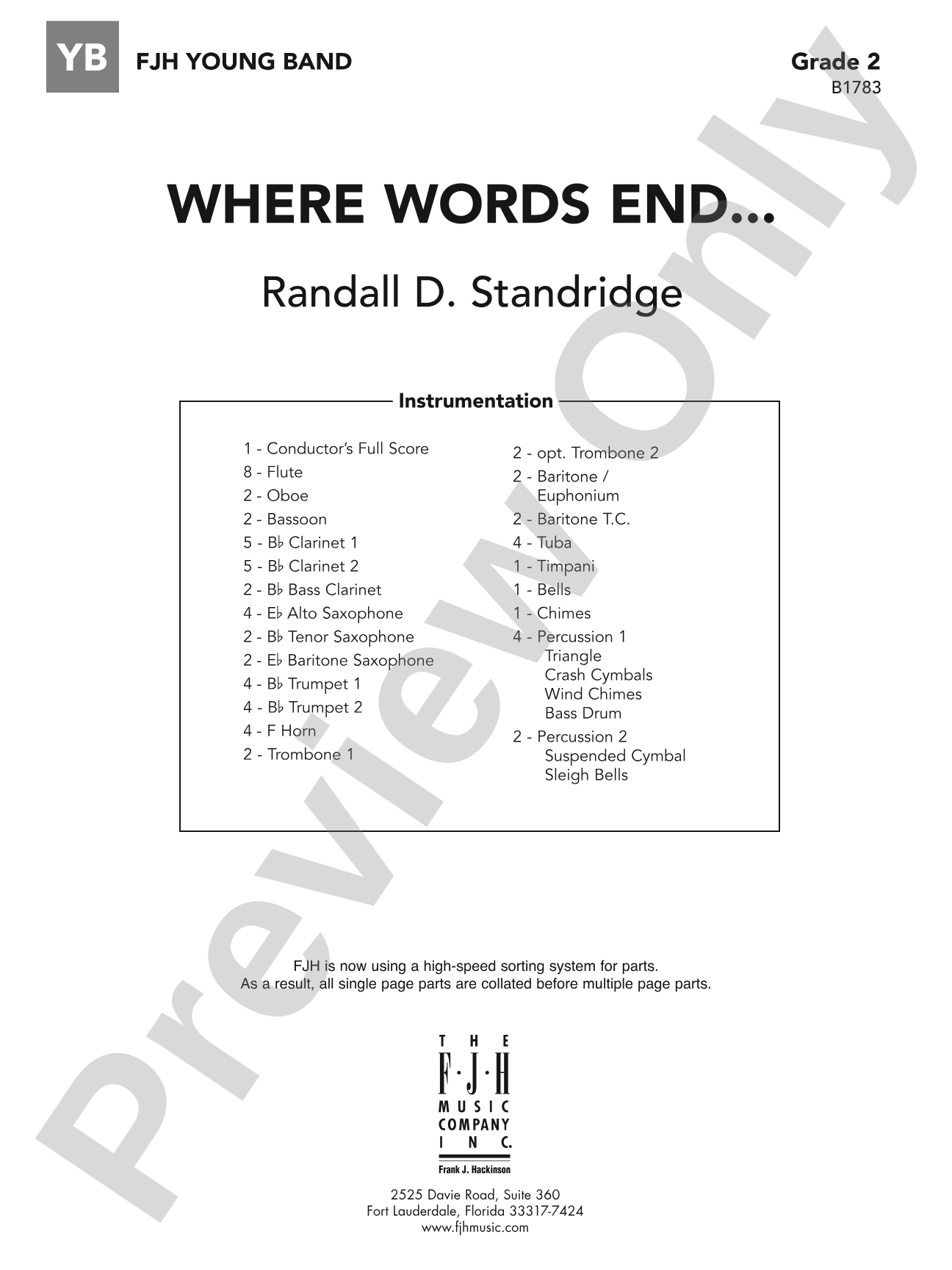
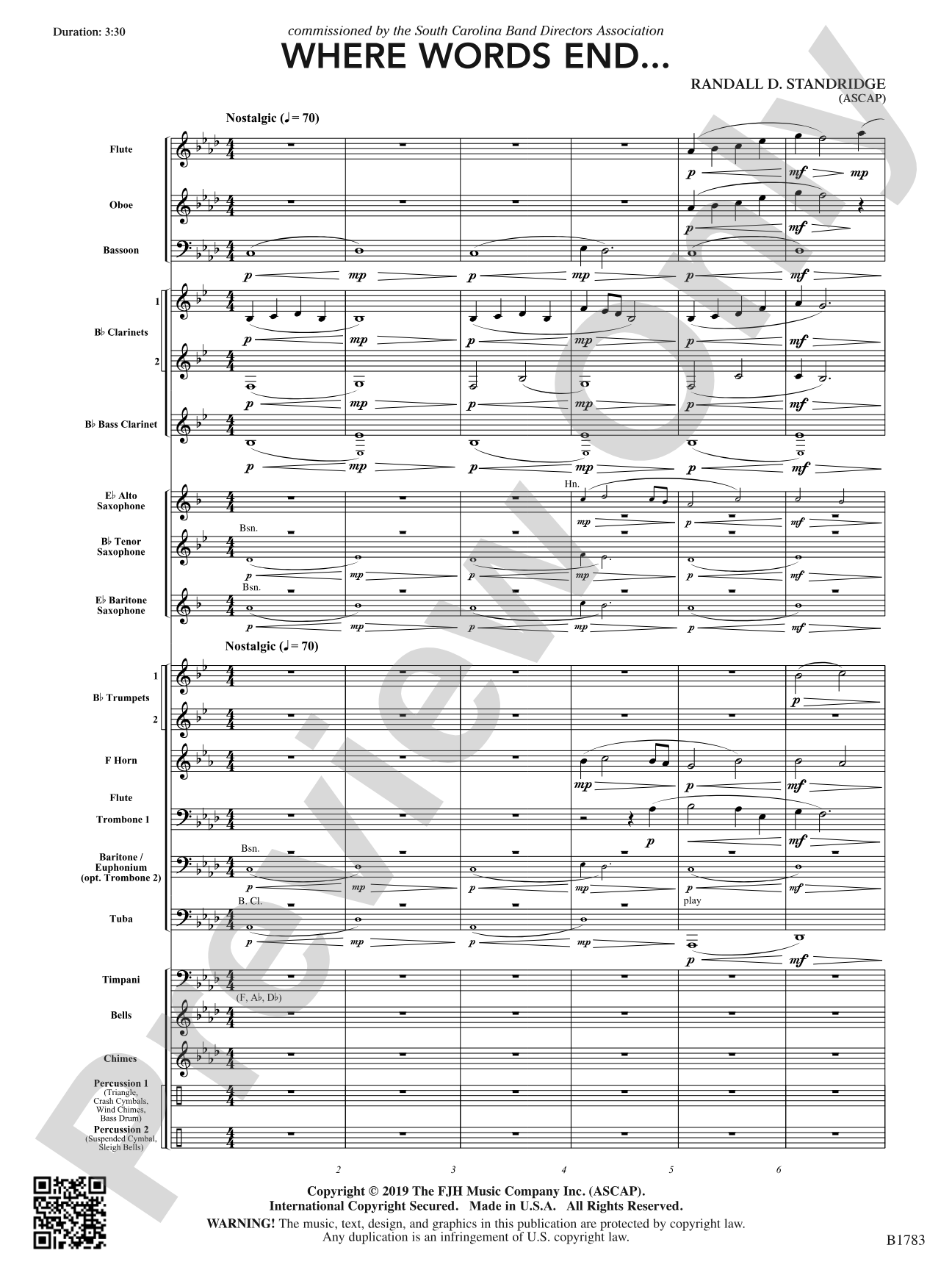
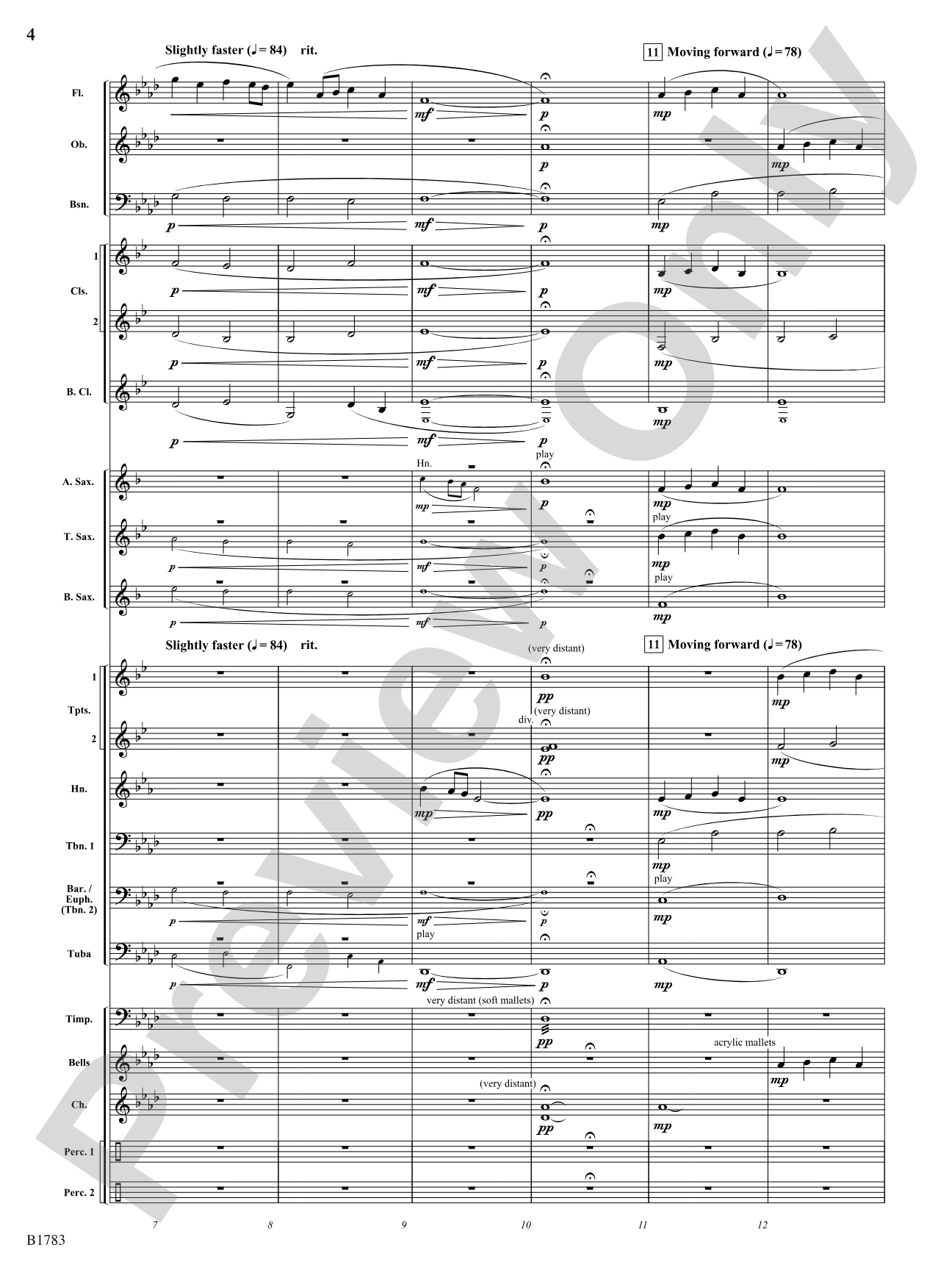
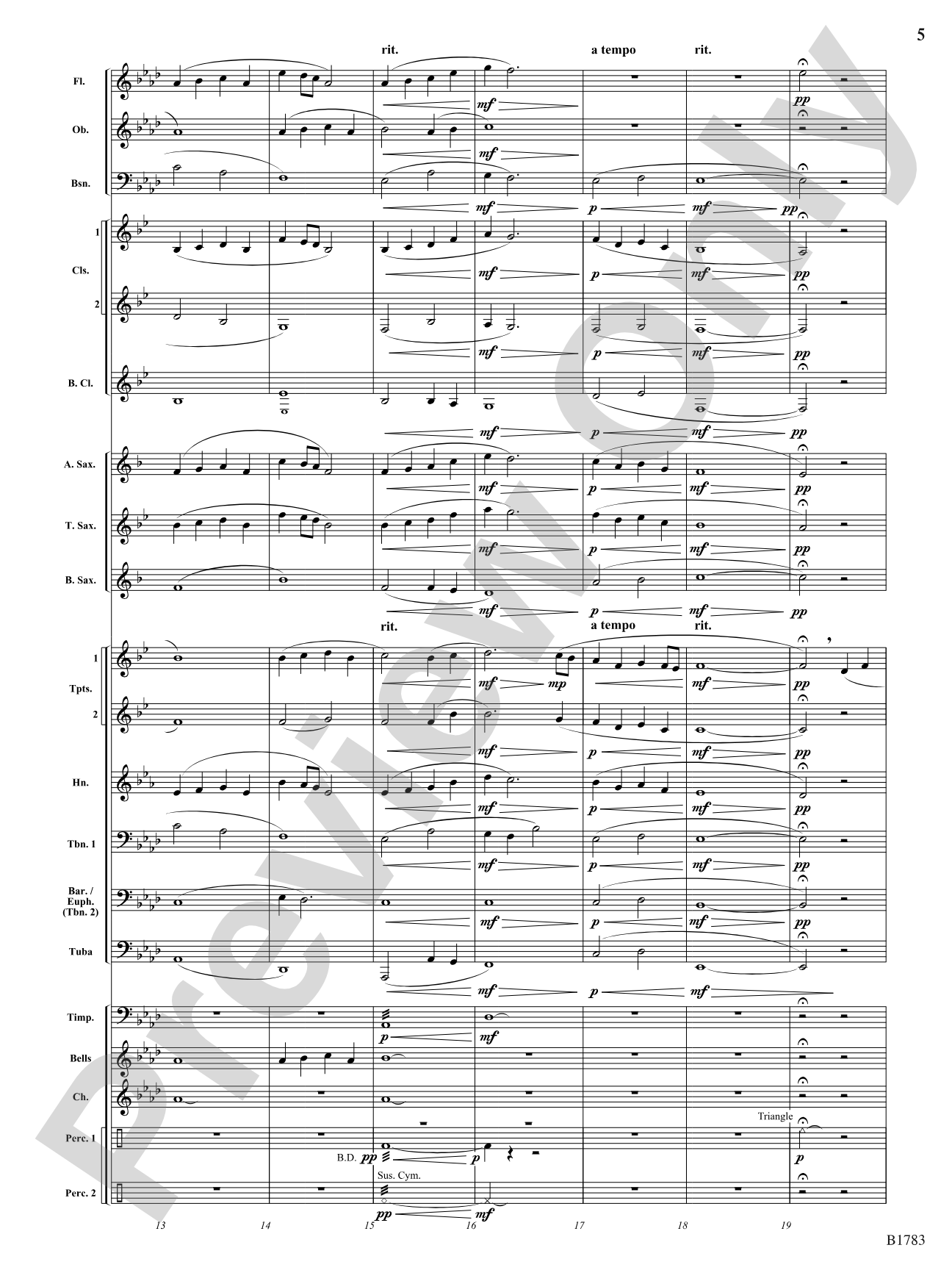
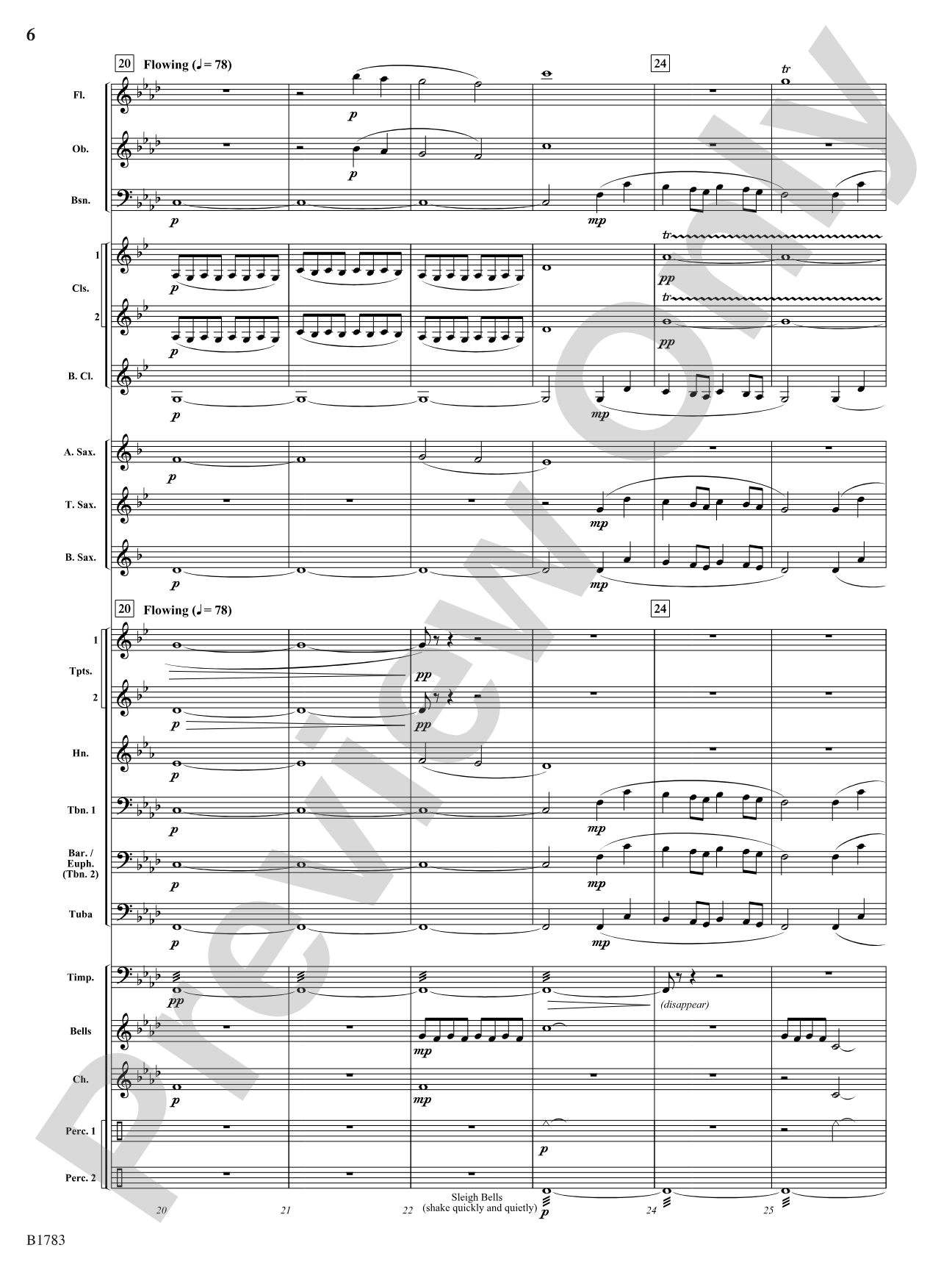
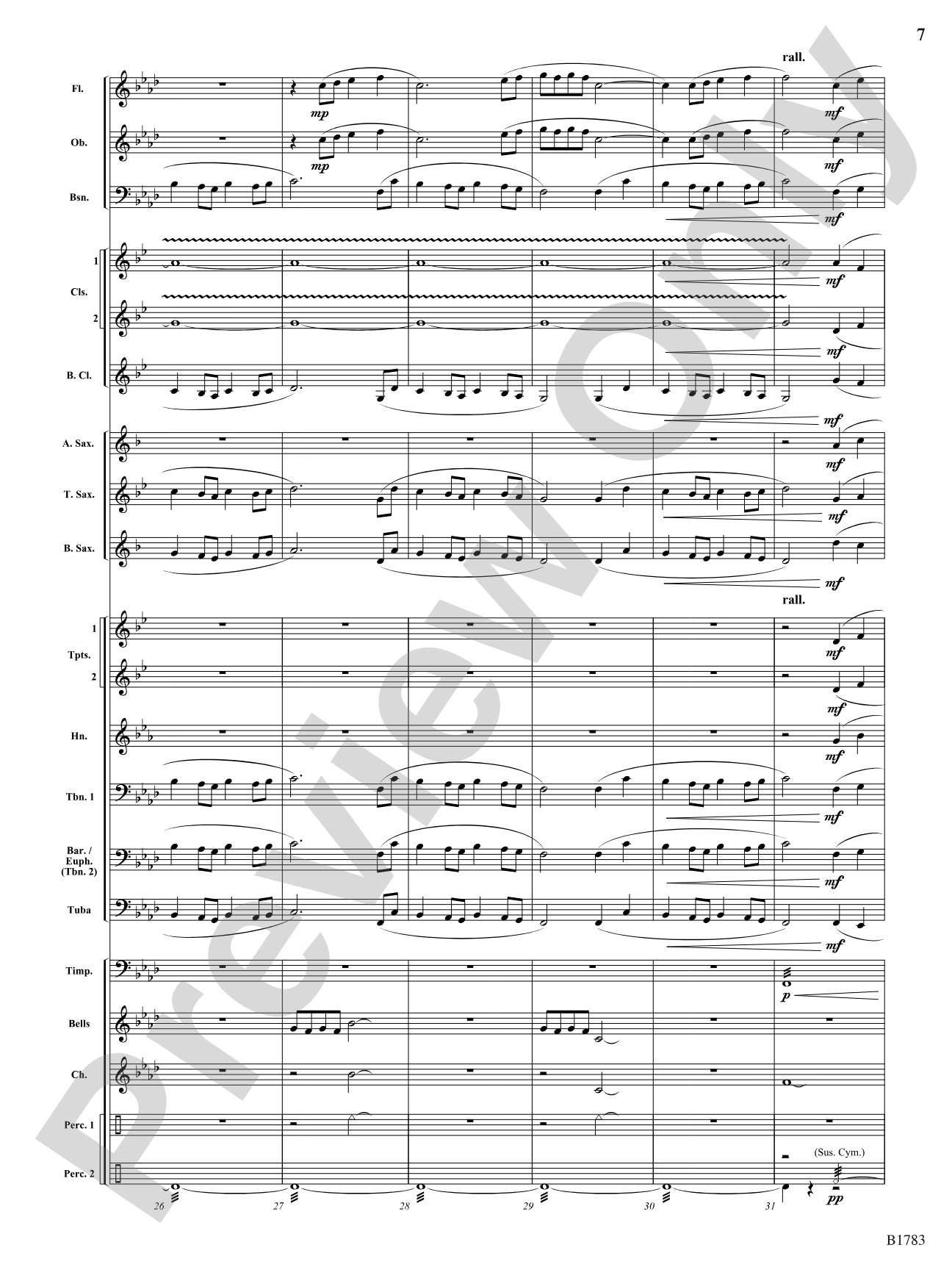
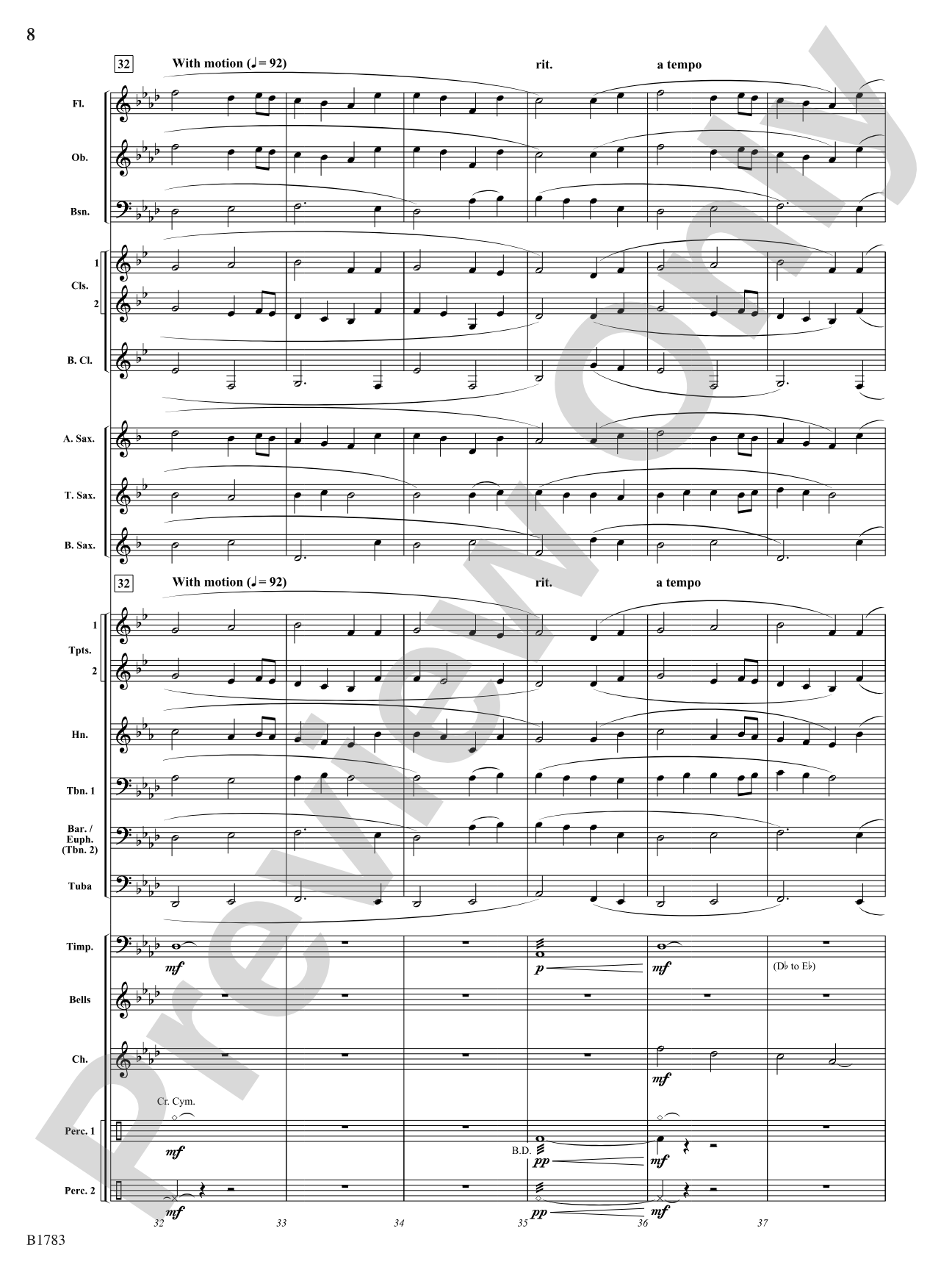
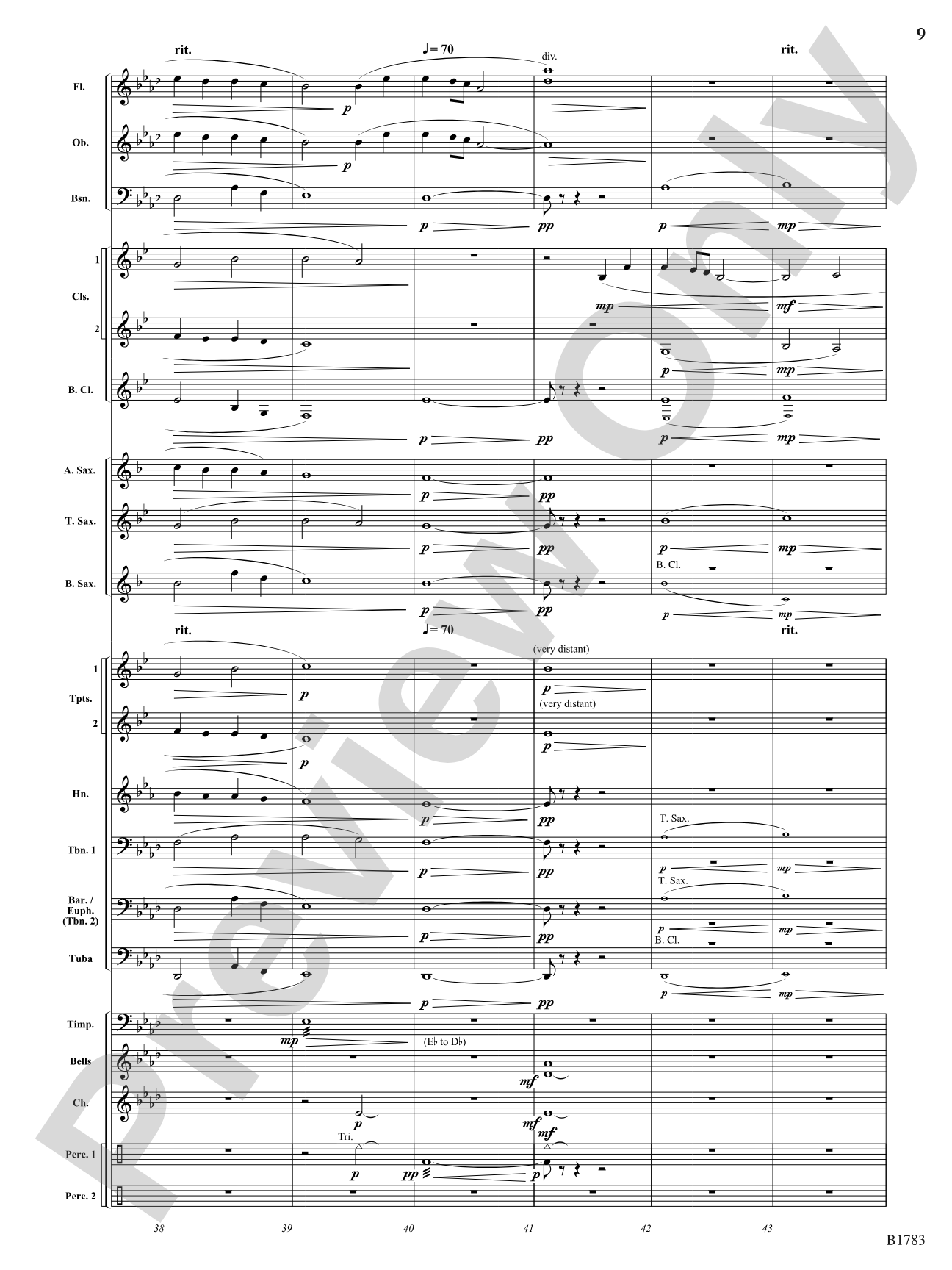
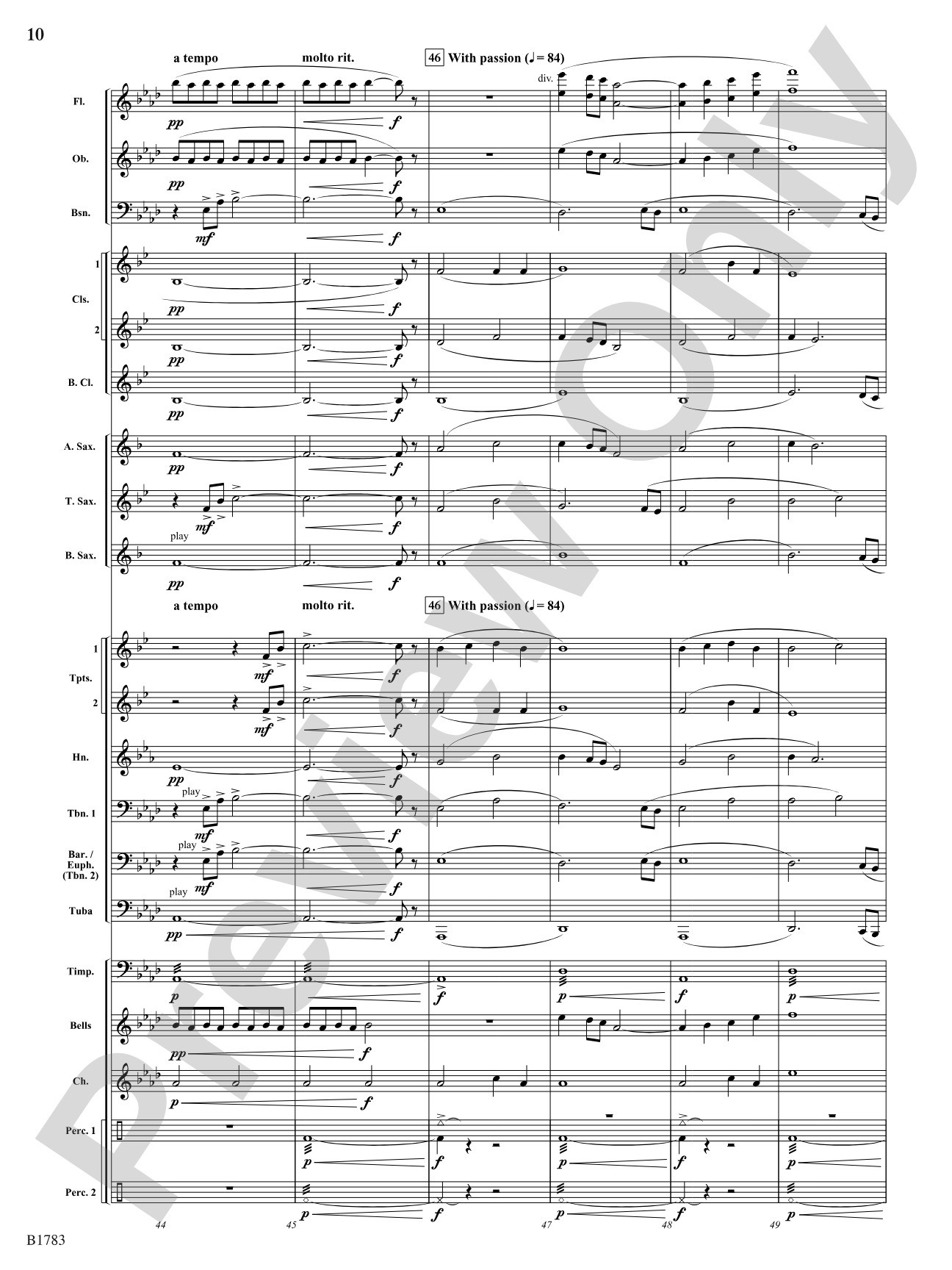
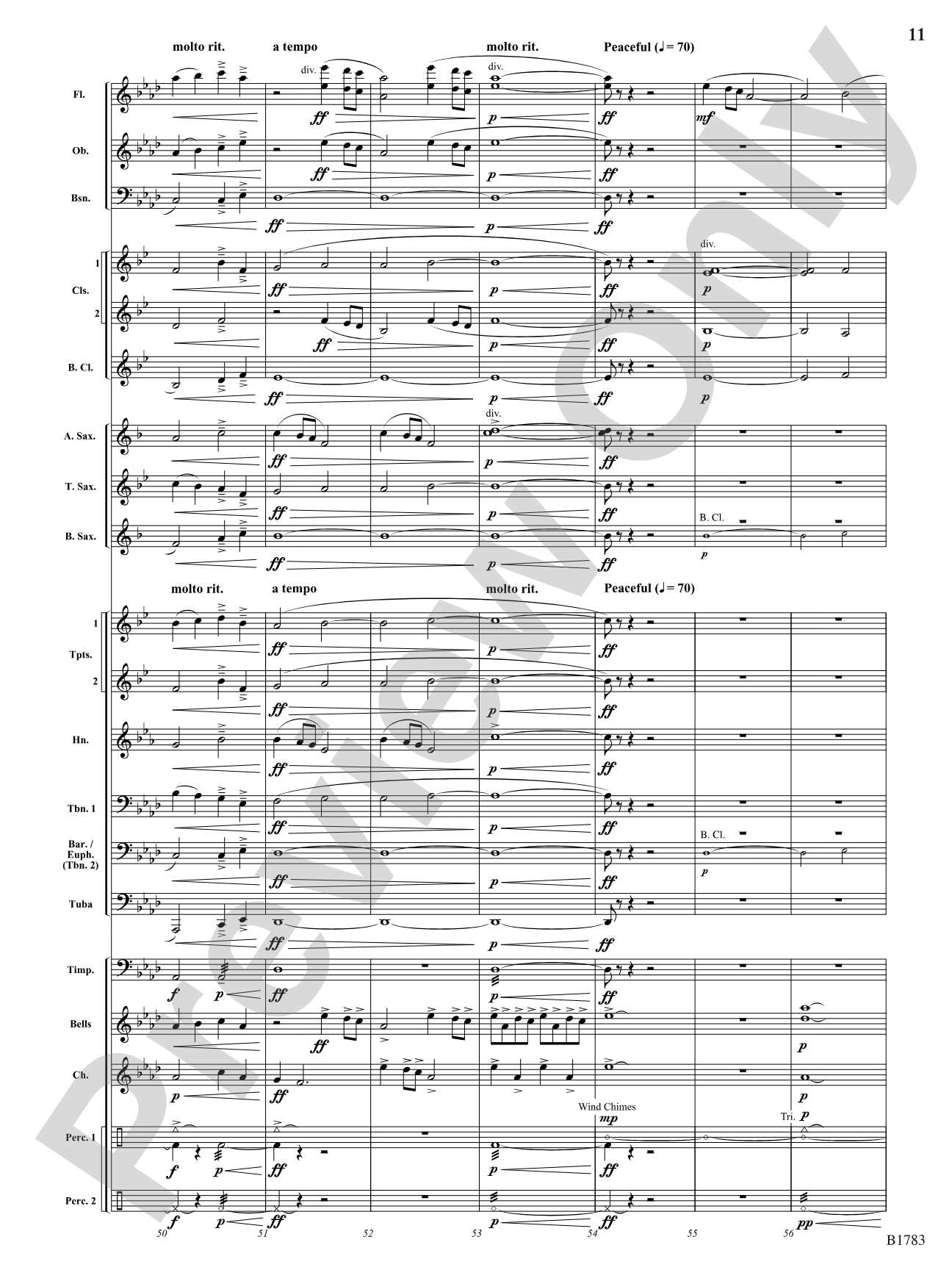
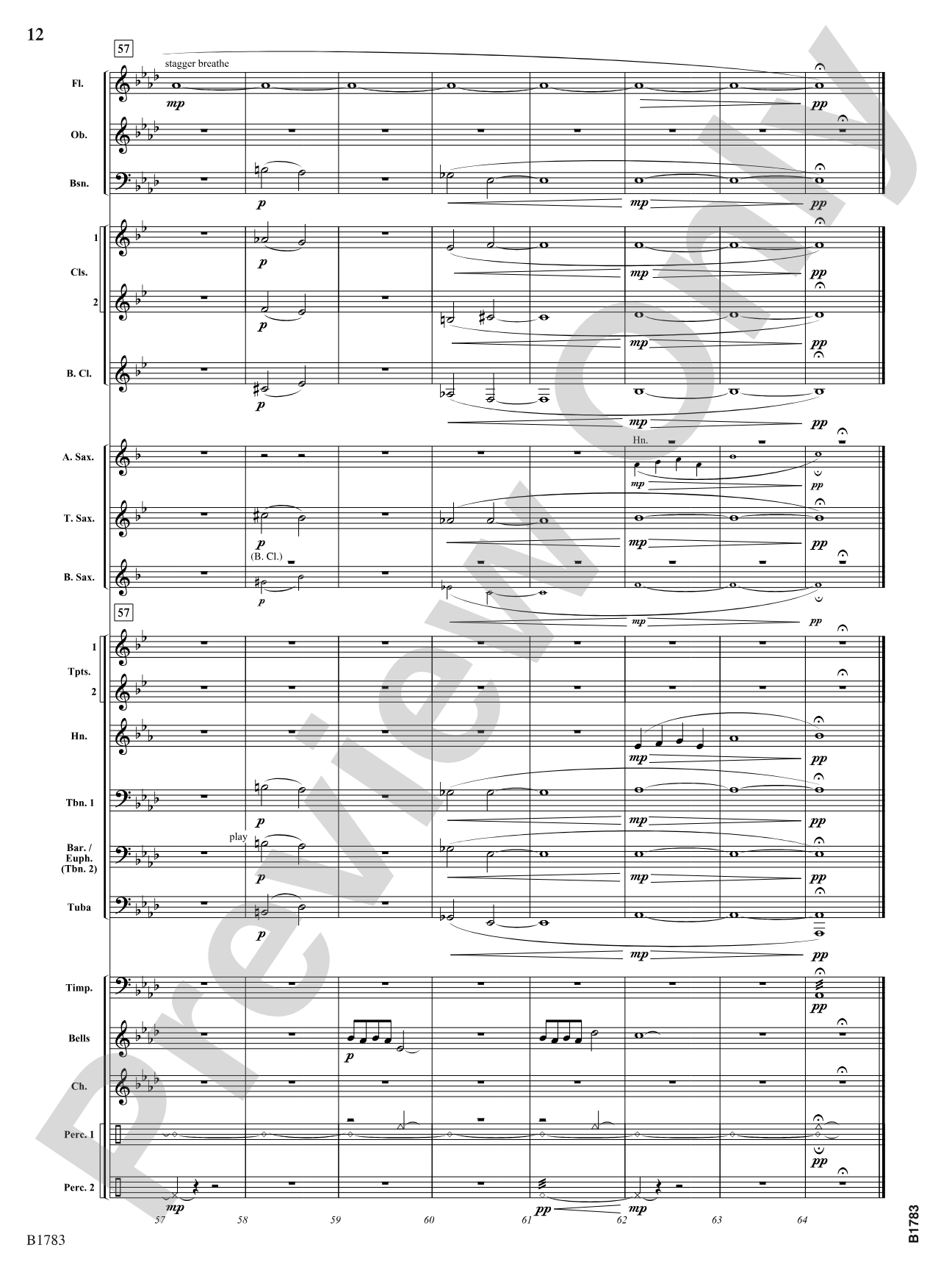

Where Words End...: Concert Band Conductor Score & Parts
By Randall D Standridge
Grade: 2
Item: 98-DB1783

$65.00
Pickup currently not available
Buy Extra Parts (Digital PDF Download)
Parts Added to Cart!
Description
Sometimes, music is not "about" anything. It exists solely for the beautiful sounds it creates and the emotions derived from that aesthetic experience. Where Words End... falls firmly into this category of music. This expressive piece makes creative use of the ranges and colors available for young bands to create a truly remarkable new work for students and directors alike. "Where words end, music begins..."


Don't just read it, hear it, play along with it, and watch your students grow with it. In MakeMusic Cloud, Where Words End...: Concert Band Conductor Score & Parts comes alive with professional accompaniment, adjustable tempo, and built-in practice tools that turn solo practice into real progress.
Open in the Player
Jump straight in and assign it today.
Start Your Free Trial
Open this title and explore the full library in minutes.
Sample Audio
1
Audio File
--:--
0:00
0:00
Sample Video
Additional Details
Series:
FJH Young Band
Publisher:
The FJH Music Company, Inc.
SKU:
98-DB1783
More about this title
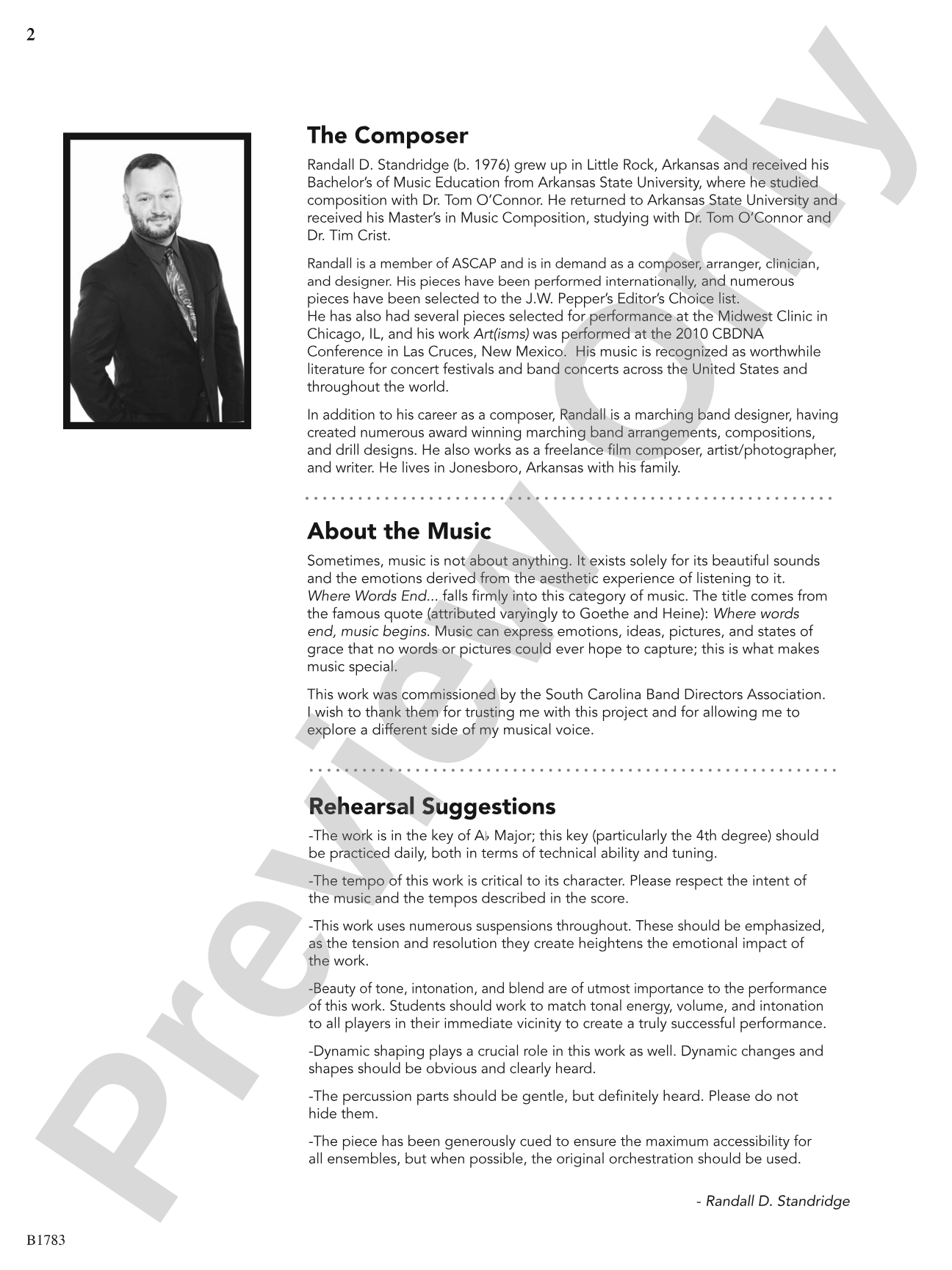
About the Composer: Randall D Standridge
Randall D Standridge is a prolific composer and arranger whose catalog spans concert band, wind ensemble, and choral literature. His work emphasizes accessibility without sacrificing musical substance, making him a trusted voice in music written for developing ensembles.
Standridge's compositions and arrangements appear regularly on festival and contest programs across North America. He understands the pedagogical arc of young musicians and writes music that challenges them musically while remaining playable at their level.
Why we love this
Standridge crafts a piece that takes the Grade 2 palette seriously, using range and color strategically rather than simply for effect. The philosophical anchor in the title reminds conductors and students that concert music can exist as pure expression, which is exactly the kind of artistic framing young musicians need.
What to expect
The music unfolds with quiet introspection, letting individual voices emerge and recede within a shimmering harmonic landscape. Standridge trusts silence and space as much as sound, creating moments where the ensemble holds a chord and lets its resonance speak.
Who it's for
This piece is ideal for Grade 2 concert bands preparing for festival or contest performance. It works equally well for groups seeking to build expressive maturity and understanding of how timbre and range create meaning without text.
How to get the most out of it
- Balance the ensemble carefully across sections; young bands tend to play loudly, but this work demands dynamic sensitivity to showcase the colors Standridge writes.
- Attend to phrase shaping even in passages that sit in the middle dynamic range. The emotional arc depends on subtle crescendos and releases.
- Mark breathing points clearly in parts so students maintain the legato quality without gasping between phrases.
How to use it
Program this as a contemplative interlude between more energetic selections, or open a concert with it to establish an artistic tone. Its modest length and Grade 2 accessibility make it suitable for both festival performance and school concerts where you want to showcase musical maturity.
Skills your students will build
- Dynamic control and expressive phrasing in a non-verbose context
- Blend and balance across four-part writing
- Sustaining tone quality through longer passages with minimal melodic content
- Understanding how range and timbre function as primary musical elements