

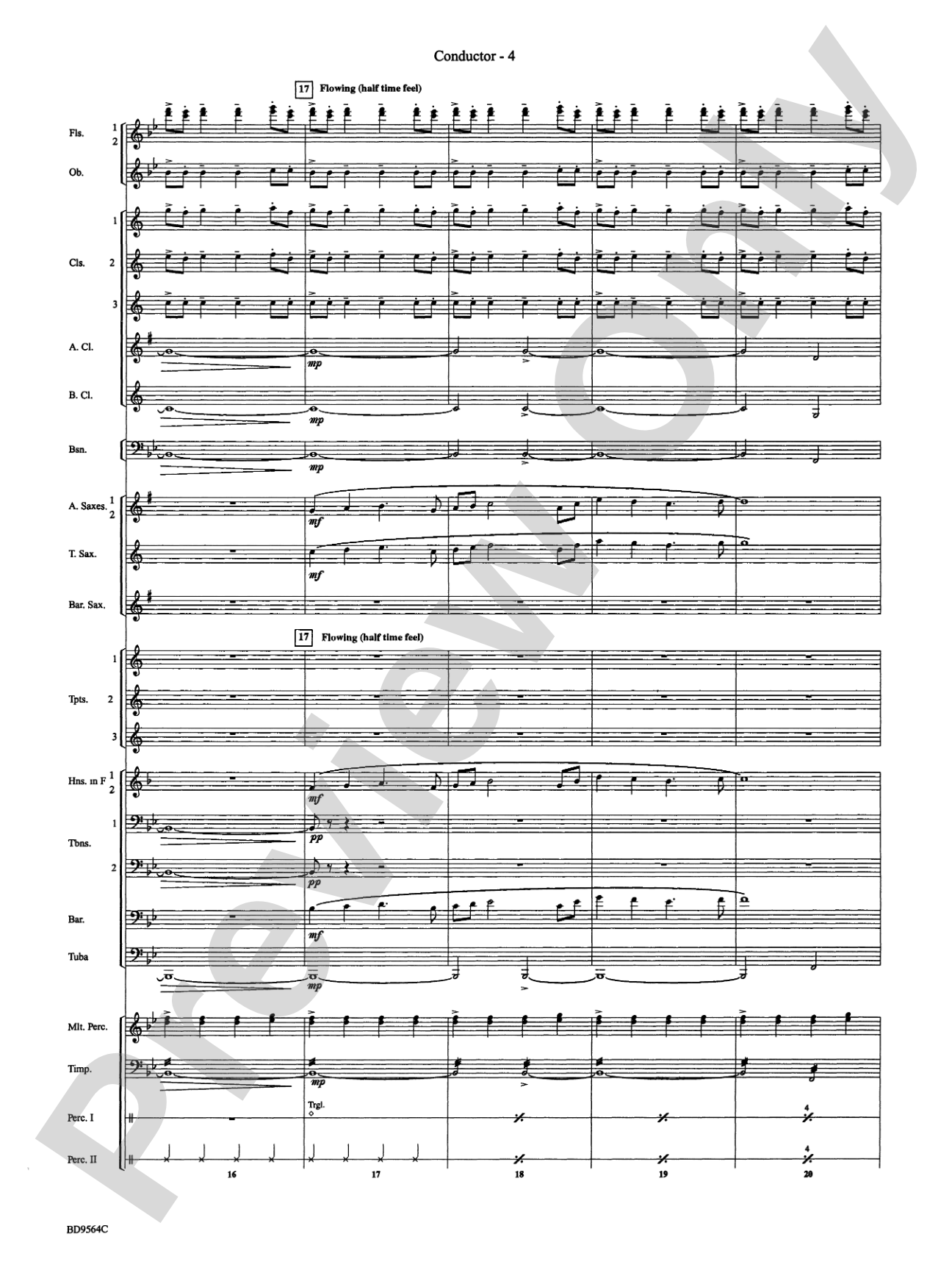
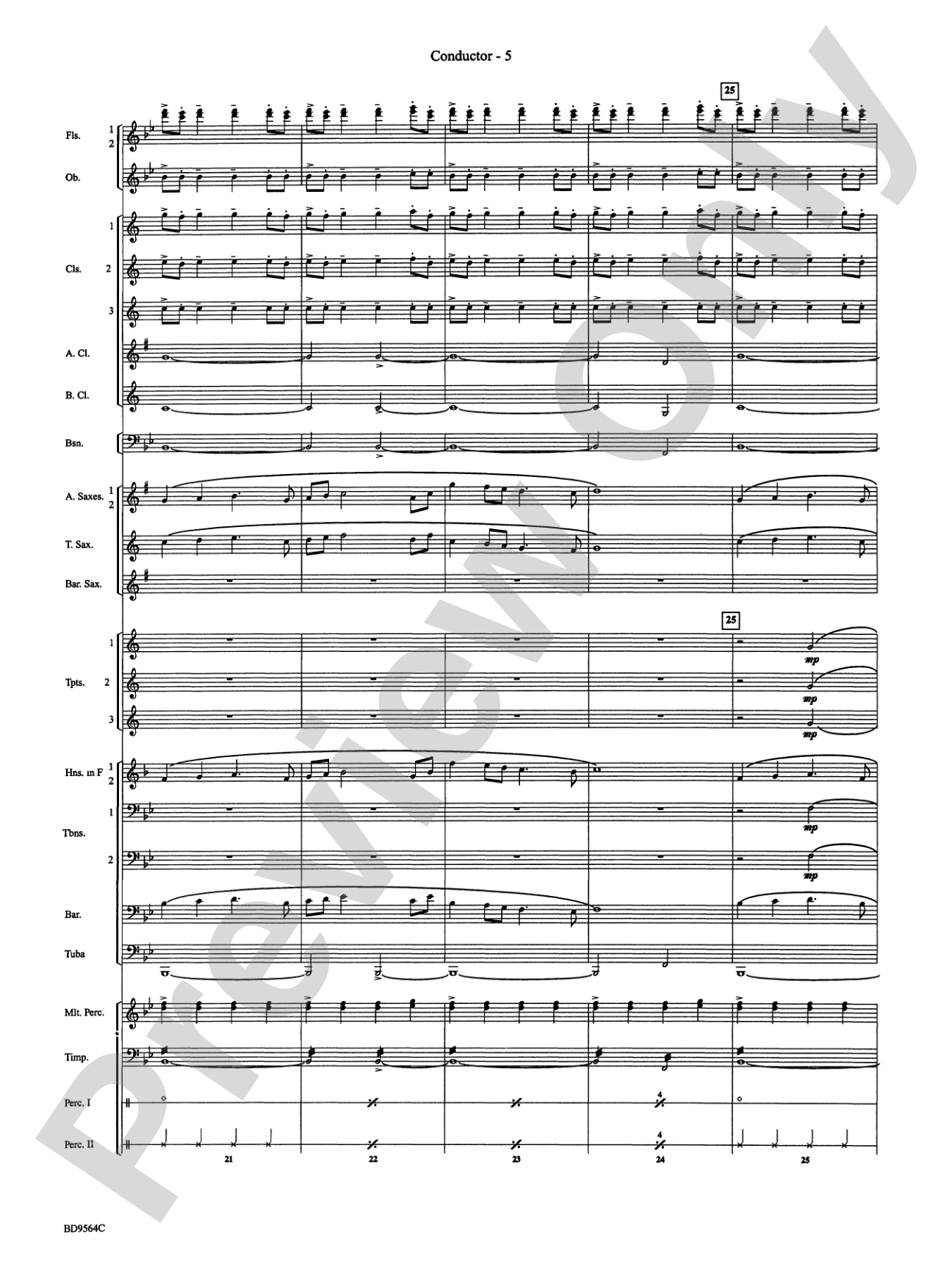
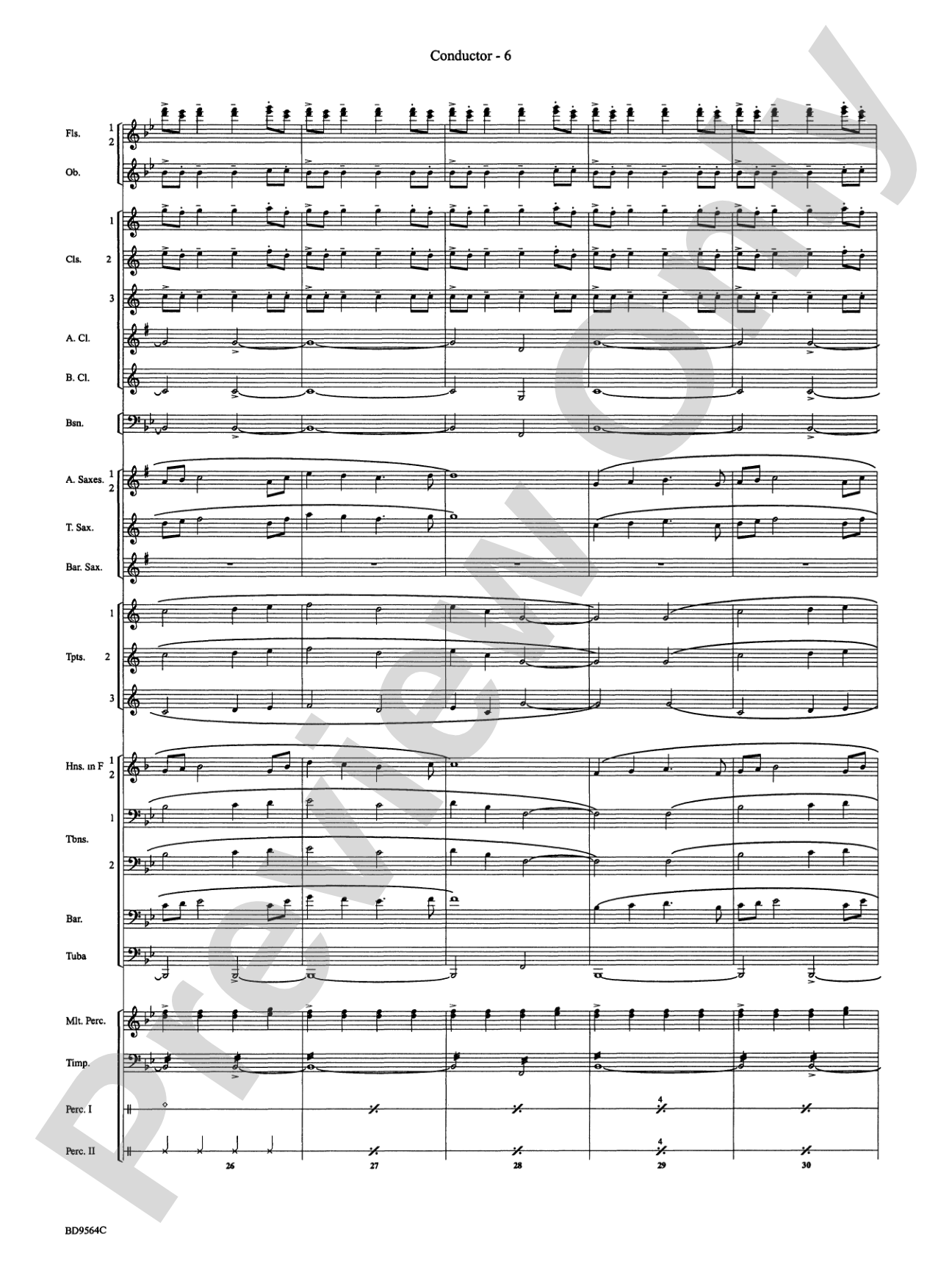
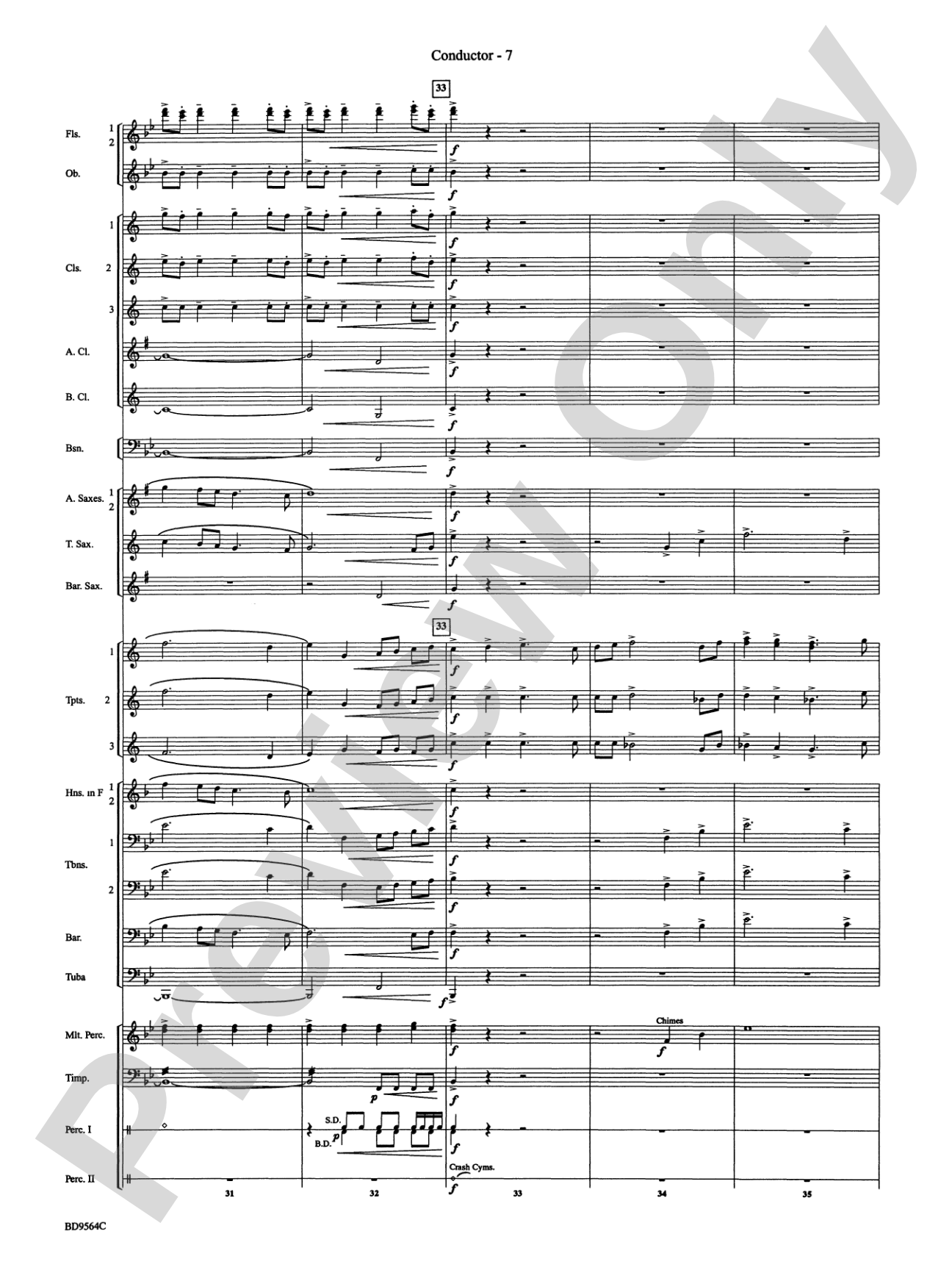
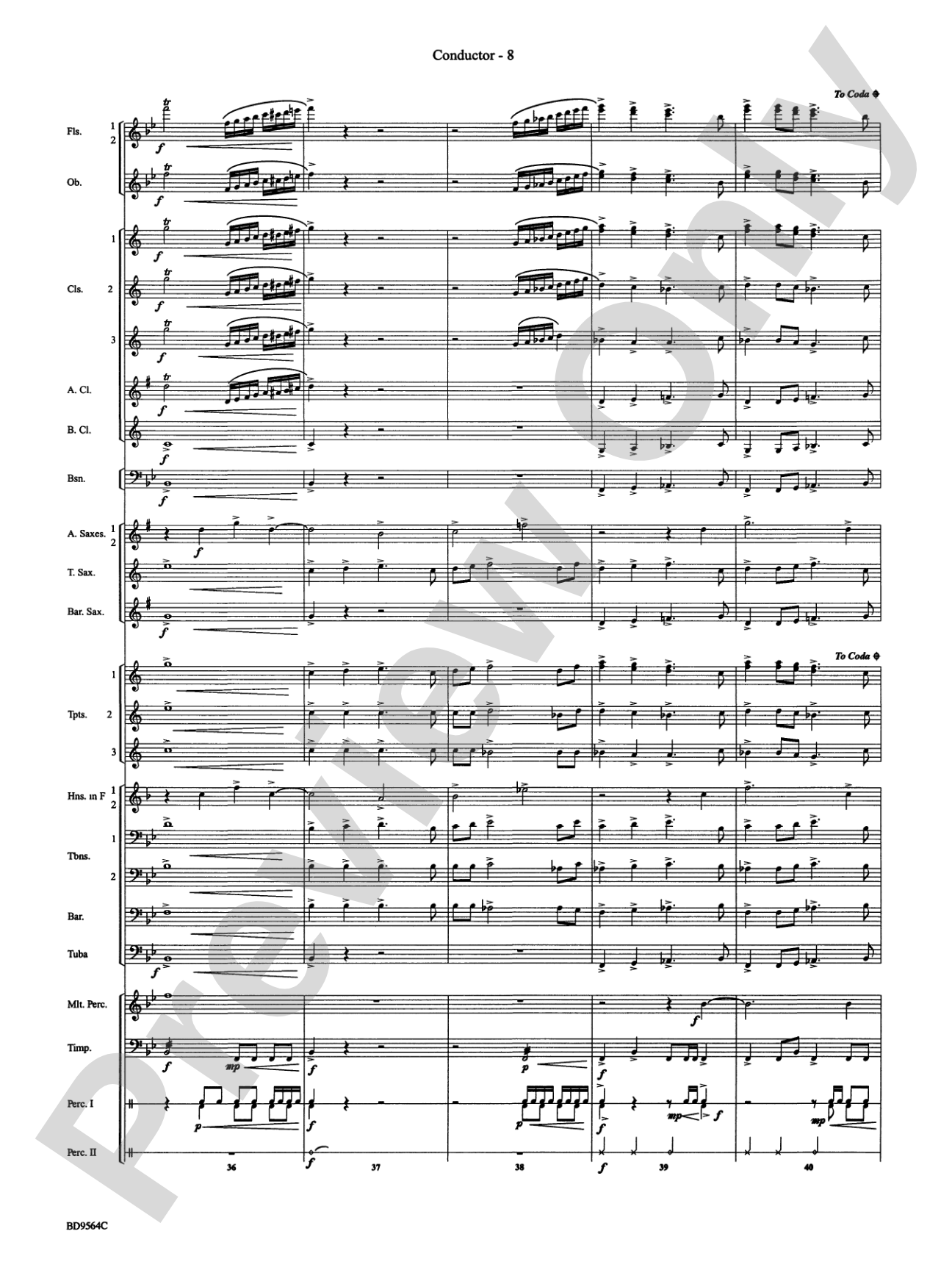
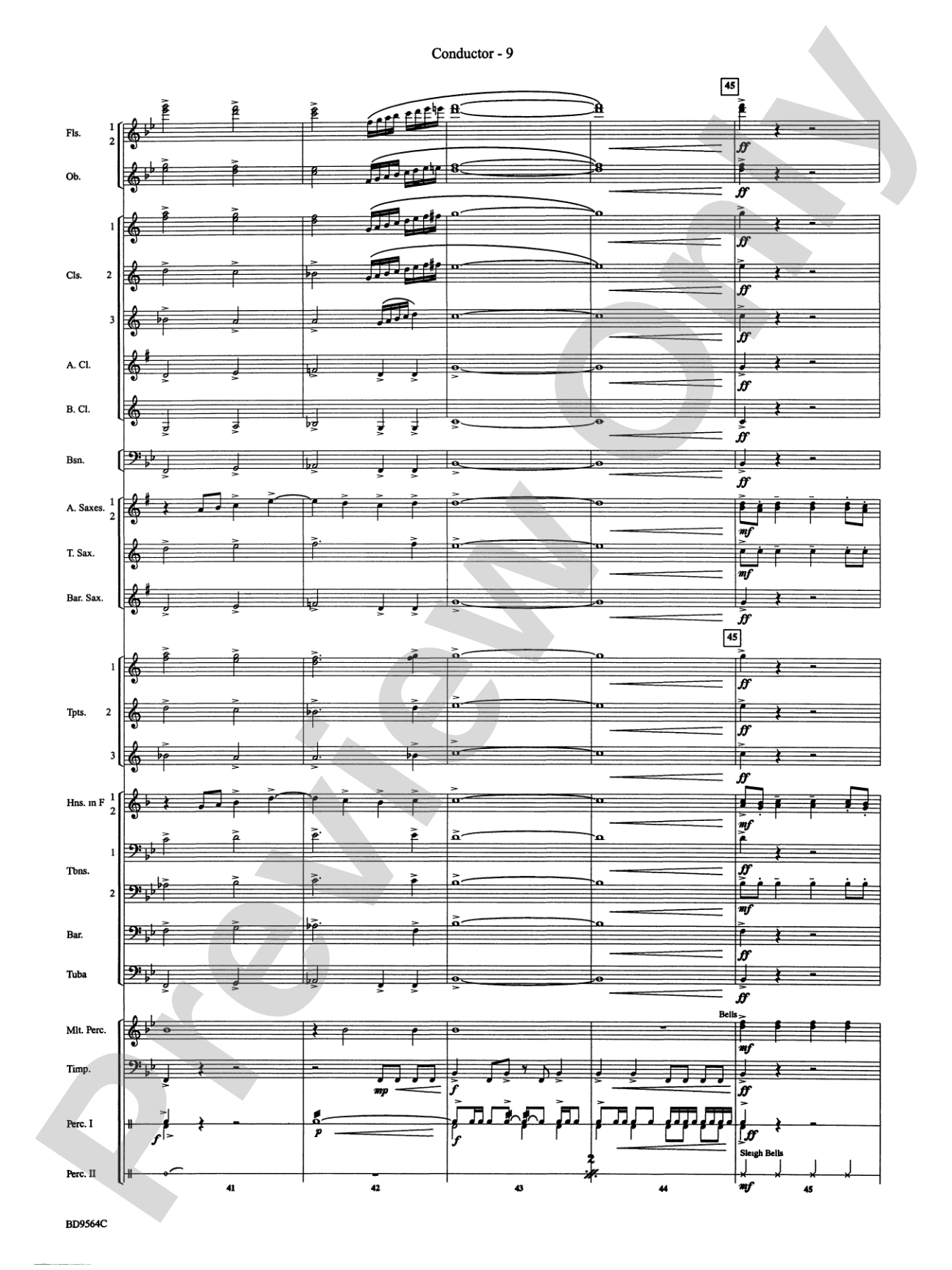
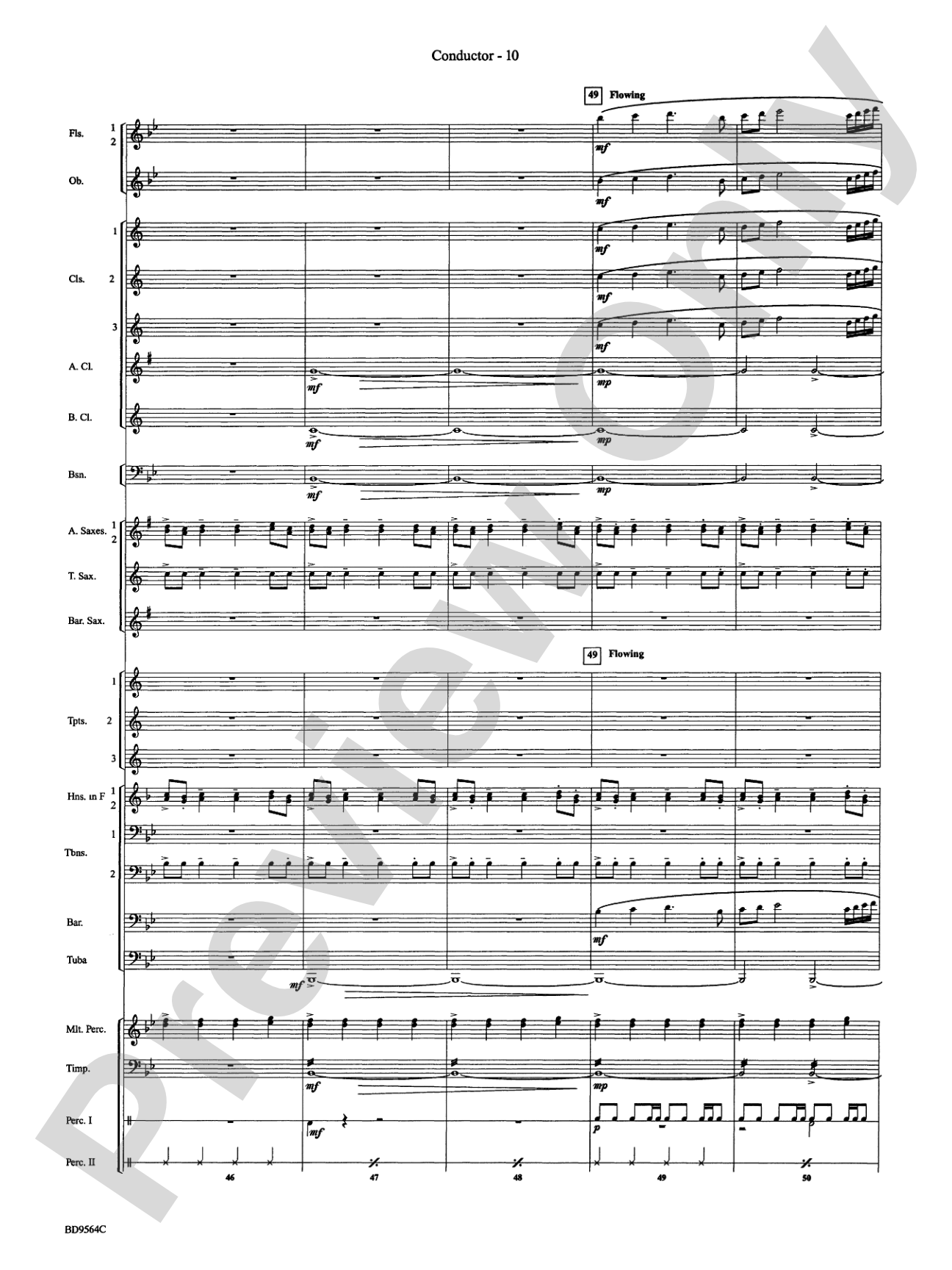
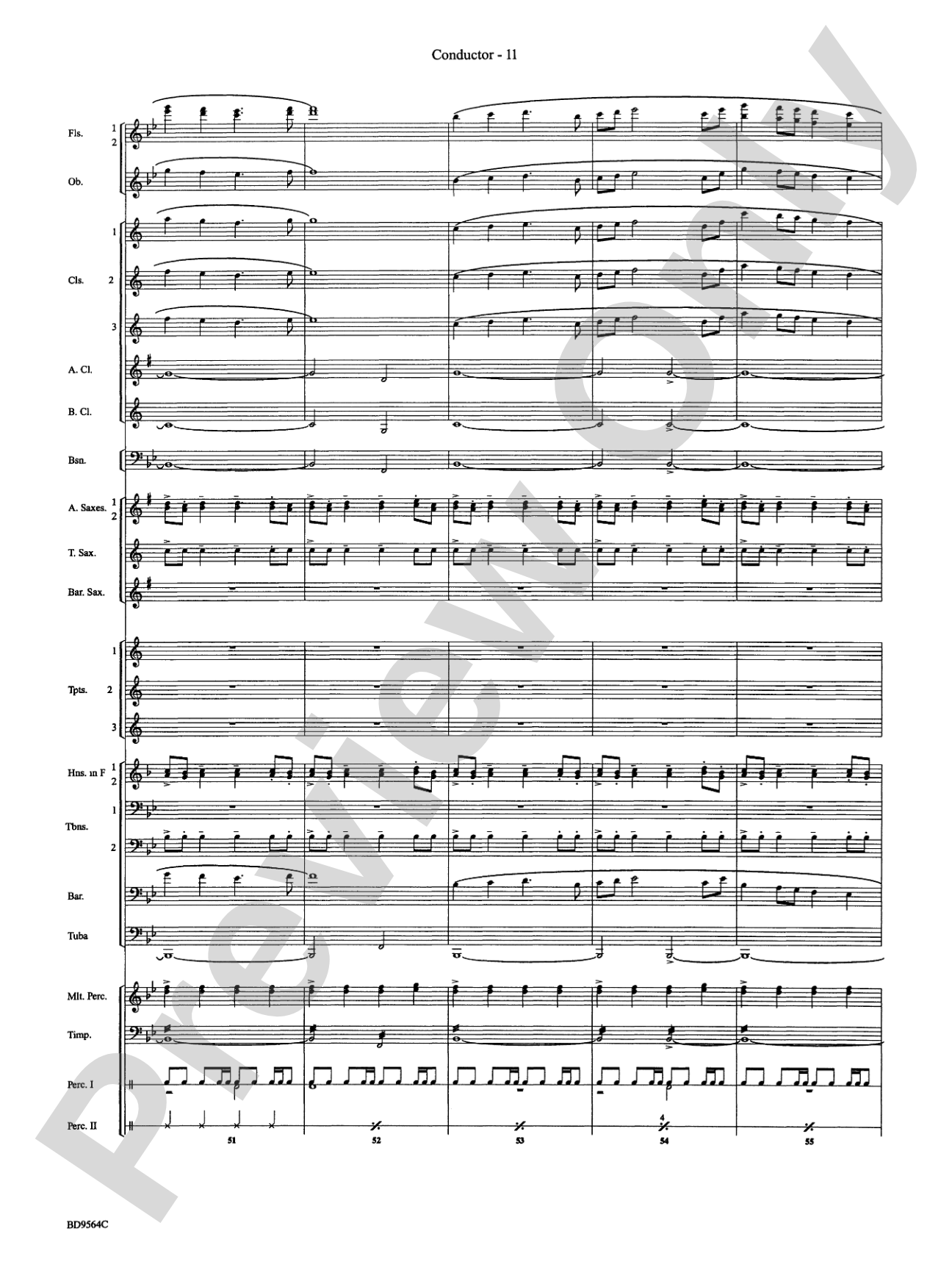
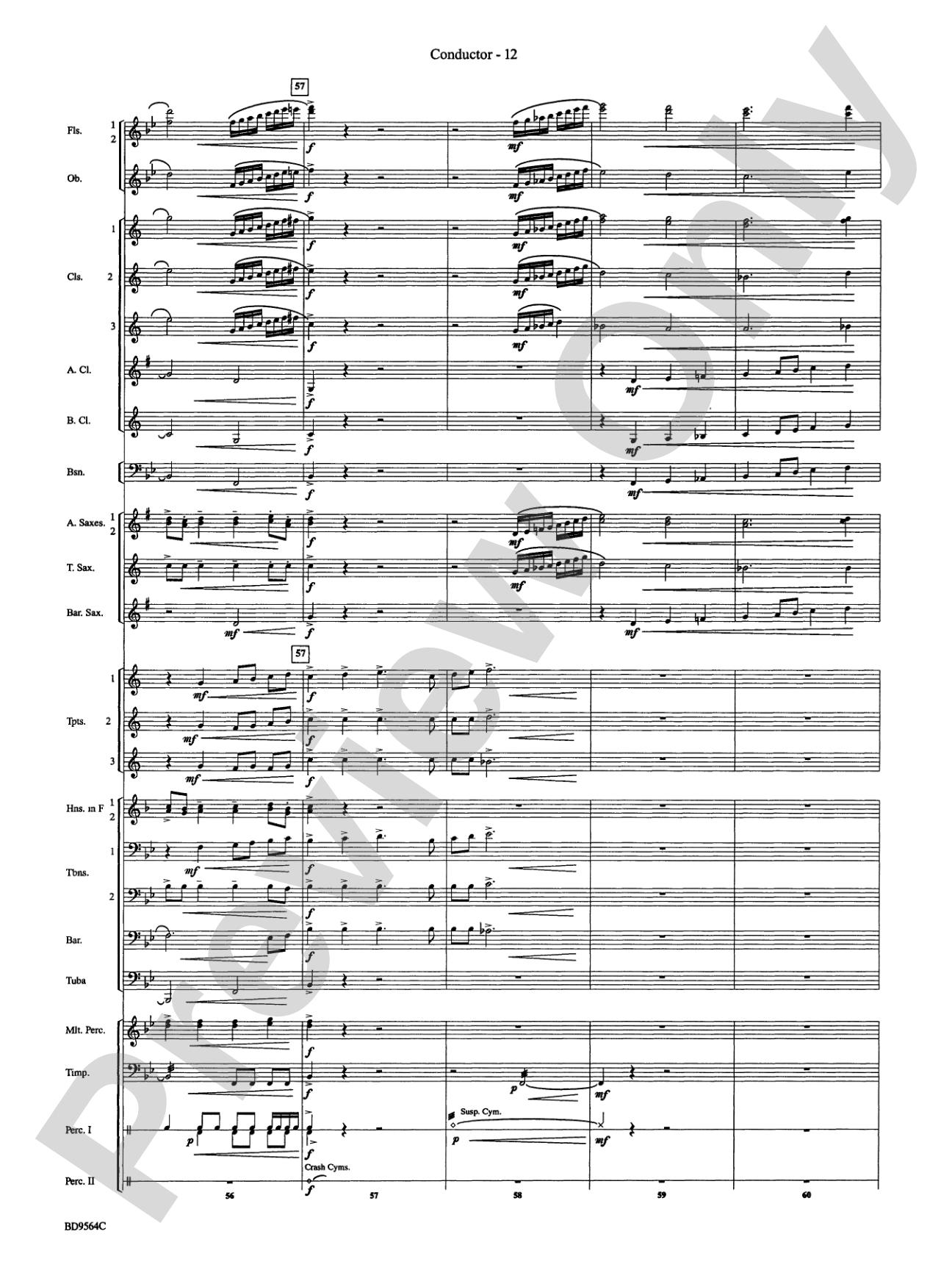
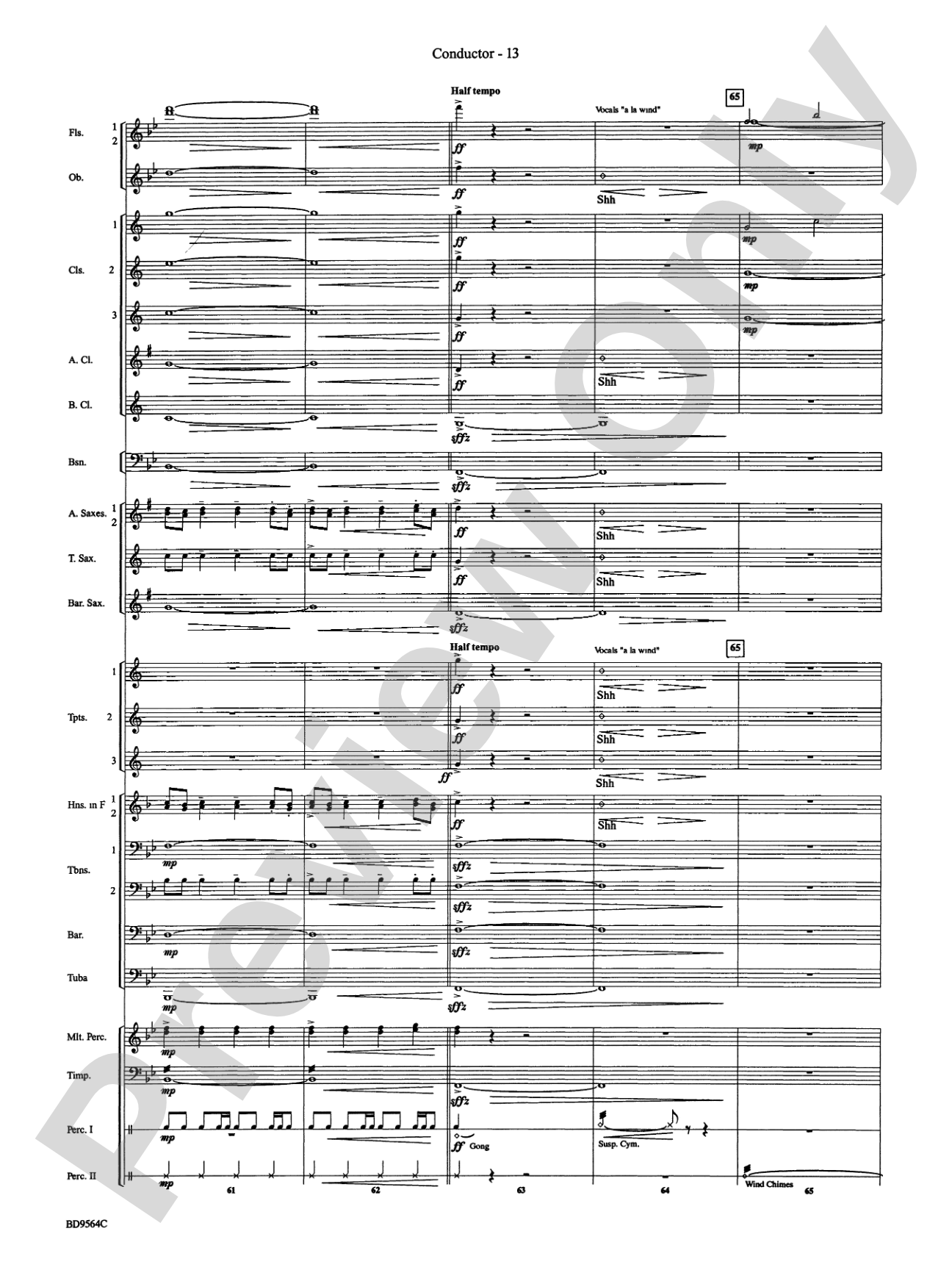
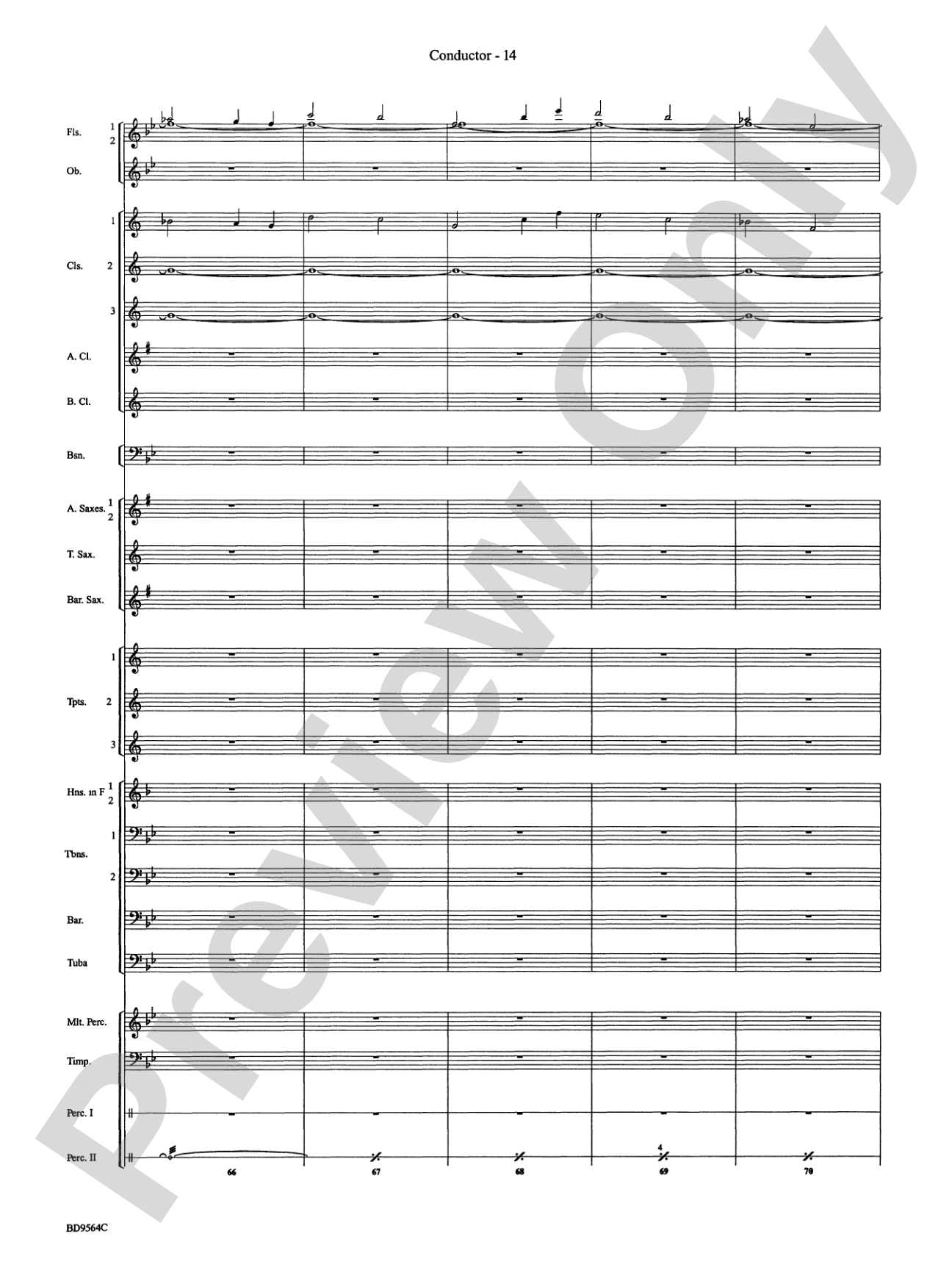
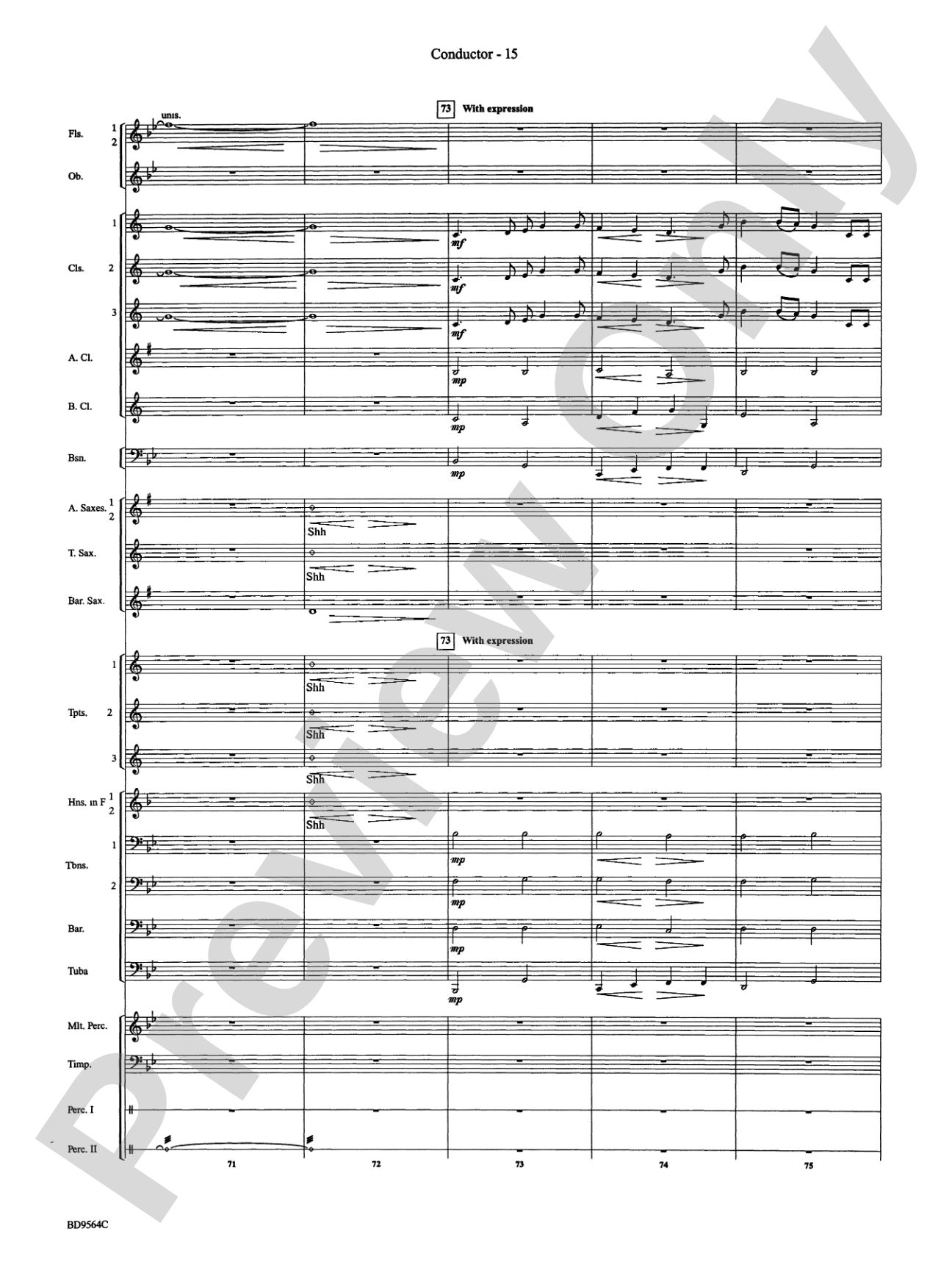
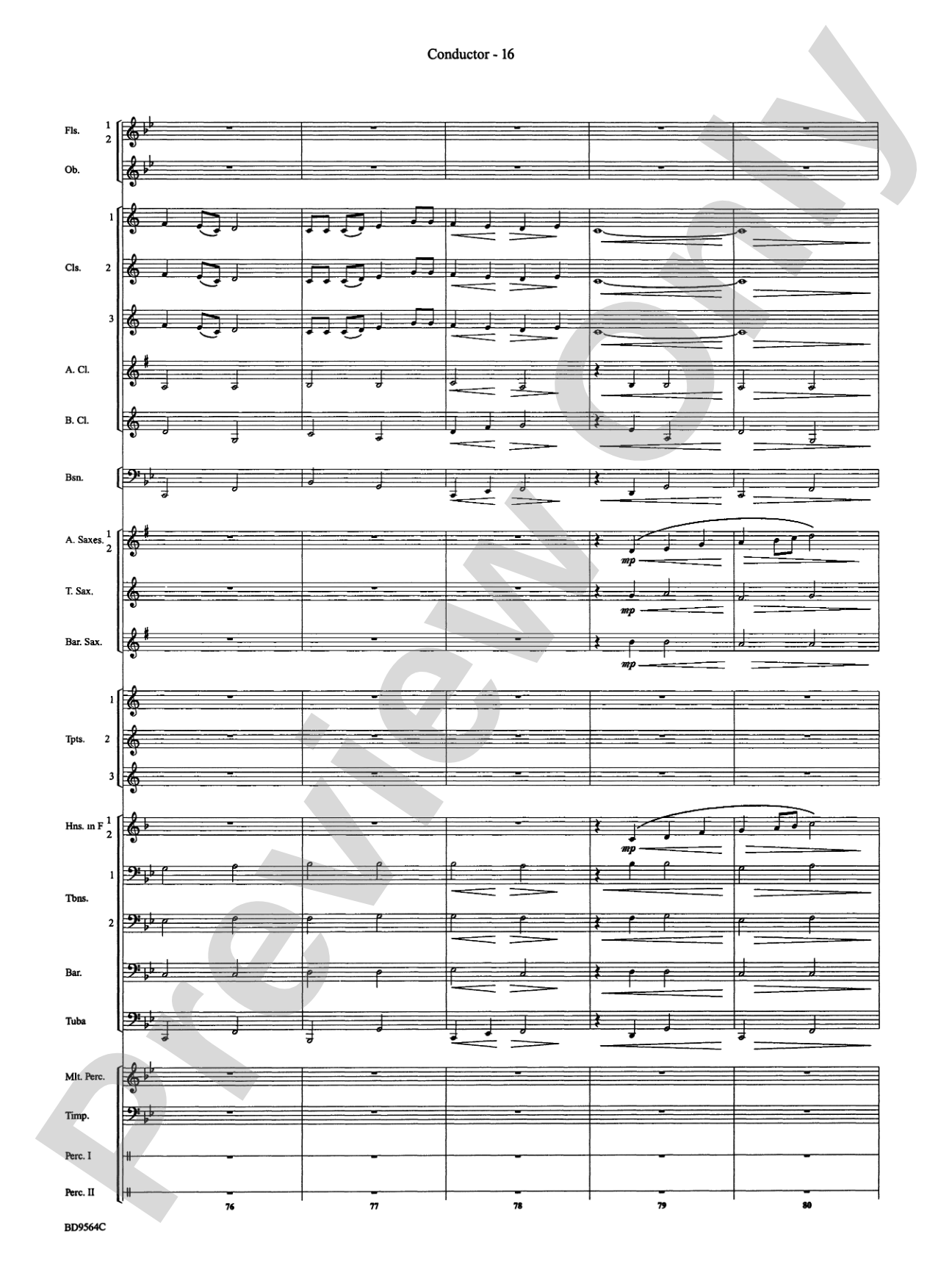
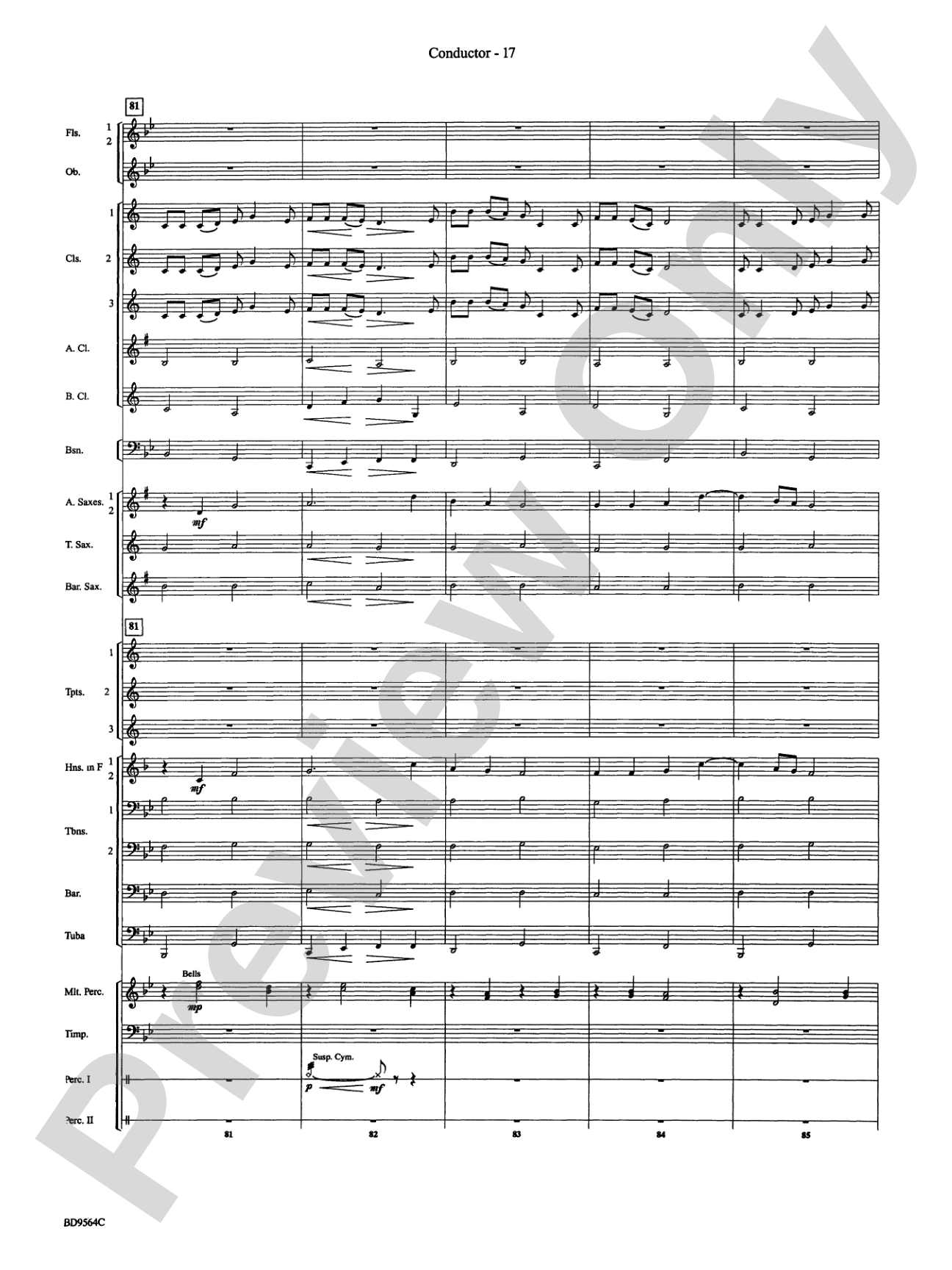
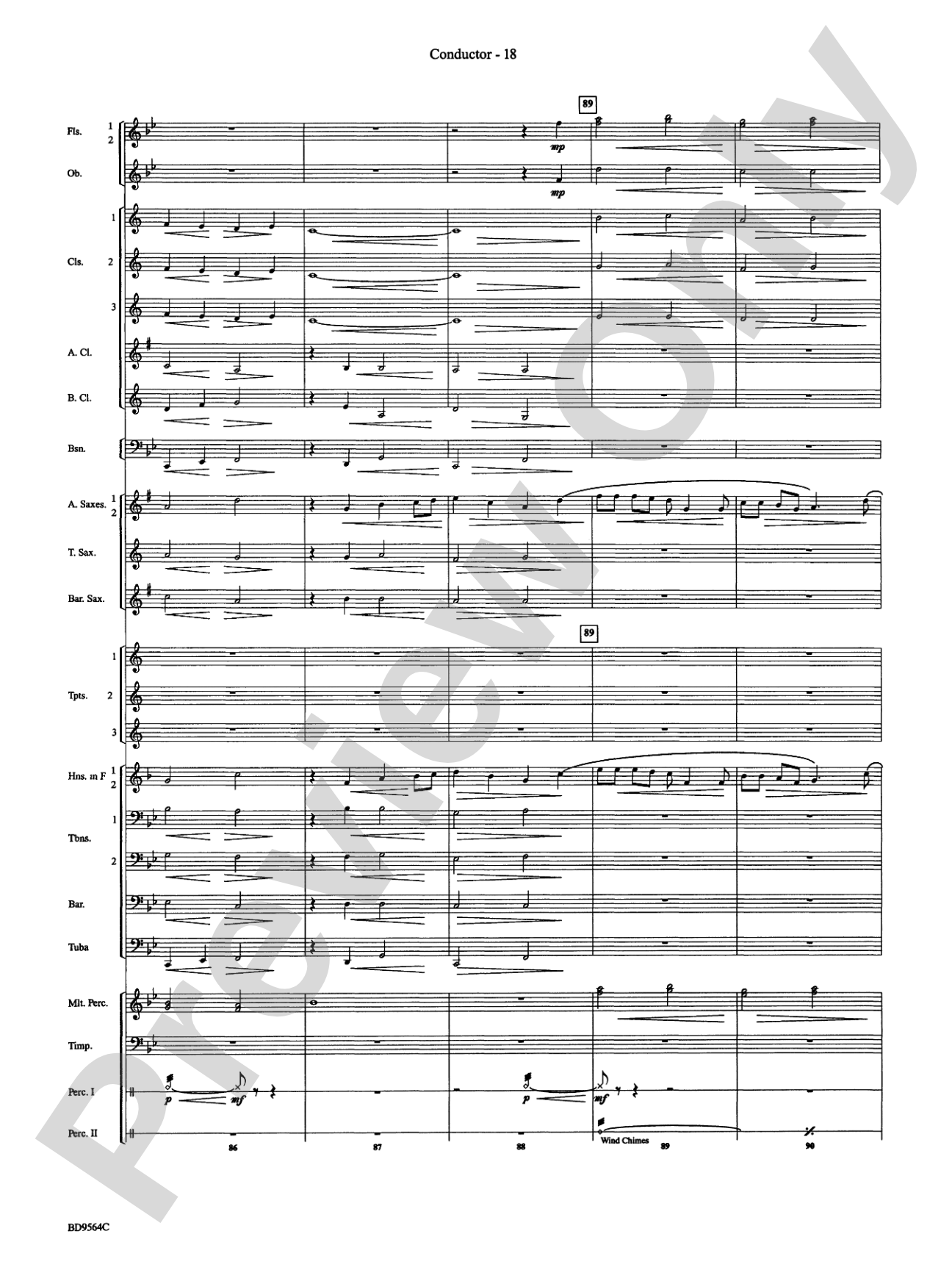
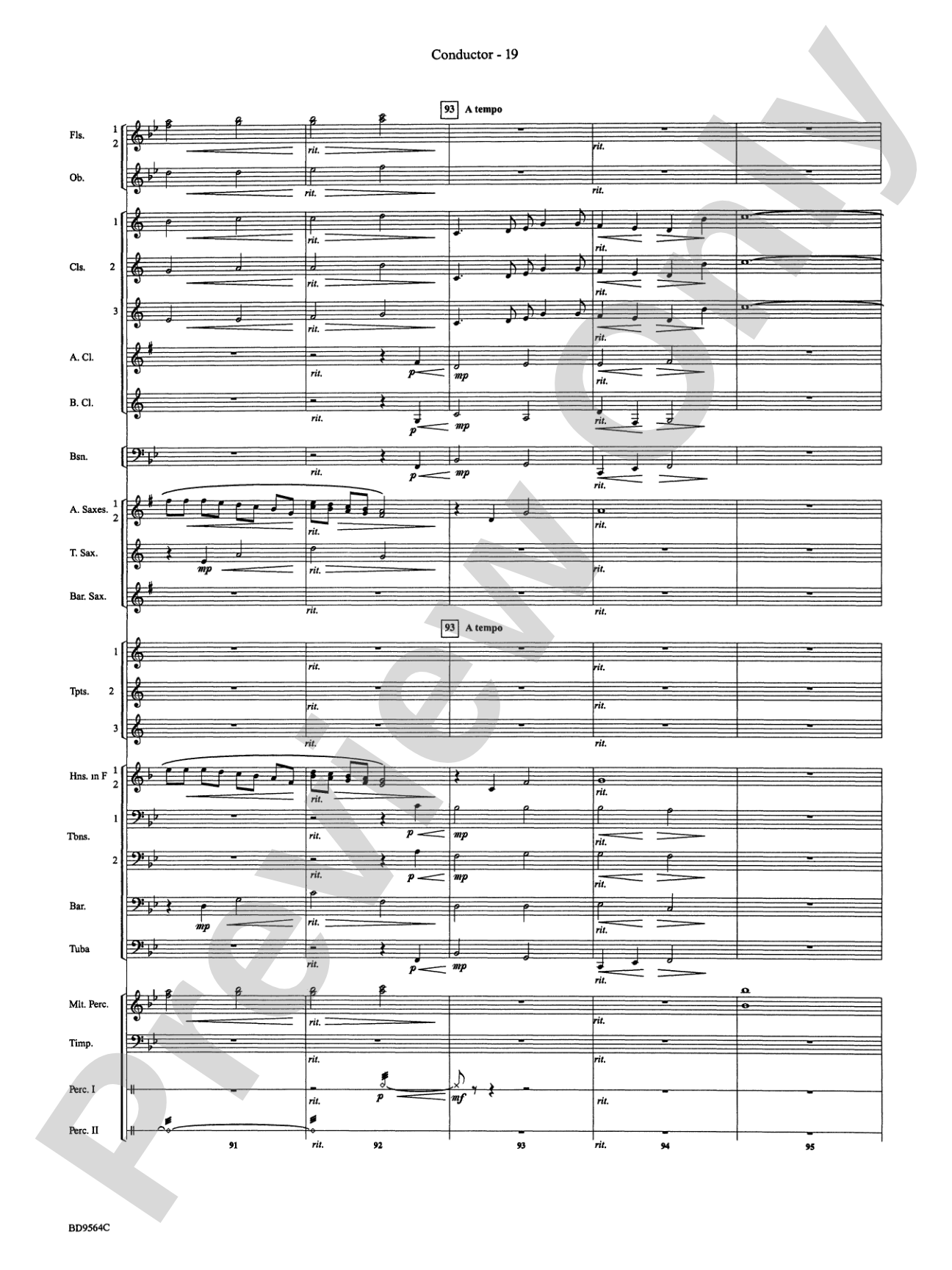
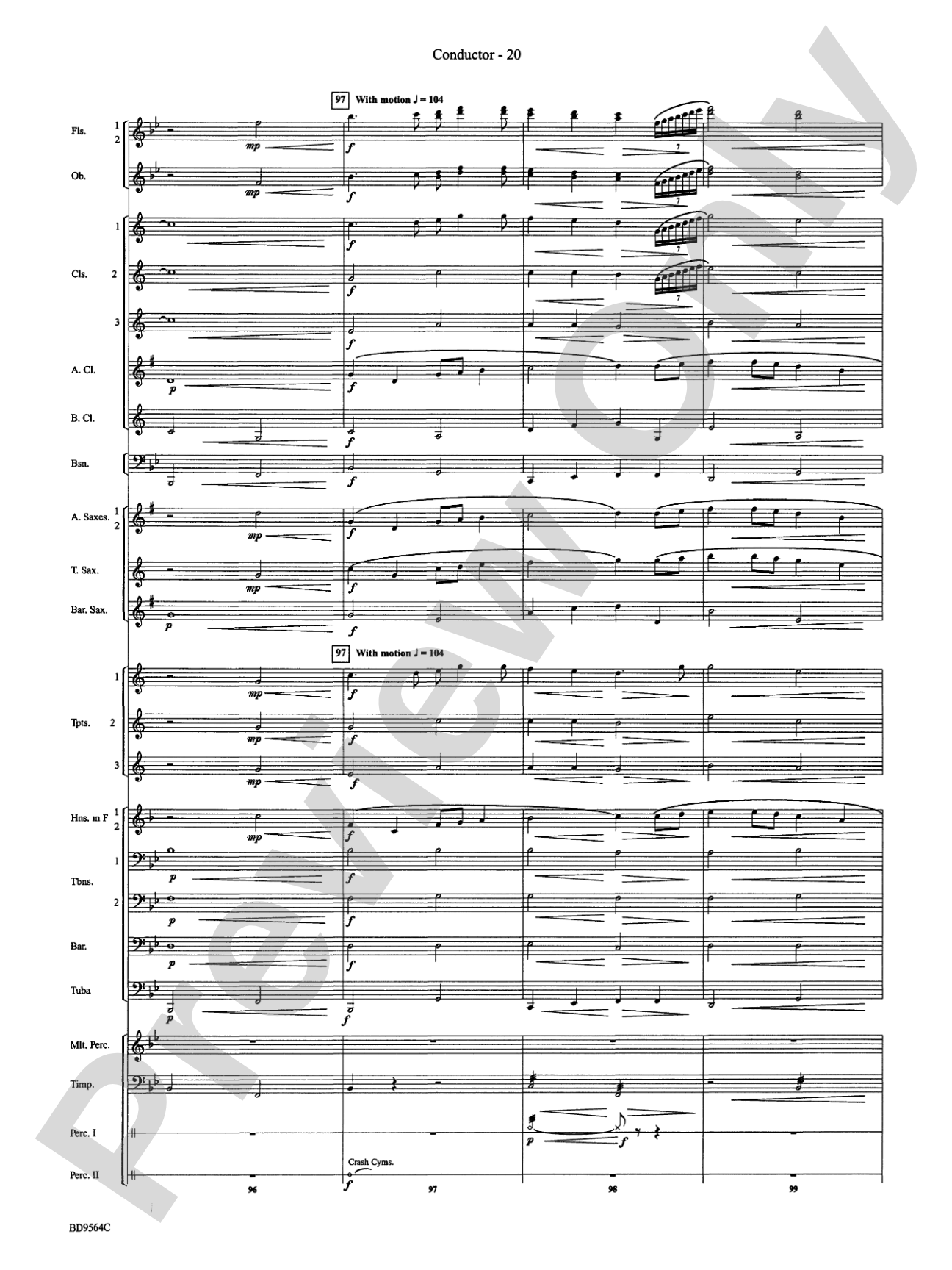
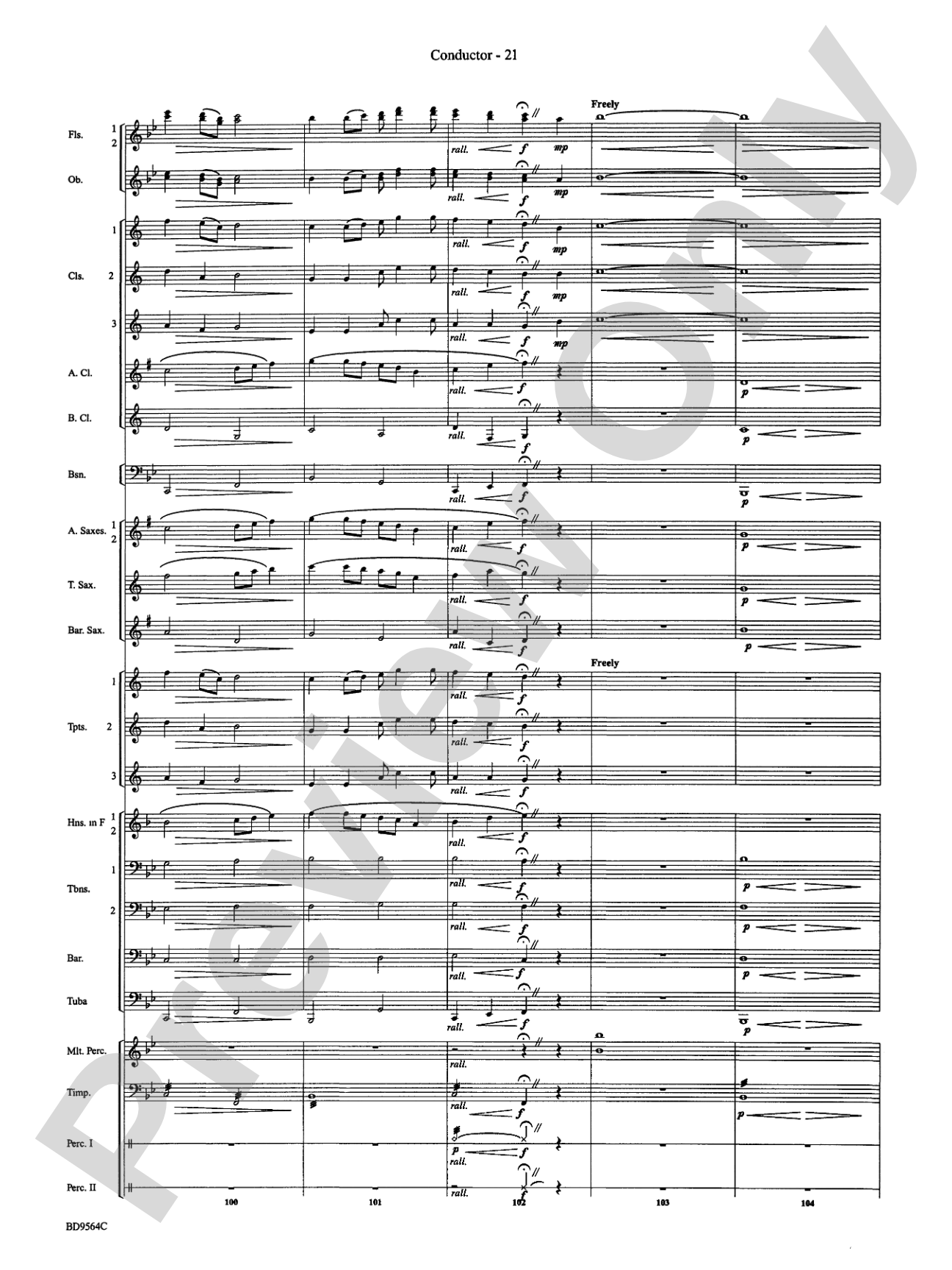
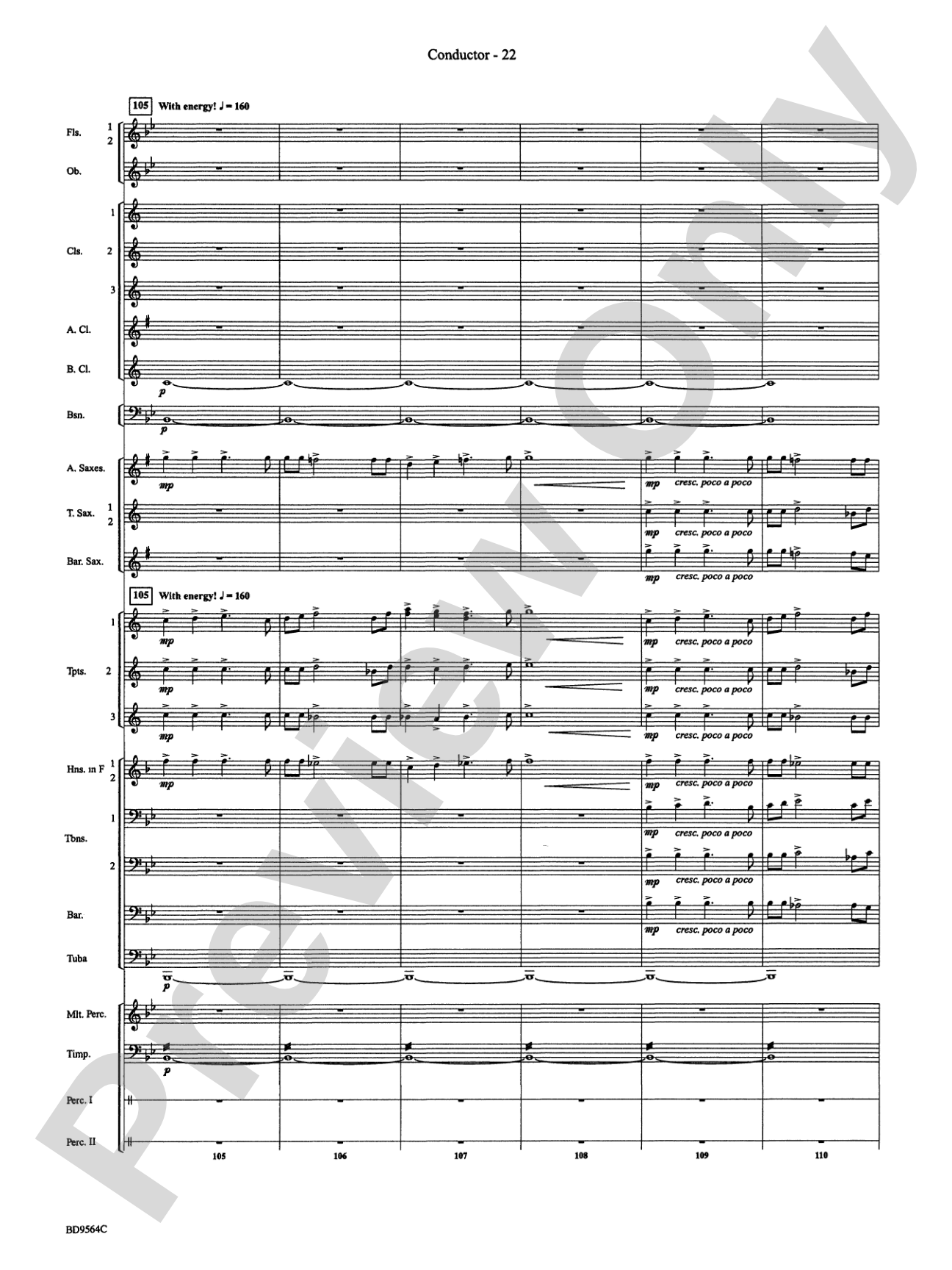
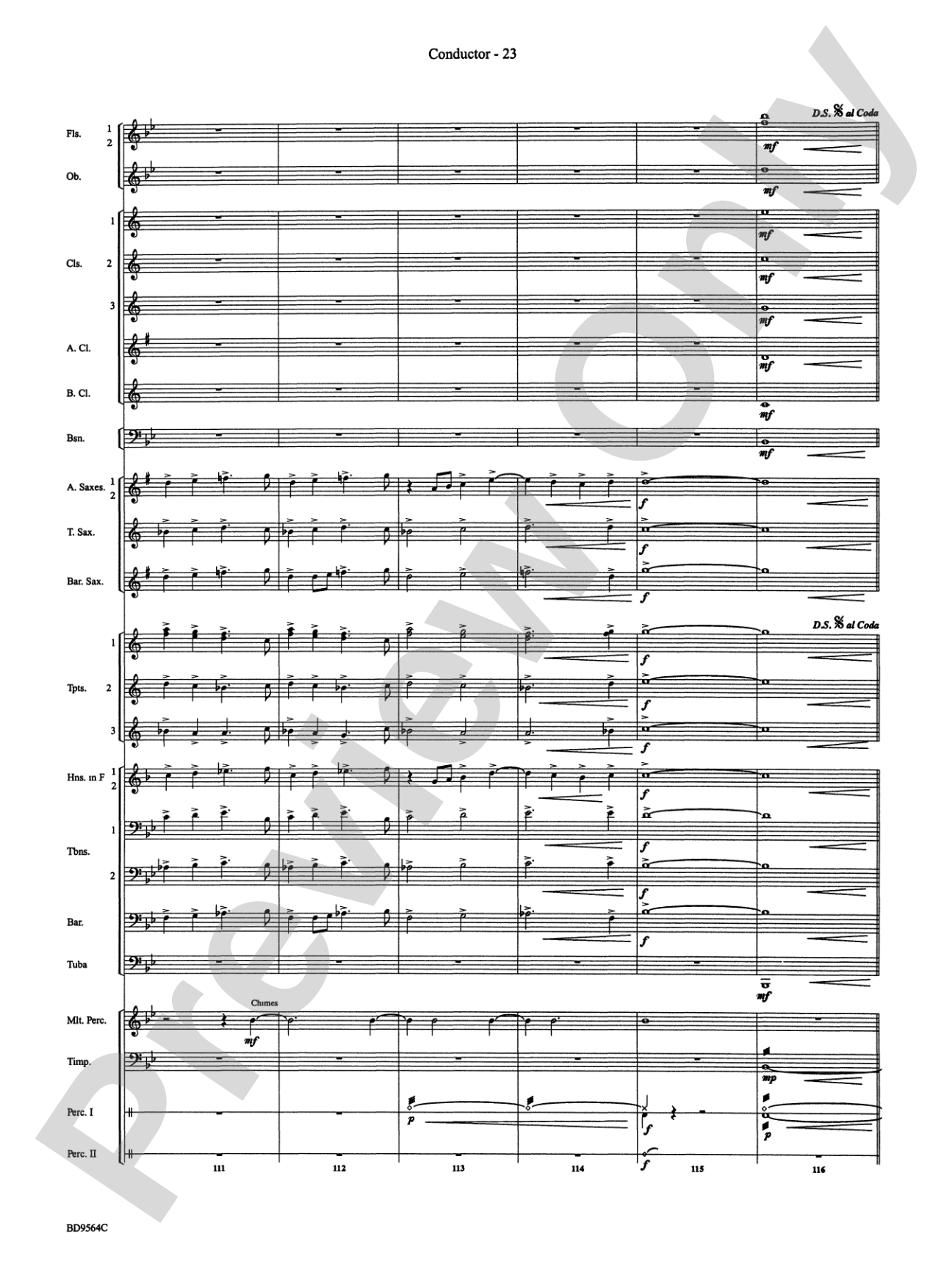
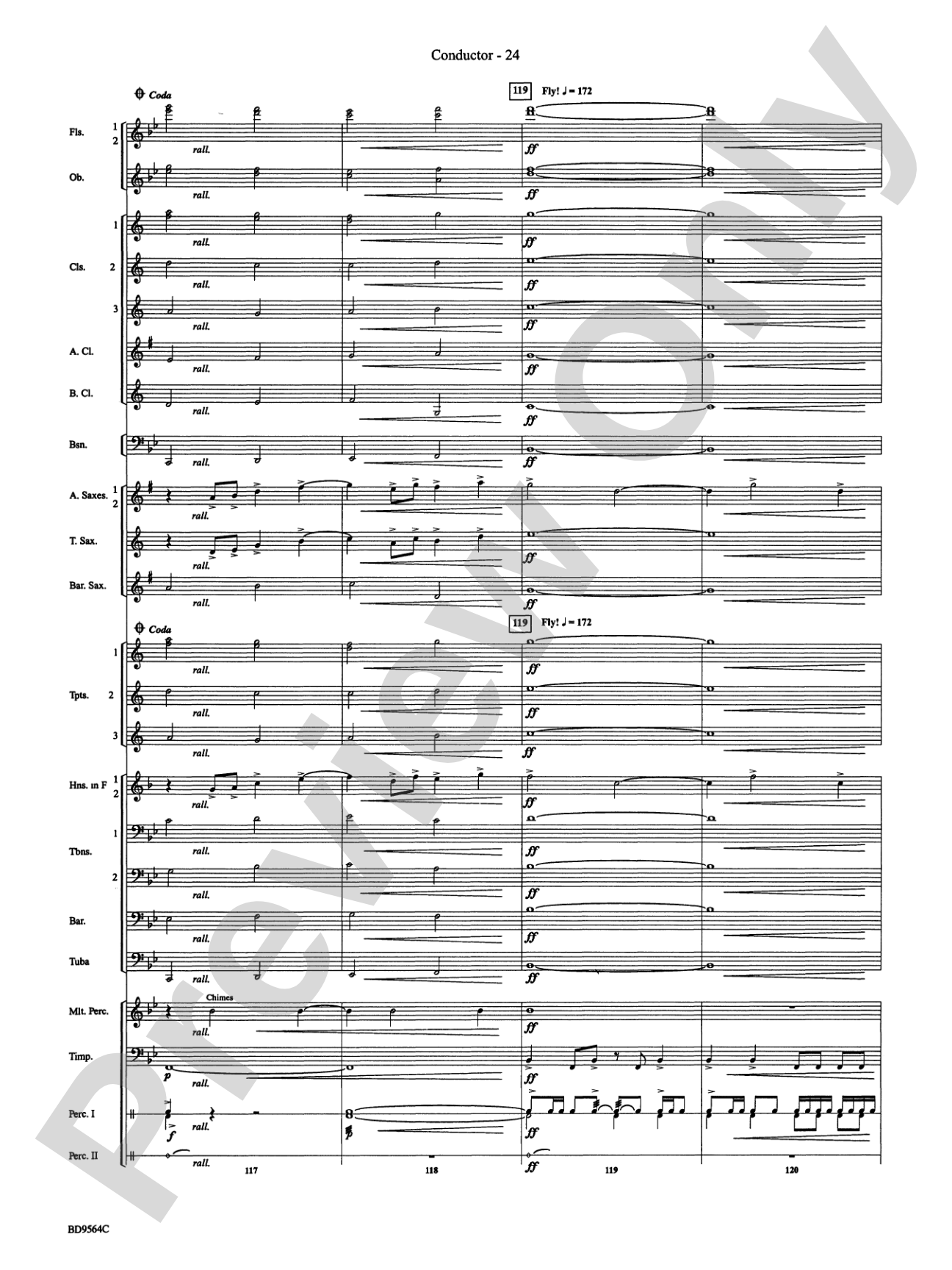
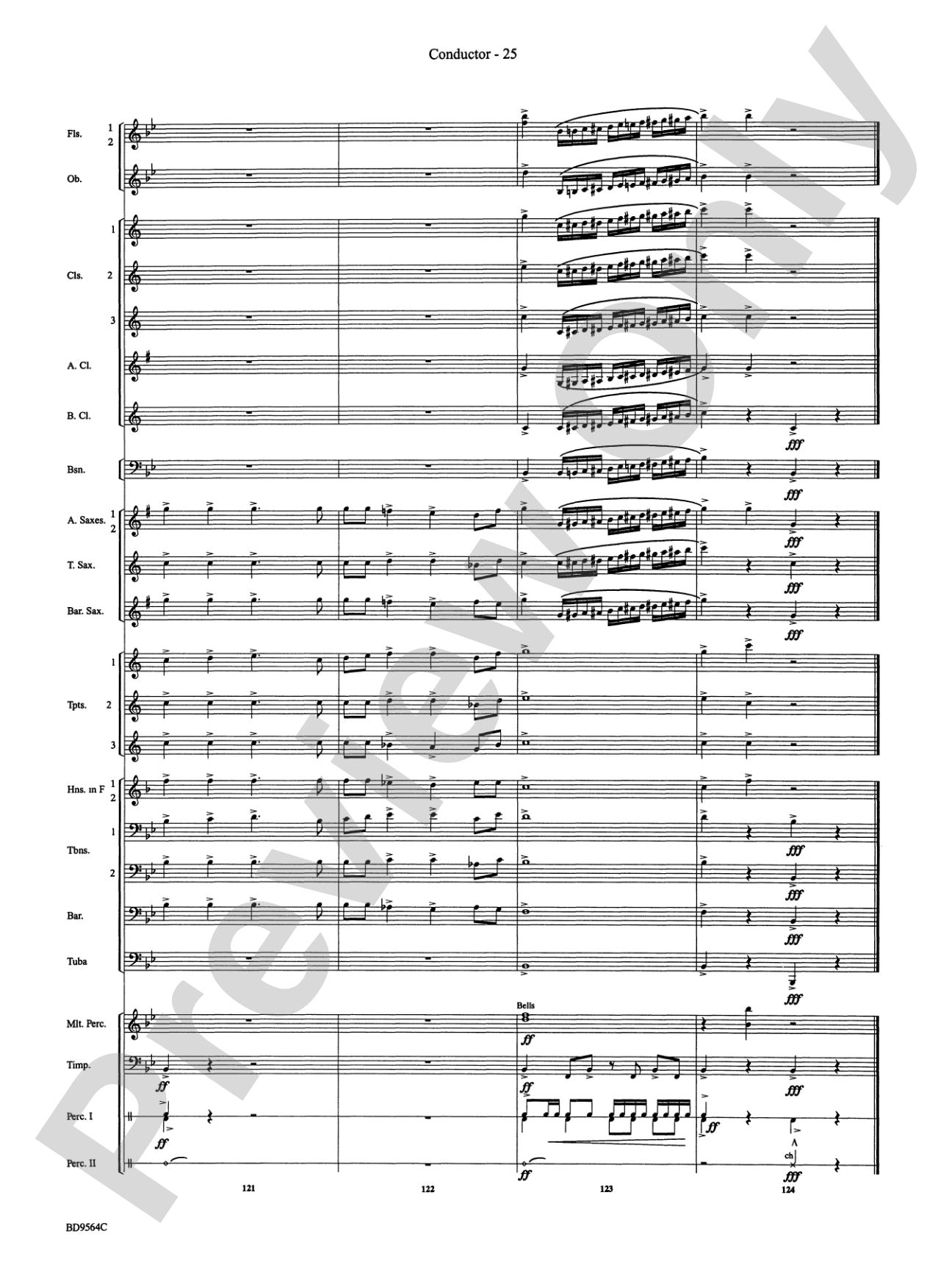


Where the Black Hawk Soars: Score
By Robert W. Smith
Grade: 3 (Medium Easy)
Item: 00-PR-0002968
$10.00
Pickup currently not available
Description
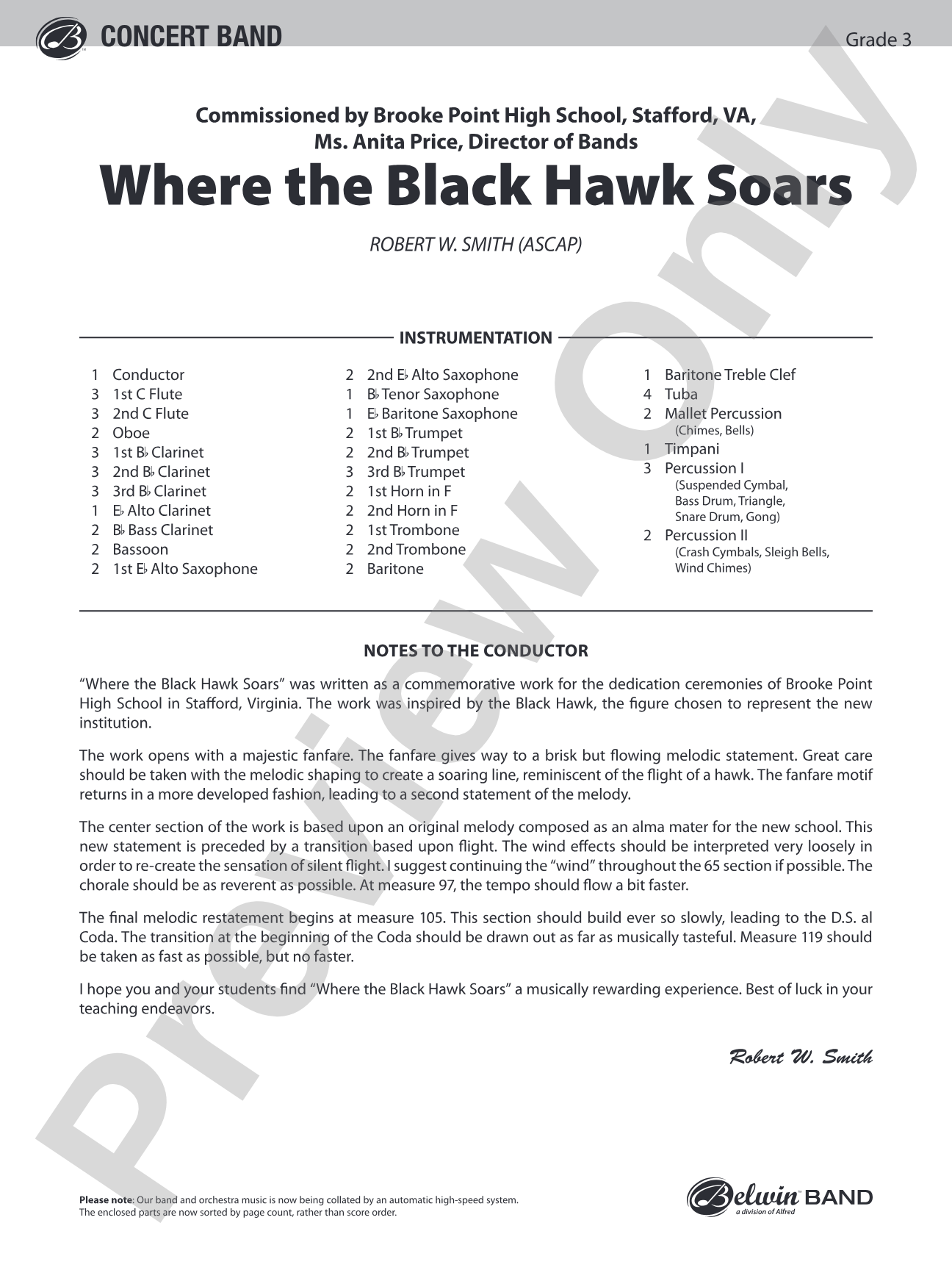
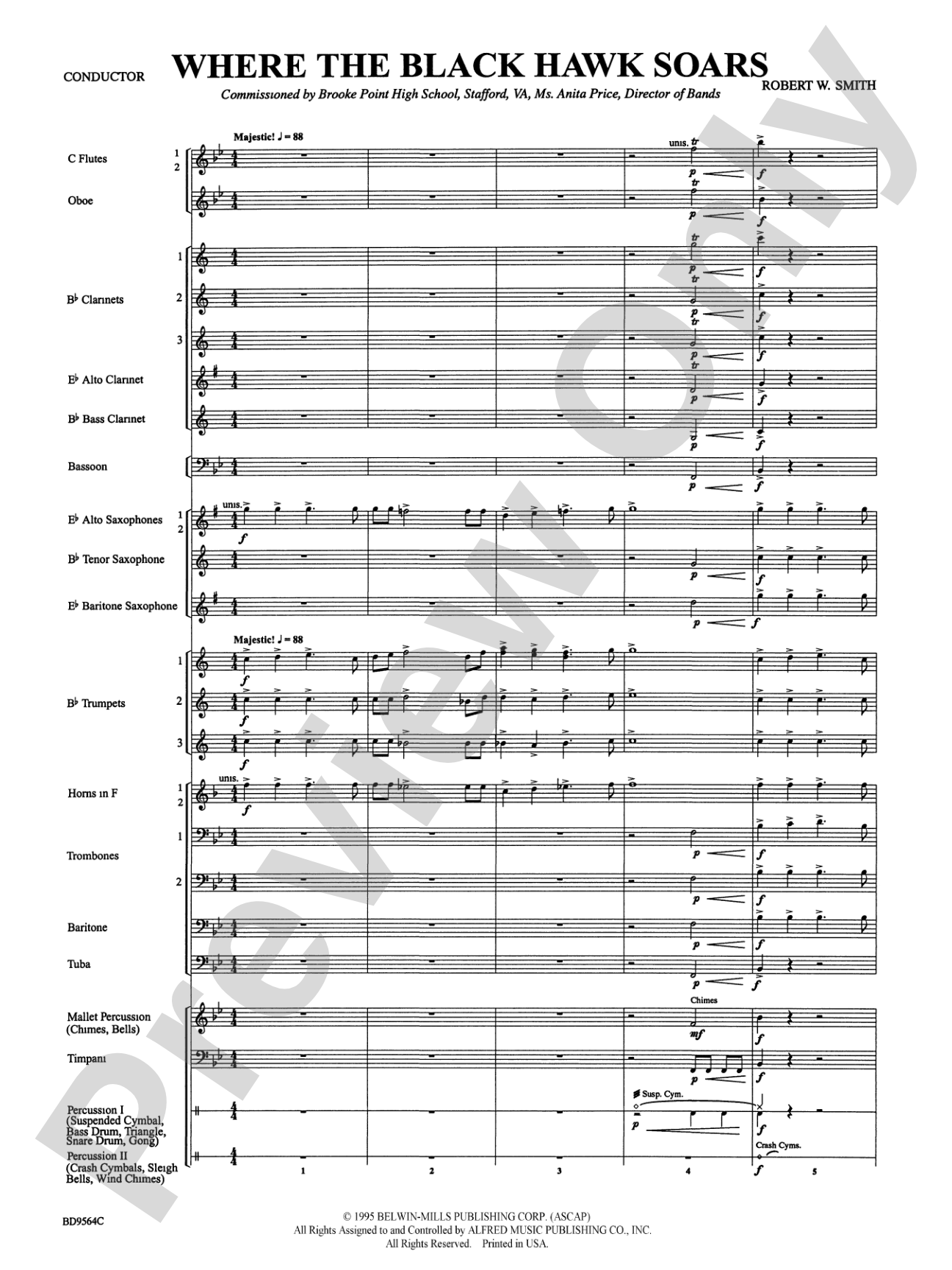
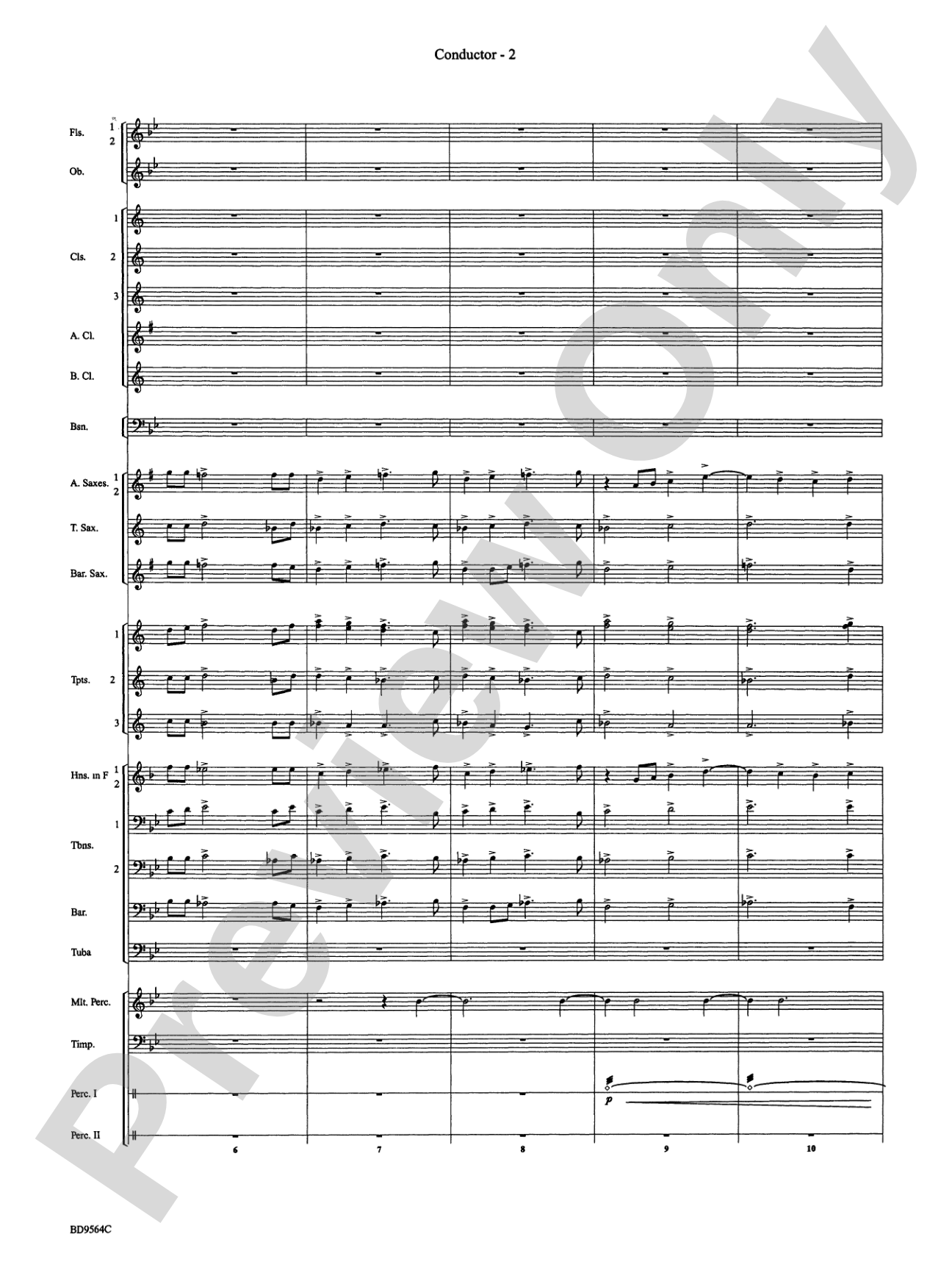
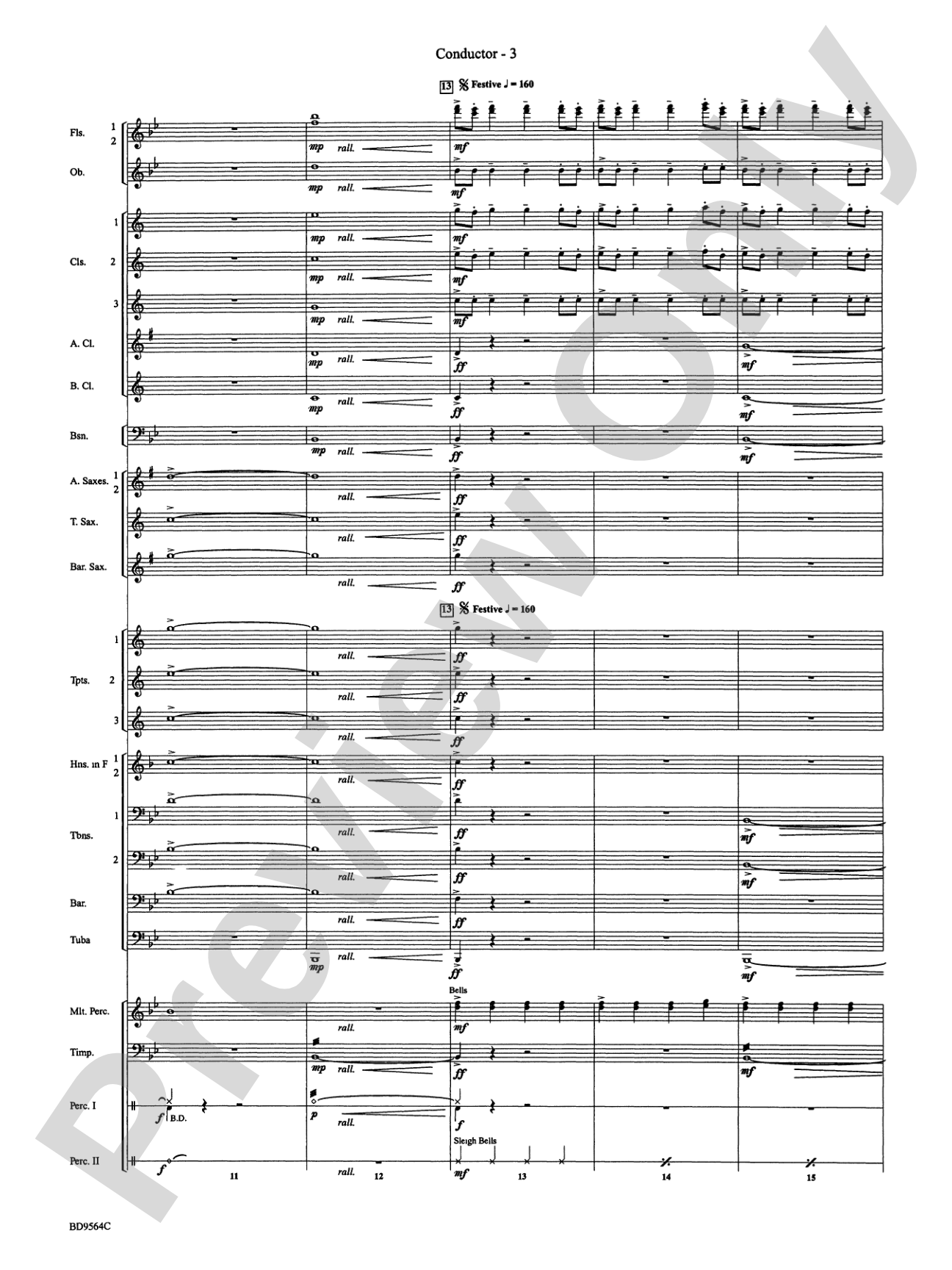
After a majestic fanfare, a soaring melodic line appears, reminiscent of the flight of a hawk. With limitless freedom, the winged creature is master of all it surveys. The presence of the wind can be detected throughout as it carries our musical subject to new heights. A major new work by one of our generation's most successful composers. (5:55) This title is available in MakeMusic Cloud.


Don't just read it, hear it, play along with it, and watch your students grow with it. In MakeMusic Cloud, Where the Black Hawk Soars: Score comes alive with professional accompaniment, adjustable tempo, and built-in practice tools that turn solo practice into real progress.
Open in the Player
Jump straight in and assign it today.
Start Your Free Trial
Open this title and explore the full library in minutes.
Sample Audio
1
Audio File
--:--
0:00
0:00
Sample Video
No sample videos found.
Additional Details
Series:
Belwin Concert Band
Publisher:
Alfred Music
Page Count:
224
SKU:
00-PR-0002968
More about this title
About the Composer: Robert W. Smith

Robert W. Smith has established himself as one of America's most performed composers of concert band and orchestral music, with more than 400 published works to his credit. Educated at Troy State University (AL) and the University of Miami (FL), Smith has built a catalog that spans original compositions, arrangements, and works for ensembles at every developmental level. His symphonies, including The Divine Comedy and The Odyssey, have reached audiences across North America, Europe, Australia, and Asia, while pieces like The Tempest have become repertoire standards.
Beyond the concert hall, Smith's music has been featured in television broadcasts, Olympic ceremonies, presidential state functions, and major parades. He maintains an active schedule as a conductor and clinician, bringing his compositional insights directly to musicians and students throughout the United States and internationally.
Why we love this
Where the Black Hawk Soars delivers the kind of accessible, colorful writing that Smith is known for, making it ideal for programs that need a Grade 3 work with genuine musical substance rather than filler. The imagery is clear and the orchestration translates those visuals into sound without requiring virtuosic technique from your ensemble, yet the piece feels completely professional and concert-worthy. Smith's gift for melody ensures audiences will connect immediately, while directors appreciate having contest or festival material that doesn't demand extreme ranges or unusual meter.
What to expect
The opening fanfare establishes grandeur and command. Then the music shifts into something more lyrical and flowing, with soaring lines that genuinely suggest the weightless glide of flight. Wind sounds ripple through the texture, adding atmosphere and movement. The overall arc feels expansive and free, never rushed or congested, even as harmonies shift and deepen.
Who it's for
Directors working with Grade 3 concert bands who want a festival or contest piece that balances musicality with accessibility. Players at this level can handle the technical demands without struggling, leaving mental and physical energy available for musical expression and nuance.
How to get the most out of it
- Shape the opening fanfare with clarity and presence; this is your first impression and sets the scale and confidence of what follows.
- Emphasize the singing quality of the main melody line across sections. Balance solo lines so the listener can follow the hawk's journey without drowning out the movement in accompany voices.
- Let the wind figurations breathe naturally. Smith uses these gestures to suggest motion and freedom, so resist the urge to over-clarify or mechanicalize them.
- Build transitions between sections thoughtfully. The piece gains power when each new musical idea emerges as a natural evolution rather than an abrupt shift.
How to use it
This works beautifully as a festival opener or contest selection where you need something with immediate impact and clear musical storytelling. It also pairs well on a concert program with contrasting work, either a lighter opener or a deeper dramatic piece, since it occupies comfortable middle ground both musically and in performance time.
Skills your students will build
- Sustaining a singing melodic line through longer phrases
- Balancing primary and secondary voices in a full band texture
- Interpreting imagery through tempo and dynamic shaping
- Responding to conductor cues in passages with free, flowing movement
- Listening across sections to maintain ensemble unity in lyrical writing