
![Where Falcons Fly: 3rd Violin (Viola [TC])](https://alfred-dsm-shopify-exports-prod.s3.us-west-2.amazonaws.com/00-PC-0019262_VN3-1.png)
![Where Falcons Fly: 3rd Violin (Viola [TC]) Sheet Music Preview](http://shop.makemusic.com/cdn/shop/files/00-51064_large_3b083465-6921-4463-b106-af95310ec48b.jpg?v=1779972669&width=3840)
Where Falcons Fly: 3rd Violin (Viola [TC])
By Adrian B. Sims
Grade: 3
Item: 00-PC-0019262_VN3
$3.00
Pickup currently not available
Description
Inspired by falcons soaring high above the ground, Where Falcons Fly embarks on an adventurous journey through wind, storms, and rugged terrain. Modest technical demands combine with complex yet approachable harmonies in a cinematic showcase by Adrian B. Sims that is as innovative as it is thrilling! (3:10)


Don't just read it, hear it, play along with it, and watch your students grow with it. In MakeMusic Cloud, Where Falcons Fly: 3rd Violin (Viola [TC]) comes alive with professional accompaniment, adjustable tempo, and built-in practice tools that turn solo practice into real progress.
Open in the Player
Jump straight in and assign it today.
Start Your Free Trial
Open this title and explore the full library in minutes.
Sample Audio
1
Audio File
--:--
0:00
0:00
Sample Video
Additional Details
Series:
MakeMusic Symphony Strings
Publisher:
MakeMusic Publications
SKU:
00-PC-0019262_VN3
More about this title
About the Composer: Adrian B. Sims
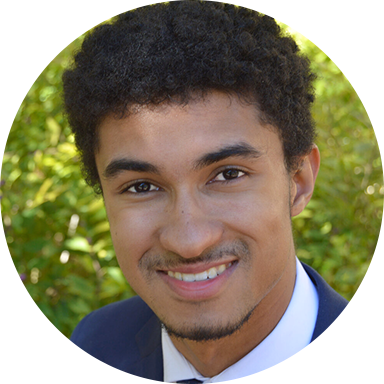
Adrian B. Sims (b. 2000) is a composer, conductor, educator, and trombonist based in the Washington-Maryland region. A student of Dr. Robert Gibson at the University of Maryland, where he pursues dual degrees in Music Education and Composition, Sims has earned recognition through the Maryland Music Educators Association Young Composers Project and the Make Music Young Composers Contest. His work has appeared on the Bandworld Top 100 List and been performed at the Midwest Band and Orchestra Clinic.
Sims brings both compositional ambition and practical ensemble experience to his writing. As an active trombonist in top ensembles at the University of Maryland and a frequent conductor of his own works in Maryland schools, he understands the demands placed on student musicians and the rewards of engaging, well-crafted repertoire. His mentorship from world-renowned composer Brian Balmages and his studies with Matthew Guilford, solo bass trombonist with the National Symphony Orchestra, have shaped his approach to orchestral writing.
Why we love this
Sims captures the majesty of flight without overwhelming your string players. The writing balances cinematic sweep with Grade 3 accessibility, allowing students to feel like they're performing something genuinely ambitious while the technical demands stay manageable. The harmonies are sophisticated enough to hold the attention of experienced directors, yet the orchestration is transparent enough that rehearsal time focuses on musicality, not just mechanics.
What to expect
You're riding the thermals with a predator in pursuit. The opening soars with freedom and grace, then the music darkens and intensifies as weather rolls in, the strings driving through turbulent passages with urgency. By the end, you've witnessed both the power of flight and the raw energy of the elements.
Who it's for
String orchestra directors seeking Grade 3 repertoire that doesn't compromise on compositional craft. This piece engages serious young musicians while remaining accessible for developing ensembles; it works equally well for contest preparation or concert programming.
How to get the most out of it
- Shape the opening soaring passages with sustained bow pressure and clear phrasing; think of each violin line as a falcon's arc rather than a series of individual notes.
- Bring out the storm section through dynamic contrast and rhythmic precision in the lower strings; lock the cello and bass figures so the upper strings can move freely above them.
- Balance the harmonic complexity by doubling important voice-leading lines when rehearsing; once the harmonic framework is secure, begin releasing doublings to reveal Sims's intended sonority.
- Use the 3:10 duration as a rehearsal guideline, but allow time in early rehearsals to explore the programmatic narrative; students who understand the falcon's journey will invest more deeply in the phrasing.
How to use it
Program this as a centerpiece for a concert featuring nature-inspired works, or use it as a contest selection that showcases your ensemble's range and musicality without extreme technical demands. Its cinematic quality also pairs well with visual presentations or school assemblies exploring themes of perseverance and flight.
Skills your students will build
- Sustained, expressive tone production across extended passages
- Dynamic control and contrast in programmatic contexts
- Reading and balancing complex harmonies in a transparent orchestration
- Ensemble coordination across multiple independent string lines
- Characterization of musical imagery through phrasing and articulation