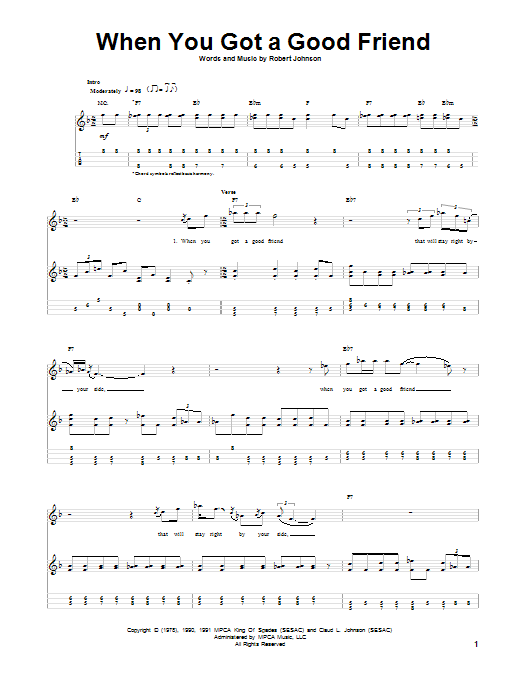
Robert Johnson (1911–1938) remains a towering figure in American music, his influence extending far beyond the blues tradition that birthed him. Working in the Delta blues style of the 1930s, Johnson pioneered approaches to guitar that shaped generations of musicians across rock, folk, and contemporary genres. His recorded output was small but extraordinary; the 29 songs he left behind demonstrate technical innovation, emotional depth, and a command of blues form that continues to captivate performers and scholars.
For music educators, Johnson's work offers a masterclass in economy of expression. His arrangements distill complex harmonic movement and rhythmic sophistication into deceptively simple forms. Teaching his material asks students to listen beneath the surface, to hear how much musicality emerges from constraint and intention rather than complexity.