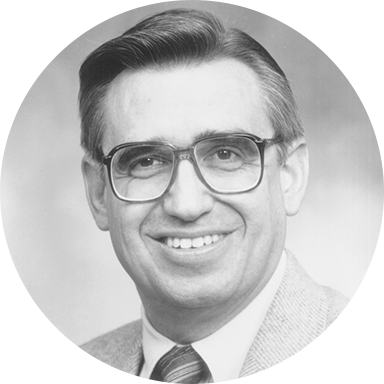
Don Besig spent three decades teaching public school music across western New York, building choral programs and show choirs known for strong performances at festivals, competitions, and community concerts. His teaching spanned all grade levels, and he brought that classroom experience directly into his compositional work. He now serves as director of music at Perinton Presbyterian Church in Fairport, NY.
Seeing firsthand what student and volunteer choirs actually needed, Besig began writing music tailored to those singers' abilities and interests. His catalog now exceeds 350 original compositions and arrangements published by major school and church music publishers, with more than 15 million copies in circulation. He has received multiple ASCAP Special Awards and regularly conducts workshops and adjudication sessions across 40 states and Canada. A graduate of Ithaca College, he holds memberships in Phi Mu Alpha, ACDA, MENC, NYSSMA, and ASCAP.
Why we love this
Besig and Price write sacred music that actually sounds good when sung by people who range from competent to developing. The text setting is clear and the harmonic language sits comfortably in your singers' voices without sacrificing genuine musicality. Programming this offers your choir a chance to sing something reverent and accessible in the same moment.
What to expect
Warm and grounded, the kind of sacred music that feels like it belongs in a sanctuary or concert hall without pretension. The harmony unfolds naturally, and the text feels supported rather than set aside by the music.
Who it's for
This works for volunteer church choirs, high school sacred music electives, and concert choirs building a hymn or spiritual music component. The straightforward voicing and modest ranges make it accessible while the compositional craft keeps mature singers engaged.
How to get the most out of it
Balance the parts so the text emerges clearly. Sacred music lives or dies on the ability of the congregation or audience to understand what is being sung.
Lock in the rhythm section (basses and tenors) early so your sopranos and altos can shape the phrases with confidence.
Let the harmonies breathe. Besig's writing doesn't demand constant motion, so resist the urge to push tempo or add unnecessary energy.
How to use it
Pair this with a hymn festival, community Advent service, or spring concert finale where you want your singers to feel confident and your audience to feel moved. At 11 pages, it's substantial enough to justify rehearsal time without dominating your preparation calendar.
Skills your students will build
Balancing multiple voices to prioritize text clarity
Managing sustained vocal lines with proper breath support
Interpreting harmonic color and phrase shape in diatonic writing
Singing four-part harmony with independent part security
You May Also Like
Scan to Complete Your Purchase
Use your phone's camera to scan the code below
You'll log in on your phone and the order will be added to your account