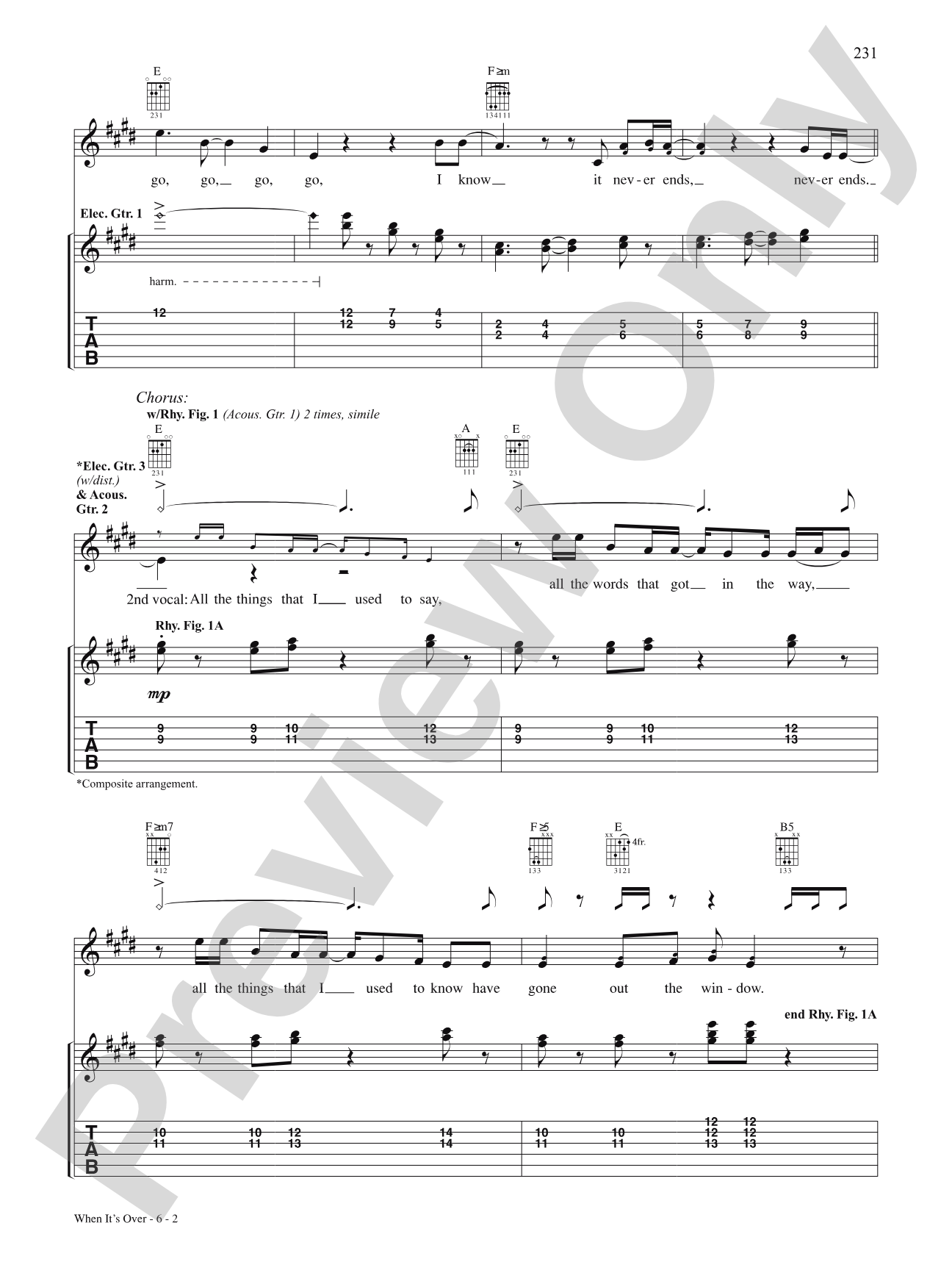
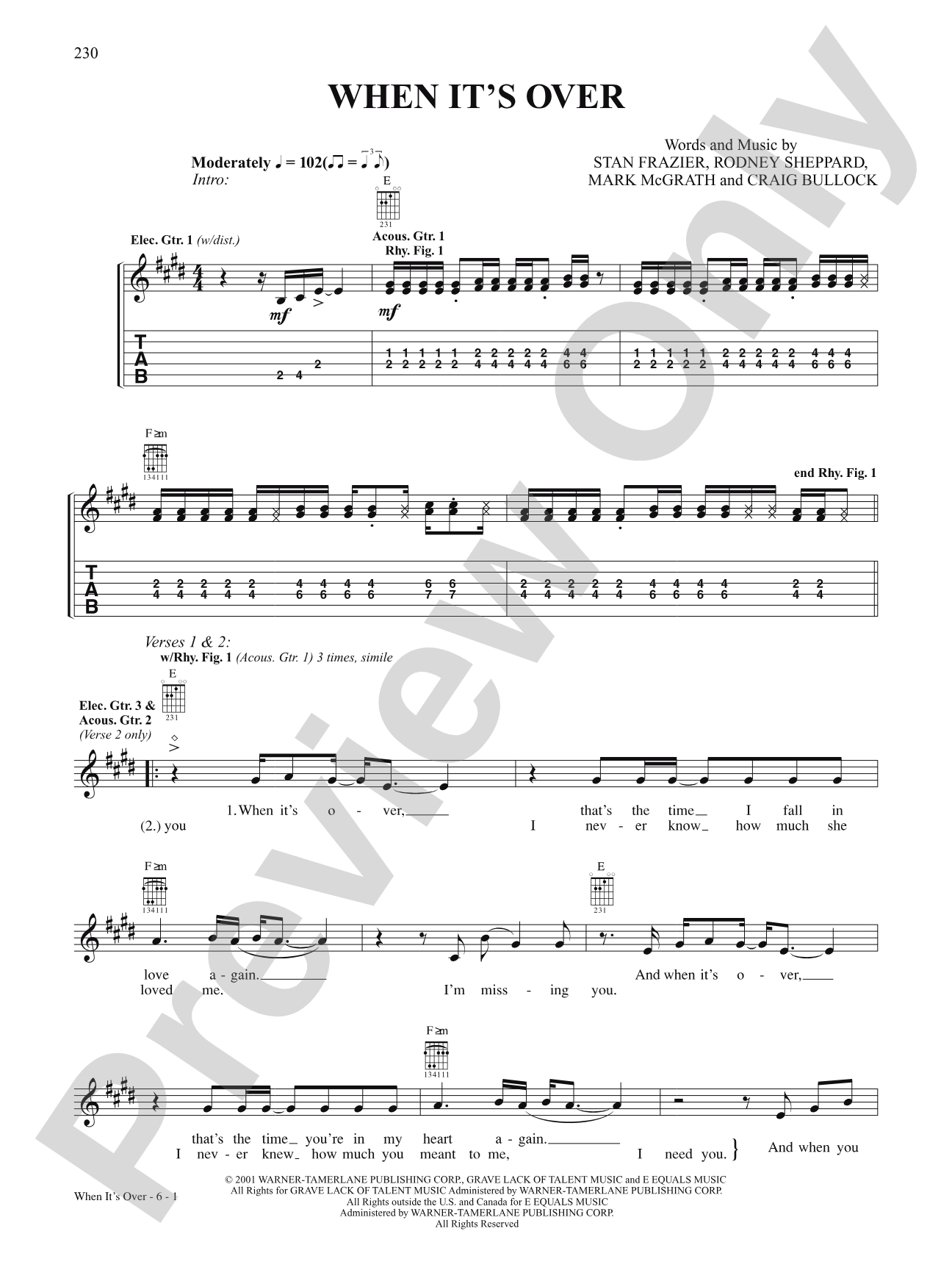
When It's Over (Album Version) Sheet Music Preview

When It's Over (Album Version): Authentic Guitar TAB

Sugar Ray

Item: 00-PSG-000371

Digital Download
$5.99

One moment…

Description
Complete with four pages of color photos, this album-matching folio displays the true essence of Sugar Ray -- simple and natural. Titles are: Answer the Phone * When It's Over * Under the Sun * Satellites * Waiting * Ours * Sorry Now * Stay On * Words to Me * Just a Little * Disaster Piece.

When It's Over (Album Version): Authentic Guitar TAB isn't in MakeMusic Cloud just yet...but it could be. Let us know you'd like to see it, and you'll help shape what comes next. In the meantime, start a free trial and dive into thousands of interactive titles your students can play along with today.

Sample Audio
No sample audio found.
Sample Video
Additional Details
Publisher: Alfred Music
Page Count: 60
SKU: 00-PSG-000371

More about this title

About the Artist: Sugar Ray

Sugar Ray emerged from Orange County in the mid-1990s with a genre-blending approach that mixed rap, rock, reggae, and pop into accessible, radio-friendly songs. Their 1999 album 14:59 established them as mainstream fixtures, known for catchy hooks, laid-back production, and an unpretentious attitude toward songwriting. The band's ability to craft memorable melodies over grooves rooted in Caribbean and hip-hop influences made their music widely relatable to teenage and adult audiences alike.

From a guitarist's standpoint, Sugar Ray's appeal lies in their straightforward, groove-centered approach. Their compositions prioritize feel and pocket over technical complexity, making them ideal for players developing their sense of rhythm, dynamics, and arrangement interpretation. Learning these songs teaches the value of serving a song's character rather than showcasing technique.

Why we love this

Sugar Ray's catalog sits at a sweet spot for intermediate guitarists seeking material that sounds polished and professional without requiring advanced technique. These 11 songs span the band's essential era, offering consistent quality and immediate recognition that keeps student motivation high. The inclusion of color photos and album-matching arrangements grounds learning in the actual recorded versions rather than generic transcriptions.

What to expect

Laid-back and groove-oriented, with moments of brightness and openness. These songs breathe rather than push; they're designed to feel natural and effortless, even when the arrangements contain rhythmic or harmonic detail. The overall character is radio-friendly rock with Caribbean and hip-hop influences that give it a distinctive, summery vibe.

Who it's for

Intermediate guitarists ready to tackle rock material with real commercial arrangements and a modern (late 1990s) production sensibility. Students preparing for rock covers band auditions or those looking to diversify beyond classic rock will find 11 immediately usable songs in one folio.

How to get the most out of it

  • Use the drum and bass parts as your timing reference; Sugar Ray's grooves hinge on locking into the pocket rather than racing ahead, so count carefully through any syncopated sections.
  • Pay attention to dynamic contrast between verses and choruses. The verses often sit back and lay in the mix, while choruses open up; this dynamic awareness is crucial to capturing the album's feel.
  • Reference the recorded versions frequently. TAB captures the notes but not the tone or rhythmic nuance. Listen to how the guitar sits relative to the vocals and rhythm section.

How to use it

Program one or two of these songs alongside other contemporary rock material for a concert focused on late 1990s to early 2000s hits. Alternatively, feature them as showcase pieces for students exploring genre beyond traditional rock or metal, demonstrating how groove and feel matter as much as technical execution.

Skills your students will build

  • Rhythmic pocket and groove placement
  • Dynamic shaping within a song structure
  • Syncopated rhythms in rock contexts
  • Chord-based comping and texture
  • Matching recorded arrangements through TAB study

You May Also Like