


What Was I Made For?: String Orchestra Conductor Score & Parts
Words and music by Billie Eilish O'Connell and Finneas O'Connell / arr. Bob Phillips
Grade: 2.5
Item: 00-PK-0008973

$60.00
Pickup currently not available
Buy Extra Parts (Digital PDF Download)
| Product | Price | Quantity |
|---|---|---|
| What Was I Made For?: Score | $10.00 | |
| What Was I Made For?: 1st Violin | $3.00 | |
| What Was I Made For?: 2nd Violin | $3.00 | |
| What Was I Made For?: 3rd Violin (Viola [TC]) | $3.00 | |
| What Was I Made For?: Viola | $3.00 | |
| What Was I Made For?: Cello | $3.00 | |
| What Was I Made For?: String Bass | $3.00 | |
| What Was I Made For?: Piano Accompaniment | $3.00 |
Parts Added to Cart!
Description
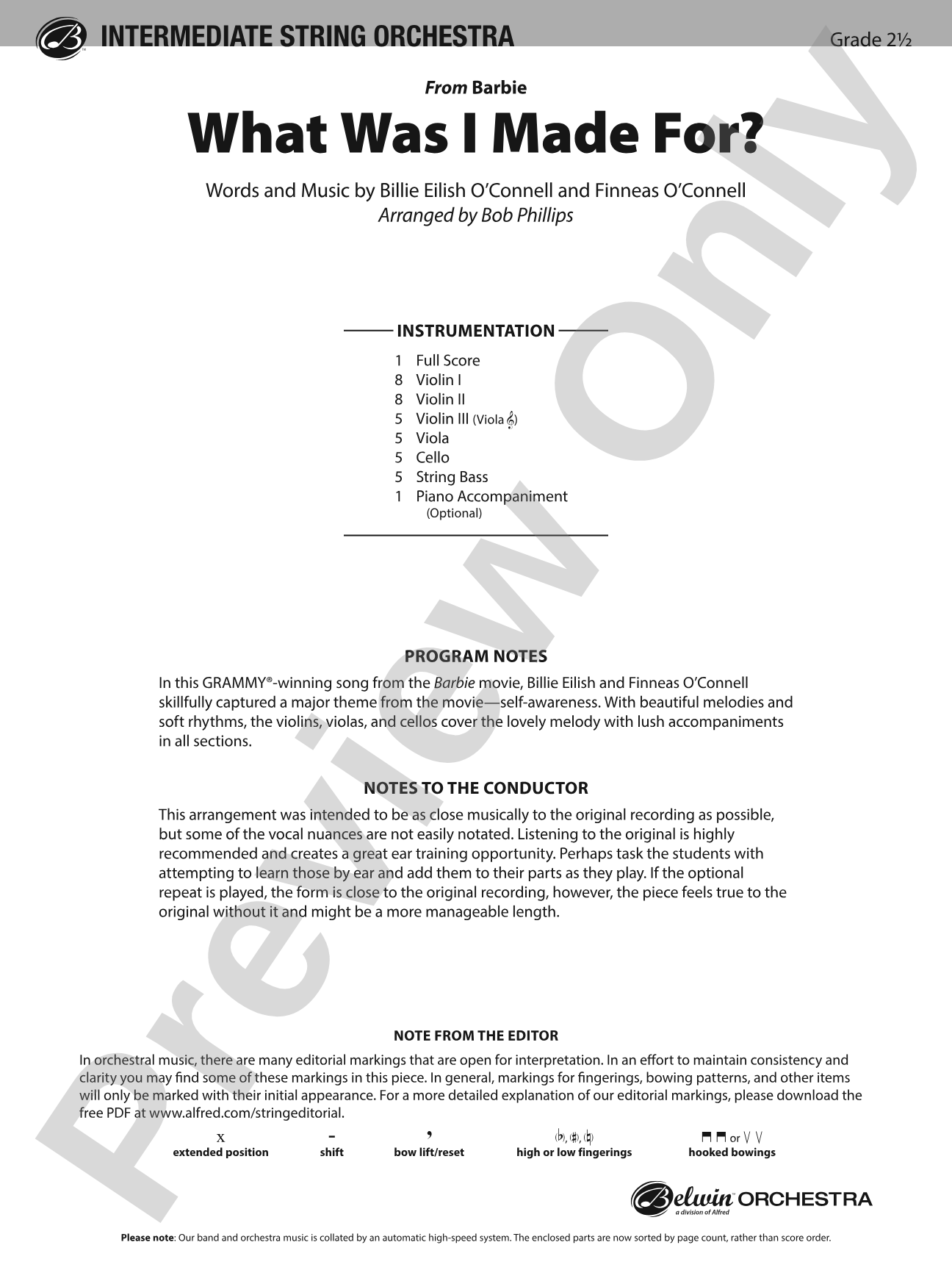
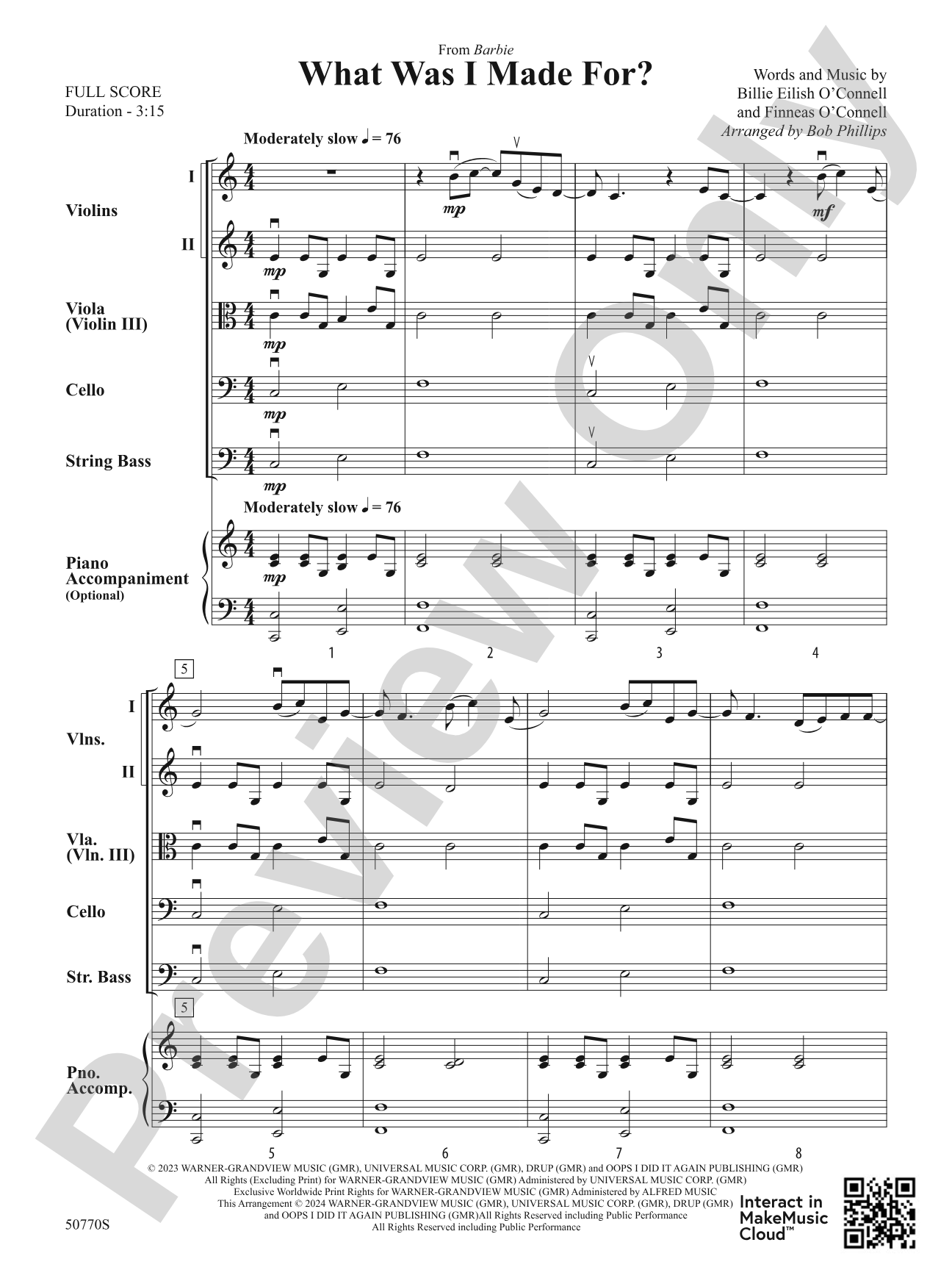
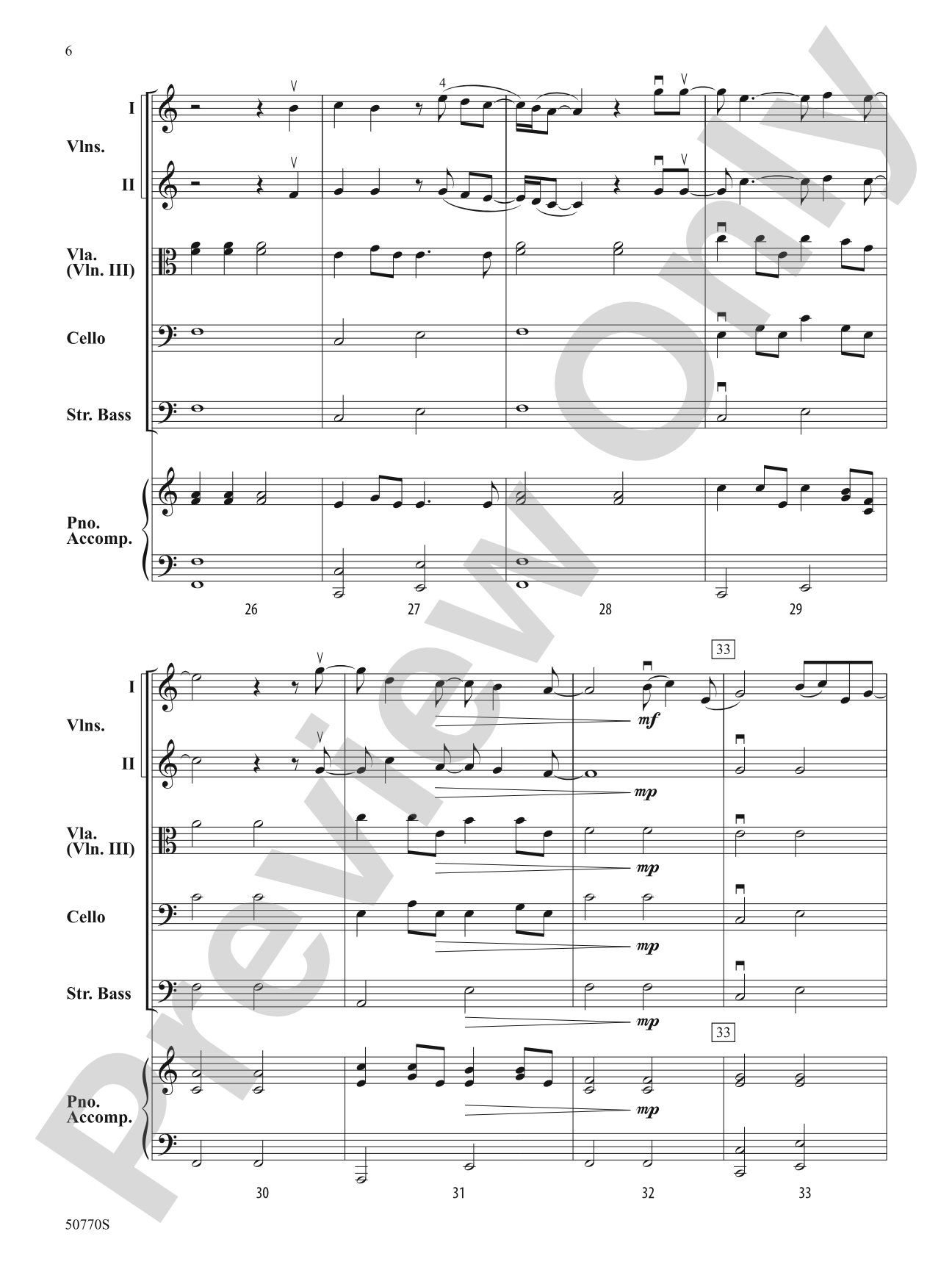
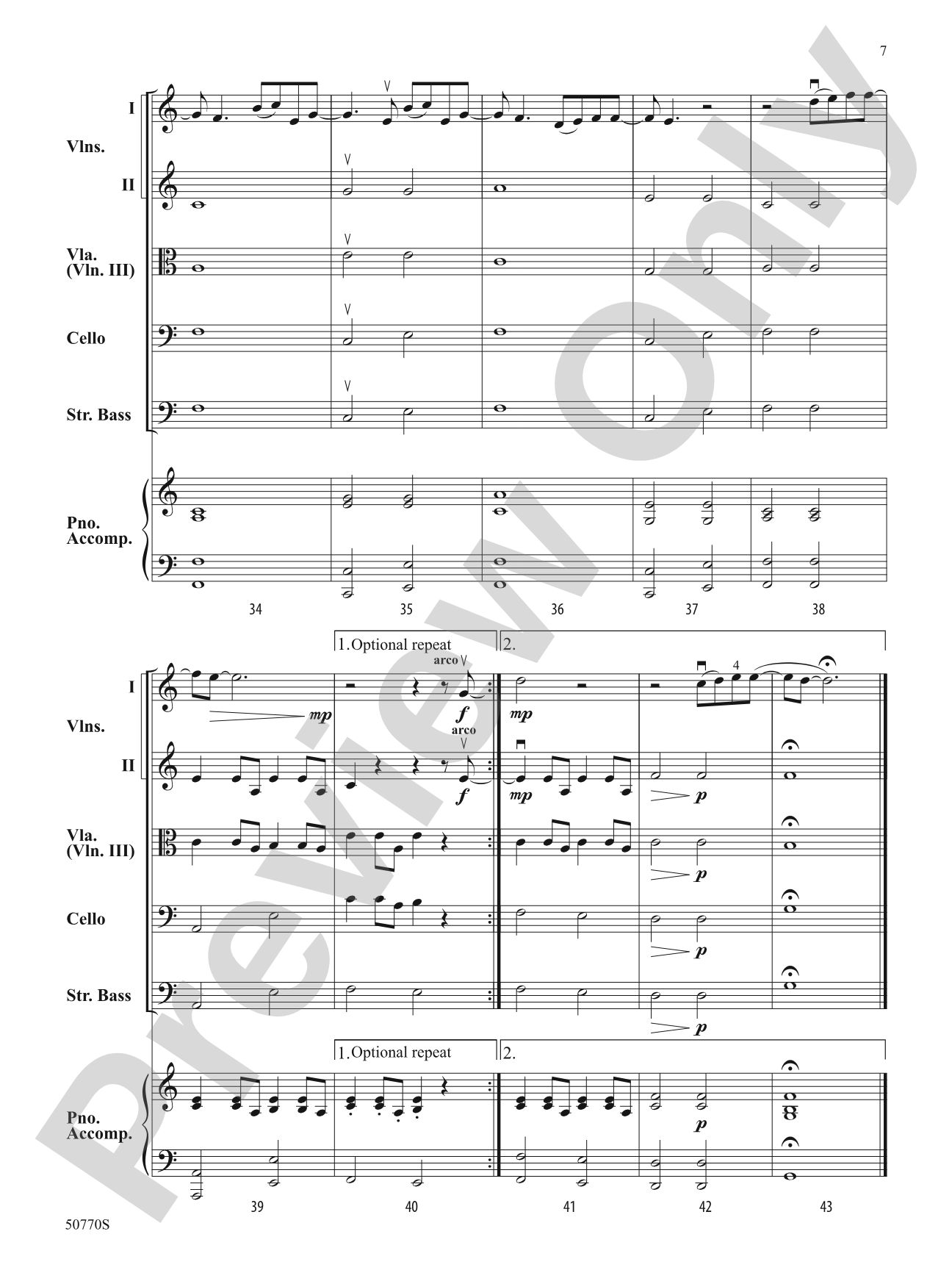
In this GRAMMY®-winning song, What Was I Made For?, from the Barbie movie, Billie Eilish and Finneas O'Connell captured a major theme from the movie---self-awareness. With beautiful melodies and soft rhythms, the violins, violas, and cellos cover the lovely melody with lush accompaniments in all sections. Arranger Bob Phillips set this hit perfectly for intermediate string orchestra while remaining very close to the original. An optional repeat allows for flexibility in the length of the piece.


Don't just read it, hear it, play along with it, and watch your students grow with it. In MakeMusic Cloud, What Was I Made For?: String Orchestra Conductor Score & Parts comes alive with professional accompaniment, adjustable tempo, and built-in practice tools that turn solo practice into real progress.
Open in the Player
Jump straight in and assign it today.
Start Your Free Trial
Open this title and explore the full library in minutes.
Sample Audio
1
Audio File
--:--
0:00
0:00
Sample Video
Additional Details
Series:
Pop Intermediate String Orchestra
Publisher:
Alfred Music
SKU:
00-PK-0008973
More about this title
About the Composer: Billie Eilish O'Connell
Billie Eilish O'Connell emerged as a defining voice of her generation, known for her introspective songwriting and innovative approach to pop production. Working closely with her brother Finneas O'Connell, she has shaped contemporary music through distinctive arrangements that prioritize emotional clarity over conventional production techniques.
Why we love this
Bob Phillips' arrangement captures the song's introspective power without losing the intimacy that makes the original resonate. String players at the intermediate level get to carry genuine melodic weight, and the optional repeat gives you real control over pacing without disrupting the piece's emotional arc.
What to expect
Reflective and intimate, even in a full string section context. The melody unfolds with the kind of quiet confidence that comes from genuine self-questioning, and the lush accompaniments create a sense of being held rather than overwhelmed.
Who it's for
String orchestras at the intermediate level who want to expand beyond classical repertoire into contemporary music that still demands serious musicianship. This arrangement works for orchestras looking to engage student musicians with culturally relevant material without sacrificing developmental value.
How to get the most out of it
- Balance the melody carefully between violin sections; the lush accompaniments in violas and cellos should support rather than overshadow the primary line.
- Use the optional repeat strategically based on your concert timing and the ensemble's stamina. A single run works just as well as a repeated section if the first performance nails the phrasing.
- Shape the soft rhythms through dynamic control rather than tempo manipulation. Let the piece breathe naturally at its written tempo.
How to use it
Pair this with contemporary classical or film music to create a programming block that feels cohesive to modern audiences. It also works as a change-of-pace moment in a traditional concert, offering students and listeners a musical conversation about identity alongside more classical selections.
Skills your students will build
- Playing sustained melodic lines with emotional arc
- Balancing individual voice parts within a complex harmonic texture
- Ensemble coordination across independent rhythmic figures
- Responding to dynamic shaping and phrasing in contemporary idioms