
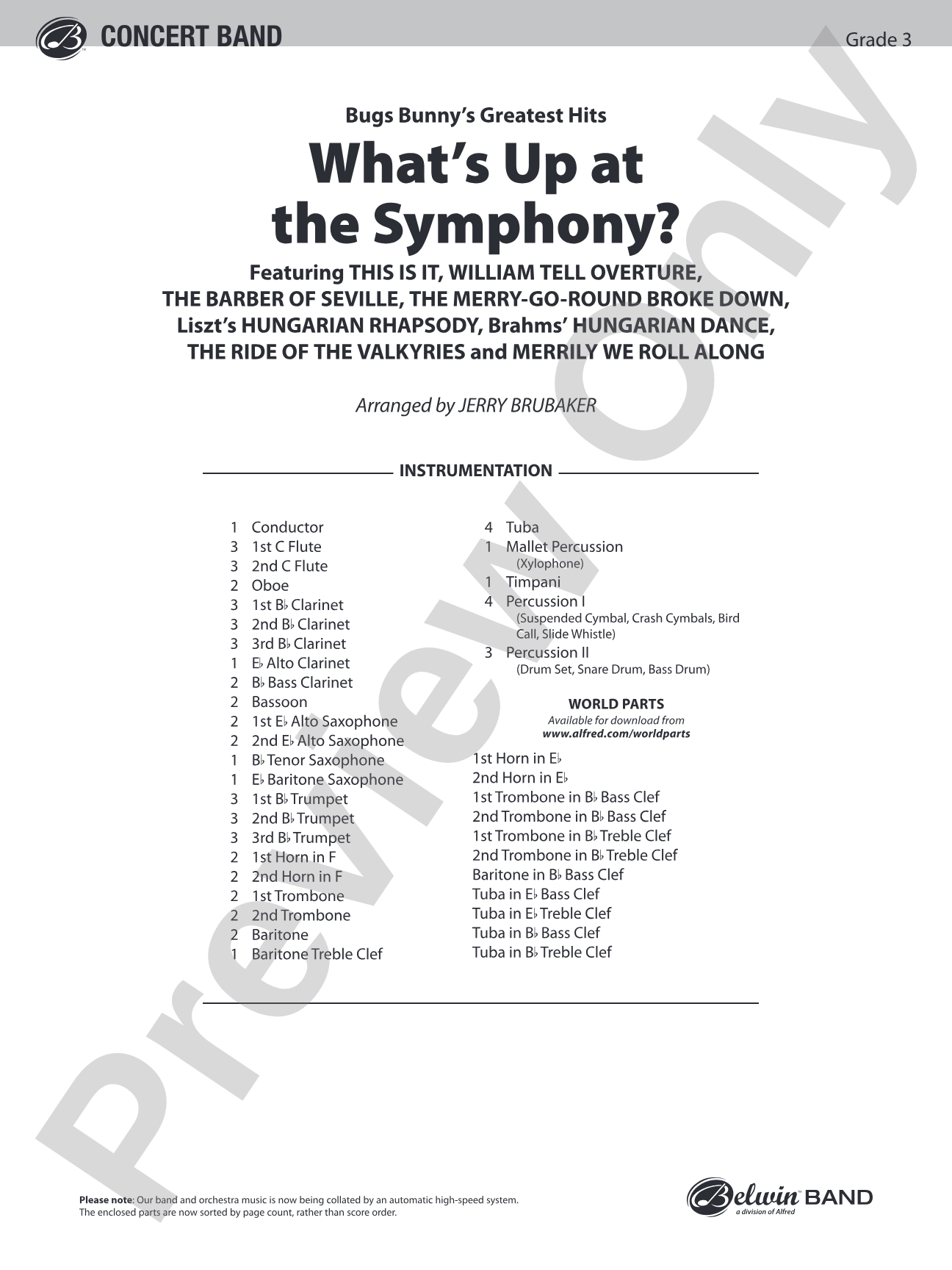

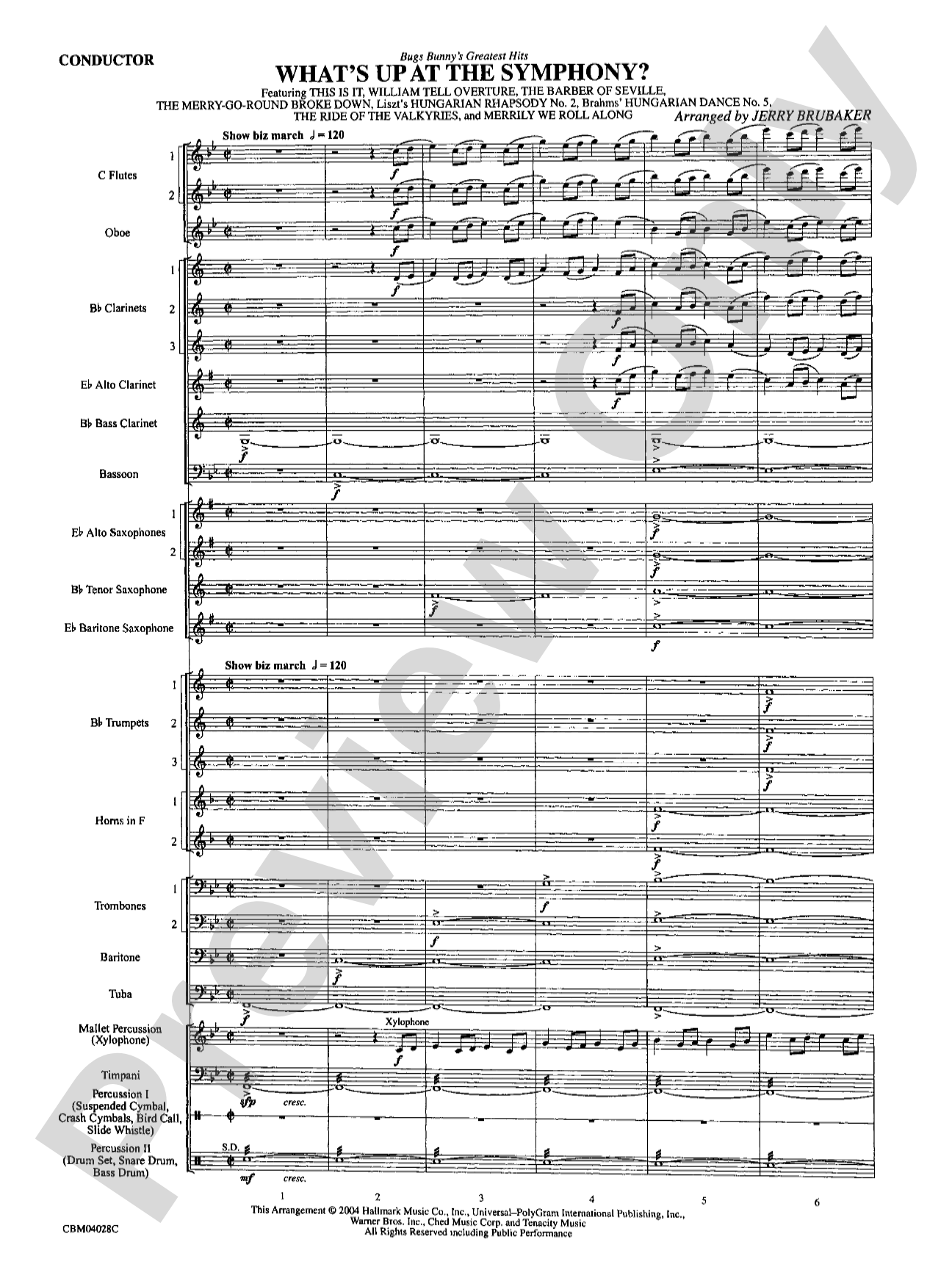
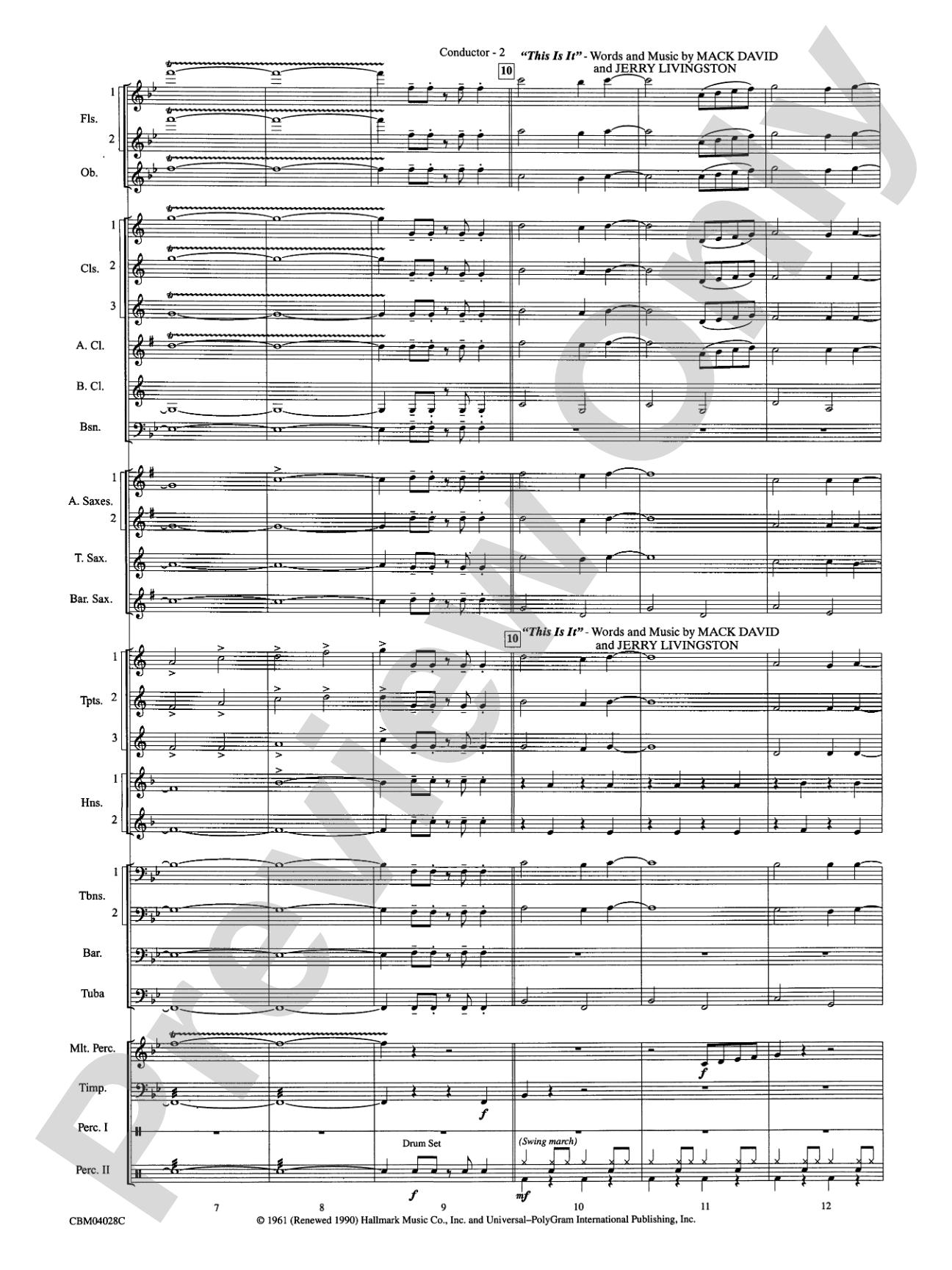
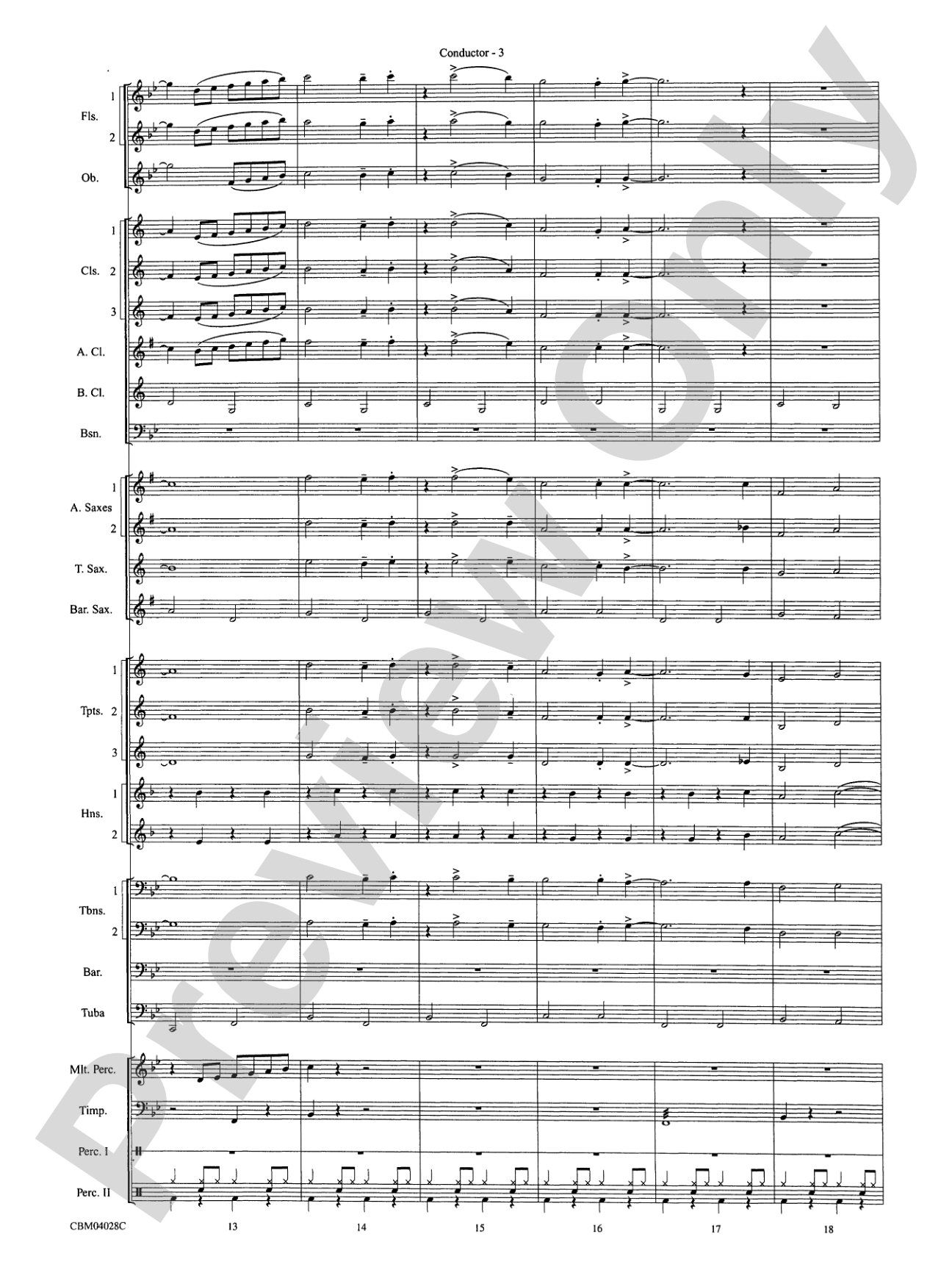
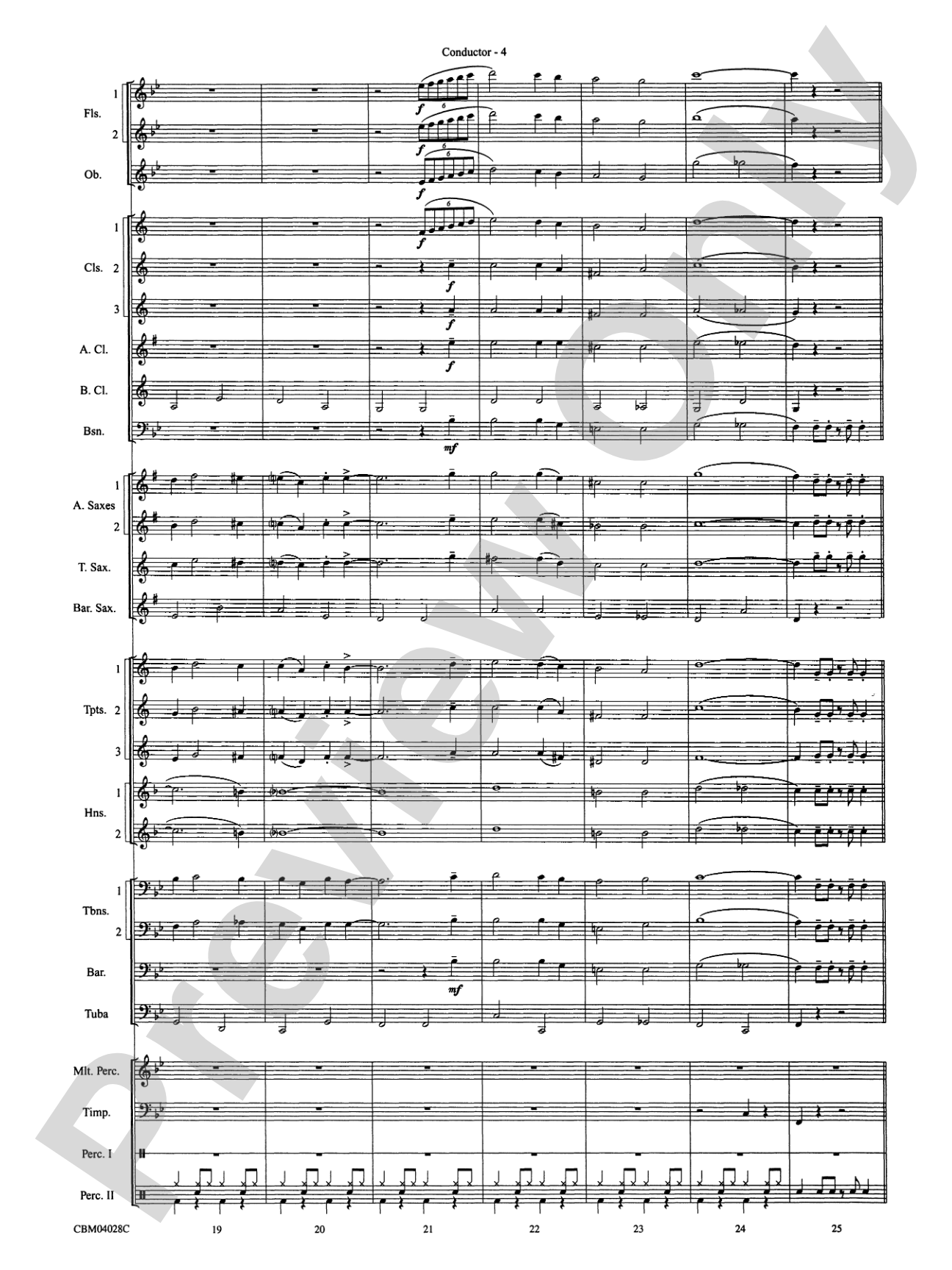
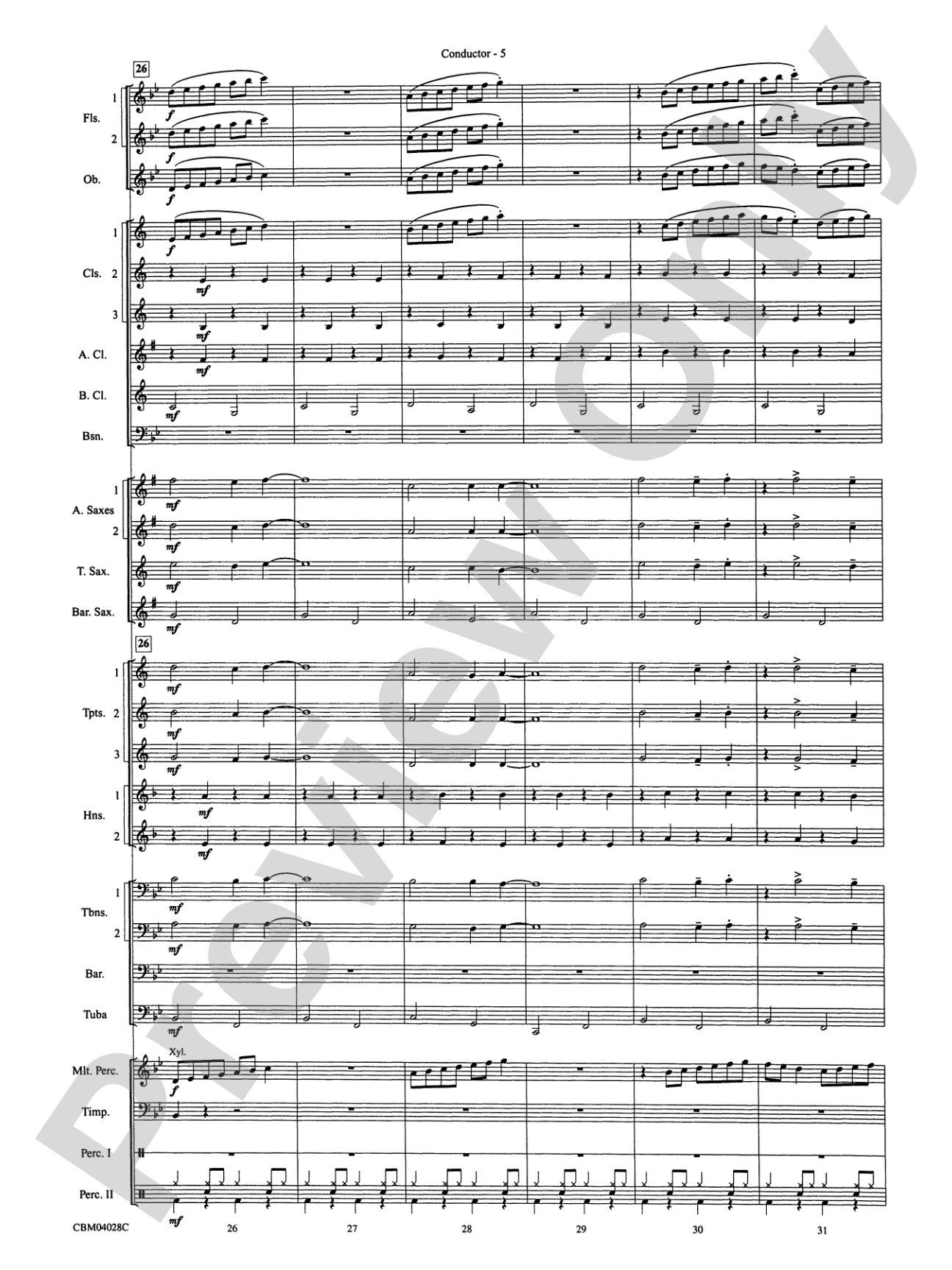
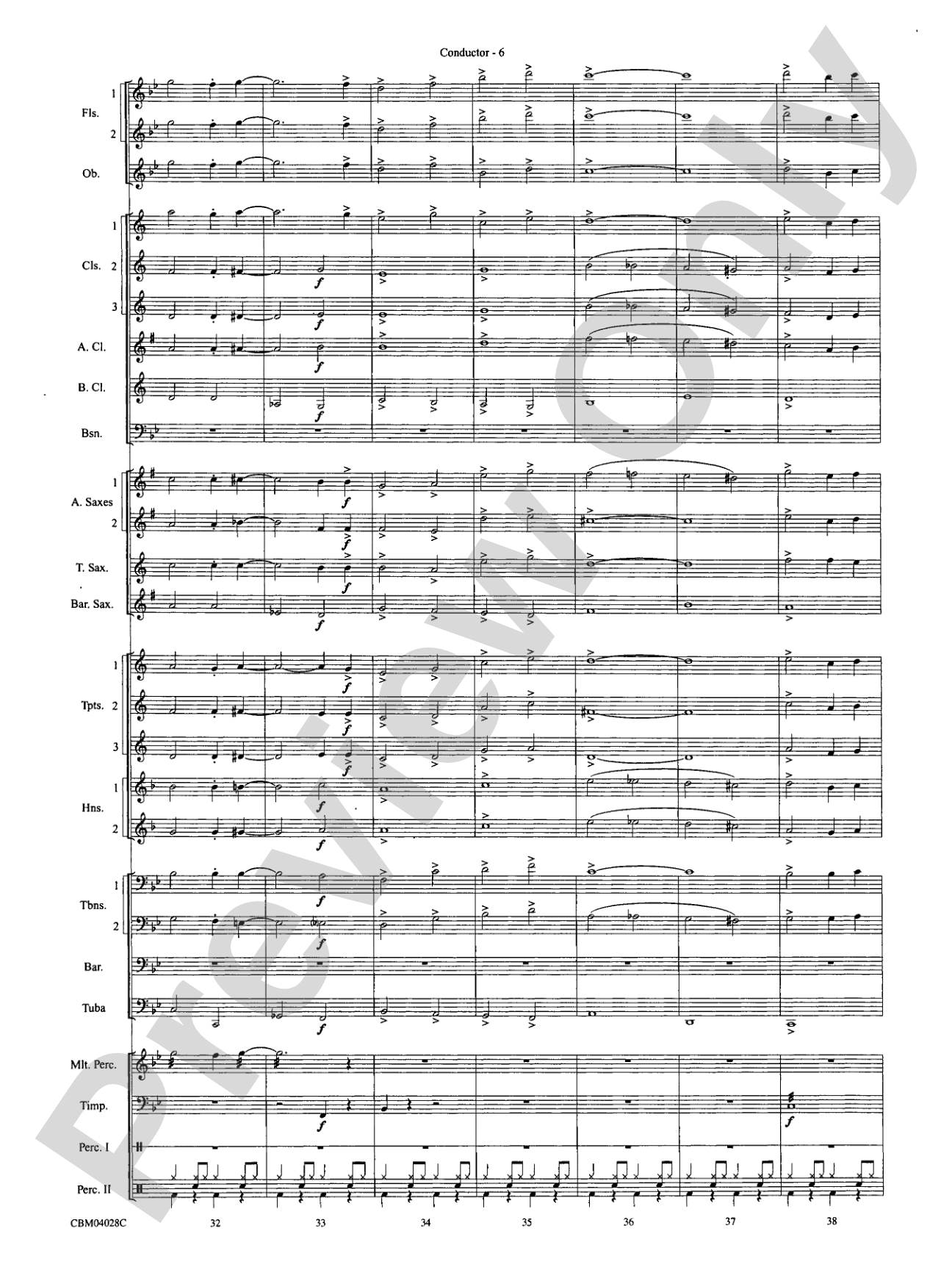
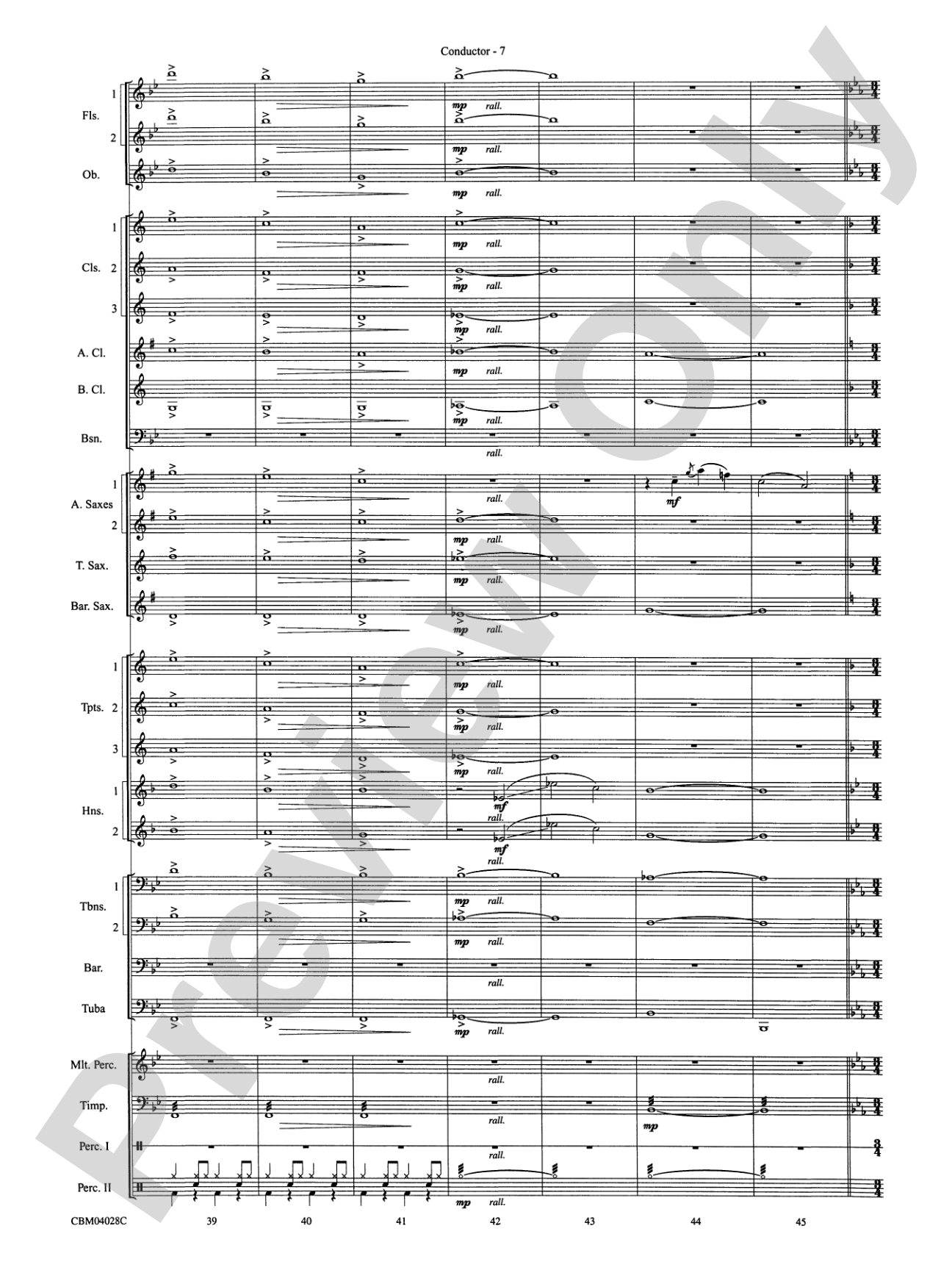
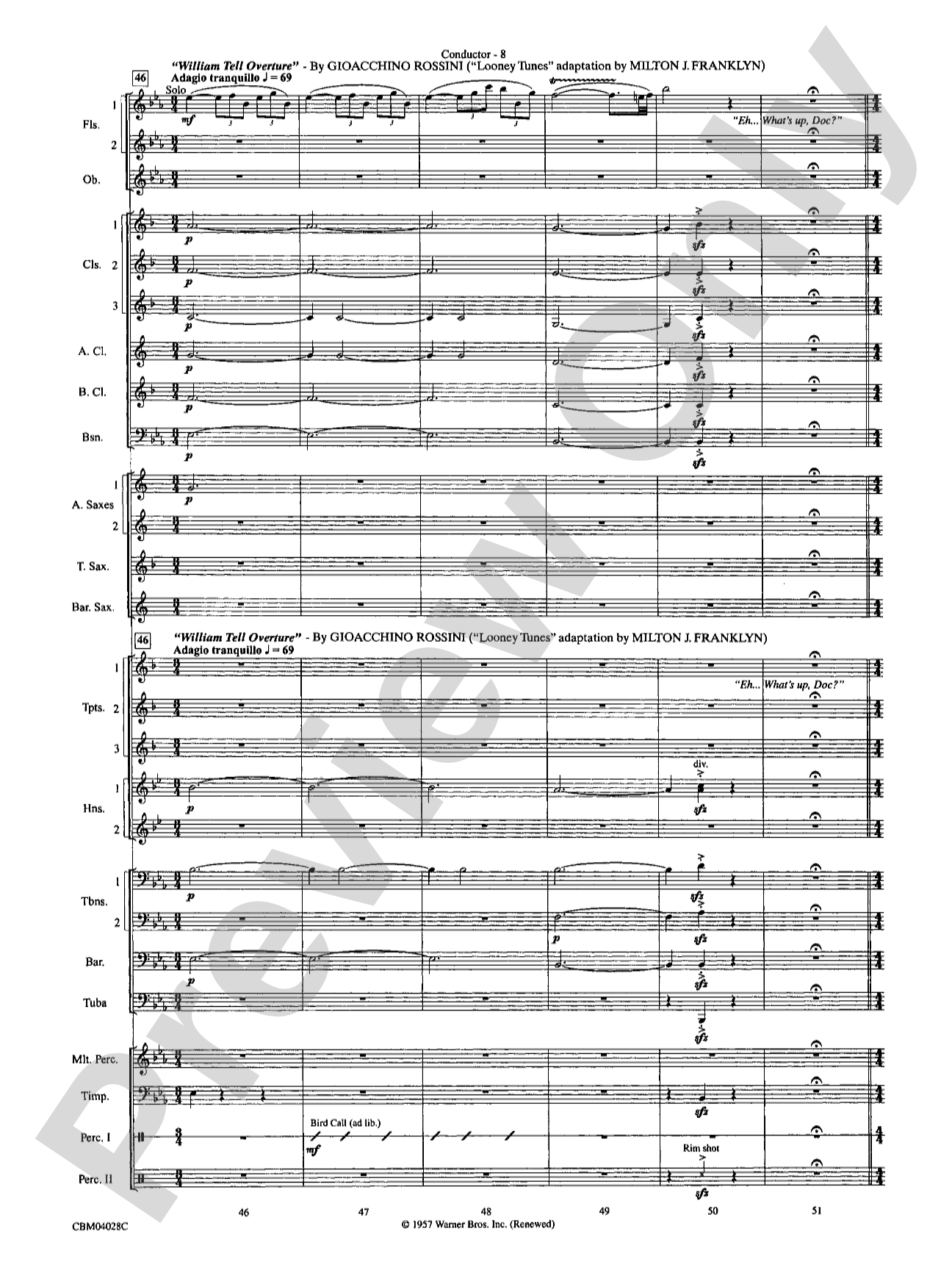
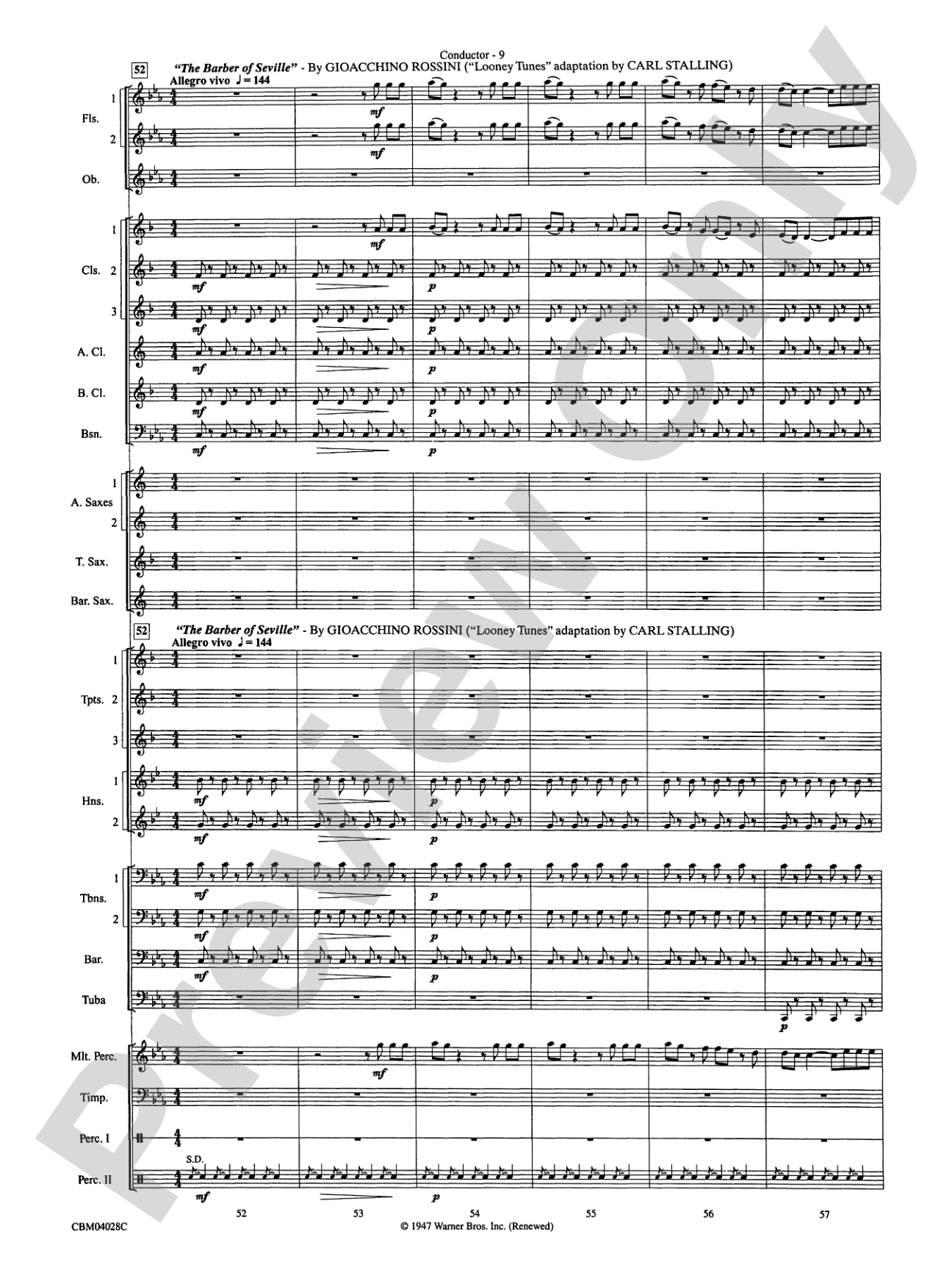
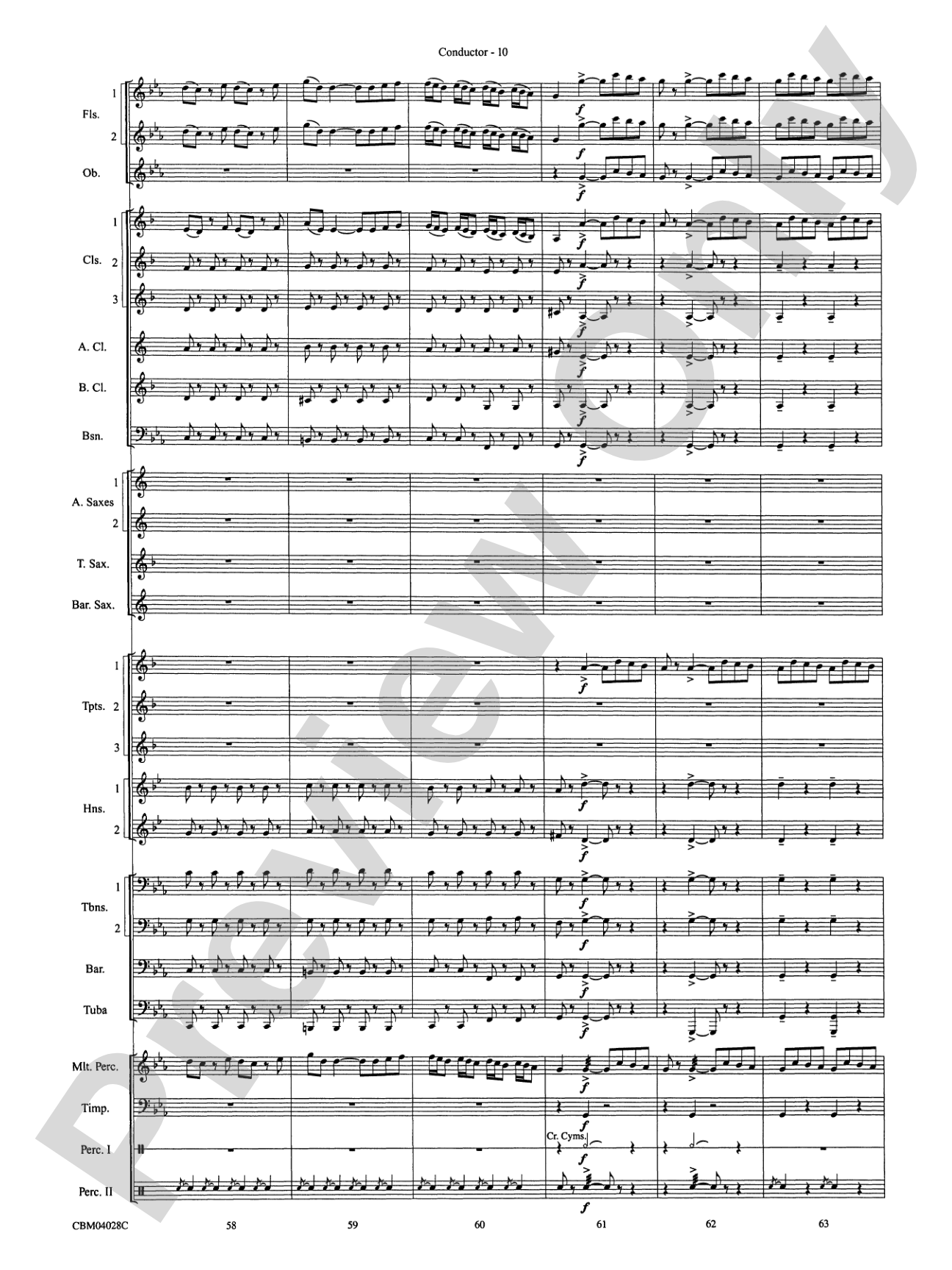
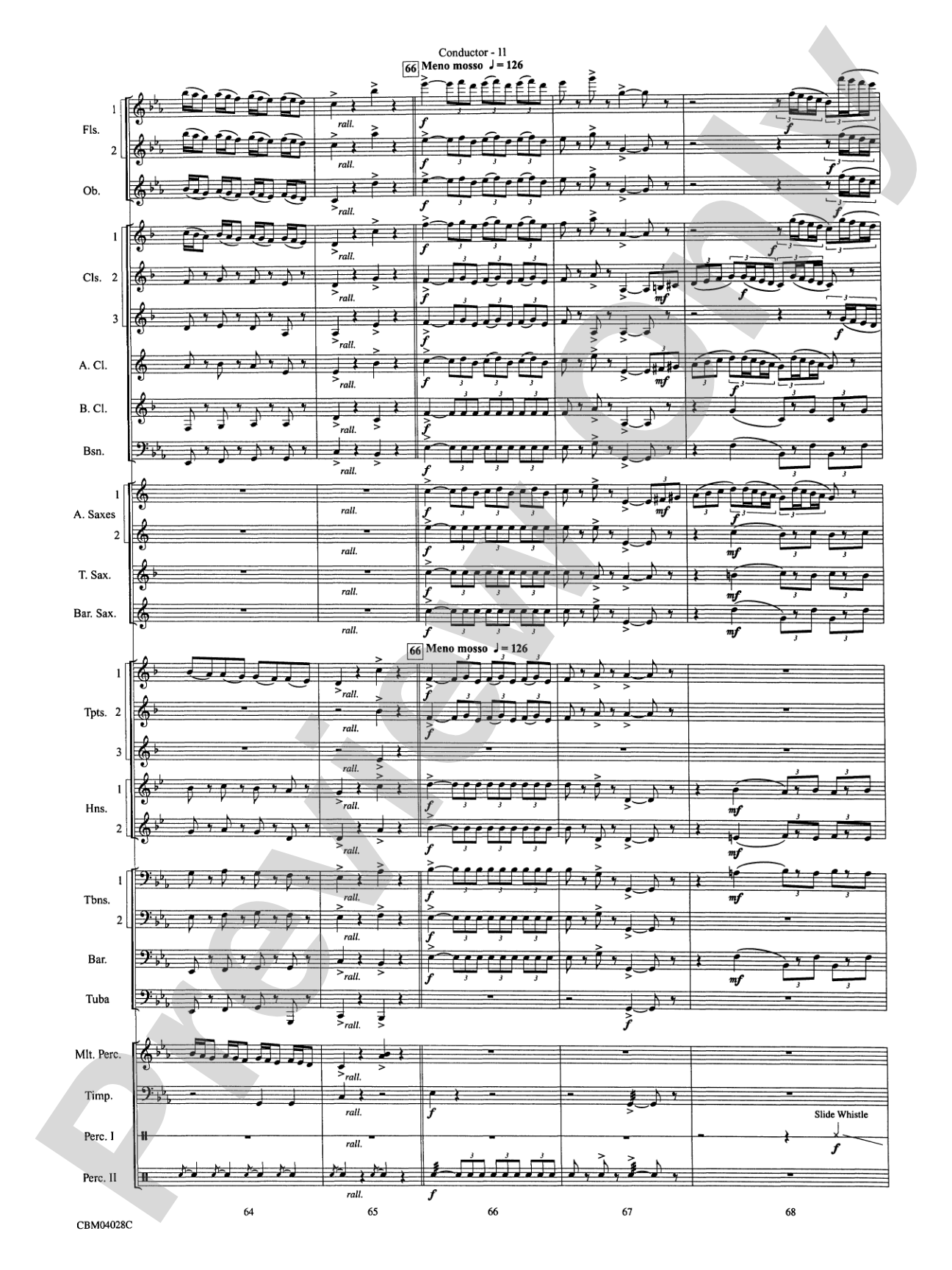
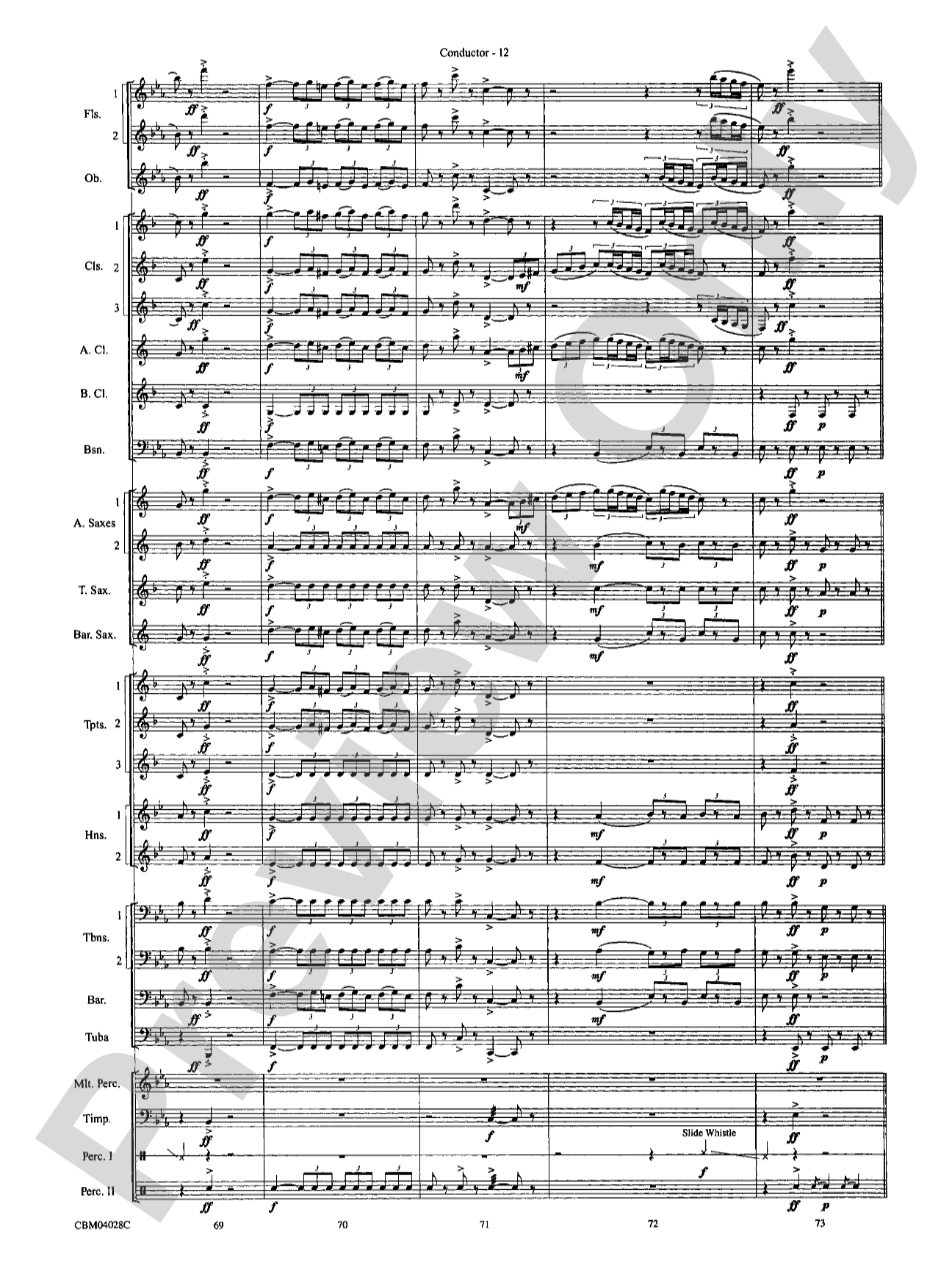
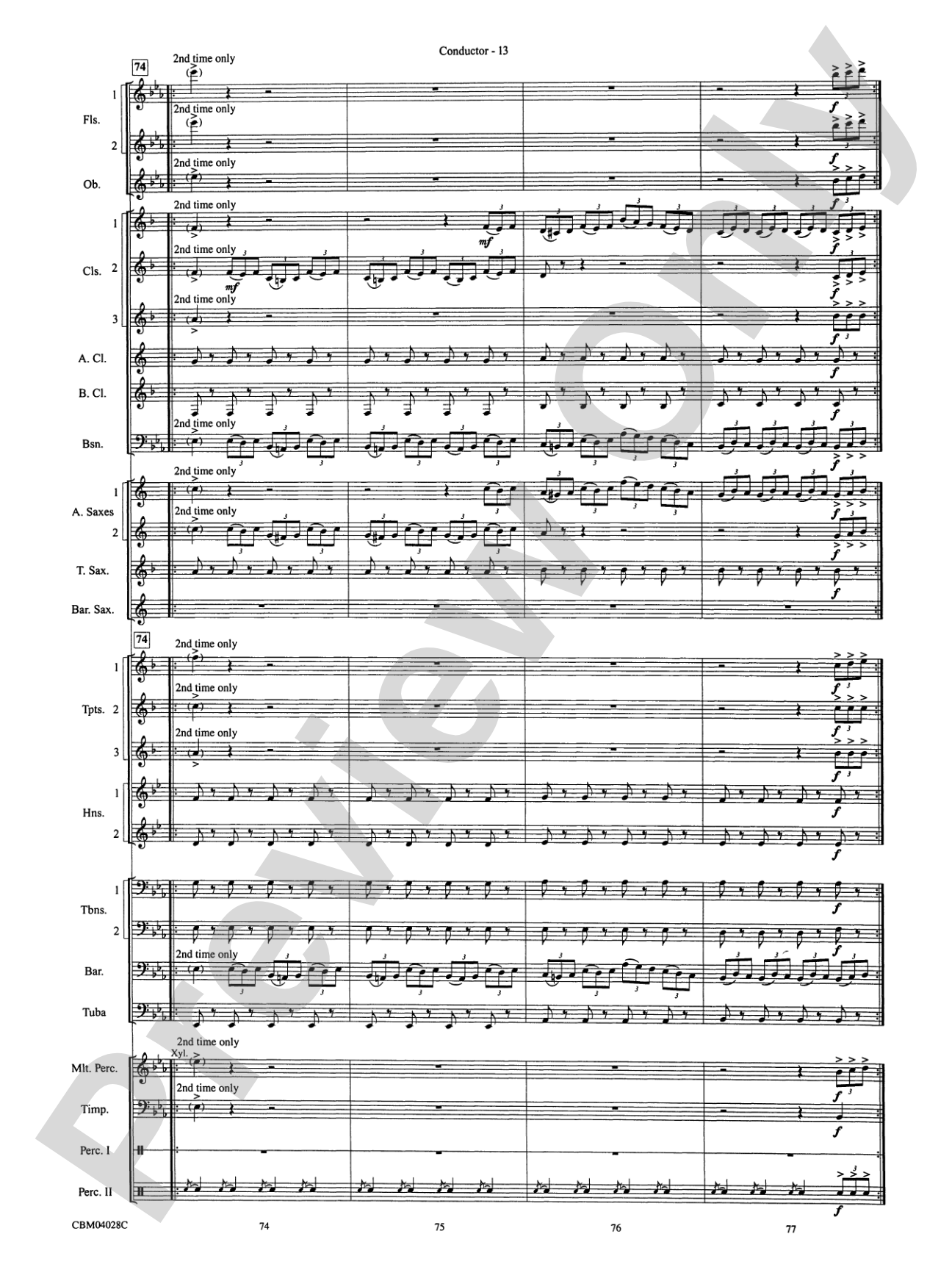
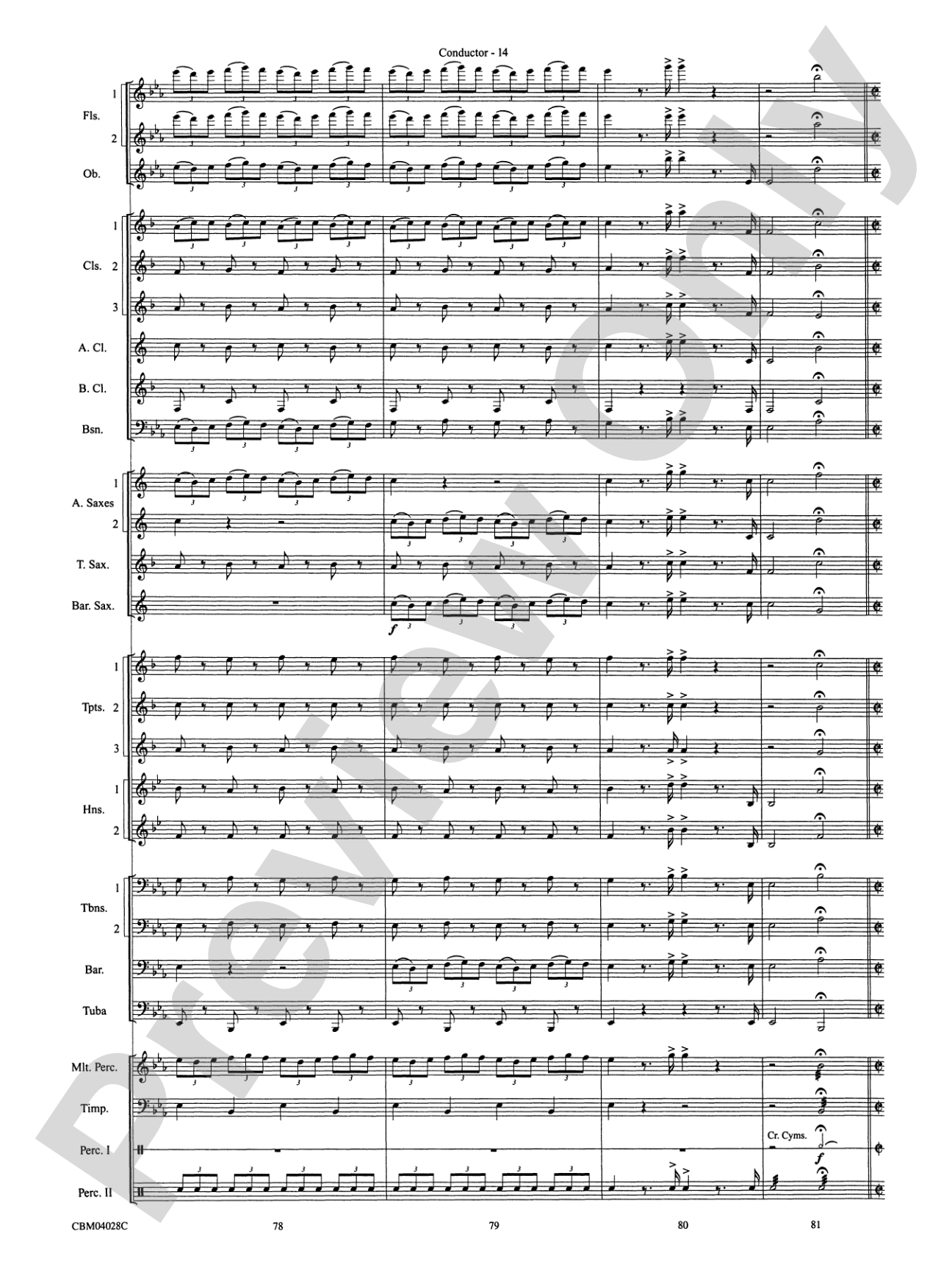
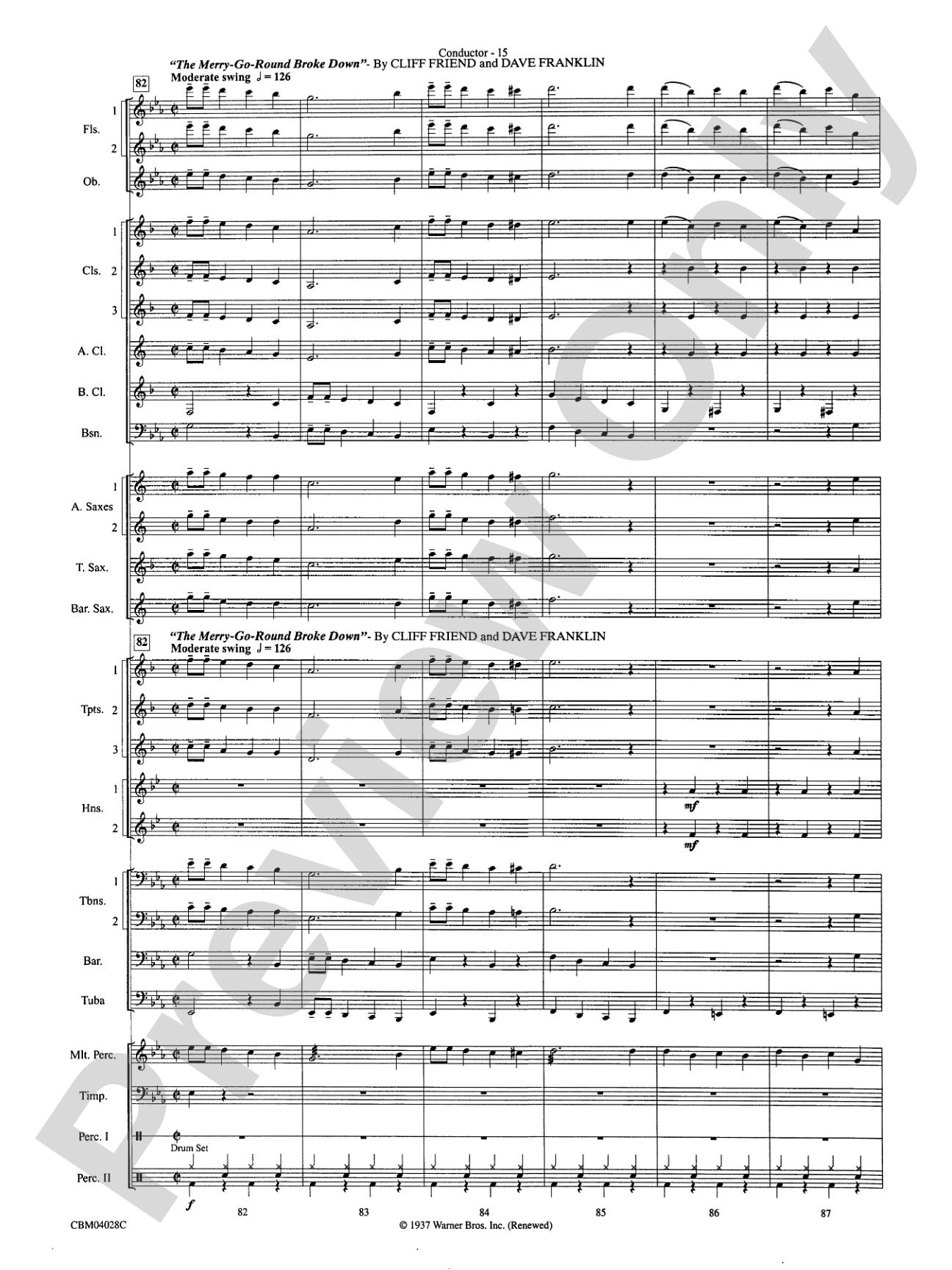
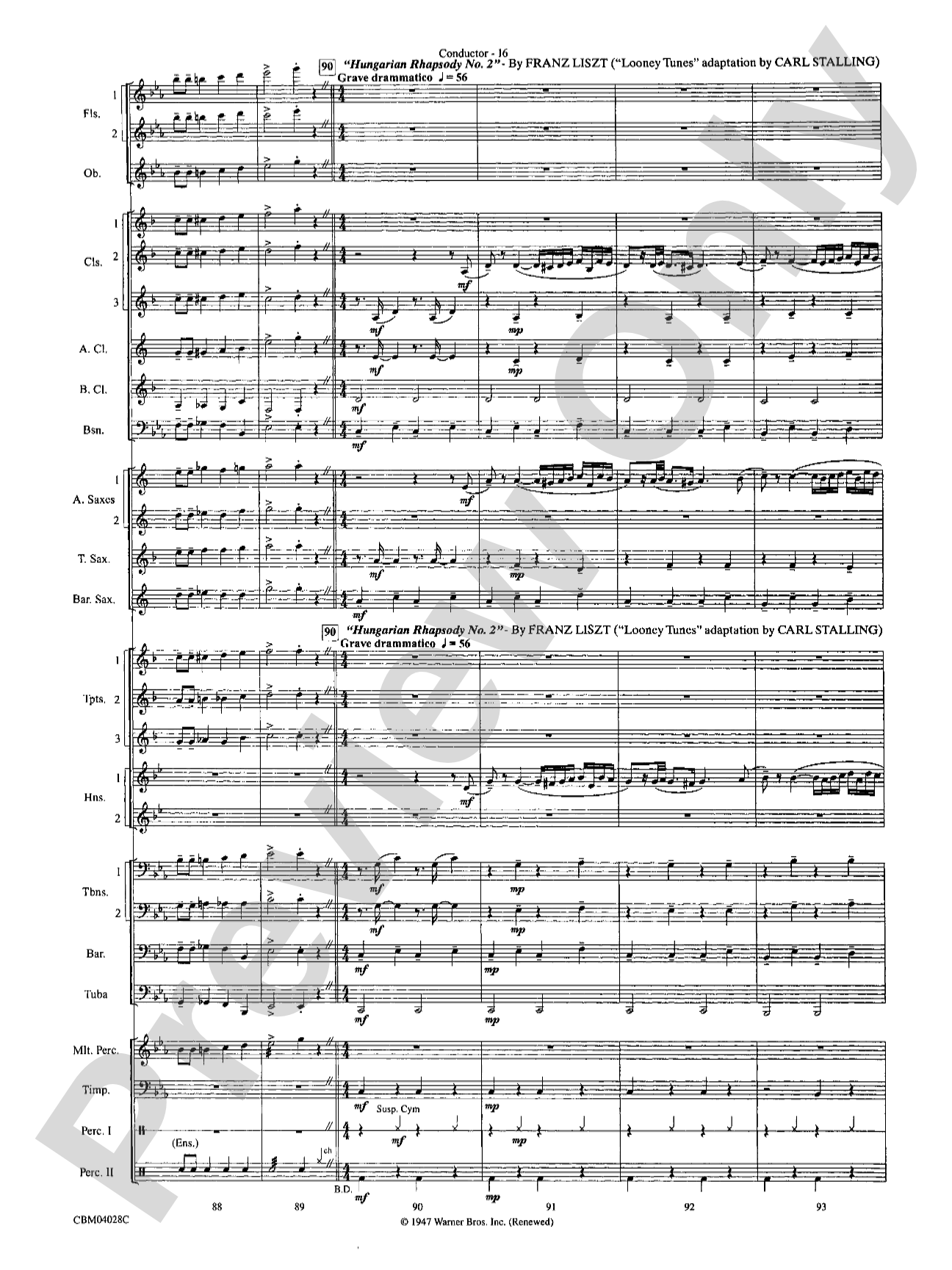
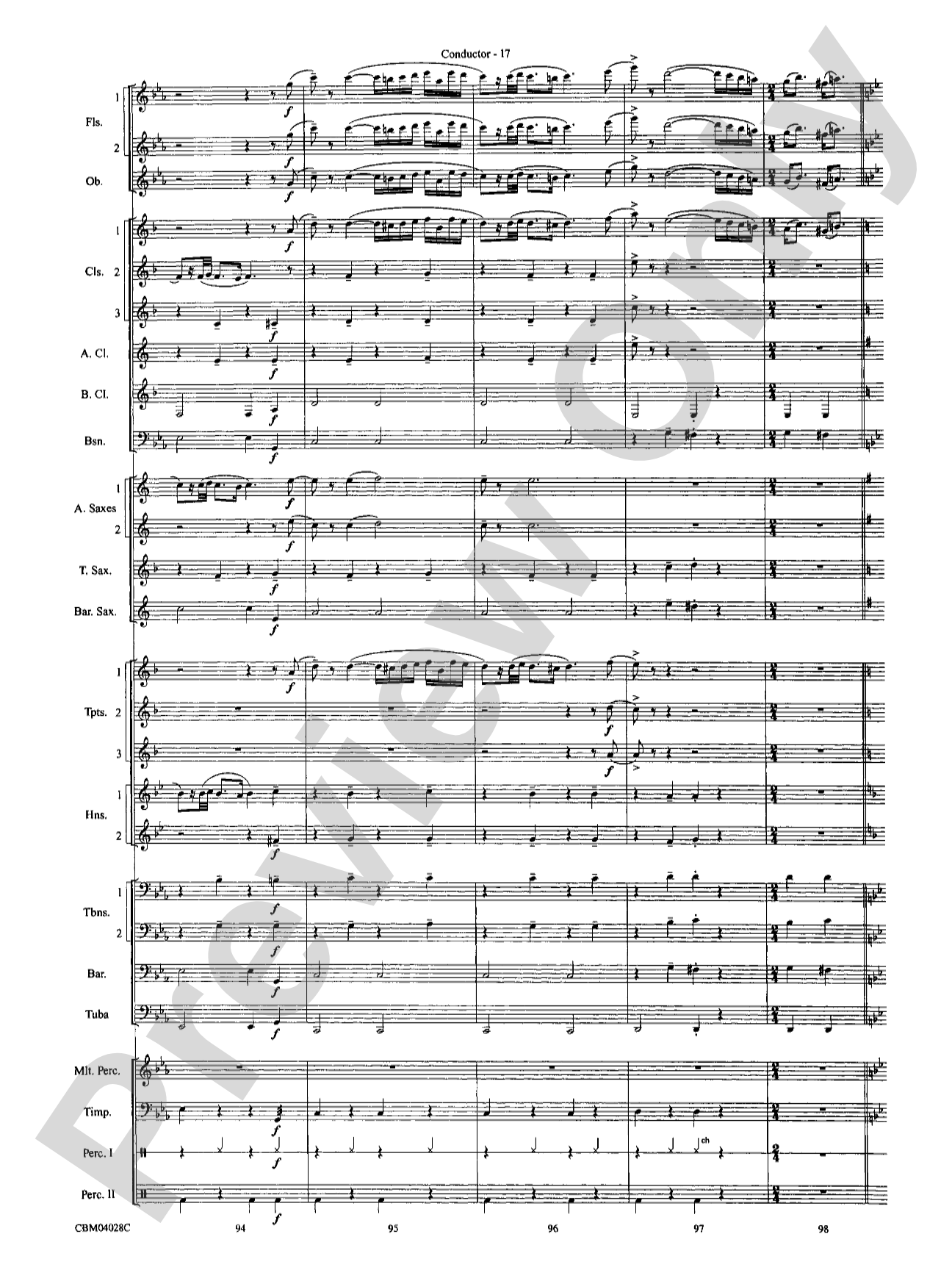
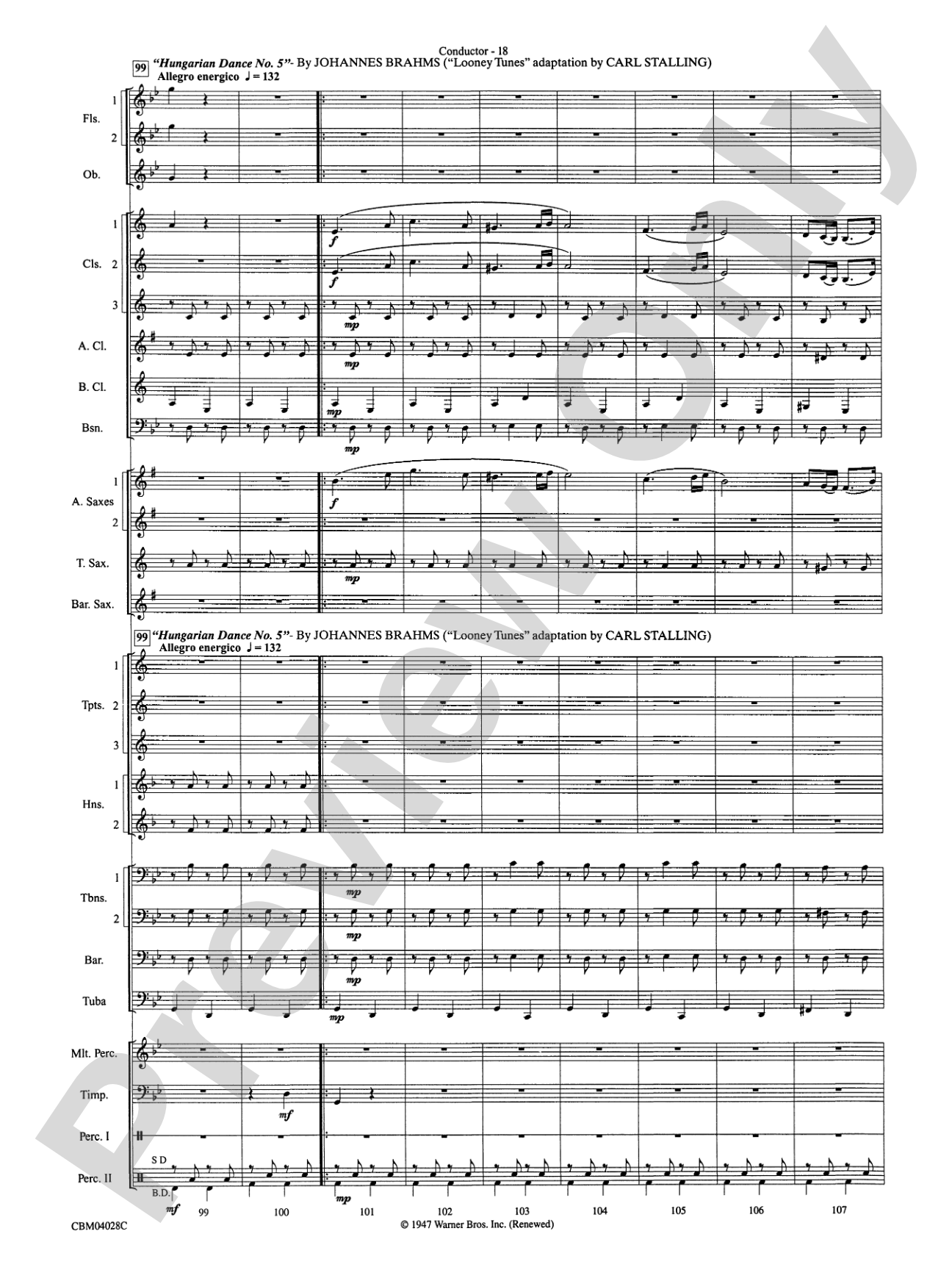
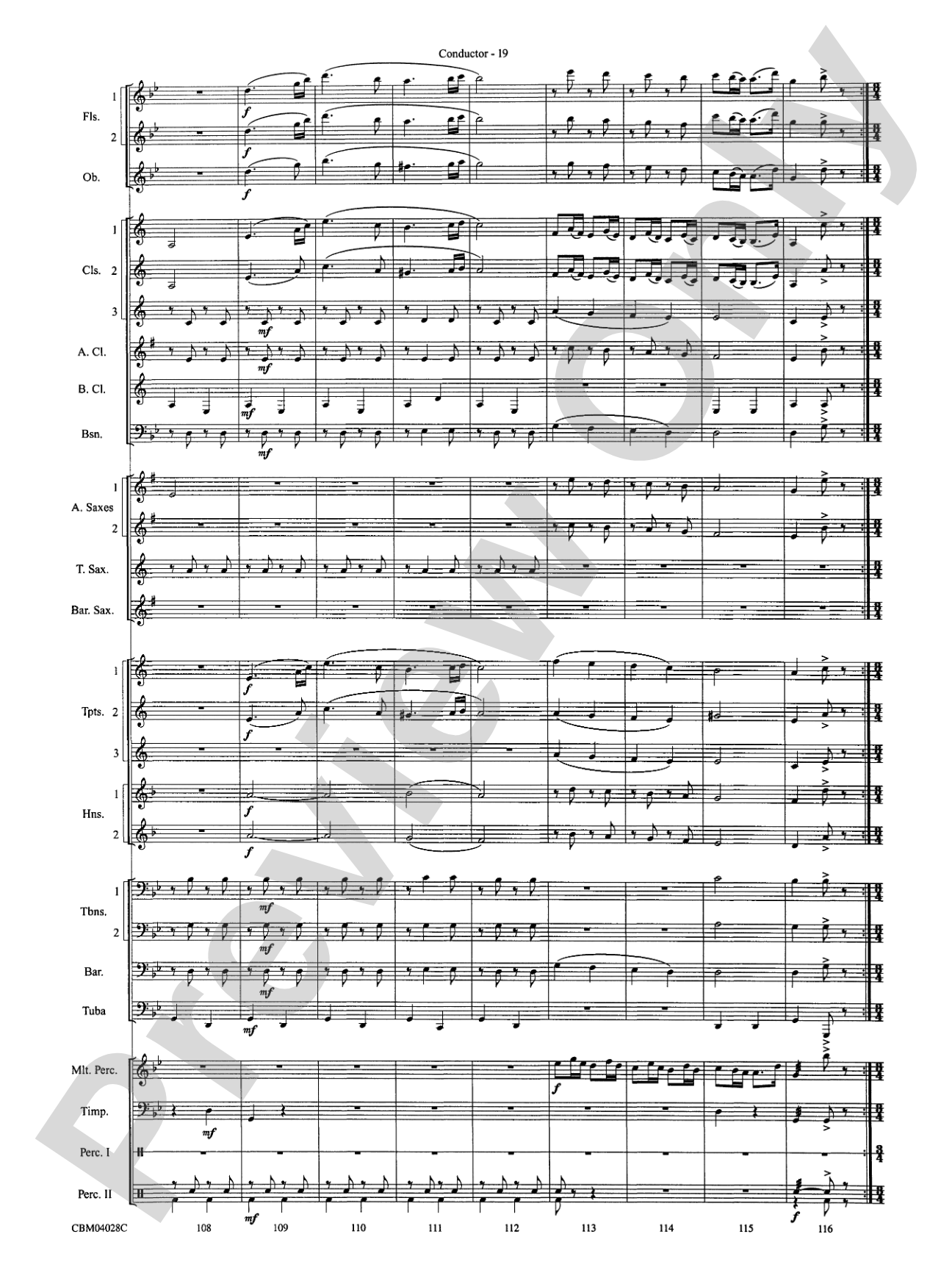
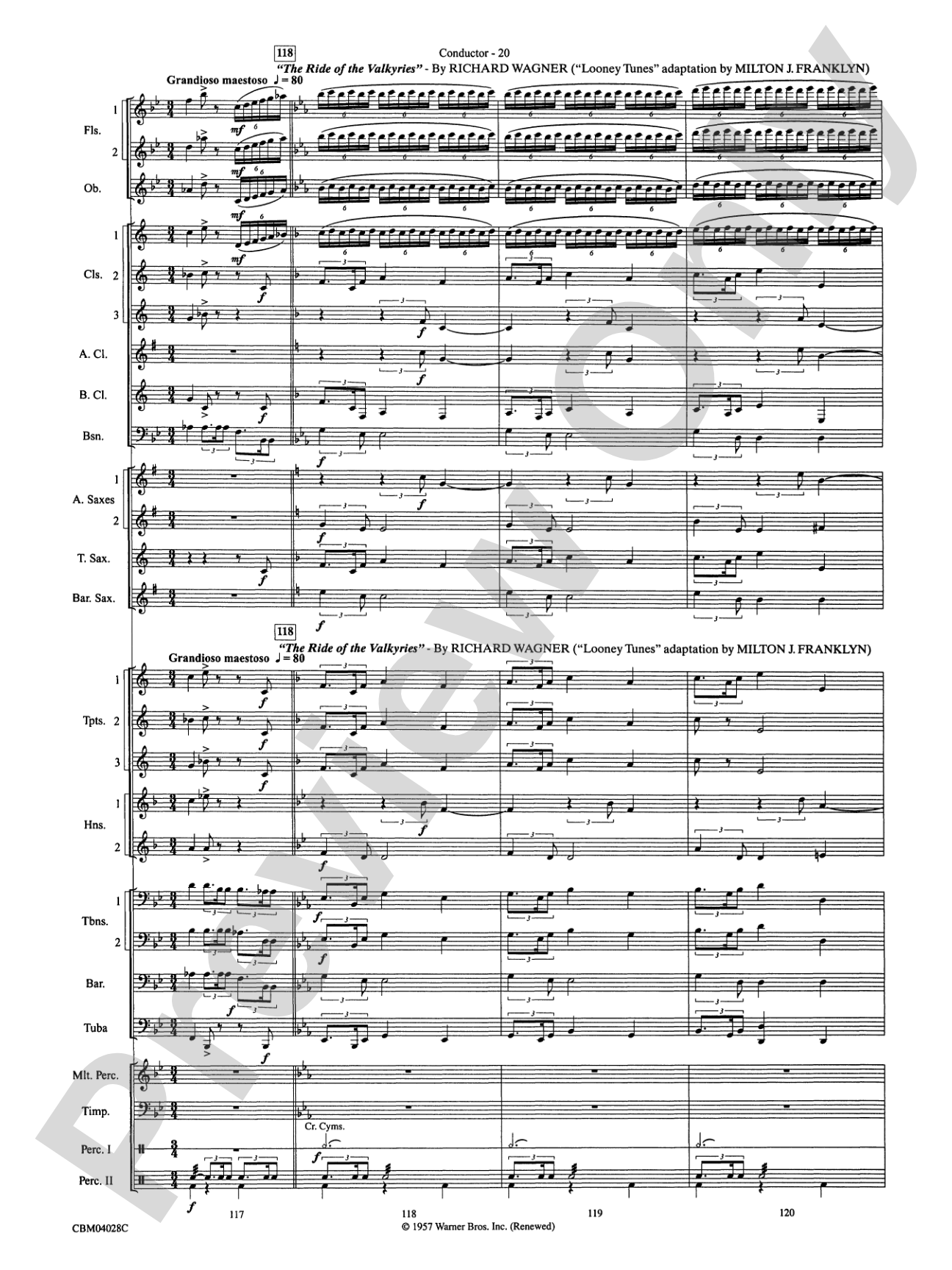
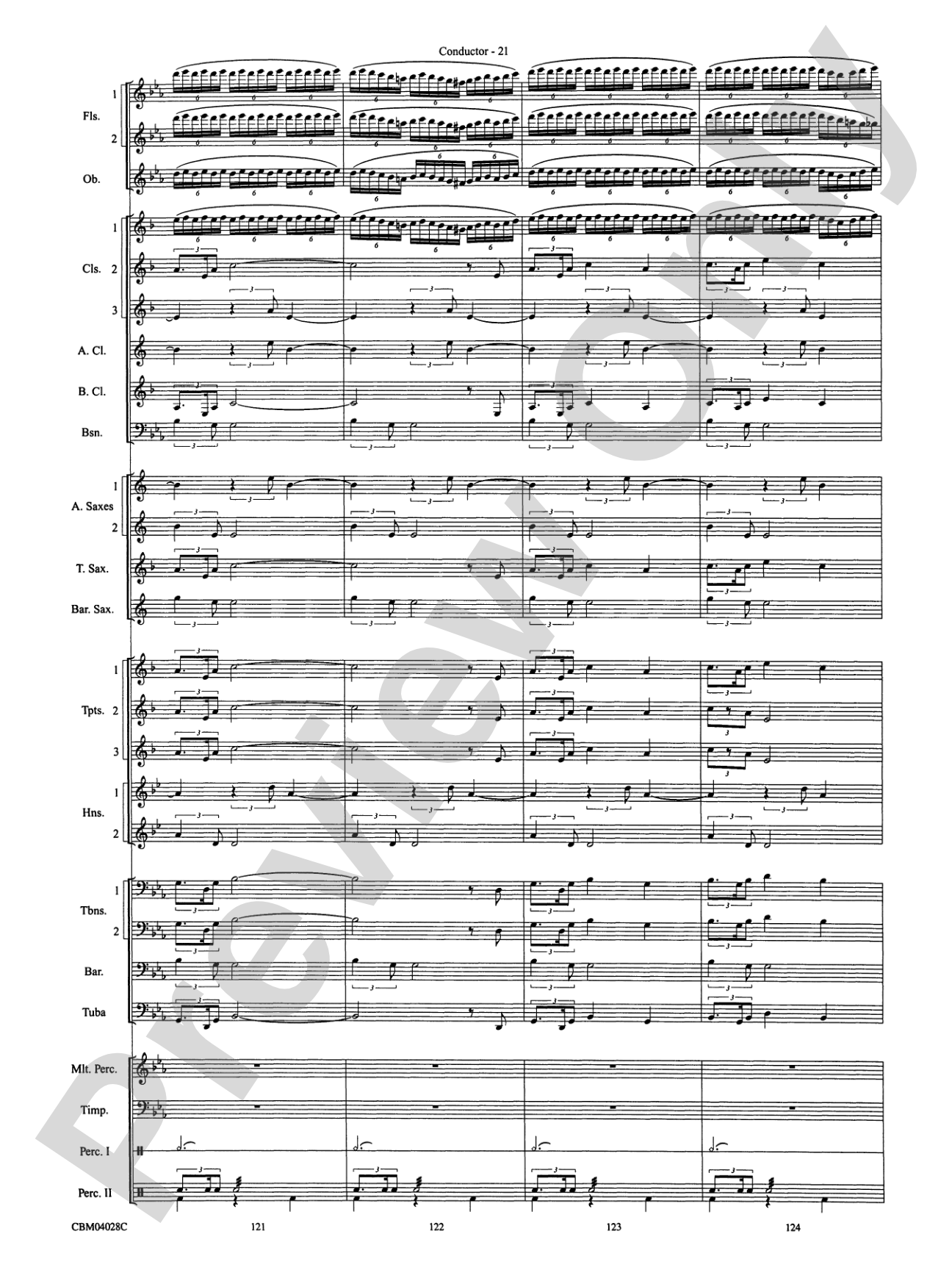
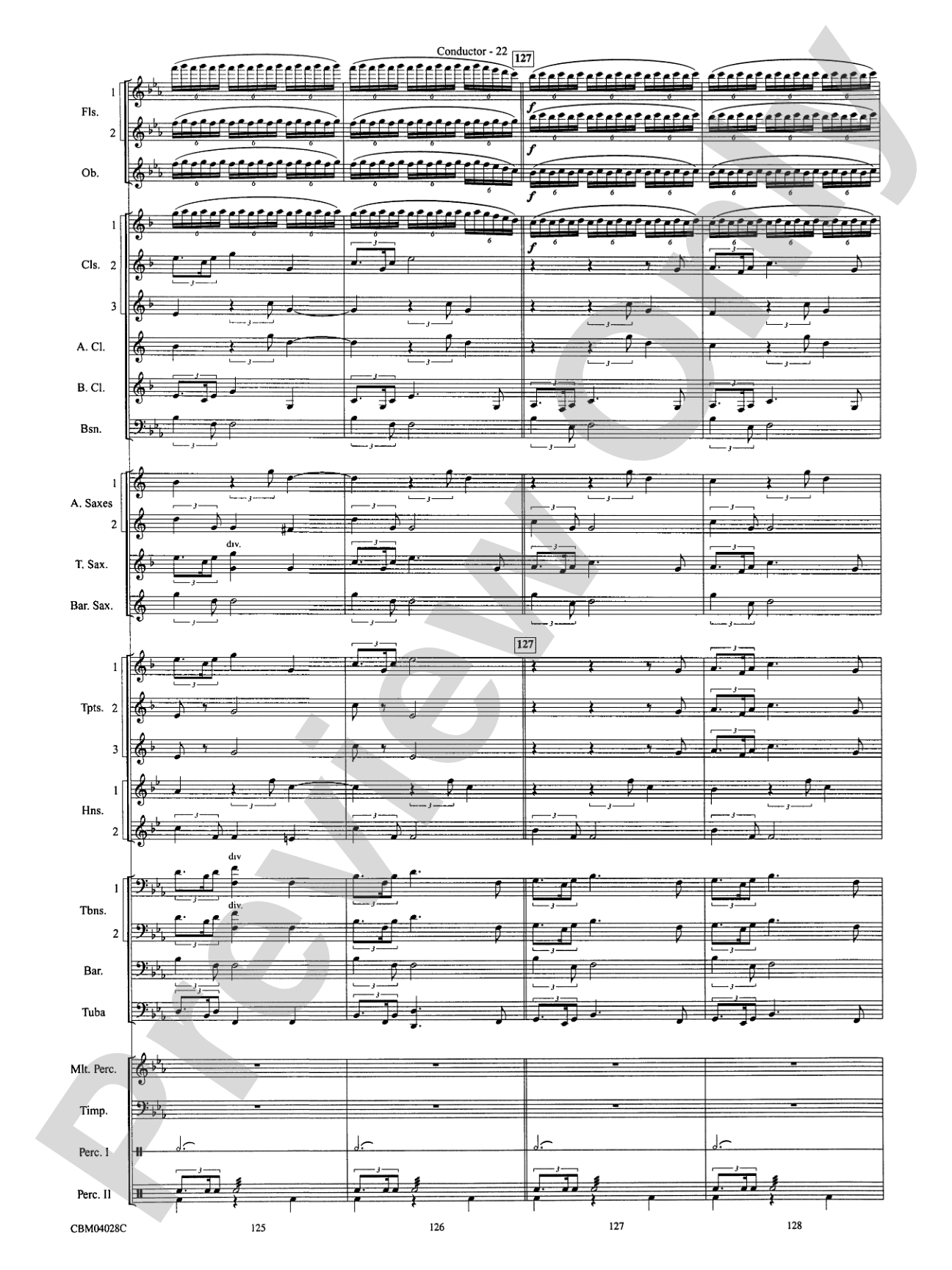
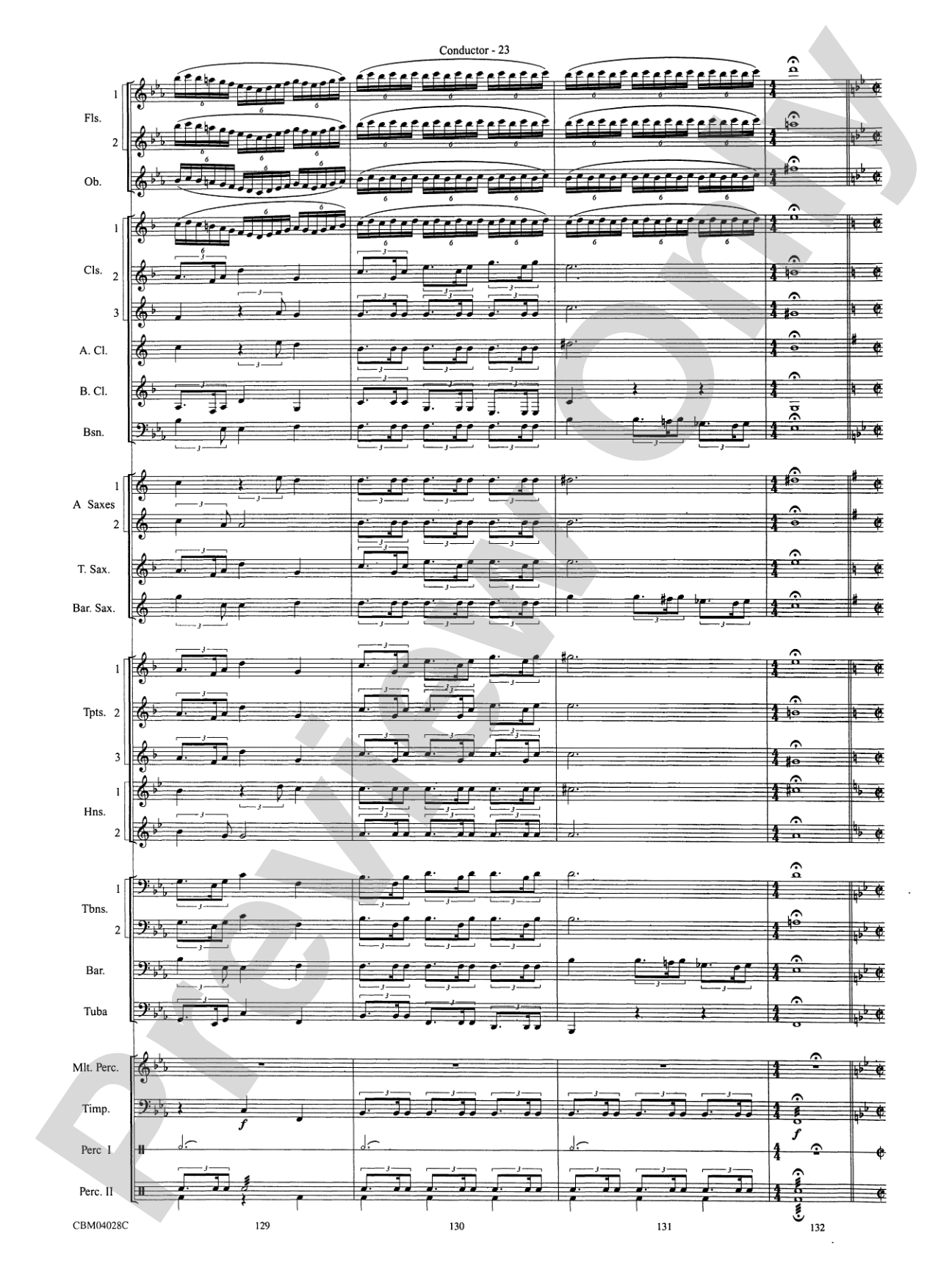
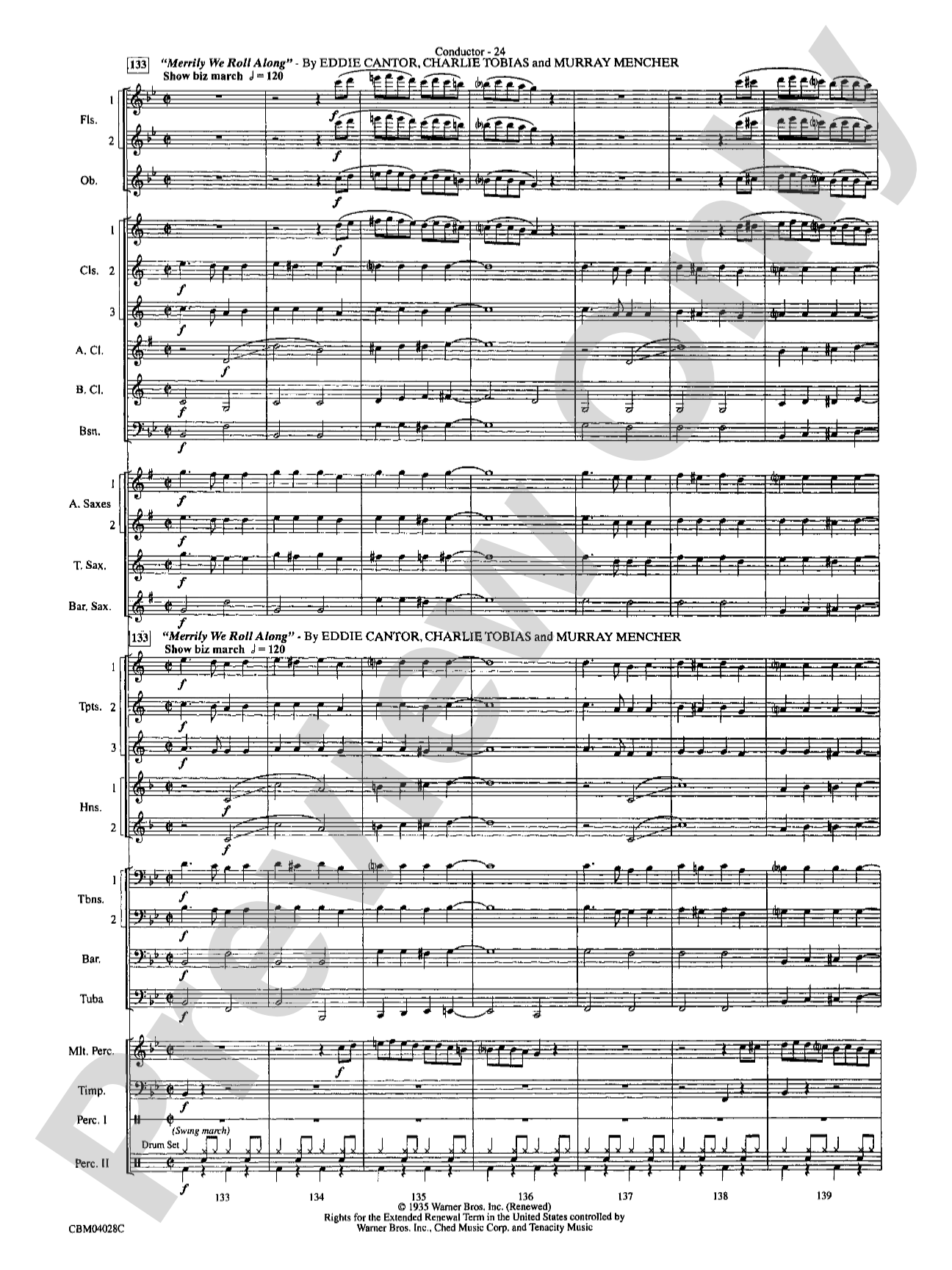
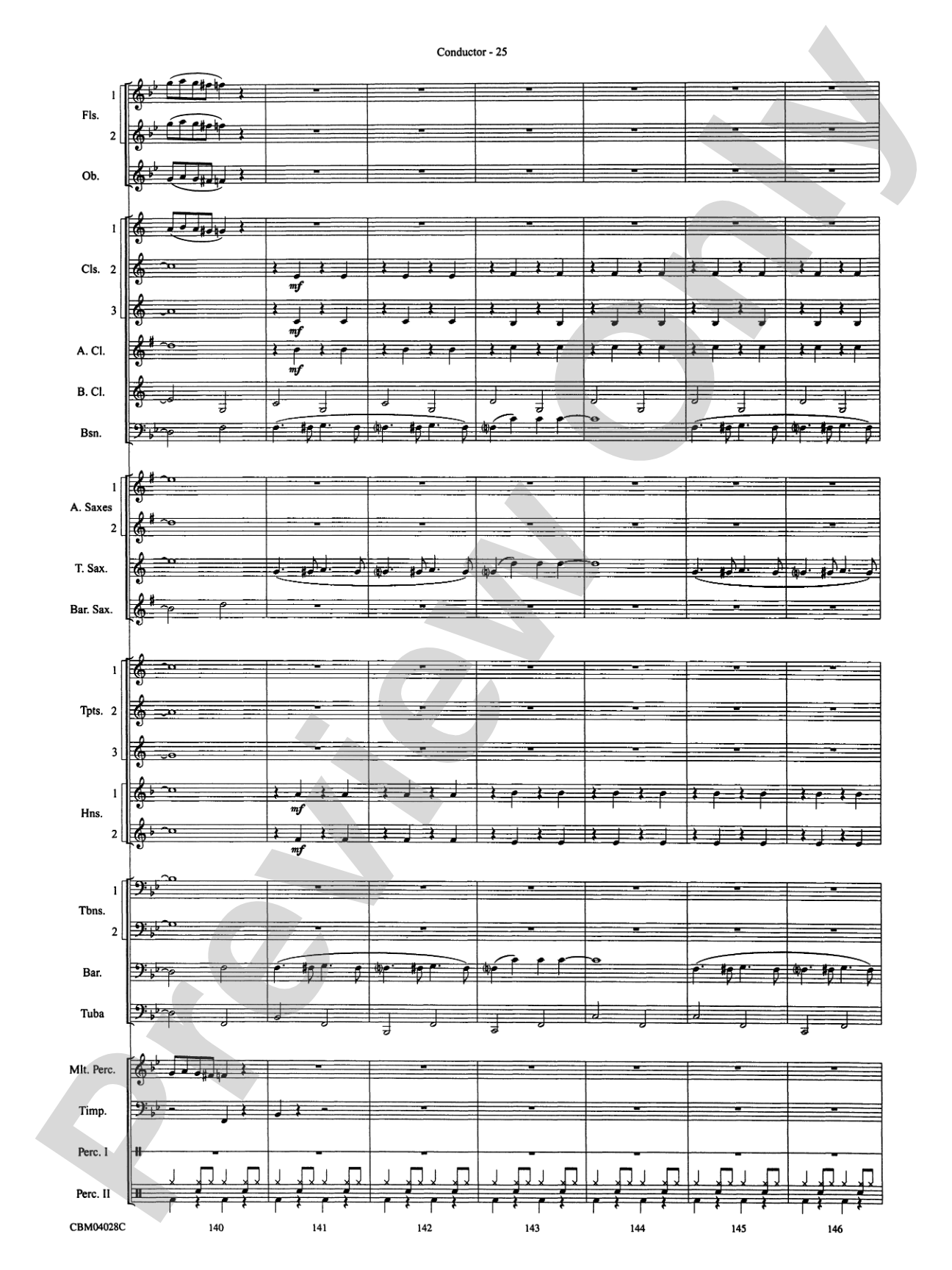
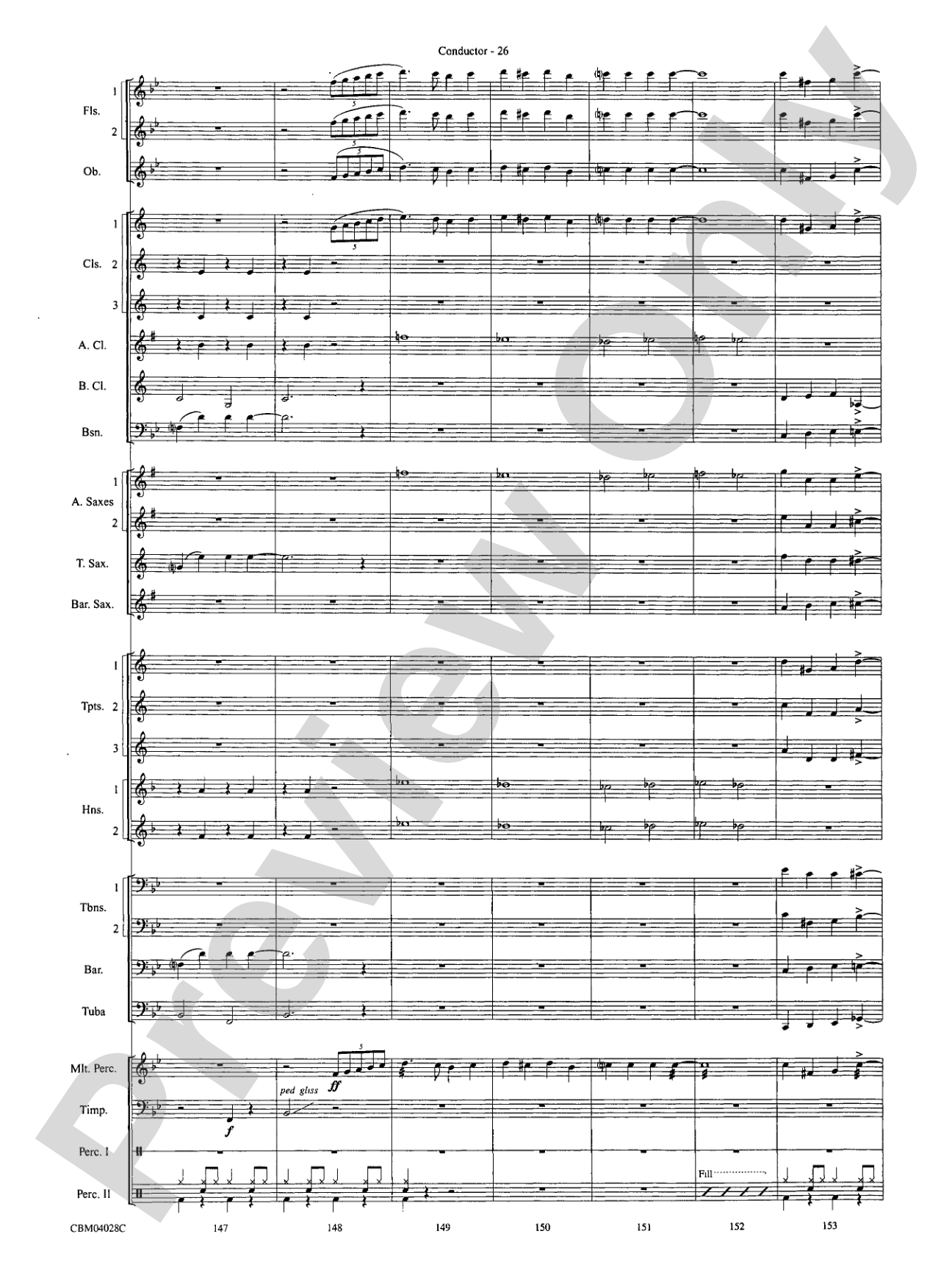
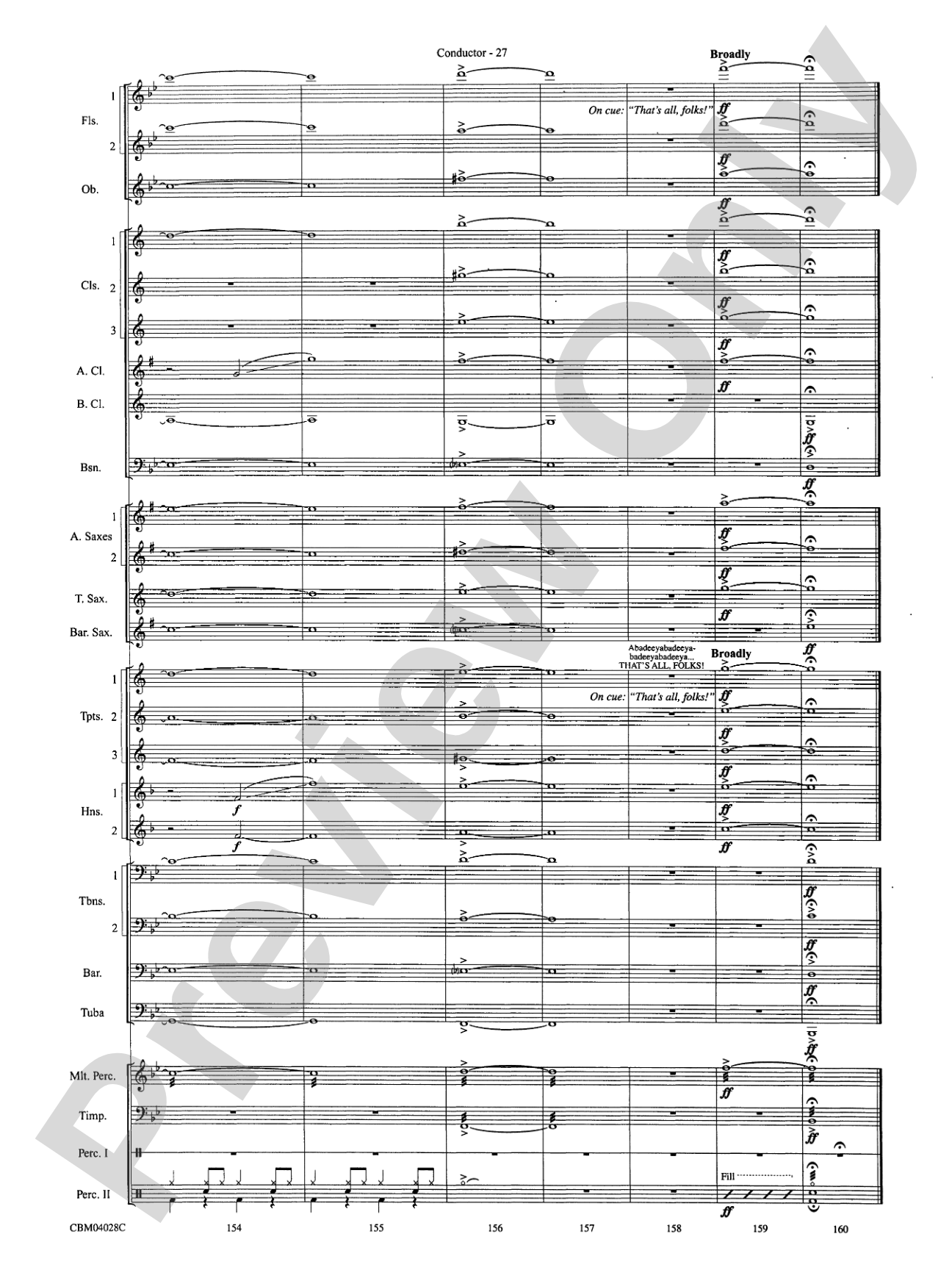




What's Up at the Symphony? Bugs Bunny's Greatest Hits (Medley): Concert Band Conductor Score & Parts
Bugs Bunny's greatest hits featuring: This Is It / William Tell Overture / The Barber of Seville / The Merry-Go-Round Broke Down / Hungarian Rhapsody / Hungarian Dance / The Ride of the Valkyries / Merrily We Roll Along
Arr. Jerry Brubaker
Grade: 3 (Medium Easy)
Item: 00-PK-0005836

$77.00
Pickup currently not available
Buy Extra Parts (Digital PDF Download)
Parts Added to Cart!
Description
Bugs and Porky invite you to take part in this classic(al) cartoon medley. All the greats are here: "This Is It," "William Tell," "Barber of Seville," "The Merry-Go-Round Broke Down," Liszt's "Hungarian Rhapsody," Brahms' "Hungarian Dance," "The Ride of the Valkyries," and "Merrily We Roll Along." Every cartoon mood and effect you could expect. You've got to get up pretty early on Saturday morning to hear a medley better than this! (4:45)


Don't just read it, hear it, play along with it, and watch your students grow with it. In MakeMusic Cloud, What's Up at the Symphony? Bugs Bunny's Greatest Hits (Medley): Concert Band Conductor Score & Parts comes alive with professional accompaniment, adjustable tempo, and built-in practice tools that turn solo practice into real progress.
Open in the Player
Jump straight in and assign it today.
Start Your Free Trial
Open this title and explore the full library in minutes.
Sample Audio
1
Audio File
--:--
0:00
0:00
Sample Video
Additional Details
Series:
Pop Concert Band
Publisher:
Alfred Music
Page Count:
332
SKU:
00-PK-0005836
More about this title
About the Arranger: Jerry Brubaker

Jerry Brubaker is a prolific arranger whose work for concert band spans classical transcriptions, popular medleys, and original compositions. His arrangements are known for capturing the character and energy of source material while writing idiomatically for band at accessible grade levels, making sophisticated repertoire available to school ensembles.
Why we love this
This medley threads together eight instantly recognizable pieces without feeling rushed or disjointed. Brubaker's orchestration keeps every section engaged, balances soloistic moments with full ensemble textures, and builds to genuine climaxes that make the finale land with impact. Directors appreciate how students connect immediately to material they've heard in cartoons, which translates to better focus during rehearsals and authentic enthusiasm in performance.
What to expect
A romp through the concert hall as seen by Bugs Bunny and friends. One moment you're in the quirky opening theme, the next you're navigating the operatic glamour of Rossini and the driving intensity of Wagner. The arrangement captures cartoon timing and humor within a musical framework, making it fun to play and delightful to hear.
Who it's for
Concert bands at the Grade 3 level seeking repertoire that engages both musicians and audiences with recognizable material. Ensembles that want the satisfaction of performing well-known classical and popular themes without overwhelming technical demands will find this medley rewarding. Programs aiming for family-friendly pops concerts or variety concerts will connect with students and listeners alike.
How to get the most out of it
- Pay close attention to the articulation markings between sections. The style shifts from the playful opening through the operatic grandeur of 'Barber of Seville,' and clear articulation distinguishes each musical character.
- Balance the woodwind solos in the softer passages so they project without overpowering the accompaniment. This medley has several moments where a single melodic line needs to shine.
- Treat the rhythmic figures in 'The Merry-Go-Round Broke Down' with crisp precision. The playfulness of that section depends on tight, clean attacks.
- Conduct the transitions between medley sections with clear prep beats so the ensemble moves cleanly from one mood to the next without dragging or lurching.
How to use it
This works beautifully as a closer on a concert that mixes classical and contemporary literature, signaling a shift in mood and giving audiences permission to enjoy themselves. It can anchor a pops concert or serve as the bridge between a more serious first half and an encore-driven conclusion. The medley's length (4:45) and energy make it an ideal finale without exhausting the ensemble.
Skills your students will build
- Executing stylistic contrasts across multiple musical periods and genres
- Ensemble balance when transitions shift between solo, small group, and full band textures
- Precision in rhythmic figures that define comedic timing and character
- Reading and executing tempo changes and section transitions within a continuous medley structure