What's Going On (arr. Robert Longfield) Sheet Music Preview

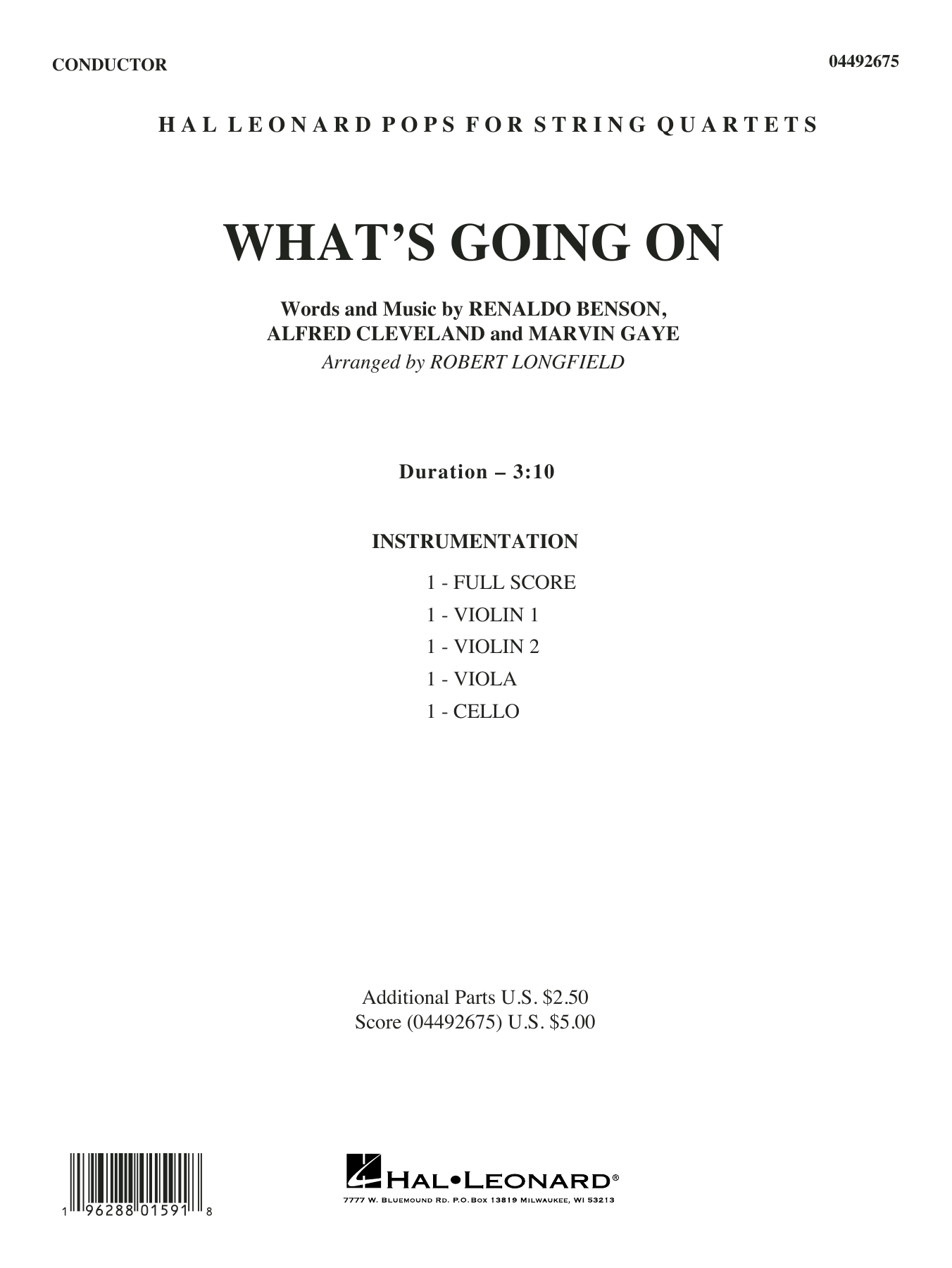
What's Going On (arr. Robert Longfield)

As performed by Marvin Gaye / Arranged by Robert Longfield

Grade: 3-4

Item: 35-PK01103138

Digital Download
$14.99
Description
Though initially written over 50 years ago, Marvin Gaye's plea for peace and understanding is a message that still resonates strongly and needs to be heard. This arrangement for string quartet by Robert Longfield maintains the original's easy cool and RB rhythms in a format that allows modern-day students to "find a way to bring some loving here today."

What's Going On (arr. Robert Longfield) isn't in MakeMusic Cloud just yet...but it could be. Let us know you'd like to see it, and you'll help shape what comes next. In the meantime, start a free trial and dive into thousands of interactive titles your students can play along with today.

Sample Audio
No sample audio found.
Sample Video
Additional Details
Publisher: Hal Leonard
SKU: 35-PK01103138

More about this title

About the Artist: Marvin Gaye

Marvin Gaye transformed soul music in the 1960s and 70s by refusing to separate artistry from social conscience. His work as both a vocalist and songwriter pushed Motown into new territories, blending R&B sophistication with messages about injustice, love, and human dignity. What's Going On, released in 1971, became his masterpiece because it married a plea for peace with an irresistible groove that made listeners want to move and think simultaneously.

Gaye's influence on music education extends beyond his commercial success. His recordings demonstrate how popular music can carry weight without sacrificing accessibility, a lesson that matters deeply when arranging contemporary repertoire for young musicians. Students who learn his compositions encounter the real possibility that the music they play can matter to people beyond the practice room.

Why we love this

Robert Longfield's string quartet arrangement captures the soul of Gaye's original without forcing it into classical formality. Your students get to inhabit a genuinely cool groove that doesn't condescend to them, discovering that the rhythmic sophistication of R&B demands just as much attention to ensemble precision as any standard art music repertoire.

What to expect

Smooth and purposeful, with an undertone of quiet urgency. The arrangement preserves the original's warmth and accessibility while asking string players to inhabit rhythmic vocabulary that might feel fresh to them. There's a contemplative quality to the sound, even when the tempo lifts.

Who it's for

String quartets seeking repertoire that connects to students' lives and musical sensibilities. This arrangement works for high school chamber groups, community ensembles, and upper-level middle school students ready to engage with authentic popular music in a concert setting.

How to get the most out of it

  • Lock the rhythm section (viola and cello) into the pocket of the original's R&B feel; the groove should breathe like recorded music, not feel metrically rigid.
  • Layer the melodic lines with dynamic clarity so that the arrangement's call-and-response passages cut through without any one voice overwhelming the texture.
  • Let the violin slides and ornaments breathe naturally; they're essential to the arrangement's character and shouldn't feel rushed or self-conscious.
  • Balance ensemble cohesion with individual voice independence. Each part carries meaningful material, so every student needs to hear their contribution to the whole.

How to use it

Pair this with other socially conscious repertoire from across genres to create a concert theme around music as activism. It also serves as an effective bridge in mixed programs, offering audiences a moment of recognition and connection before returning to traditional concert music.

Skills your students will build

  • Playing with rhythmic precision in syncopated R&B grooves
  • Balancing independence and ensemble cohesion across four equal voices
  • Executing slides and stylistic ornaments idiomatic to R&B arranging
  • Reading and performing call-and-response melodic passages
  • Understanding how arrangement choices reflect musical and cultural context

You May Also Like