What Praise Can I Play for Weddings? Cover Image

What Praise Can I Play for Weddings?: Piano Book

$12.99 USD
Sale price  $12.99 USD Regular price 
Skip to product information
What Praise Can I Play for Weddings? Cover Image

What Praise Can I Play for Weddings?: Piano Book

Easily Prepared Piano Arrangements for Wedding Ceremonies

Arranged by Carol Tornquist

Level: Late Intermediate / Early Advanced

Item: 00-42314

$12.99
Shipped

One moment…

Description
The inspirational songs in this collection are arranged for piano solo in a contemporary style. They can be performed before the service or throughout the wedding ceremony. Approximate performance times are included to assist planning. Titles: 10,000 Reasons (Bless the Lord) (Matt Redman and Jonas Myrin) * Be the Centre (Michael Frye) * Great Is Thy Faithfulness (Thomas O. Chisholm and William M. Runyan) * Household of Faith (Brent Lamb and John Rosasco) * How Beautiful (Twila Paris) * I Will Be Here (Steven Curtis Chapman) * Let There Be Praise (Dick and Melodie Tunney) * Love Will Be Our Home (Steven Curtis Chapman) * The Prayer (Carole Bayer Sager and David Foster) * A Thousand Little Things (Point of Grace) * When God Made You (NewSong) * You Raise Me Up (Josh Groban).

What Praise Can I Play for Weddings?: Piano Book isn't in MakeMusic Cloud just yet...but it could be. Let us know you'd like to see it, and you'll help shape what comes next. In the meantime, start a free trial and dive into thousands of interactive titles your students can play along with today.

Sample Pages

Sample Audio
No sample audio found.
Sample Video
Additional Details
Series: Sacred Performer Collections
Publisher: Alfred Music
Page Count: 40
ISBN10: 1-4706-1009-4
ISBN13: 978-1-4706-1009-8
UPC: 038081470122
SKU: 00-42314

More about this title

About the Arranger: Carol Tornquist
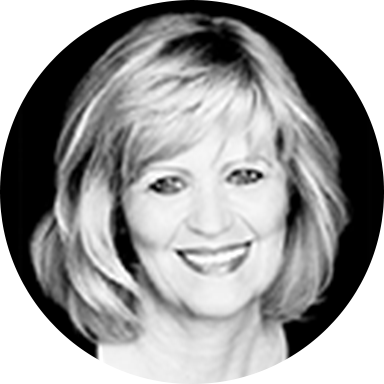
Carol Tornquist

Carol Tornquist began playing piano by ear at age four in northwestern Pennsylvania and continued formal study at the Warren Conservatory of Music through high school. She earned her B.S. in Music Education from the State University of New York at Fredonia, then taught vocal music in upstate New York while serving as an instructor for the international Yamaha Music School.

A visit to her songwriter brother John W. Thompson in Nashville sparked a career transition into piano arranging. Since accepting her first position writing transcriptions in Nashville, Tornquist has arranged over four hundred solo piano collections and served as an Alfred author since 2010. Church musicians and students consistently praise her arrangements for their craftsmanship, accessibility, and suitability across traditional, blended, and contemporary worship contexts. She brings her signature harmonic and rhythmic language to familiar melodies, always keeping the practical needs of pianists at all levels in mind.

Why we love this

Tornquist's arrangements strike a rare balance between genuine musicality and genuine playability. Each piece respects the melody's emotional core while giving pianists clear, idiomatic voicings that sit naturally under the hands. For wedding ceremonies especially, these settings work beautifully in real time, with flexible tempos and breathing room built into the score.

What to expect

These arrangements inhabit a space between hymn tradition and modern worship sensibility. They honor beloved melodies with rich, contemporary harmonies that feel fresh without abandoning the emotional directness weddings require. Each piece carries warmth and sincerity, making space for both joy and reflection.

Who it's for

Pianists who accompany weddings, whether as soloists or as part of a church music program, will find these arrangements meet the unique demands of the occasion. Pianists at the late intermediate to early advanced level can access contemporary Christian repertoire they might otherwise arrange themselves, freeing time for performance preparation.

How to get the most out of it

  • Consult the performance times when planning the ceremony timeline; use them as starting points rather than fixed durations, adjusting tempo slightly to match the emotional pace of the moment.
  • Listen to how the contemporary harmonic language interacts with each melody; let rubato emerge from the harmony rather than imposing a metronomic grid.
  • Use the written dynamic markings as guides for shaping phrases, but remember that intimate ceremony settings often call for slightly softer playing than you might use in a concert hall.
  • Rehearse the transitions between songs if you are performing multiple pieces, planning smooth key changes and allowing silence between selections rather than rushing into the next arrangement.

How to use it

Use individual pieces as prelude music while guests are seated, or distribute several selections throughout the ceremony at designated moments (processional, unity ceremony, recessional). The collection's length and variety make it possible to program a complete ceremony soundtrack from a single book, or to select specific titles that align with the couple's musical preferences and the service's pacing.

Skills your students will build

  • Reading and performing contemporary harmonic language (sus chords, extended tertian harmony, modal inflections)
  • Balancing melodic clarity with accompaniment texture in solo piano writing
  • Tempo flexibility and rubato within notated time signatures
  • Interpreting dynamic and expressive markings in a sacred context
  • Managing piece transitions and planning performance flow across multiple selections

You May Also Like