

What It Sounds Like: 2-Part Choral Octavo
from KPop Demon Hunters
Words and music by Jenna Andrews, Stephen Eric Kirk, and Mark Sonnenblick / arr. Jack Zaino
Item: 00-PO-0007572
$2.45
Minimum order quantity: 20 copies
One moment…
Related Items
What It Sounds Like: SATB Choral Octavo |
$2.45
|
View | |
What It Sounds Like: SATB Choral Octavo |
$2.45
|
View | |
What It Sounds Like: SAB Choral Octavo |
$2.45
|
View | |
What It Sounds Like: SAB Choral Octavo |
$2.45
|
View | |
What It Sounds Like: 2-Part Choral Octavo |
$2.45
|
View | |
What It Sounds Like: SoundTrax Digital Download |
$29.99
|
View | |
What It Sounds Like: SATB Choral Octavo |
$2.45
|
View | |
What It Sounds Like: SAB Choral Octavo |
$2.75
|
View | |
What It Sounds Like: 2-Part Choral Octavo |
$2.45
|
View | |
What It Sounds Like: Choral SoundTrax CD |
$29.99
|
View |
Description
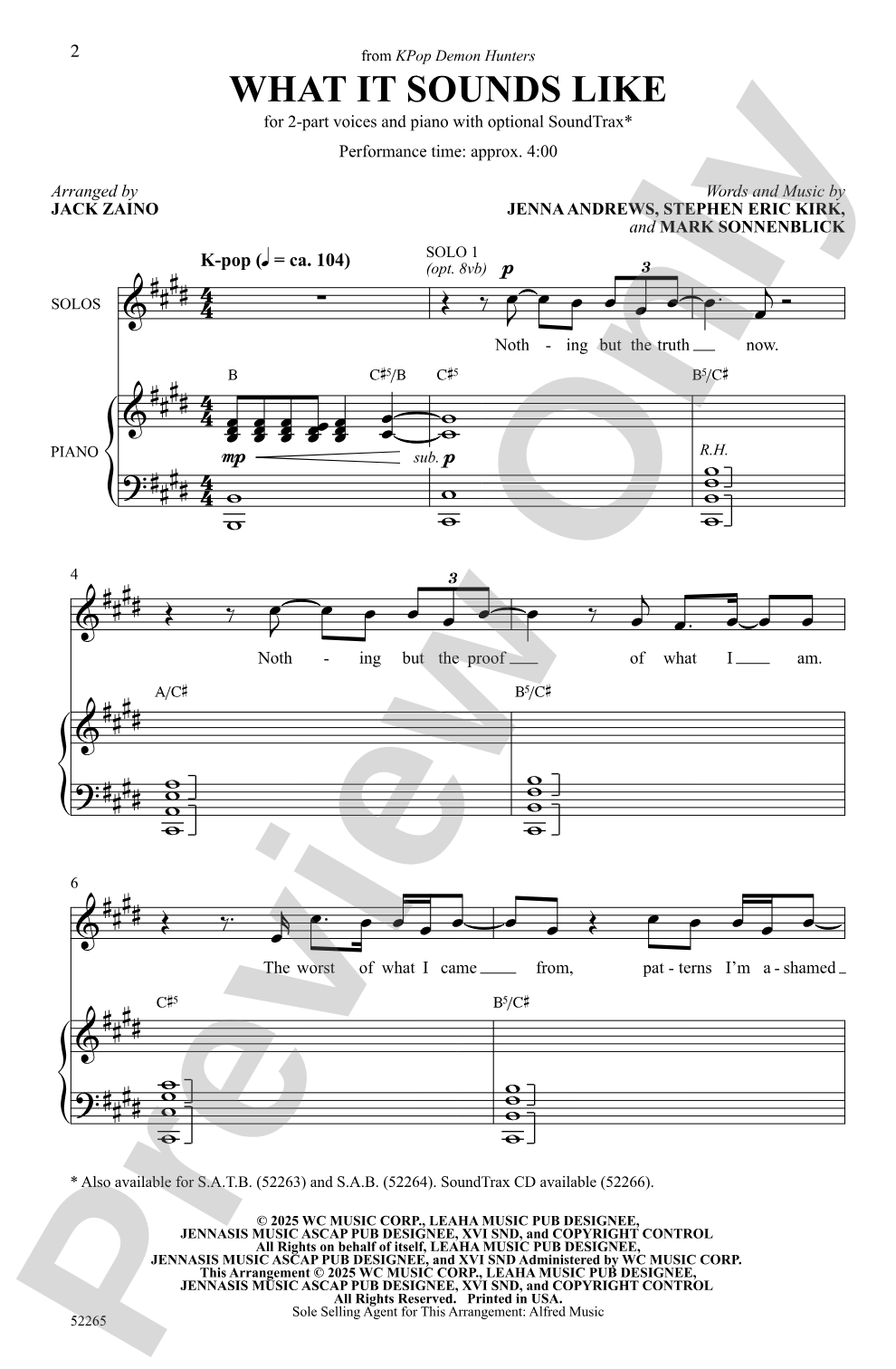
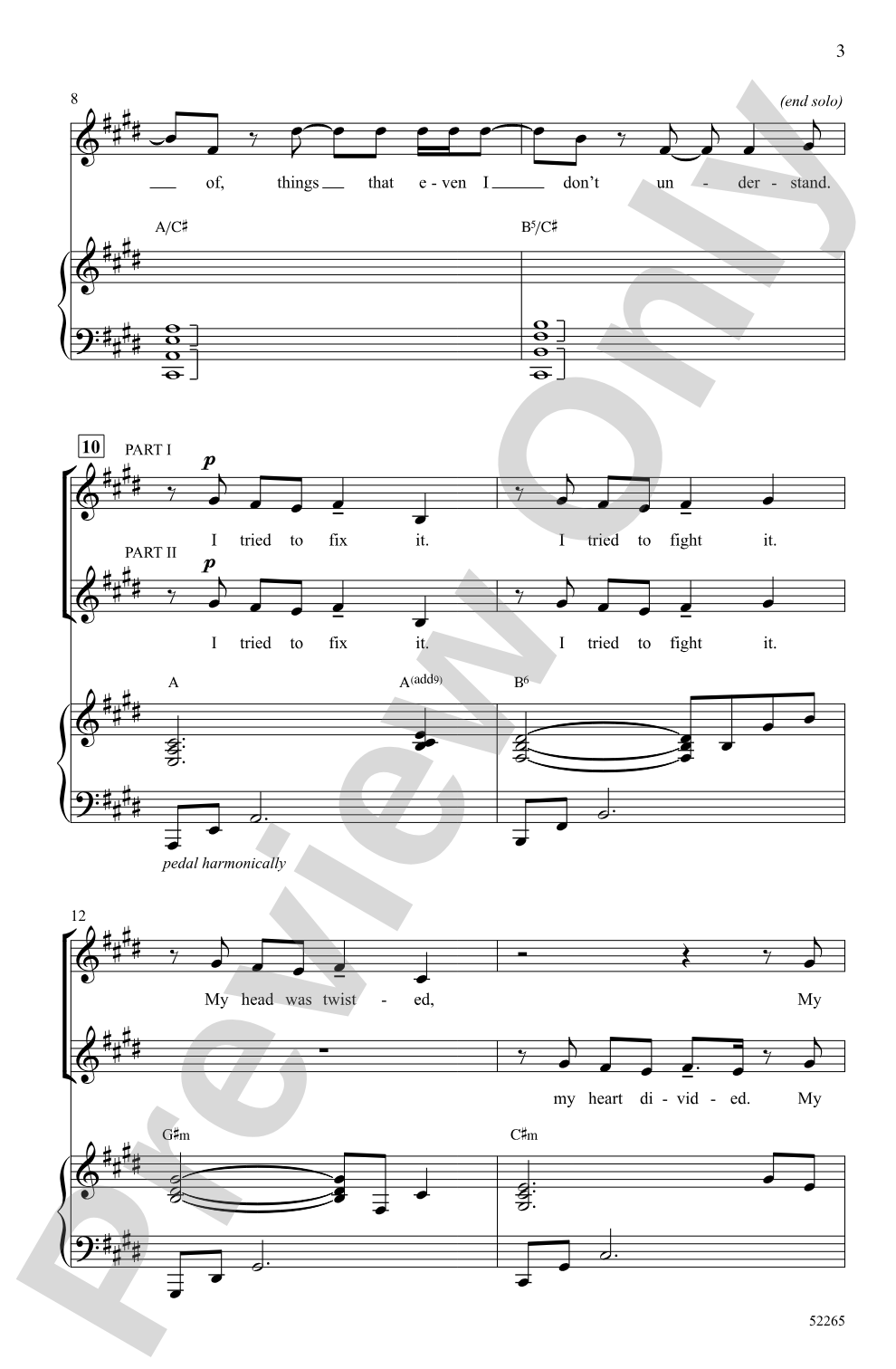
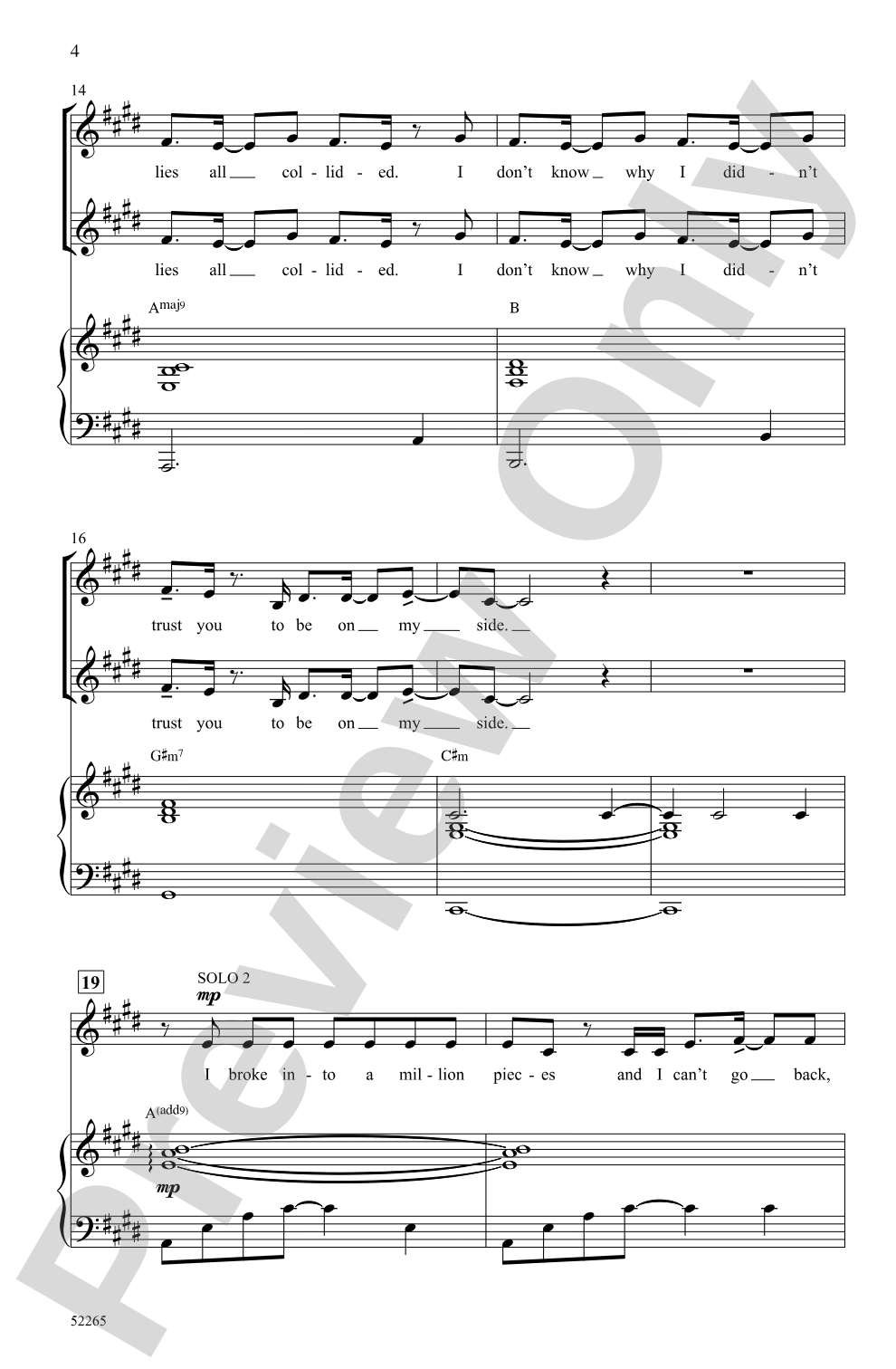
Here's a high-power knockout from KPop Demon Hunters. Highlighting three soloists that combine for a brief triadic trio, this epic anthem explores themes of self-acceptance, authenticity, and perseverance. At a pivotal moment, the inspirational chorus unfolds into a powerful interlude that references another Kpop hit, "Golden." Memorable on its own or when programmed with other KPDH songs.


What It Sounds Like: 2-Part Choral Octavo isn't in MakeMusic Cloud just yet...but it could be. Let us know you'd like to see it, and you'll help shape what comes next. In the meantime, start a free trial and dive into thousands of interactive titles your students can play along with today.
Request This Title
Tell us you want it.
Start Your Free Trial
Explore everything that's ready to play right now.
Sample Audio
1
Audio File
--:--
0:00
0:00
Sample Video
Additional Details
Series:
Alfred Pop Choral Series
Publisher:
Alfred Music
Page Count:
16
SKU:
00-PO-0007572
More about this title
About the Composer: Jenna Andrews
Jenna Andrews is a songwriter and composer whose work spans film, television, and commercial music. Her compositions often center themes of identity and resilience, bringing emotional depth to narratives aimed at young audiences. In music education settings, her writing demonstrates how contemporary pop sensibilities can serve powerful thematic material without sacrificing singability or accessibility.
Why we love this
This arrangement captures the infectious energy of contemporary K-pop while remaining genuinely singable for developing choirs. The three-soloist moment creates natural leadership opportunities, and the interlude callback to 'Golden' gives your singers a tangible connection to the original source material, making the arrangement feel less like a cover and more like a considered musical statement.
What to expect
There's an undeniable lift to this piece, a sense of forward motion that mirrors its message of self-acceptance and pushing through adversity. The combination of soloists with full ensemble creates moments of intimacy nested within larger-than-life production, capturing that distinctive K-pop balance of vulnerability and confidence.
Who it's for
This works equally well for high school choirs with developing musicianship and more experienced ensembles looking for contemporary material with substance. The 2-part voicing makes it accessible, while the thematic content and arrangement sophistication will engage singers who want to explore music beyond traditional pop arrangements.
How to get the most out of it
- Build the dynamic shape of the chorus carefully. The power comes from precision and control in the ensemble, not from simply singing louder. A disciplined pianissimo can be more impactful than an uncontrolled forte.
- Balance the three soloists so each voice cuts through without one dominating. Consider rehearsing them separately first to establish secure entrances, then blend them together gradually.
- The 'Golden' interlude reference works best when your singers understand what they're referencing. Play the original for them and discuss how this callback lands musically and thematically in the narrative arc.
- Use the recorded accompaniment strategically in rehearsal. Spend early sessions with piano only to lock rhythmic precision, then shift to the full track as singers gain confidence.
How to use it
Pair this with other contemporary choral works in a concert exploring identity and resilience as themes. It also stands alone as a powerful closing number for a pop or musical theatre-focused concert, or as a centerpiece in a program mixing Alfred Pop Choral Series titles. The thematic weight makes it especially effective in spring concerts or as part of a school assembly celebration.
Skills your students will build
- Navigating syncopated rhythms within a pop idiom
- Balancing solo and ensemble roles within a single piece
- Sustaining energy and connection through a multi-section form
- Interpreting contemporary music with intentional musicality rather than stylistic cliché
- Following and referencing musical material from external sources