

What Is Wonder?: 2-Part Choral Octavo
Words and music by Andy Beck
Item: 00-PO-0007854
$2.50
Minimum order quantity: 20 copies
Pickup currently not available
Description
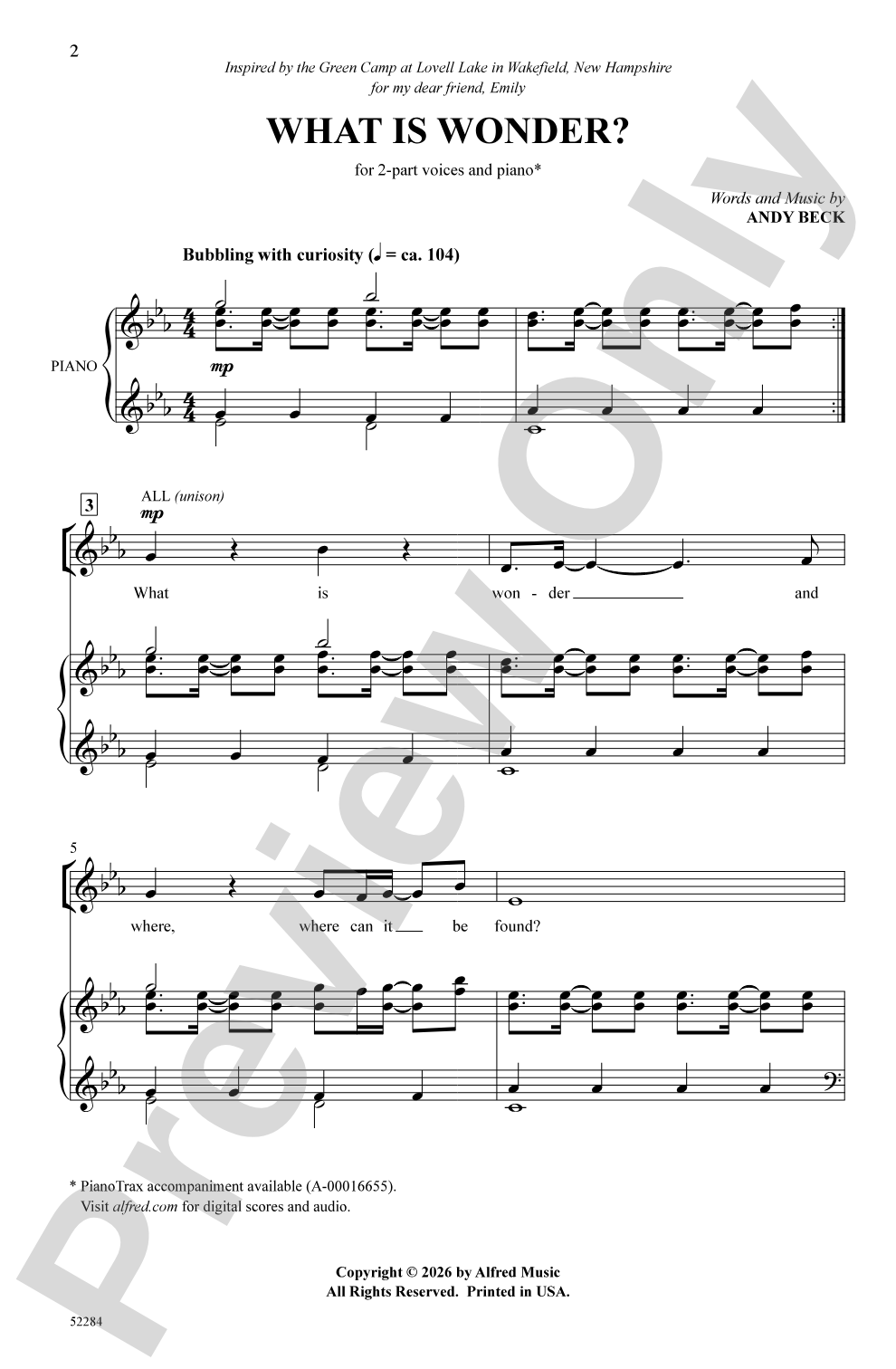
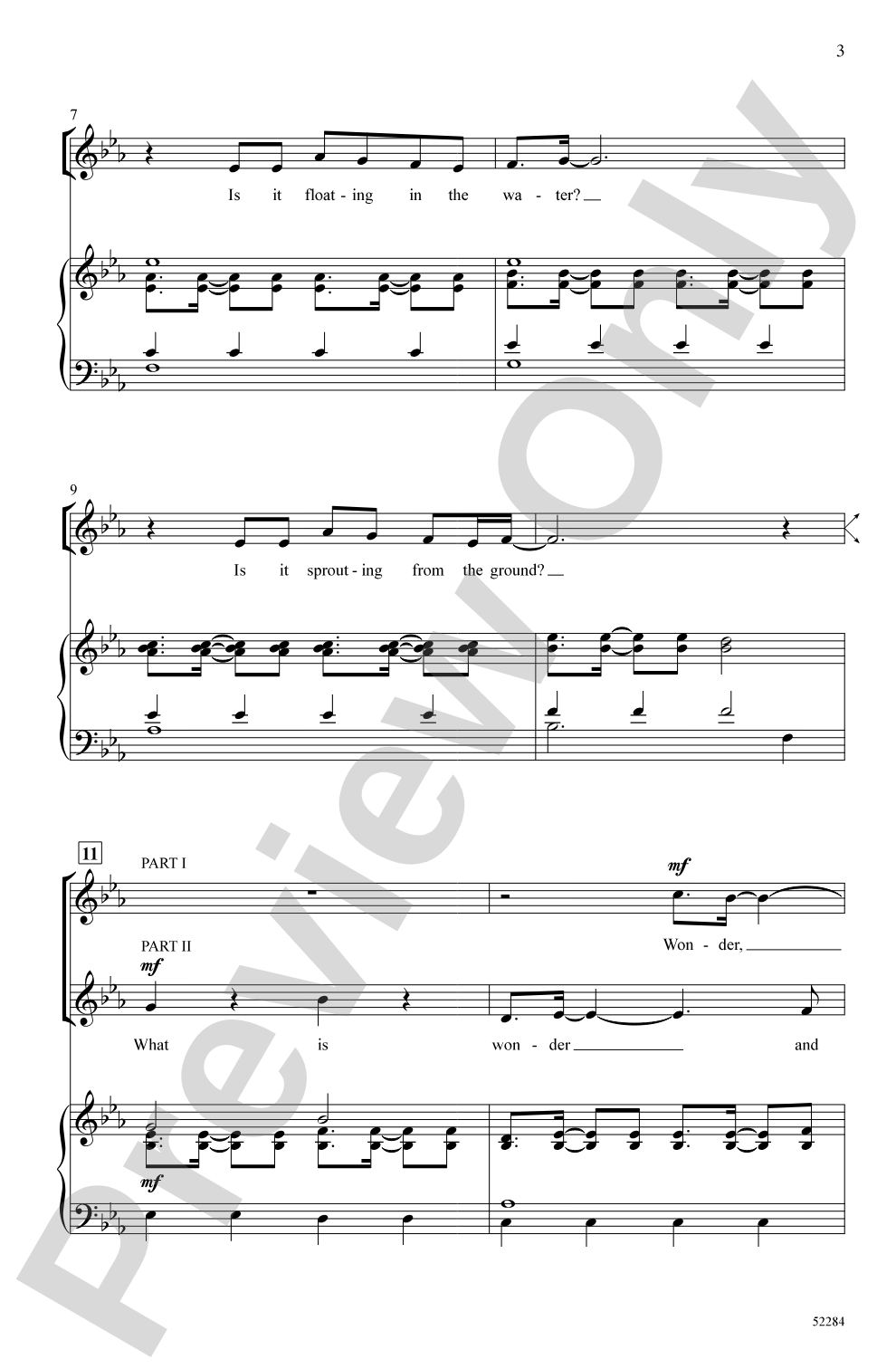
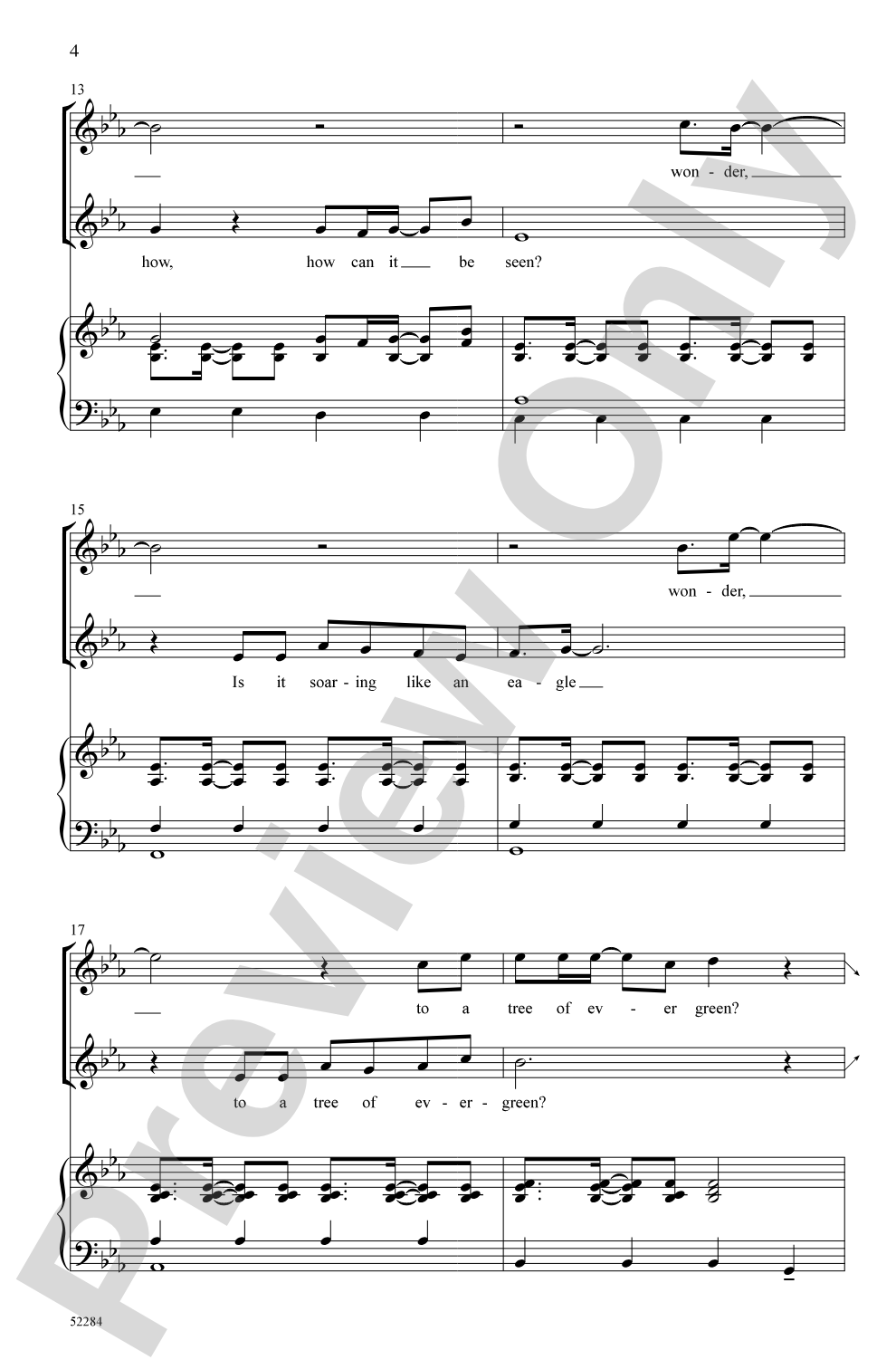
Bubbling with curiosity, this stunning Andy Beck original is equal parts artistic and educational. Singers search for examples of wonder in unison first, before each section takes the lead, while the other adds simple counterline interjections. A sweet, soft solo creates some chills in the middle, before a big choral crescendo. On the final refrain, we discover that Part I's soaring tall-vowel melody and Part II's driving patter-text fit together in partner song perfection. As a special touch, performers are invited to lift their eyes in wonder on the final piano chord.


What Is Wonder?: 2-Part Choral Octavo isn't in MakeMusic Cloud just yet...but it could be. Let us know you'd like to see it, and you'll help shape what comes next. In the meantime, start a free trial and dive into thousands of interactive titles your students can play along with today.
Request This Title
Tell us you want it.
Start Your Free Trial
Explore everything that's ready to play right now.
Sample Audio
1
Audio File
--:--
0:00
0:00
Sample Video
Additional Details
Series:
Alfred Choral Designs
Publisher:
Alfred Music
Page Count:
12
SKU:
00-PO-0007854
More about this title
About the Composer: Andy Beck

Andy Beck leads Alfred Music's choral publications division and has established himself as one of today's most performed choral composers, with over 450 works in print spanning secular and sacred settings, musicals, and pedagogical resources. His compositions and arrangements reach singers across every age and skill level, from elementary students through adult choirs, with performances documented globally on YouTube and in concert halls nationwide.
Beyond the page, Beck is sought after as a guest conductor, adjudicator, and clinician, having led honor choirs and all-state groups throughout the Southeast. A trained tenor with degrees in Music Education from Ithaca College and Northwest Missouri State University, he remains deeply engaged in performing and directing musical theatre, singing with the North Carolina Master Chorale Chamber Choir, and continuing his work as a studio singer since 1992. His dual commitment to compositional craft and music education shapes every publication he guides through Alfred's catalog.
Why we love this
Beck has crafted a piece that accomplishes something rare: it teaches genuine partner song technique while remaining musically rewarding for both parts. The journey from unison exploration to layered harmony mirrors real compositional thinking, and the final moment, when both melodies lock into "partner song perfection," delivers genuine artistic satisfaction that singers will feel and audiences will hear.
What to expect
The piece radiates curiosity and warmth. Unison passages shimmer with simple wonder, while the solo moment glows with quiet intimacy. The final crescendo and partner song layering create genuine uplift, ending with an invitation to awe that feels earned rather than imposed.
Who it's for
This piece works beautifully for treble or mixed 2-part choirs in grades 5-8 and beyond. It suits singers who are ready to explore part independence without the complexity of three or four separate lines, making it ideal for developing ensemble singers or as an accessible entry point into arranged choral literature.
How to get the most out of it
- Rehearse the unison opening section with clarity and unity of vowel sound; this foundation directly prepares singers for the tonal quality needed when each part takes the lead.
- Give attention to the solo moment in the middle. Even though it is soft, it should be sung with full emotional commitment to create the intended atmospheric shift before the choral crescendo.
- Isolate Part II's patter text in separate rehearsals so that rhythmic precision and articulation are secure before layering it against Part I's soaring melody.
- In the final refrain, encourage singers to listen across parts. When both sections lock together, the partner song effect depends on rhythmic alignment and balanced dynamics.
How to use it
Program this during the middle section of a concert where you want to shift emotional gears without losing momentum. Its accessible 2-part voicing and secular subject matter make it an excellent fit alongside other contemporary choral works in a spring concert, or as a standalone contest selection where the partner song twist will impress adjudicators and audiences alike.
Skills your students will build
- Sustained unison singing with unified vowel production
- Part independence and listening across multiple melodic lines
- Partner song technique and harmonic alignment
- Solo performance confidence within a choral context
- Phrasing and dynamics across contrasting sections (soft solo to full crescendo)