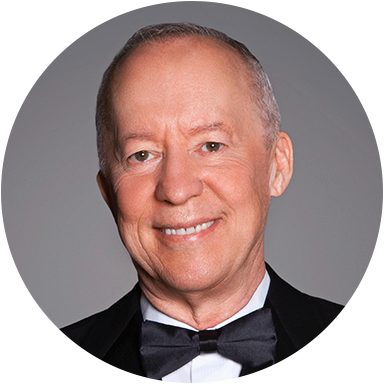
Mark Hayes has established himself as one of the most prolific composers in sacred and concert music, with over 1,750 published works spanning piano, choral, orchestral, and theatrical idioms. A graduate of Baylor University's music program, he has conducted at some of the world's most prestigious venues, including Lincoln Center, the National Cathedral, and Carnegie Hall, premiering major works like his Requiem in Rome as part of the Vatican-sponsored Festival Pro Musica E Arte Sacra.
Beyond his choral and orchestral contributions, Hayes is particularly known for his expansive catalog of piano works and his orchestration skills across Broadway musicals and theatrical productions. His compositional voice blends accessibility with musical substance, making his sacred works especially valued by church musicians and concert choirs seeking repertoire that resonates with both singers and audiences.
Why we love this
Hayes crafts this piece with the confidence of someone who understands exactly what a choir needs to sound excellent. The text receives musical treatment that's direct without being simplistic, allowing singers at various levels to feel the spiritual weight of the message while the arrangement sits comfortably in the voice.
What to expect
The piece unfolds with a sense of quiet conviction, balancing contemplative moments with passages of affirmation. Hayes creates space for the text to breathe while the four-part writing ensures harmonic richness that feels both modern and rooted in choral tradition.
Who it's for
This octavo serves choirs of intermediate to advanced ability preparing sacred repertoire for worship services, concert programs, or competitions. It works equally well for church choirs seeking contemporary concert pieces and for secondary ensembles looking for substantial material that doesn't demand extensive vocal gymnastics.
How to get the most out of it
Anchor the harmonic structure by ensuring the section leaders can articulate the chord movement clearly; Hayes's harmony will feel more grounded when voices lock into the underlying progression rather than floating through it.
Shape the dynamic arc across the full 14 pages so that no section feels static. Find two or three key moments where the piece naturally builds or releases tension, then rehearse those transitions specifically.
Balance clarity of text with the inherent beauty of the voicing. Diction matters here, but not at the expense of the sustained lines that give the arrangement its resonance.
How to use it
Pair this with a larger sacred work to create a focused set on faith and intention, or place it as a standalone moment of reflection in a mixed concert. Its 14-page length makes it substantial enough to anchor a program section without overwhelming rehearsal time.
Skills your students will build
Sustaining legit tone through extended harmonic passages
Balancing individual voice line independence with choral blend
Interpreting text within Hayes's contemporary harmonic language
Ensemble precision in four-part vertical alignment
You May Also Like
Scan to Complete Your Purchase
Use your phone's camera to scan the code below
You'll log in on your phone and the order will be added to your account