

What Can I Play on Sunday?, Book 6: November & December Services: 10 Easily Prepared Piano Arrangements: Piano
10 Easily Prepared Piano Arrangements
Arranged by Cindy Berry
Level: Late Intermediate
Item: 00-PB-0000885
$12.99
Pickup currently not available
Related Items
What Can I Play on Sunday?, Book 6: November & December Services: Piano Book |
$12.95
|
View |
Description
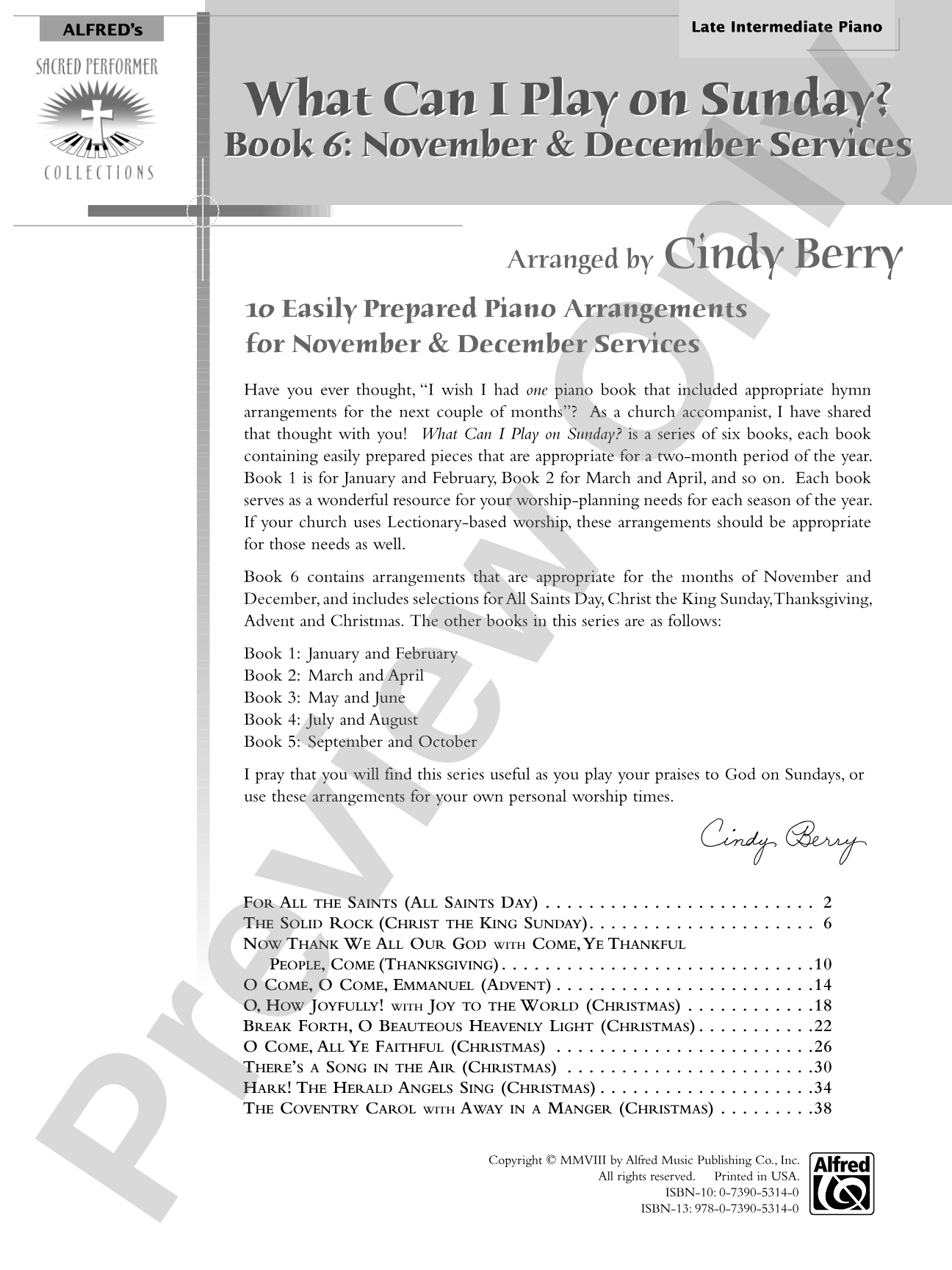
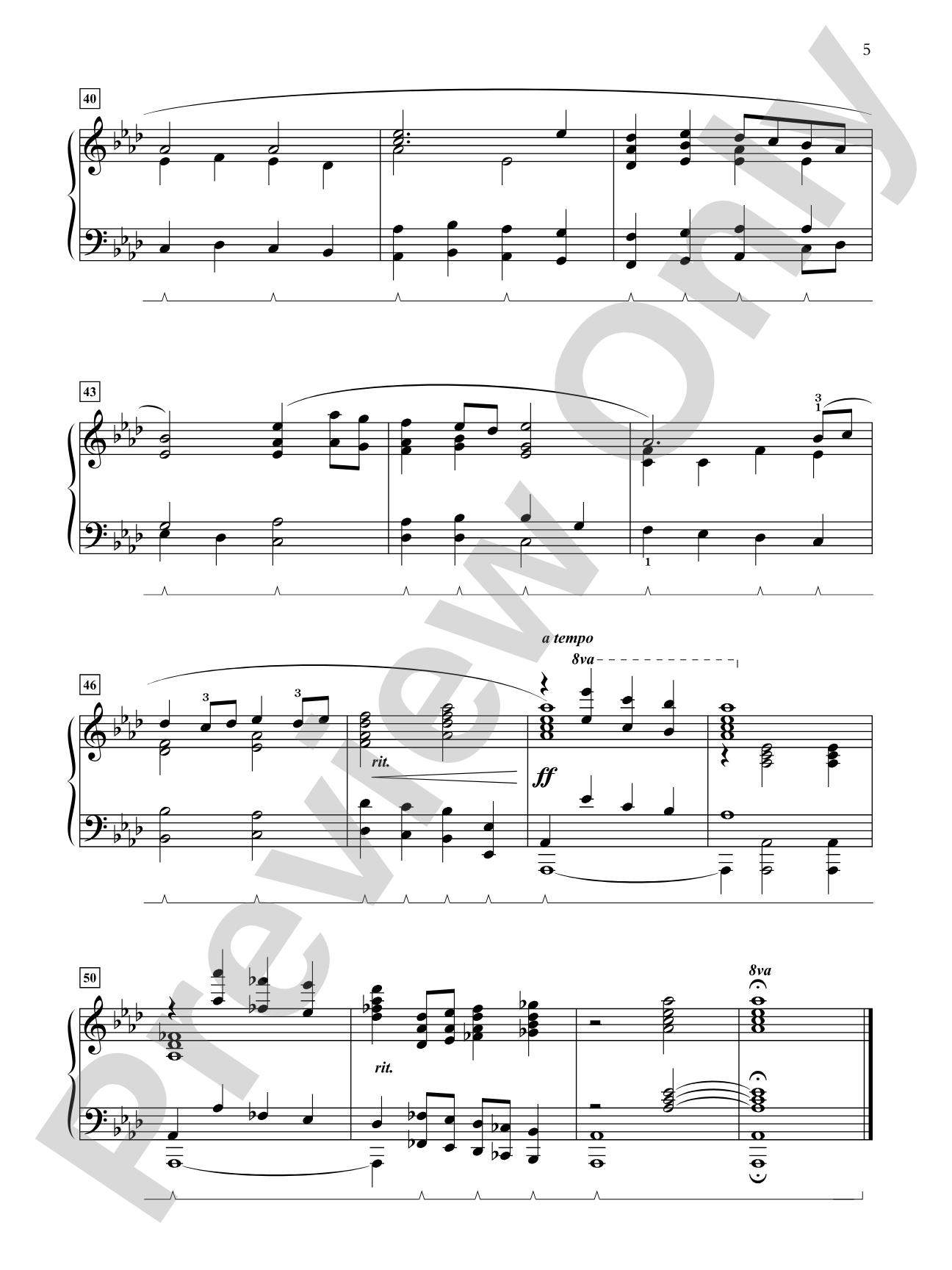
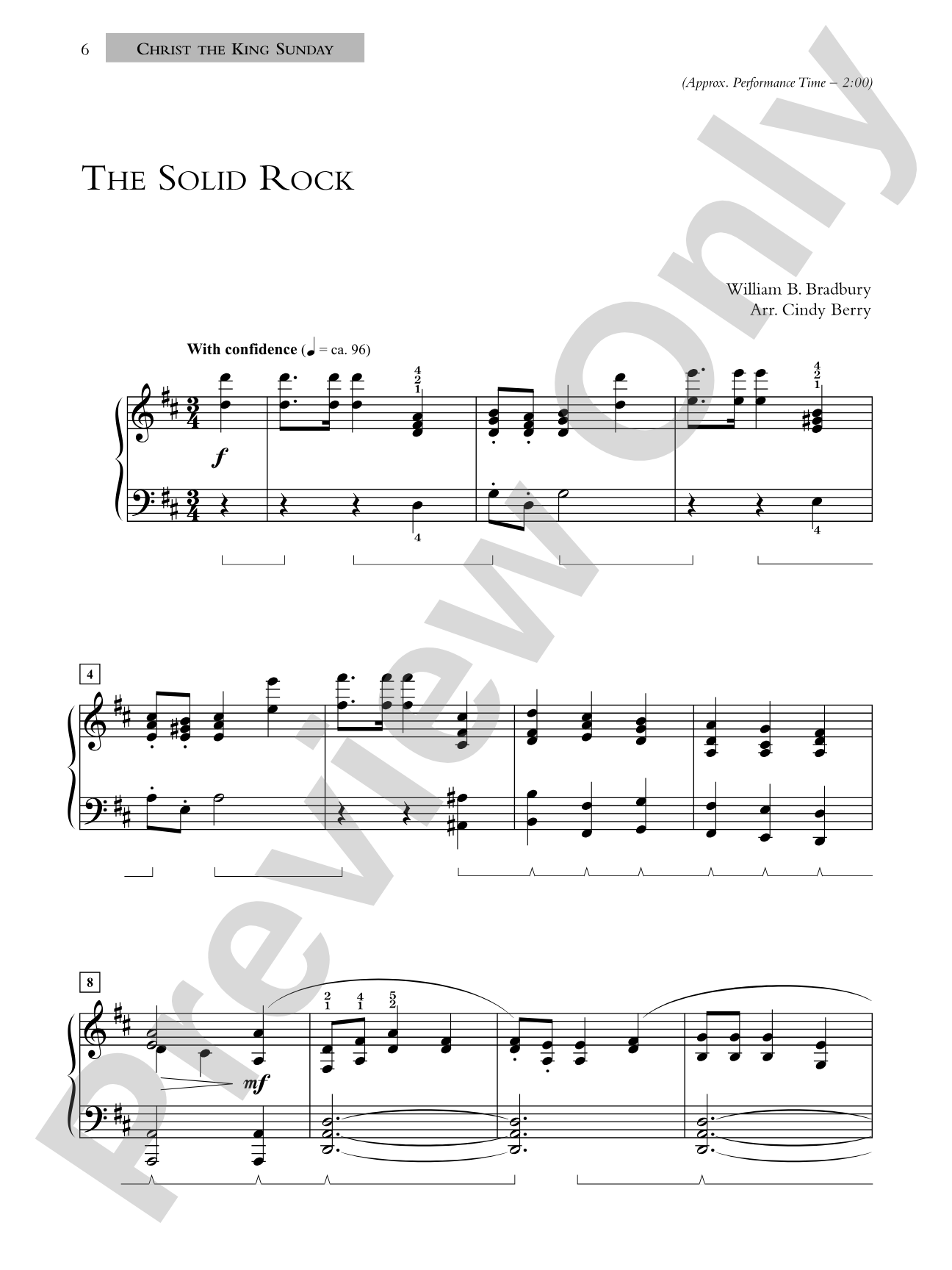
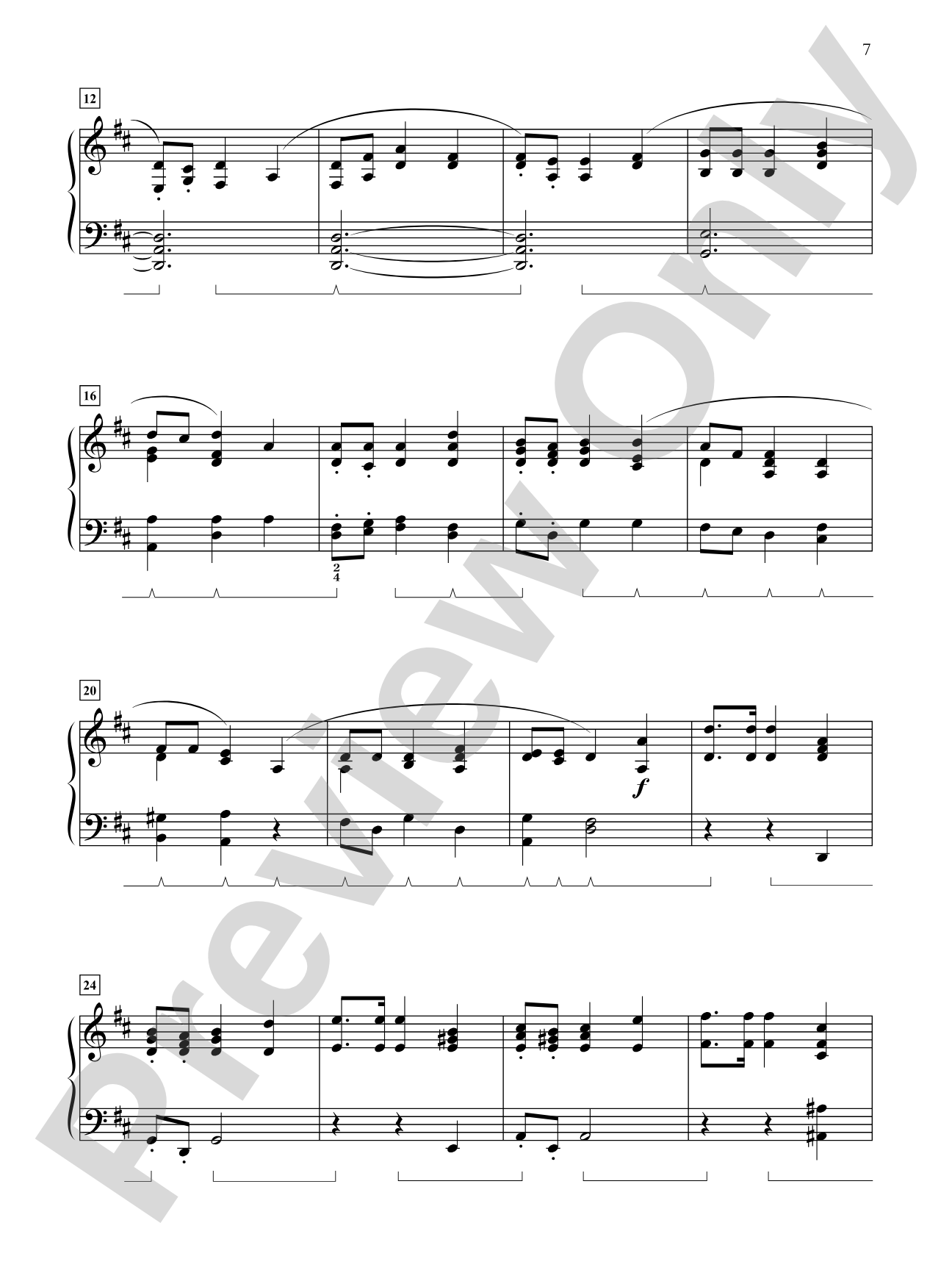
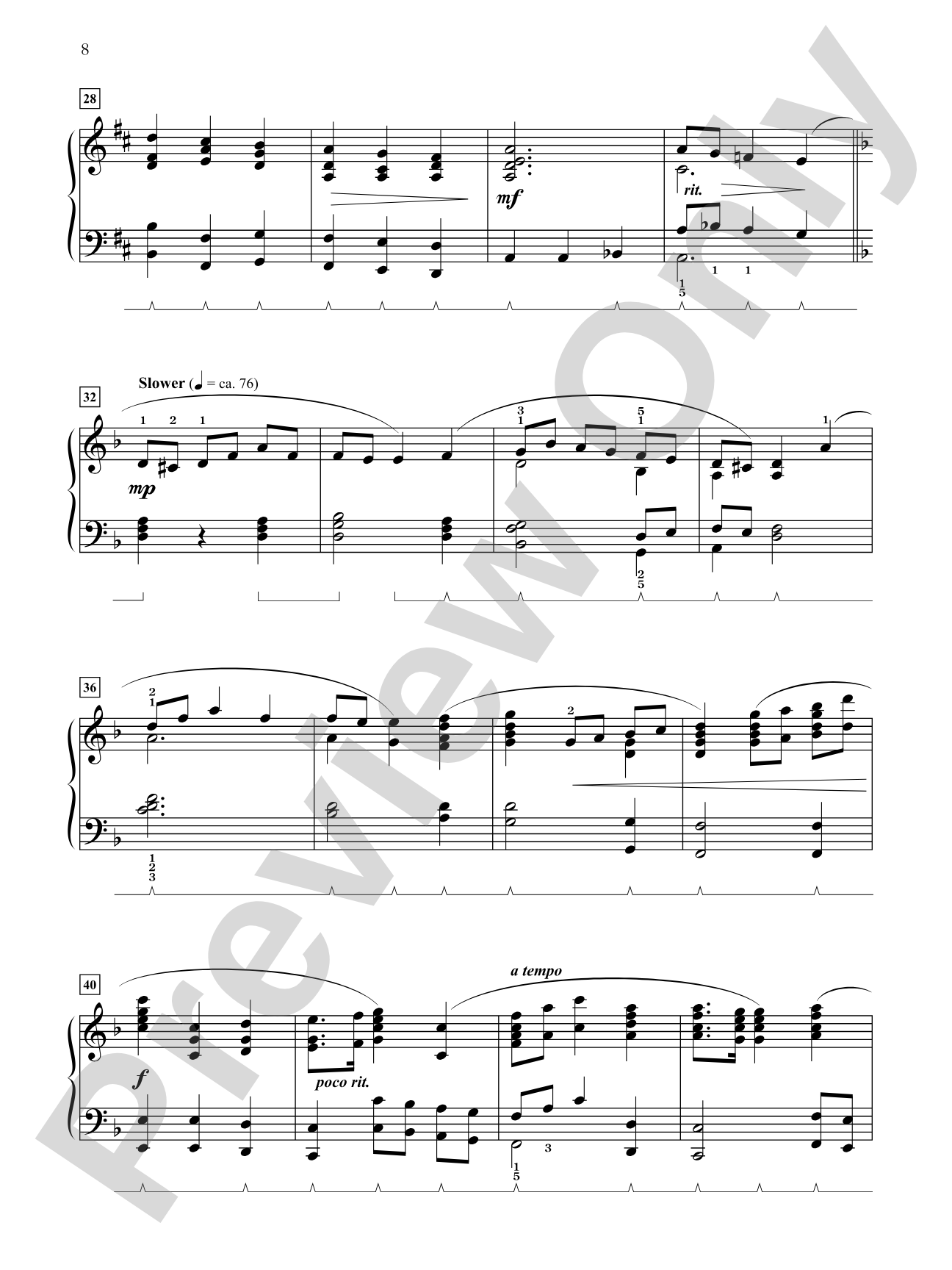
What Can I Play on Sunday? is a series of six books, each book designed for busy pianists who may have limited rehearsal time. Book 6 contains arrangements that are appropriate for the months of November and December, and includes selections for All Saints Day, Christ the King Sunday, Thanksgiving, Advent, and Christmas. Titles: Break Forth, O Beauteous Heavenly Light * Coventry Carol with Away in a Manger * For All the Saints * Hark! The Herald Angels Sing * Now Thank We All Our God with Come, Ye Thankful People, Come * O Come, All Ye Faithful * O Come, O Come Emmanuel * O, How Joyfully! with Joy to the World * The Solid Rock * There's a Song in the Air. A Federation Festivals 2024-2028 selection.


What Can I Play on Sunday?, Book 6: November & December Services: 10 Easily Prepared Piano Arrangements: Piano isn't in MakeMusic Cloud just yet...but it could be. Let us know you'd like to see it, and you'll help shape what comes next. In the meantime, start a free trial and dive into thousands of interactive titles your students can play along with today.
Request This Title
Tell us you want it.
Start Your Free Trial
Explore everything that's ready to play right now.
Sample Audio
No sample audio found.
Sample Video
No sample videos found.
Additional Details
Series:
Sacred Performer Collections
Publisher:
Alfred Music
Page Count:
40
SKU:
00-PB-0000885
More about this title
About the Arranger: Cindy Berry
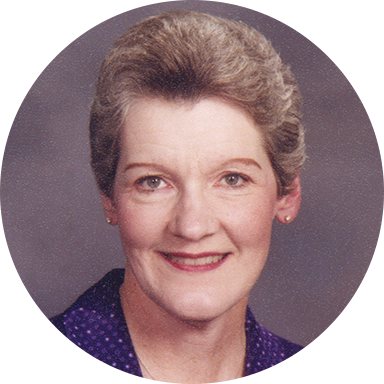
Cindy Berry is a composer and arranger based in Texas with deep roots in both church music and music education. She has built a career creating accessible sacred works for choirs, children's ensembles, and pianists, while maintaining active roles as a clinician and workshop leader across the country. Her compositions and arrangements have earned multiple ASCAP Special Awards, reflecting consistent recognition of her craft.
Berry's approach to writing stems from her dual roles as church pianist and children's choir director at First Baptist Church in Killeen, Texas. She understands the real constraints of volunteer musicians and busy church schedules, designing her arrangements to be musically rewarding without demanding excessive rehearsal time. Every piece she creates reflects her core belief that music serves as an offering of worship.
Why we love this
This collection speaks directly to organists and pianists who staff holiday services but lack the bandwidth for complex preparations. Berry's arrangements honor familiar hymns and carols with fresh voicings and textures while keeping the technical demands realistic for late intermediate players. The inclusion of paired hymn medleys stretches limited preparation time further, allowing one learning session to cover two pieces.
What to expect
Familiar hymn and carol melodies emerge refreshed through thoughtful harmonic treatment and accompaniment patterns that feel contemporary without straying from the liturgical character. There's an immediacy to these pieces that comes from their purpose: they settle naturally into a worship setting while offering enough harmonic interest to keep the player engaged through multiple services.
Who it's for
Church pianists managing multiple services across the Advent and Christmas season, along with Thanksgiving and All Saints Day observances. These arrangements suit pianists with solid technical skills and reading ability who need quality repertoire they can learn quickly without sacrificing musicianship.
How to get the most out of it
- Balance sustained bass lines with clear right-hand melody. Let the left hand anchor the harmonic foundation without overwhelming the hymn tune, which should always feel singable to a congregation.
- Explore the recorded accompaniment (available separately) during initial learning to hear how the pieces are intended to sit within a service context.
- Pay attention to dynamic markings around borrowed hymn passages, particularly in medleys where the transition between tunes creates natural opportunities to reshape the texture.
- Practice slowly through sections with wider intervallic jumps or hand independence challenges before pushing toward tempo.
How to use it
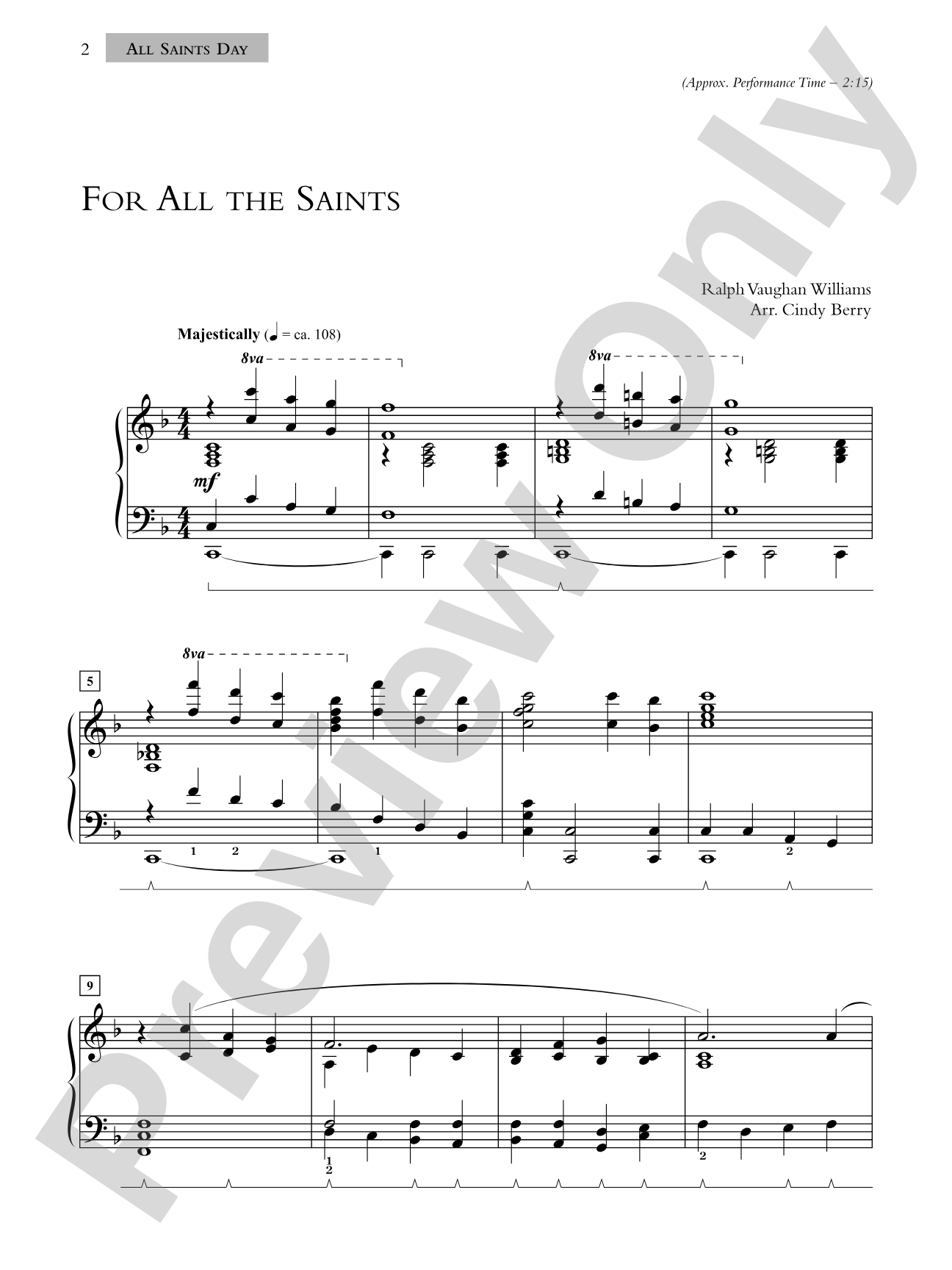
Pull individual arrangements into specific Sunday services based on the church calendar rather than planning a single recital. A November service might feature "For All the Saints" and "Now Thank We All Our God with Come, Ye Thankful People, Come," while December services build toward Christmas with "O Come, O Come Emmanuel" in early Advent and "Hark! The Herald Angels Sing" or "O, How Joyfully! with Joy to the World" closer to Christmas Day.
Skills your students will build
- Reading and executing accurate voice leading in four-part harmonies
- Managing simultaneous bass patterns and melodic independence between hands
- Interpreting dynamic and textural contrast across multiple sections within a single piece
- Adapting interpretive choices to liturgical context and congregational singing