
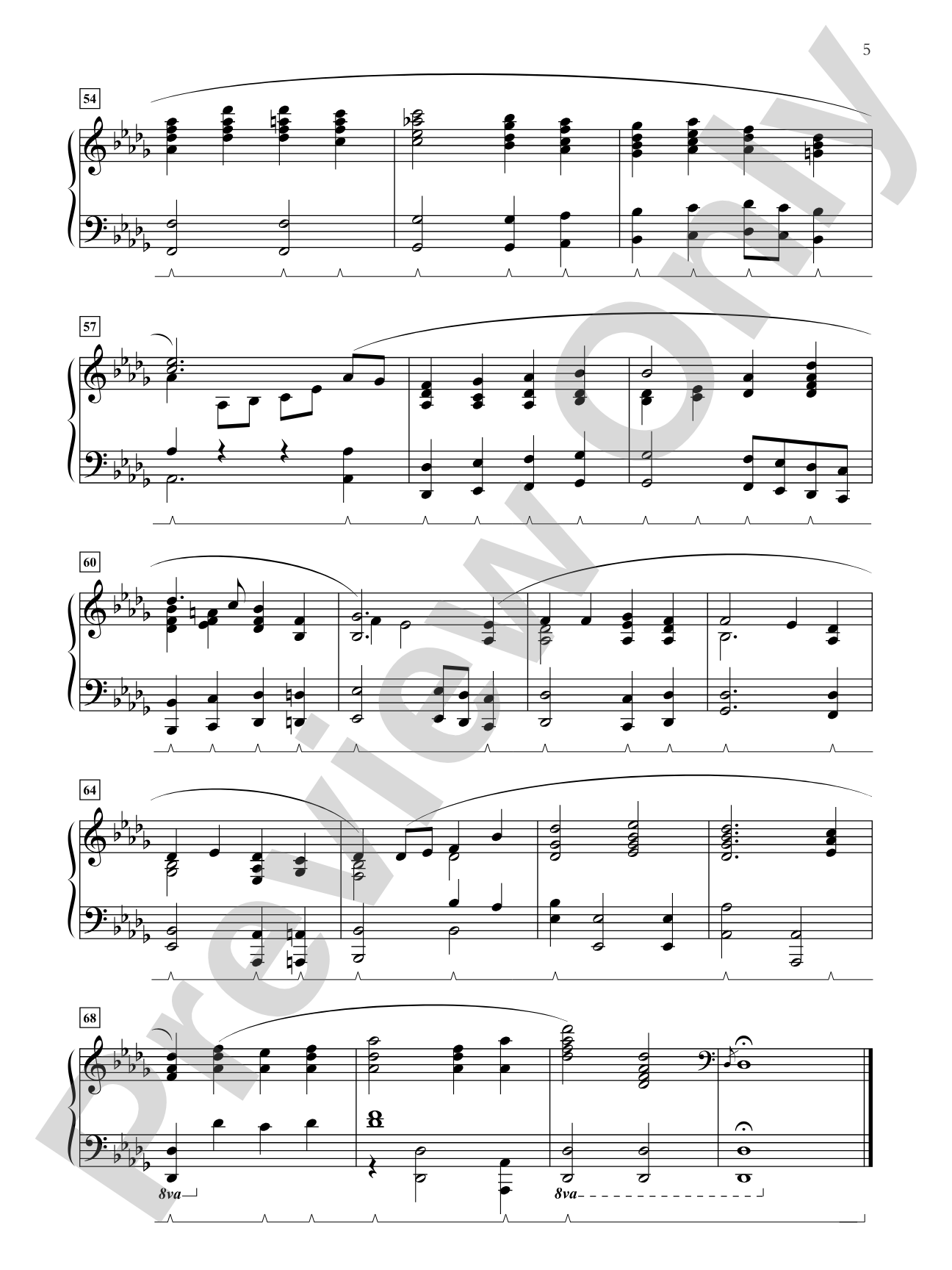
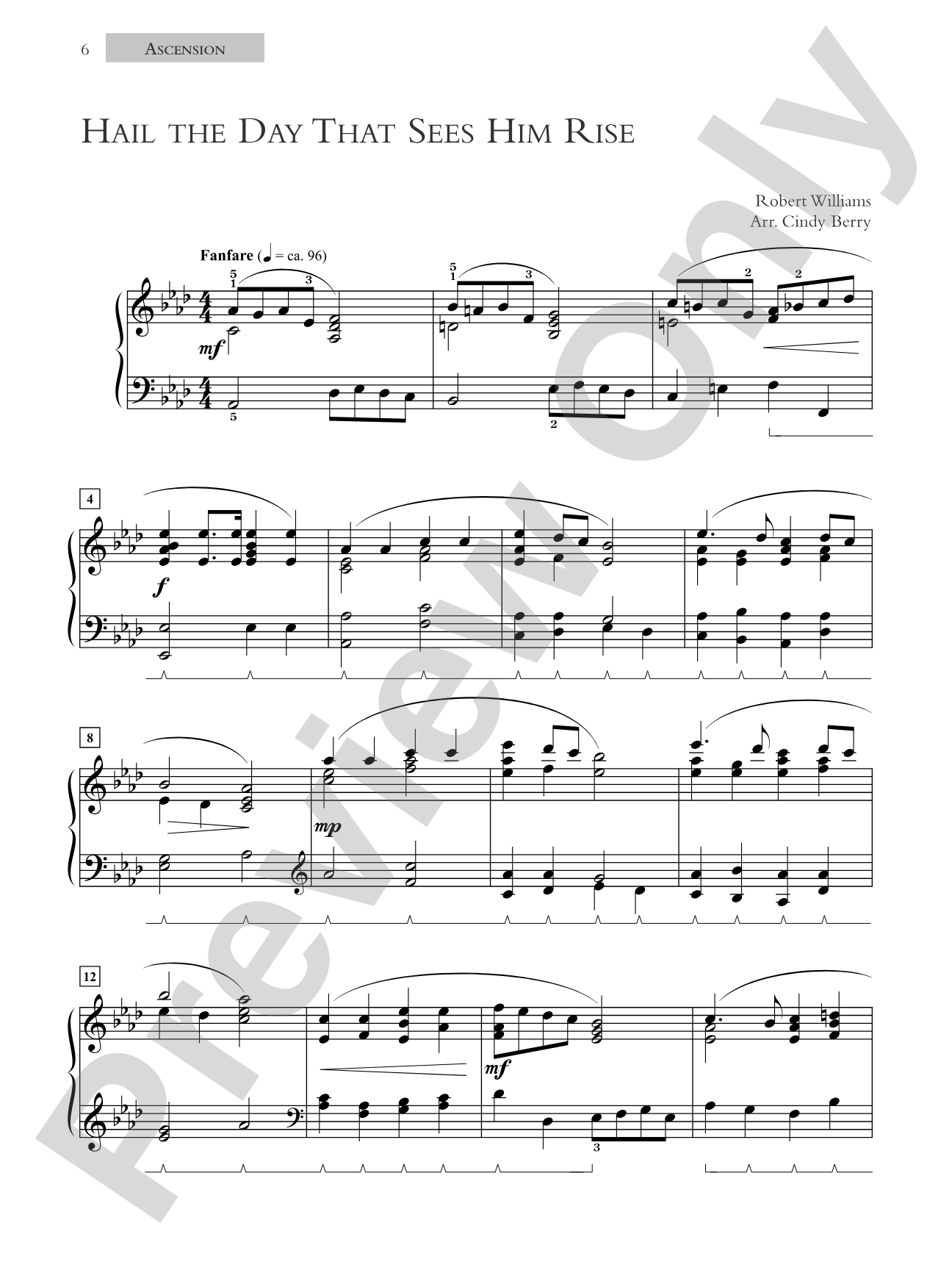
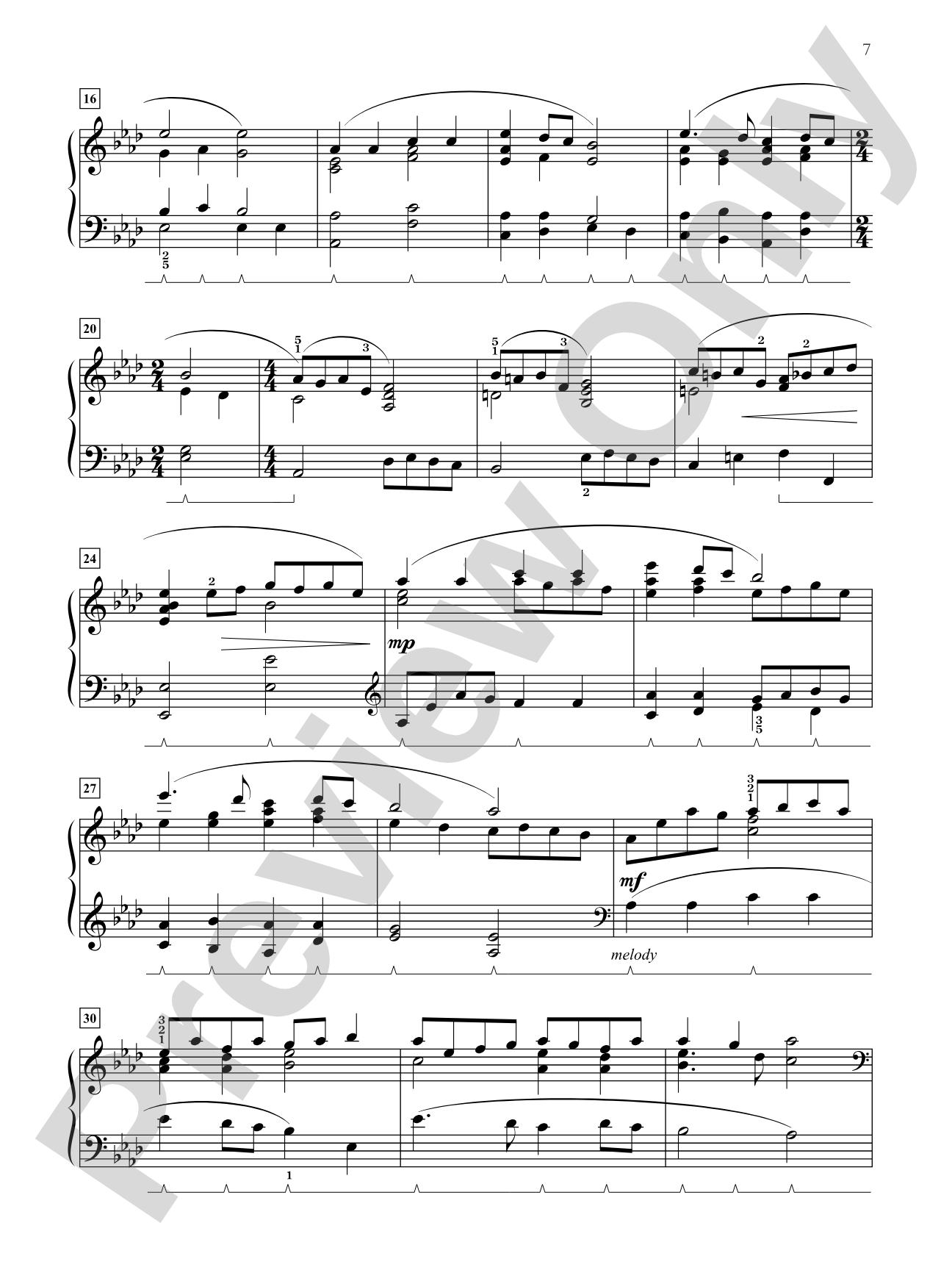

What Can I Play on Sunday?, Book 3: May & June Services: 10 Easily Prepared Piano Arrangements: Piano
10 Easily Prepared Piano Arrangements
Arranged by Cindy Berry
Level: Late Intermediate
Item: 00-PB-0000882

$12.99
Pickup currently not available
Related Items
What Can I Play on Sunday?, Book 3: May & June Services: Piano Book |
$12.95
|
View |
Description
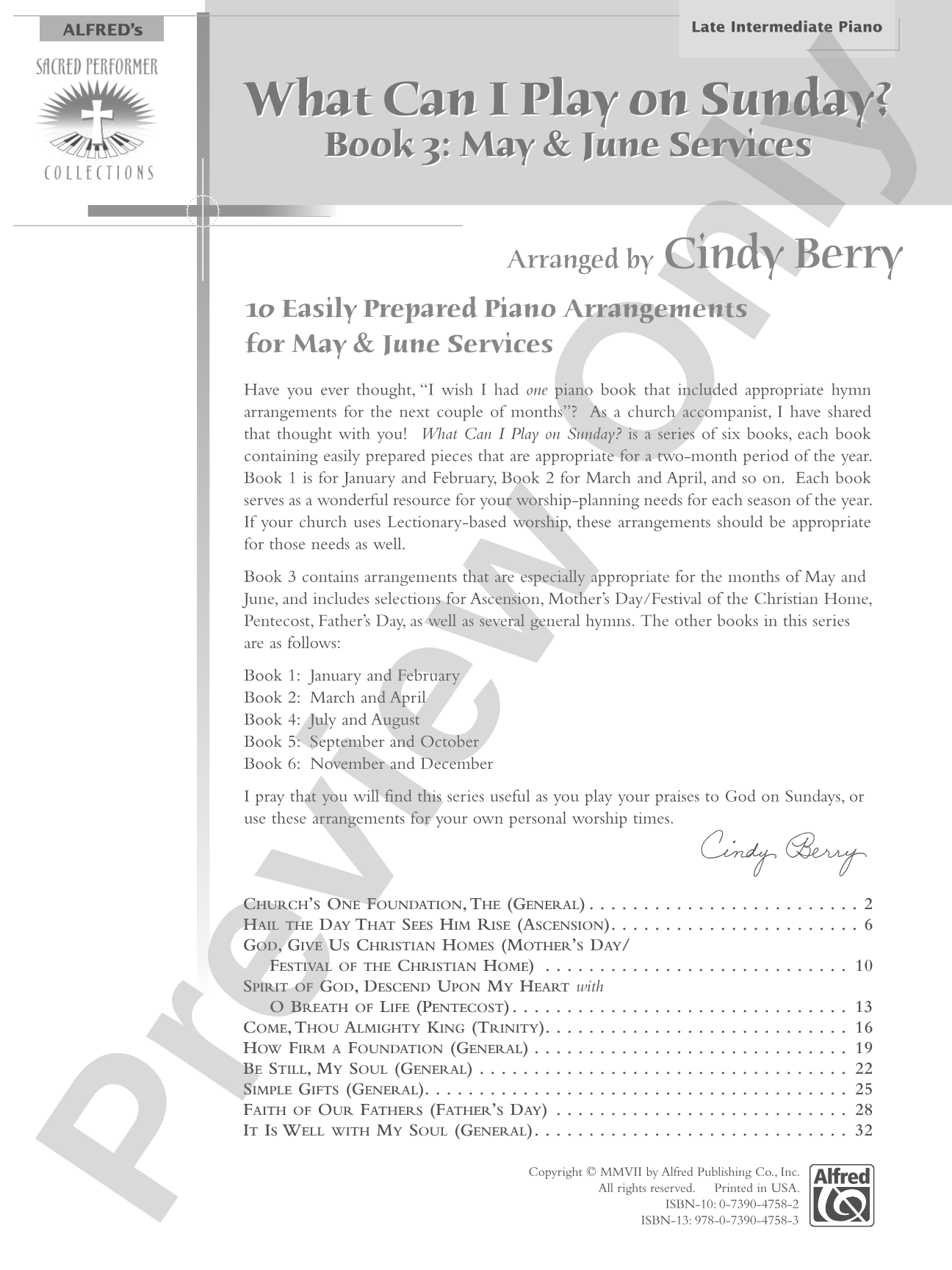
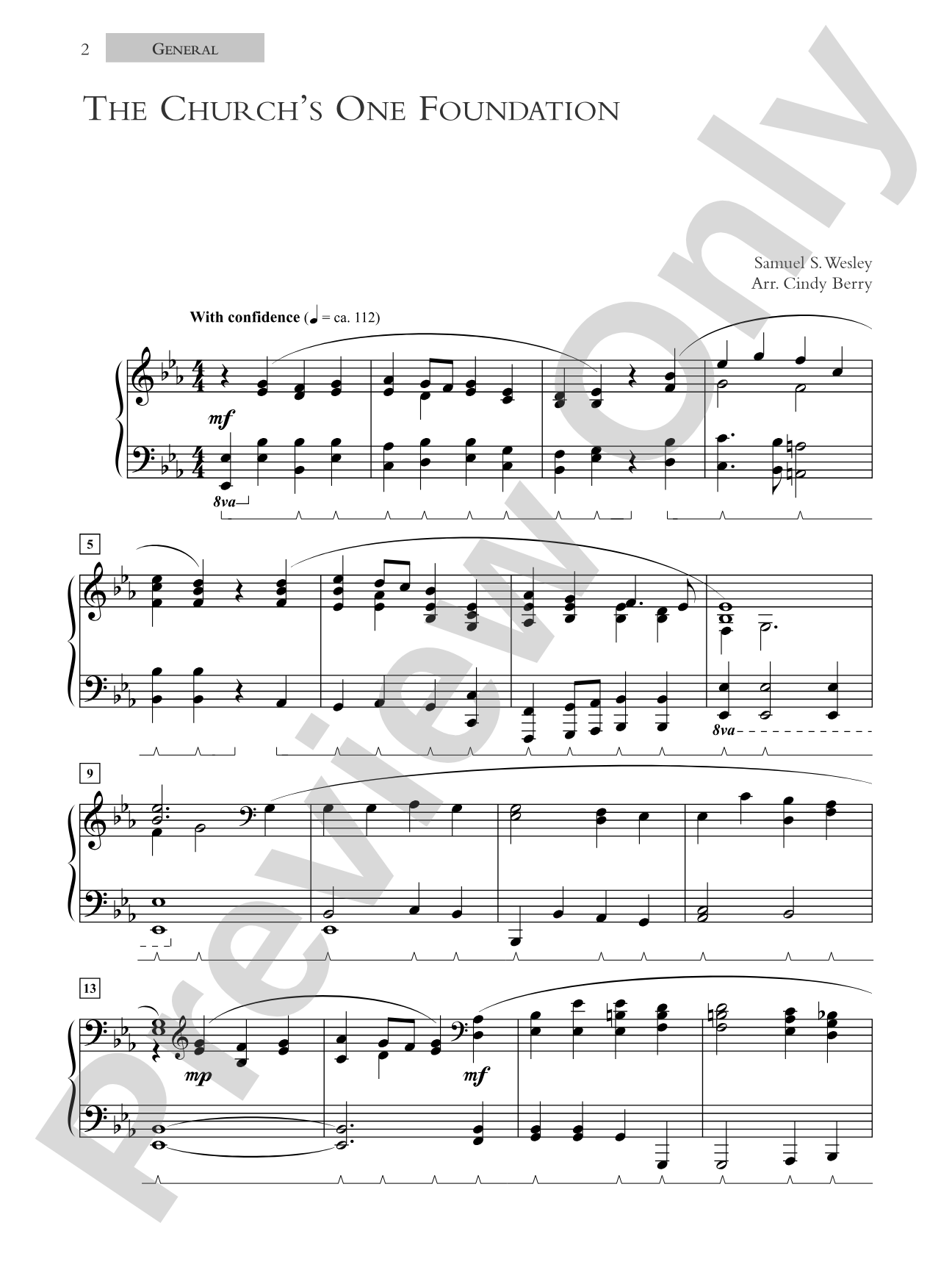
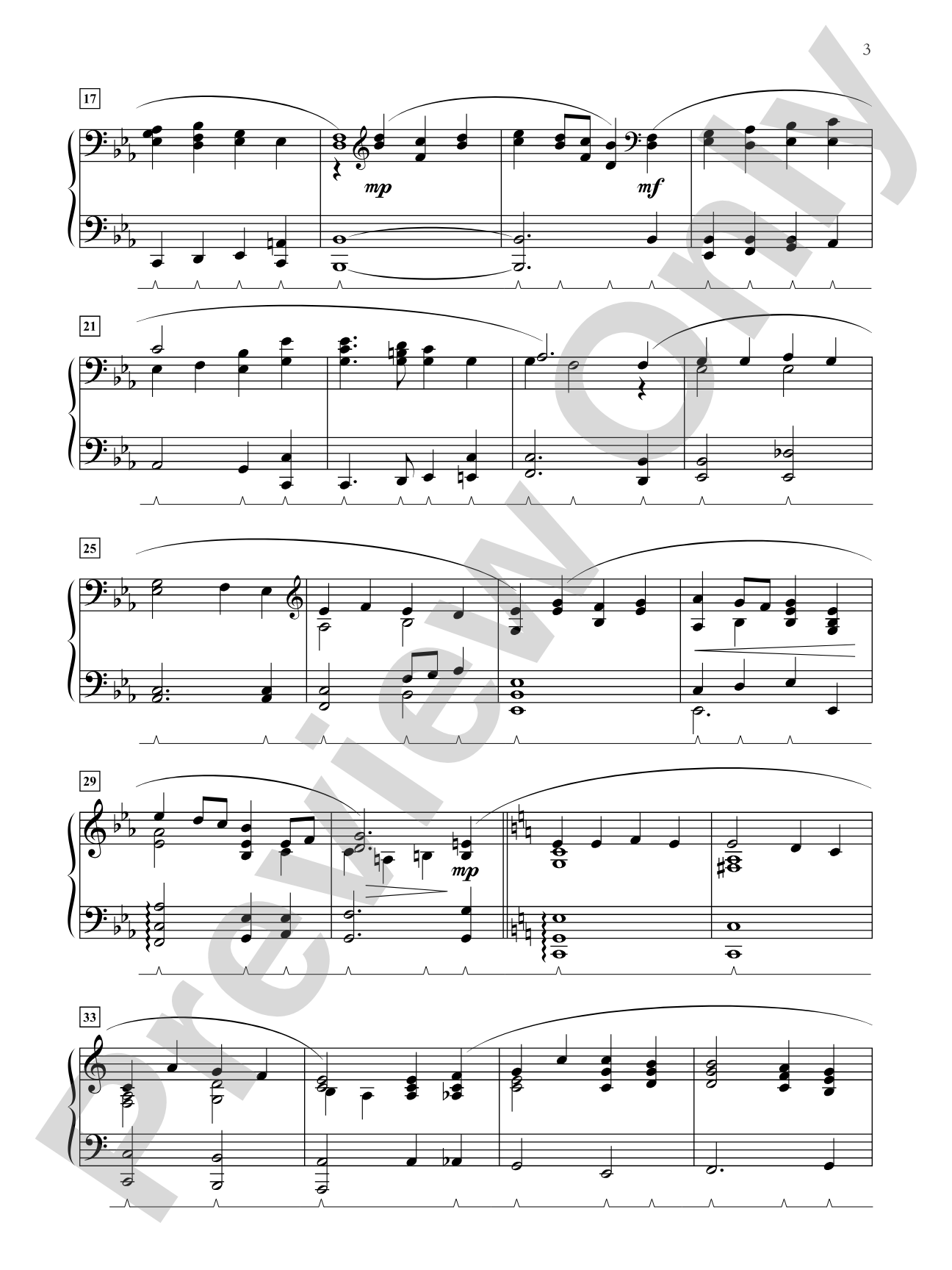
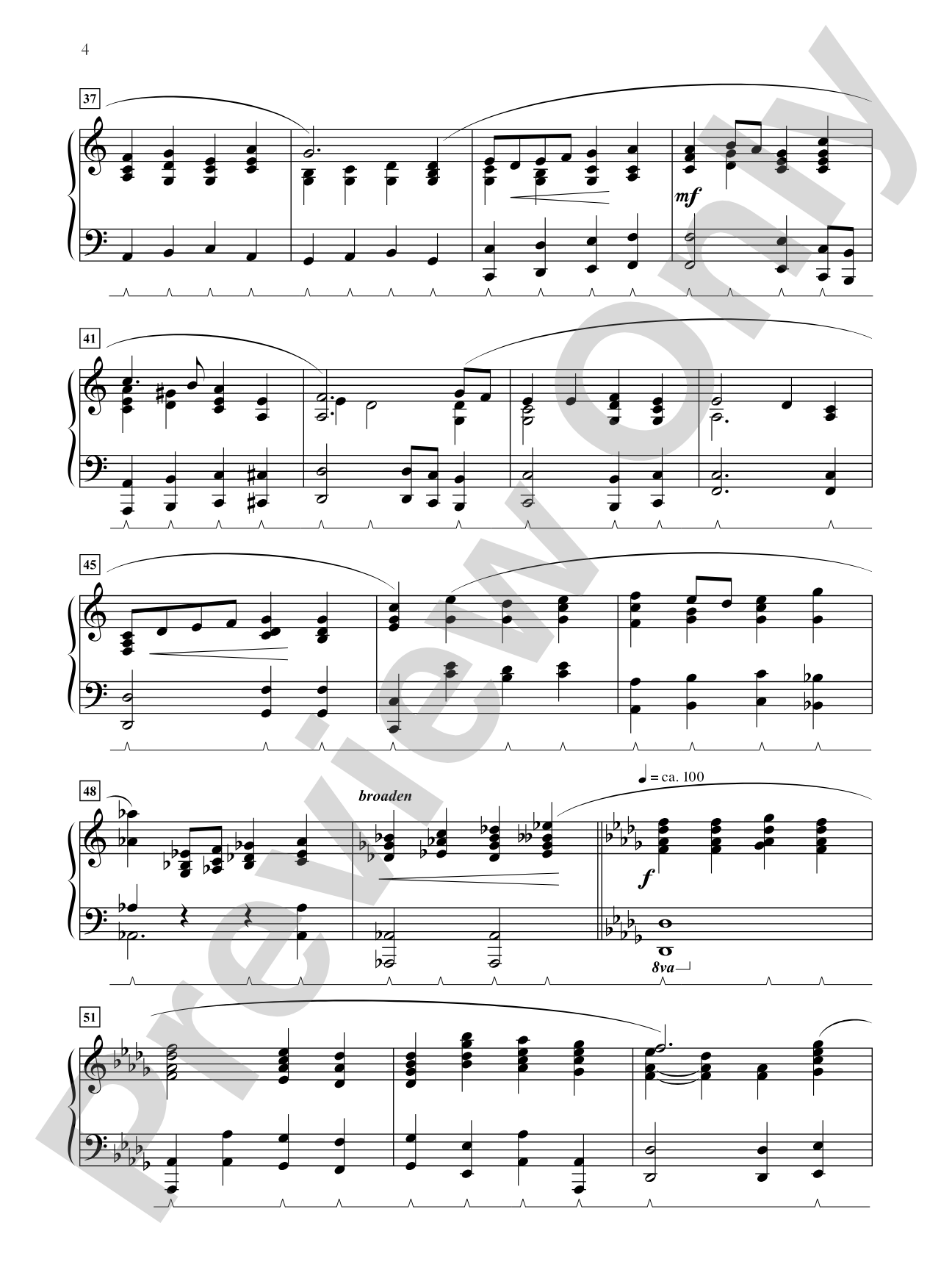
What Can I Play on Sunday? is a series of six books, each book designed for busy pianists who may have limited rehearsal time. Book 3 contains selections for holidays and holy days that occur during May and June, including Ascension, Mother's Day/Festival of the Christian Home, Pentecost, Father's Day, as well as several general hymns. Titles: The Church's One Foundation * Hail the Day That Sees Him Rise * God, Give Us Christian Homes * Spirit of God, Descend Upon My Heart with O Breath of Life * Come, Thou Almighty King * How Firm a Foundation * Be Still, My Soul * Simple Gifts * Faith of Our Fathers * It Is Well with My Soul. A Federation Festivals 2024-2028 selection.


Don't just read it, hear it, play along with it, and watch your students grow with it. In MakeMusic Cloud, What Can I Play on Sunday?, Book 3: May & June Services: 10 Easily Prepared Piano Arrangements: Piano comes alive with professional accompaniment, adjustable tempo, and built-in practice tools that turn solo practice into real progress.
Open in the Player
Jump straight in and assign it today.
Start Your Free Trial
Open this title and explore the full library in minutes.
Sample Audio
No sample audio found.
Sample Video
No sample videos found.
Additional Details
Series:
Sacred Performer Collections
Publisher:
Alfred Music
Page Count:
36
SKU:
00-PB-0000882
More about this title
About the Arranger: Cindy Berry

Cindy Berry is a composer and arranger based in Texas with deep roots in sacred music and church music ministry. She has created numerous arrangements for choral ensembles, children's musicals, and piano collections, earning multiple ASCAP Special Awards throughout her career. Berry regularly leads composer workshops and clinician sessions across the country, sharing her expertise in accessible sacred music writing.
As a church pianist and children's choir director, Berry brings firsthand understanding of what working musicians need in the service context. Her arrangements reflect her philosophy of music as an offering of worship, balancing artistic integrity with the practical realities of busy schedules and limited rehearsal time.
Why we love this
Berry understands the Sunday morning reality: you need solid, musically satisfying arrangements that don't demand weeks of preparation. These ten pieces respect both the liturgical calendar and the pianist's time constraints, delivering arrangements that sound prepared and intentional without requiring extensive practice. The selection itself is smart, pairing well-known hymns with seasonal texts that align naturally with May and June observances.
What to expect
These arrangements honor the spiritual weight of the texts while remaining accessible and warm. You'll find rich harmonic support, flowing accompaniment patterns, and moments of gentle ornamentation that elevate familiar hymns without overwhelming the melody or the listener.
Who it's for
Church pianists managing multiple Sundays with limited practice time will find real solutions here. Musicians new to arranging or those building their service repertoire will benefit from professional-level writing that's genuinely playable on short notice. This collection also serves pianists seeking quality seasonal material that acknowledges the church calendar without requiring custom commissions.
How to get the most out of it
- Study the harmonic progressions in advance so you can anticipate the accompaniment texture; many of these arrangements feature rich supporting chords that reward confident playing but punish hesitation.
- Work through the pedaling markings carefully, as they're essential to the resonance and character of each piece.
- Play through the full arrangement at performance tempo before the service week; these pieces are written to sound complete with minimal preparation, but that requires knowing the material.
- Consider which arrangements pair well with your choir's anthem or hymn choices for that Sunday; strategic programming can deepen the service theme.
How to use it
Use individual pieces as service music for specific holy days: "Hail the Day That Sees Him Rise" for Ascension, "Spirit of God, Descend Upon My Heart" for Pentecost, or "God, Give Us Christian Homes" for Mother's Day and Father's Day Sundays. These arrangements also work well as offertory or postlude selections when you want something more substantial than a hymn but don't need a full anthemic treatment. Programming one arrangement per month ensures you're using seasonal material meaningfully without exhausting the collection.
Skills your students will build
- Playing hymn-based arrangements with stylistically appropriate harmonic accompaniment
- Managing left-hand independence while maintaining melodic clarity in the right hand
- Navigating extended harmonic movement and secondary chords in a sacred music context
- Building confidence with late intermediate technique through repertoire designed for quick preparation