
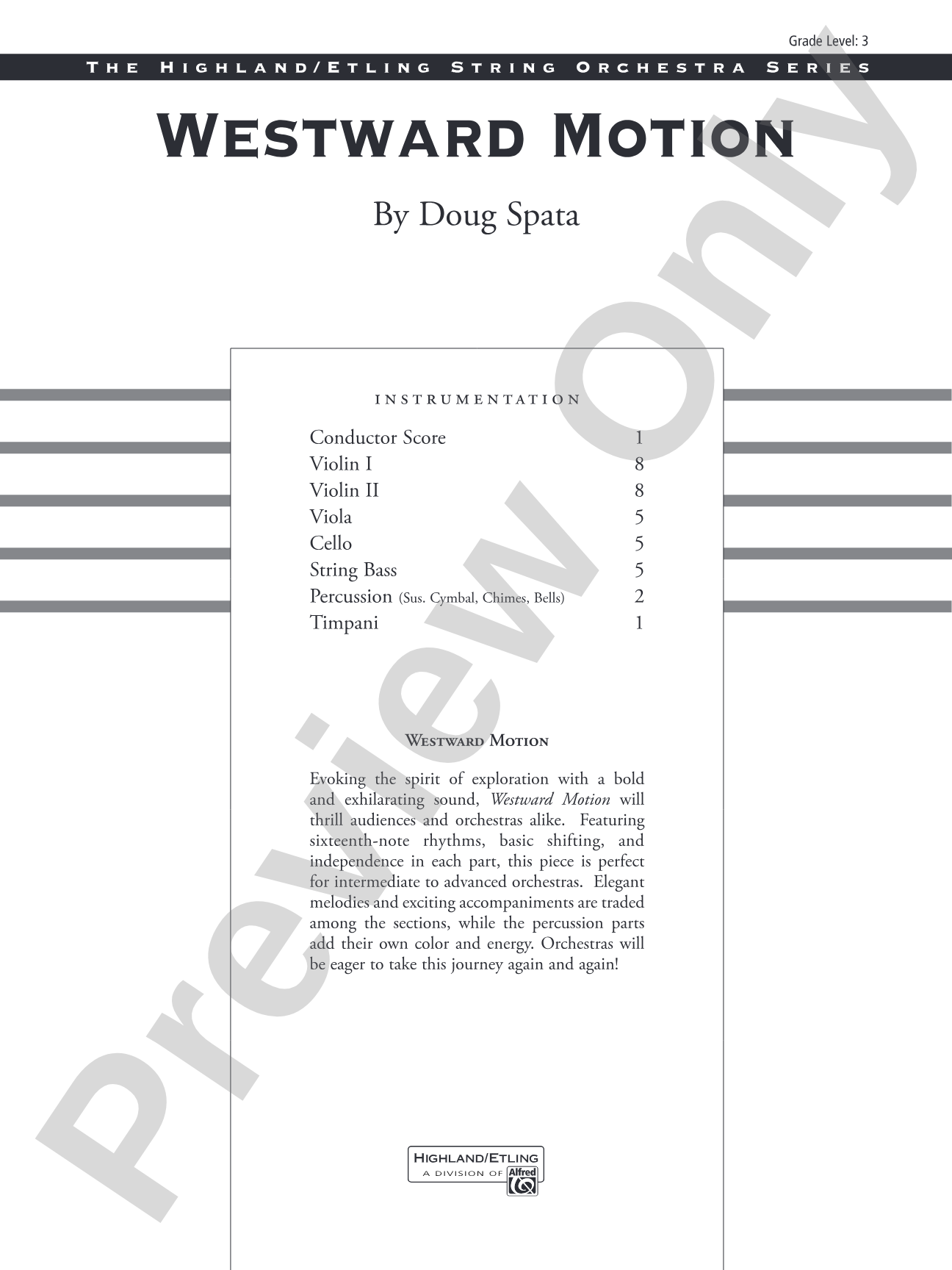
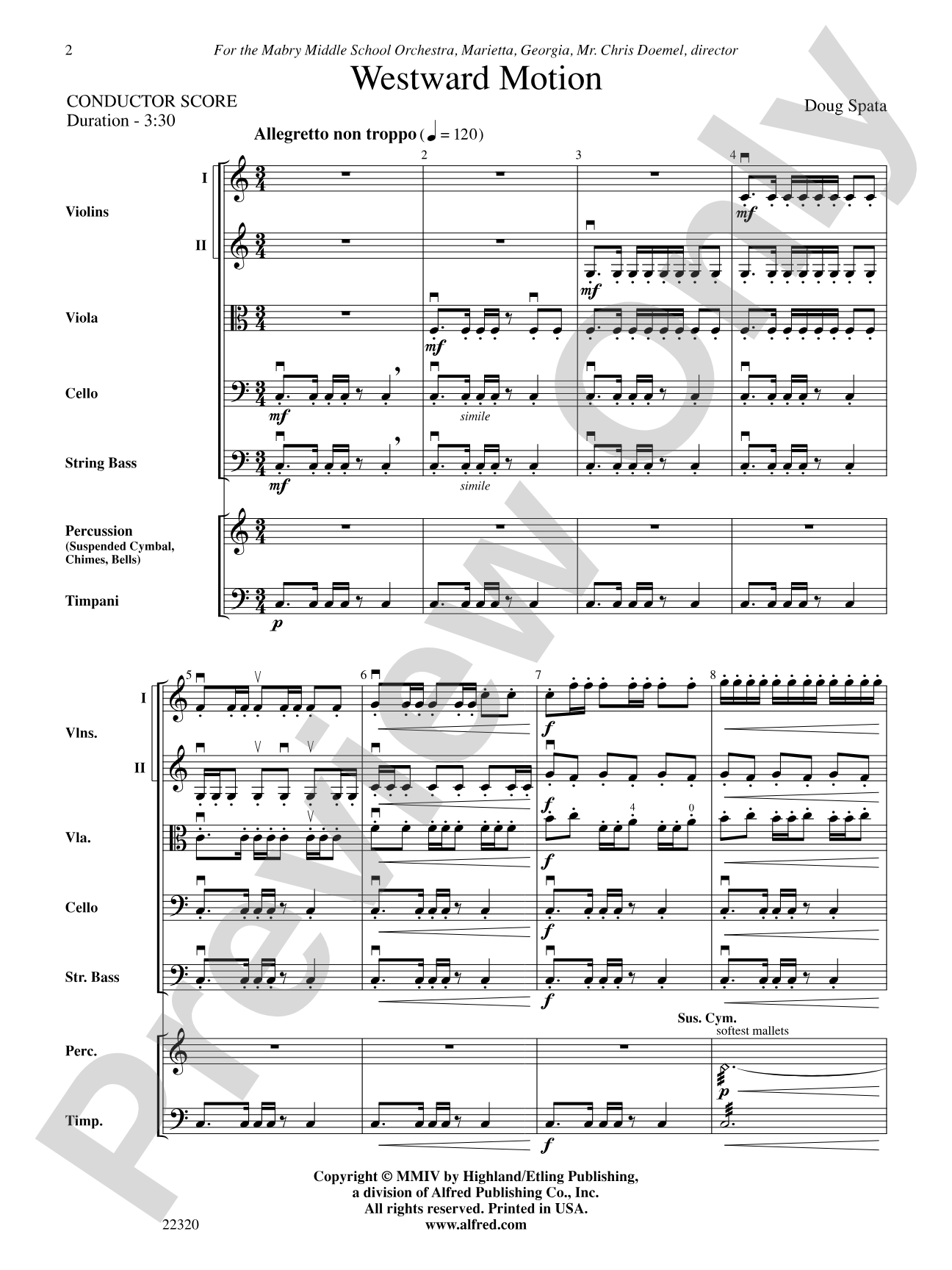
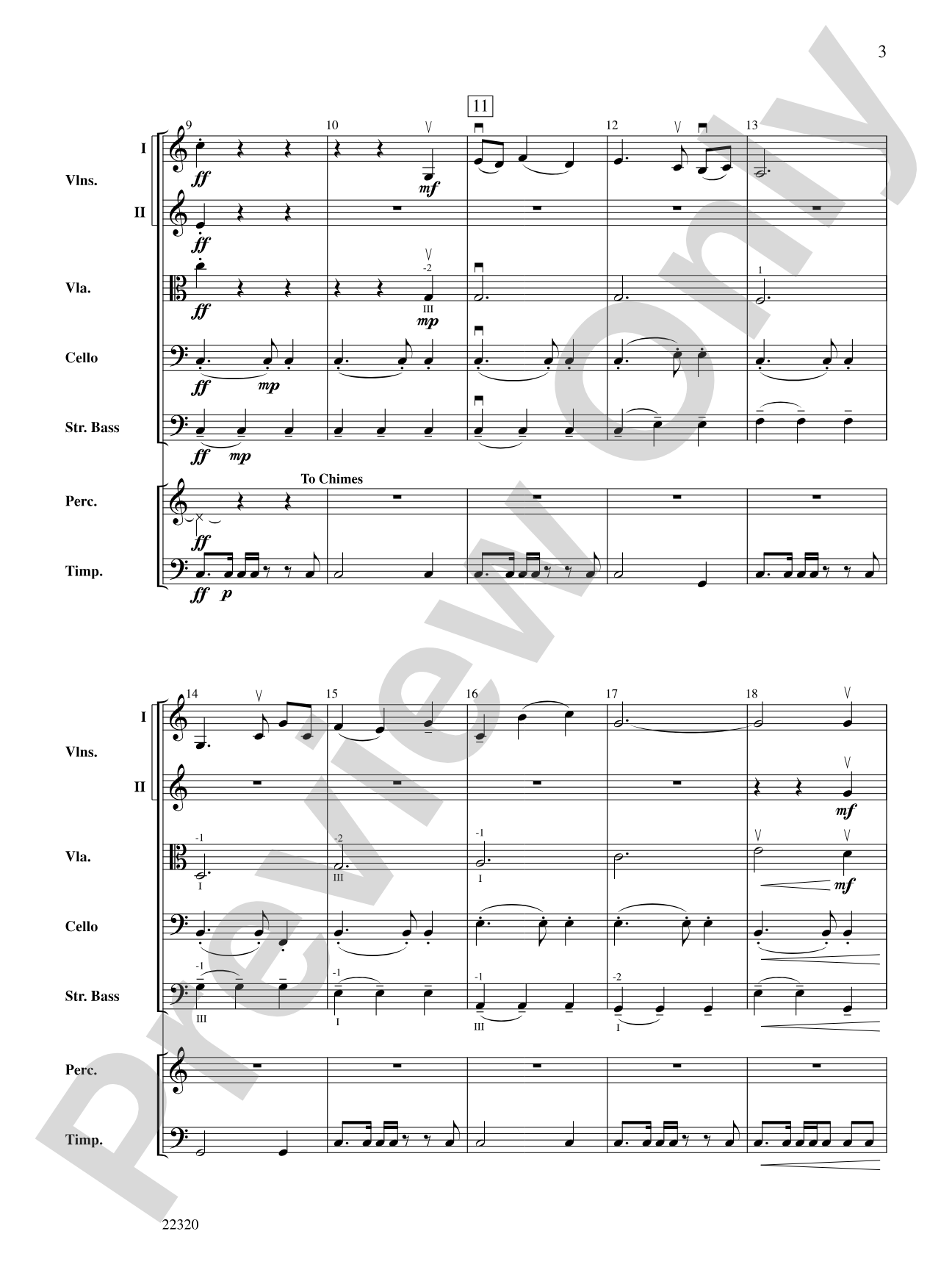
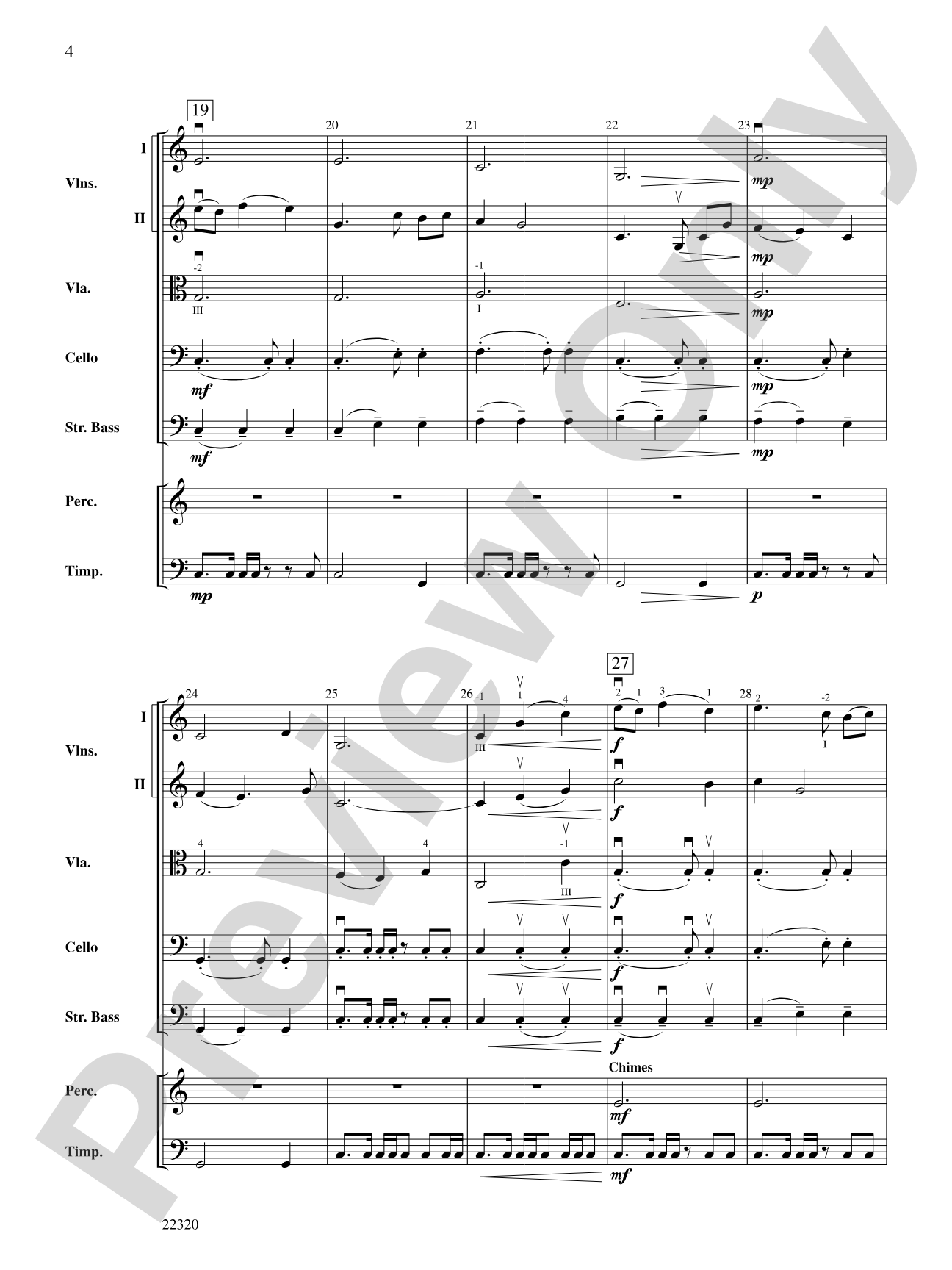
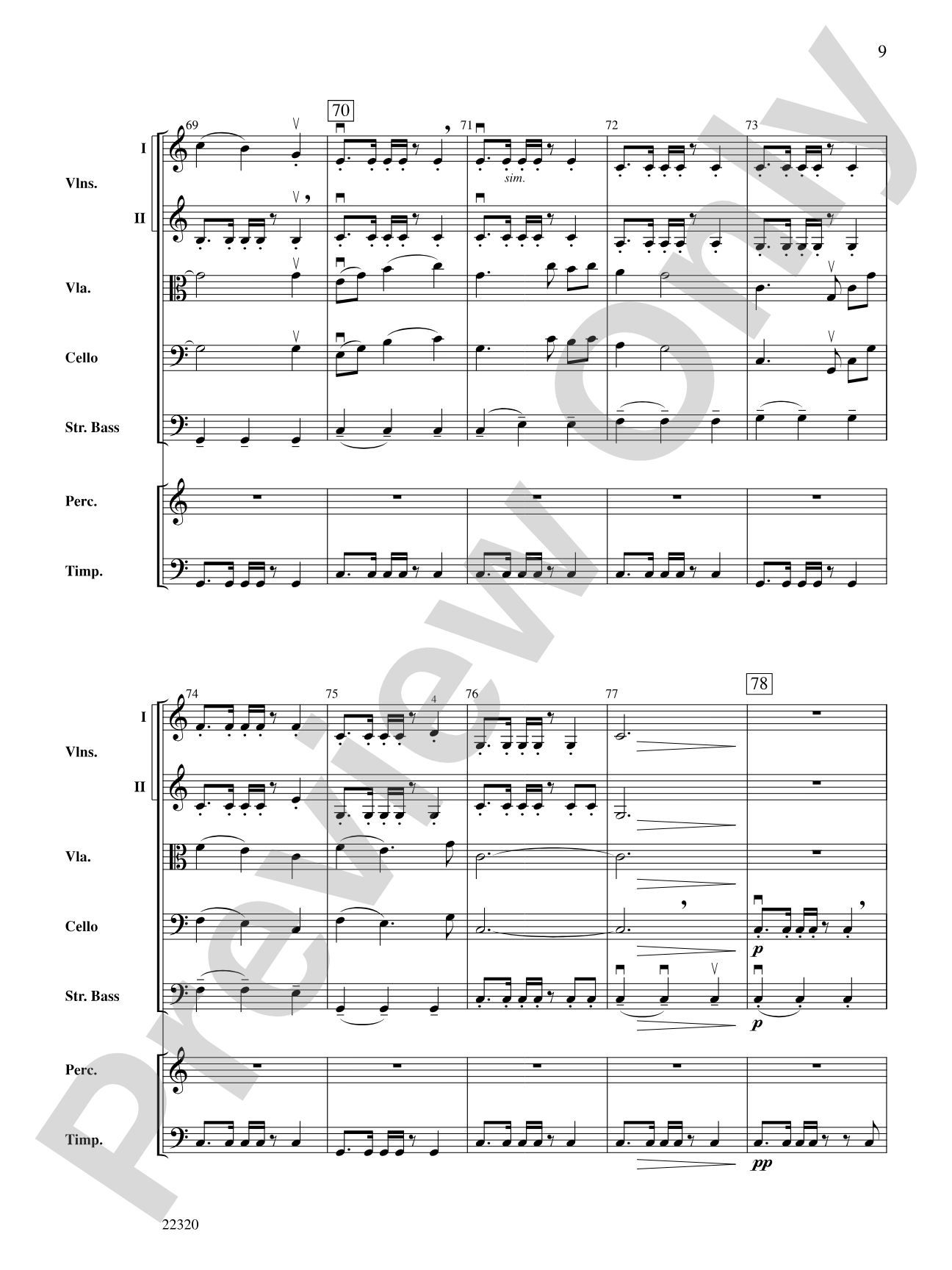
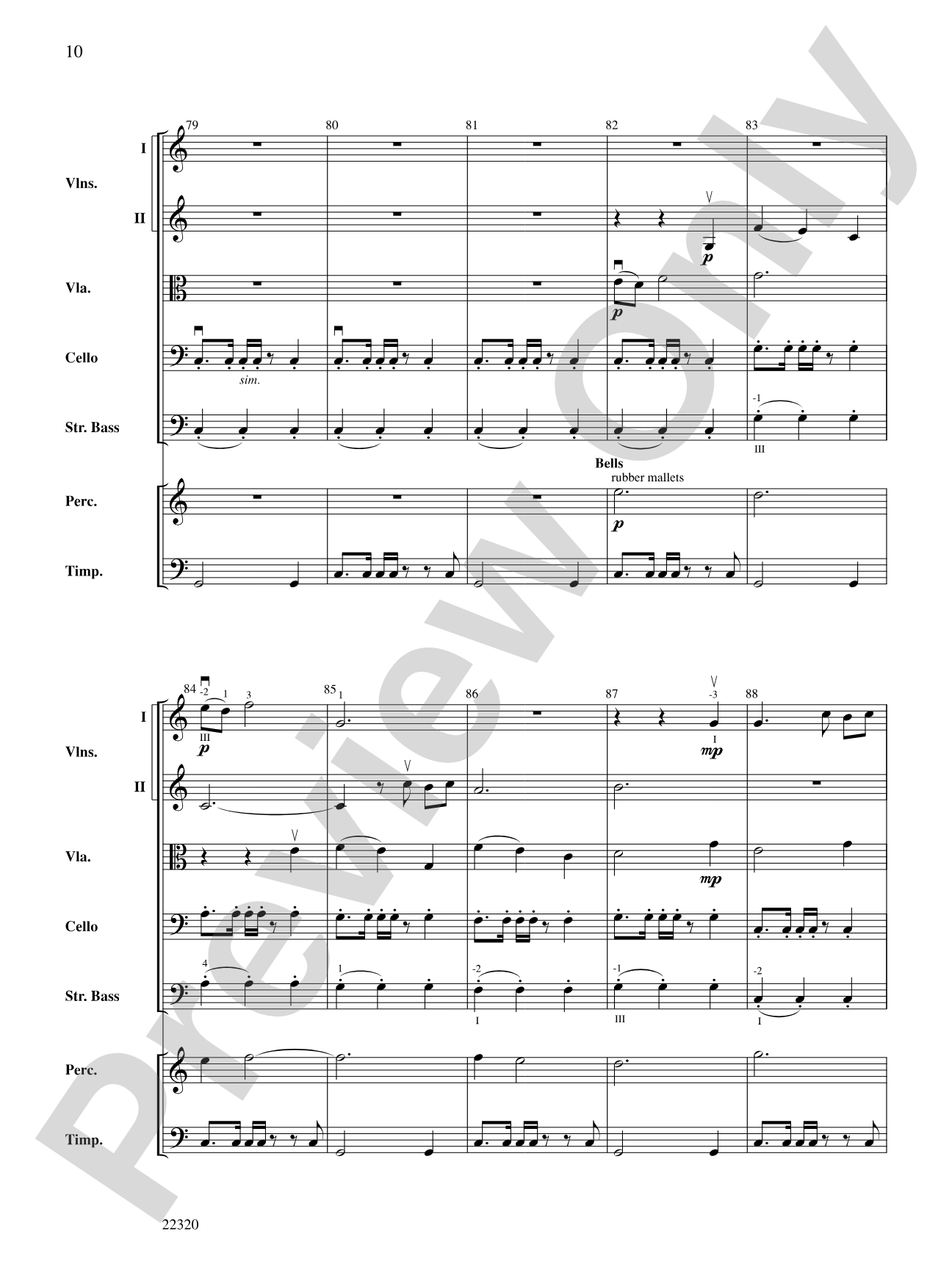
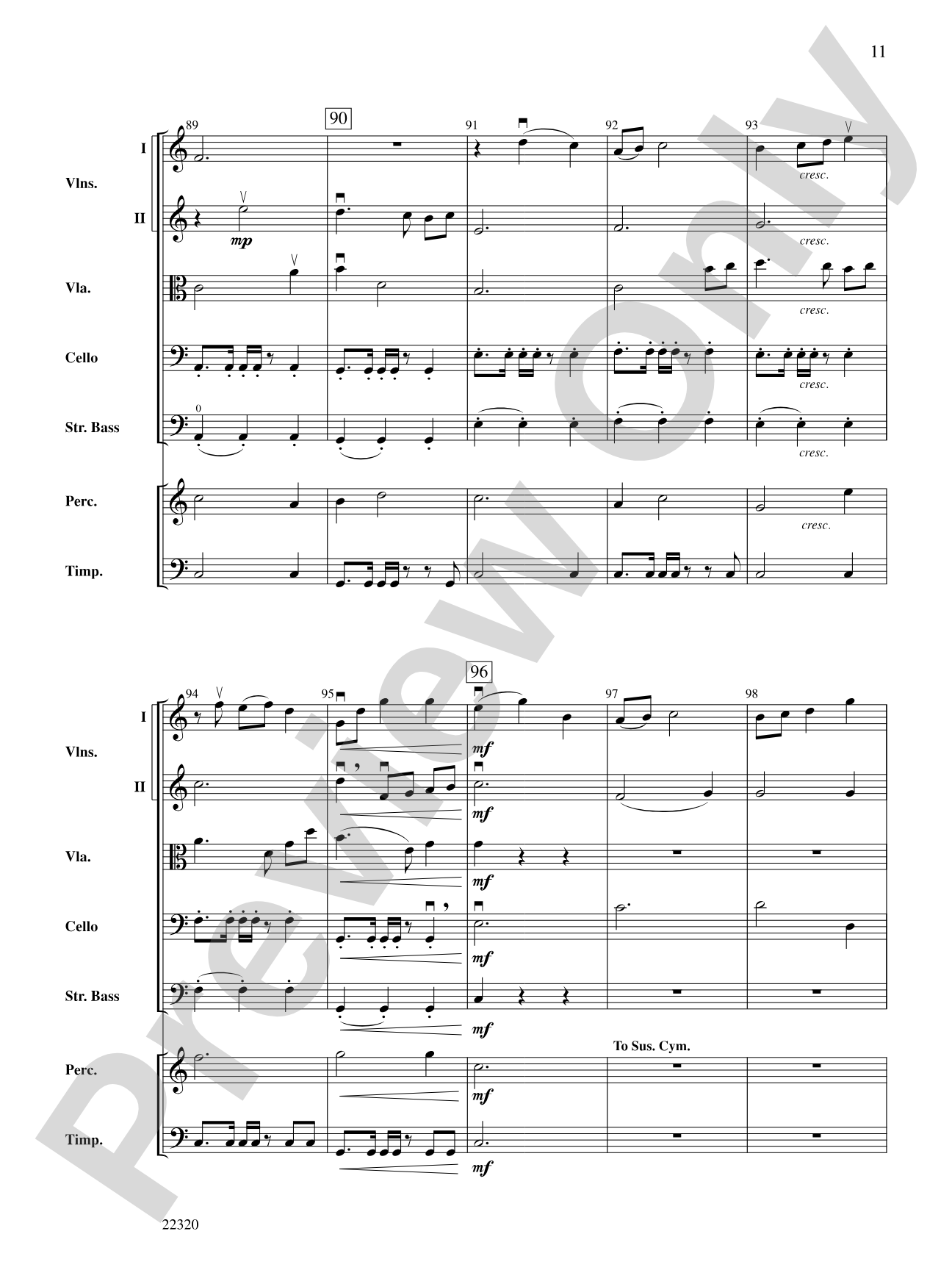
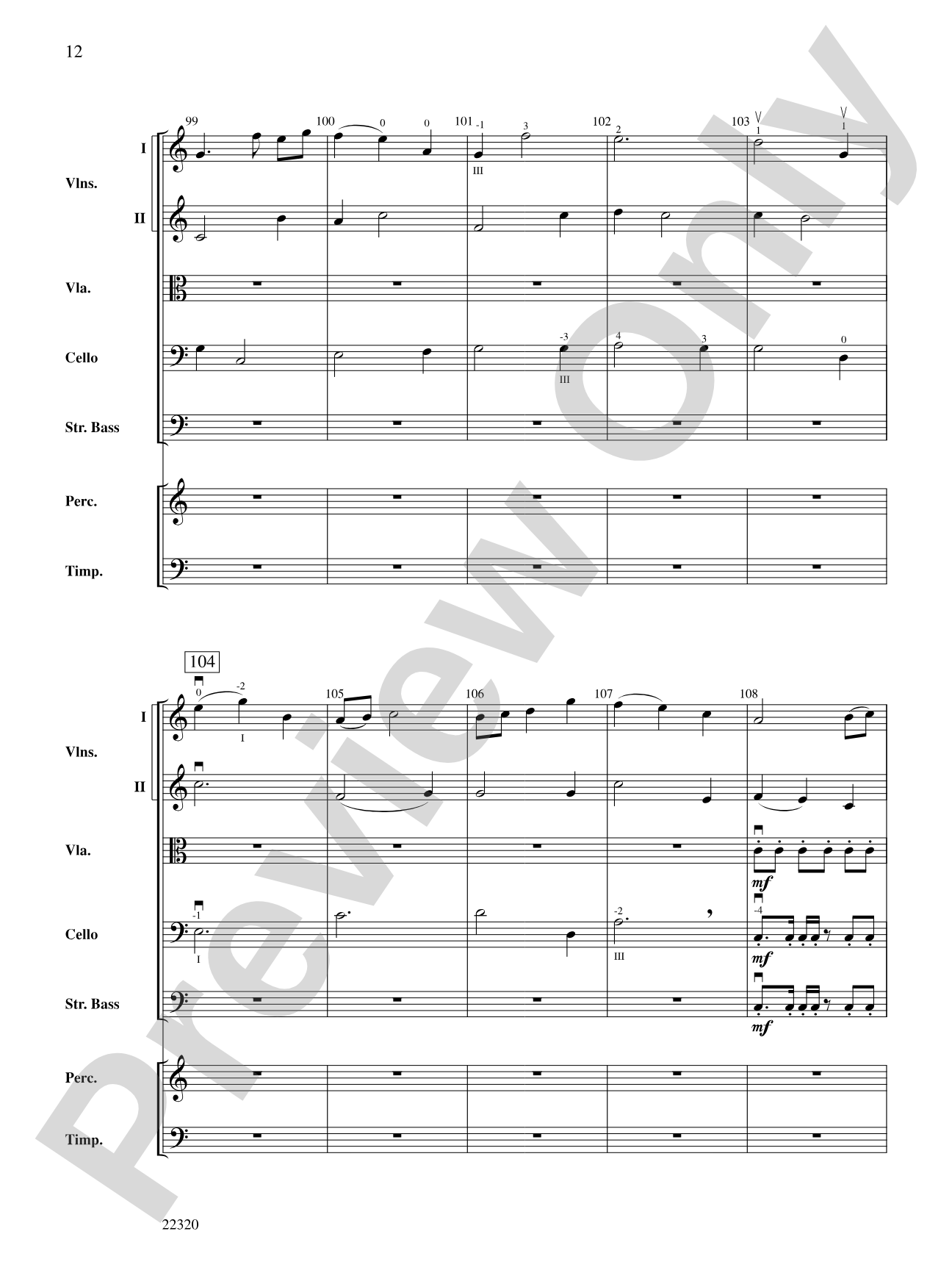

Westward Motion: Score
By Doug Spata
Grade: 3
Item: 00-PR-0000563
$9.00
Pickup currently not available
Description
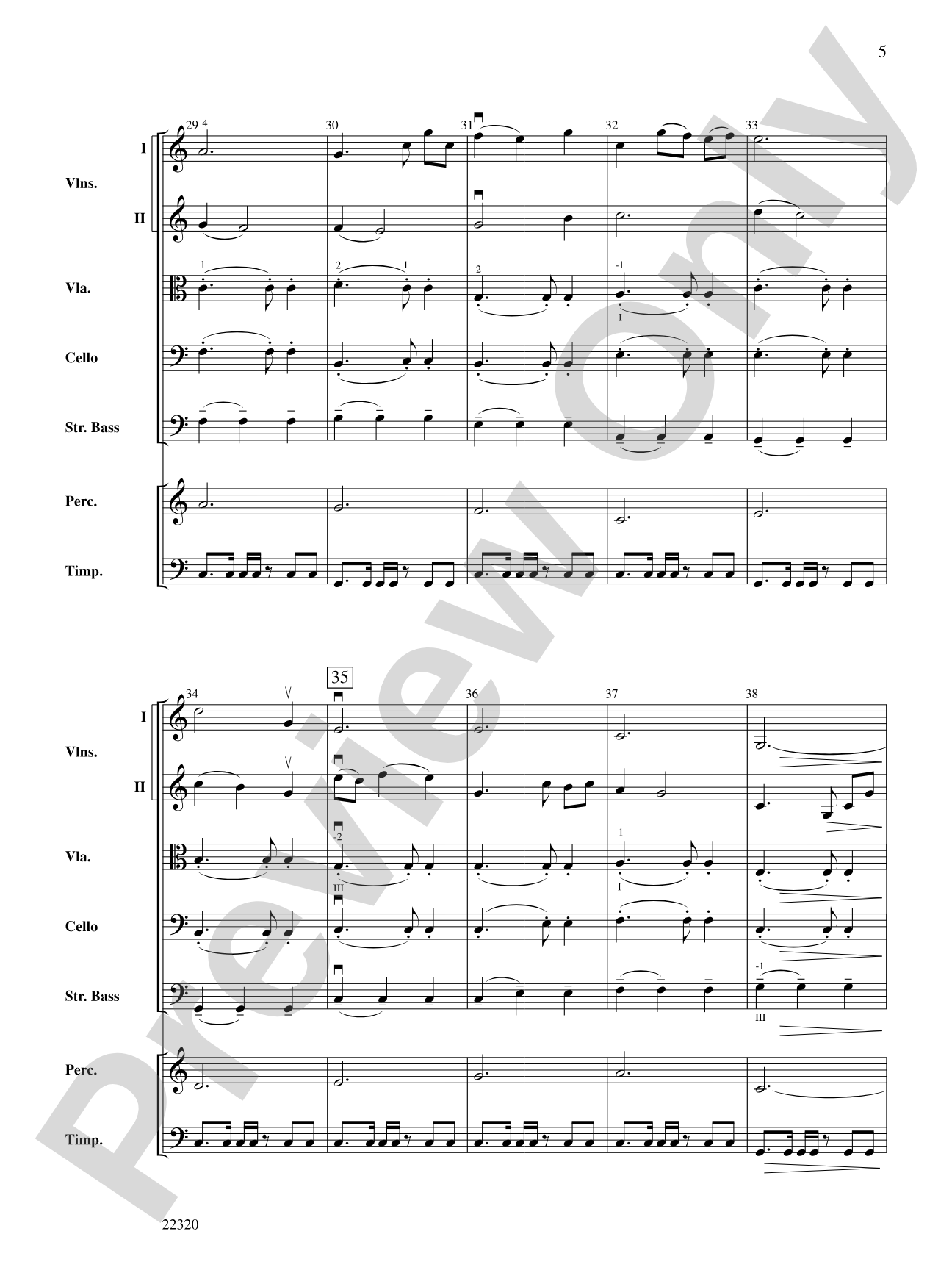
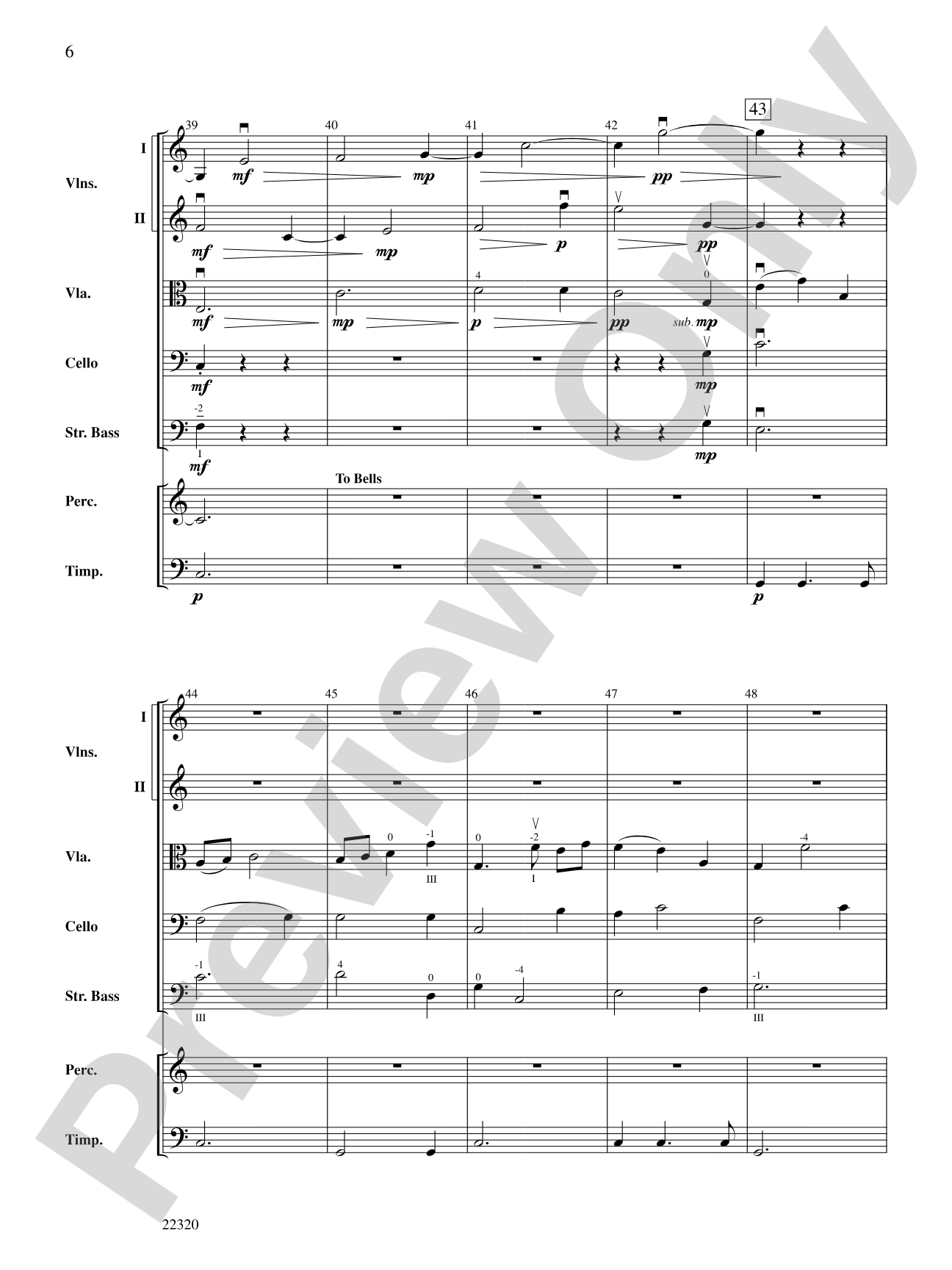
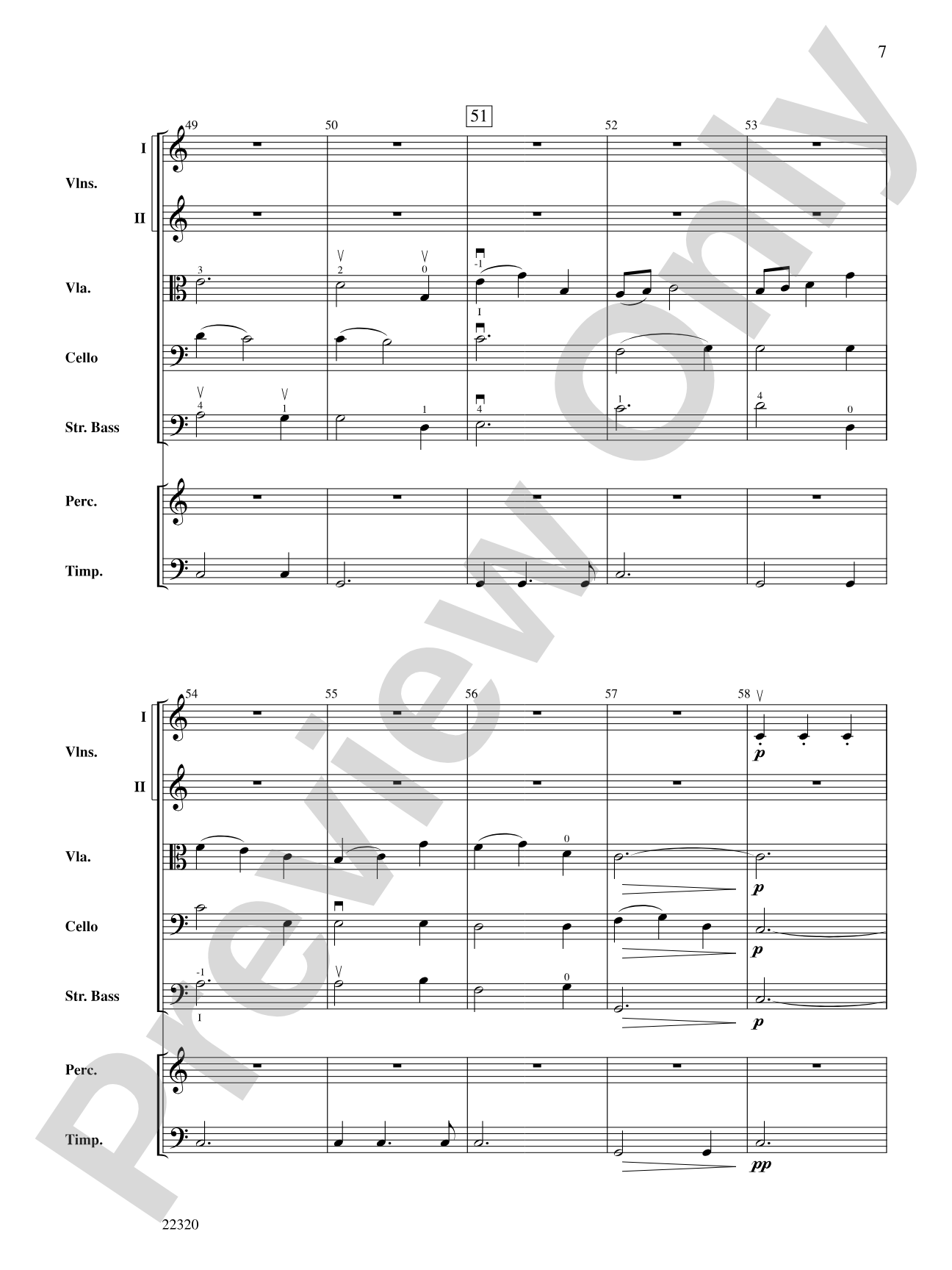
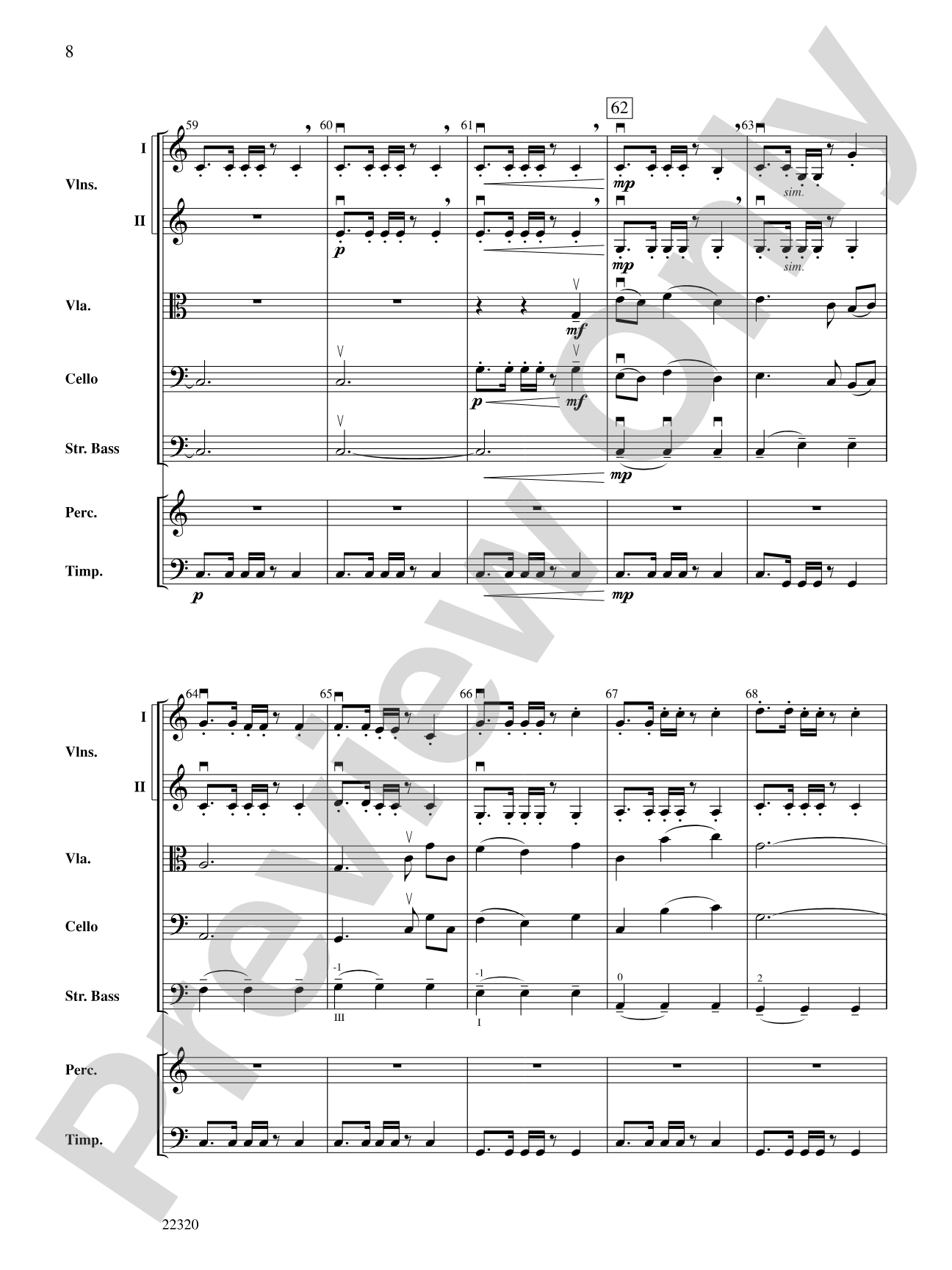
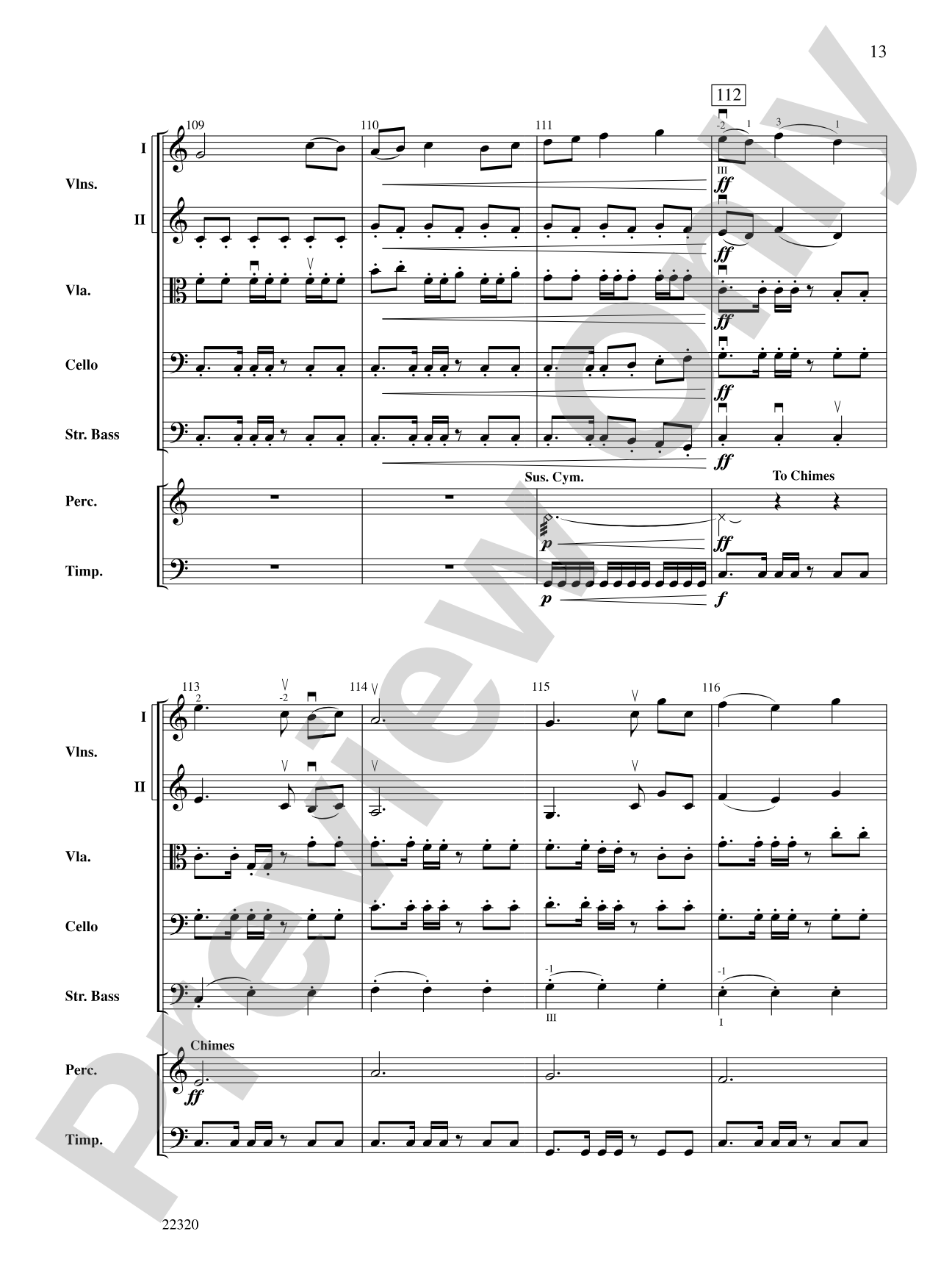
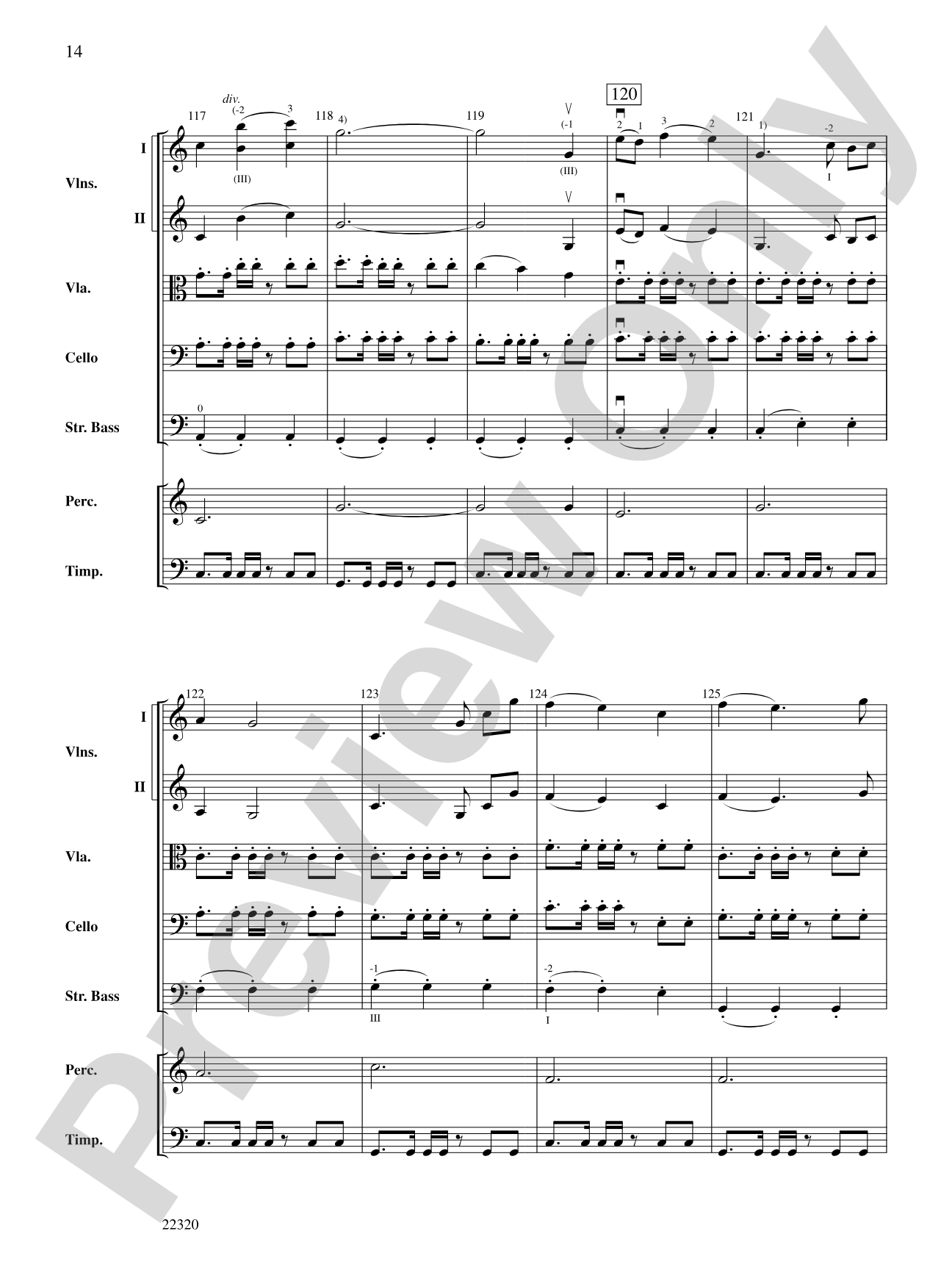
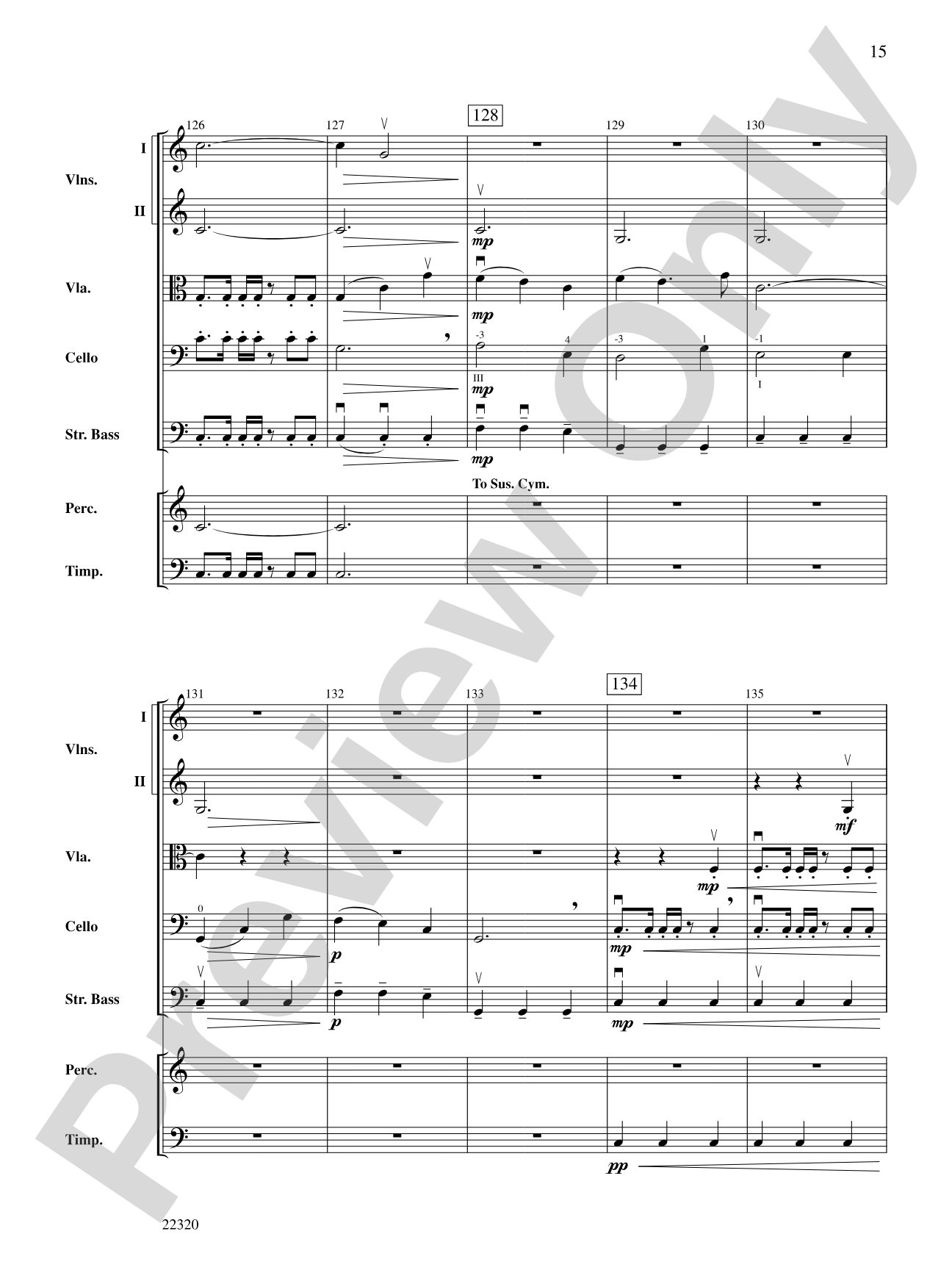
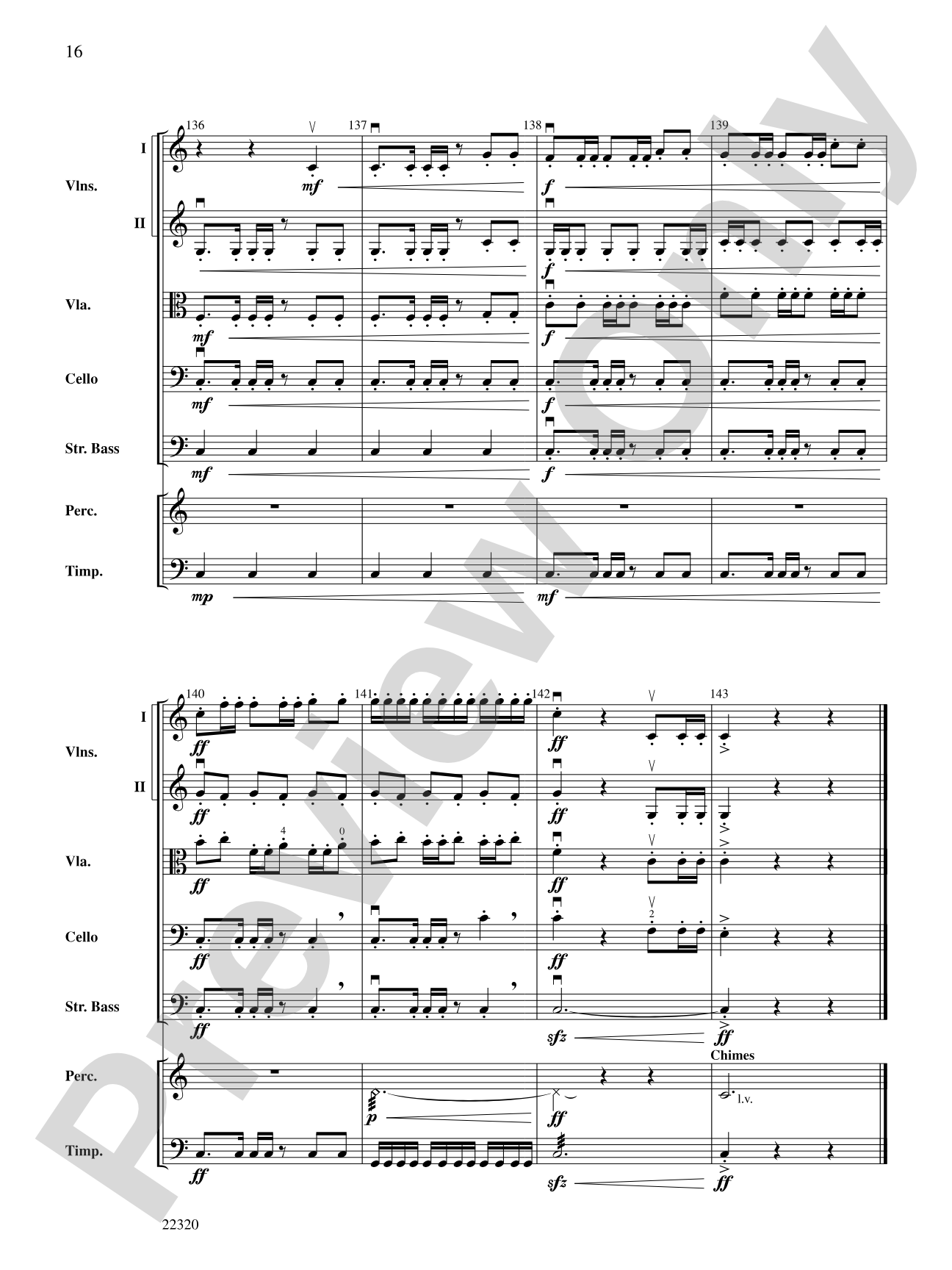
Westward Motion is sure to thrill audiences and students with its majestic and exhilarating sound. Featuring 16th note rhythms, independence in each part, and some basic shifting, the piece is a valuable teaching tool for intermediate to advanced orchestras. Elegant melodies and moving accompaniments ebb and flow like the winds across the plains while optional percussion parts add to the color and energy of the piece.


Don't just read it, hear it, play along with it, and watch your students grow with it. In MakeMusic Cloud, Westward Motion: Score comes alive with professional accompaniment, adjustable tempo, and built-in practice tools that turn solo practice into real progress.
Open in the Player
Jump straight in and assign it today.
Start Your Free Trial
Open this title and explore the full library in minutes.
Sample Audio
1
Audio File
--:--
0:00
0:00
Sample Video
No sample videos found.
Additional Details
Series:
Highland/Etling String Orchestra
Publisher:
Alfred Music
Page Count:
132
SKU:
00-PR-0000563
More about this title
About the Composer: Doug Spata

Doug Spata's foundation in clarinet performance contrasts with his primary focus as a composer for string ensembles. His work as a string orchestra director shaped his compositional voice, resulting in music that speaks directly to the needs and capabilities of student musicians.
Spata's compositions have earned recognition across the United States and internationally, performed by orchestras at all levels. Beyond student repertoire, his catalog includes operas, ballets, symphonies, and chamber works that demonstrate the breadth of his creative range.
Why we love this
Westward Motion captures the sweep and drama of its subject without sacrificing musical substance. The piece balances technical growth with genuine artistry, giving intermediate to advanced orchestras a work that sounds impressive while remaining teachable. Contest adjudicators and audience members both respond to Spata's gift for orchestration that serves every section.
What to expect
Westward Motion evokes vast open landscapes through soaring melodies and flowing accompaniments that surge and recede like wind across plains. The energy builds through interlocking rhythmic patterns and orchestral color, creating a sense of journey and discovery without sacrificing lyricism.
Who it's for
Intermediate to advanced string orchestras preparing for concerts, festivals, or contests. The piece demands musical maturity and solid intonation alongside the rhythmic independence and technical fluency expected at this level.
How to get the most out of it
- Balance the 16th note rhythmic passages across sections so they propel forward without becoming muddy; isolate these figures in sectionals and ensure consistent articulation.
- Shape the elegant melodies with attention to phrase length and natural breathing points; avoid rushing through longer lines even when accompaniment figures move briskly beneath them.
- Employ the optional percussion parts strategically to heighten dramatic moments rather than doubling them throughout; this reserve makes their entrance more impactful.
- Address the basic position shifts early in rehearsal with upper strings, marking fingering solutions that work within the piece's overall pacing.
How to use it
Program this as a centerpiece work that demonstrates your orchestra's technical command and musical expressivity. It pairs well with both lighter fare and more substantial classical works, functioning equally well as a contest selection or the highlight of a school or community concert.
Skills your students will build
- Reading and executing consistent 16th note rhythms across multiple parts
- Basic position shifting on upper strings with accuracy and smooth intonation
- Maintaining individual part independence while listening to surrounding sections
- Phrasing and shaping longer melodic lines with dynamic control
- Ensemble balance and blend in fast-moving accompaniment figures