

Western Skies: Score
By Susan H. Day
Grade: 3
Item: 00-PR-0003837
$7.00
Pickup currently not available
Description
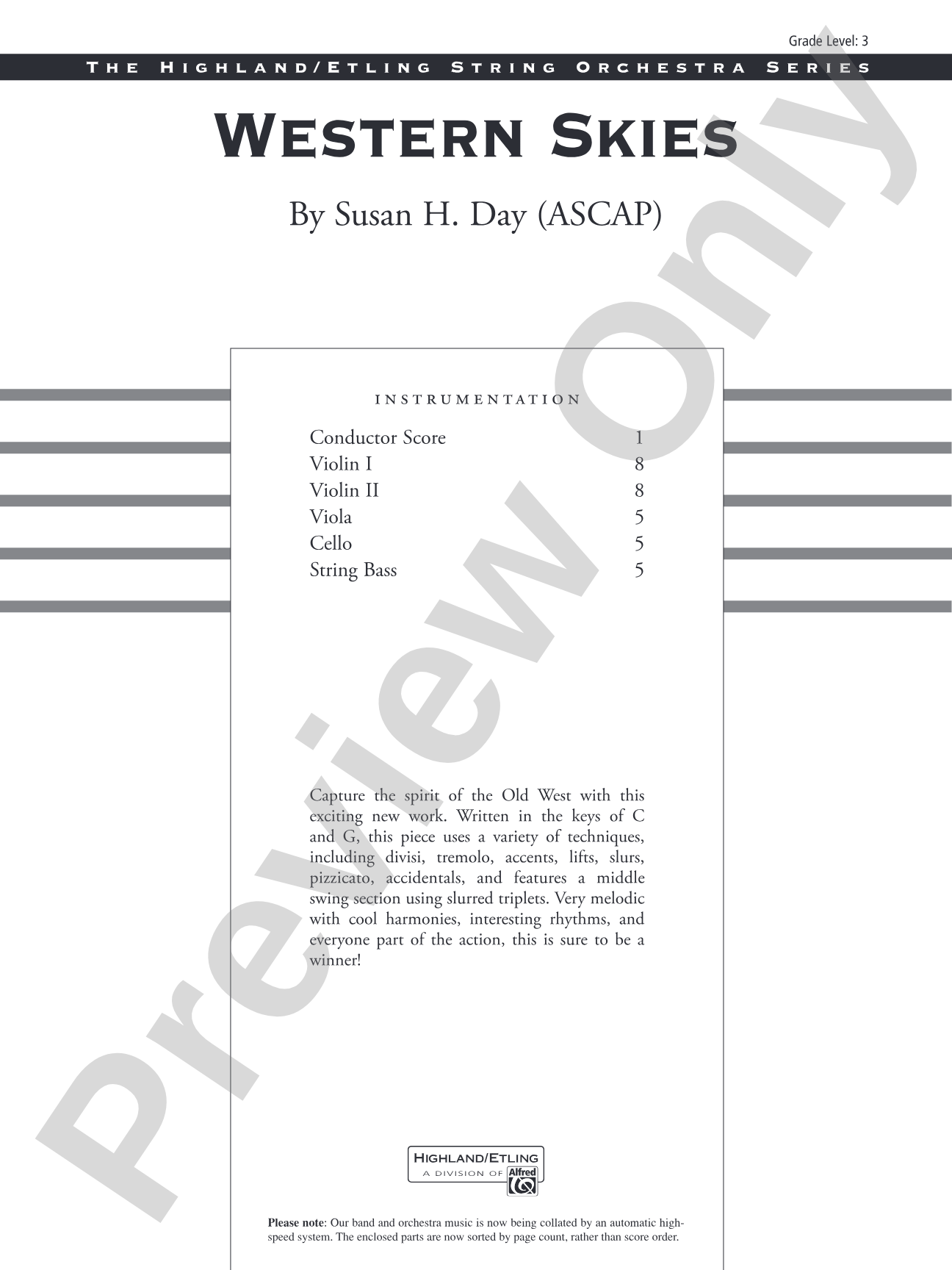
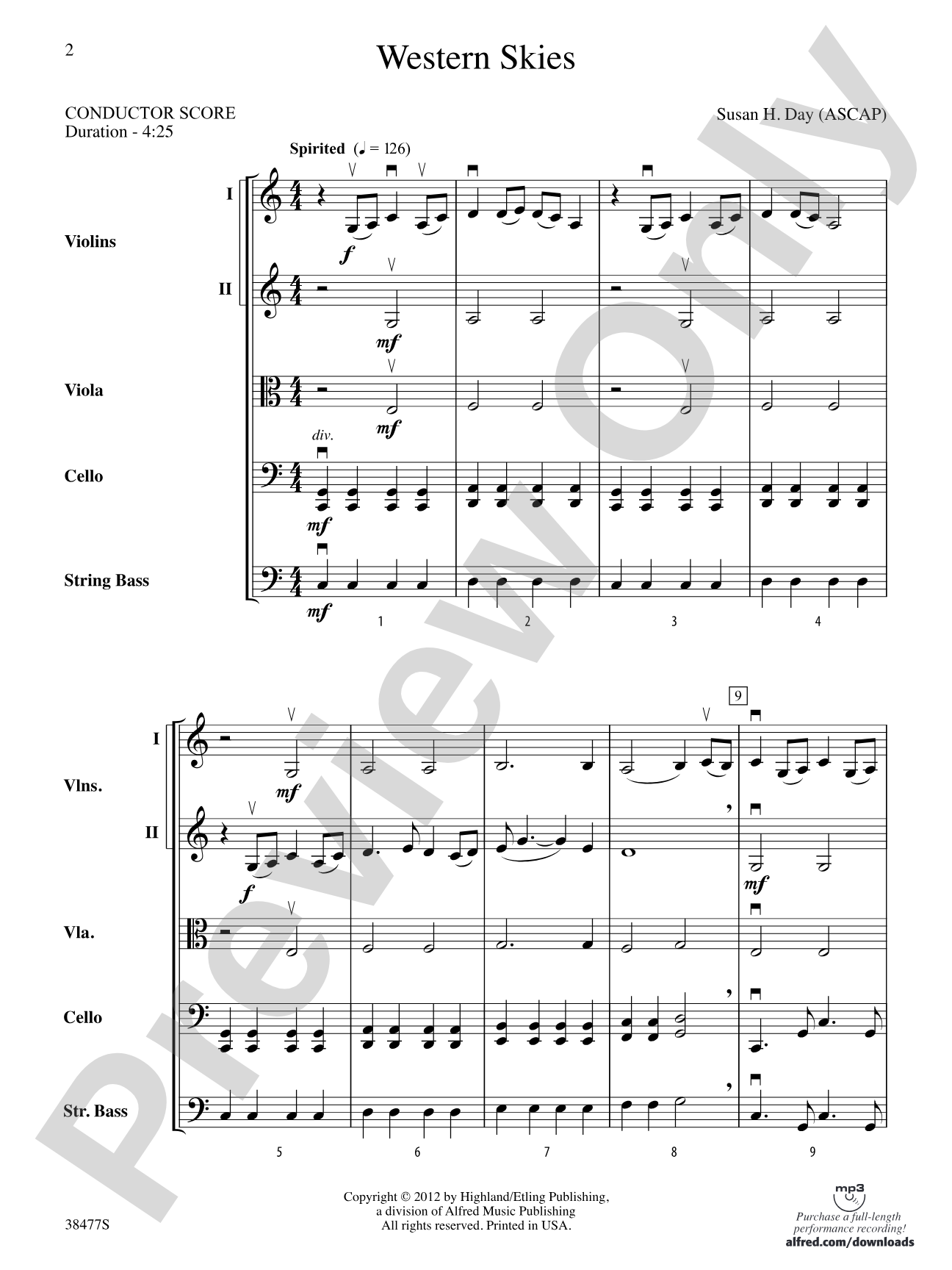
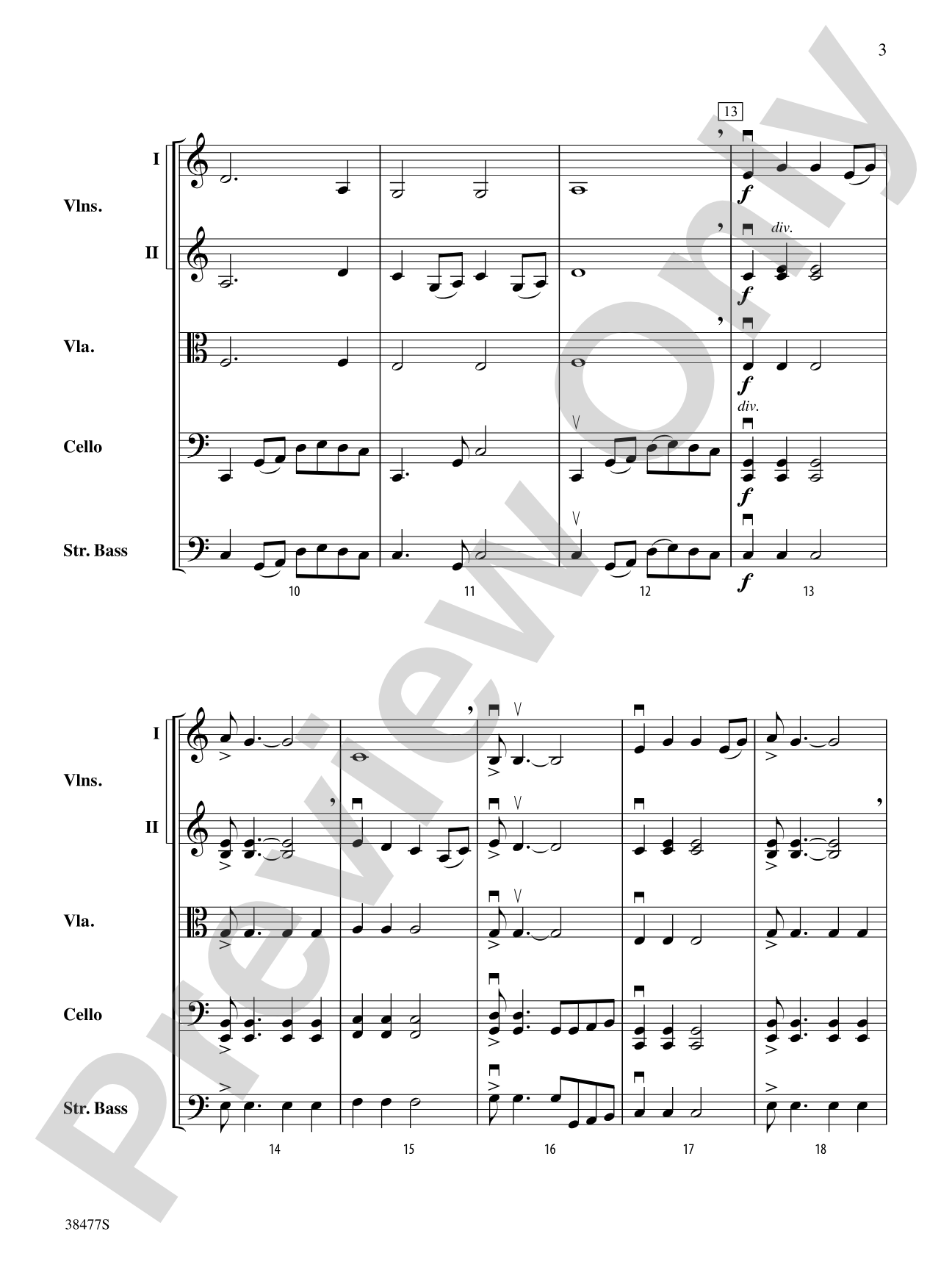
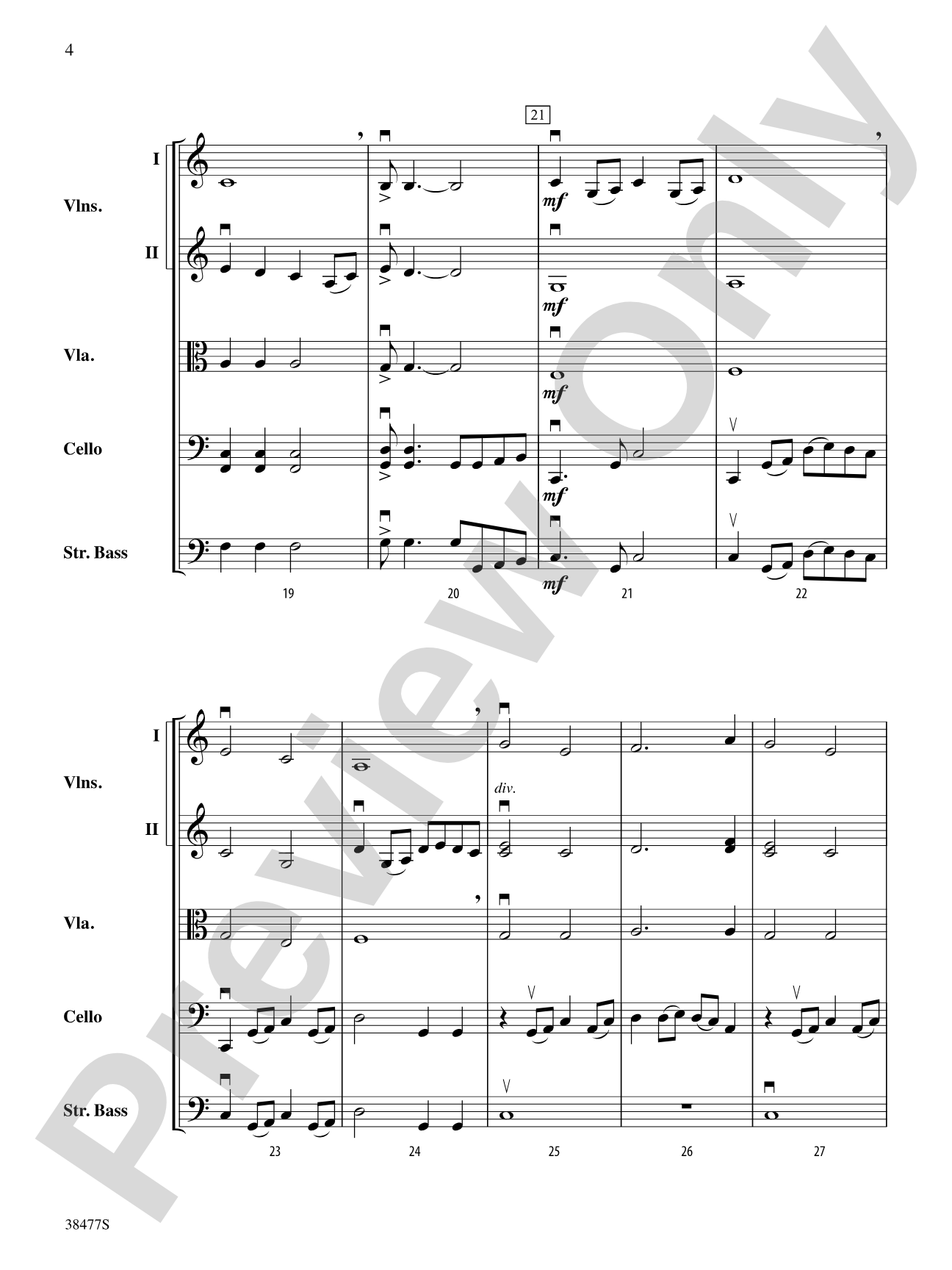
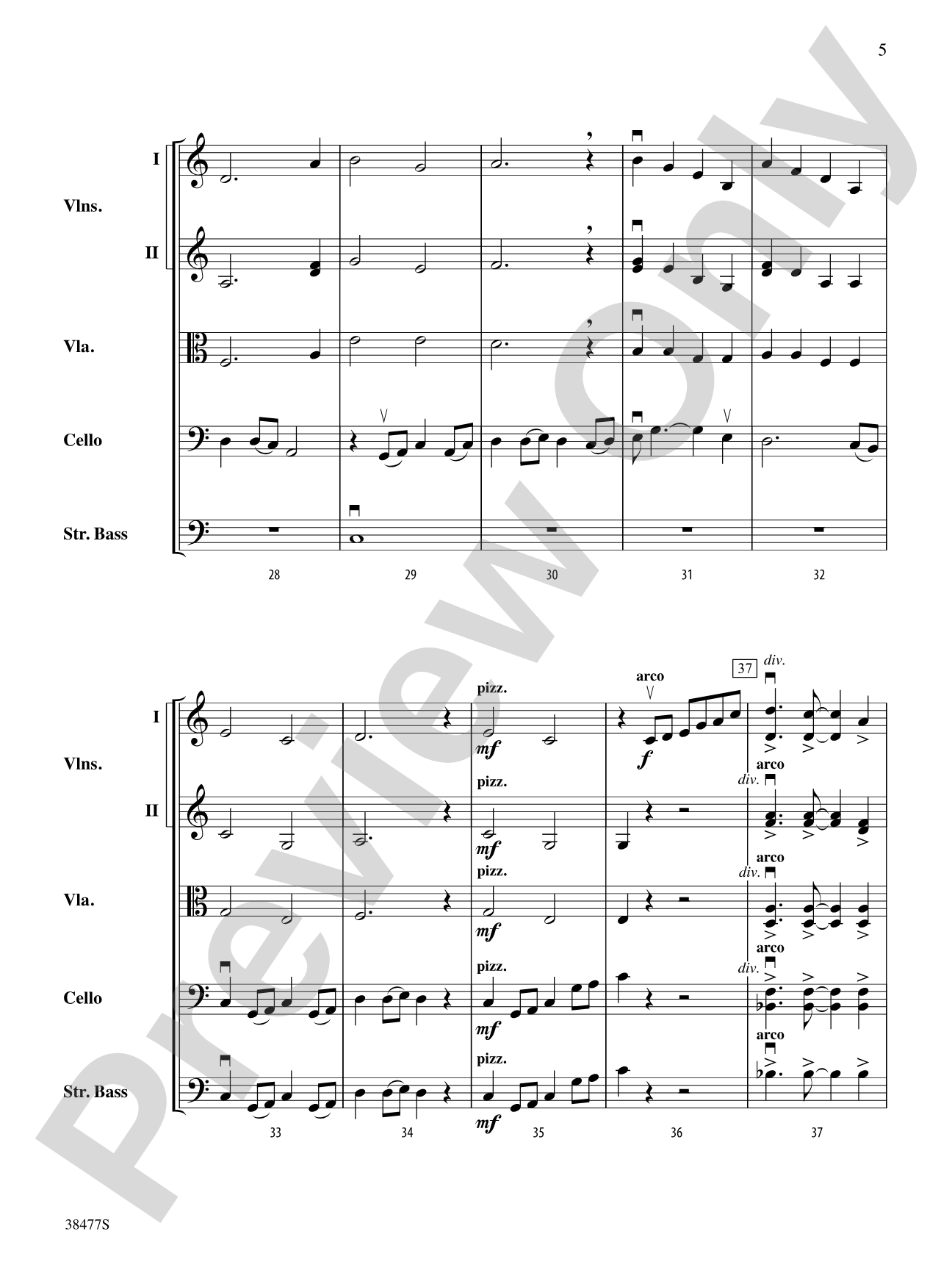
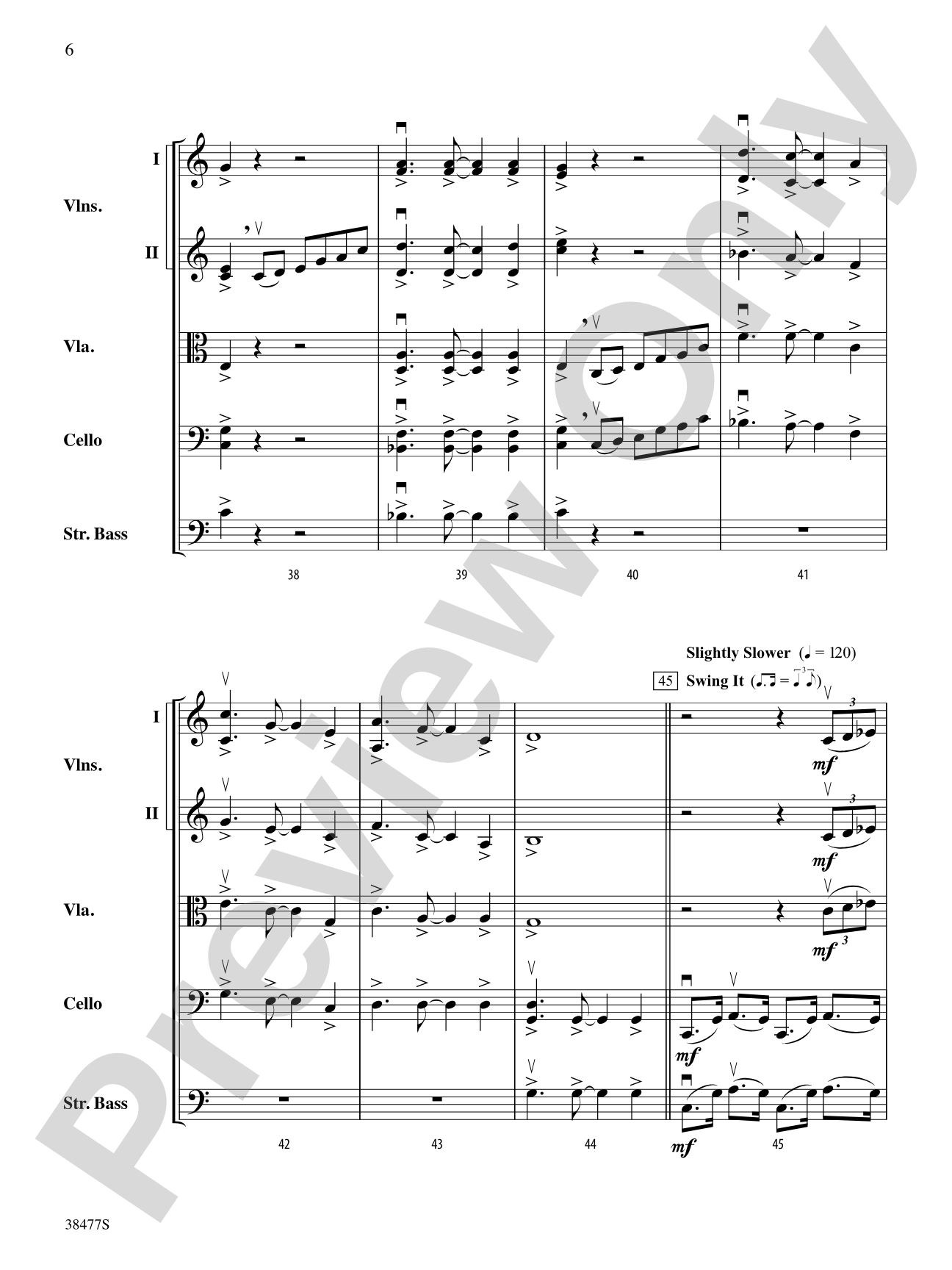
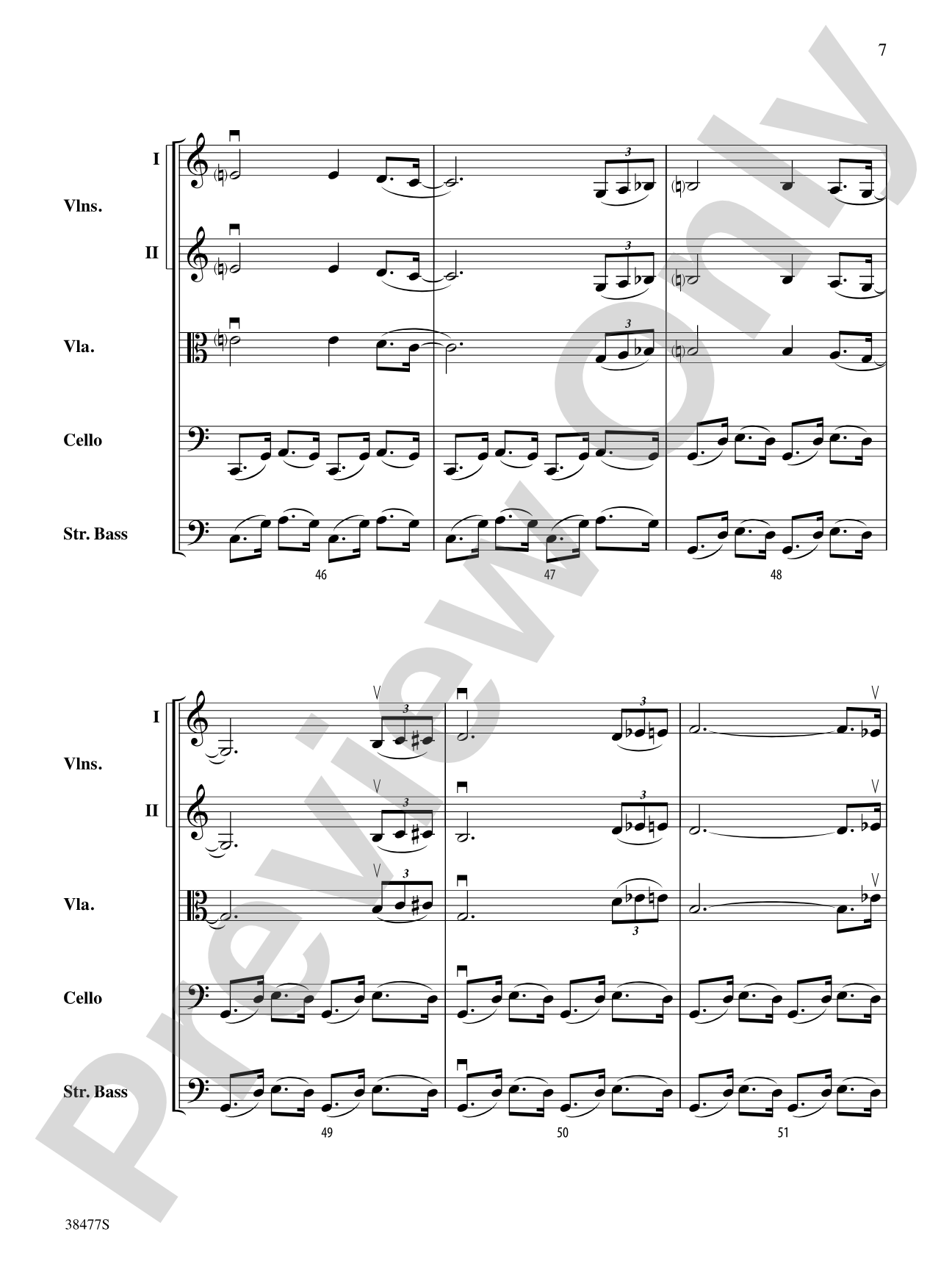
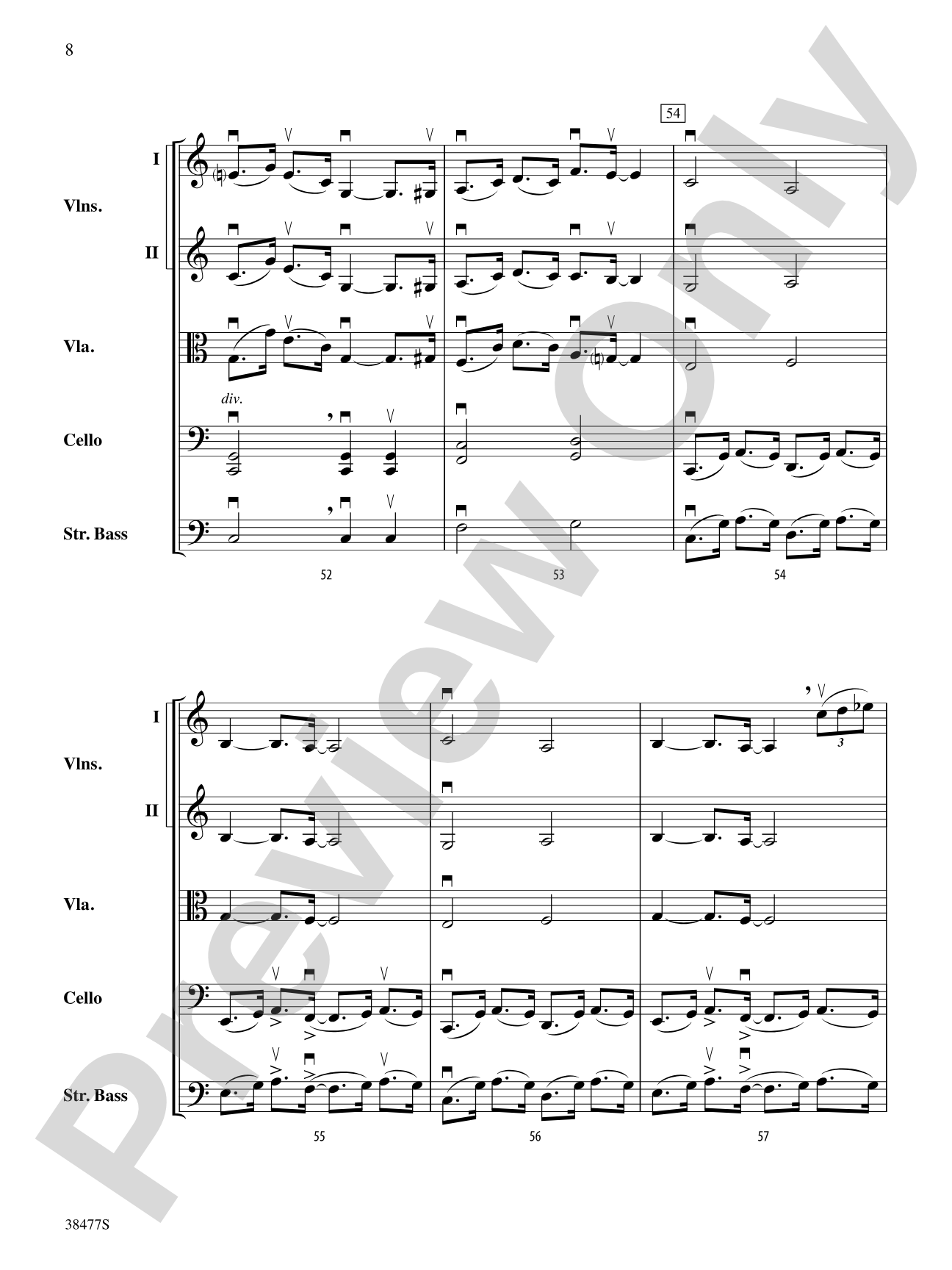
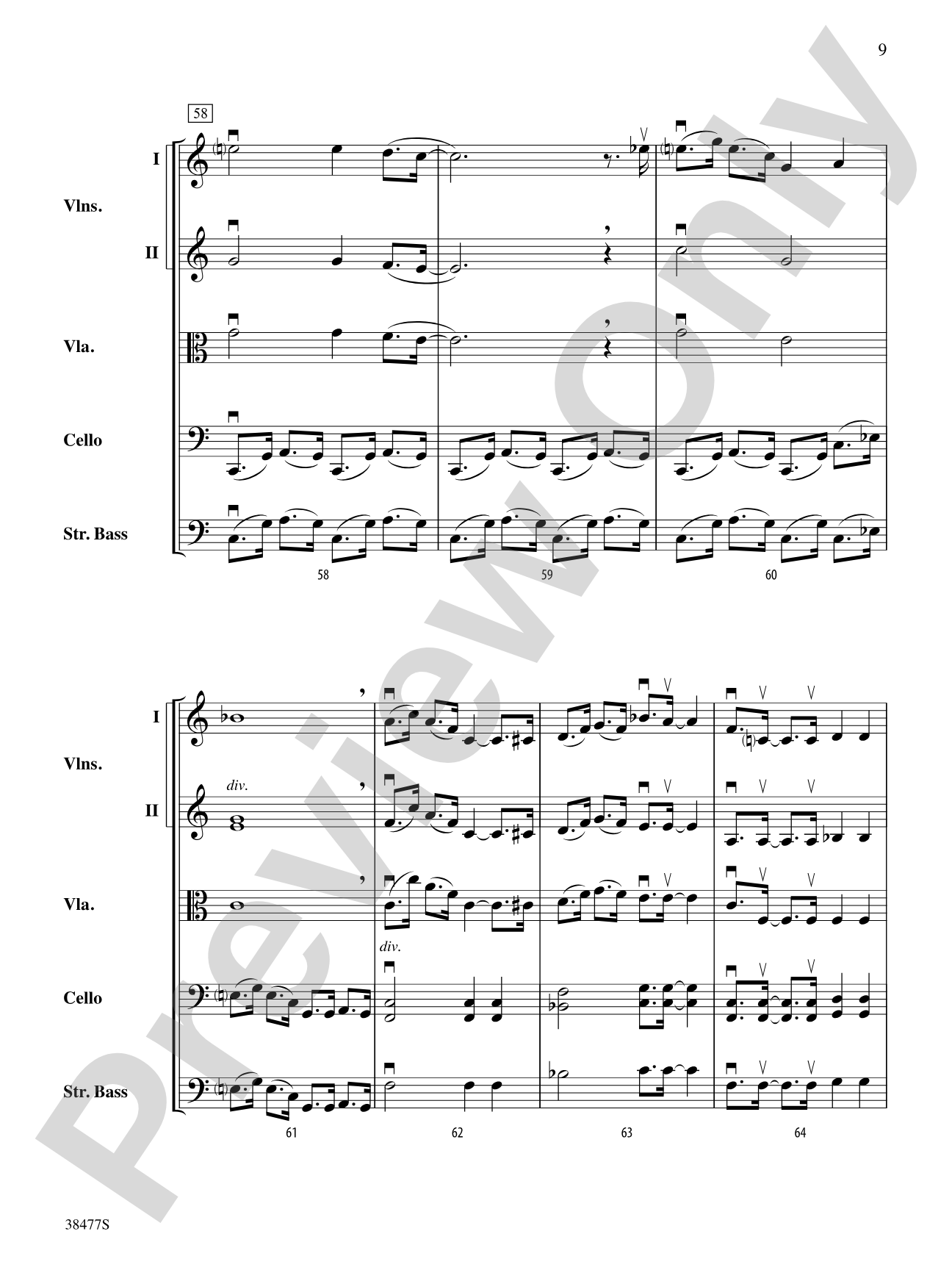
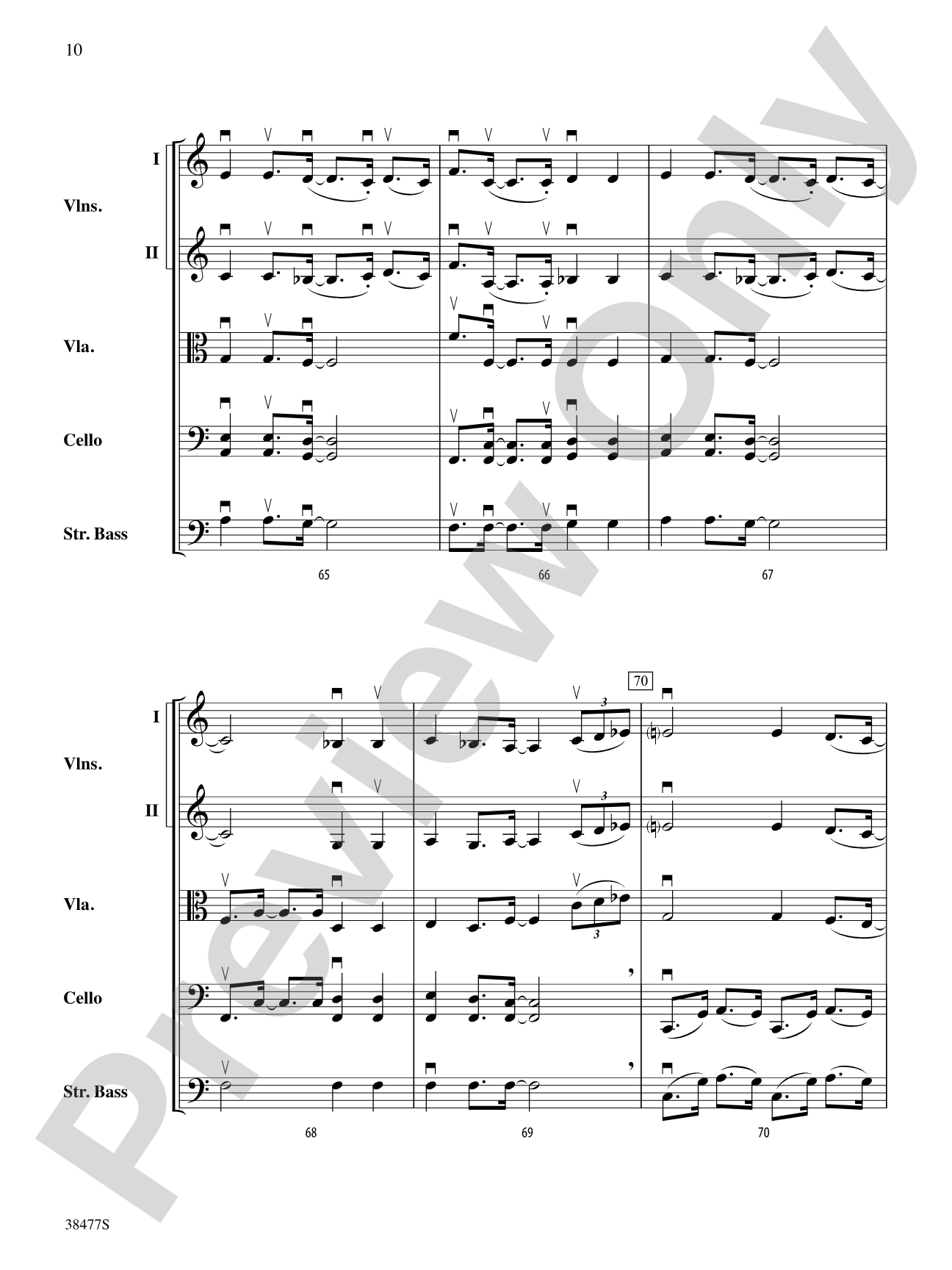
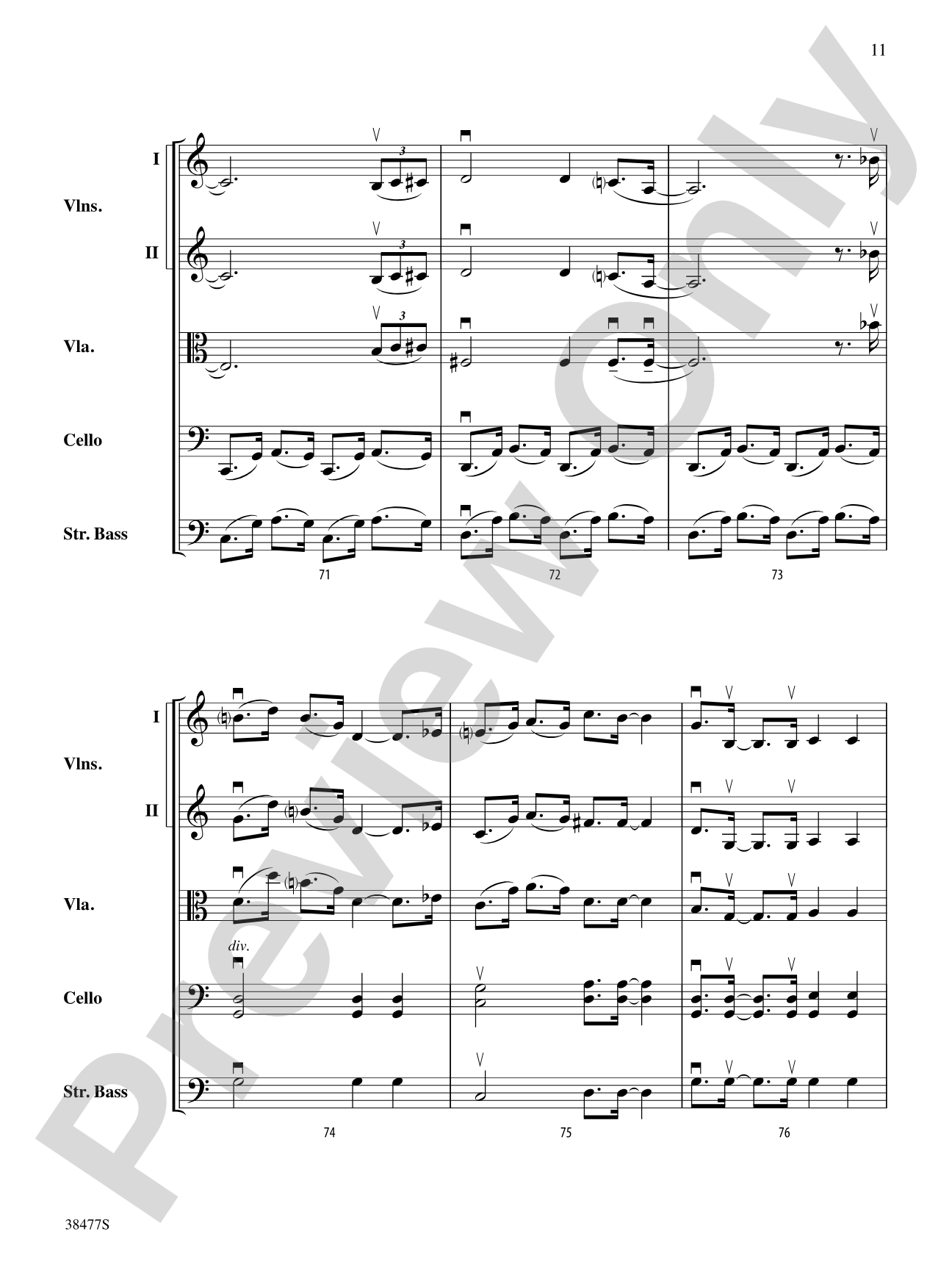
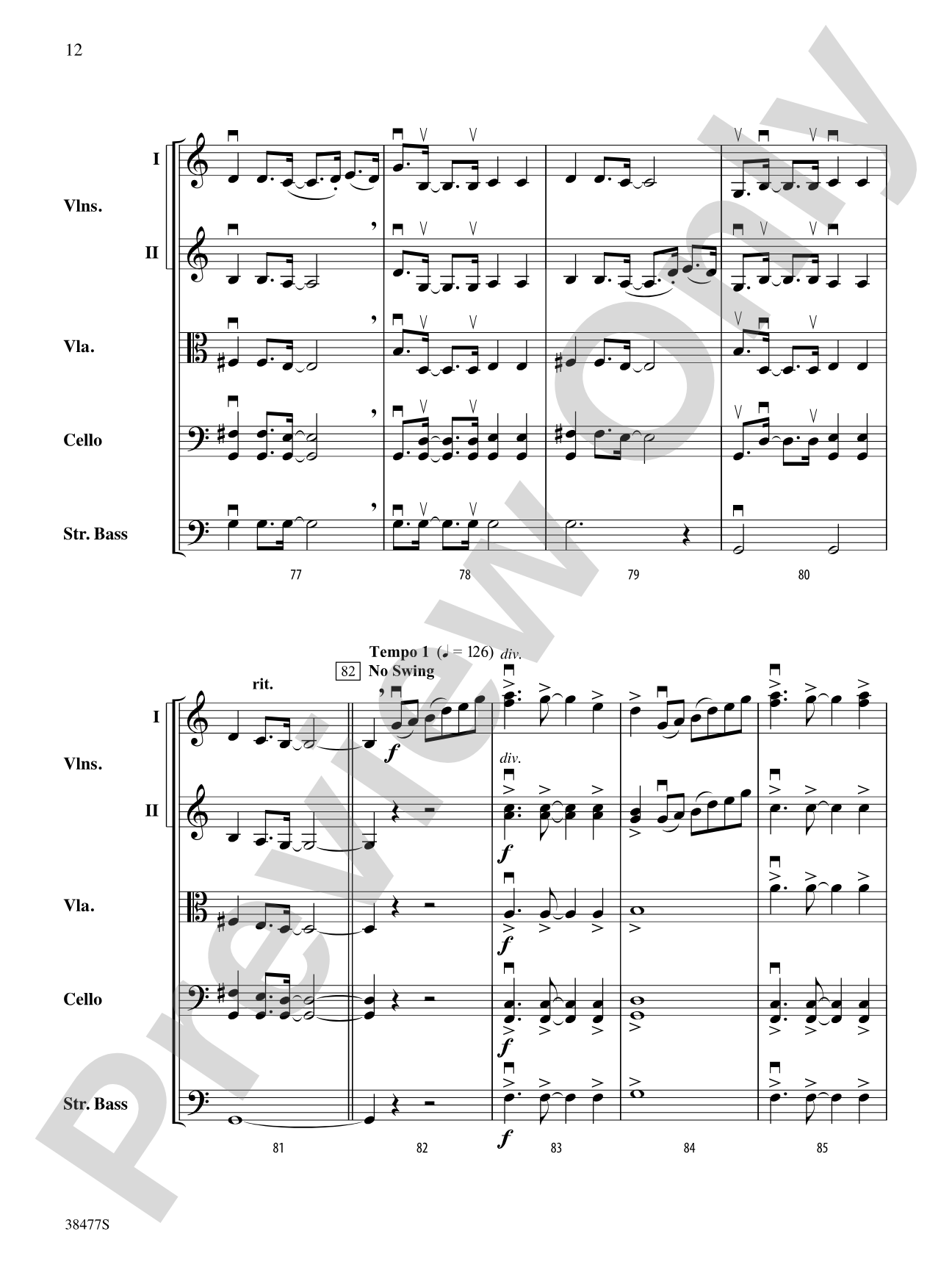
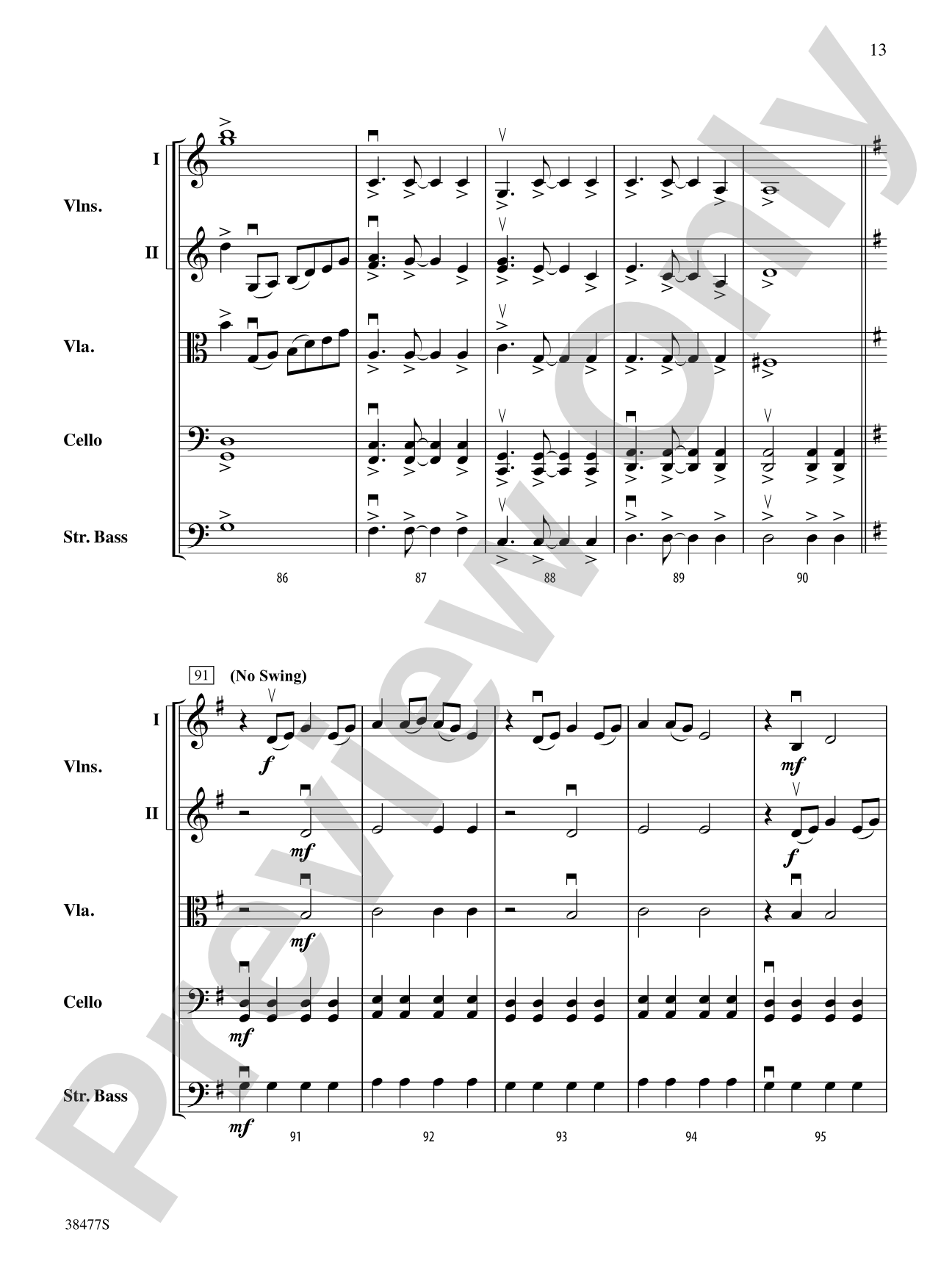
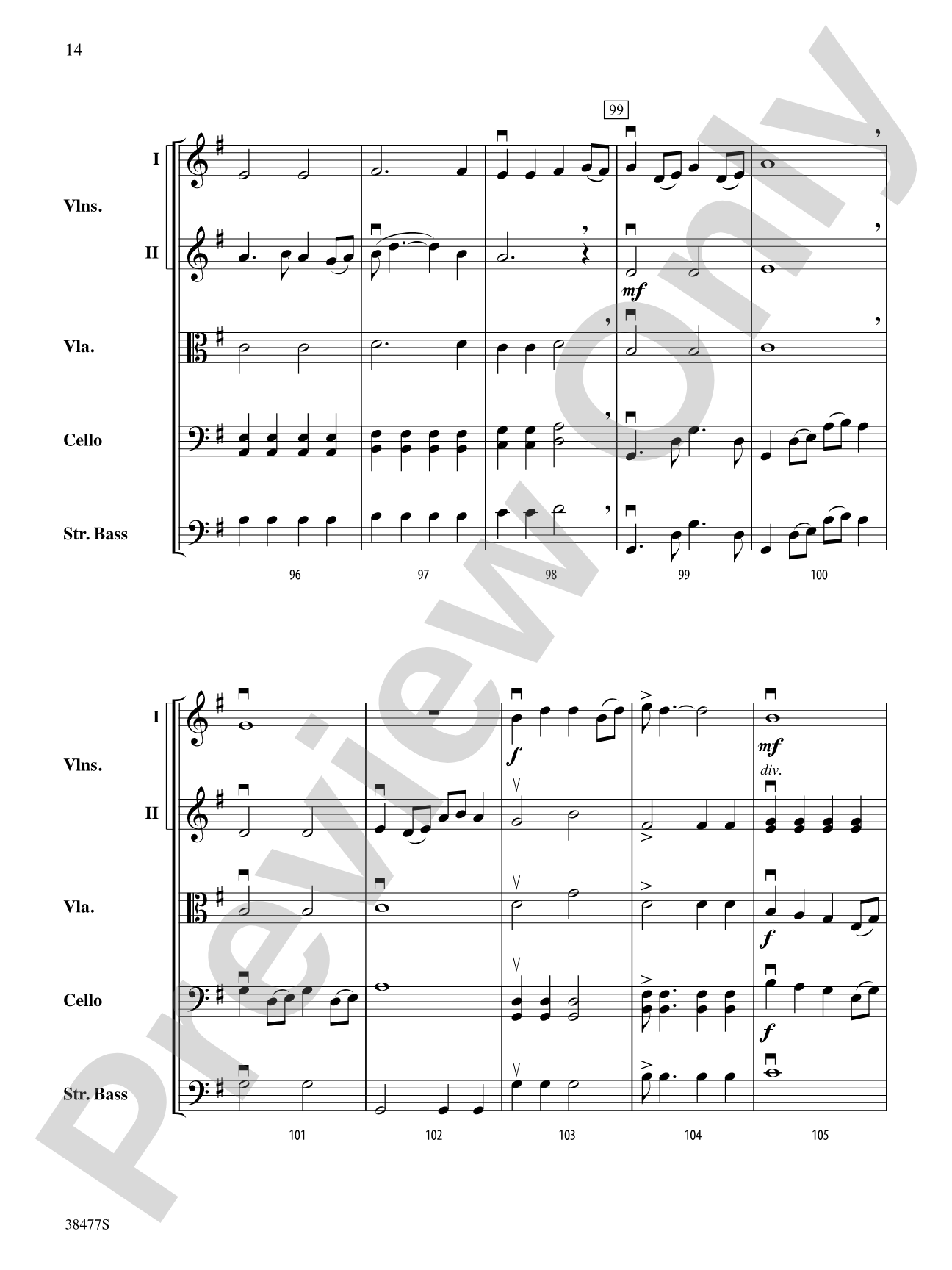
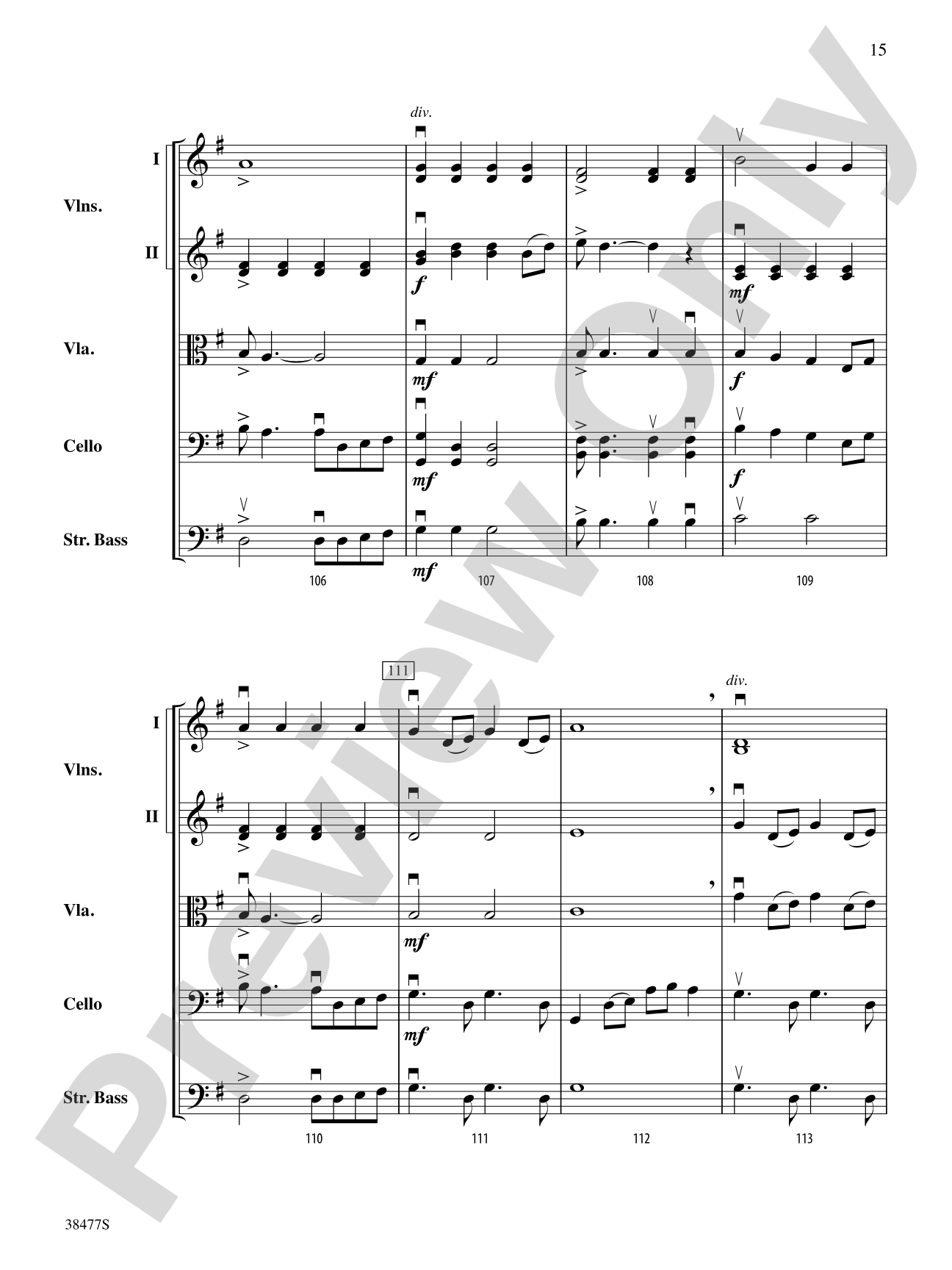
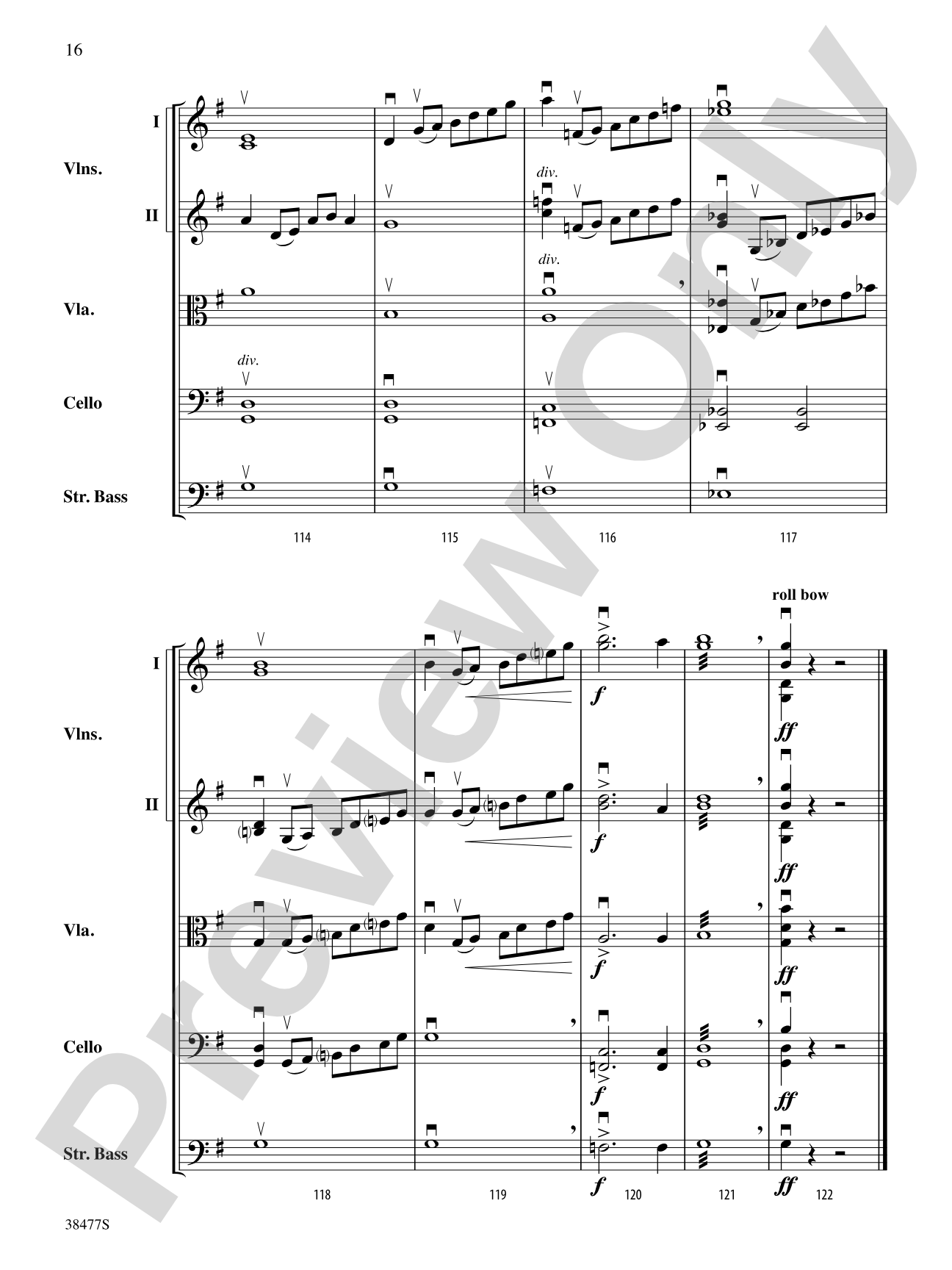
Capture the spirit of the Old West with this exciting new work. Written in the keys of C and G, this piece uses a variety of techniques, including divisi, tremolo, accents, lifts, slurs, pizzicato, accidentals, and features a middle swing section using slurred triplets. Very melodic with cool harmonies, interesting rhythms, and everyone part of the action, this is sure to be a winner!


Don't just read it, hear it, play along with it, and watch your students grow with it. In MakeMusic Cloud, Western Skies: Score comes alive with professional accompaniment, adjustable tempo, and built-in practice tools that turn solo practice into real progress.
Open in the Player
Jump straight in and assign it today.
Start Your Free Trial
Open this title and explore the full library in minutes.
Sample Audio
1
Audio File
--:--
0:00
0:00
Sample Video
No sample videos found.
Additional Details
Series:
Highland/Etling String Orchestra
Publisher:
Alfred Music
Page Count:
124
SKU:
00-PR-0003837
More about this title
Why we love this
Day writes string orchestra music that actually sounds like an orchestra, not a simplified version of one. The swing section and divisi writing give your students real textural variety to execute, while the melodic content stays front and center, making rehearsals rewarding from day one.
What to expect
Wide open spaces and motion. The Old West subject matter translates into music that breathes, with harmonic motion between C and G that feels both grounded and restless. When the swing section lands, the piece shifts into something more groove-oriented, letting the orchestra feel a different rhythmic character before returning to the broader landscape.
Who it's for
String orchestras at the Grade 3 level looking for a concert piece that sounds substantial without requiring advanced technique. Directors who want every section active and engaged will appreciate how Day distributes material across the entire ensemble.
How to get the most out of it
- Balance the divisi sections by having players in each stand speak about who's carrying the melody; this prevents subvitos from disappearing into the texture.
- Set a clear pulse for the swing section before rehearsing the slurred triplets; these rhythms sit differently than the straight eighth-note figures earlier in the piece, and players often rush if the beat isn't anchored.
- Use the tremolo sections to teach bow control and dynamics together; sustained tremolo at varying volumes is harder than it looks and worth isolating in sectionals.
- Mark accents and lifts consistently across all parts during the first read-through so the ensemble hears the rhythmic shape you're building toward.
How to use it
This works equally well as a concert opener or closer depending on your programming around it. The length and substantial orchestration make it a strong standalone feature for a spring concert, or pair it with lighter, shorter works to give your orchestra variety in tone and style within a single program.
Skills your students will build
- Divisi voicing and part independence
- Tremolo technique with dynamic control
- Swing rhythms and slurred triplet articulation
- Pizzicato articulation and ensemble synchronization
- Reading accidentals in both C and G major contexts
- Balancing melodic material across multiple string sections