



Western Dreams: String Orchestra Conductor Score & Parts
Featuring: I. Sunset / II. Barn Dance (Old Joe Clark)
By Lauren Bernofsky
Grade: 1
Item: 00-PK-0005283

$48.00
Pickup currently not available
Buy Extra Parts (Digital PDF Download)
| Product | Price | Quantity |
|---|---|---|
| Western Dreams: Score | $7.00 | |
| Western Dreams: 1st Violin | $5.99 | |
| Western Dreams: 2nd Violin | $5.99 | |
| Western Dreams: Viola | $5.99 | |
| Western Dreams: 3rd Violin (Viola [TC]) | $5.99 | |
| Western Dreams: Cello | $5.99 | |
| Western Dreams: String Bass | $5.99 |
Parts Added to Cart!
Description
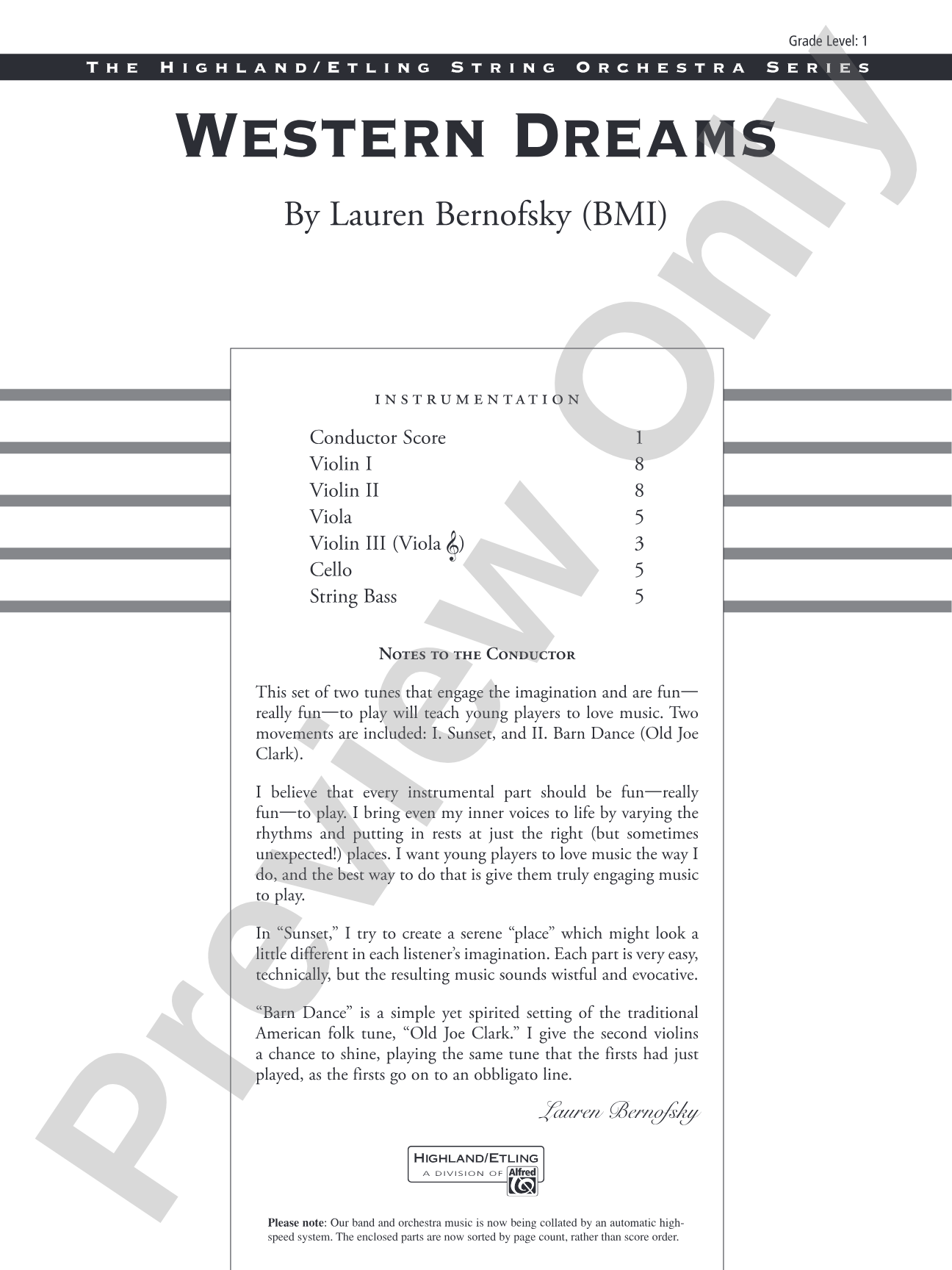
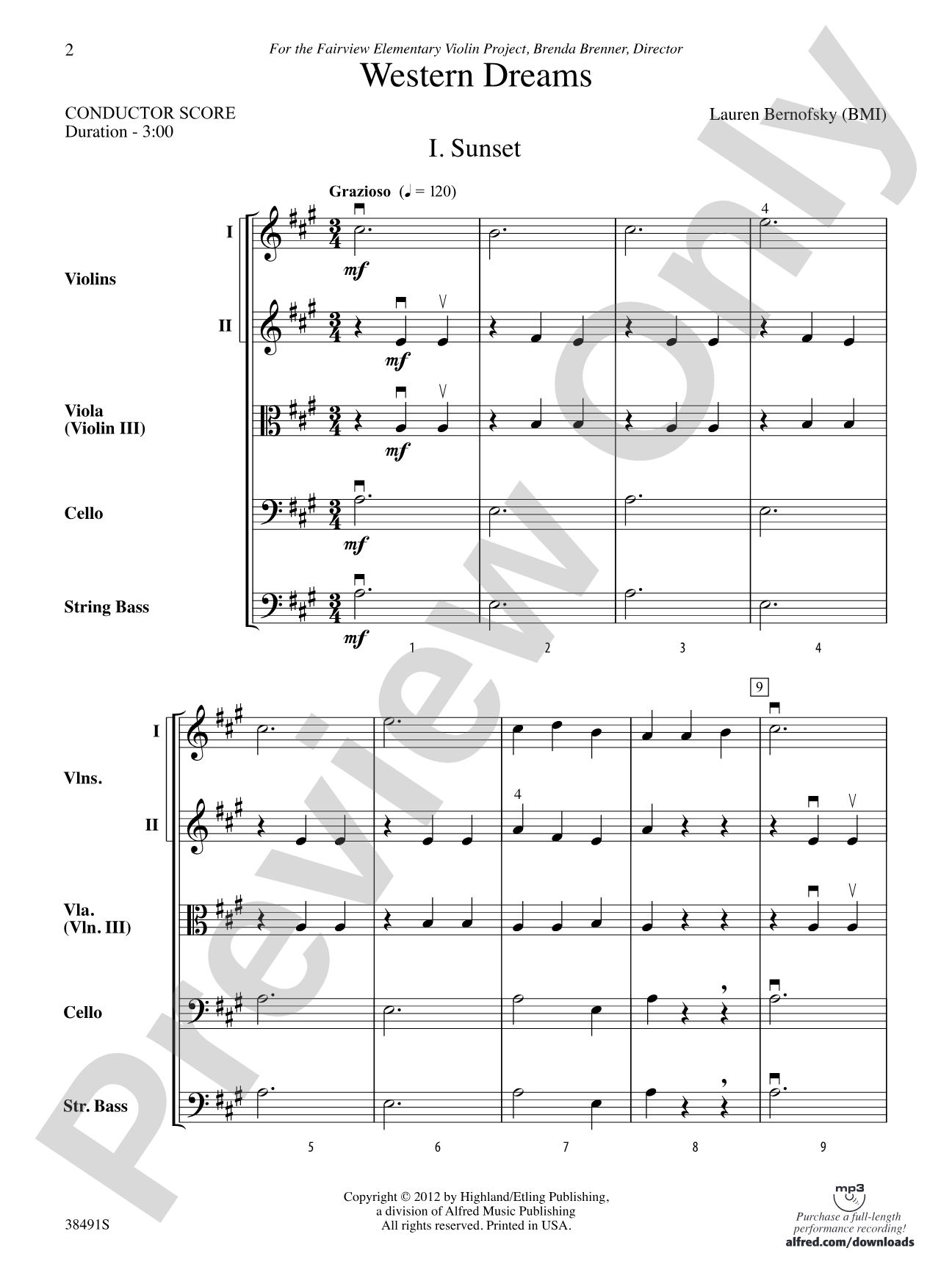
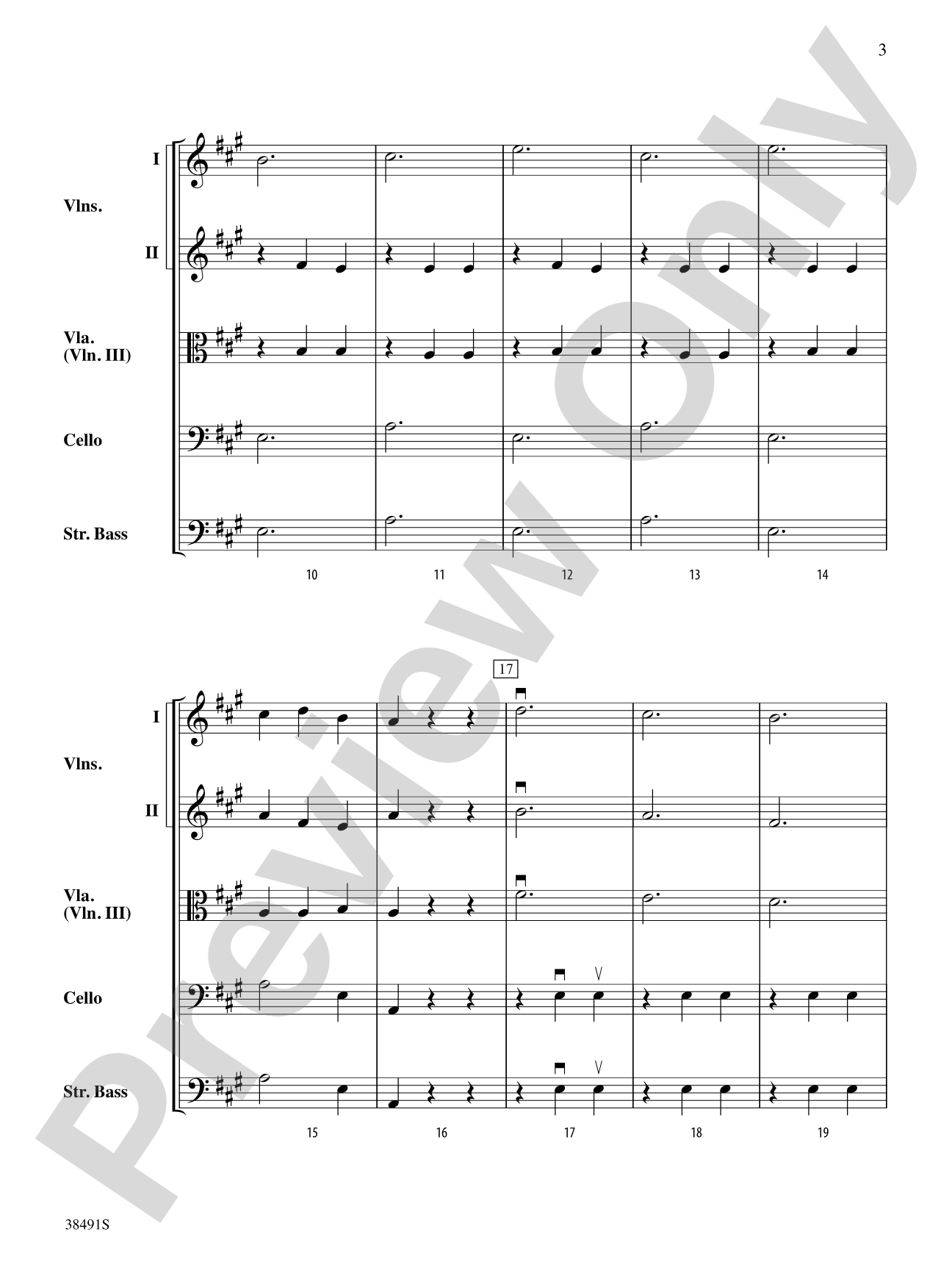
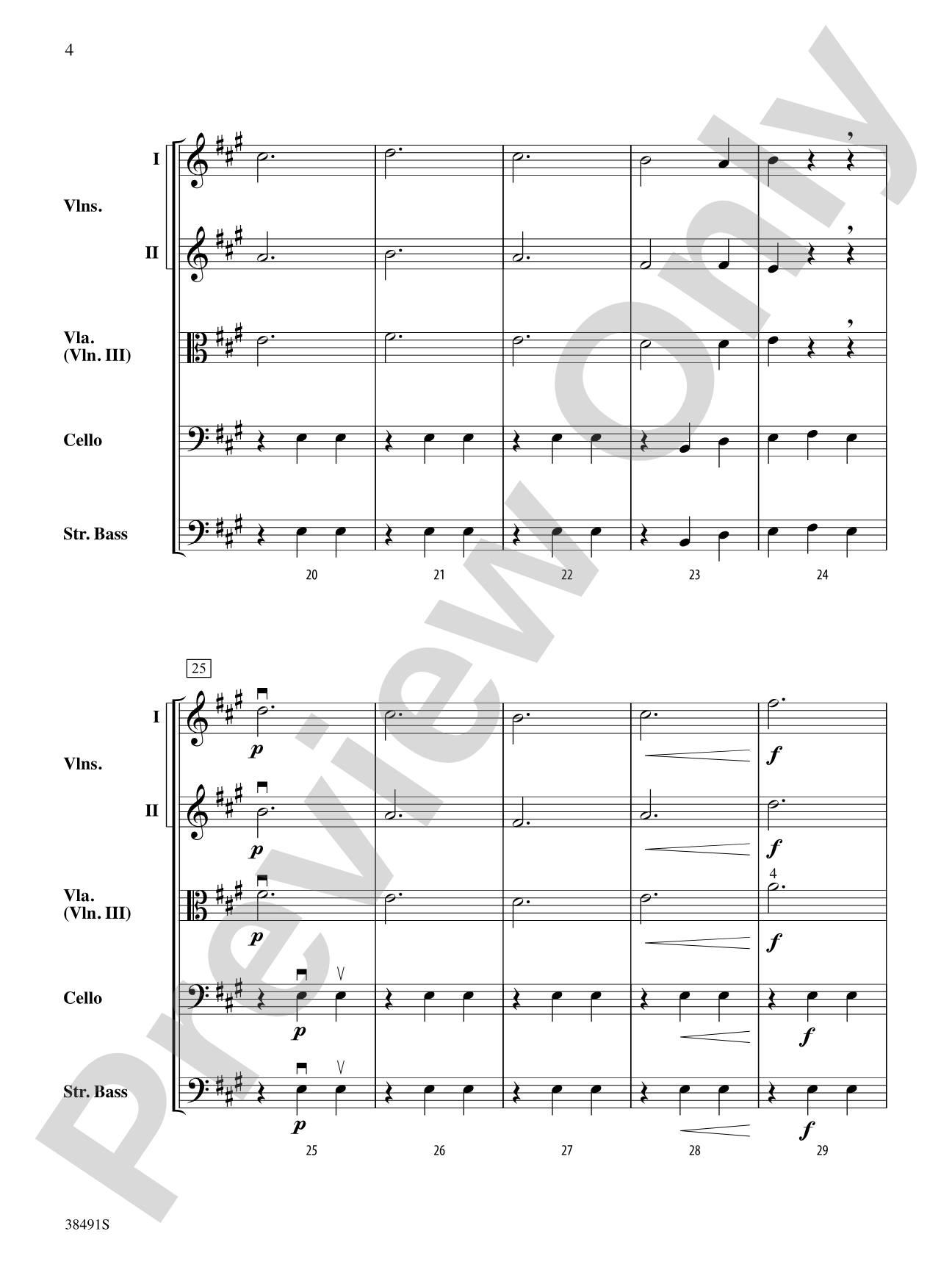
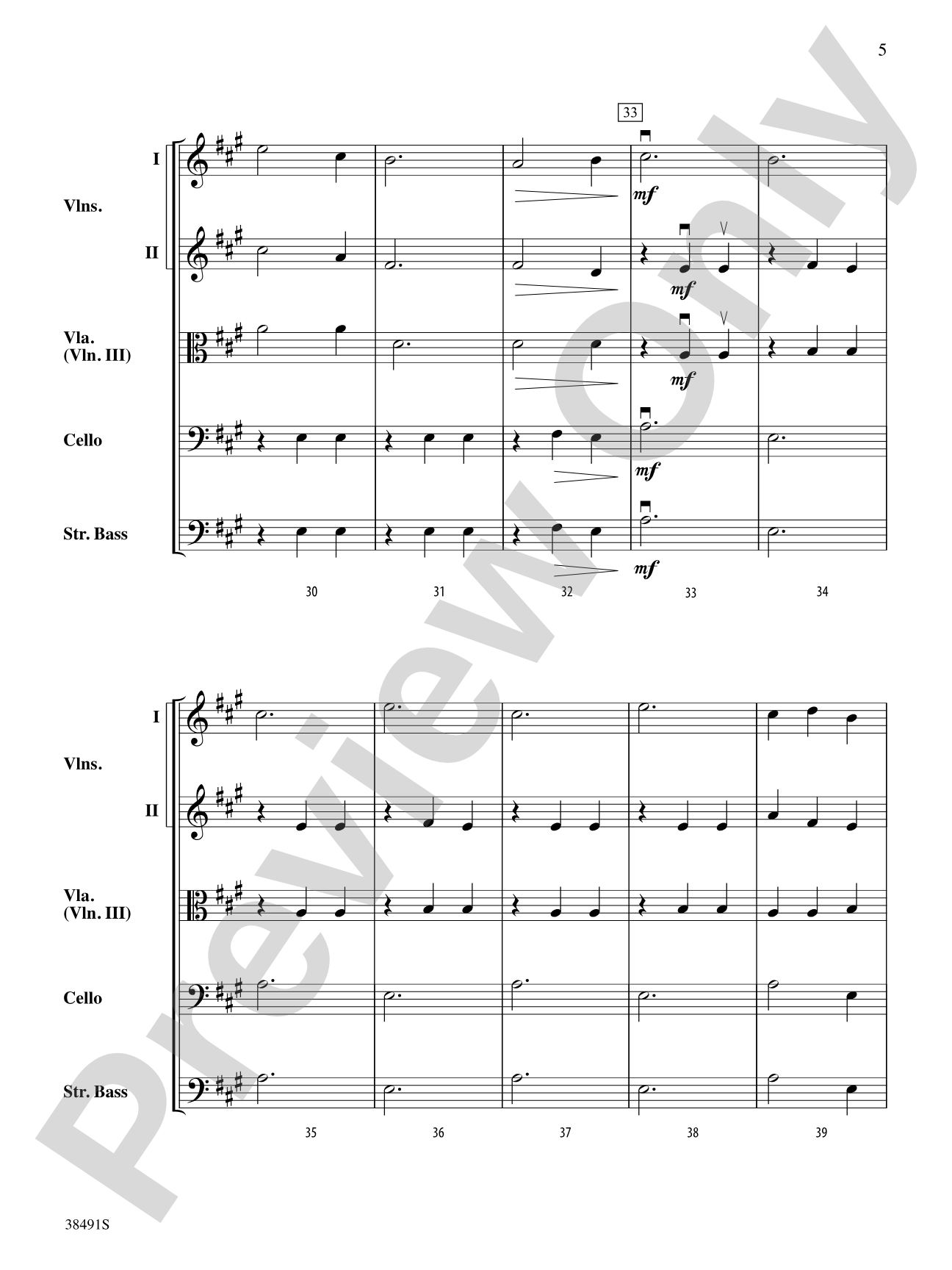
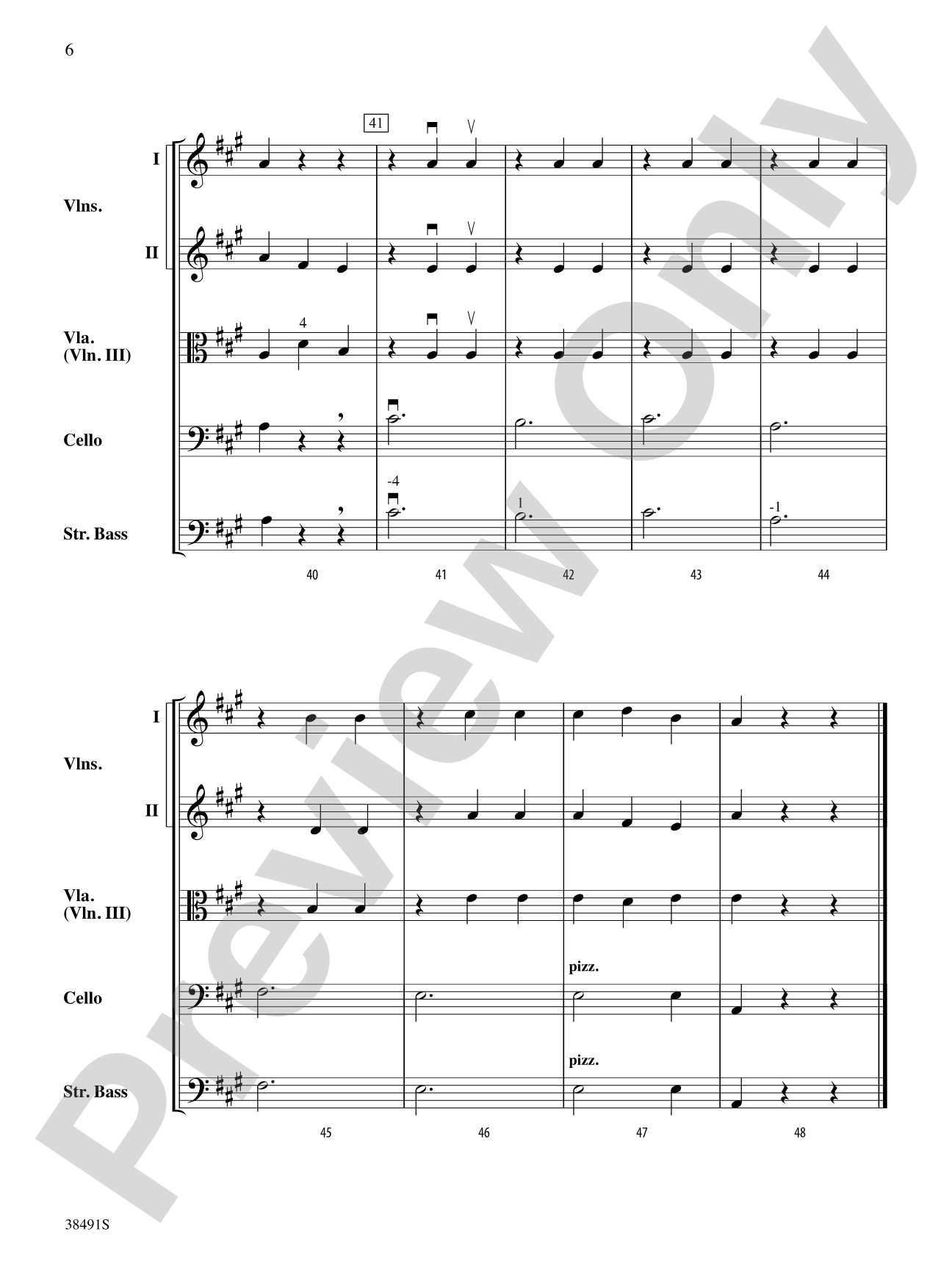
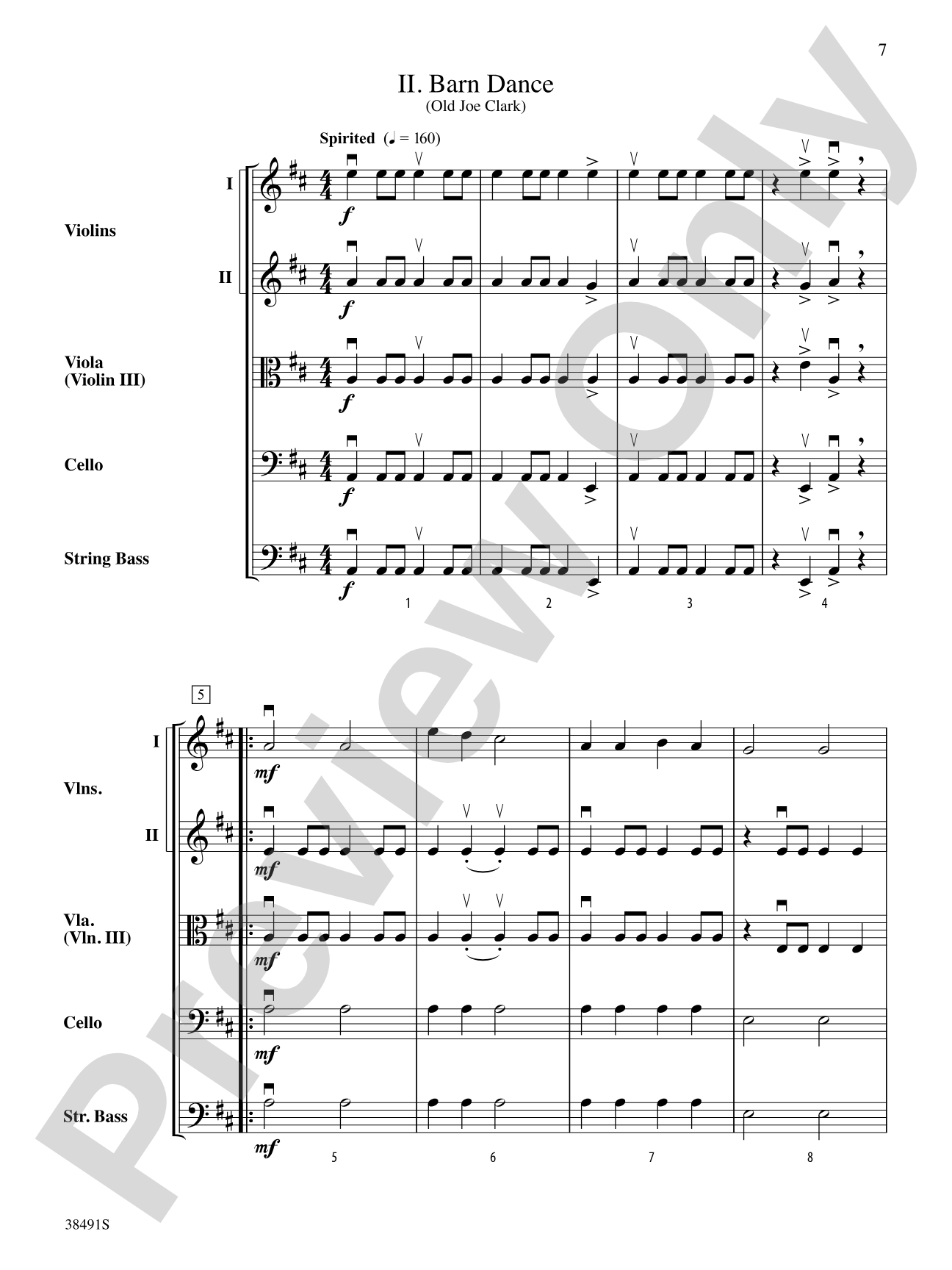
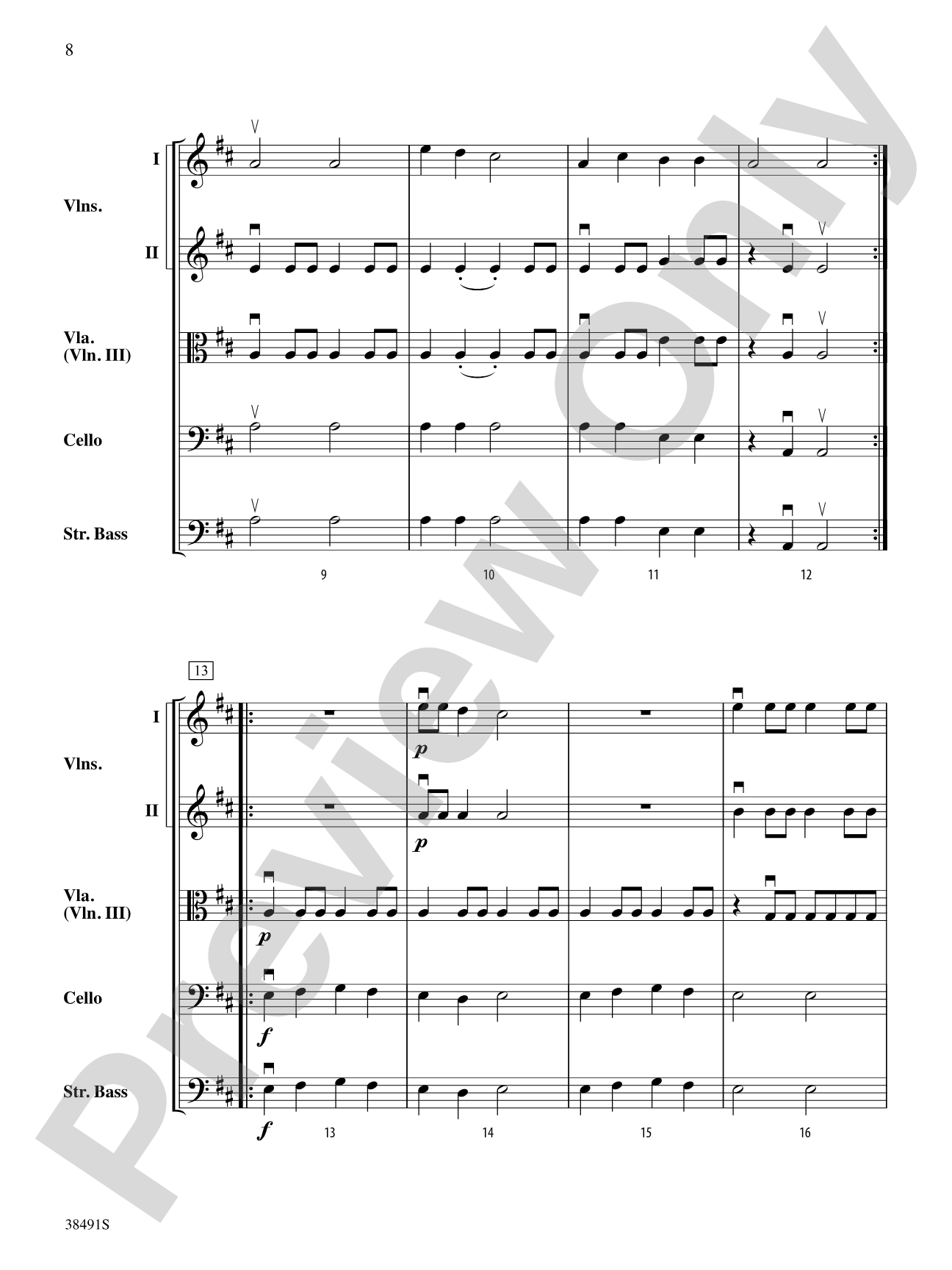
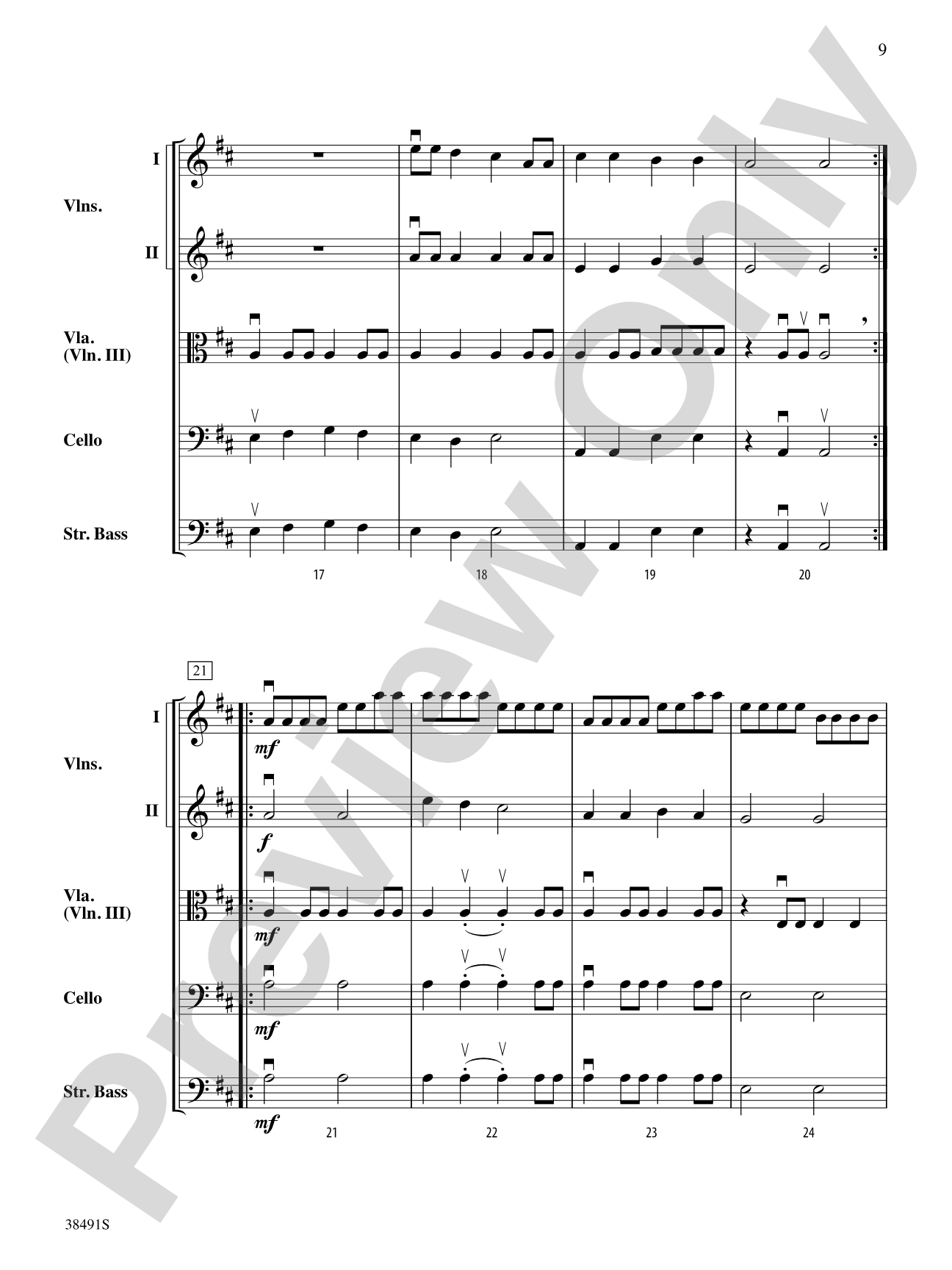
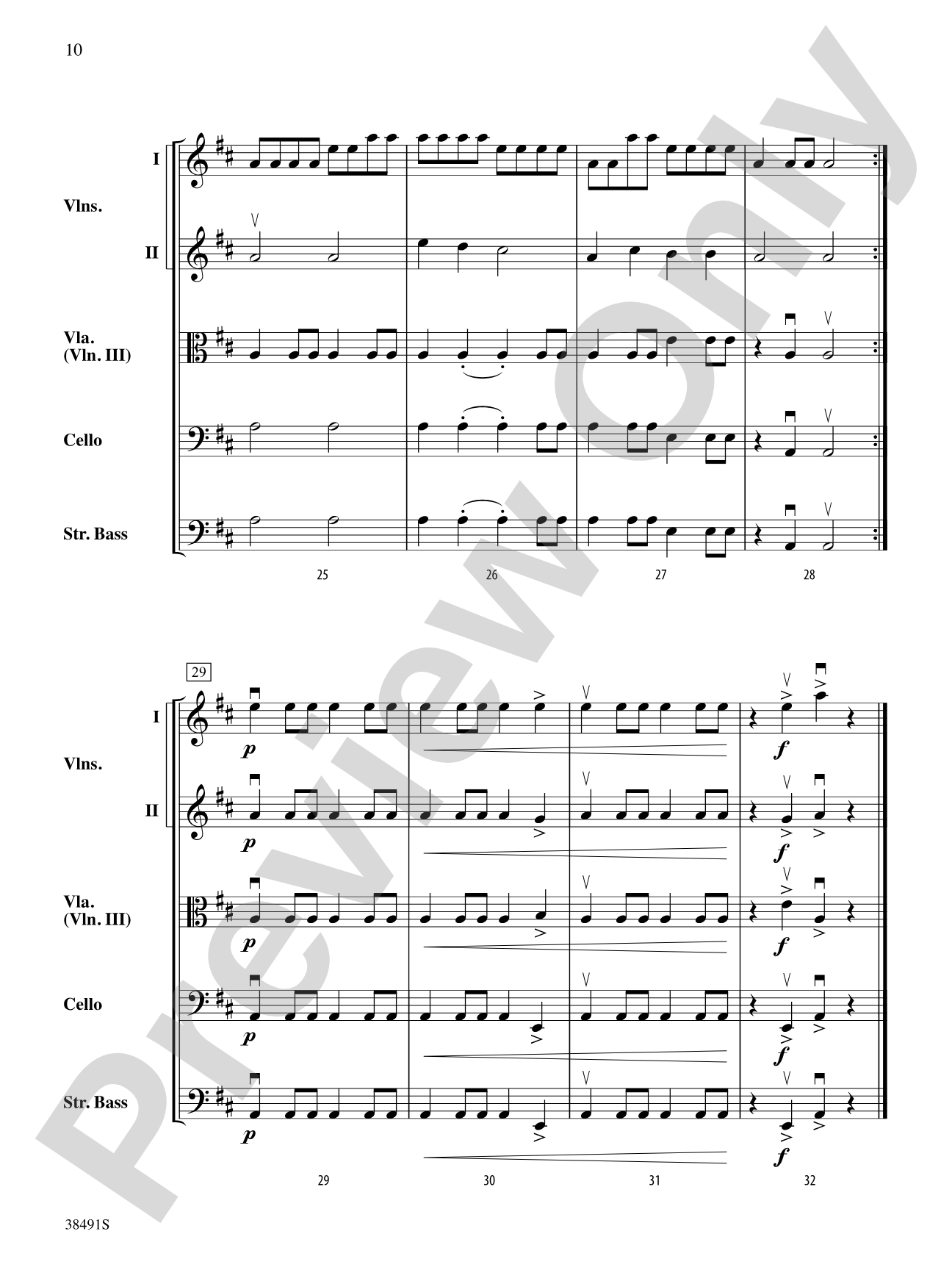
This set of two tunes that engage the imagination and are fun---really fun---to play will teach young players to love music. Easy parts that sound great are featured, and all parts have interesting lines. Two movements are included: I. Sunset, and II. Barn Dance (Old Joe Clark).


Don't just read it, hear it, play along with it, and watch your students grow with it. In MakeMusic Cloud, Western Dreams: String Orchestra Conductor Score & Parts comes alive with professional accompaniment, adjustable tempo, and built-in practice tools that turn solo practice into real progress.
Open in the Player
Jump straight in and assign it today.
Start Your Free Trial
Open this title and explore the full library in minutes.
Sample Audio
1
Audio File
--:--
0:00
0:00
Sample Video
No sample videos found.
Additional Details
Series:
Highland/Etling String Orchestra
Publisher:
Alfred Music
Page Count:
136
SKU:
00-PK-0005283
More about this title
About the Composer: Lauren Bernofsky

Lauren Bernofsky has composed over a hundred works across solo, chamber, orchestral, operatic, and ballet genres, earning recognition from major institutions and commissioning ensembles worldwide. Her music balances emotional depth with intellectual rigor, technical craft with lyrical expression. She holds degrees from The Hartt School, New England Conservatory, and Boston University, and has taught at the Peabody Institute and Interlochen Center for the Arts.
Among her honors, Bernofsky's Sonatine won the National Flute Association's Newly Published Music Competition, her opera Mooch the Magnificent received the Opera Puppets Award at Boston Metro Opera, and her choral work Prayer of Shantideva won the Dalai Lama Composition Contest. Her string quartet Anacostia Journal was featured on PBS's NOW with Bill Moyers, and her Trumpet Concerto has been published in the International Trumpet Guild journal.
Why we love this
Bernofsky understands that Grade 1 musicians need accessible writing that never sounds under-written. Each part here moves and sings; no one plays filler, and every section has real melodic work to do. The two contrasting movements give you concert variety in one score, and both are genuinely enjoyable to rehearse and perform.
What to expect
Sunset unfolds with open, lyrical phrases that let young players discover how silence and space shape emotion. Barn Dance explodes with American fiddle energy, grounded in a folk melody that everyone recognizes, turning rehearsal into celebration rather than struggle.
Who it's for
Grade 1 string orchestras ready to program repertoire that sounds mature while remaining technically accessible. Directors who want their students to experience genuine musical storytelling without simplification, and ensembles preparing for concert or festival performance.
How to get the most out of it
- Emphasize the narrative arc of Sunset by letting the opening espressivo lines breathe; young players respond well to imagery, so encourage them to imagine the colors and light shifting throughout the movement.
- Coordinate bowings across sections early in rehearsal so all violins feel like one instrument during the lyrical passages.
- In Barn Dance, lock the rhythm section (cellos and basses) first, then layer in the upper parts; the forward momentum of Old Joe Clark comes from a solid, confident foundation.
- Balance the tutti sections carefully; at this level, it's easy for enthusiasm to overwhelm intonation, so use sectionals to refine blend before running full orchestra.
How to use it
Open a concert with Sunset to establish a reflective mood, then shift the entire energy with Barn Dance as a crowd favorite that showcases your ensemble's rhythmic security and style. The two movements work beautifully as a complete suite, or you can program them separately if you need lighter material for an all-festival day.
Skills your students will build
- Legit espressivo playing and dynamic shaping in slow movements
- Rhythmic precision and ensemble coordination in driving fiddle-style passages
- Part independence (all parts carry real melodic content, not accompaniment patterns)
- Listening for intonation in both lyrical and fast contexts
- Understanding musical form through contrasting movements within a single score