

West-African Rhythms for Drumset
By Royal Hartigan / ed. Dan Thress
Item: 00-PB-0001986
$27.99
Pickup currently not available
Related Items
West-African Rhythms for Drumset: Drumset Book & Online Audio |
$27.99
|
View |
Description
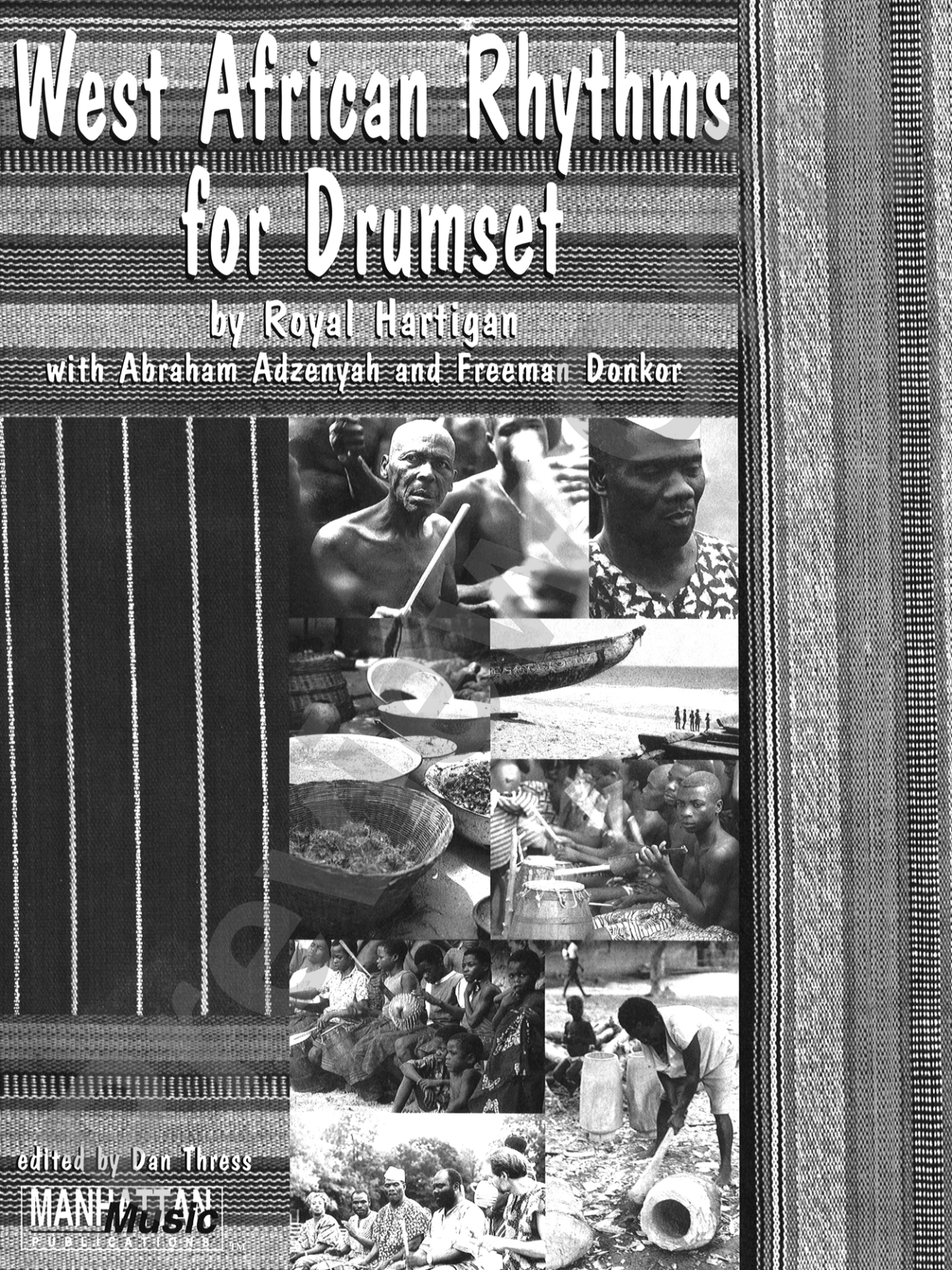
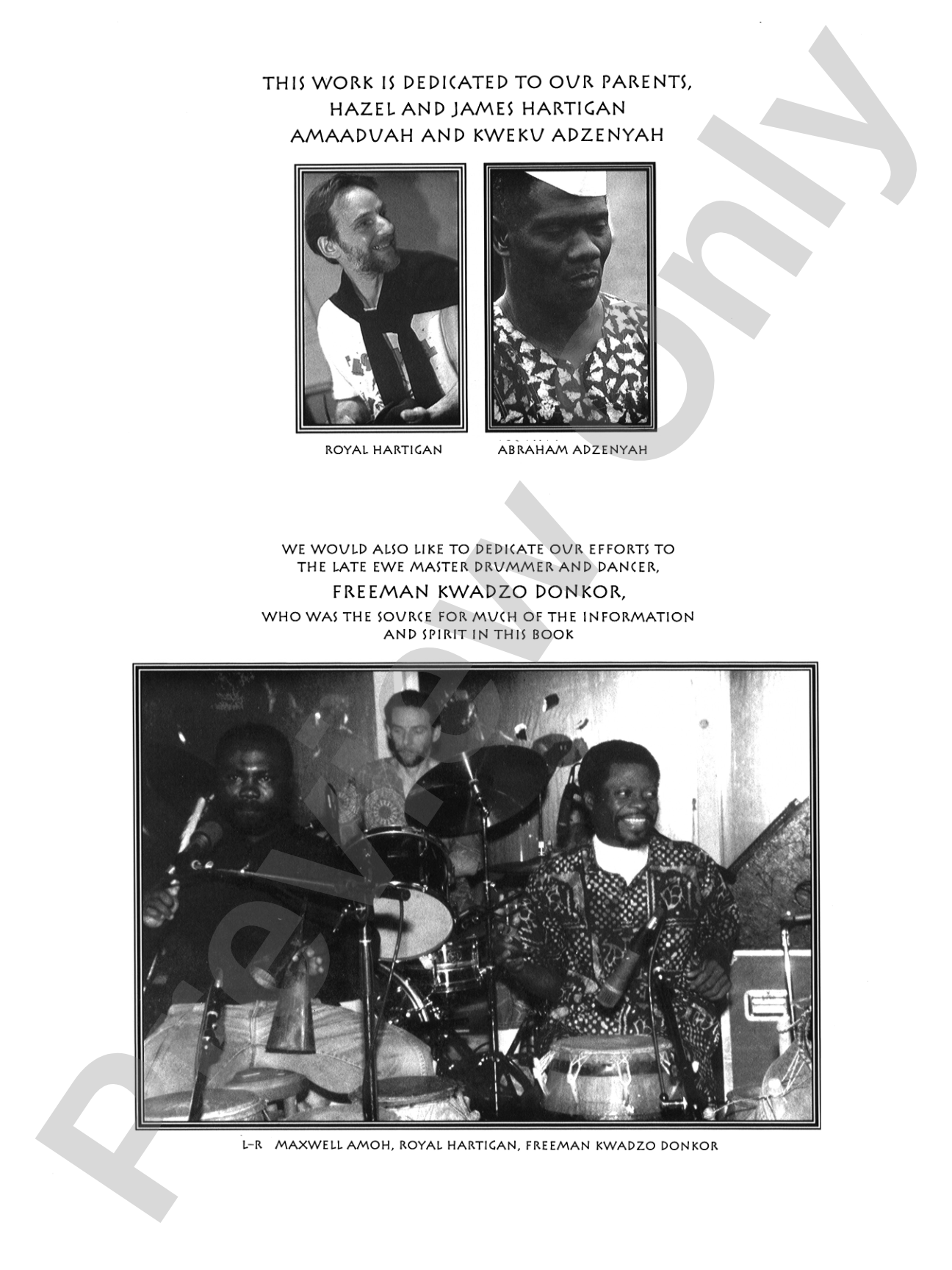
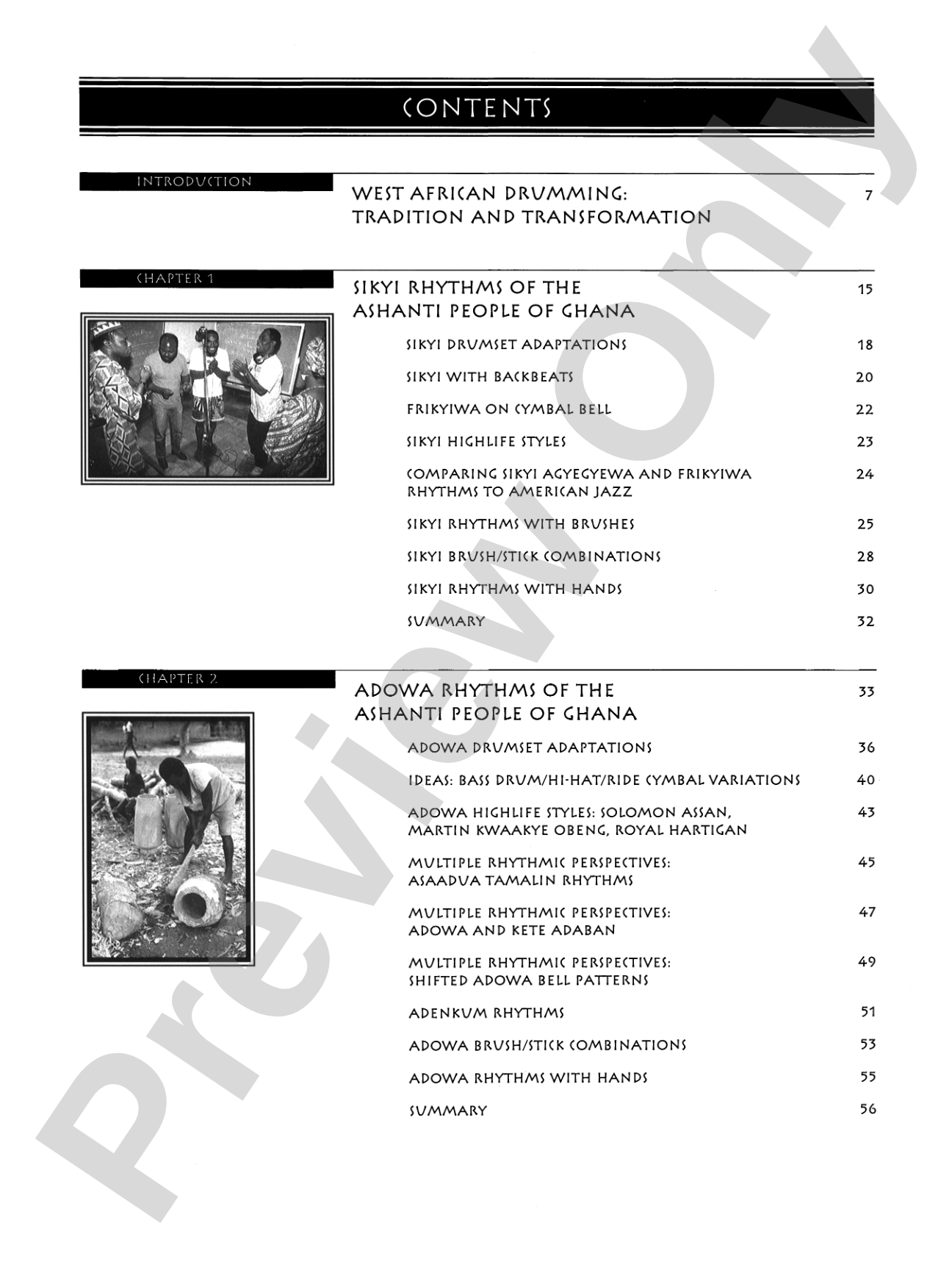
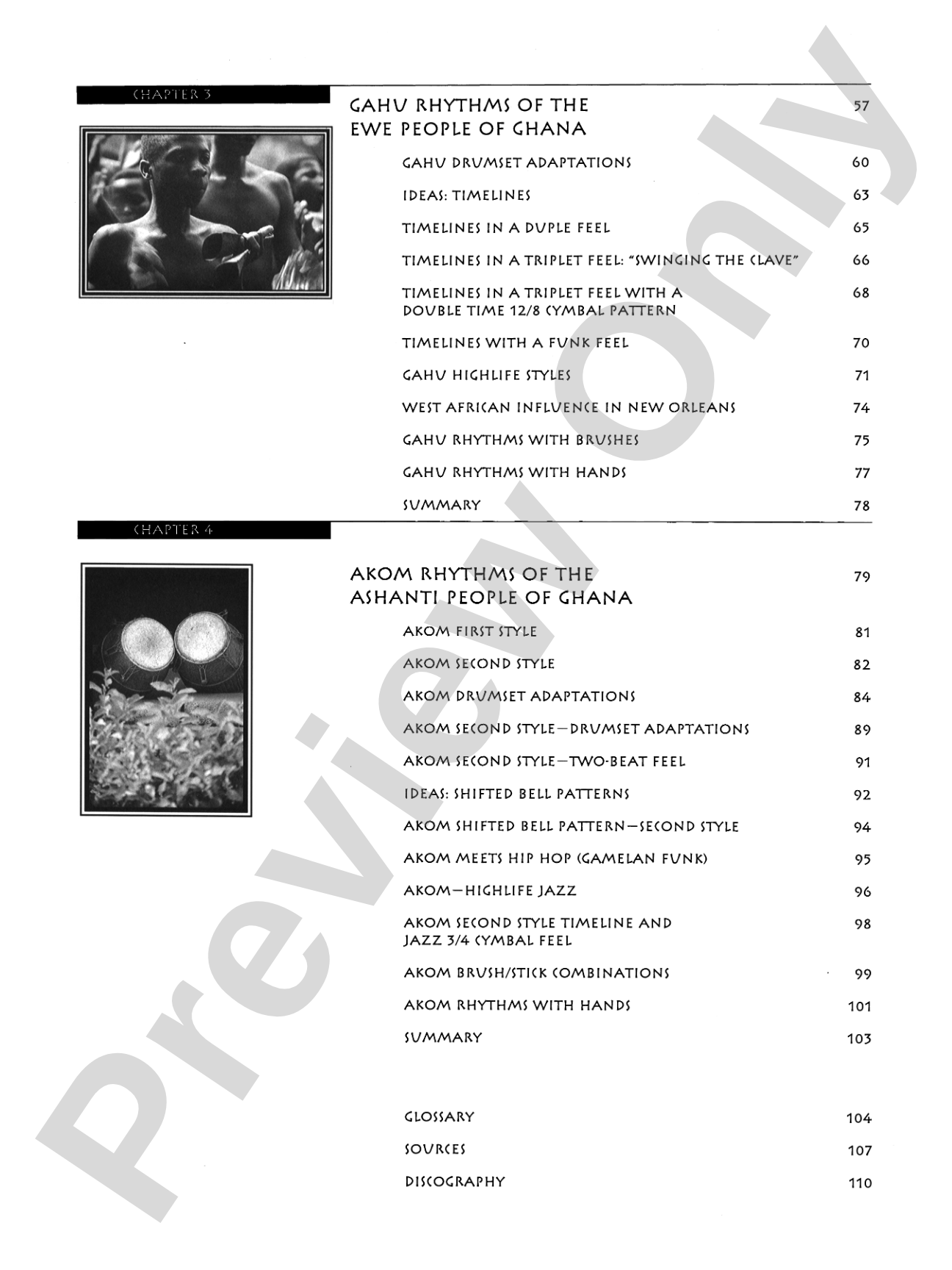
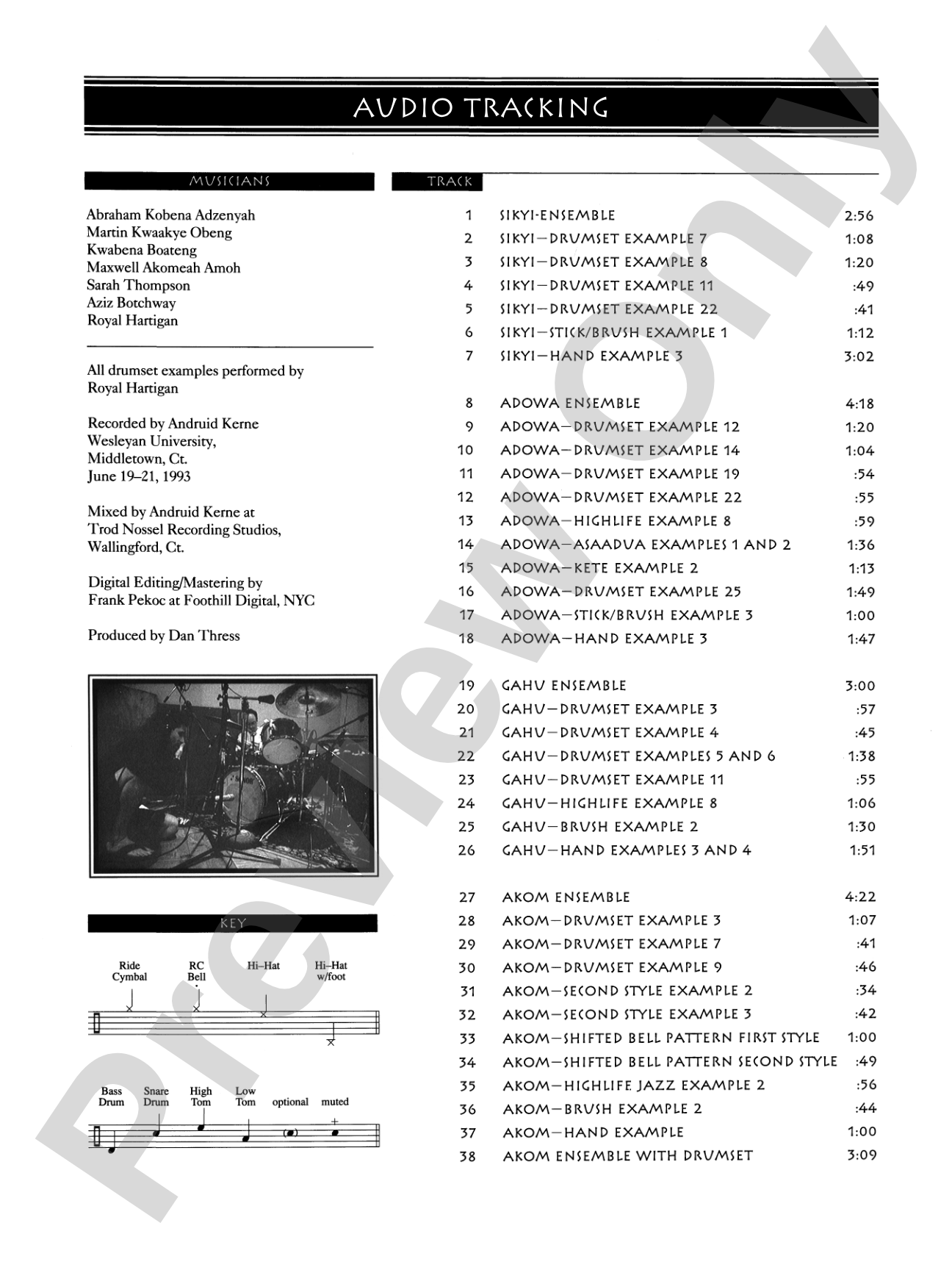
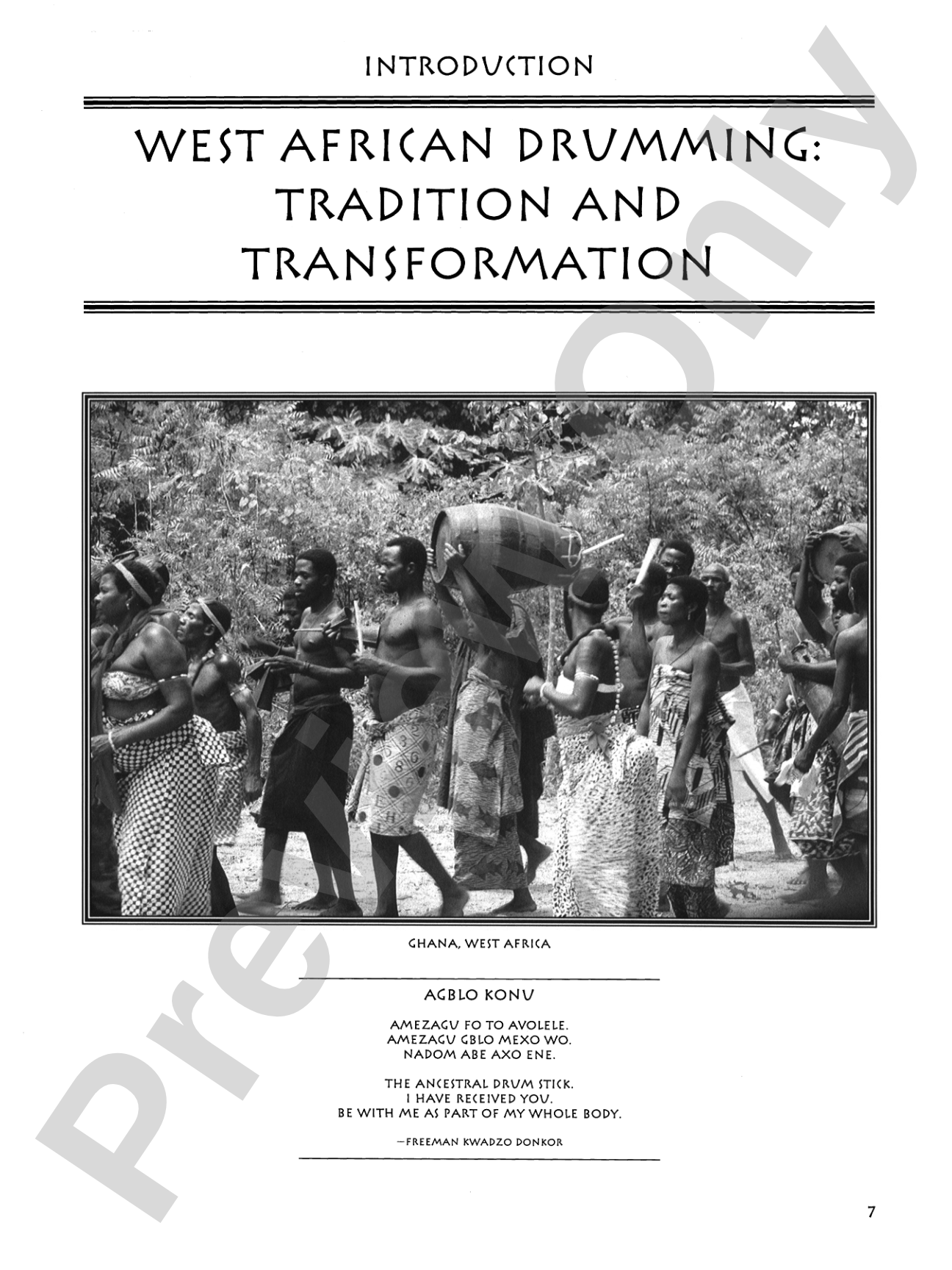
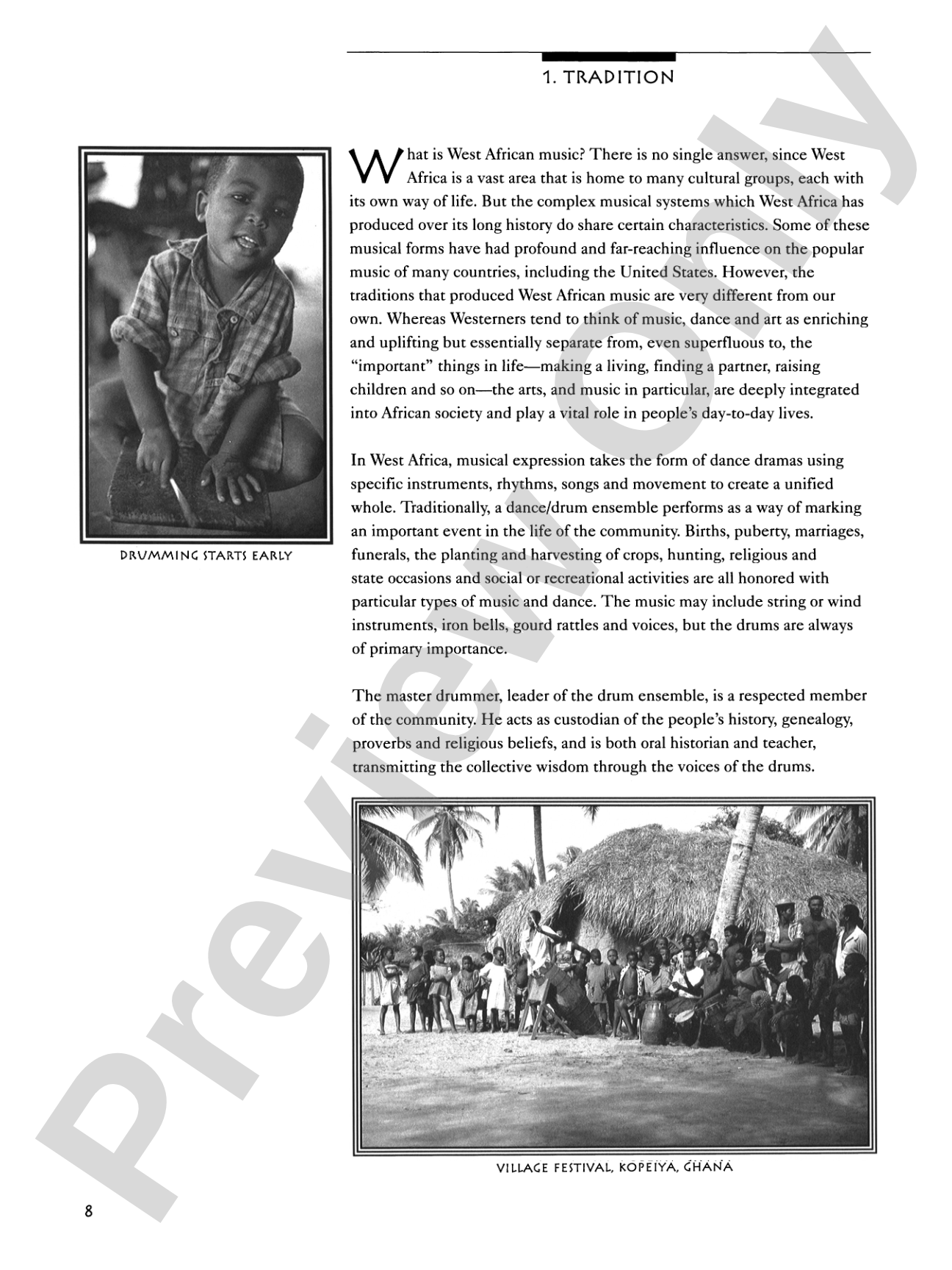
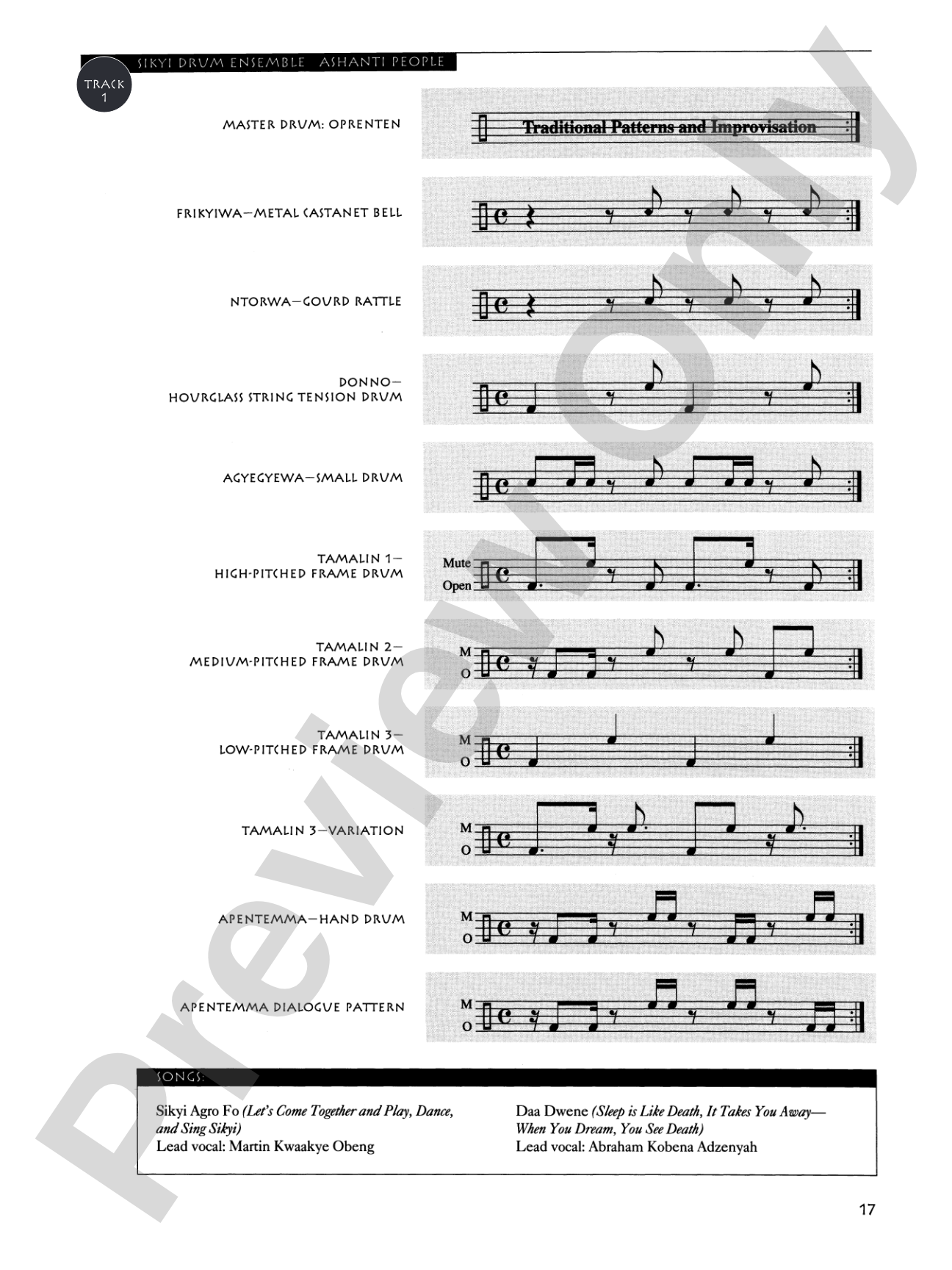
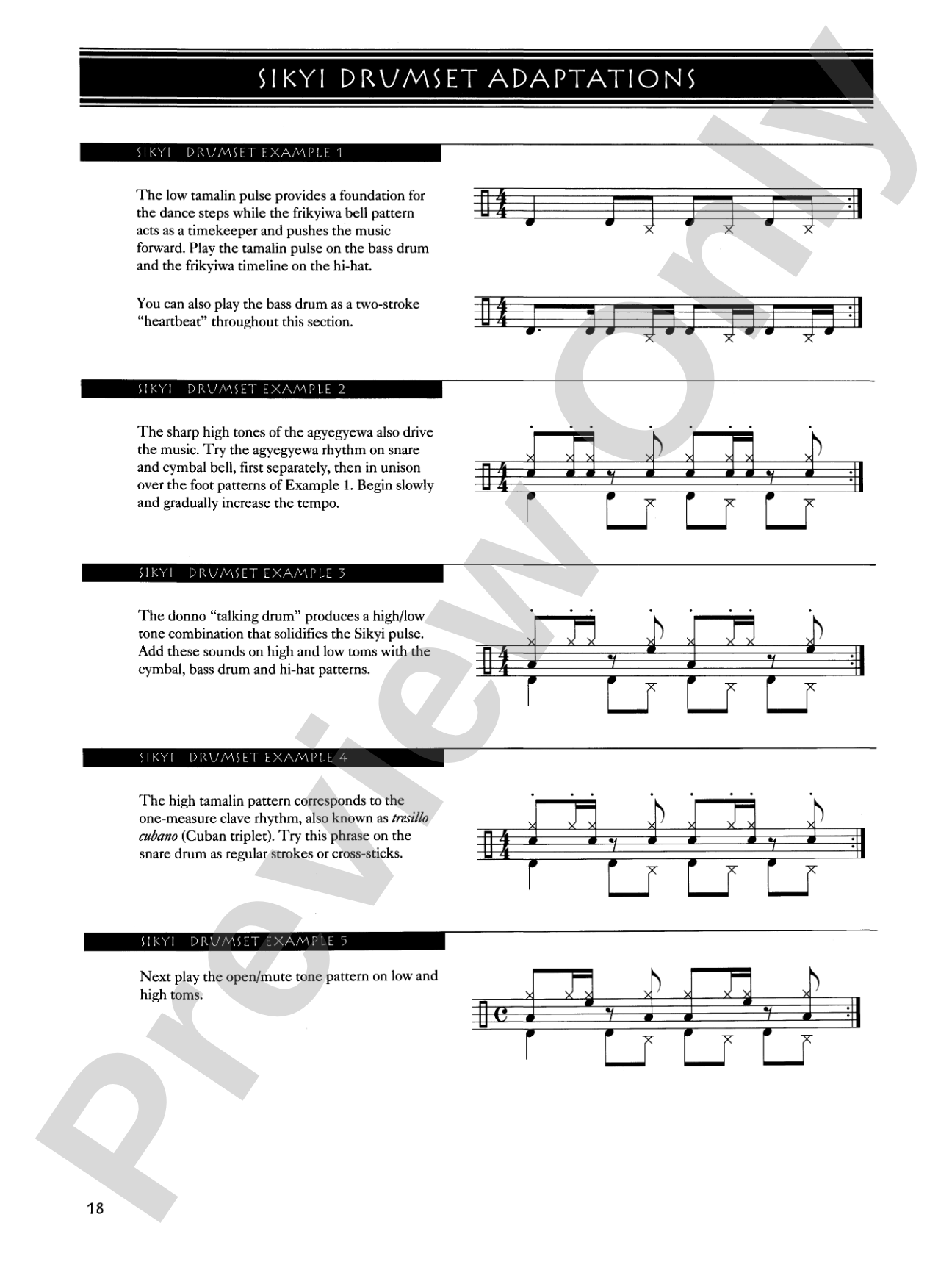
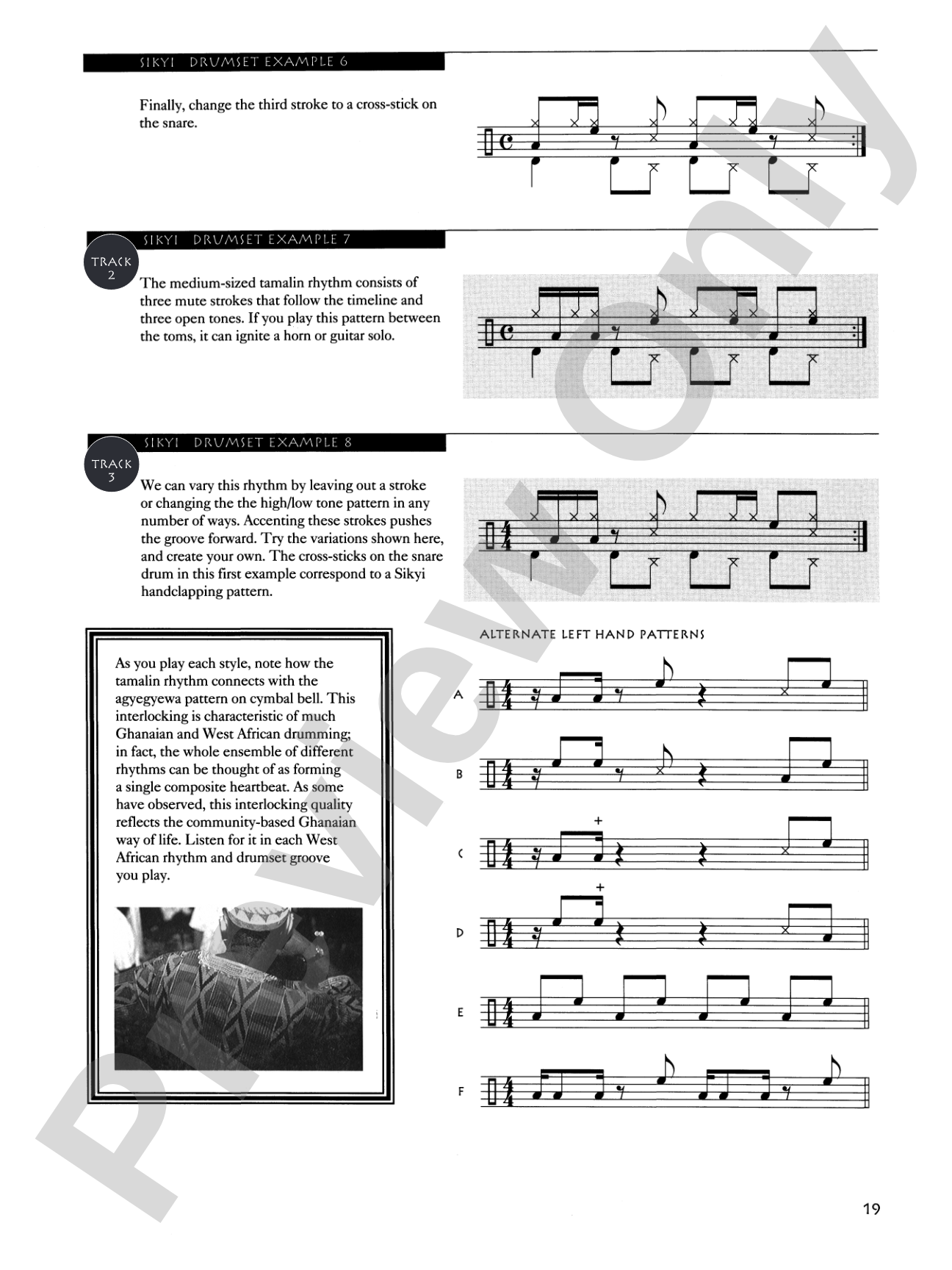
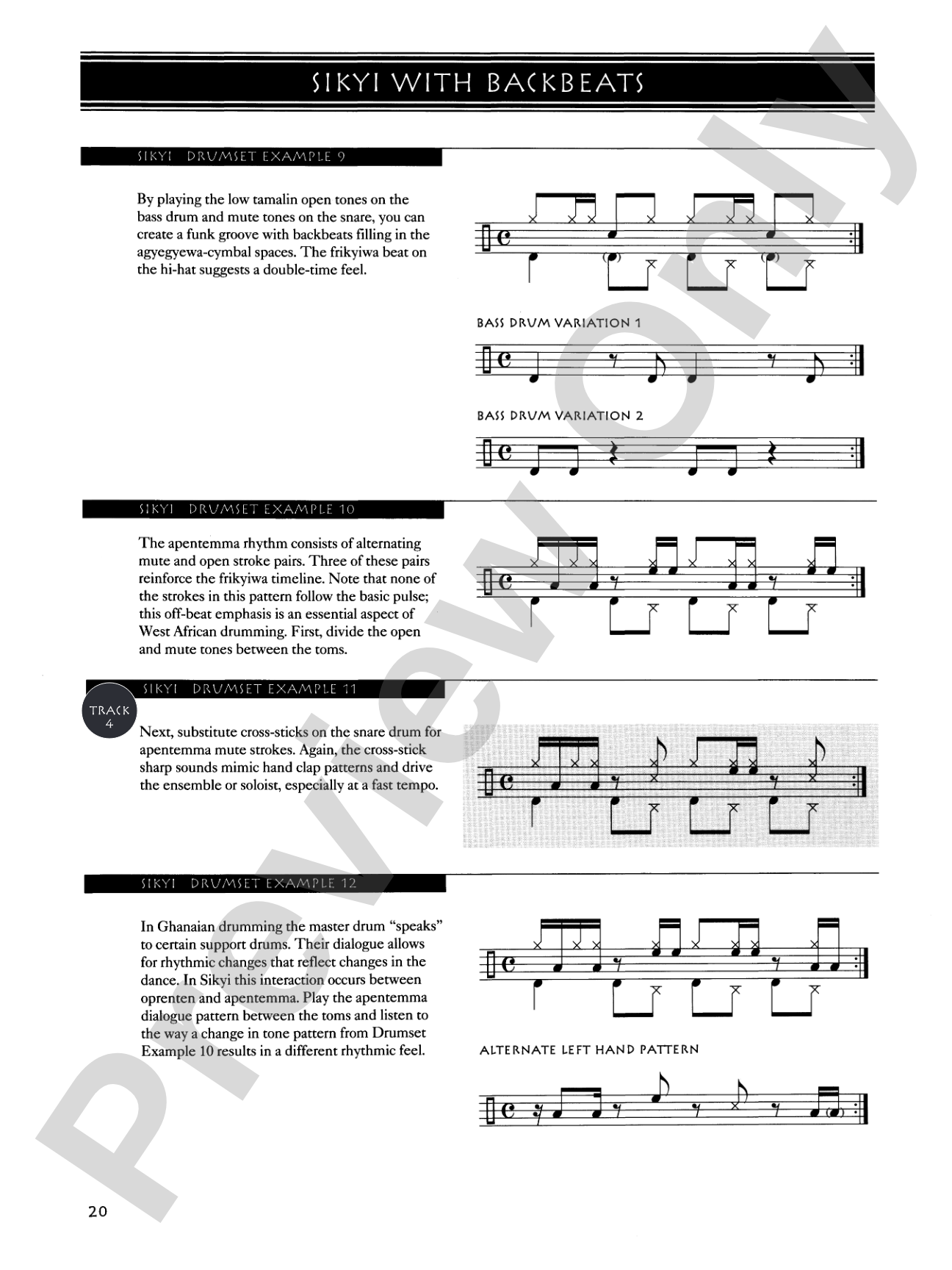
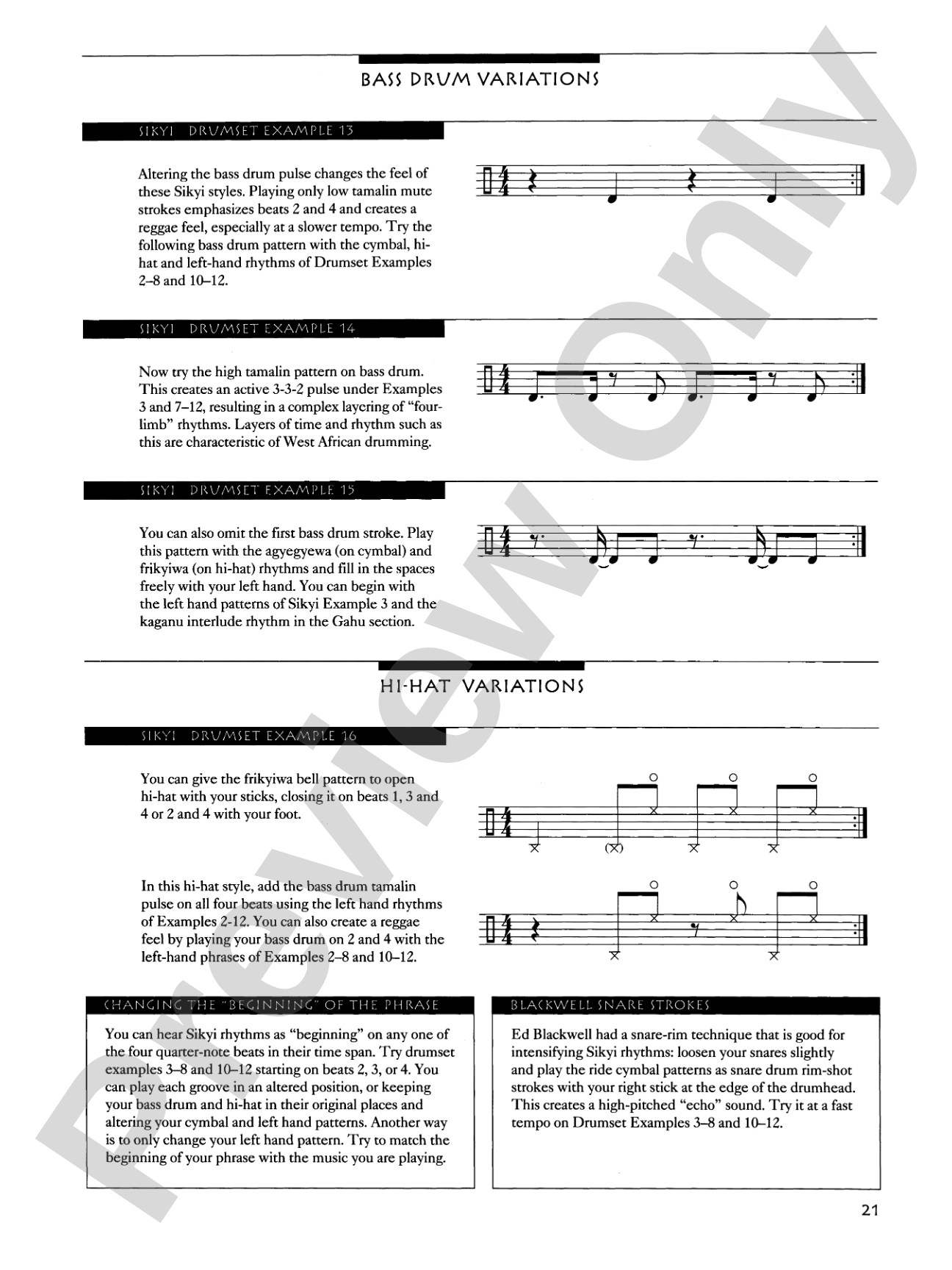
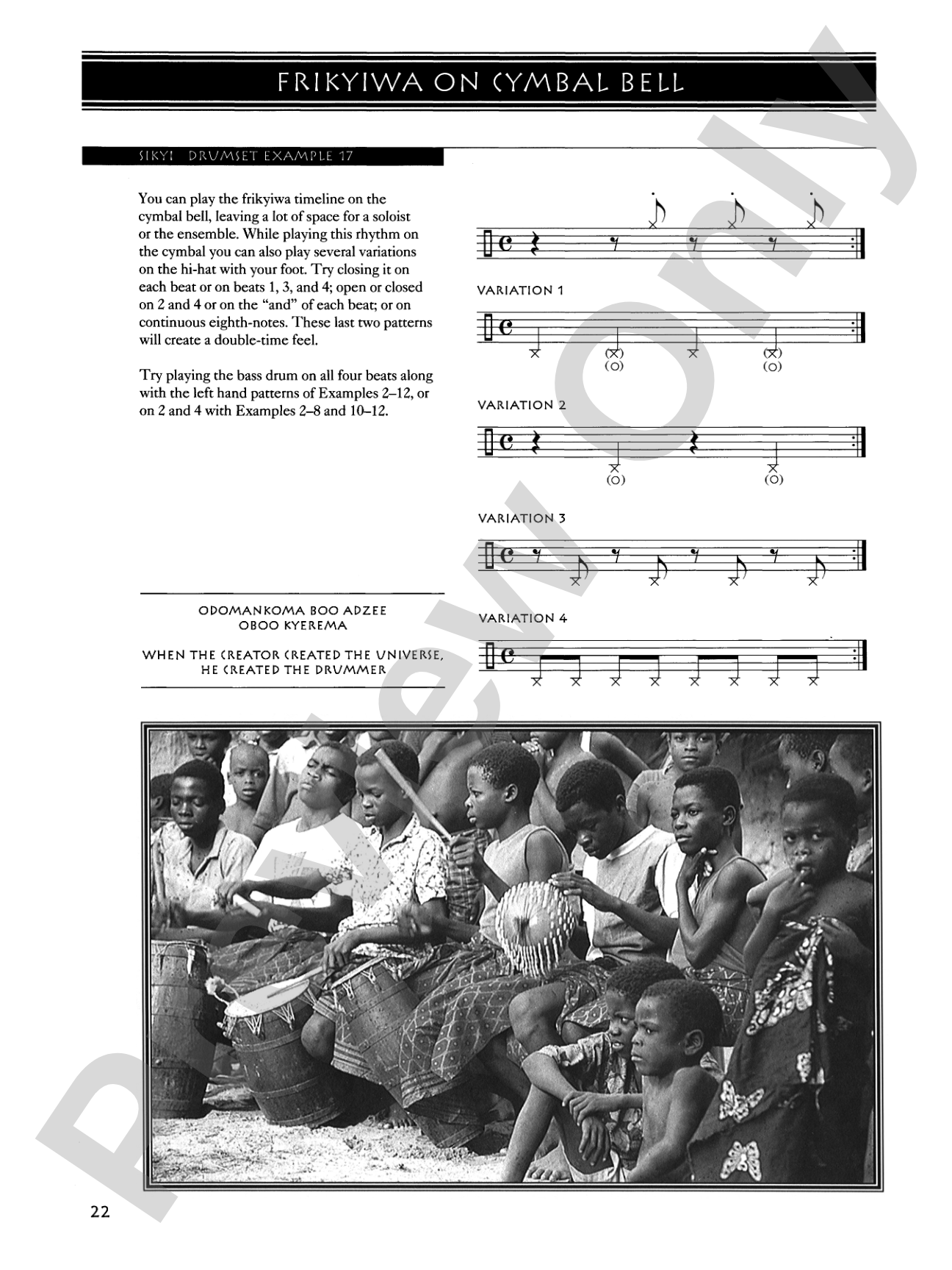
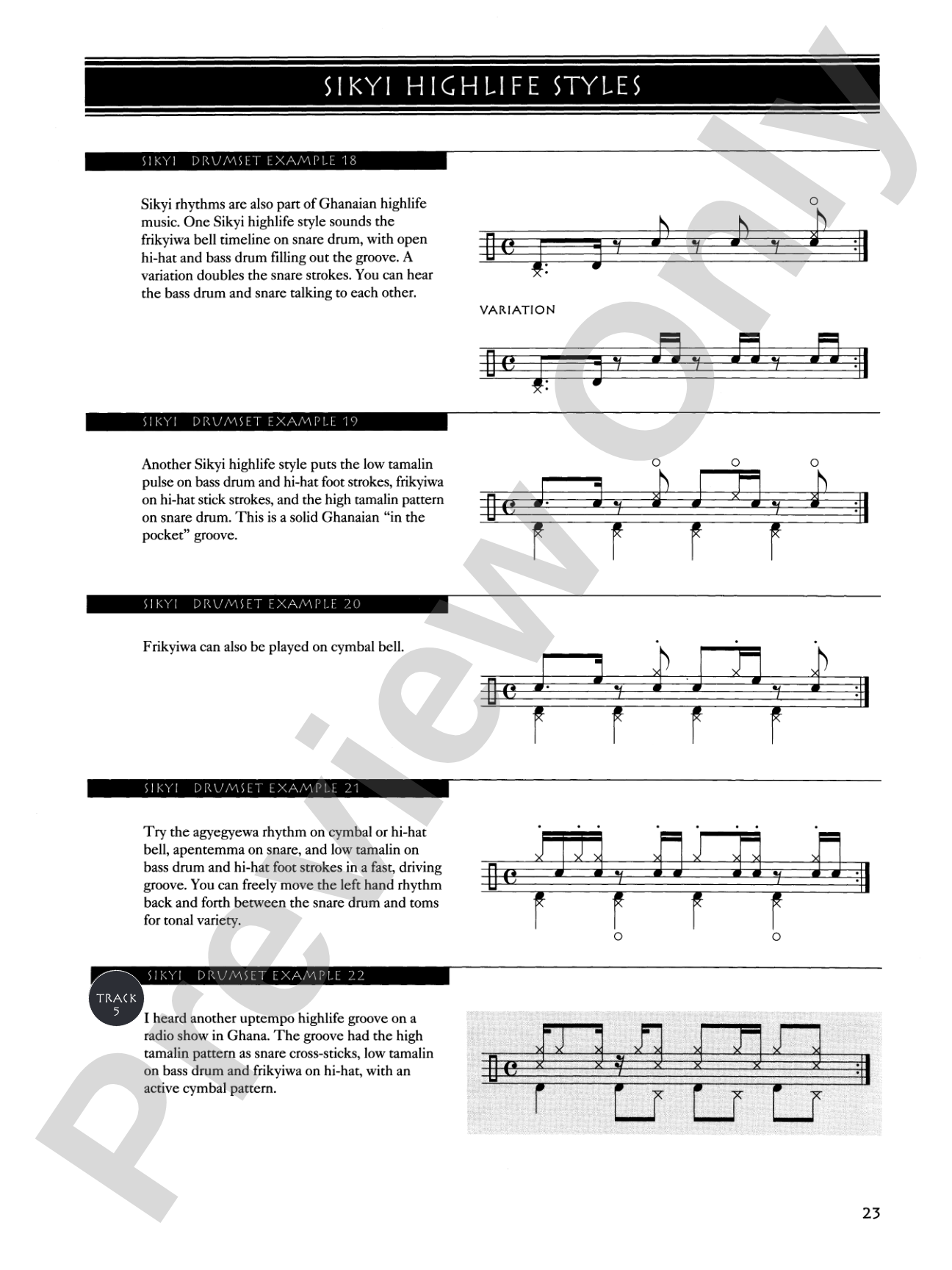
With Freeman Kwazdo Donkor and Abraham Adzenyah. Based on four Ghanaian rhythmic groups (Sikyi, Adowa, Gahu, and Akom), this book and recording will provide drumset players with a new vocabulary based on some of the oldest and most influential rhythms in the world. A groundbreaking presentation!


West-African Rhythms for Drumset isn't in MakeMusic Cloud just yet...but it could be. Let us know you'd like to see it, and you'll help shape what comes next. In the meantime, start a free trial and dive into thousands of interactive titles your students can play along with today.
Request This Title
Tell us you want it.
Start Your Free Trial
Explore everything that's ready to play right now.
Sample Audio
No sample audio found.
Sample Video
No sample videos found.
Additional Details
Series:
Manhattan Music Publications
Publisher:
Alfred Music
Page Count:
112
SKU:
00-PB-0001986
More about this title
About the Composer: Royal Hartigan
Royal Hartigan is a percussionist and educator whose work bridges contemporary drumset technique with global rhythmic traditions. His collaboration with Freeman Kwazdo Donkor and Abraham Adzenyah represents decades of serious engagement with West African music, resulting in pedagogical materials that treat these rhythms as complete musical systems rather than exotic additions to the Western drumkit.
Hartigan's approach emphasizes the integrity of the source material while making it accessible to drummers trained in jazz and popular music contexts. His publications through Manhattan Music Publications have become essential resources for percussionists seeking to expand their rhythmic vocabulary beyond standard Western genres.
Why we love this
Hartigan, Donkor, and Adzenyah have created something genuinely rare: a method that honors the sophistication of West African rhythmic traditions while giving drummers concrete, playable material for immediate use. The inclusion of four distinct rhythmic groups means you're not recycling variations on a single pattern but building literacy in genuinely different musical languages. The accompanying recordings anchor everything in authentic sound, which matters enormously when learning rhythms that exist outside Western metric conventions.
What to expect
Sikyi, Adowa, Gahu, and Akom each have their own character, from driving and propulsive to subtle and intricate. Learning these rhythms feels like acquiring new languages for your hands and feet, where the logic of each pattern gradually reveals itself through repeated listening and playing. The grooves have tremendous depth; what sounds complex at first becomes intuitive once you internalize the cyclic nature of the rhythms.
Who it's for
Intermediate to advanced drummers who want to expand beyond Western jazz and rock vocabulary and work with repertoire grounded in living musical traditions. This material suits drummers pursuing world music performance, educators wanting to teach cultural diversity through hands-on instrumental study, and serious students of rhythm seeking to understand how different cultures organize time and motion.
How to get the most out of it
- Listen to the recordings repeatedly before attempting the exercises. These rhythms live in the ear first; notation alone cannot convey the feel, swing, and internal timing that makes them work.
- Start by learning each rhythmic group as a complete cycle rather than breaking it into measures. Feel the whole pattern as a continuous loop before worrying about how it maps onto the drumset.
- Approach the hand and foot coordination differently than you would jazz or fusion playing. The independence required here serves a different musical purpose and reveals new possibilities on the kit.
- Practice the grooves alongside the recorded accompaniments consistently. The relationship between your patterns and the other instruments is where the music actually lives.
How to use it
Introduce this material in a world music ensemble context where drummers study the grooves alongside singers and instrumentalists exploring the same traditions. You might also sequence it into a percussion curriculum where intermediate students have already mastered rock and jazz fundamentals and are ready to explore non-Western metric systems. This book works particularly well as a semester-long focus that reshapes how a student thinks about what drumset can do.
Skills your students will build
- Understanding cyclic rhythms and how to identify the downbeat within non-Western metric structures
- Hand and foot independence applied to unfamiliar coordination patterns
- Listening for polyrhythmic relationships and matching grooves to recorded accompaniments
- Translating Ghanaian rhythmic concepts onto the Western drumset without losing their essential character
- Building rhythmic vocabulary based on four foundational West African rhythmic groups