
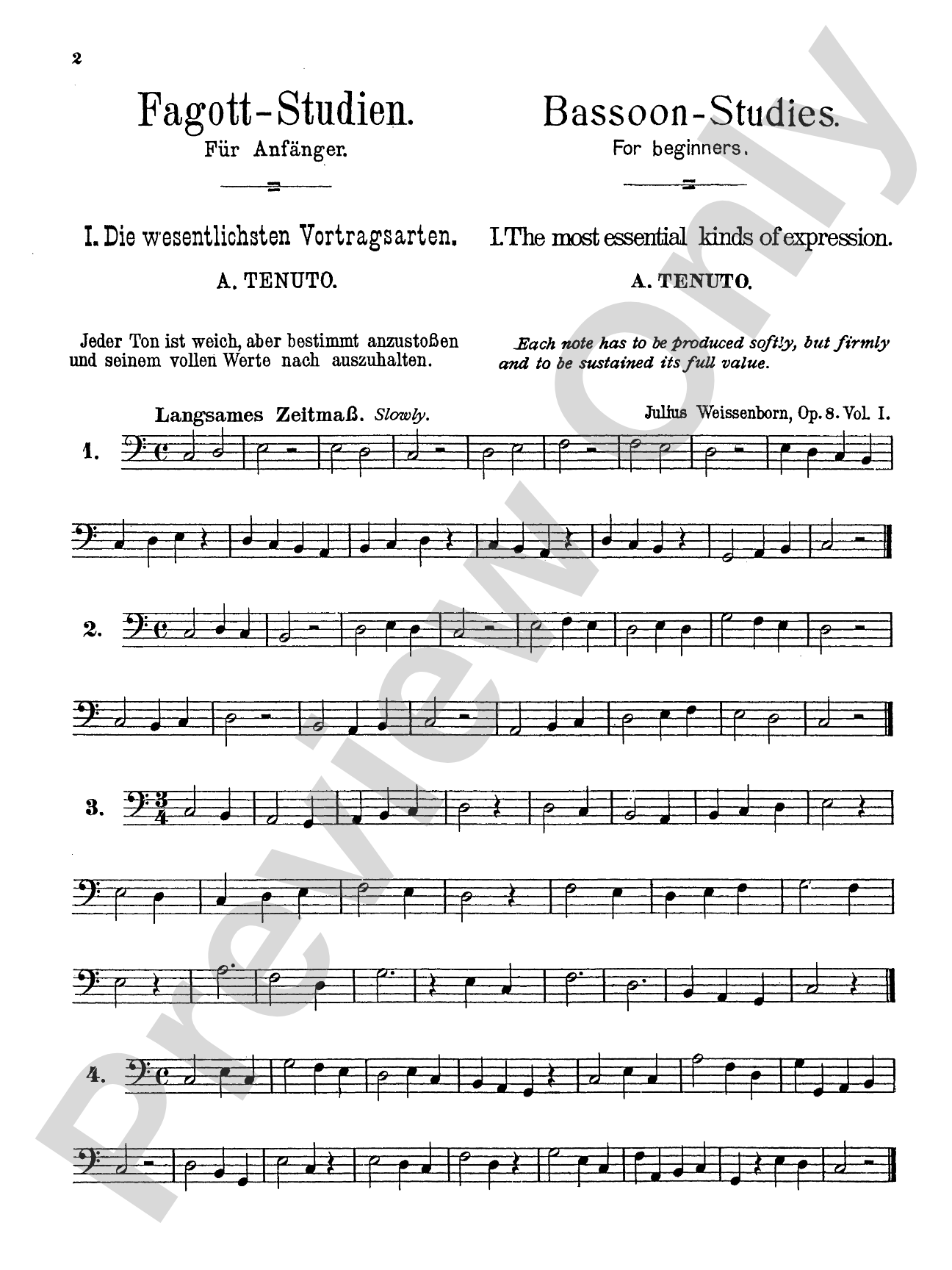
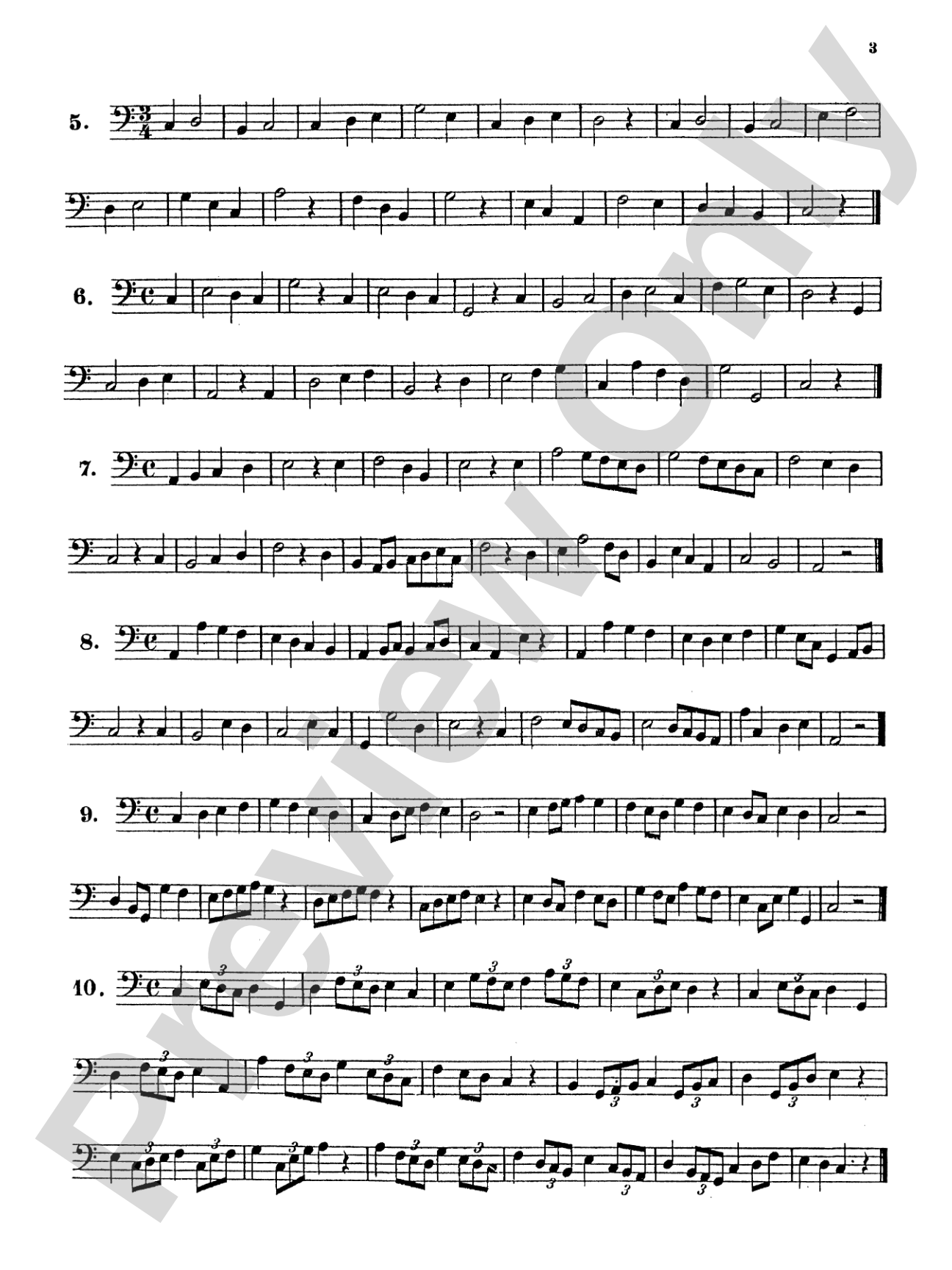
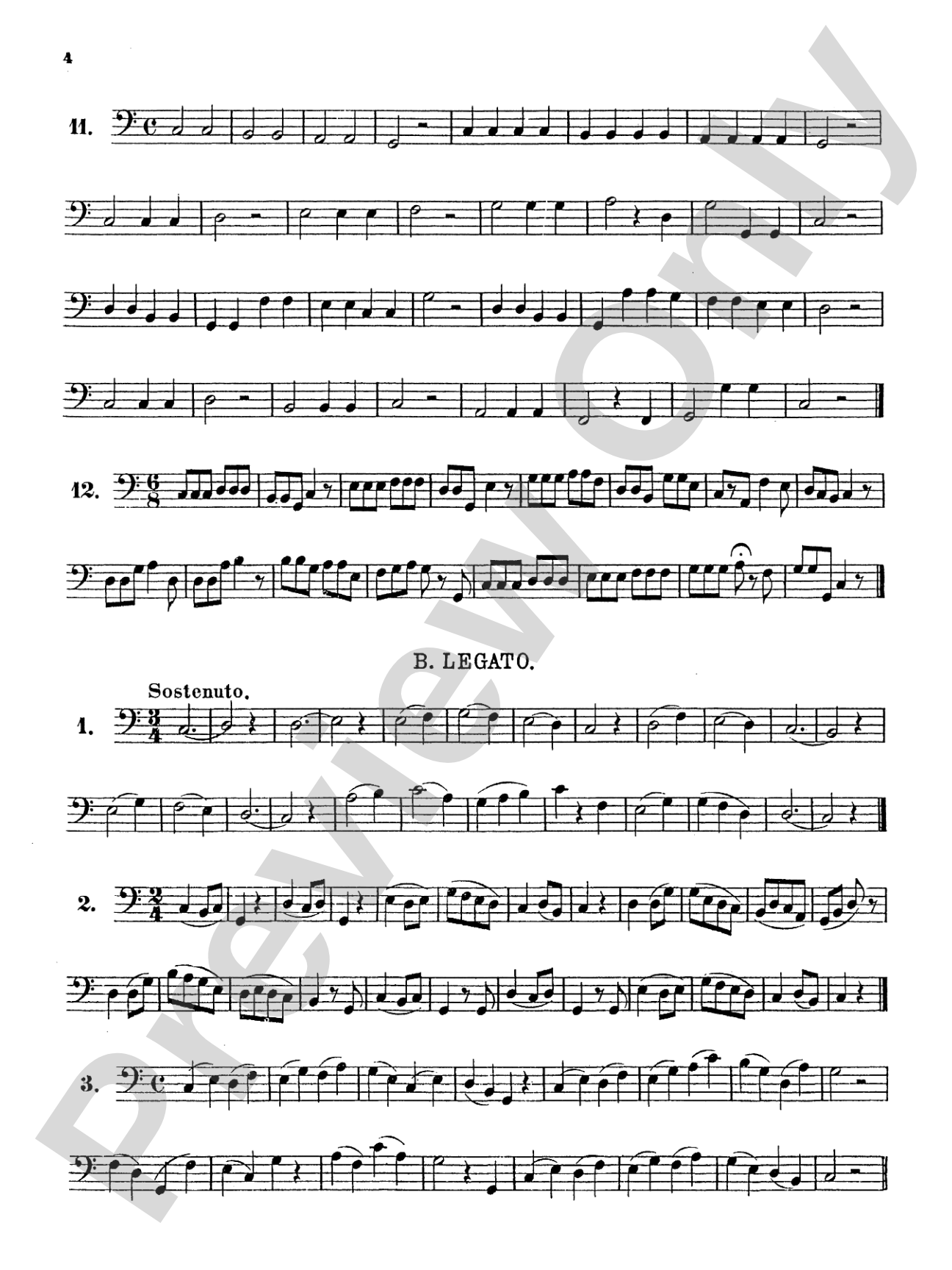
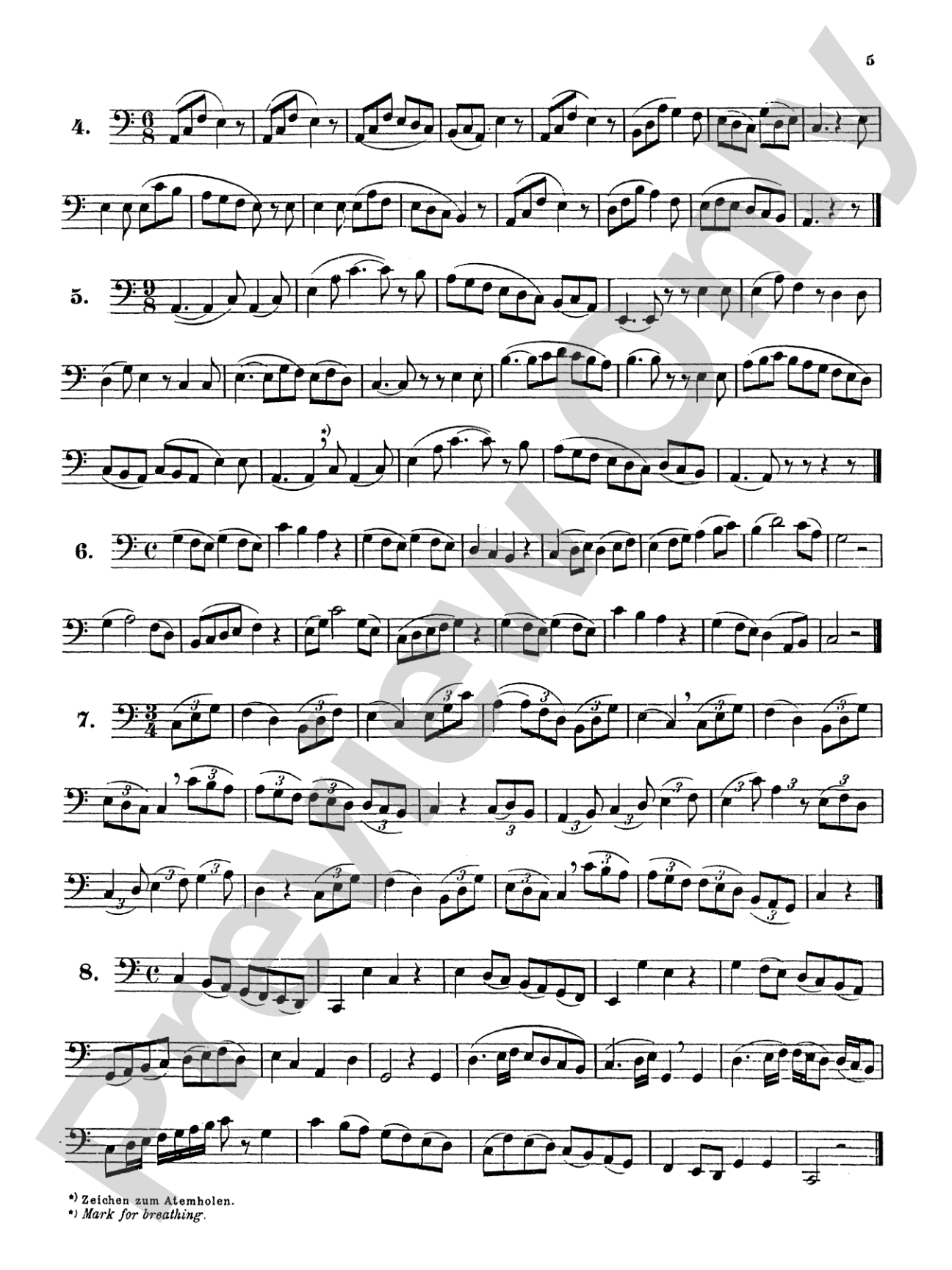
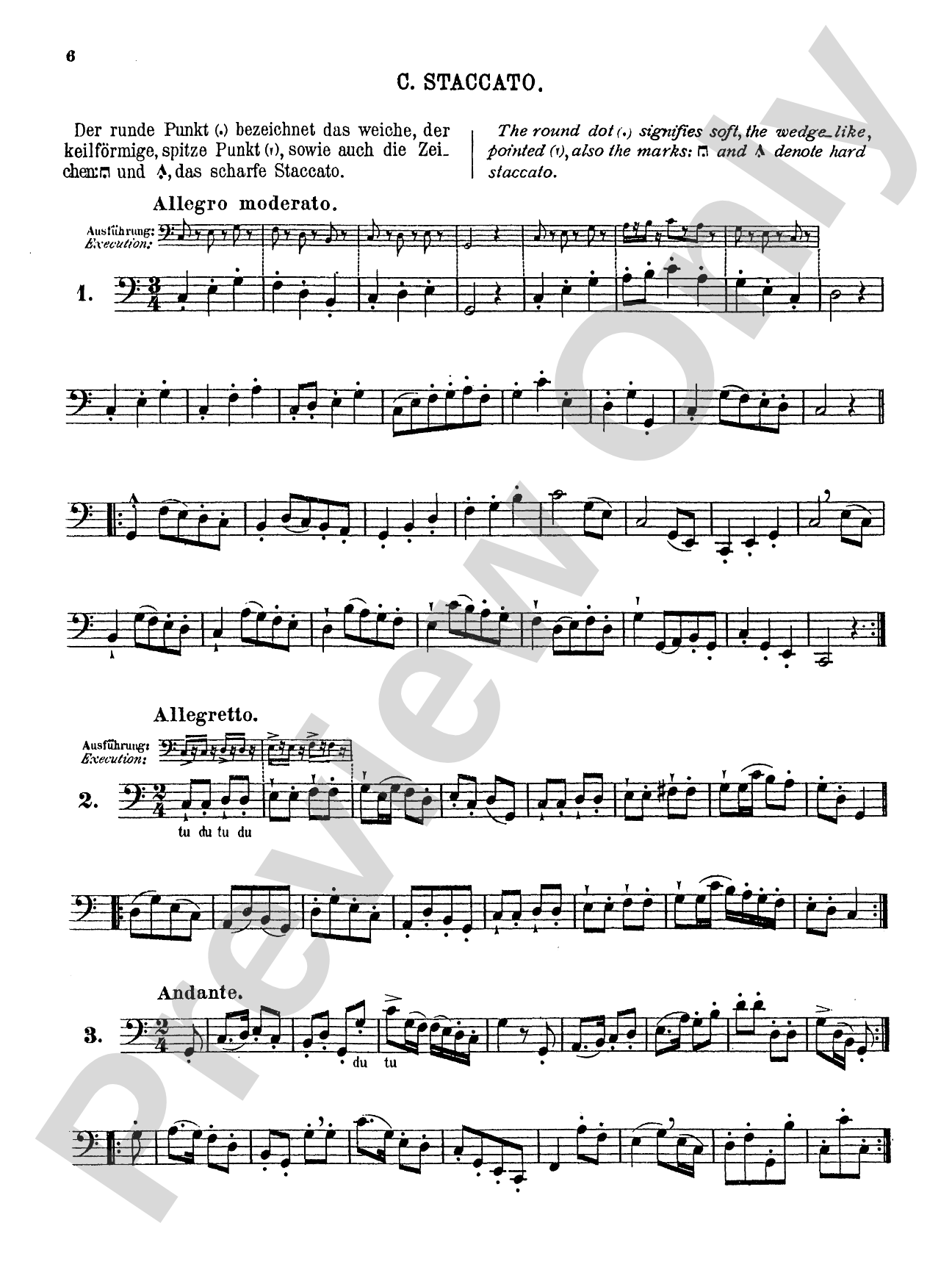
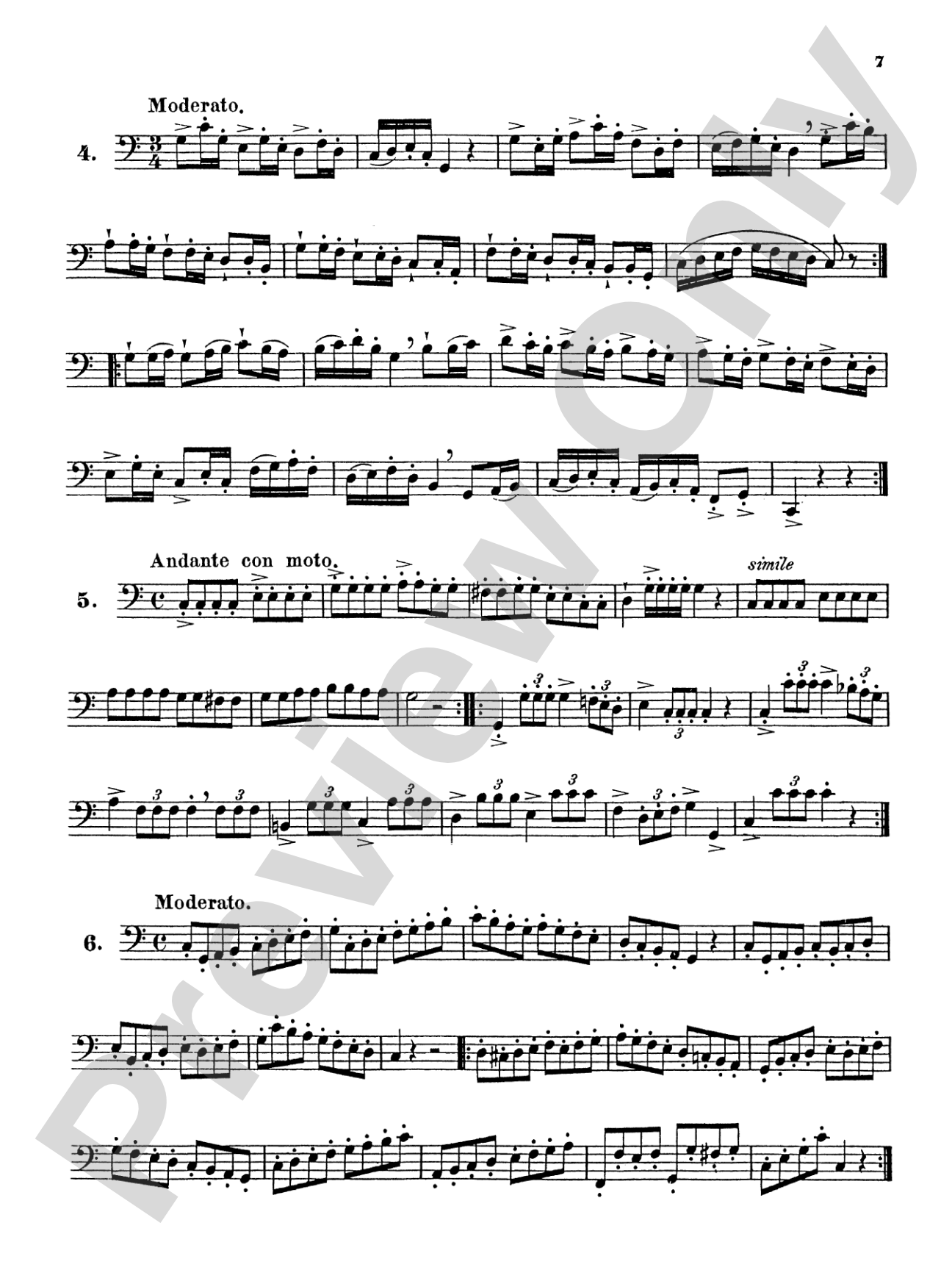
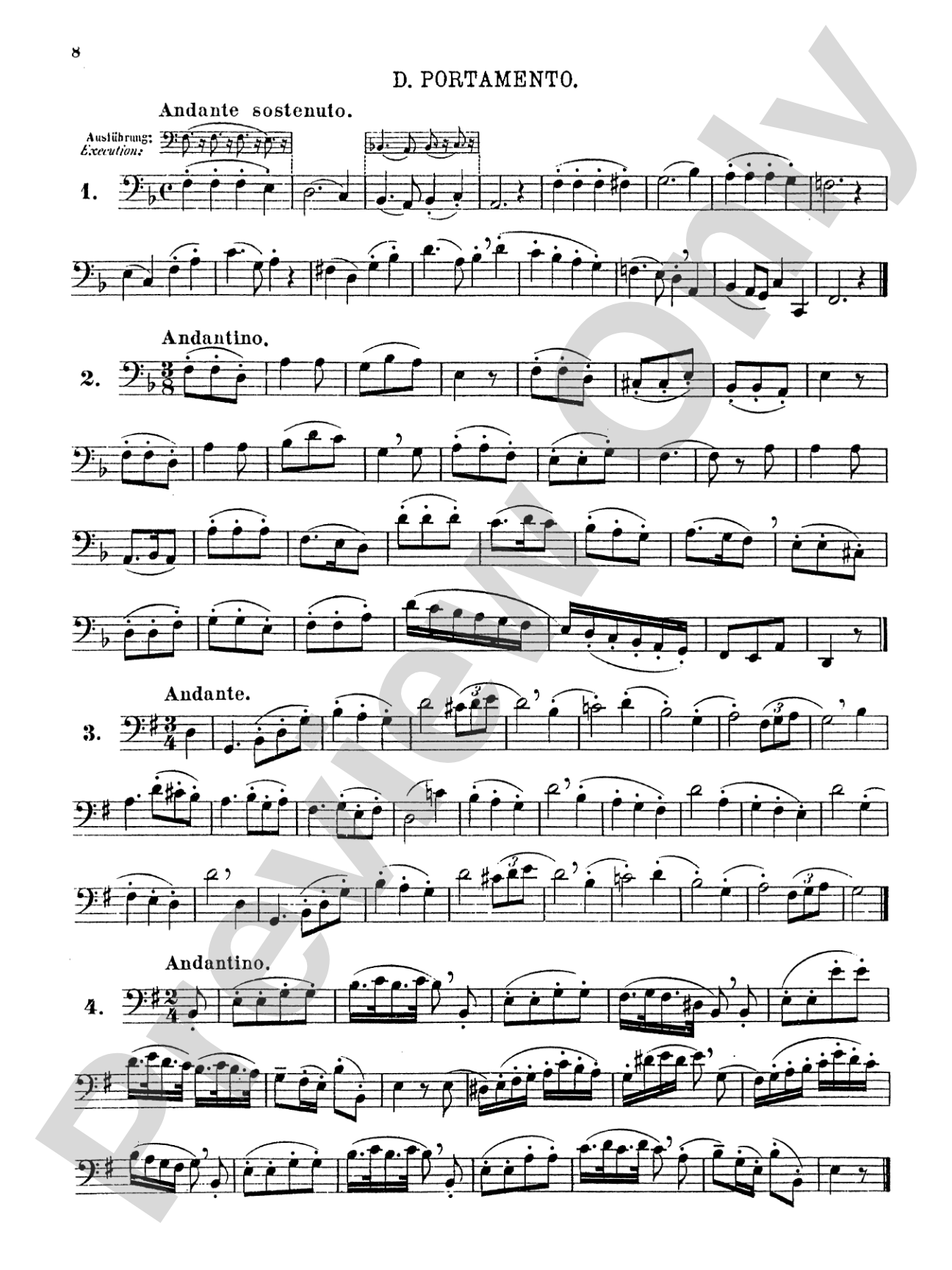
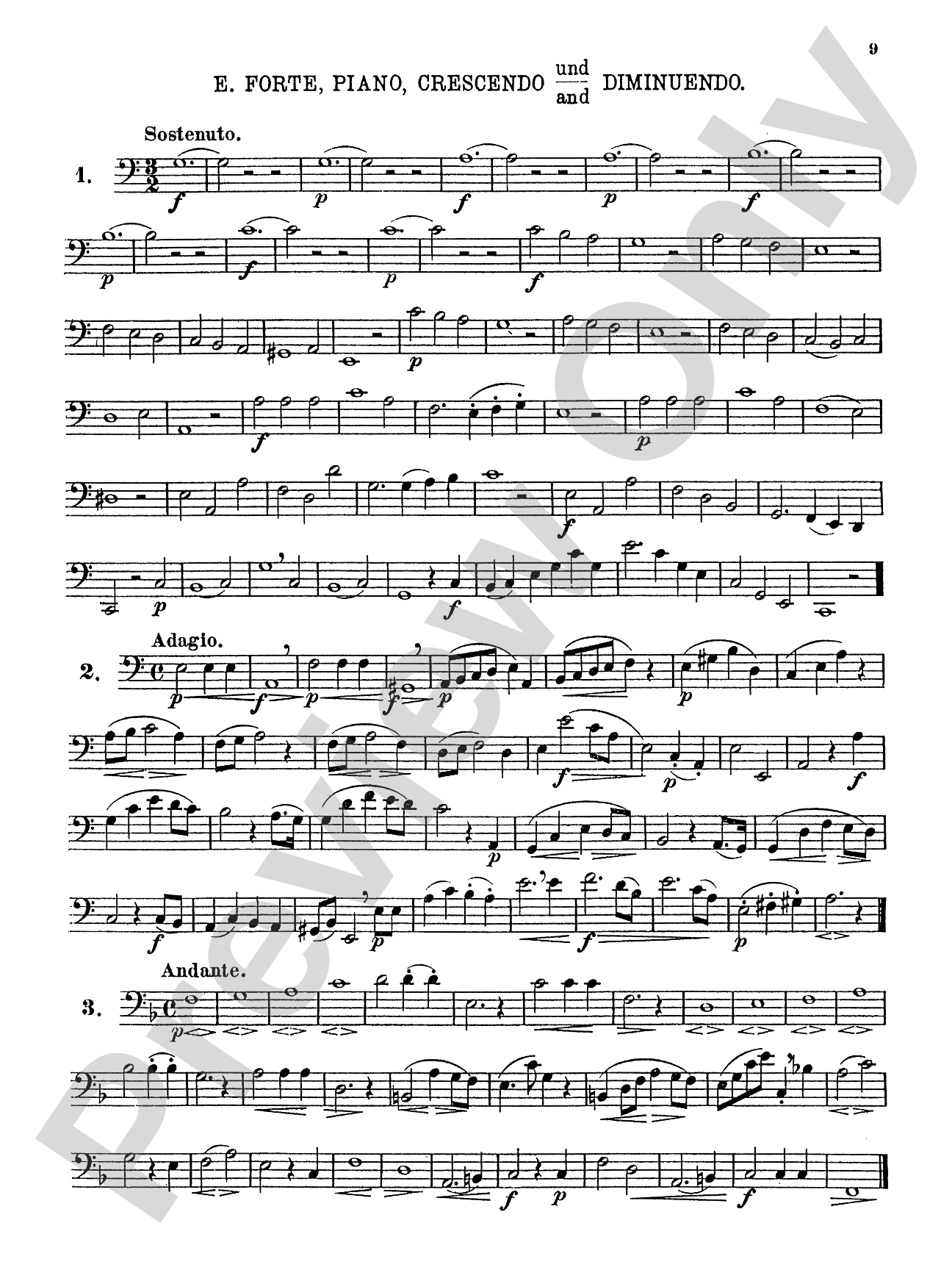
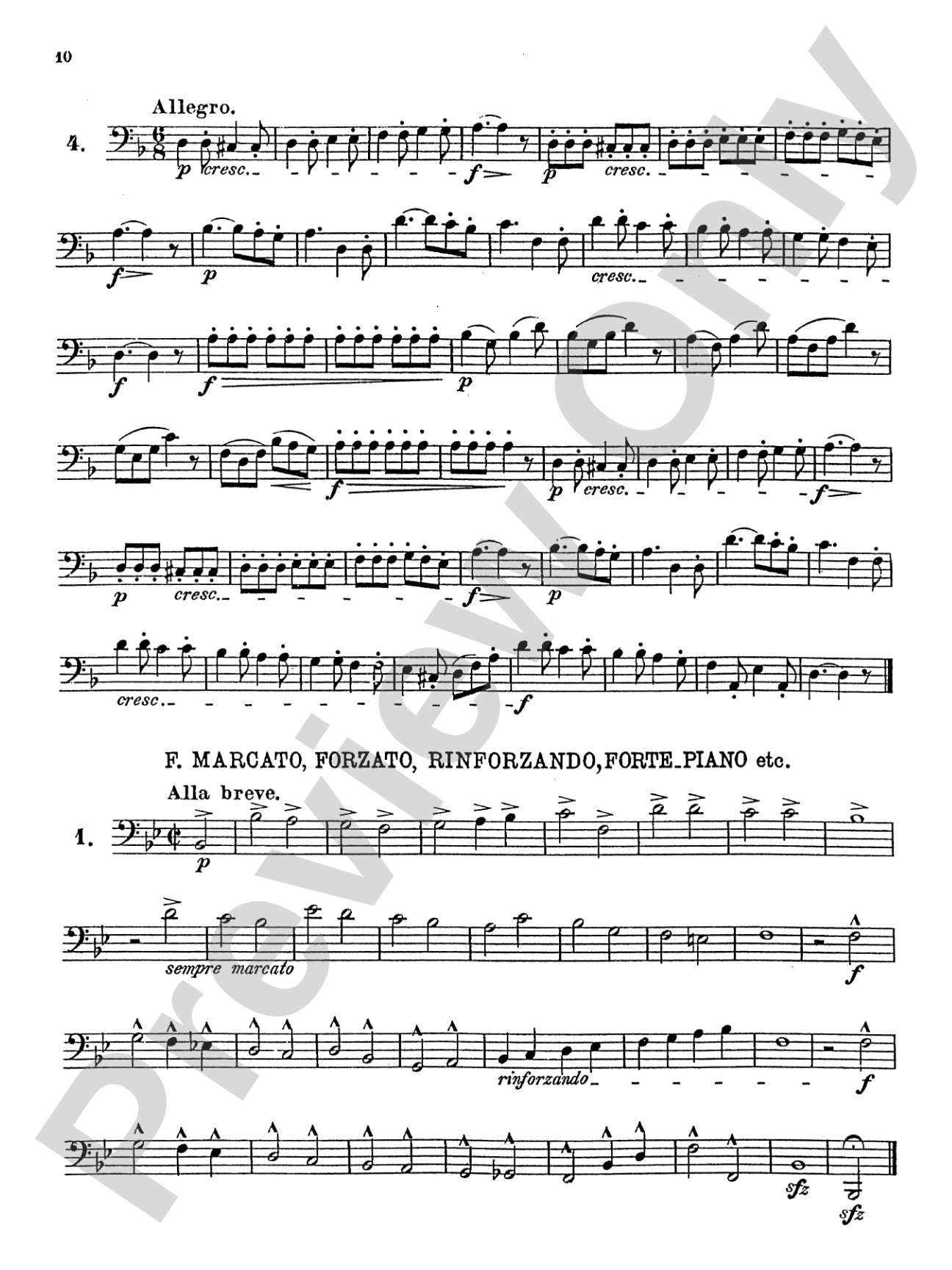
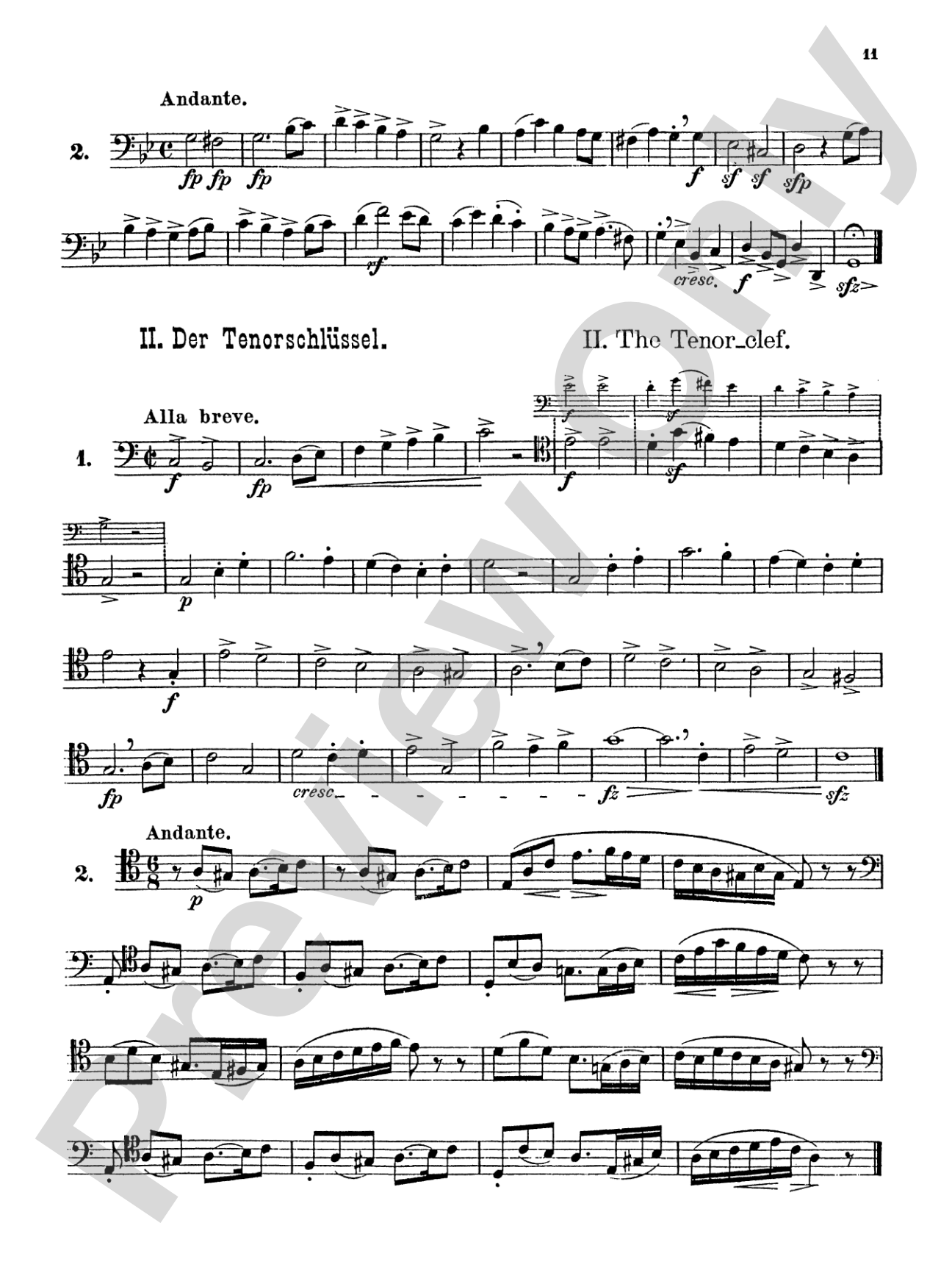

Weissenborn: Bassoon Studies for Beginners, Op. 8: Bassoon Book
By Julius Weissenborn
Item: 00-PK-0003439

$10.99
Pickup currently not available
Buy Extra Parts (Digital PDF Download)
Parts Added to Cart!
Related Items
Bassoon Studies for Beginners, Opus 8: Bassoon Book |
$10.95
|
View |
Description
Expertly arranged Bassoon Studies by Julius Weissenborn from the Kalmus Edition series. This Bassoon Method is from the Romantic era.


Don't just read it, hear it, play along with it, and watch your students grow with it. In MakeMusic Cloud, Weissenborn: Bassoon Studies for Beginners, Op. 8: Bassoon Book comes alive with professional accompaniment, adjustable tempo, and built-in practice tools that turn solo practice into real progress.
Open in the Player
Jump straight in and assign it today.
Start Your Free Trial
Open this title and explore the full library in minutes.
Sample Audio
No sample audio found.
Sample Video
No sample videos found.
Additional Details
Series:
Kalmus Edition
Publisher:
Alfred Music
Page Count:
44
SKU:
00-PK-0003439
More about this title
About the Composer: Julius Weissenborn
Julius Weissenborn (1837-1888) was a German bassoonist and composer who became one of the most influential pedagogues for his instrument during the nineteenth century. His systematic studies and technical exercises remain foundational in bassoon curricula worldwide, prized for their clarity and musicality.
Why we love this
Weissenborn's Op. 8 studies strike a rare balance between rigorous technique and genuine musicality. Each piece develops core skills without feeling like drudgery, making these studies accessible enough for early learners yet substantial enough to engage serious young musicians.
What to expect
The studies unfold with the gentle, forward-moving character of Romantic-era pedagogy. Melodies often sing with simple grace, supported by understated harmonic movement that feels natural and encouraging rather than austere.
Who it's for
These studies serve beginning and early intermediate bassoonists who are ready to move beyond purely foundational exercises into repertoire with real musical substance. They work equally well in private lessons and group settings, making them ideal for young students building both technical confidence and interpretive skills.
How to get the most out of it
- Establish a steady baseline tempo before introducing any rubato; the harmonic language suggests flowing motion that benefits from rhythmic clarity.
- Practice the most exposed passages (upper register passages, large intervallic jumps) separately at a deliberate pace, then integrate them back into the full study at performance tempo.
- Listen closely to your intonation in the lower register, where the bassoon's natural response can flatten; use a tuner if available and adjust embouchure support as needed.
- Shape phrases by thinking of them as vocal lines rather than technical exercises; this approach encourages musicality and prevents the studies from becoming mechanical.
How to use it
Incorporate selected studies into student recitals, pairing them with solo repertoire to demonstrate progress in tone and phrasing. They also work well as preparatory material before introducing larger bassoon solos, since they build the specific technique each piece requires.
Skills your students will build
- Control of dynamic shape across phrases in the low and middle registers
- Interval accuracy and flexibility in the upper register
- Legato articulation and smooth scale passage work
- Rhythmic precision and subdividing longer note values
- Breath management over multi-measure phrases