




Wednesday Workout: Score
By Loreta Fin
Grade: 1.5
Item: 76-PR-0000041
$7.00
Pickup currently not available
Description
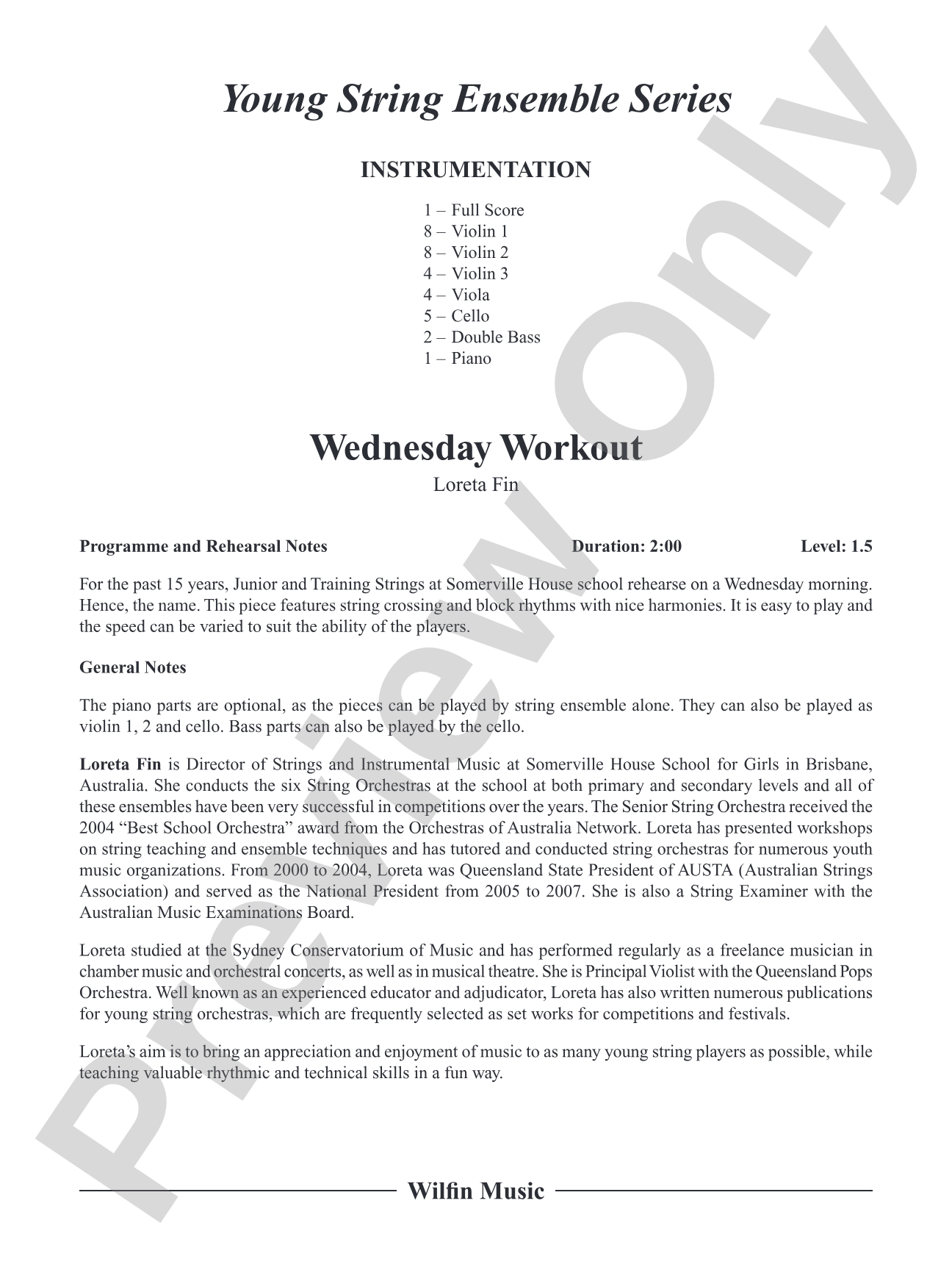
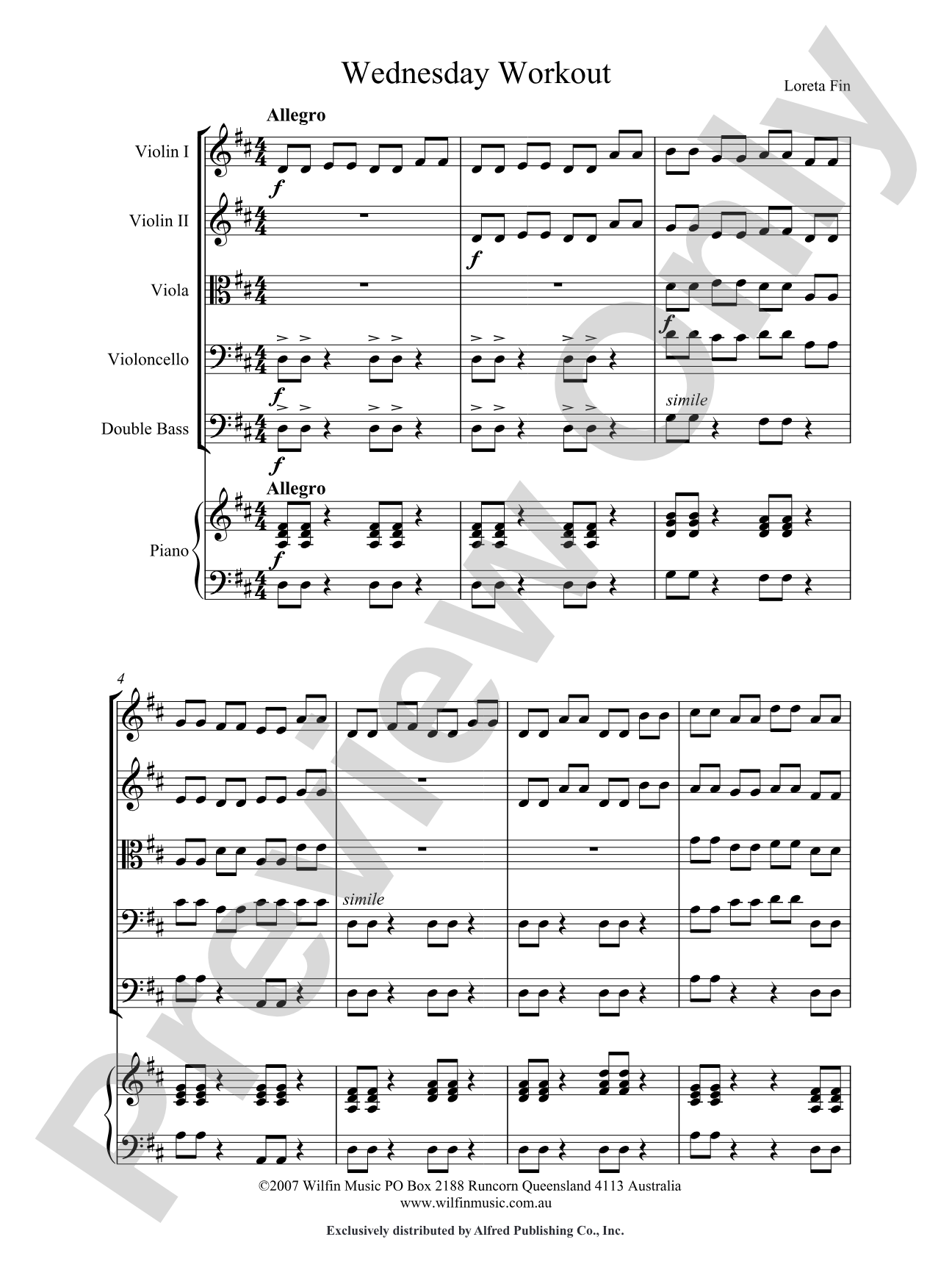
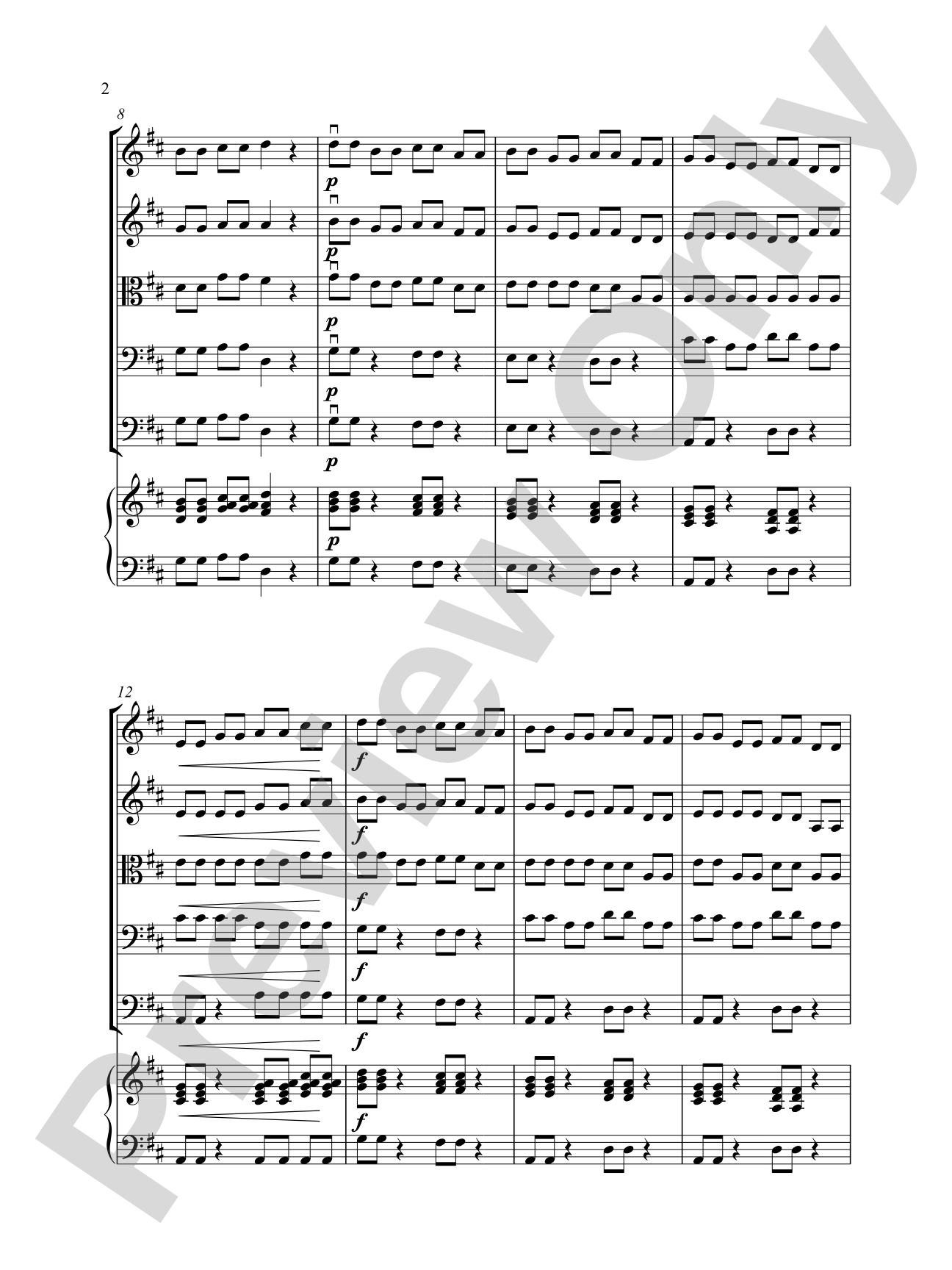
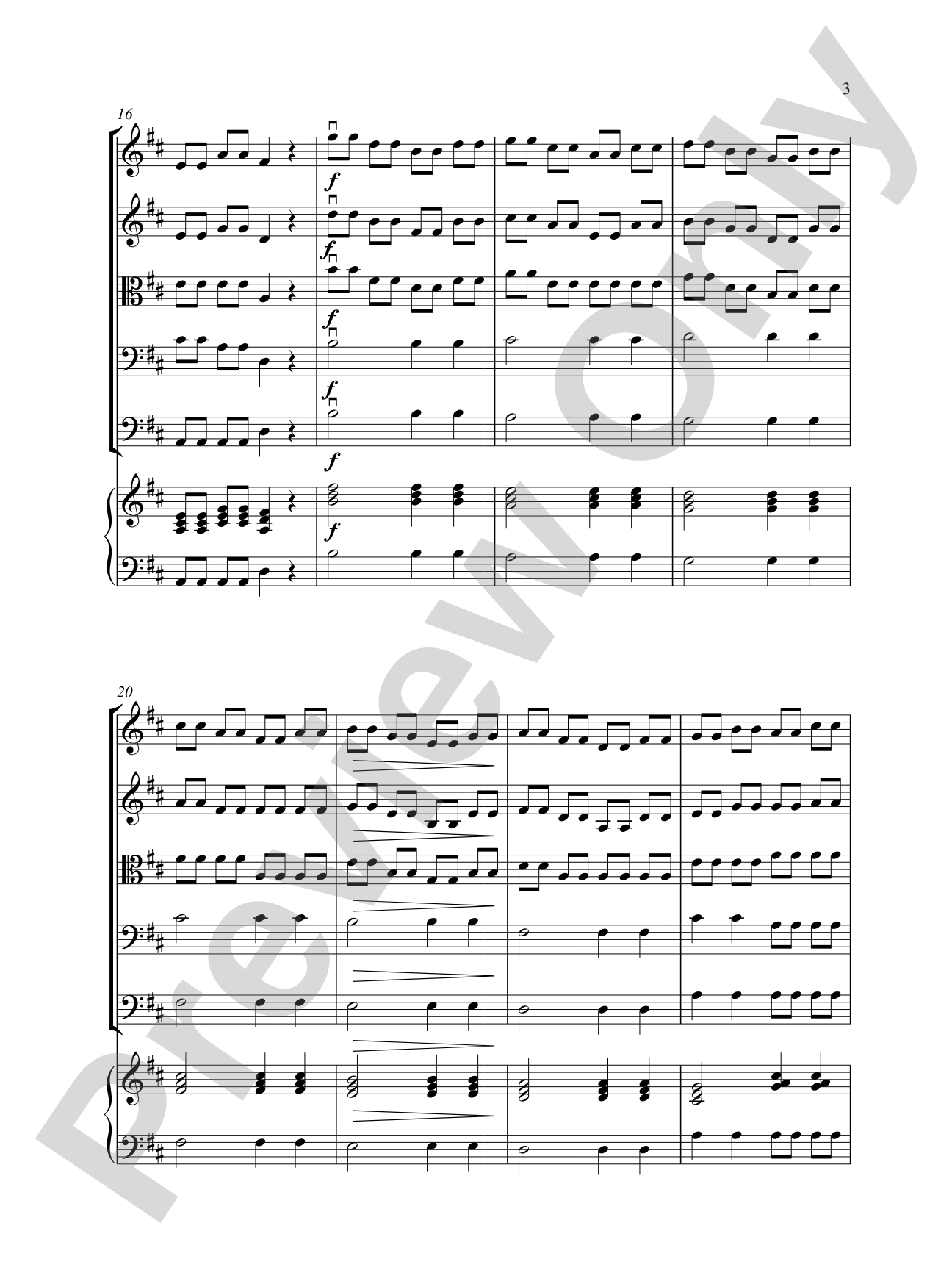
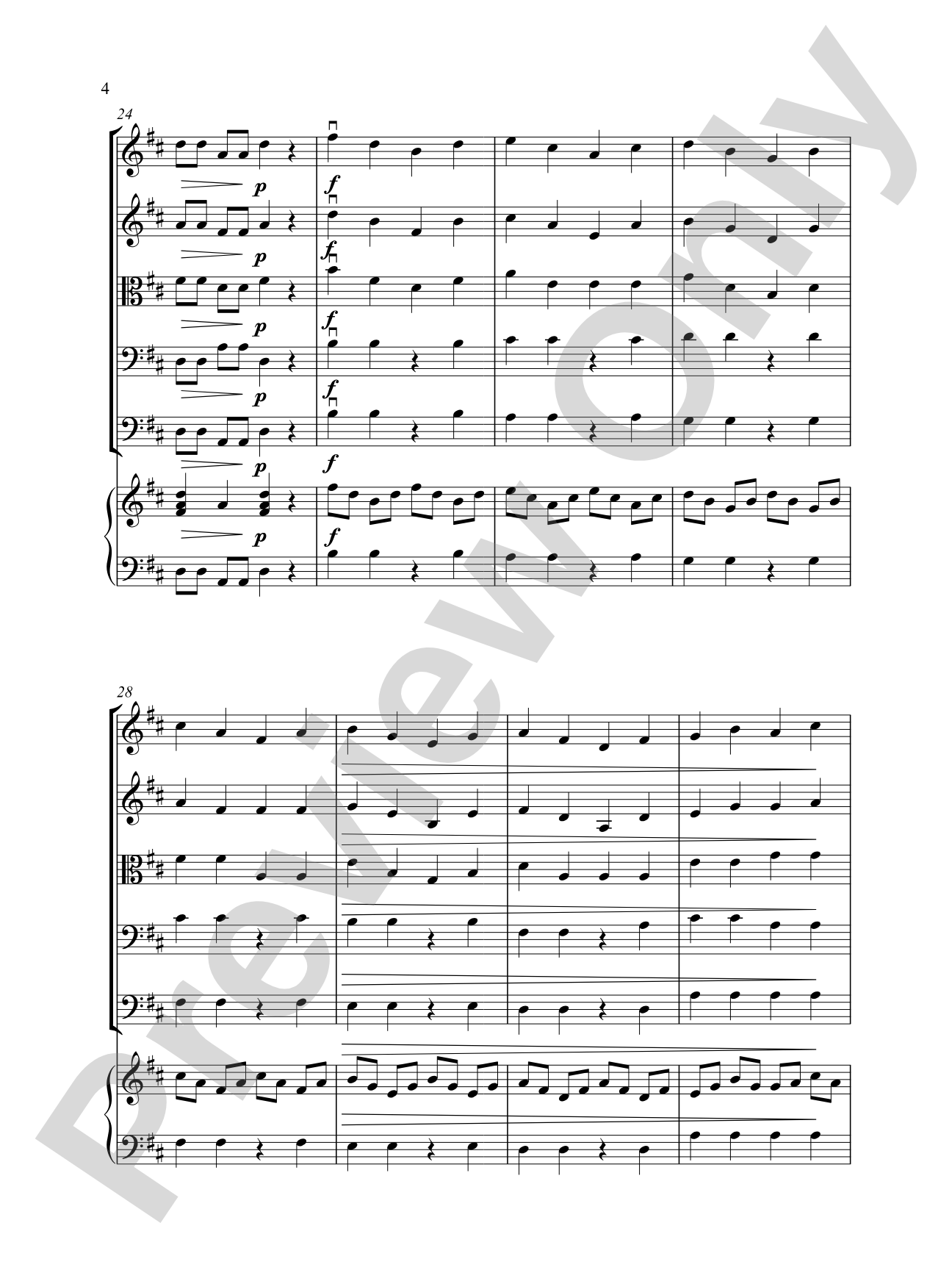
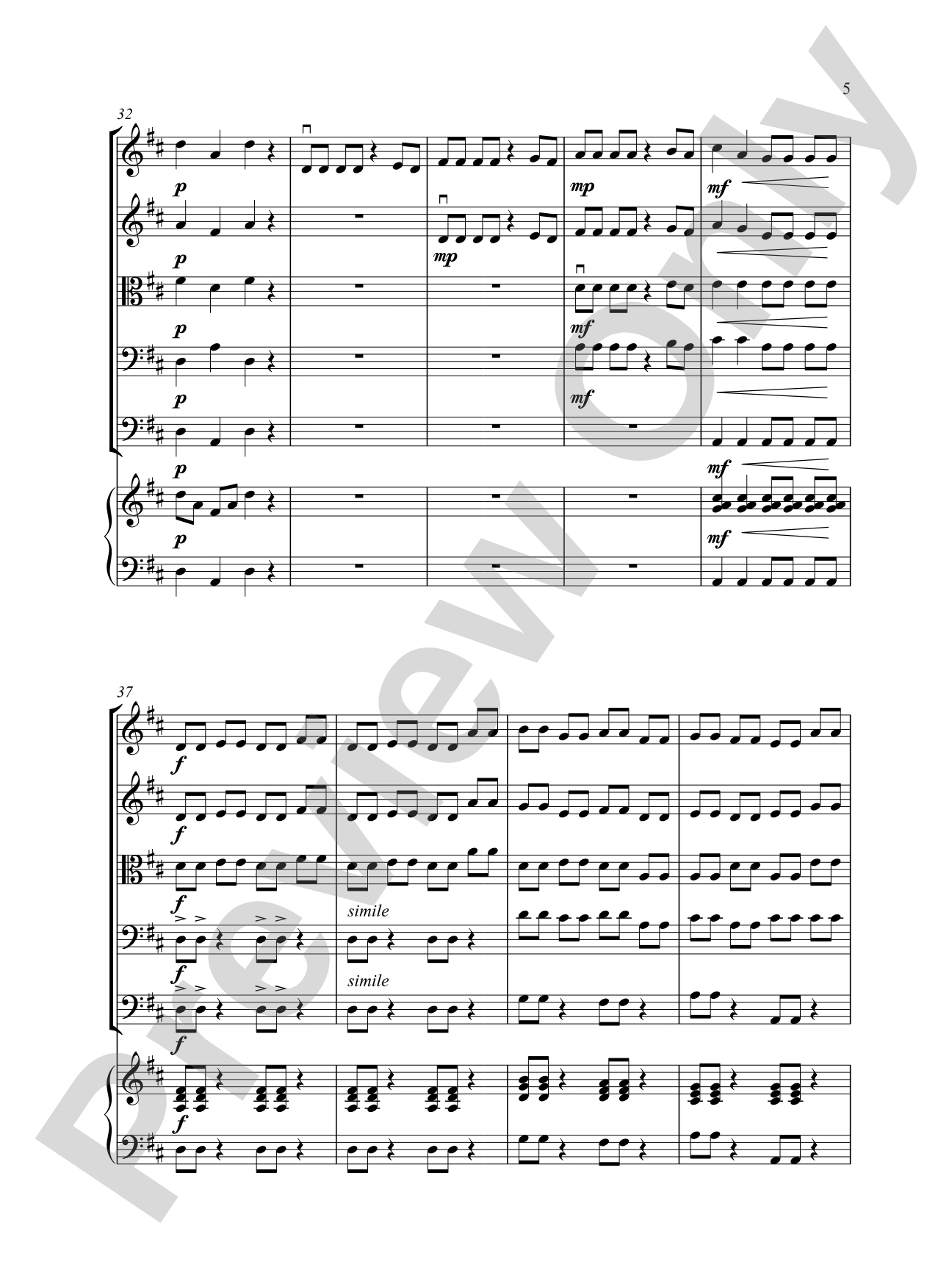
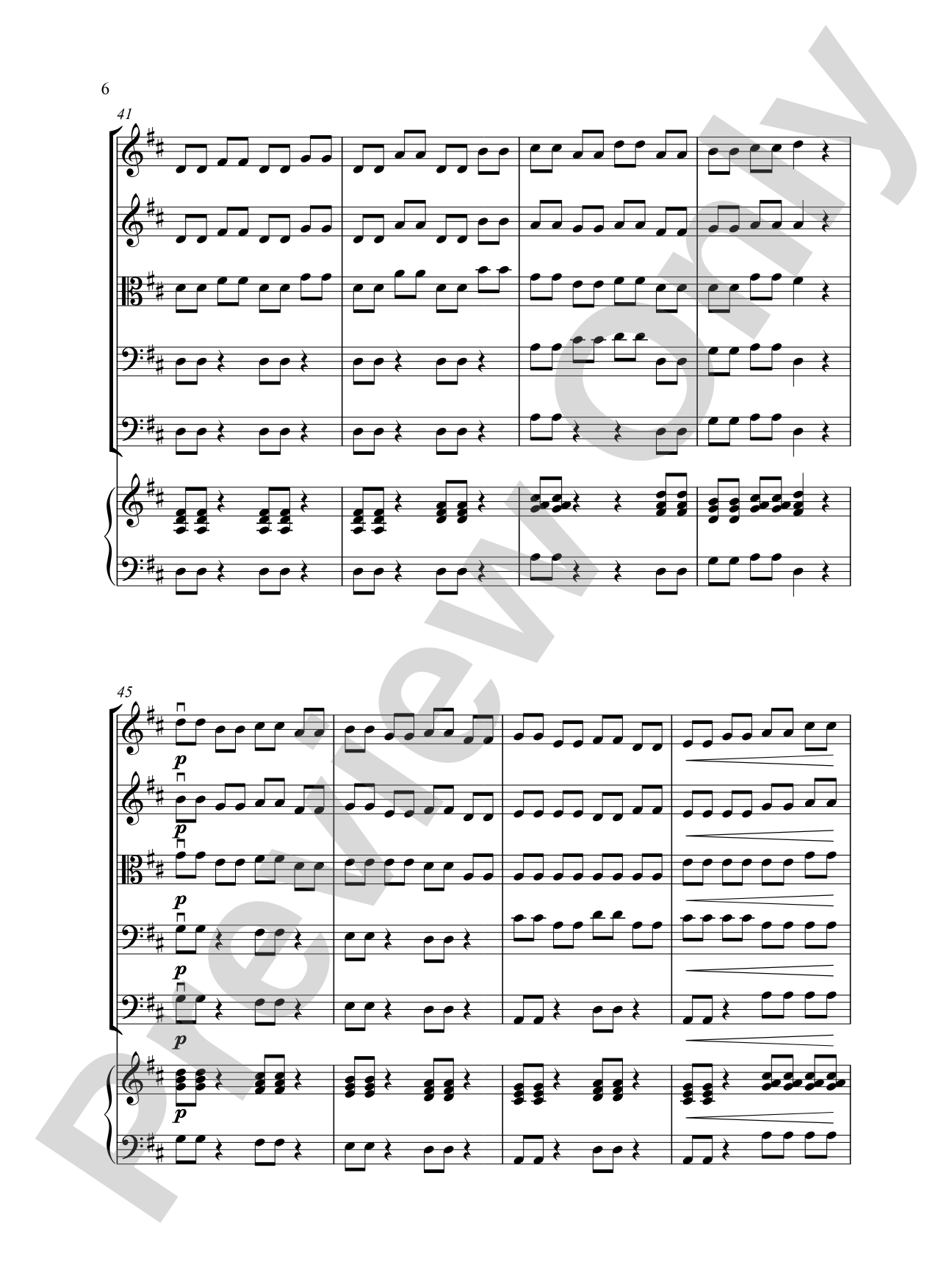
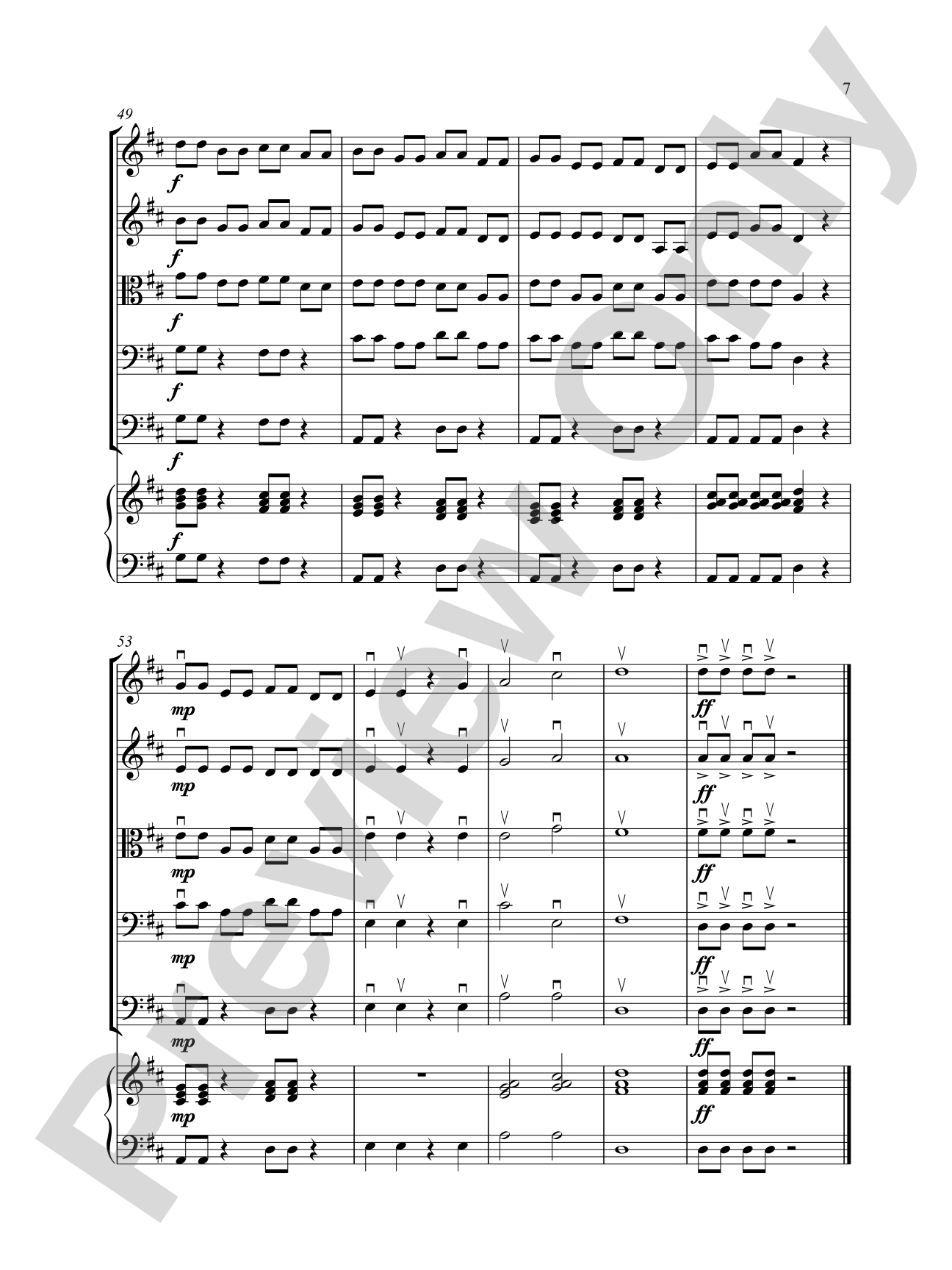
For the past 15 years, Junior and Training Strings at Somerville House School rehearse on a Wednesday morning. Hence, the name. This piece features string crossing and block rhythms with nice harmonies. It is easy to play and the speed can be varied to suit the ability of the players.


Wednesday Workout: Score isn't in MakeMusic Cloud just yet...but it could be. Let us know you'd like to see it, and you'll help shape what comes next. In the meantime, start a free trial and dive into thousands of interactive titles your students can play along with today.
Request This Title
Tell us you want it.
Start Your Free Trial
Explore everything that's ready to play right now.
Sample Audio
No sample audio found.
Sample Video
No sample videos found.
Additional Details
Series:
Wilfin String Orchestra: Young String Ensemble Series
Publisher:
Wilfin Music
Page Count:
124
SKU:
76-PR-0000041
More about this title
About the Composer: Loreta Fin
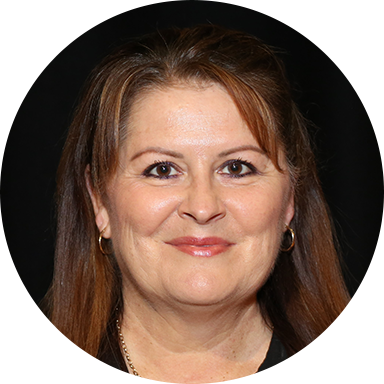
Loreta Fin studied violin and viola at the Sydney Conservatorium of Music and built a performing career as a chamber and orchestral musician. She has served as Principal Viola with the Queensland Pops Orchestra for over 25 years and has performed alongside internationally recognized artists across multiple continents. Since 1993, she has directed the string program at Somerville House School in Brisbane, where her work with junior and training ensembles directly shaped the pedagogical voice heard throughout her compositions.
A prolific composer with more than 100 string orchestra works published by Alfred Music, Fin has earned recognition as both an educator and administrator. She has presented at Australian National Music Conferences and the American National String Teachers' Conferences, adjudicated major competitions nationwide, and served as State and National President of the Australian Strings Association. Her contributions to music education in Australia earned her the National Award for Services to Music and String Teaching, and she was nominated for an ARIA Award for Best Teacher. She currently serves as State Advisor for Strings with the Australian Music Examinations Board and regularly conducts the State and National Honours Ensembles Programs.
Why we love this
Fin writes with genuine affection for young string players. The piece emerges directly from her decades directing junior ensembles, which means the technical demands serve musicality rather than the reverse. String crossings and block rhythms become natural building blocks for ensemble cohesion, not hurdles, and the adjustable tempo lets you meet your group exactly where they are.
What to expect
Energetic and purposeful, with the transparency of good string writing at the introductory level. The block harmonies create satisfying resonance even in smaller groups, and the string crossings give the piece textural variety without feeling disjointed. There's a lightness to it that young players respond to immediately.
Who it's for
Young string orchestras and training ensembles in their first years of ensemble playing. The accessible level and adjustable tempo make it equally suitable for mixed-ability groups or schools introducing multi-grade rehearsals. Directors seeking repertoire that sounds mature while remaining technically achievable will find this score invaluable.
How to get the most out of it
- Approach the string crossings as opportunities for unified bow direction. Mark the crossing points in rehearsal and isolate them with a single bow stroke at various speeds until the players move together instinctively.
- Use the block rhythms to establish ensemble precision. Lock the rhythm section first (cellos and basses), then layer in the inner voices, allowing young players to hear how their parts fit within the harmonic structure.
- Adjust tempo strategically across rehearsals. Begin slower to ensure intonation and rhythmic accuracy, then gradually increase pace as confidence builds, letting the players experience the piece's energy at their own developmental level.
- Balance the harmonies carefully during early rehearsals. Young string players often play too softly on inner parts. Encourage viola and second violin players to match the dynamic intensity of the first violin line so the full harmonic palette emerges.
How to use it
Program this as an opener for a chamber or full orchestra concert. Its uplifting character and modest technical demands make it an excellent vehicle for building ensemble confidence early in the season. The adjustable tempo also makes it suitable for demonstrating growth across the academic year, letting you return to it as players develop and explore faster, more polished interpretations.
Skills your students will build
- String crossing technique with coordination across multiple instruments
- Playing as a unified ensemble through block rhythms and synchronized bowing
- Intonation control in harmonic progressions with multiple voice parts
- Dynamic balance between first violin melody, inner parts, and bass foundation
- Flexibility in tempo adjustment and musical interpretation