
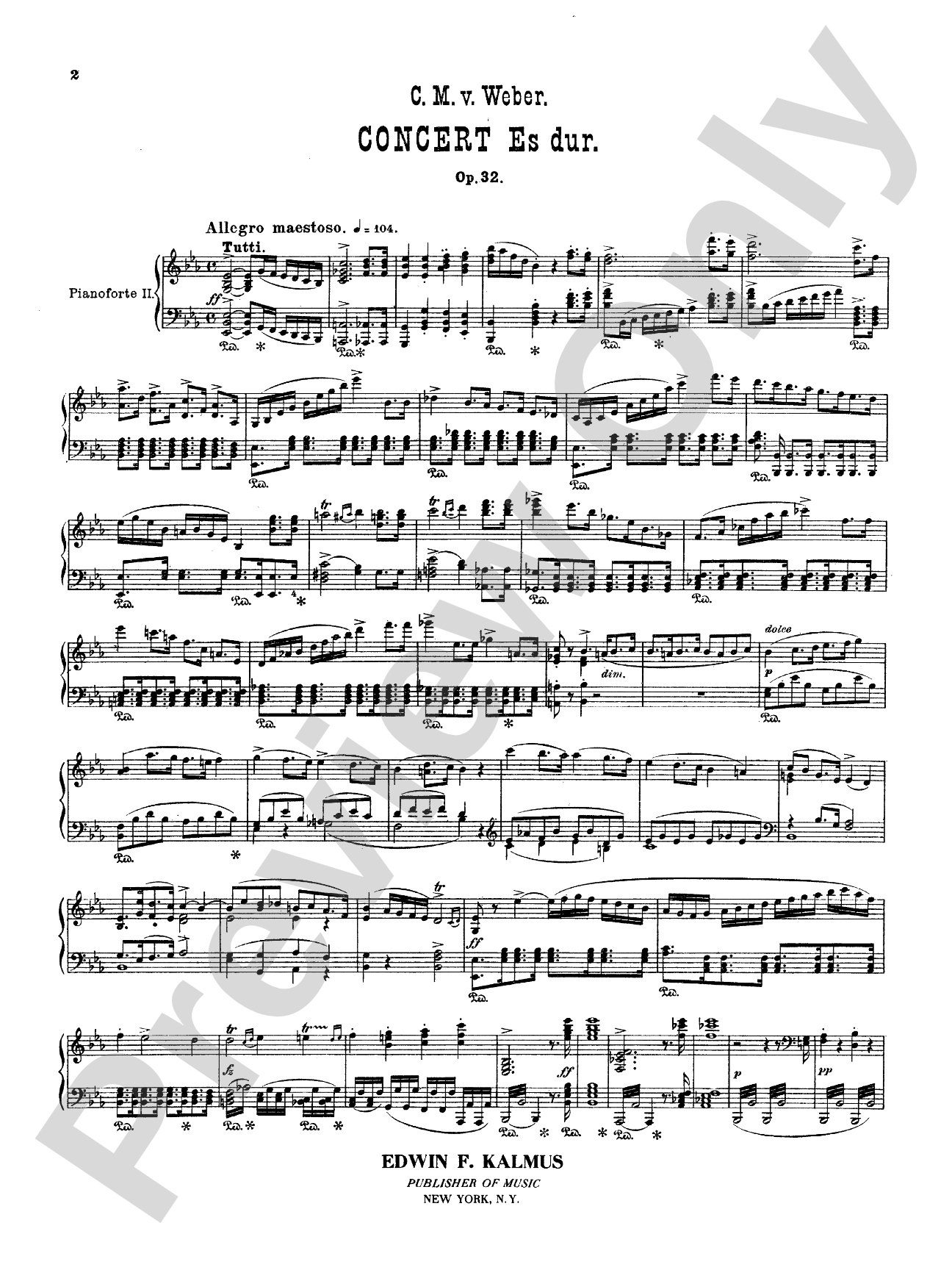
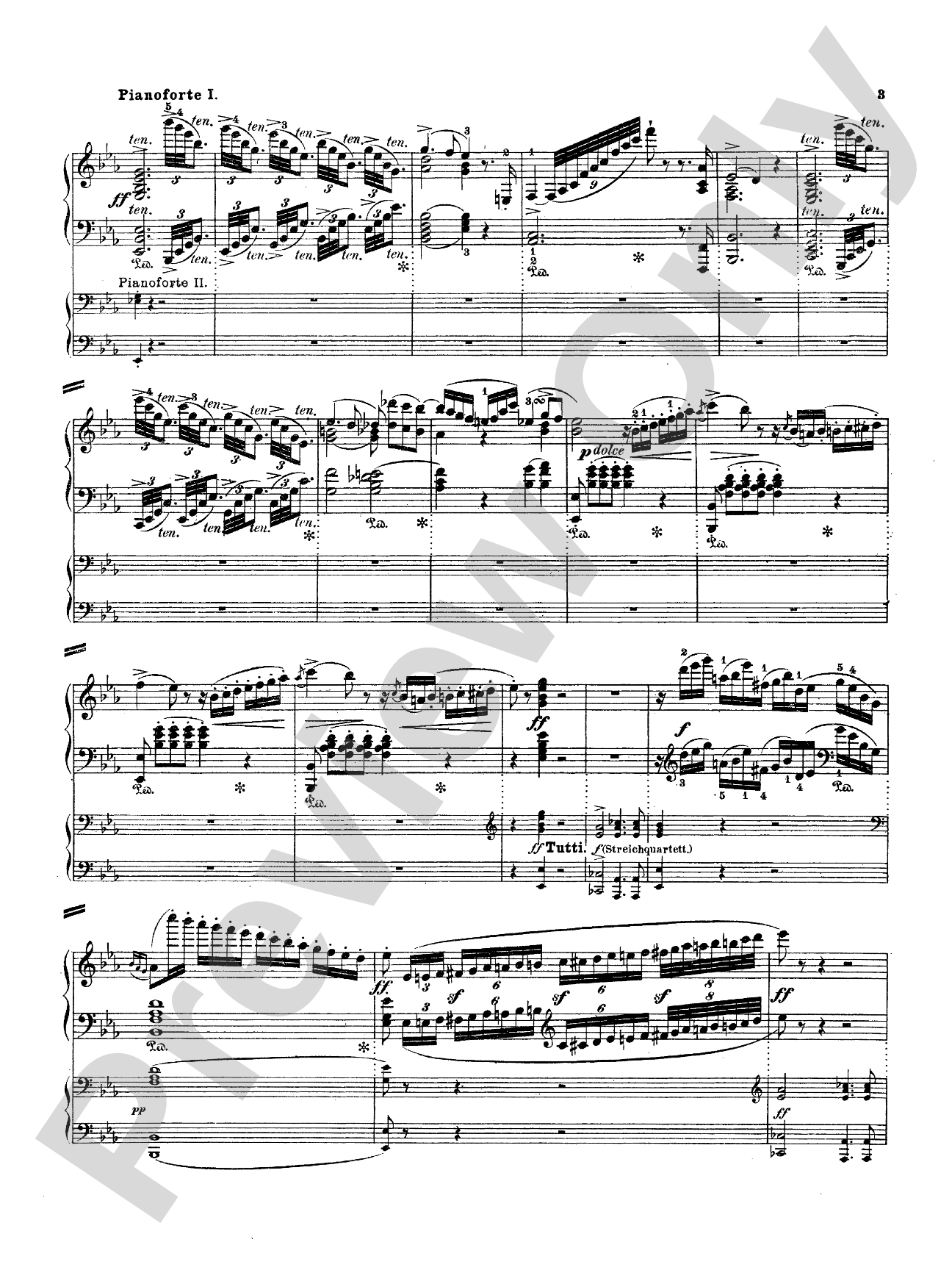
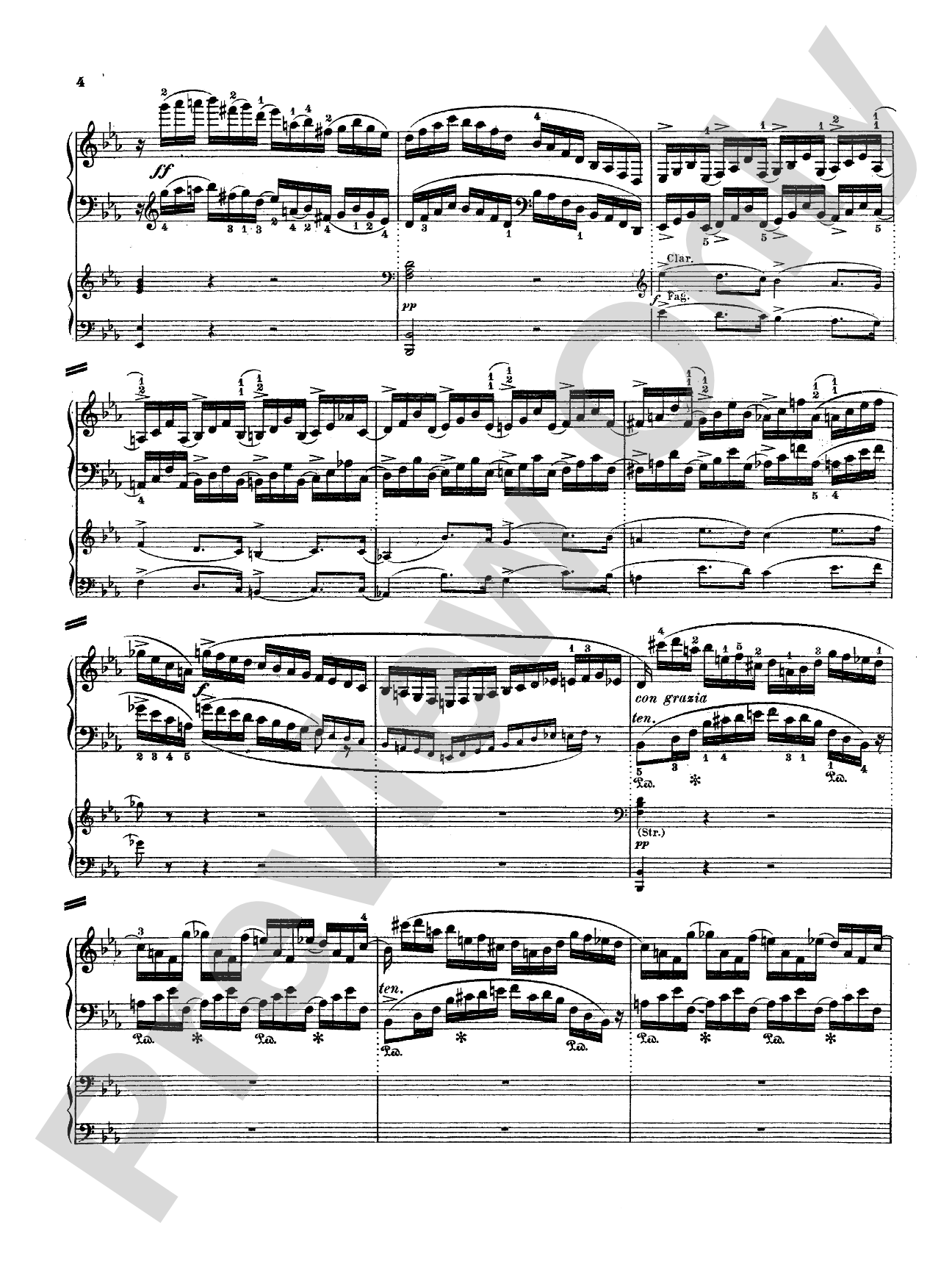
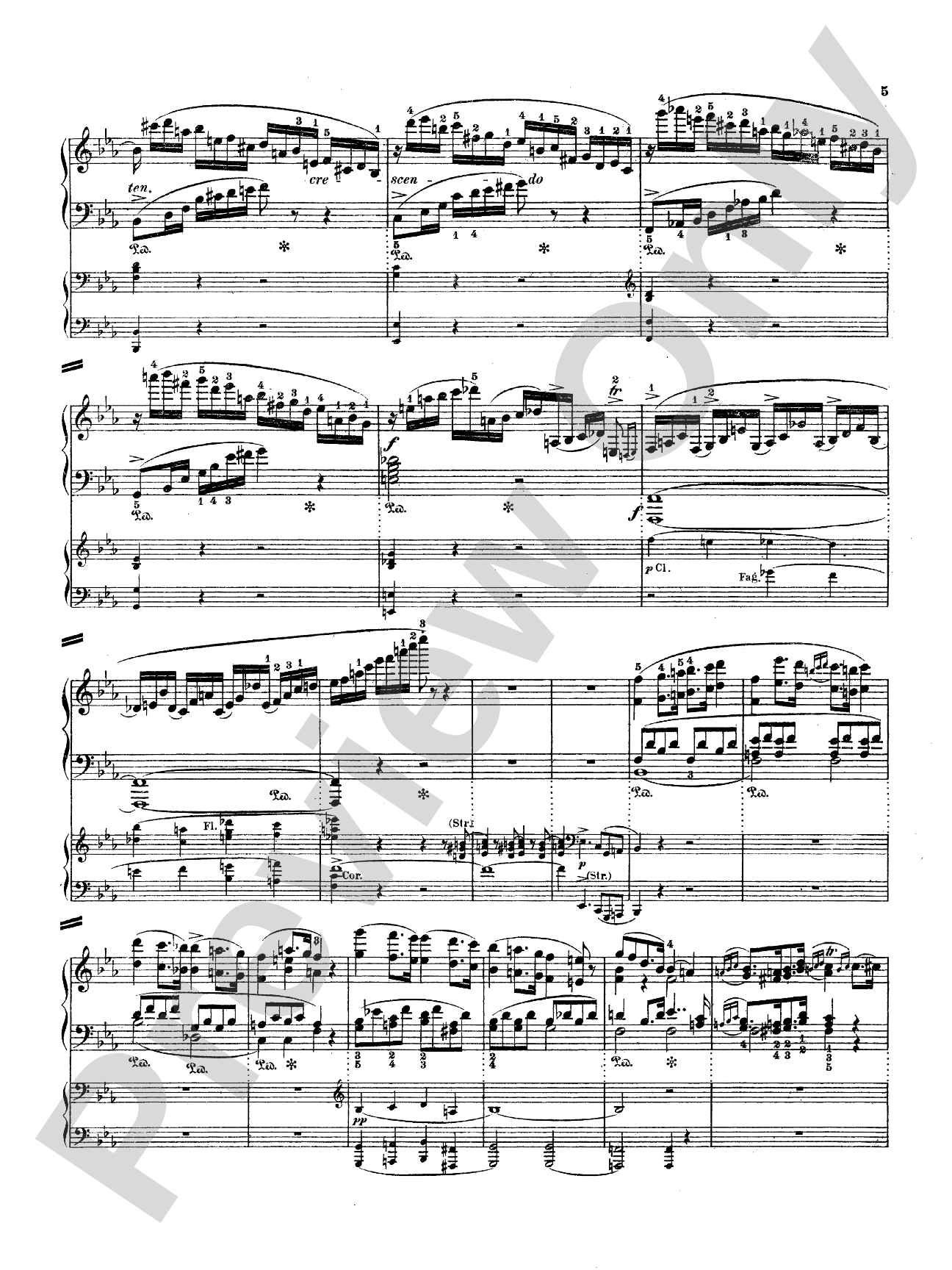
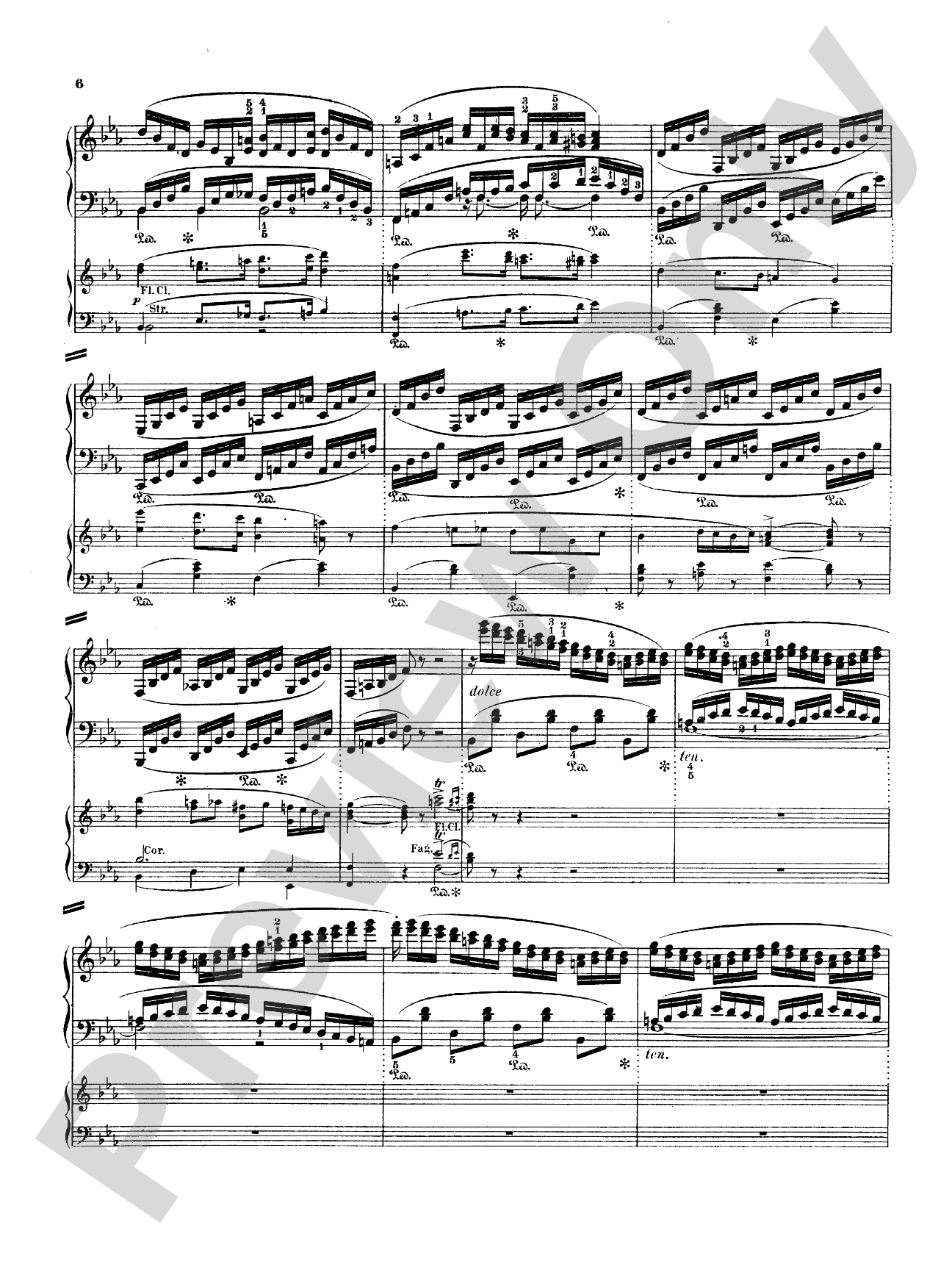
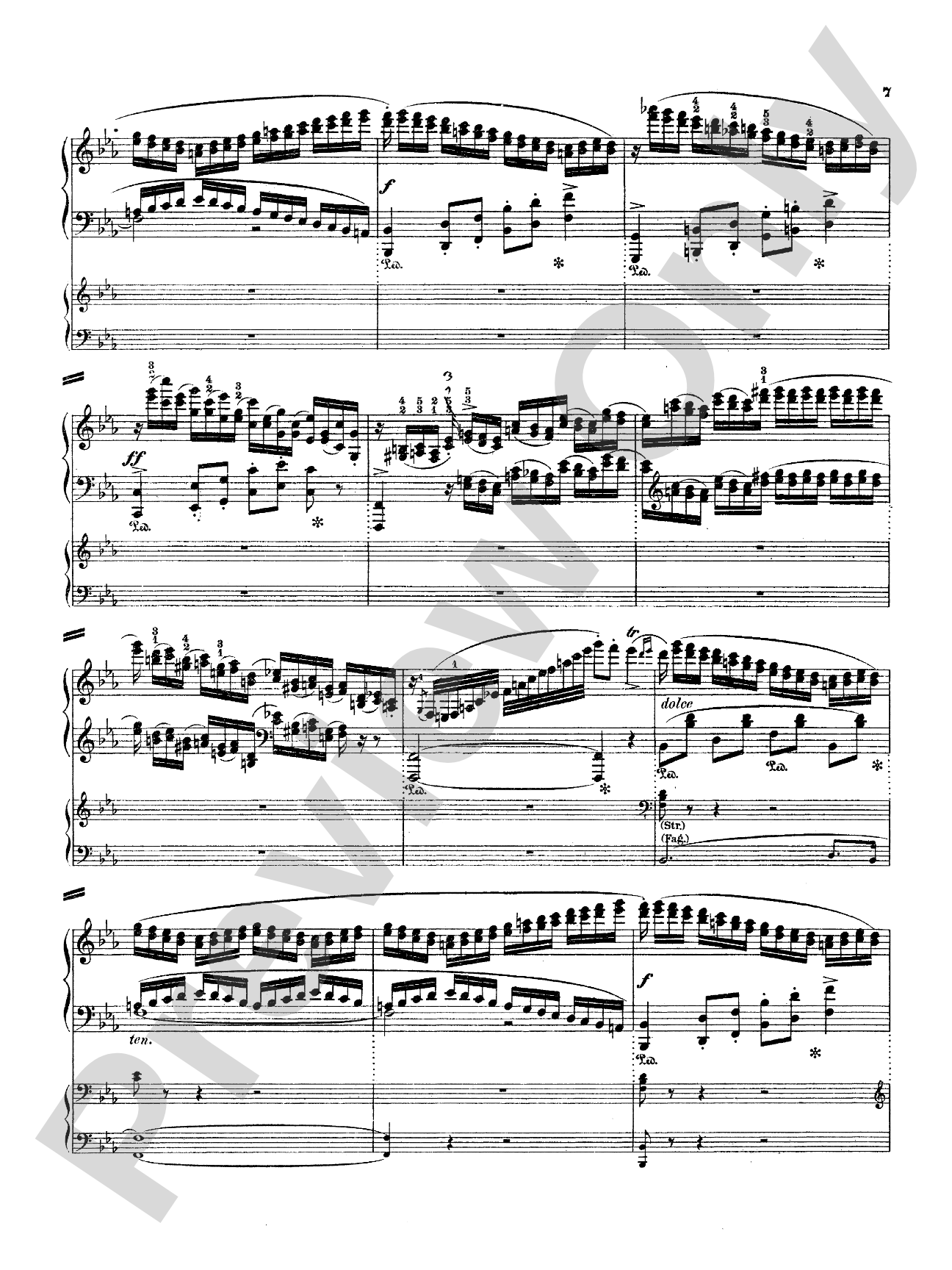
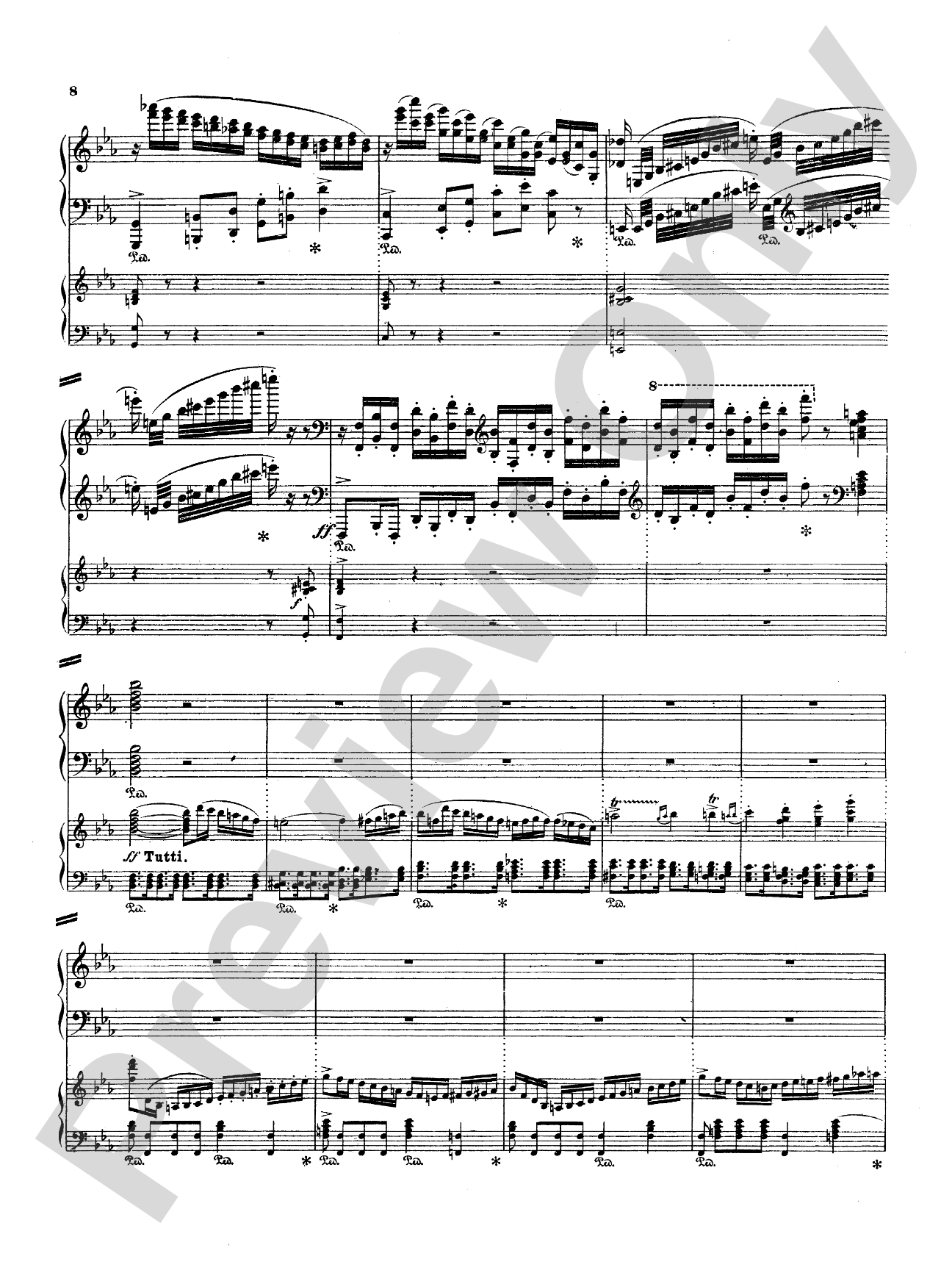
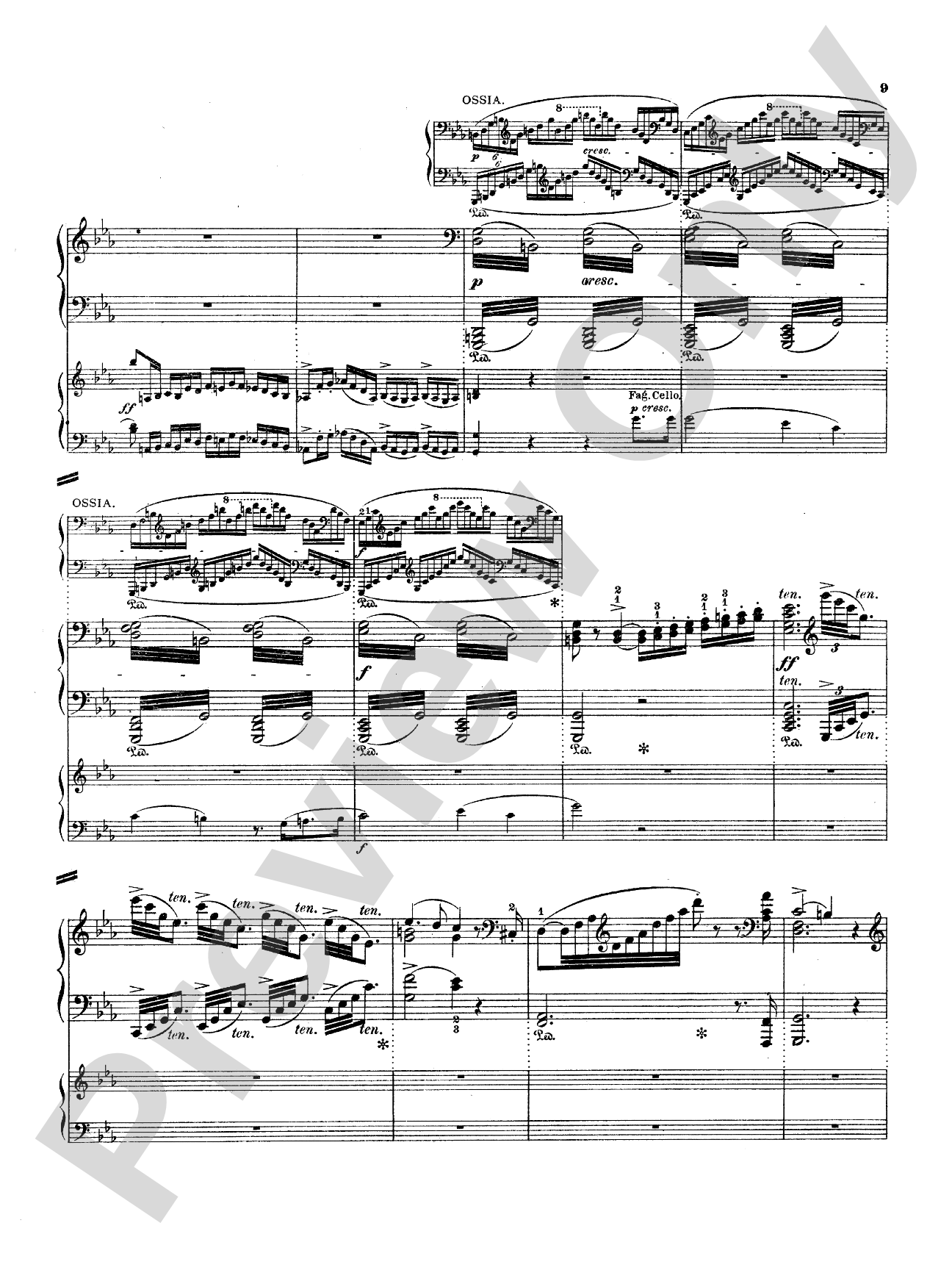
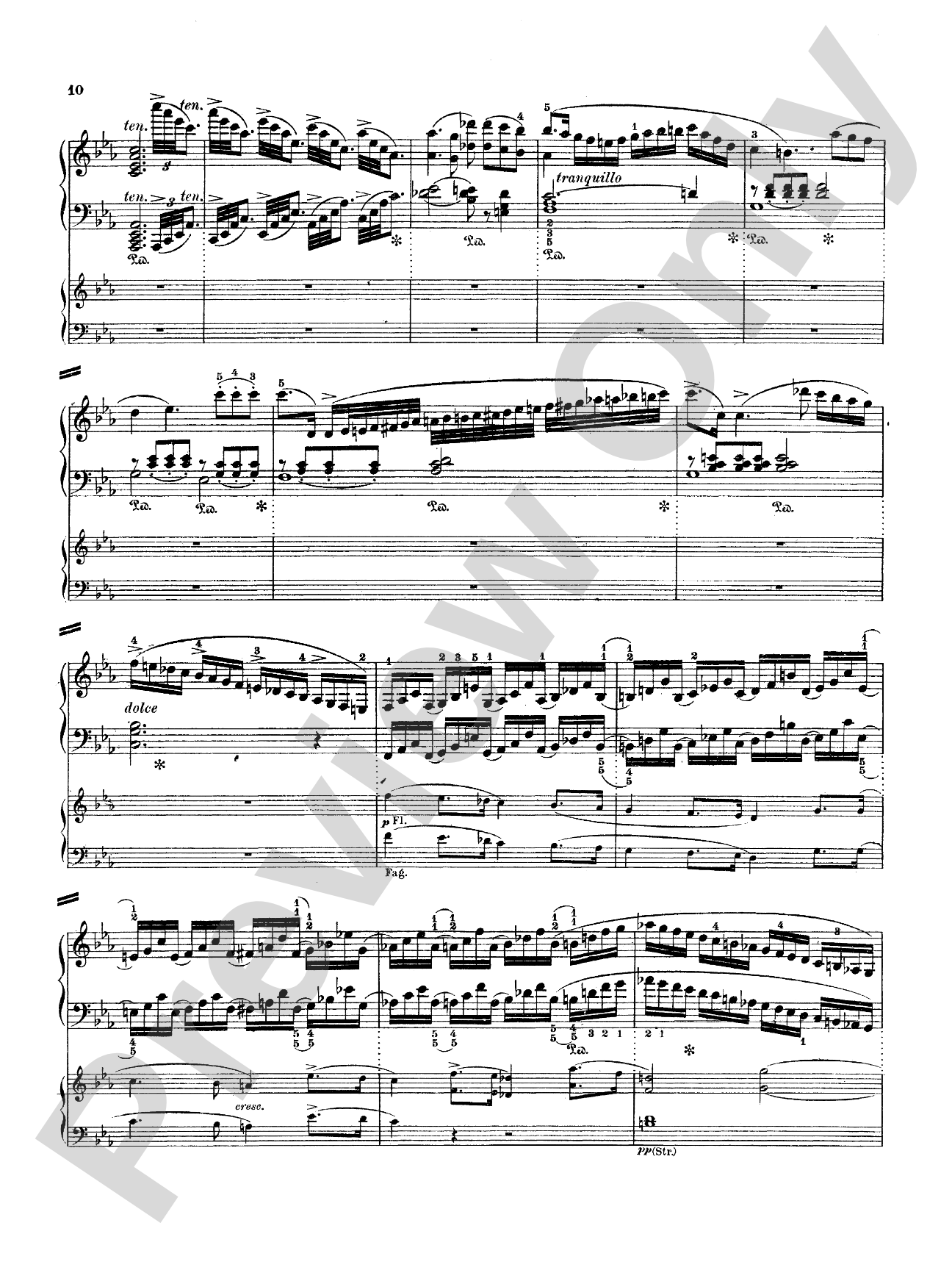
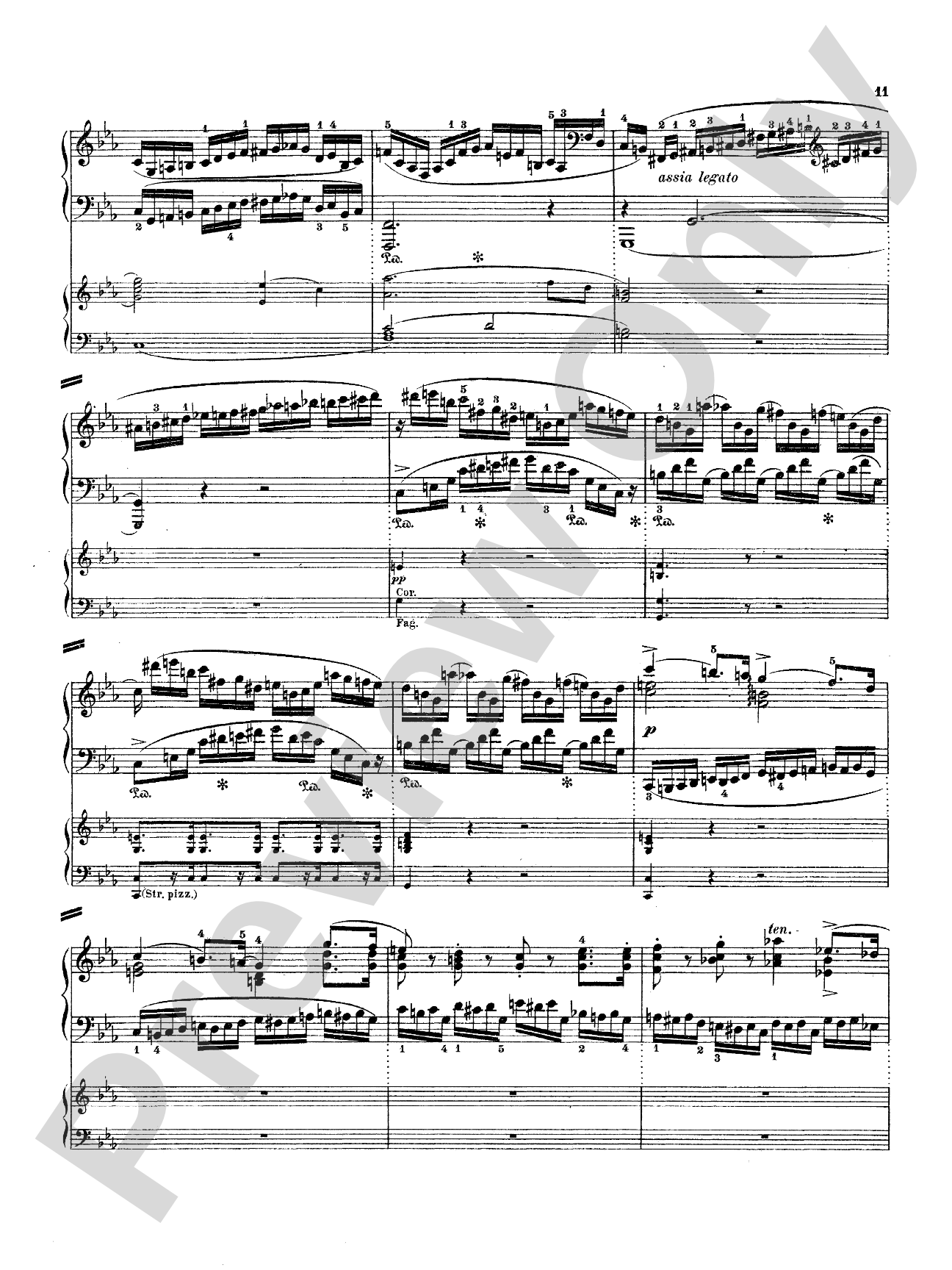
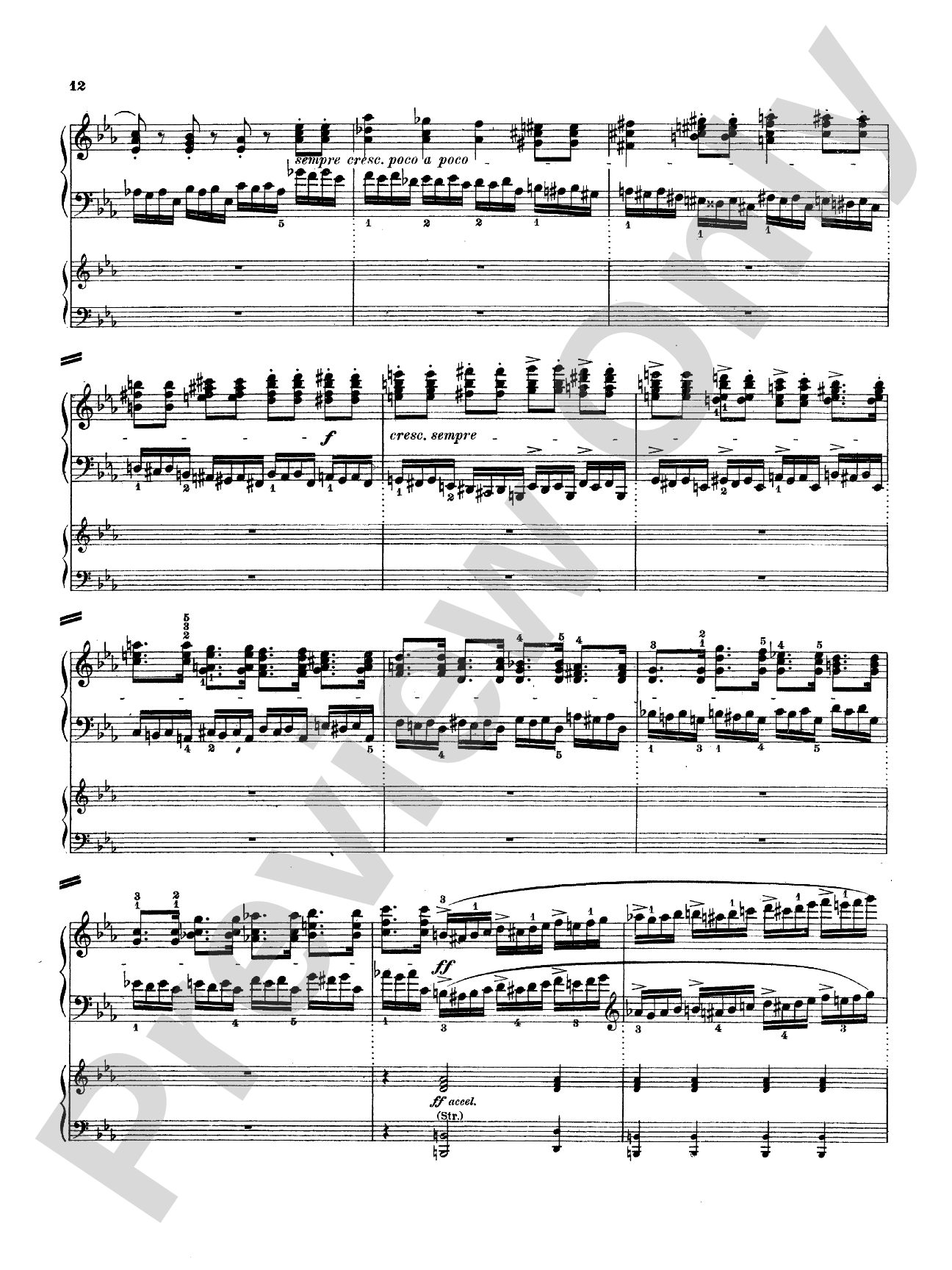
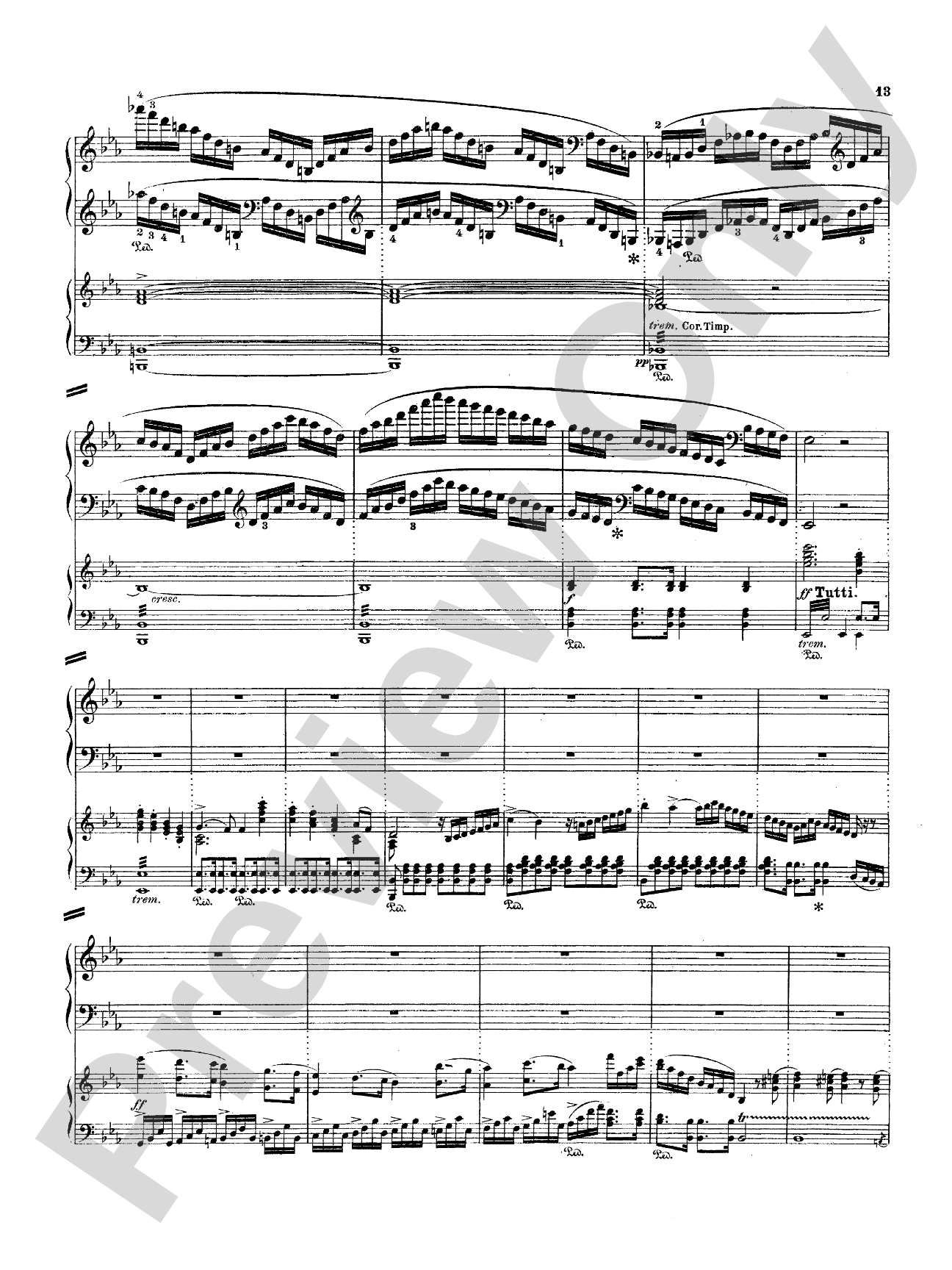
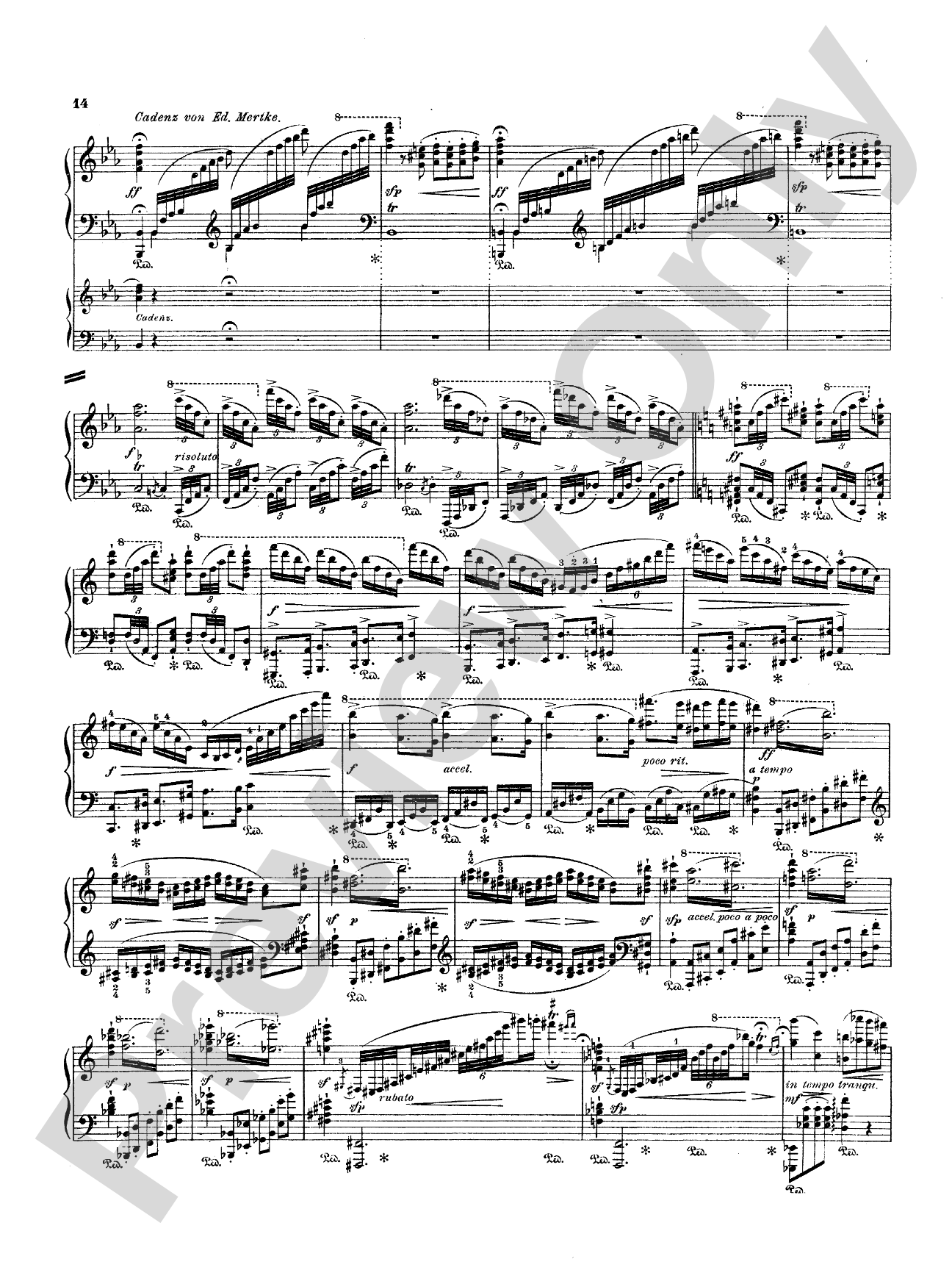
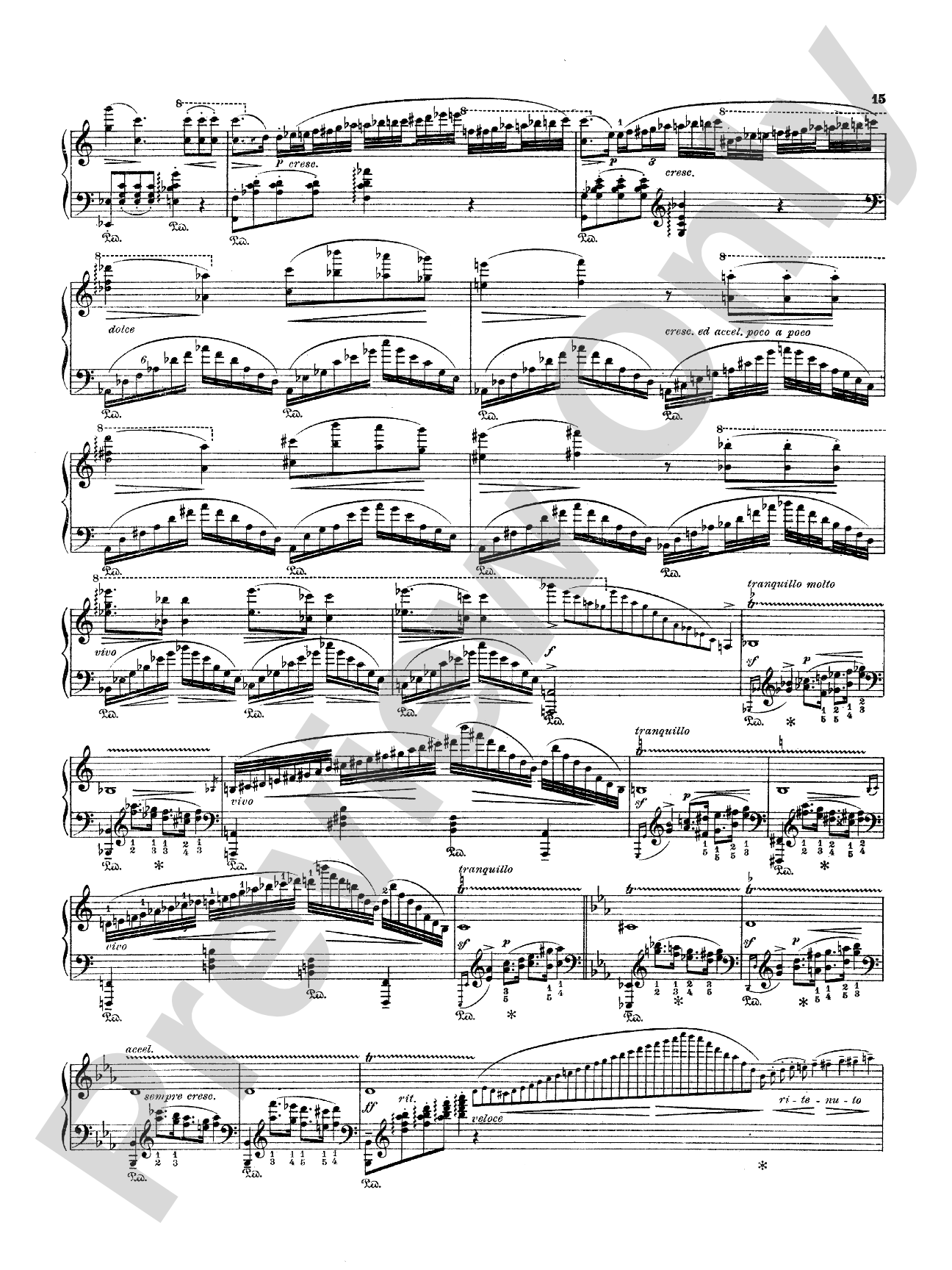
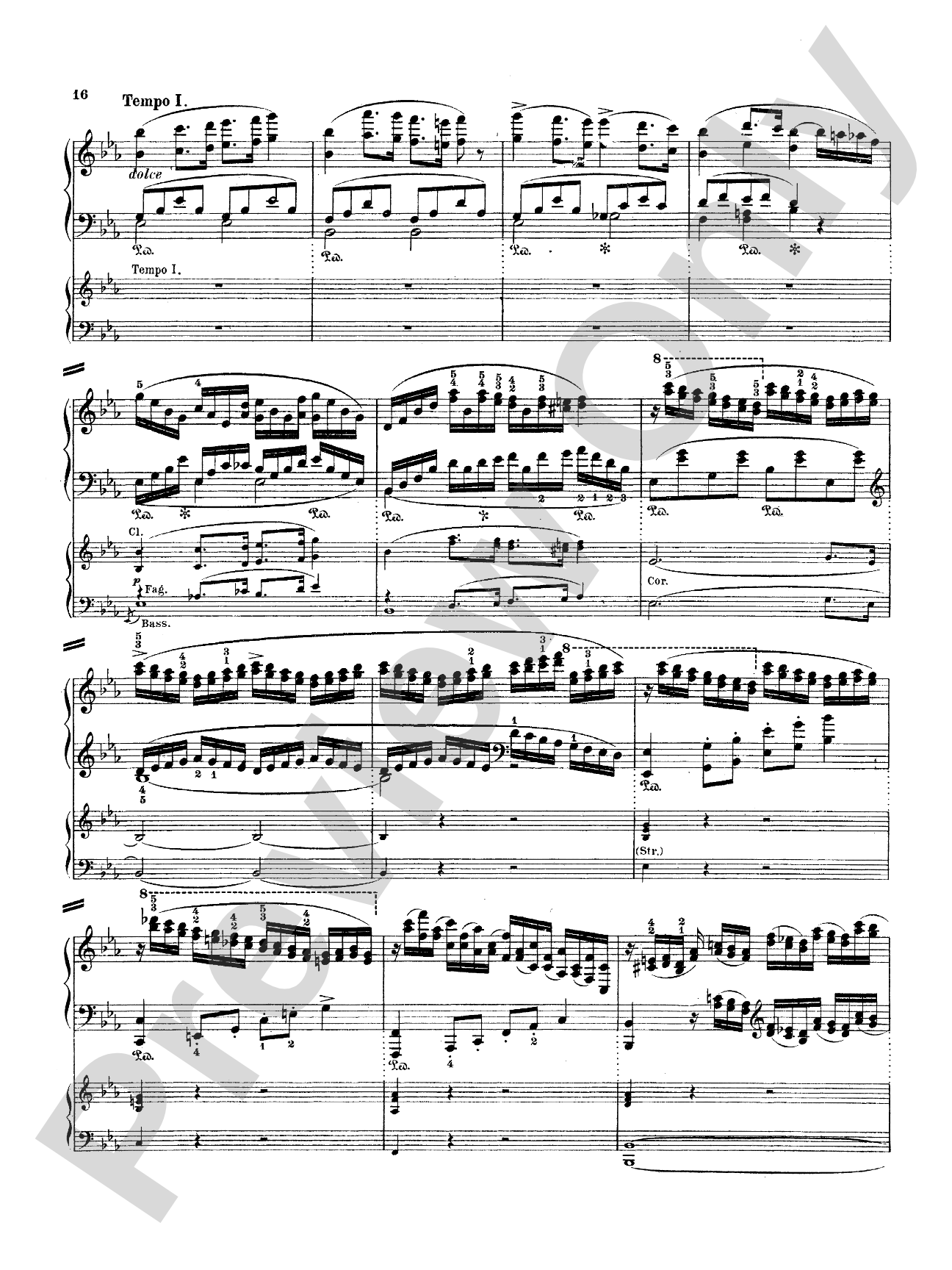
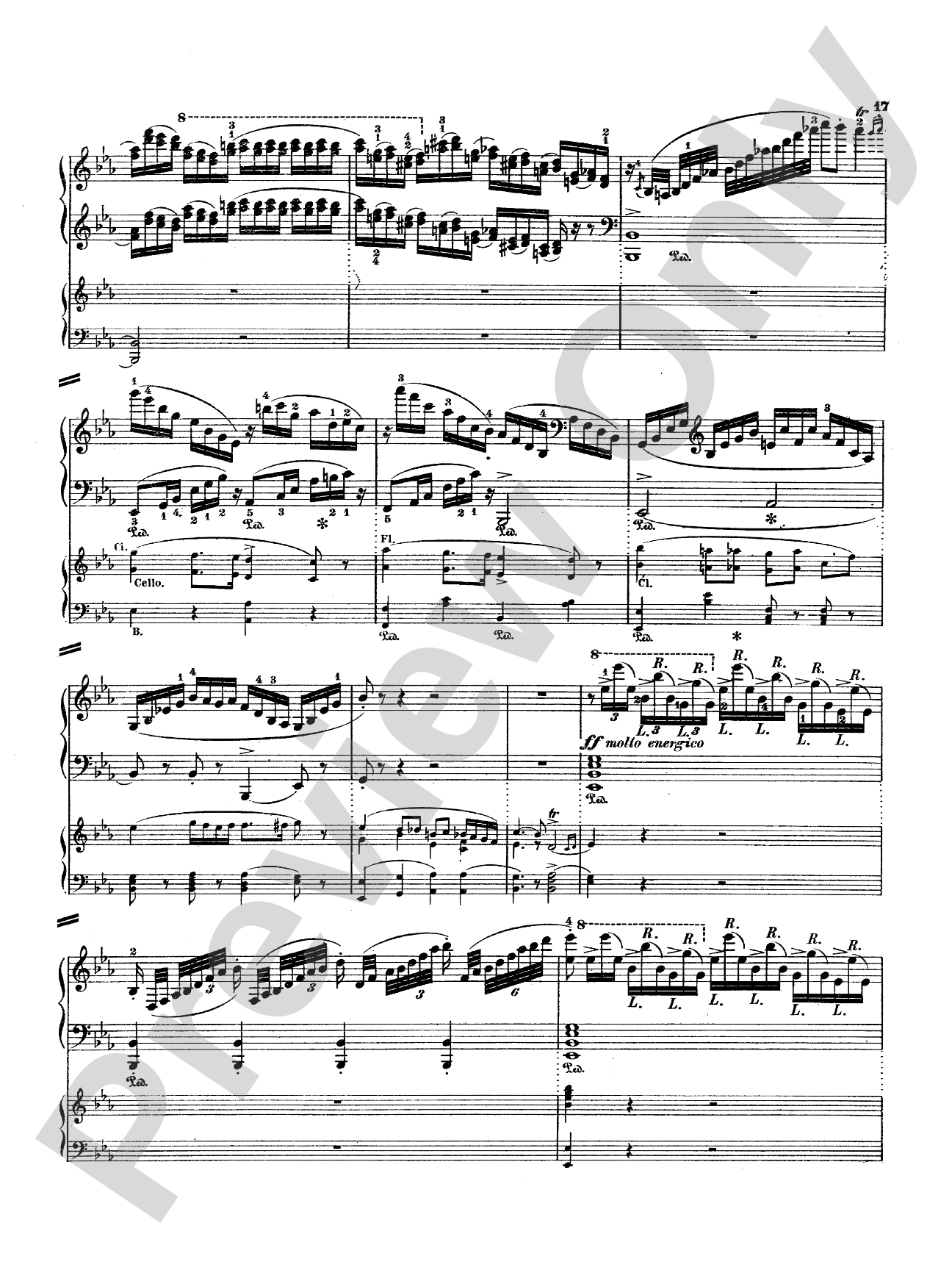
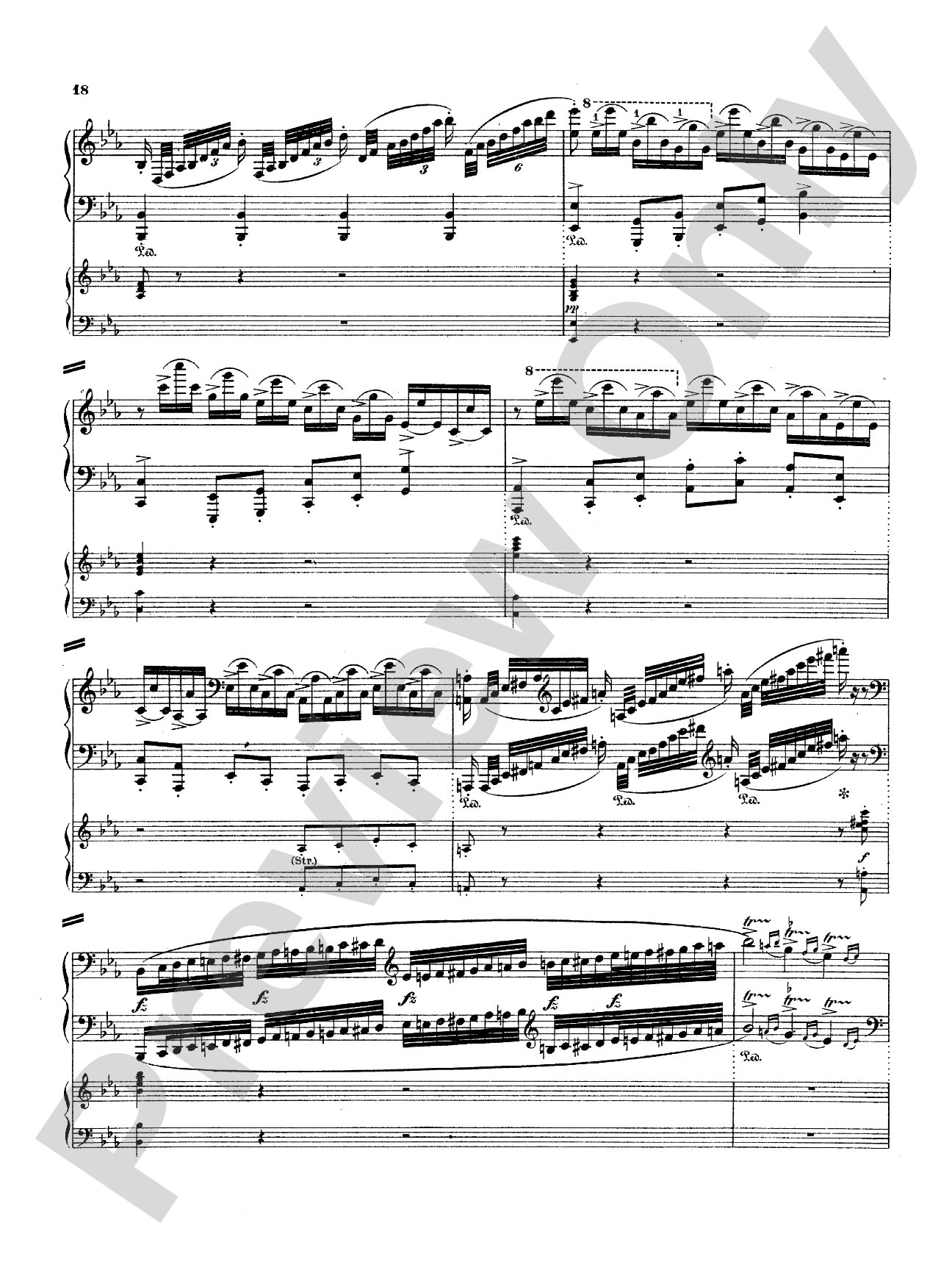
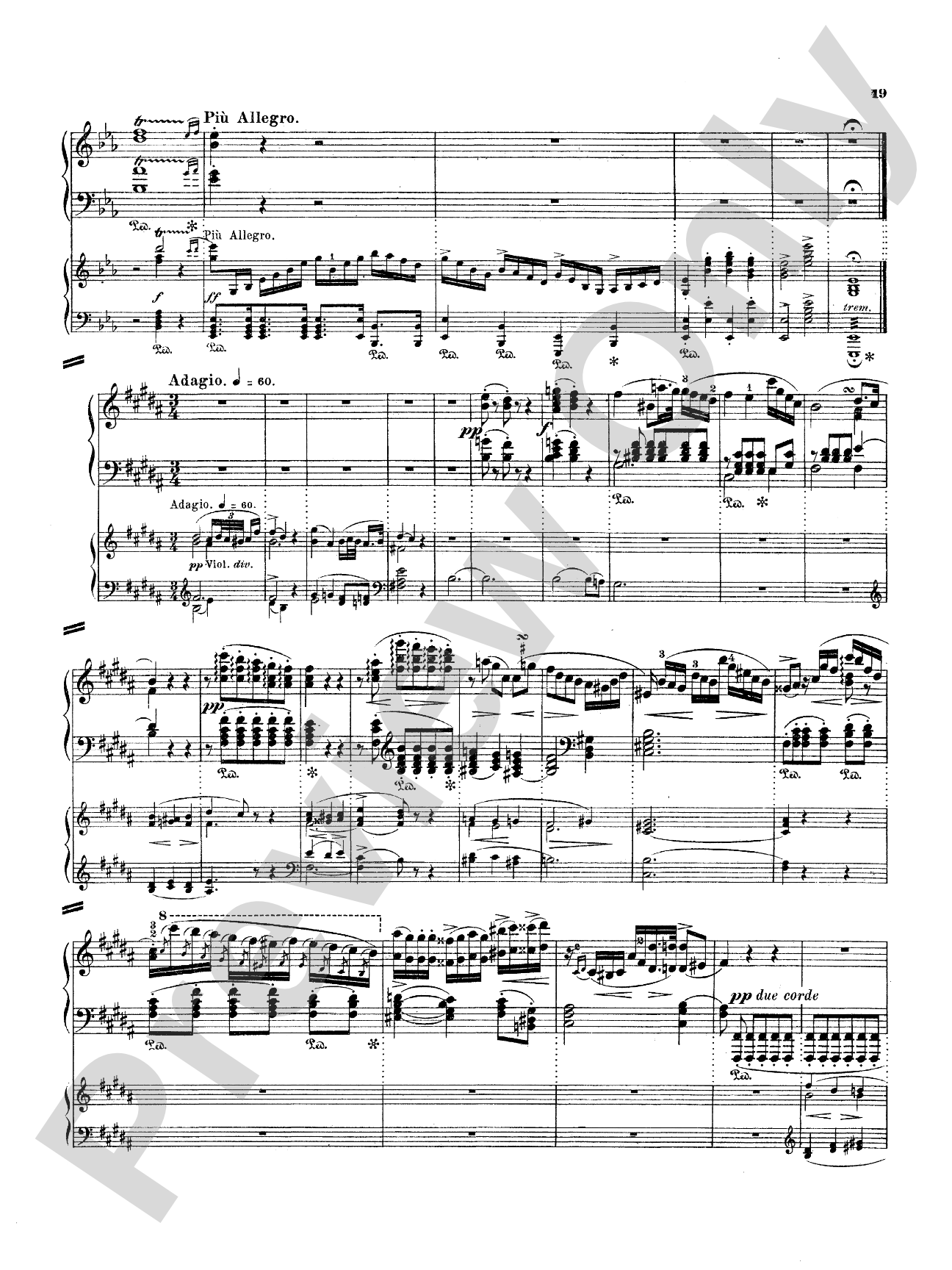

Weber: Piano Concerto No. 2: Piano Duo (2 Pianos, 4 Hands) Book (2 copies required)
By Carl Maria von Weber
Item: 00-PK-0002989

$12.99
Pickup currently not available
Buy Extra Parts (Digital PDF Download)
| Product | Price | Quantity |
|---|---|---|
| Weber: Piano Concerto No. 2 | $3.95 | |
| Weber: Piano Concerto No. 2 | $3.99 | |
| Weber: Piano Concerto No. 2 | $3.95 |
Parts Added to Cart!
Related Items
Piano Concerto No. 2: Piano Duo (2 Pianos, 4 Hands) Book (2 copies required) |
$12.95
|
View |
Description
A Piano Duet for 2 pianos, 4 hands, composed by Carl Maria von Weber. A Federation Festivals 2024-2028 selection.


Don't just read it, hear it, play along with it, and watch your students grow with it. In MakeMusic Cloud, Weber: Piano Concerto No. 2: Piano Duo (2 Pianos, 4 Hands) Book (2 copies required) comes alive with professional accompaniment, adjustable tempo, and built-in practice tools that turn solo practice into real progress.
Open in the Player
Jump straight in and assign it today.
Start Your Free Trial
Open this title and explore the full library in minutes.
Sample Audio
No sample audio found.
Sample Video
No sample videos found.
Additional Details
Series:
Kalmus Edition
Publisher:
Alfred Music
Page Count:
40
SKU:
00-PK-0002989
More about this title
About the Composer: Carl Maria von Weber
Carl Maria von Weber (1786-1826) stands as a founding figure of German Romantic opera and orchestral music. His innovations in orchestration, harmonic language, and dramatic expression shaped the course of 19th-century music and influenced composers from Wagner to Mendelssohn. Beyond his operatic masterpieces, Weber's instrumental works reveal a composer equally invested in expanding the technical and expressive possibilities of the piano.
Weber's concertos and virtuosic works for piano emerged during a period when the instrument itself was rapidly evolving. His two piano concertos, composed in the 1810s, combine the classical concerto form with Romantic sensibilities, demanding both technical facility and interpretive maturity from performers. These works remain central to the advanced piano repertoire and offer performers insight into the bridge between classical structure and Romantic expression.
Why we love this
This two-piano arrangement opens Weber's virtuosic concerto writing to duet partnerships, allowing two pianists to explore the full orchestral sweep and dramatic architecture of a major Romantic work without the need for orchestra or reduction to a single keyboard. The interplay between the two pianos creates genuine dialogue and shared responsibility for the material, making it both collaborative and musically substantial in ways a traditional concerto reduction cannot match.
What to expect
Weber's concerto writing sparkles with virtuosic brilliance and heroic swagger; the two-piano texture allows dramatic declarations to pass between keyboards like a conversation between equals. Expect lyrical cantabile passages set against shimmering figurations, moments of genuine Romantic depth, and the kind of forward-driving energy that defined the concert hall of the 1810s.
Who it's for
Advanced and pre-professional piano duet partnerships seeking substantial Romantic-era repertoire with orchestral scope. Festival adjudicators preparing pianists for the Federation Festivals 2024-2028 competition season will find a work that demands technical command, interpretive maturity, and genuine collaborative musicianship.
How to get the most out of it
- Balance the melodic voices between pianos by listening intently to which instrument carries the primary line in each section; the two-piano layout means clarity of texture depends entirely on real-time ensemble awareness.
- Establish a consistent tempo at the outset and use eye contact or subtle body language to communicate transitions, as the pianos are physically separated and cannot rely on a conductor.
- Shape the Romantic rubato within a stable harmonic framework; Weber's writing invites expressive flexibility in melody, but the accompaniment must remain rhythmically secure to anchor the partnership.
- Practice the dynamic contrast between pianos deliberately; the two-keyboard setup permits dramatic shifts in volume and color that should be planned and rehearsed as ensemble decisions, not impulses.
How to use it
Feature this work as the centerpiece of a duo recital or chamber music concert, where its scale and formal sophistication command full attention and programming weight. It pairs well with other Romantic duet literature or lighter early Romantic pieces, anchoring a program with a work of serious artistic substance. Festival contexts make natural homes for this repertoire, particularly where two pianists wish to demonstrate both technical prowess and ensemble partnership.
Skills your students will build
- Balance and blend between two independent keyboards
- Romantic-era rubato within a harmonic framework
- Ensemble communication without a conductor
- Virtuosic passage work in both hands across the keyboard
- Interpretive maturity in structurally large forms
- Dynamic and textural contrast across two instruments