
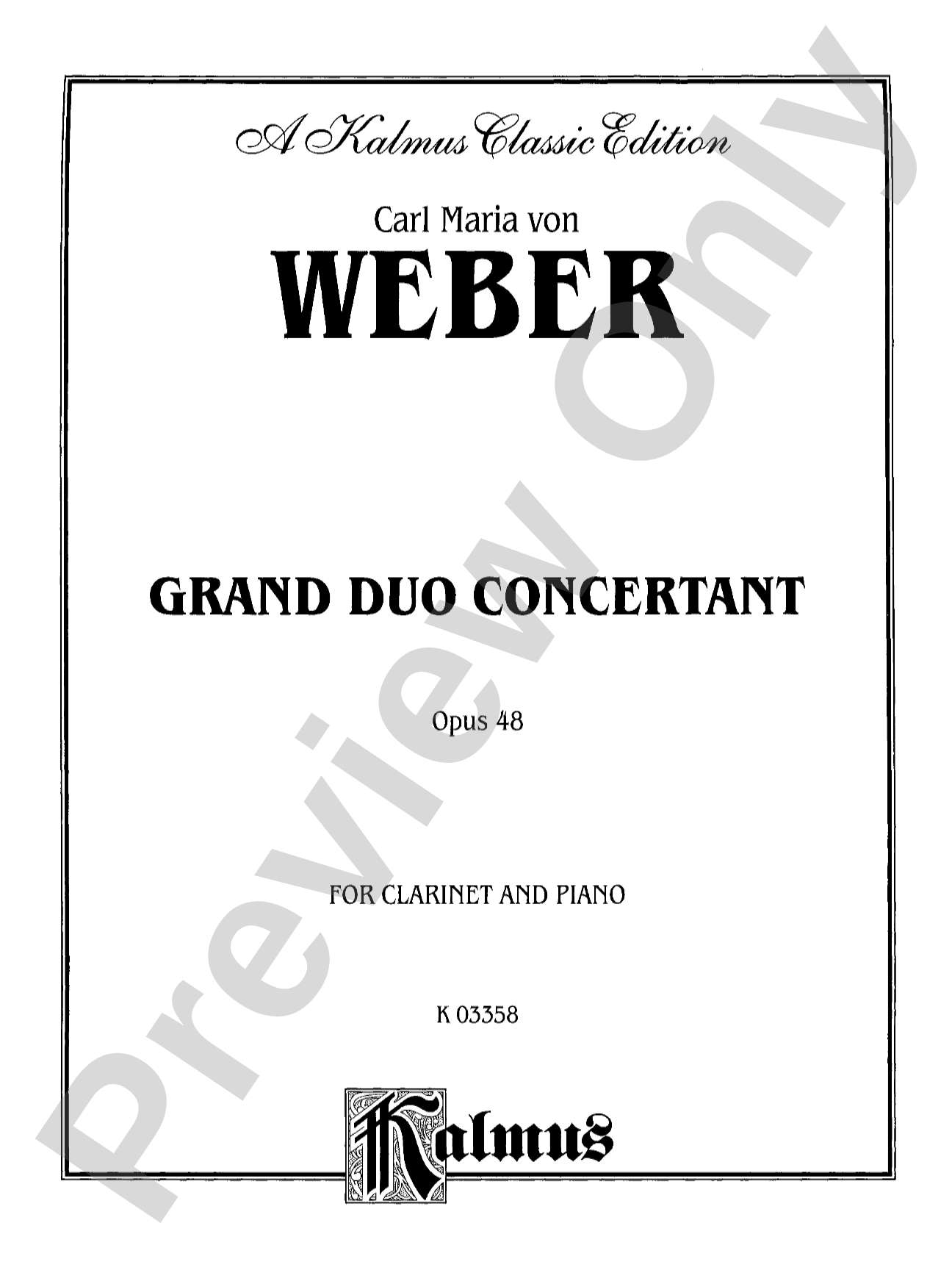

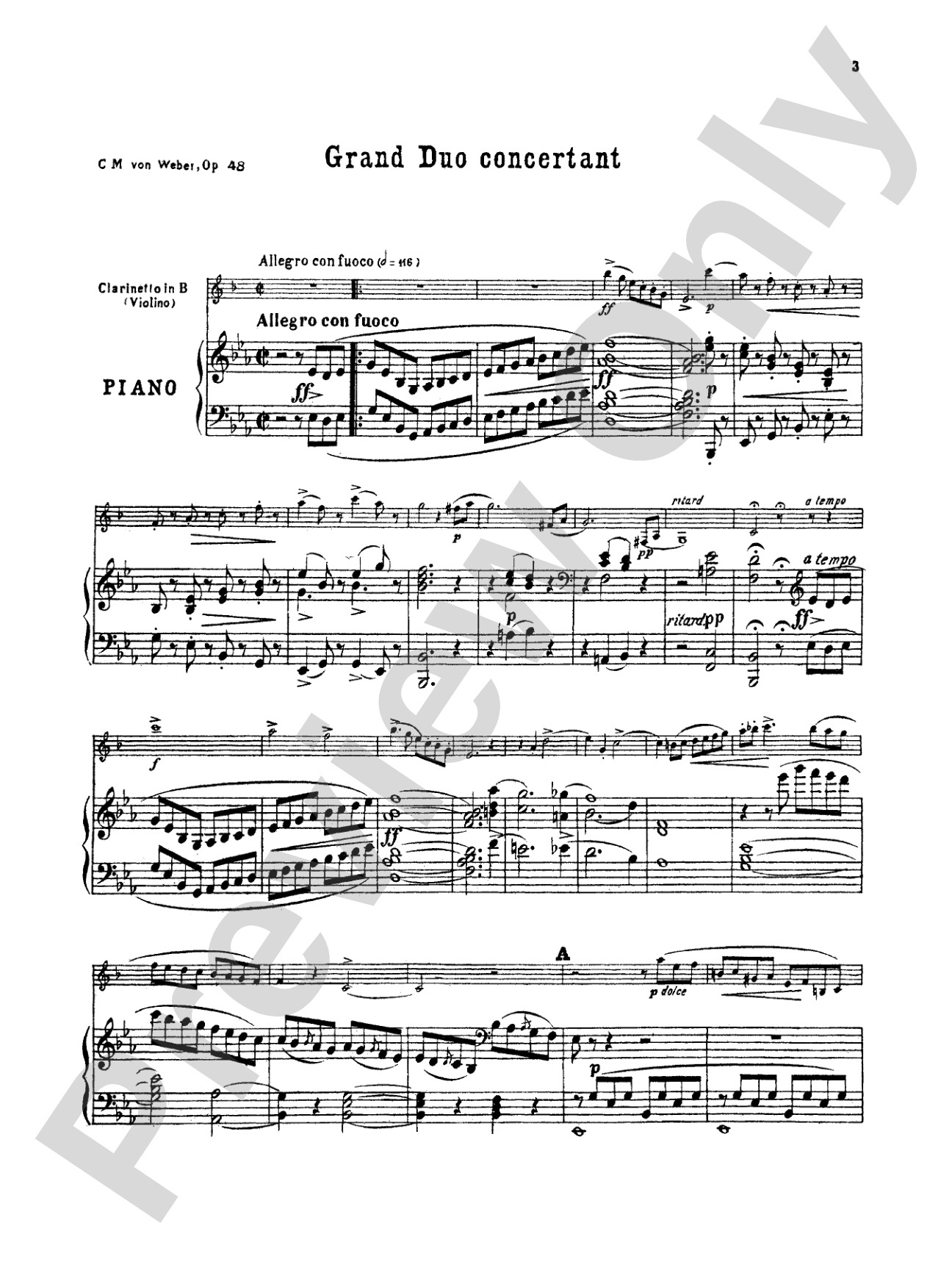
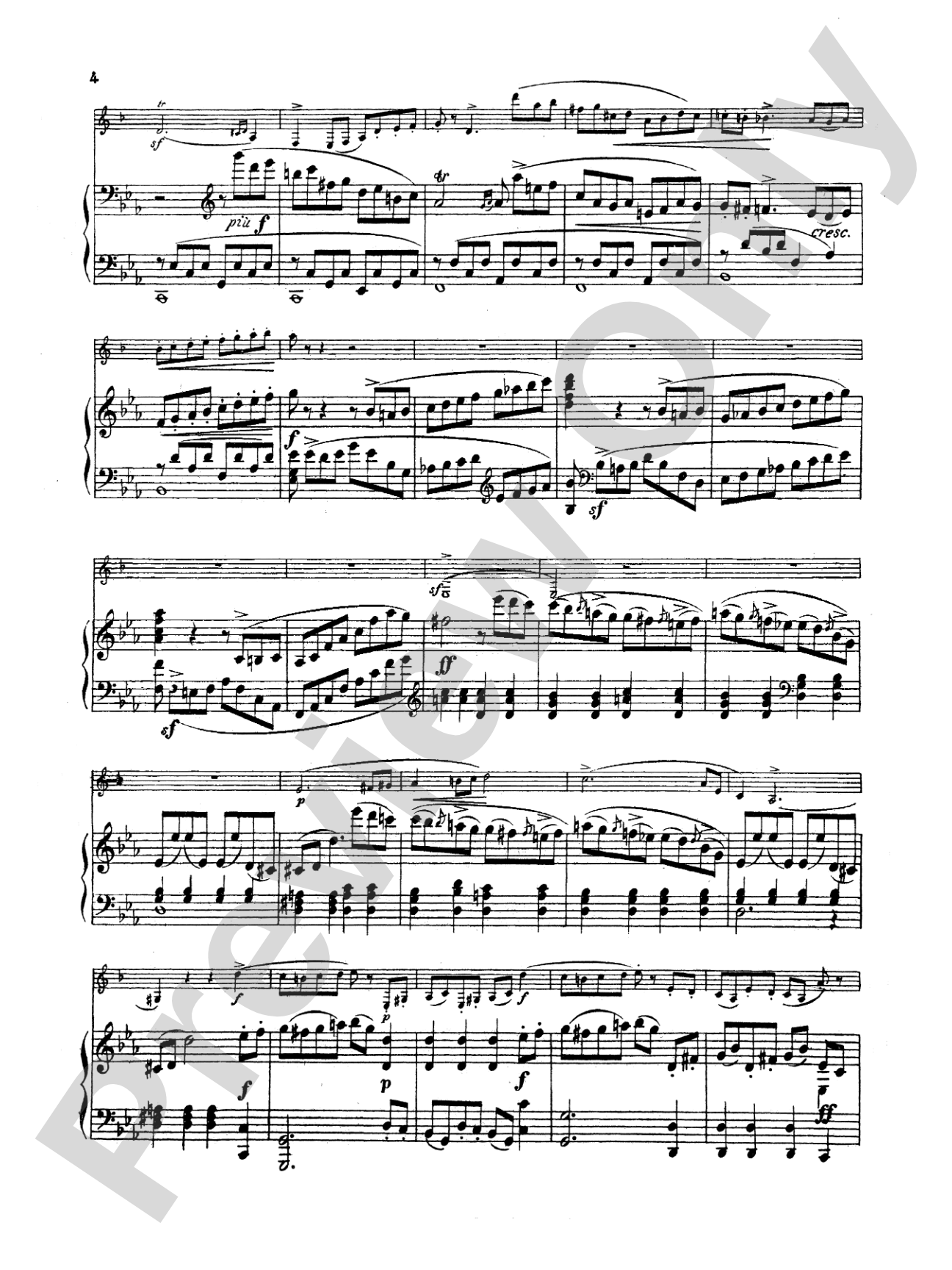
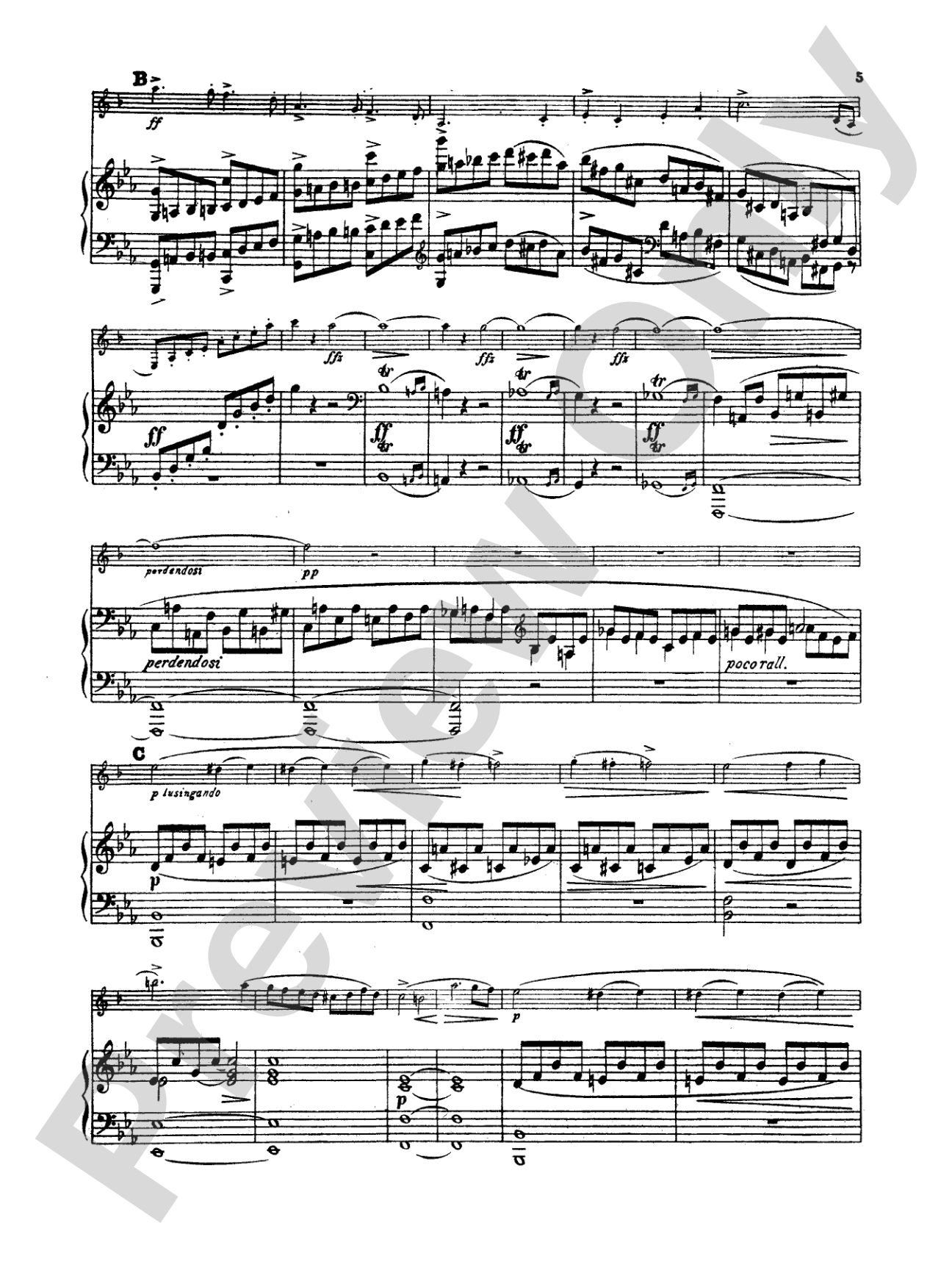
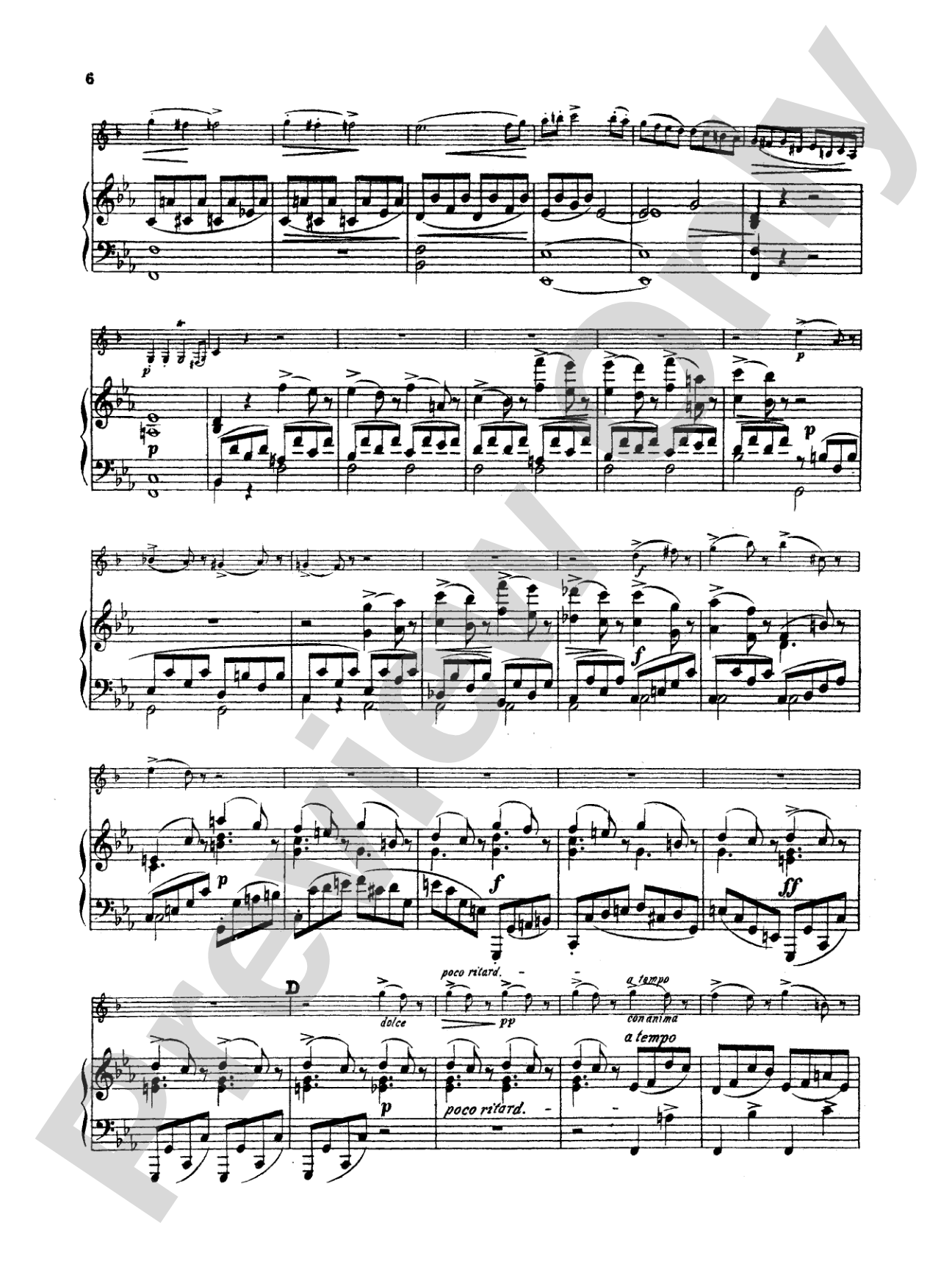
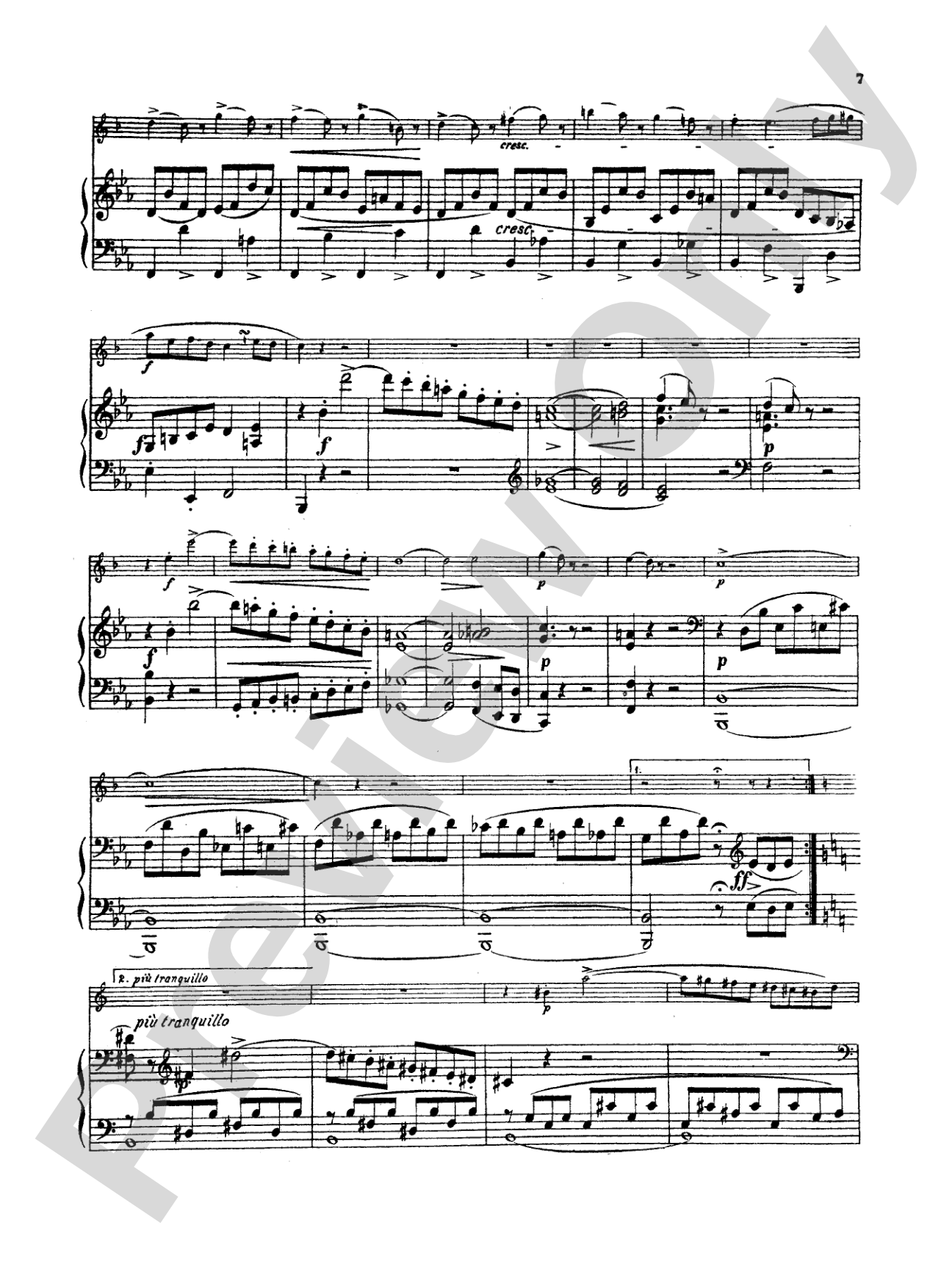
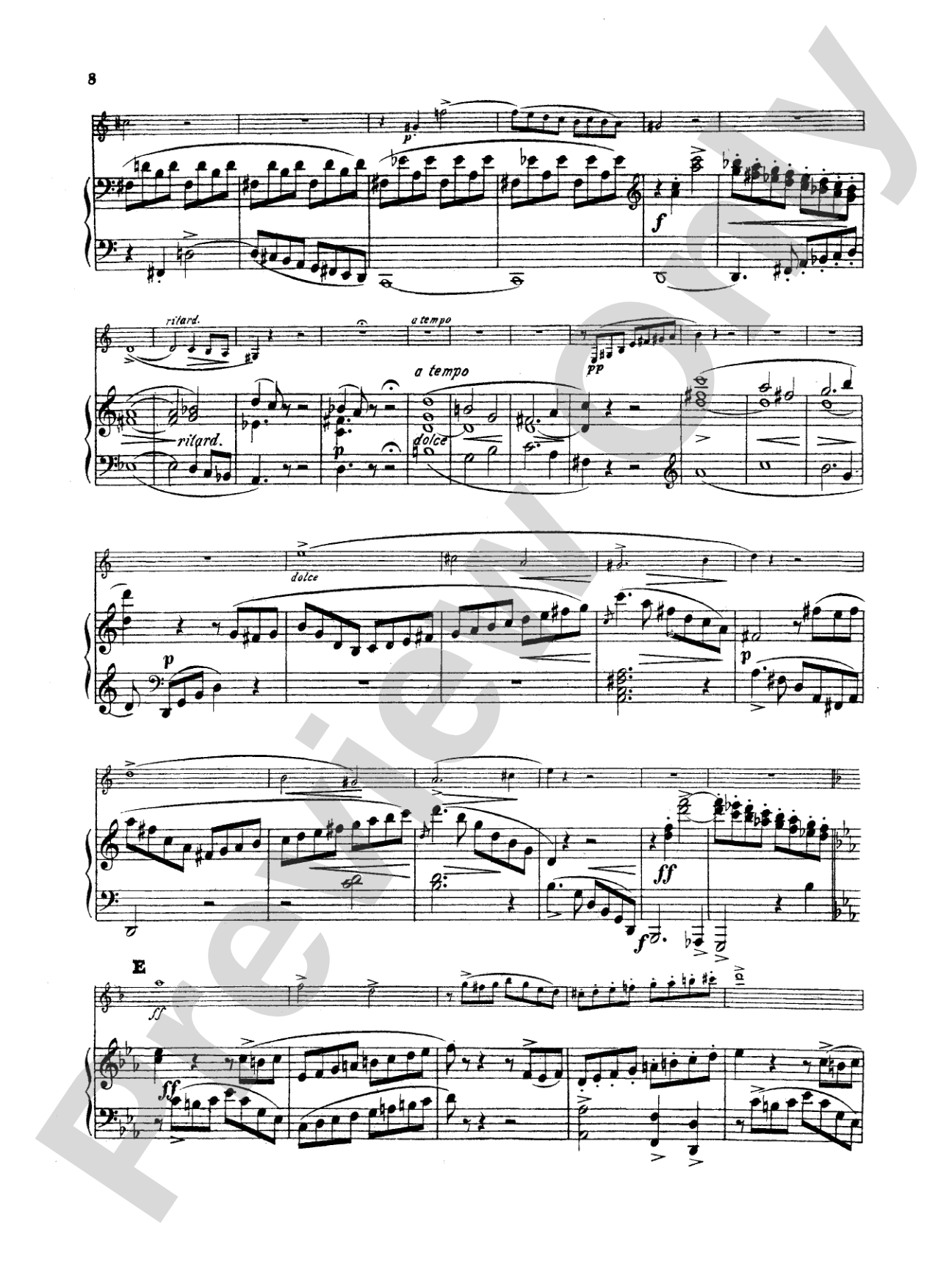
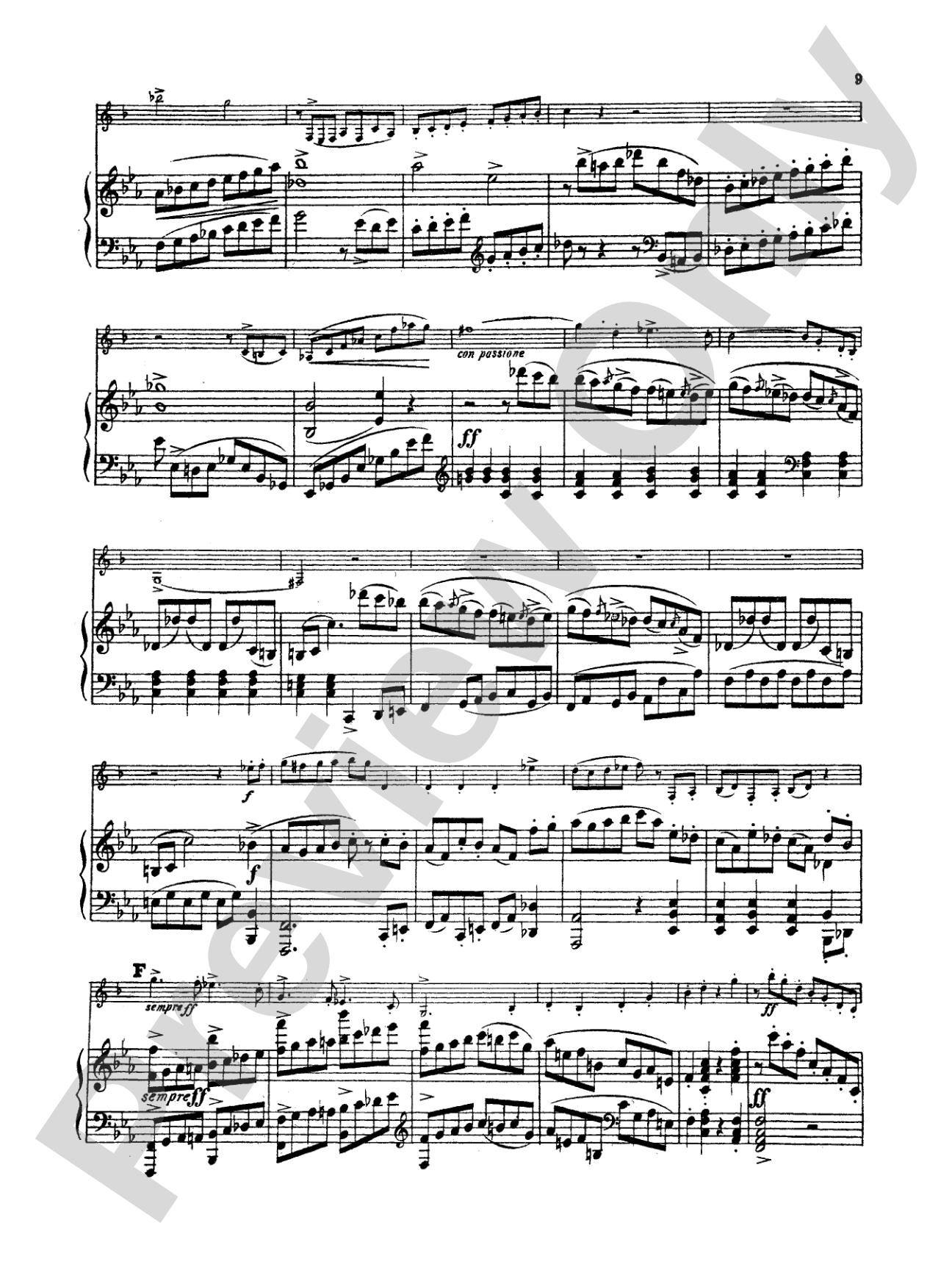
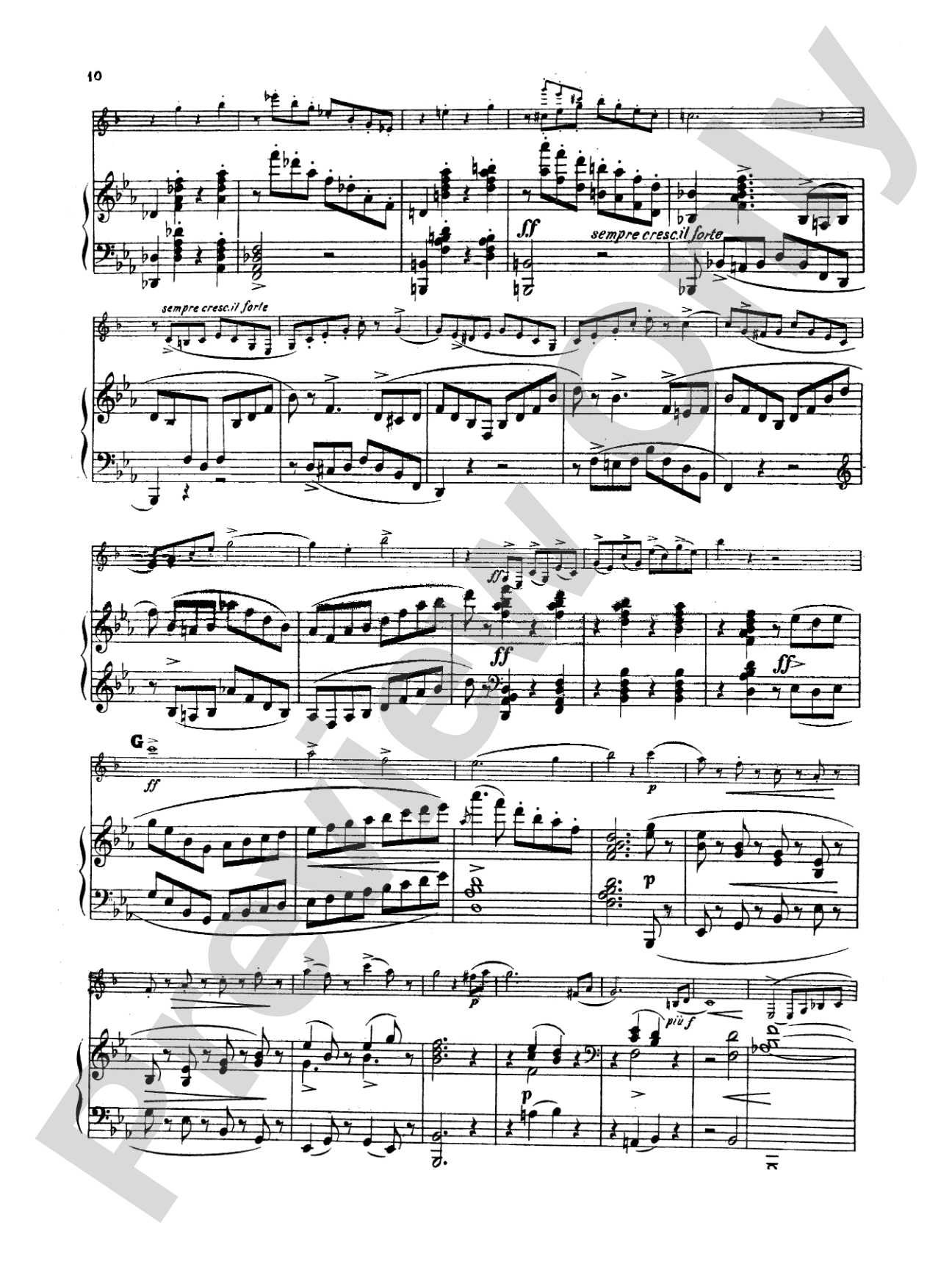
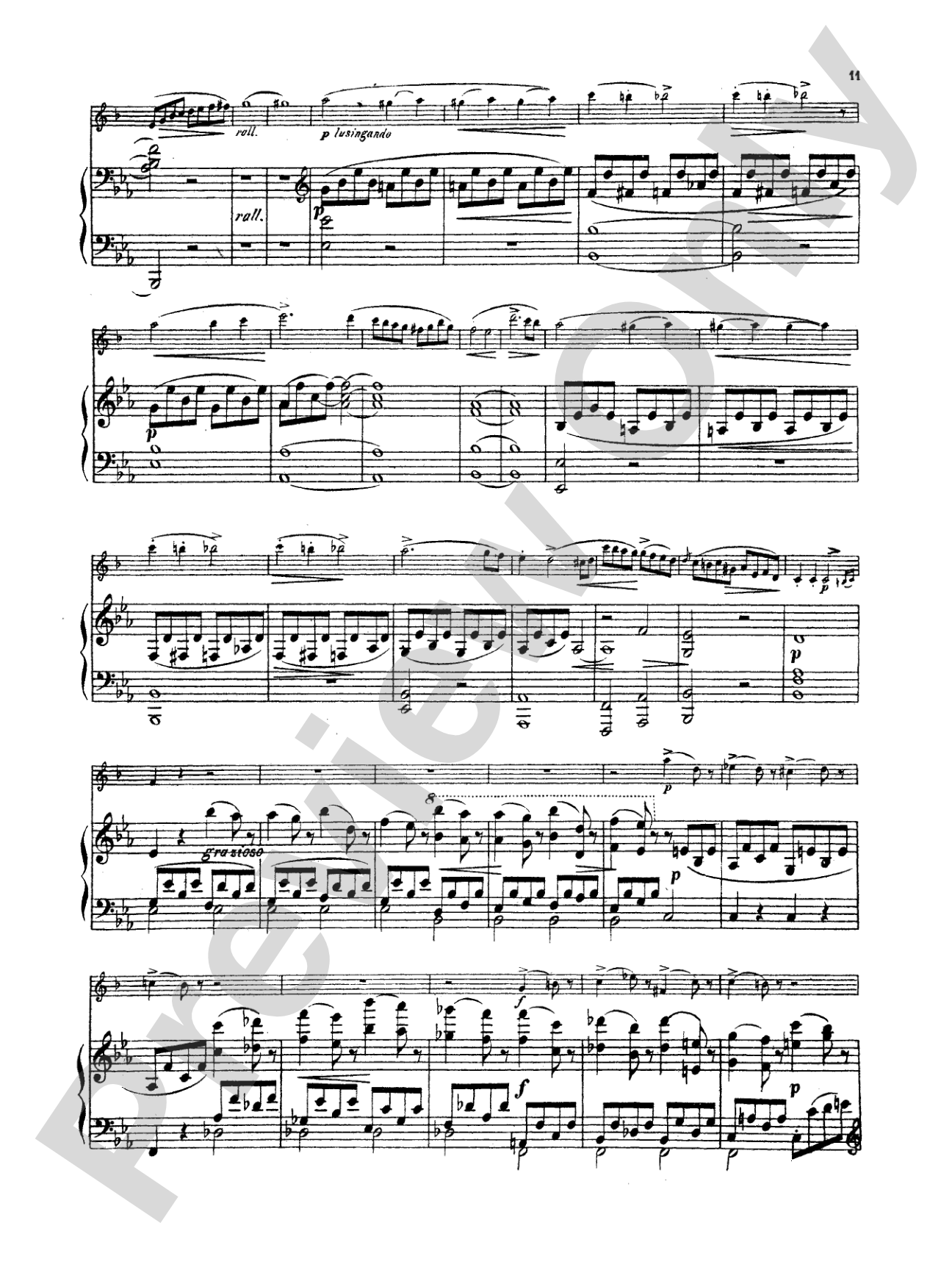
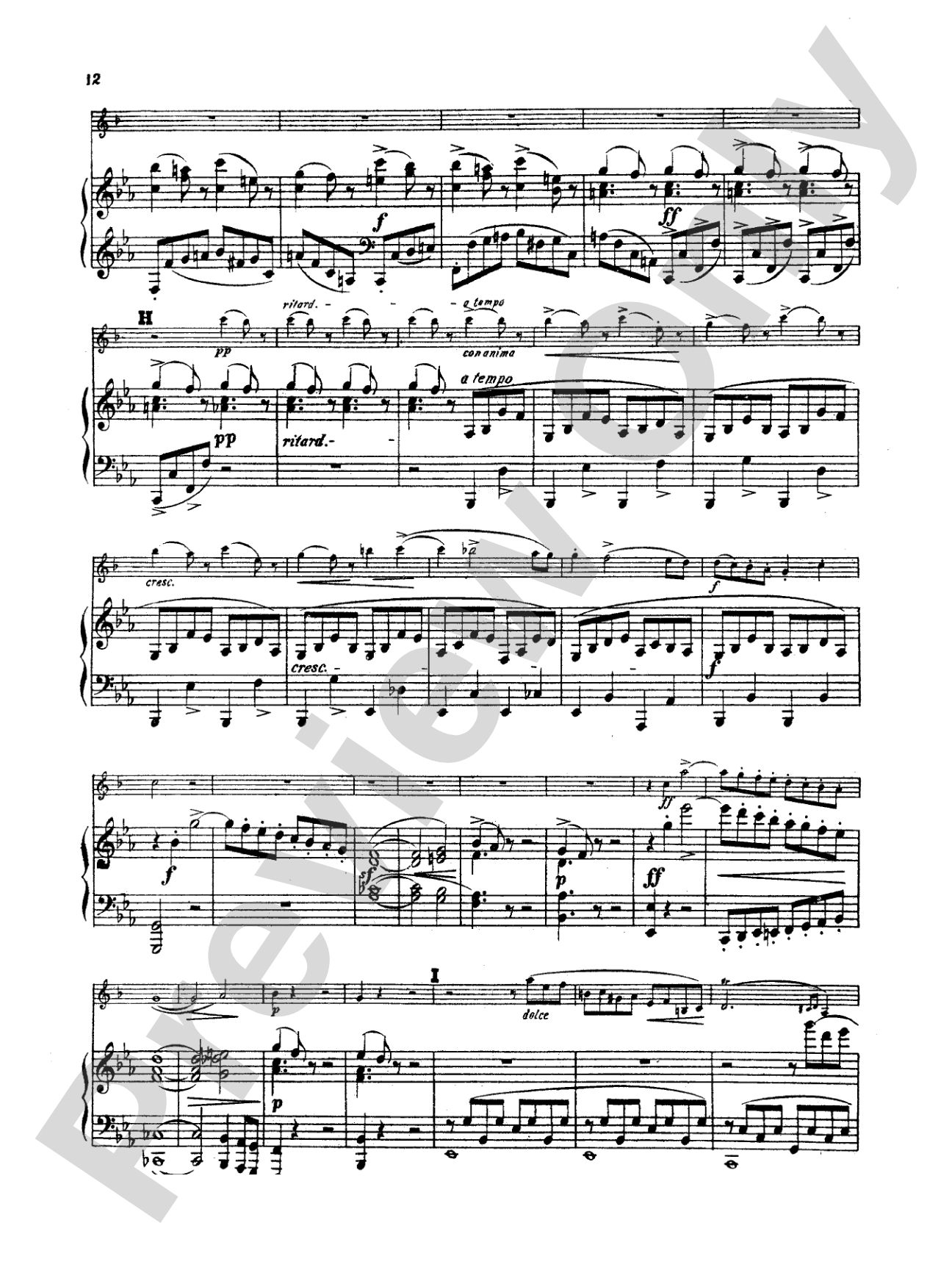
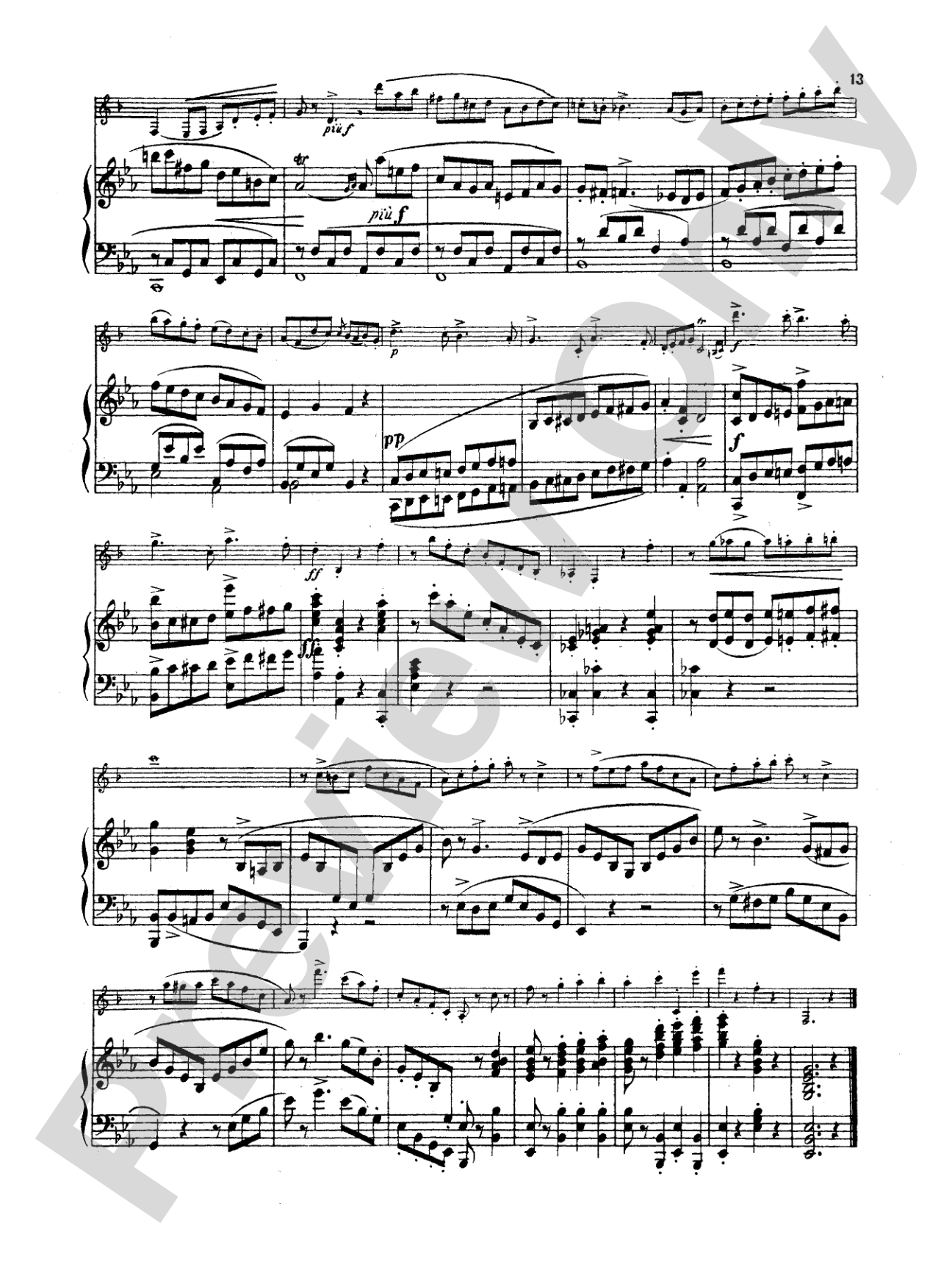
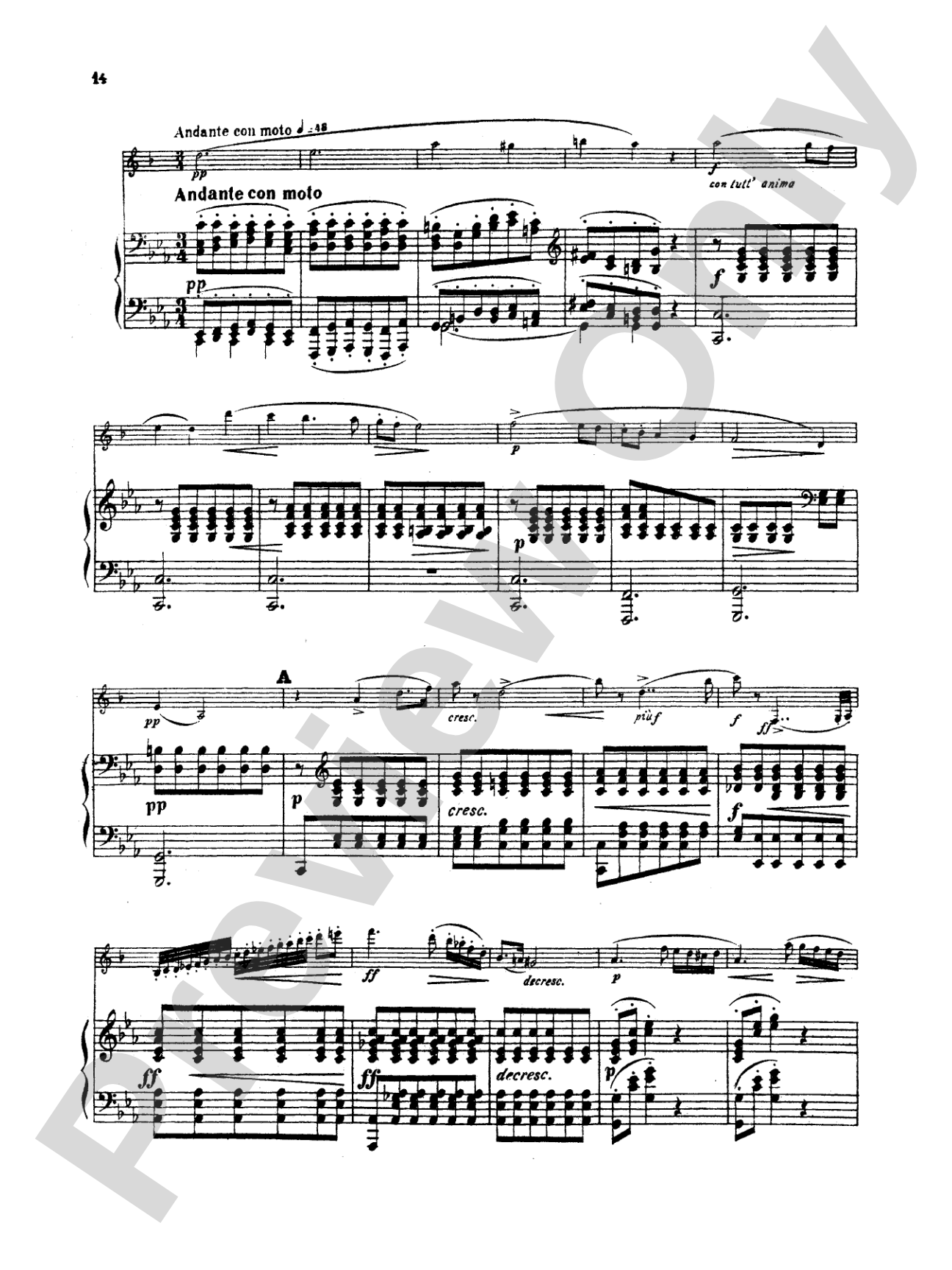
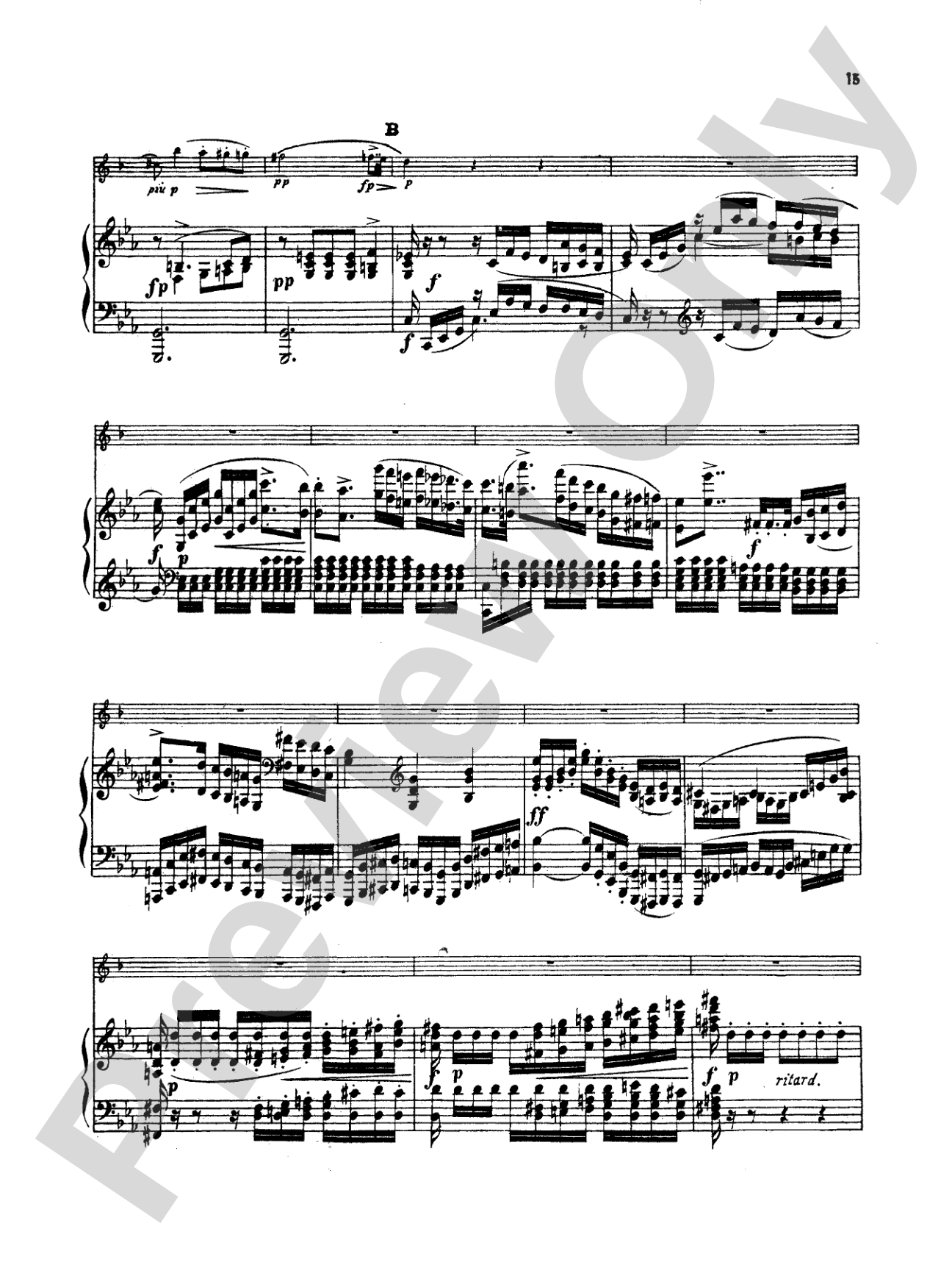
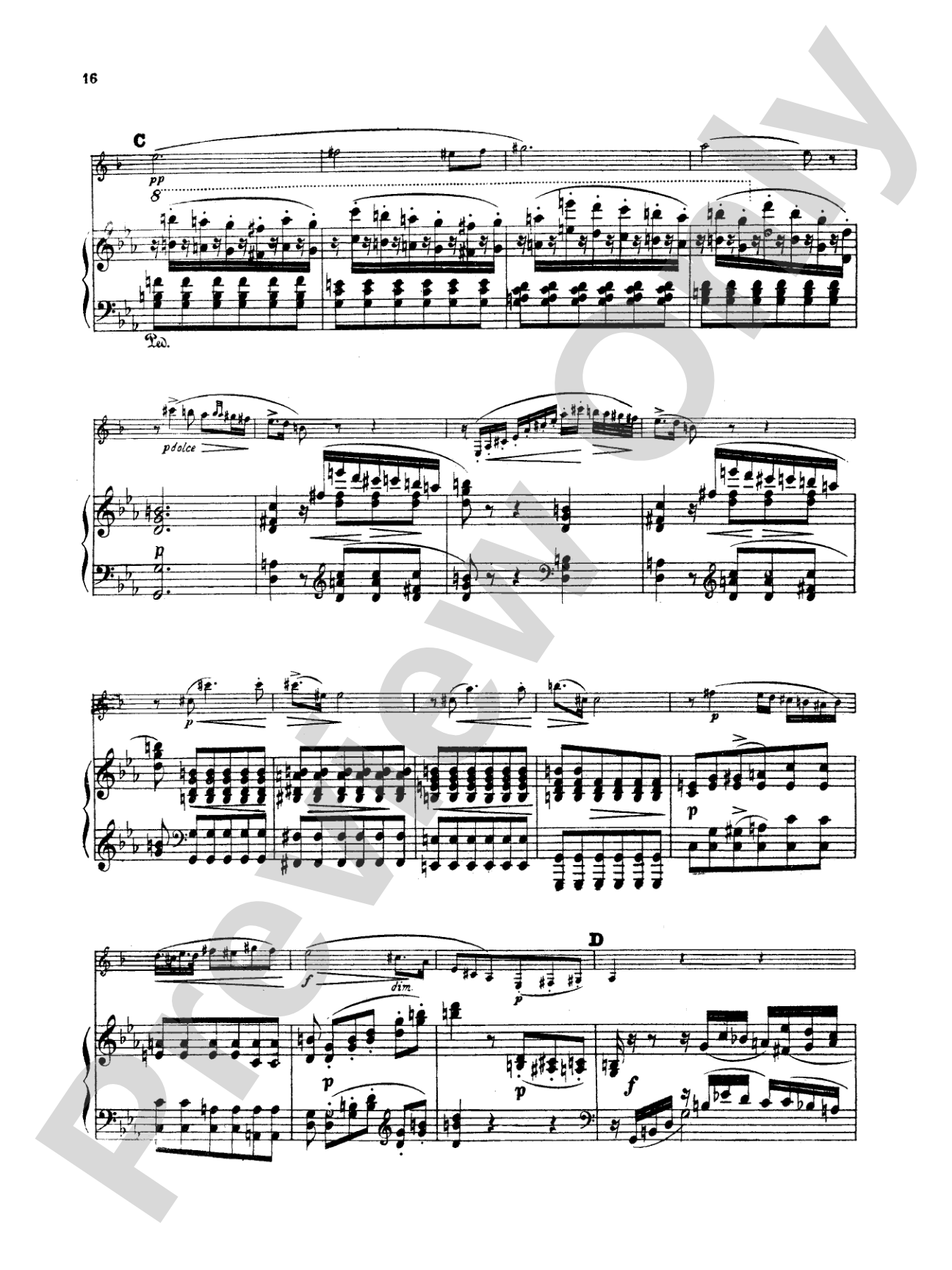
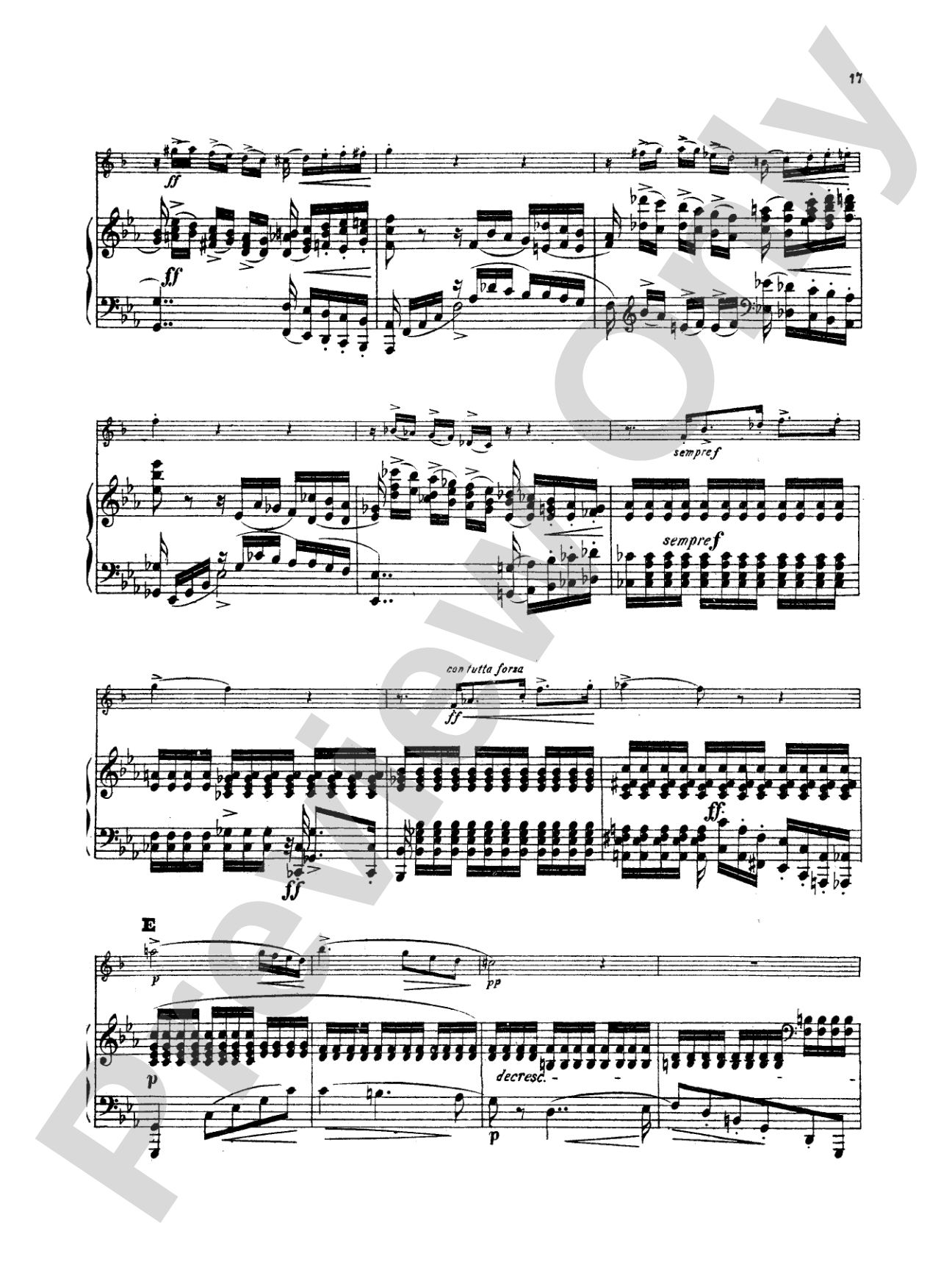
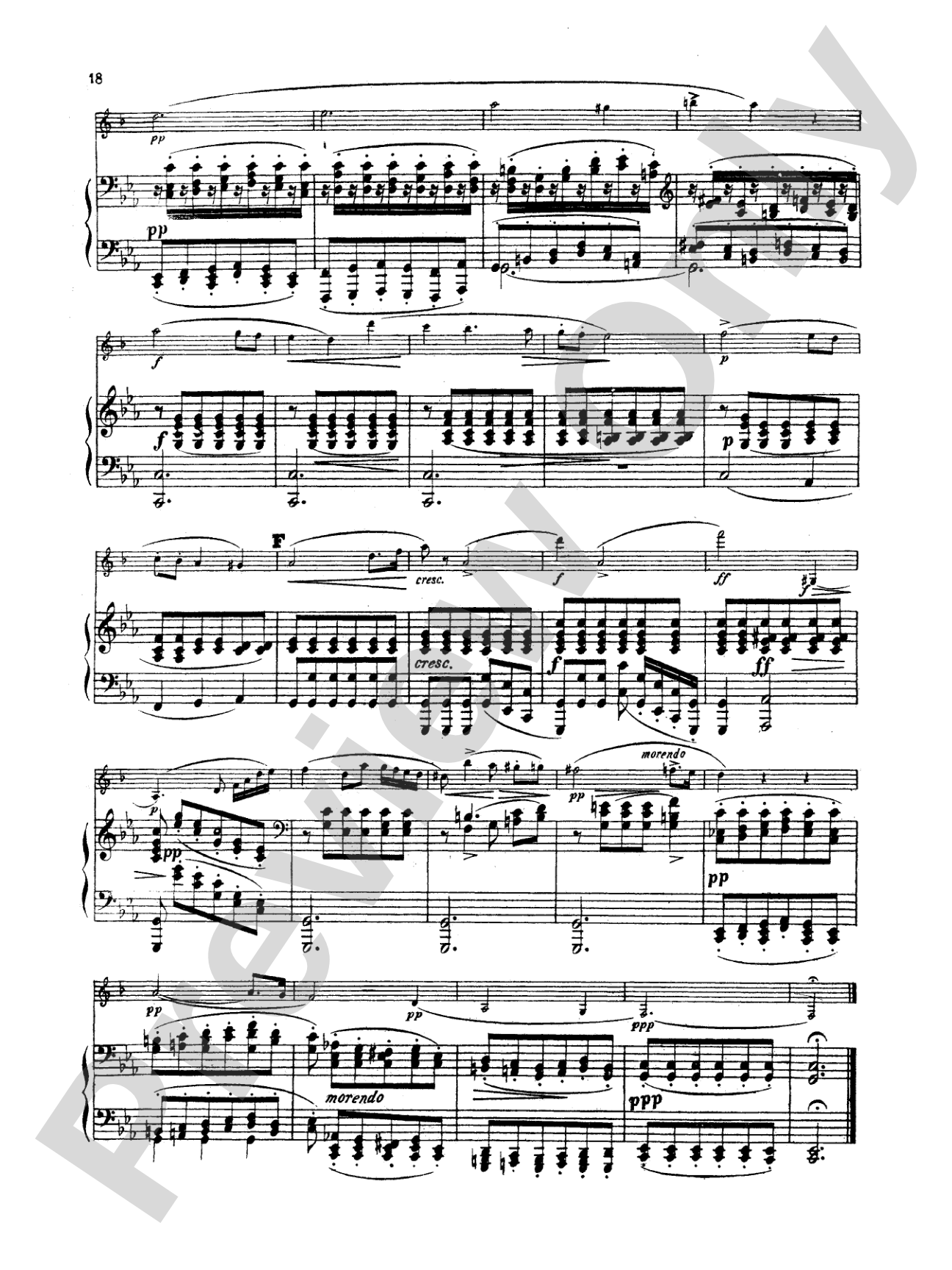
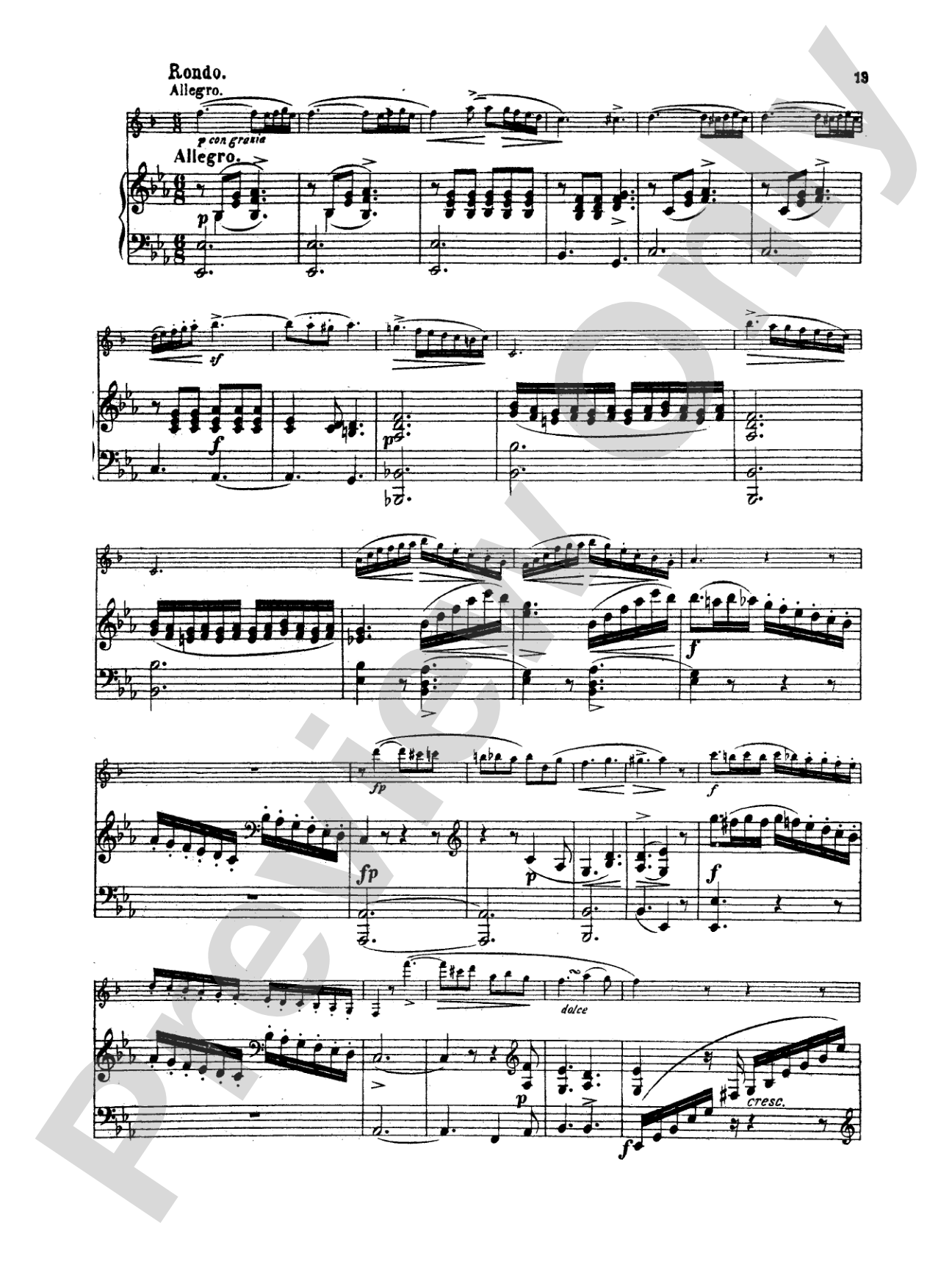
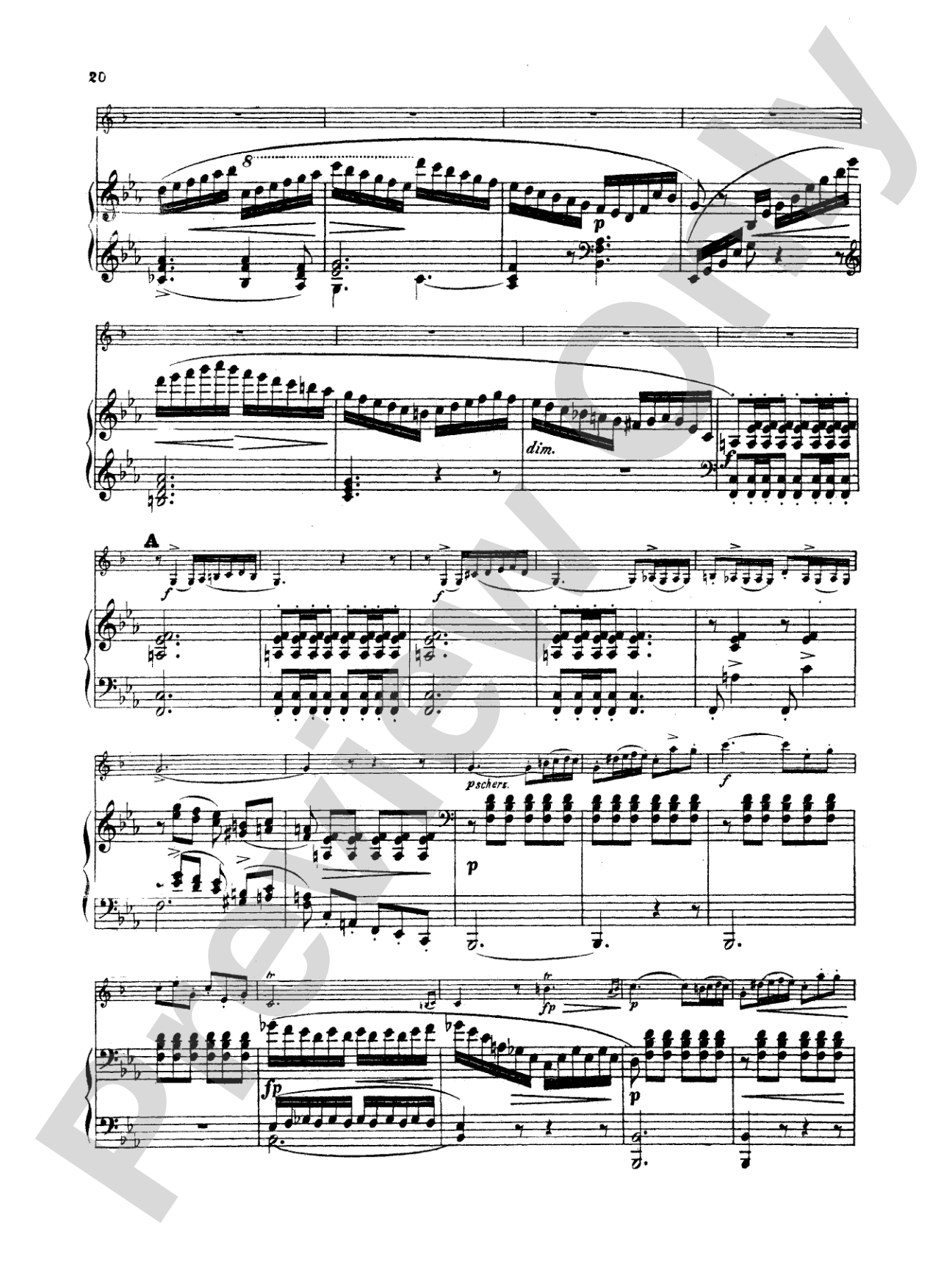
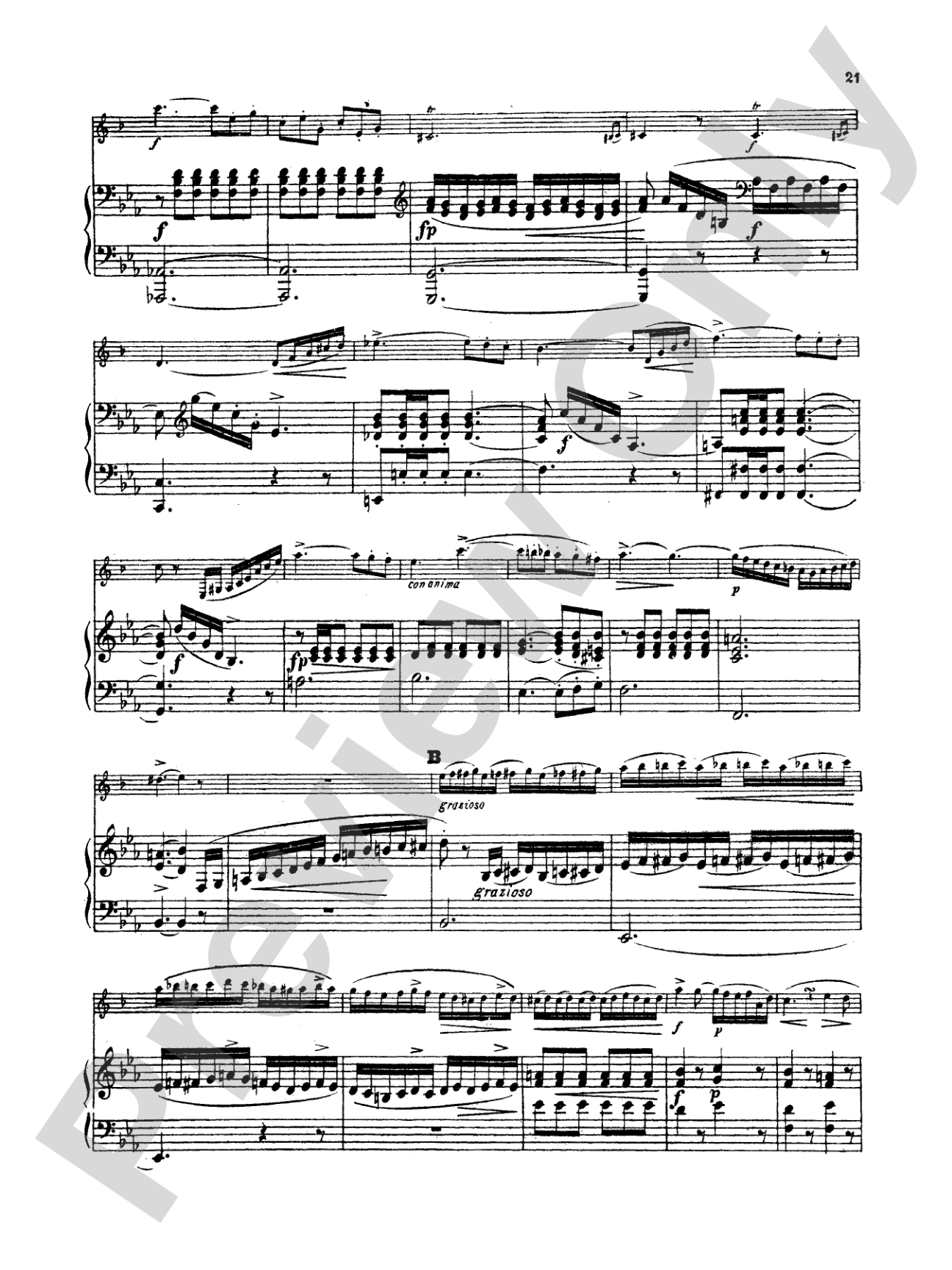
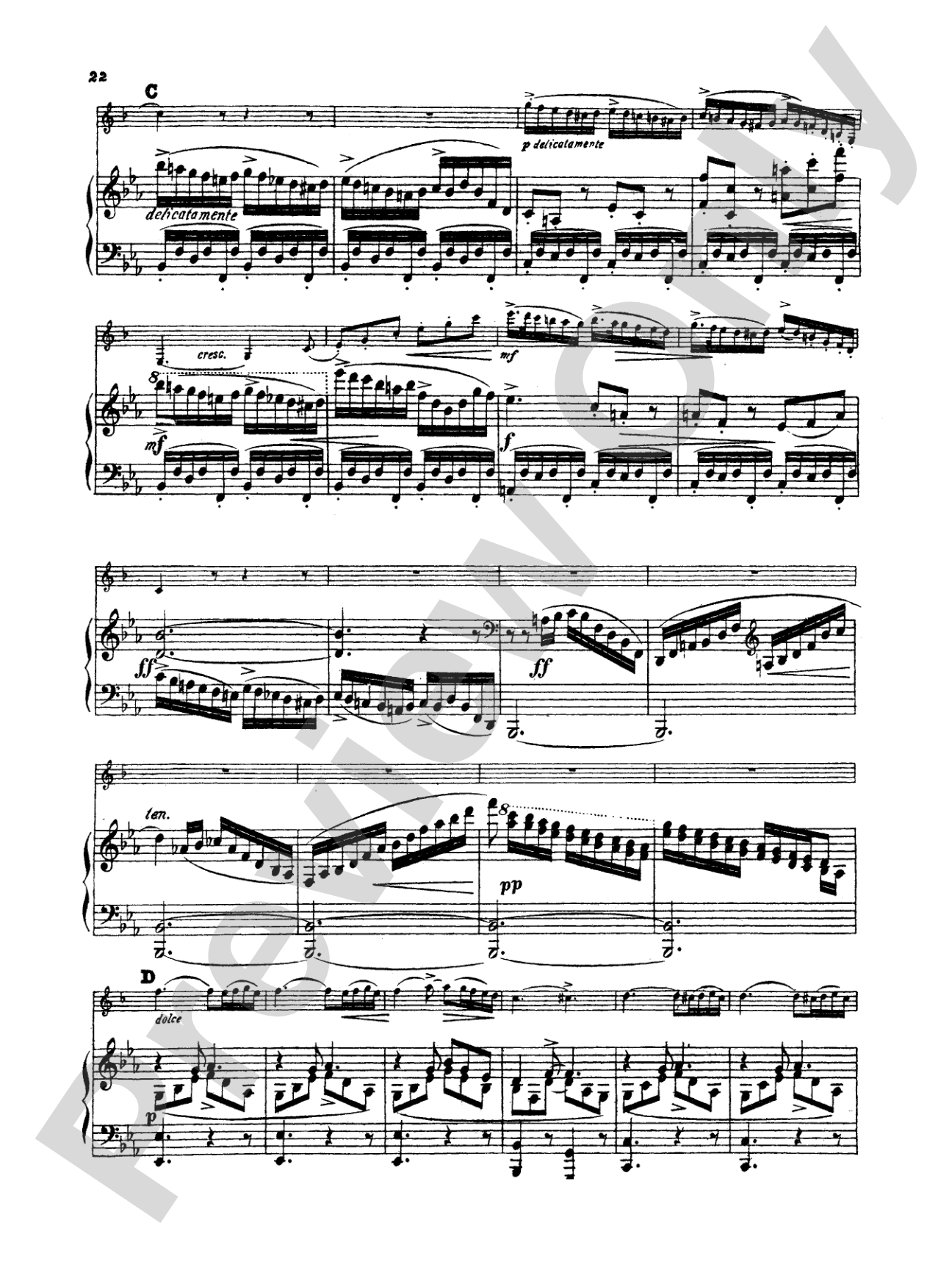
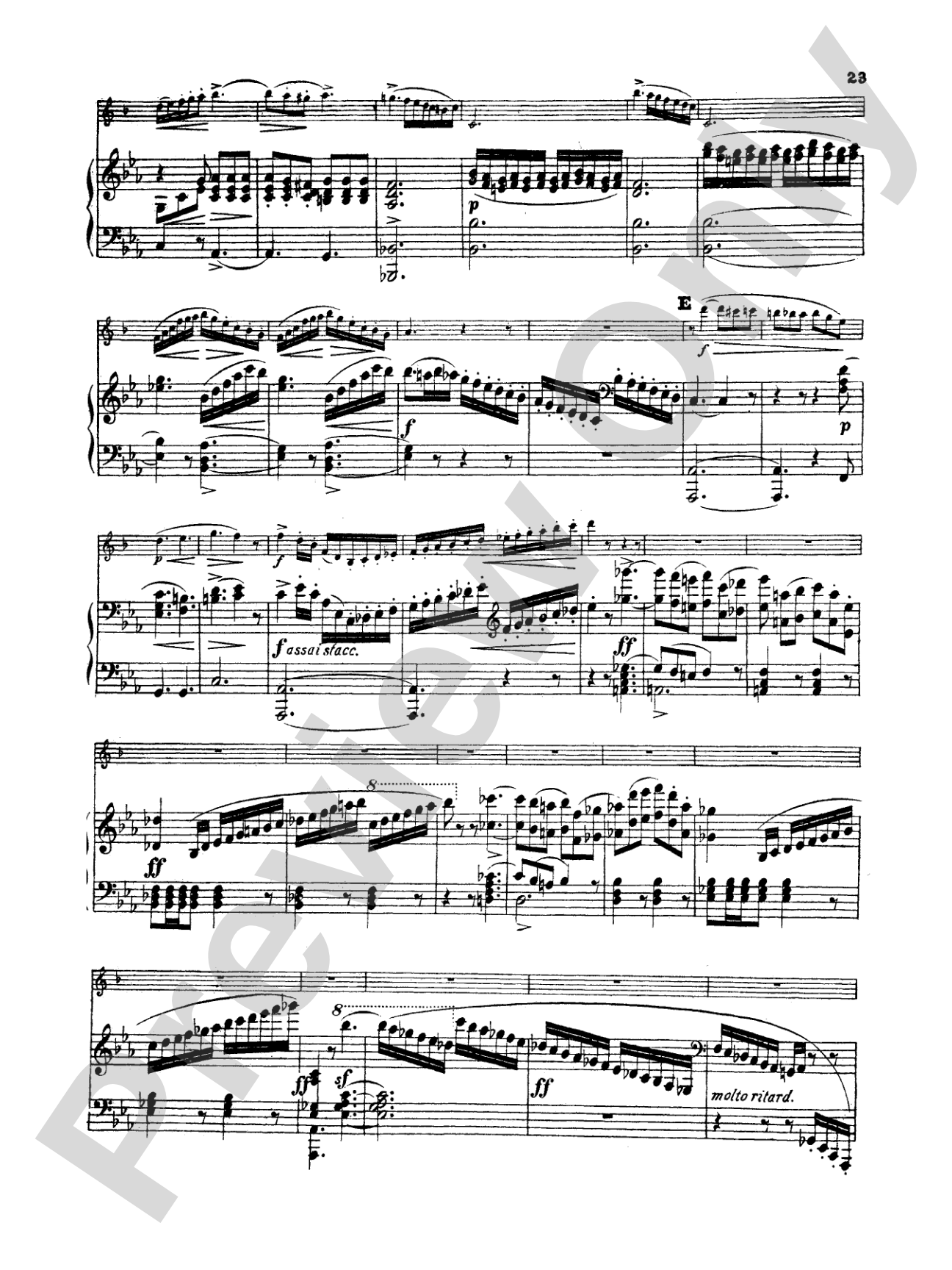
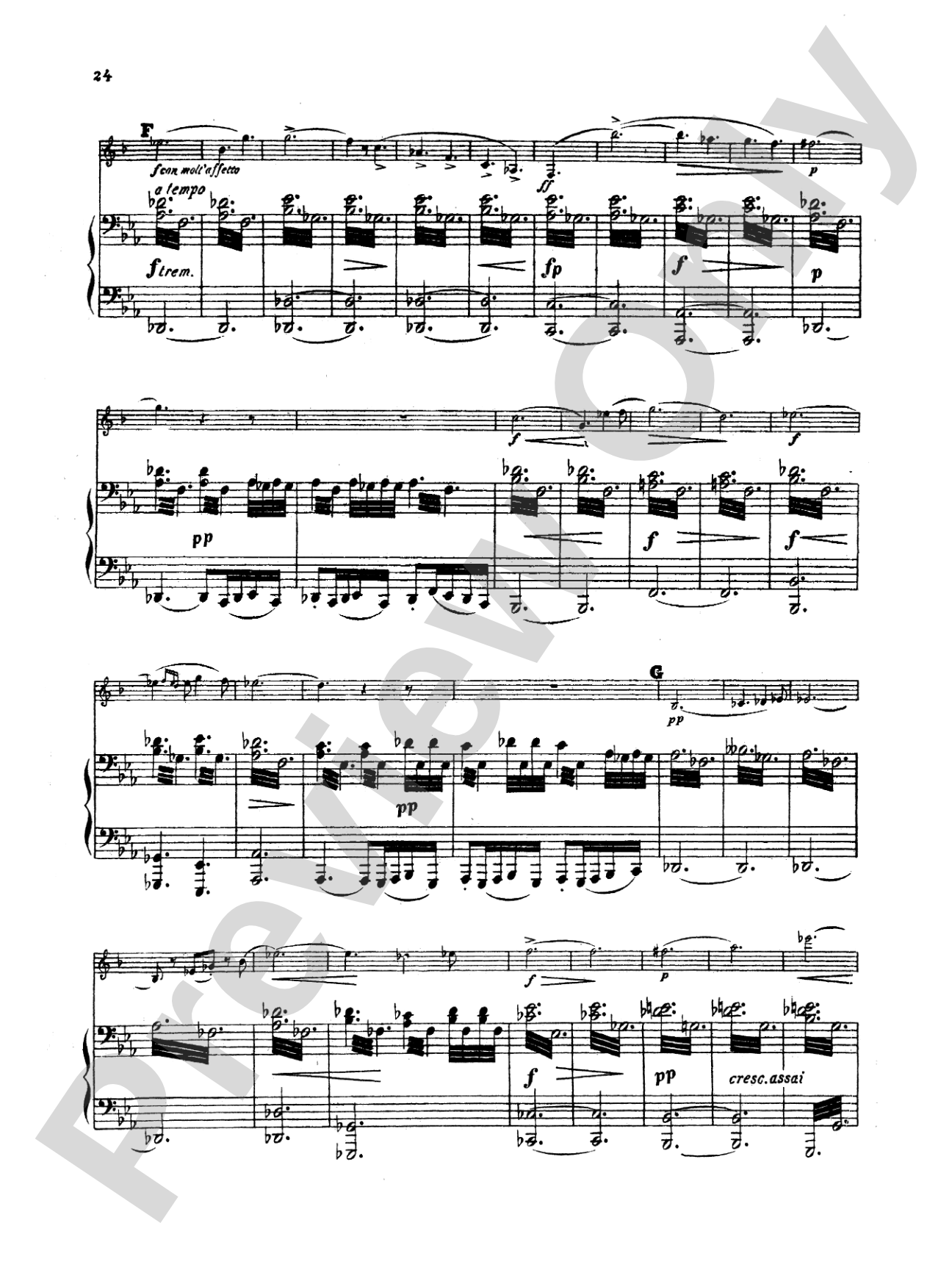
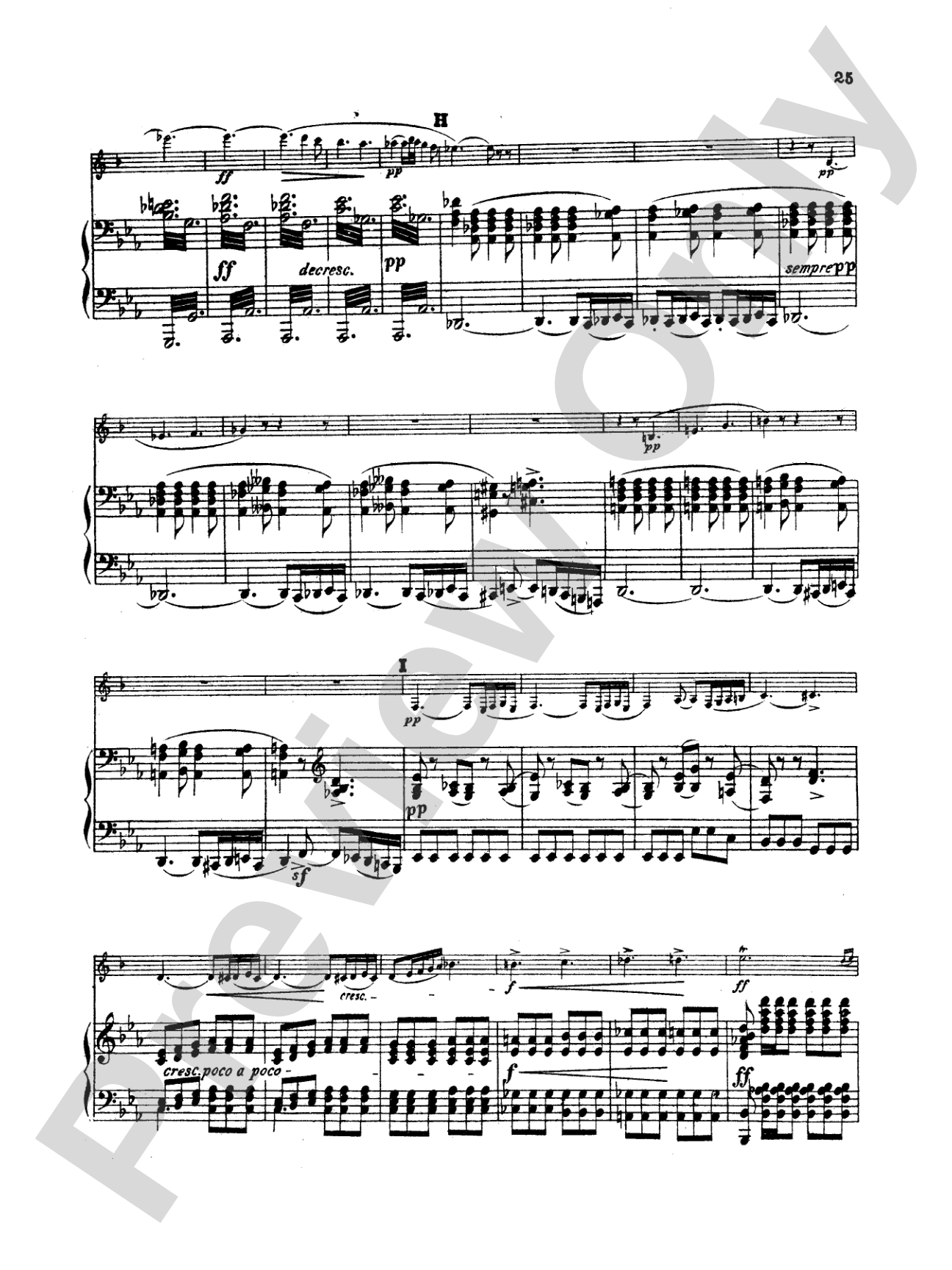
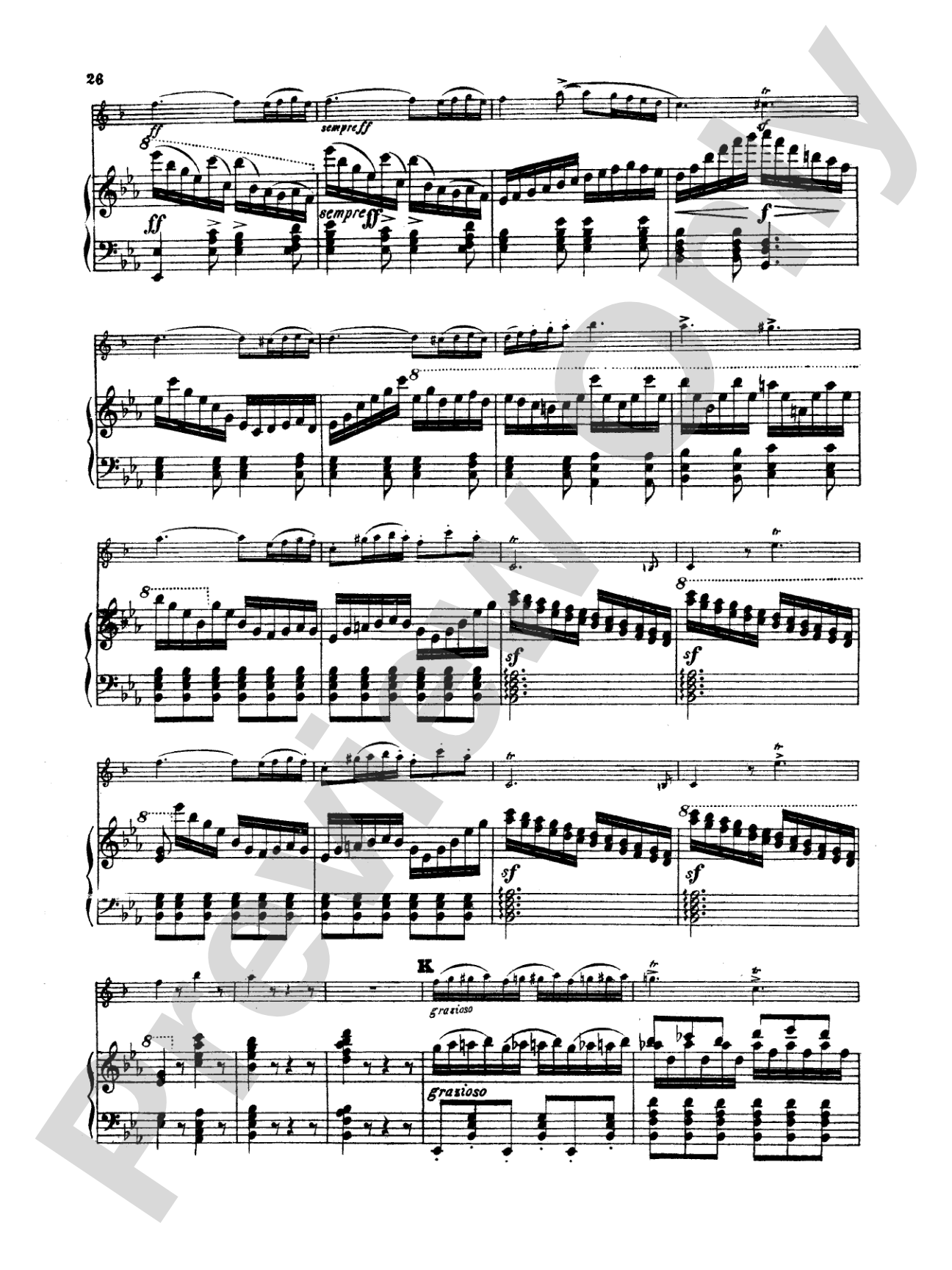
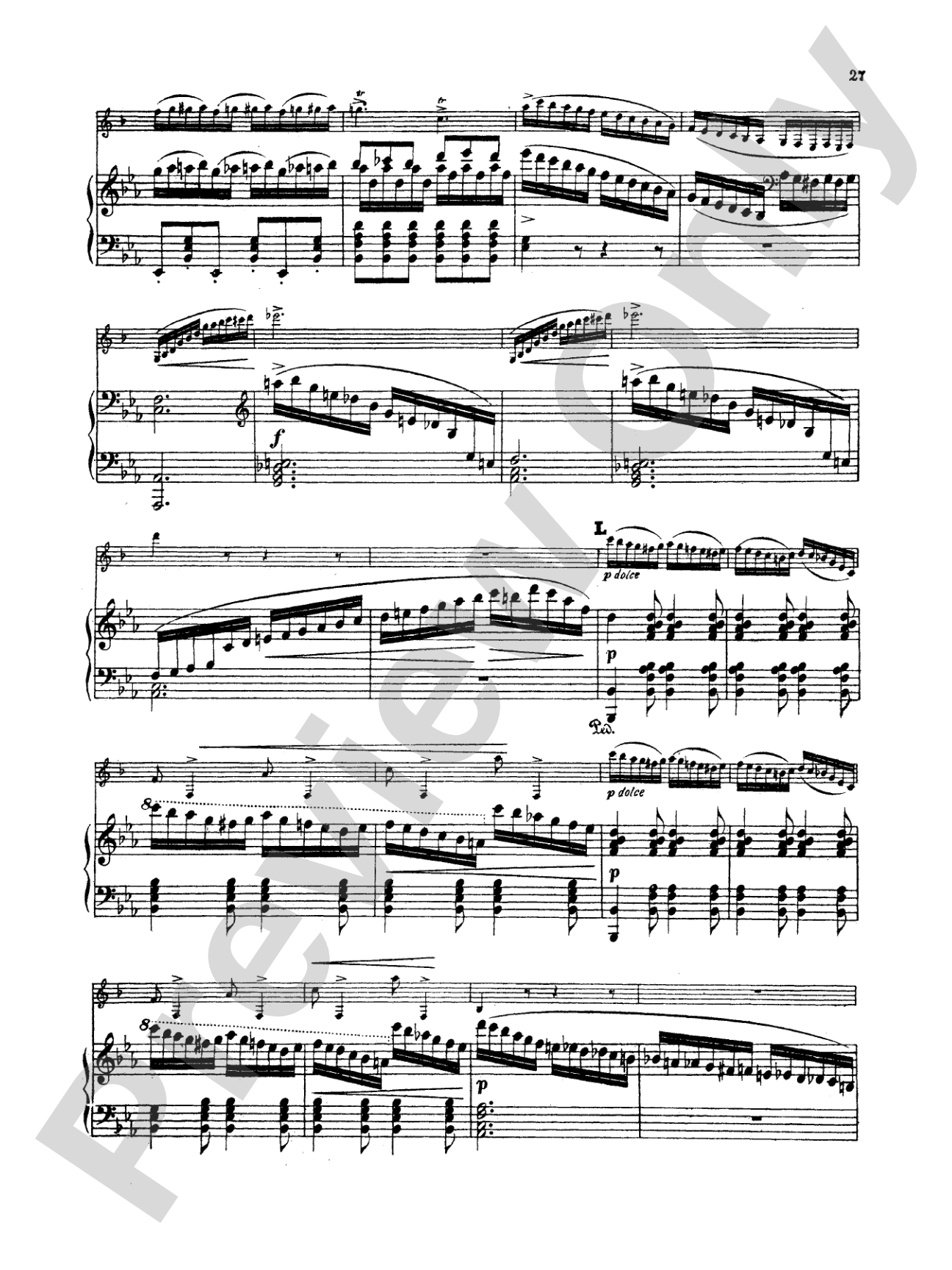
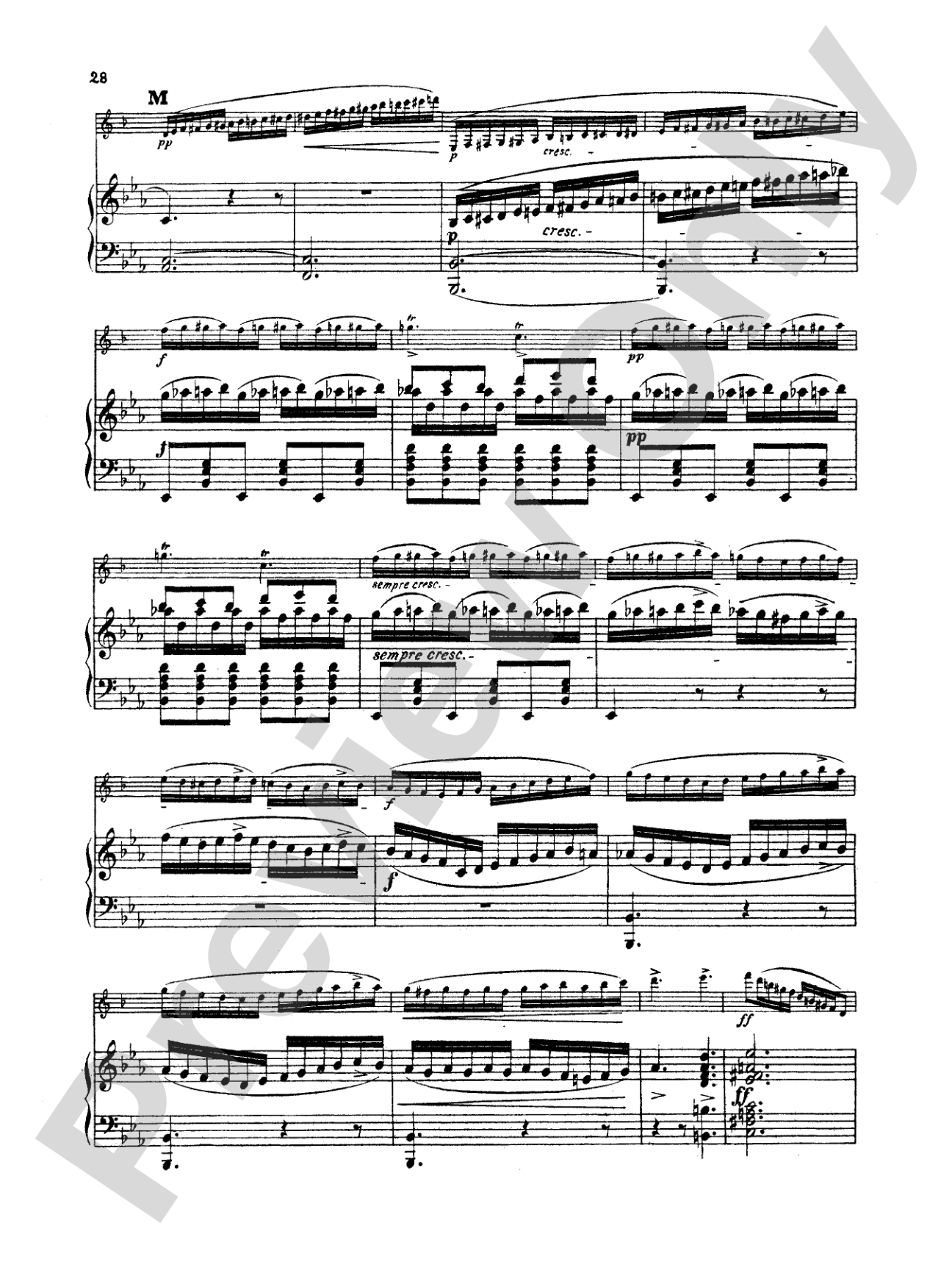
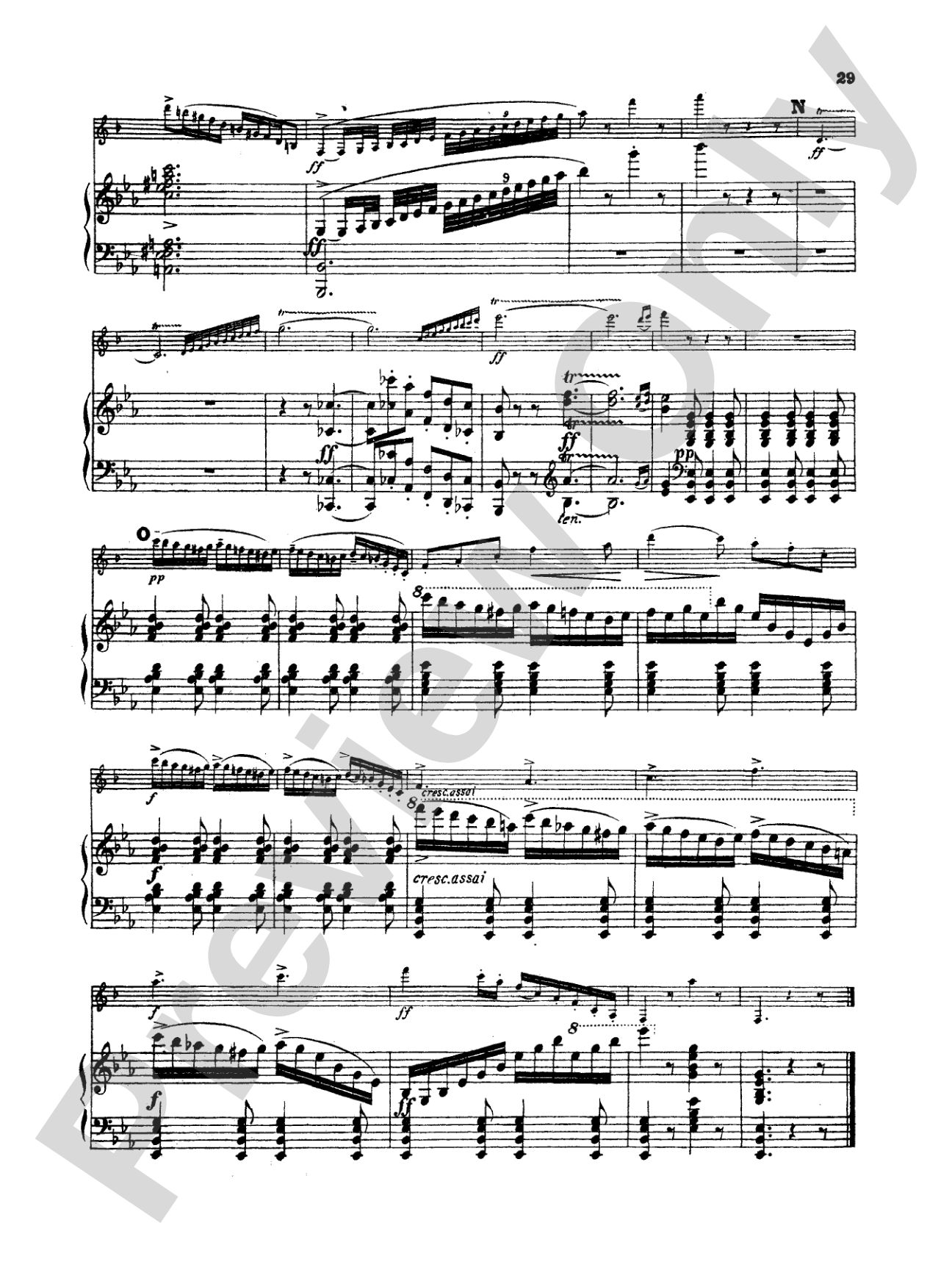




Weber: Grand Duo Concertant, Op. 48: Clarinet Part(s)
By Carl Maria von Weber
Item: 00-PK-0003038

$10.95
Pickup currently not available
Buy Extra Parts (Digital PDF Download)
| Product | Price | Quantity |
|---|---|---|
| Weber: Grand Duo Concertant, Op. 48 | $9.95 |
Parts Added to Cart!
Related Items
Grand Duo Concertant, Opus 48: Clarinet Part(s) |
$10.95
|
View |
Description
A B-Flat Calrinet Solo, composed by Carl Maria von Weber.


Don't just read it, hear it, play along with it, and watch your students grow with it. In MakeMusic Cloud, Weber: Grand Duo Concertant, Op. 48: Clarinet Part(s) comes alive with professional accompaniment, adjustable tempo, and built-in practice tools that turn solo practice into real progress.
Open in the Player
Jump straight in and assign it today.
Start Your Free Trial
Open this title and explore the full library in minutes.
Sample Audio
No sample audio found.
Sample Video
No sample videos found.
Additional Details
Series:
Kalmus Edition
Publisher:
Alfred Music
Page Count:
40
SKU:
00-PK-0003038
More about this title
About the Composer: Carl Maria von Weber
Carl Maria von Weber (1786, 1826) shaped the course of Romantic opera and instrumental music in early 19th-century Germany. His orchestrations were revolutionary for their time, and his gift for writing idiomatic instrumental lines made him a favorite among virtuoso performers. Weber understood the clarinet's expressive range as few composers did, and he wrote for the instrument with a sophistication that demanded both technical prowess and musical maturity from anyone who performed his work.
Why we love this
This duet has endured as a festival staple for over two centuries because Weber refuses to separate technical display from genuine musical architecture. The writing sits gratefully on the clarinet while demanding real interpretive maturity; young soloists cannot coast through scale passages or hide behind accompaniment. It remains one of the finest audition and competition pieces available at the upper high school and early college level.
What to expect
Weber's writing captures the elegance and dramatic flair of the Romantic era; the opening theme unfolds with songlike grace before the work pivots toward brilliant passagework and virtuosic display. You move between moments of genuine lyricism and sections that demand finger speed and breath control, all within a musical architecture that feels inevitable rather than contrived. The emotional arc moves from intimate to triumphant, with the clarinet leading the conversation throughout.
Who it's for
Advanced high school clarinetists, college-level clarinet students, and experienced adult amateurs preparing for recitals or competitions will find this work both musically rewarding and technically challenging. Solo clarinetists seeking substantial Romantic-era literature that falls between lighter salon pieces and the demands of the Brahms Sonata will find Grand Duo Concertant an ideal stepping stone. This is a work for players ready to command a full range of registers, undertake substantial rhythmic independence, and sustain long melodic lines with confidence.
How to get the most out of it
- Articulate the opening theme with clear, purposeful tonguing to establish its character immediately. Weber's Romantic style still expects crisp attack in fast passages, not the softer legato articulation that characterizes later 19th-century writing.
- Shape the longer melodic phrases by thinking in terms of harmonic movement rather than just note-to-note direction. The accompaniment guides you; follow its harmonic motion to determine where to breathe and where to sustain.
- Balance virtuosity with architecture in the faster sections. Technical passages exist to propel the music forward, not to showcase speed for its own sake. Maintain a sense of line even in rapid scalar figuration.
- Use dynamic contrast to clarify the form. Listen carefully to the accompanying part to understand where Weber intends you to recede and where to step forward; this interplay between solo and accompaniment is essential to the work's character.
How to use it
Program this alongside other Romantic woodwind concertante works to create a recital section that showcases the lyrical and technical sides of clarinet repertoire. It works particularly well on a recital that includes a contemporary piece and an earlier Classical work, anchoring the program as a substantial centerpiece. Consider pairing it with similar-era works for multiple clarinetists if your venue permits, since the Grand Duo remains fresh and engaging for audiences unfamiliar with Romantic clarinet literature.
Skills your students will build
- Navigating extended passage work across the full clarinet range
- Sustaining long melodic phrases with consistent tone and clear phrasing
- Balancing rapid scalar and arpeggio figuration with lyrical substance
- Articulation control in Romantic-era style
- Independence from accompaniment while remaining musically connected