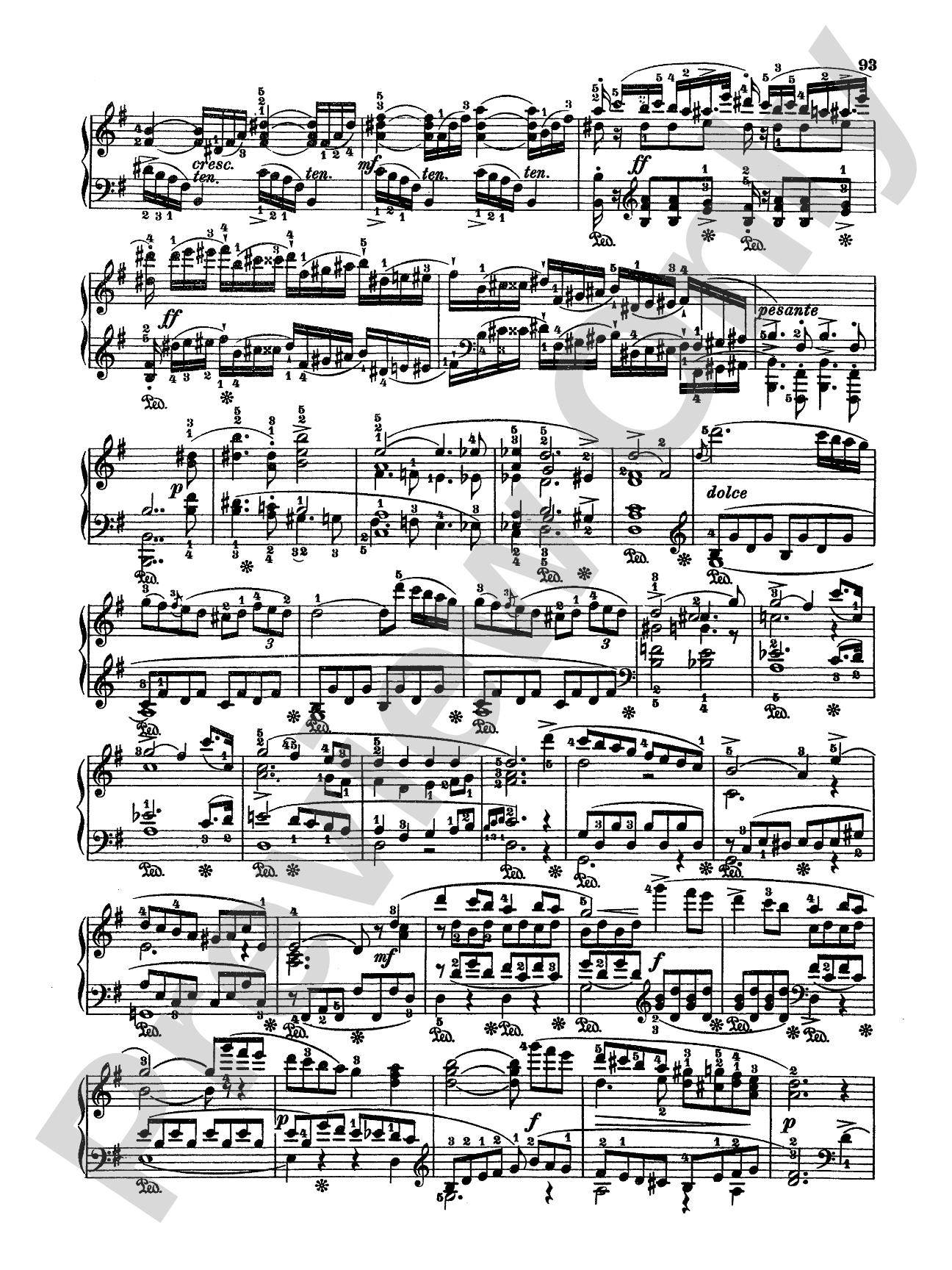
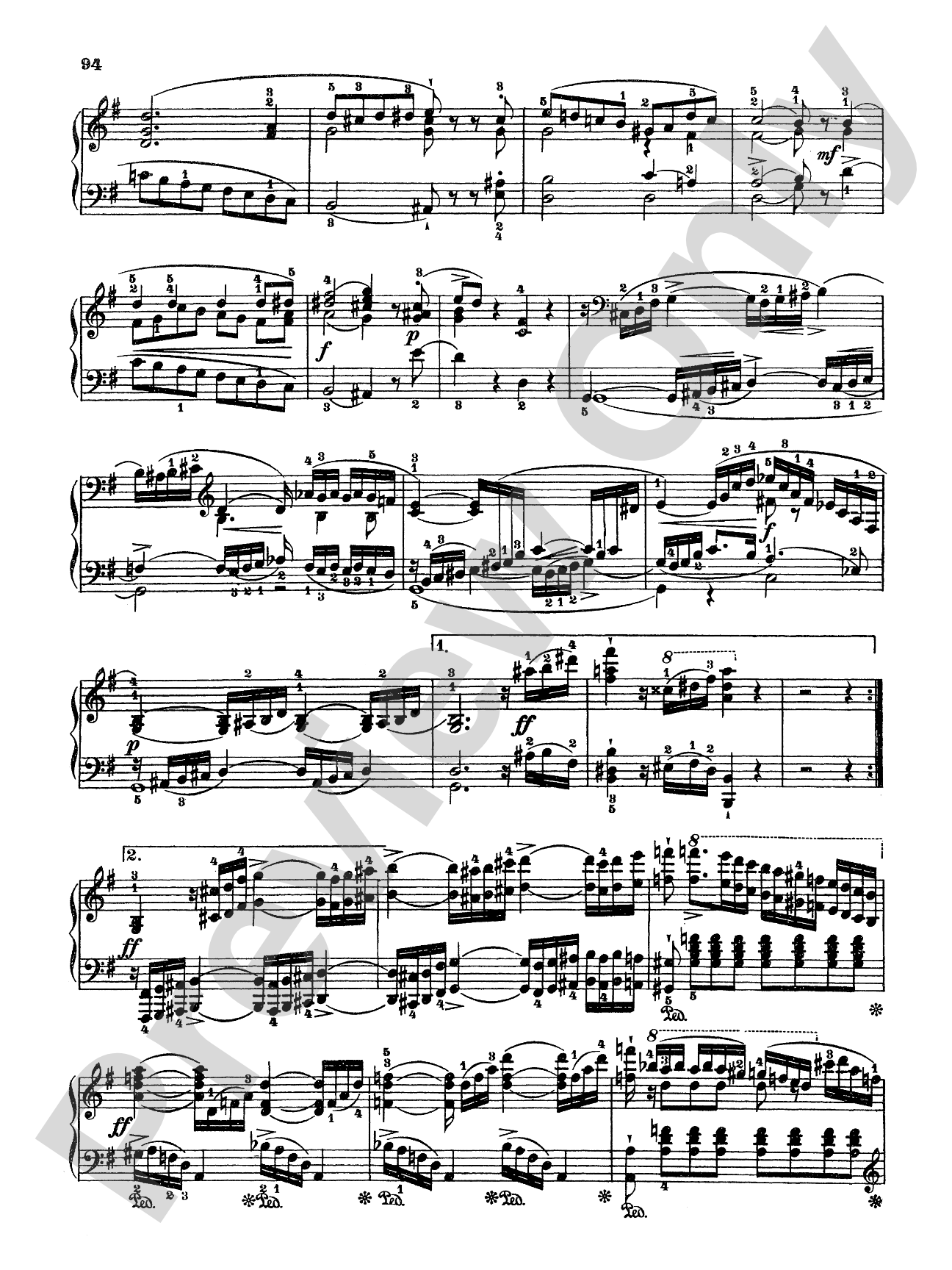
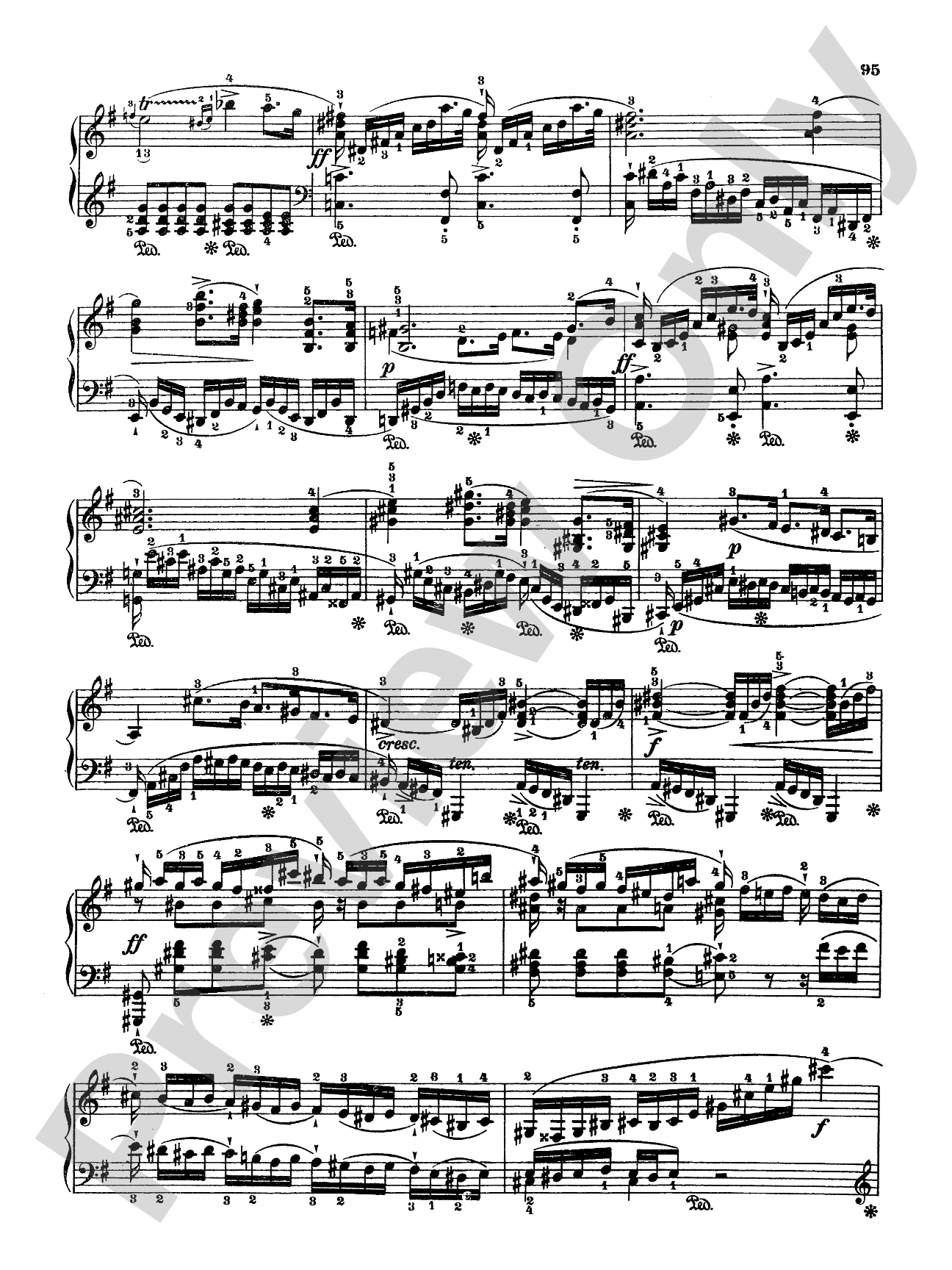
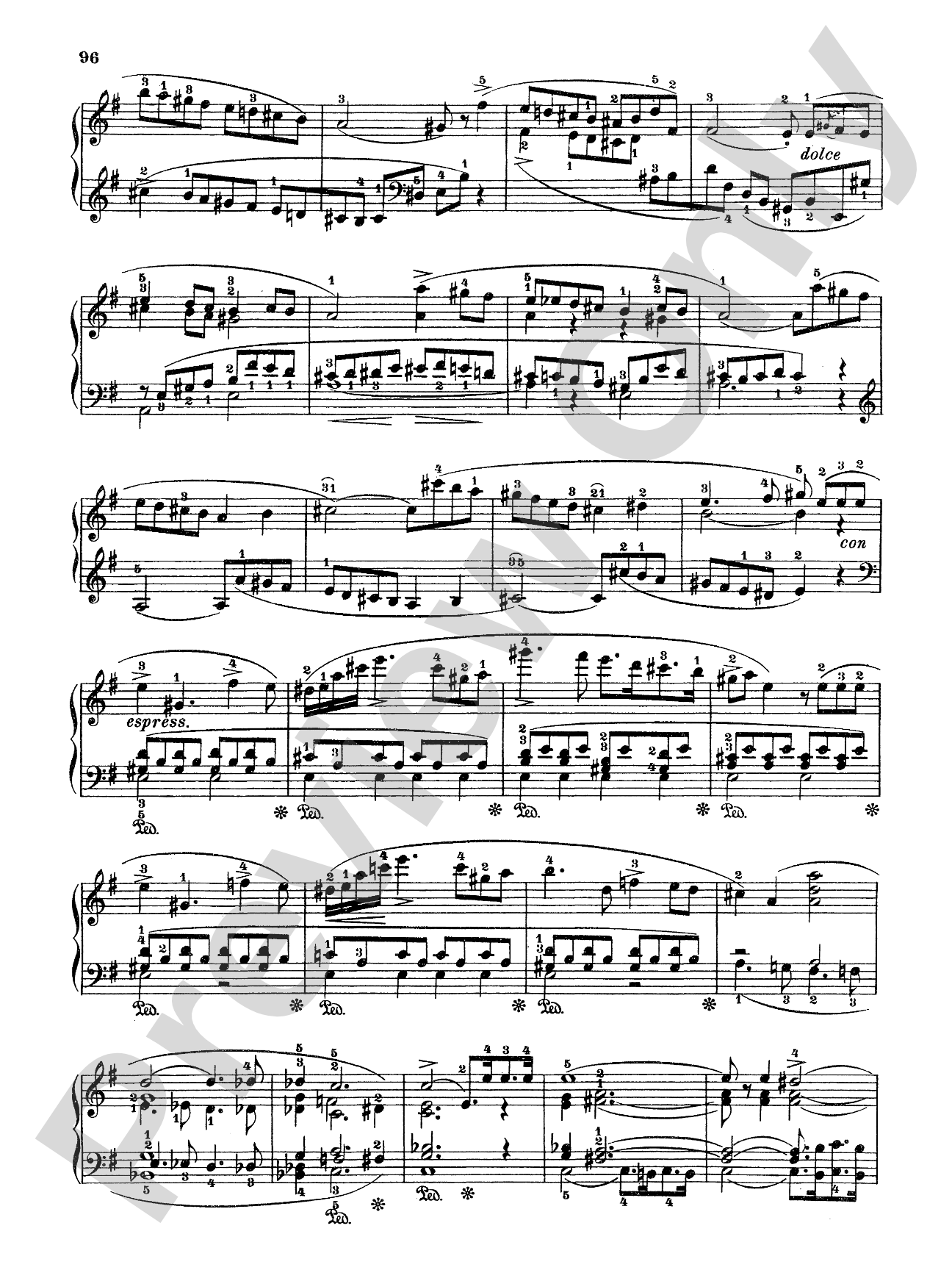
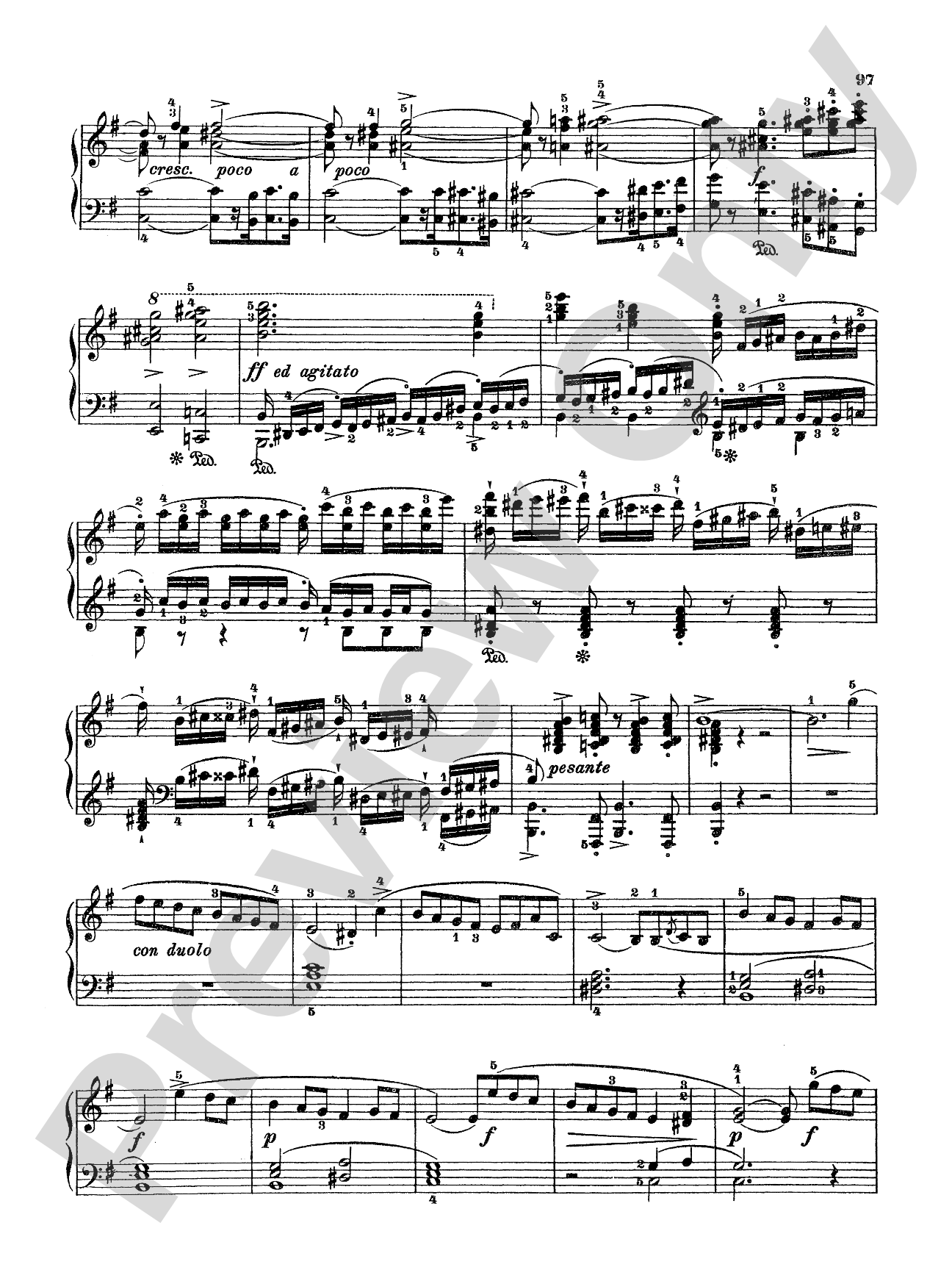
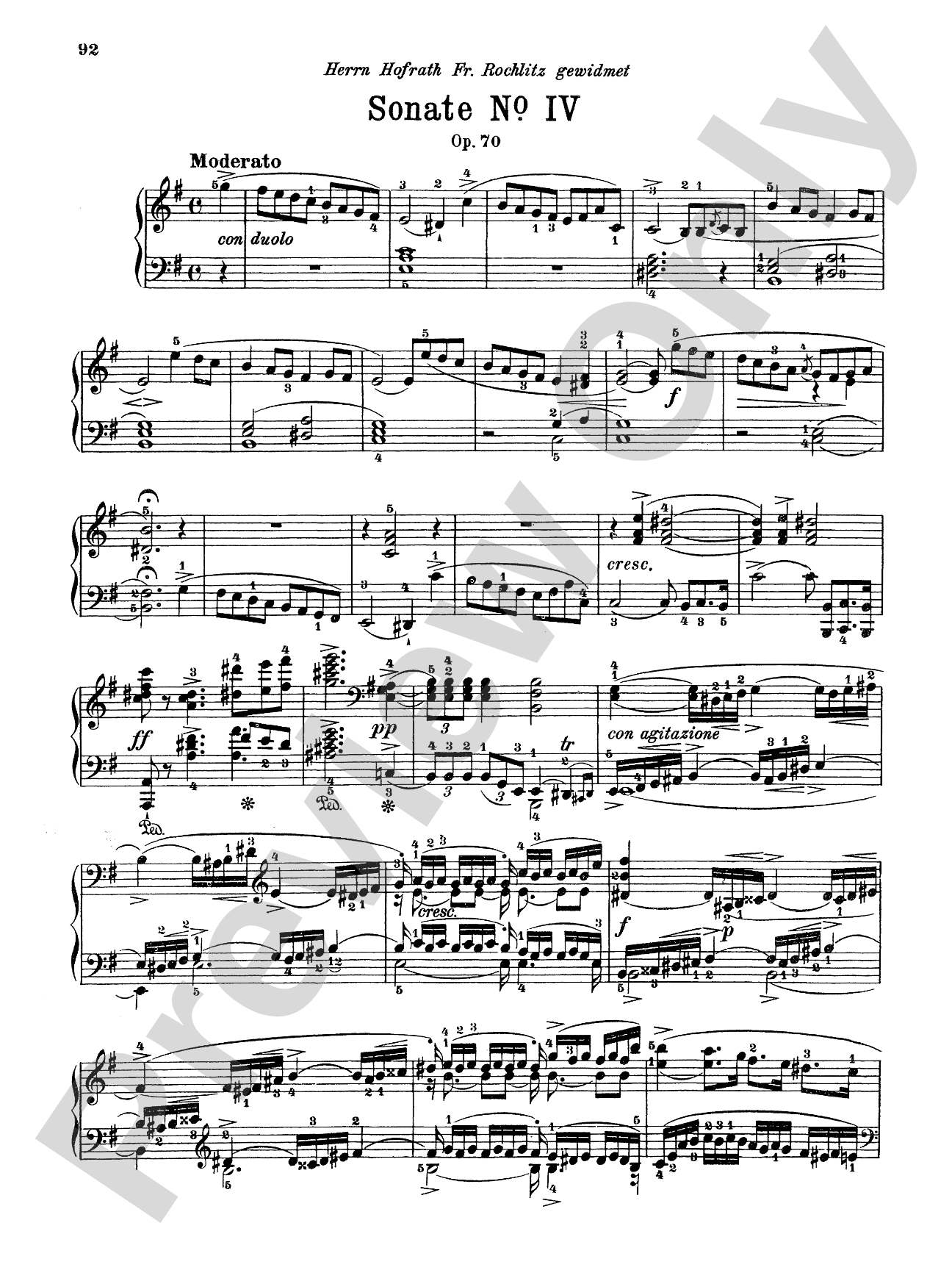
Weber: Four Piano Sonatas Sheet Music Preview

Weber: Four Piano Sonatas

By Carl Maria von Weber

Item: 00-PC-0012735

Digital Download
$2.95
Description
A collection of four piano solos expertly composed by Carl Maria von Weber.

Weber: Four Piano Sonatas isn't in MakeMusic Cloud just yet...but it could be. Let us know you'd like to see it, and you'll help shape what comes next. In the meantime, start a free trial and dive into thousands of interactive titles your students can play along with today.

Sample Audio
No sample audio found.
Sample Video
Additional Details
Series: Kalmus Edition
Publisher: Alfred Music
Page Count: 120
SKU: 00-PC-0012735

More about this title

About the Composer: Carl Maria von Weber

Carl Maria von Weber (1786-1826) bridged the Classical and Romantic eras as a composer, conductor, and pianist who shaped the future of German opera and instrumental music. His piano sonatas represent a crucial point in keyboard literature: they retain Classical form and clarity while introducing Romantic lyricism, dramatic intensity, and virtuosic demands that foreshadow the 19th-century piano repertoire. Weber's influence extended far beyond his lifetime through his operas, most notably Der Freischütz, which established German Romantic opera as a vital genre.

As a pedagogue and performer, Weber understood the piano intimately and wrote for it with both technical ambition and musical substance. His sonatas remain valuable to students and recitalists because they demand musical maturity alongside technical skill, offering genuine artistic challenges rather than mere display pieces.

Why we love this

These four sonatas sit at an ideal pedagogical crossroads. They're sophisticated enough to demand genuine interpretive choices and technical refinement from advanced students, yet they reward careful playing with satisfying formal architecture and memorable thematic material. The Kalmus edition provides clean, reliable access to works that appear far less frequently in recitals than they deserve.

What to expect

Weber's piano writing sparkles with energy and emotional depth. These sonatas breathe with Romantic yearning in their slow movements, surge with dramatic momentum in their allegros, and contain moments of virtuosic brilliance that feel earned rather than gratuitous. The music balances intellectual rigor with genuine warmth, making it rewarding both to play and to hear.

Who it's for

Advanced pianists preparing repertoire for recitals, competitions, or degree requirements will find these sonatas essential. Music history and theory students benefit from studying how Weber synthesizes Classical form with Romantic harmonic language. Teachers seeking substantive intermediate-to-advanced repertoire that connects to both Bach and Chopin will appreciate their pedagogical value.

How to get the most out of it

  • Balance harmonic clarity with the Romantic expressivity that permeates these works; Weber's textures benefit from singing the melody line while maintaining transparent accompaniment figures.
  • Attend to Weber's dynamic markings and tempo indications as structural signposts. These sonatas use expressive variation to delineate form, not just dramatic effect.
  • Practice the figurations and passagework at a steady tempo before adding interpretive flexibility. Weber's virtuosic moments require confident finger work to sound effortless.
  • Use the contrasting themes within each movement to shape your interpretation; these sonatas gain momentum and coherence when different sections have distinct character rather than uniform treatment.

How to use it

Program these sonatas on recitals that pair Classical and Romantic eras; Weber's works bridge those worlds naturally. They also pair well with Schubert, Schumann, or other early Romantic composers. Students studying 19th-century keyboard technique will benefit from learning one sonata per season as part of a broader repertoire plan.

Skills your students will build

  • Lyrical phrasing over Romantic harmonic progressions
  • Balancing figurative accompaniment with singing melody lines
  • Interpreting Classical sonata form with Romantic expressive depth
  • Technical facility in passage work and octave patterns
  • Understanding harmonic color and modulation as expressive tools

You May Also Like