
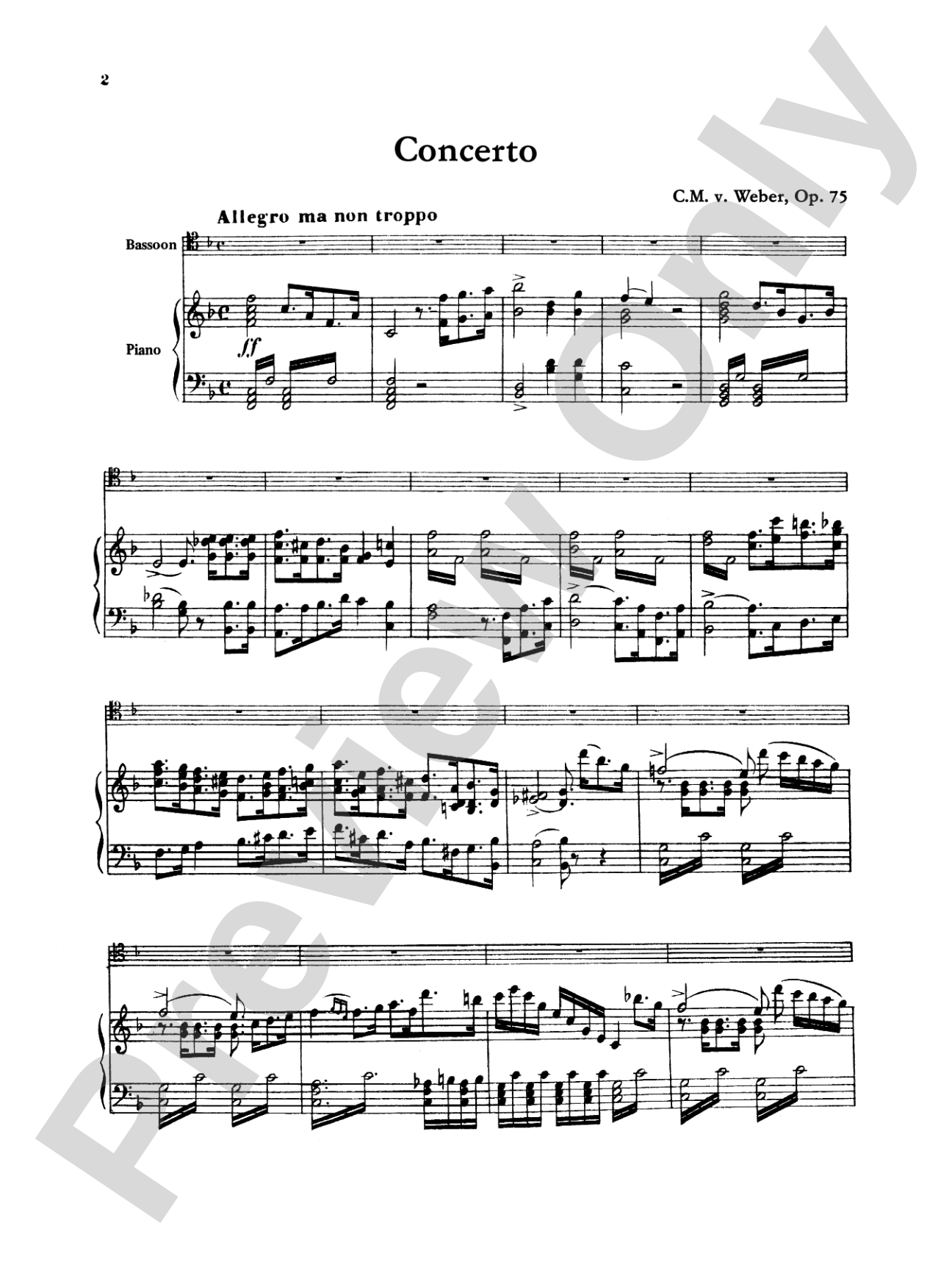
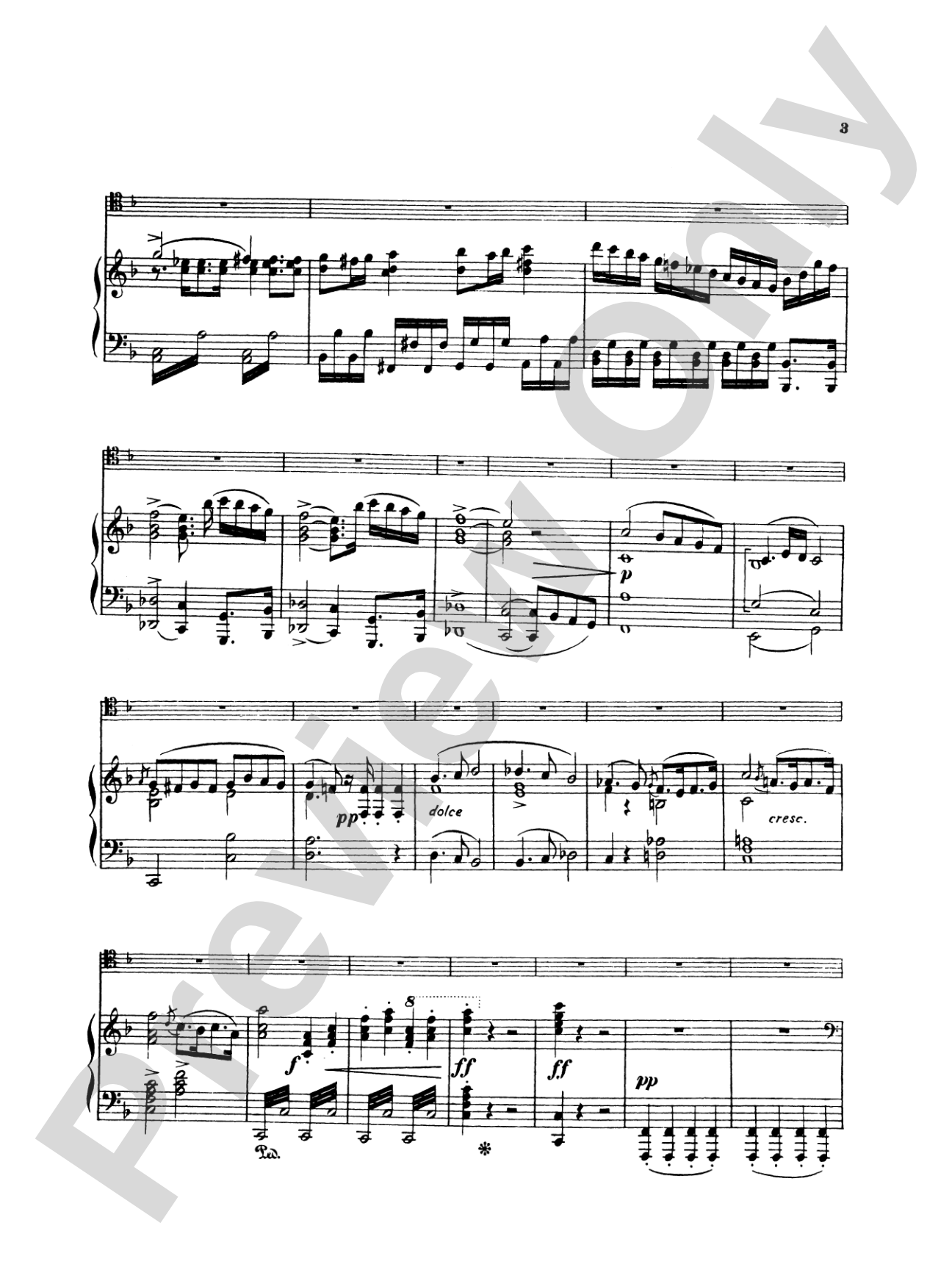
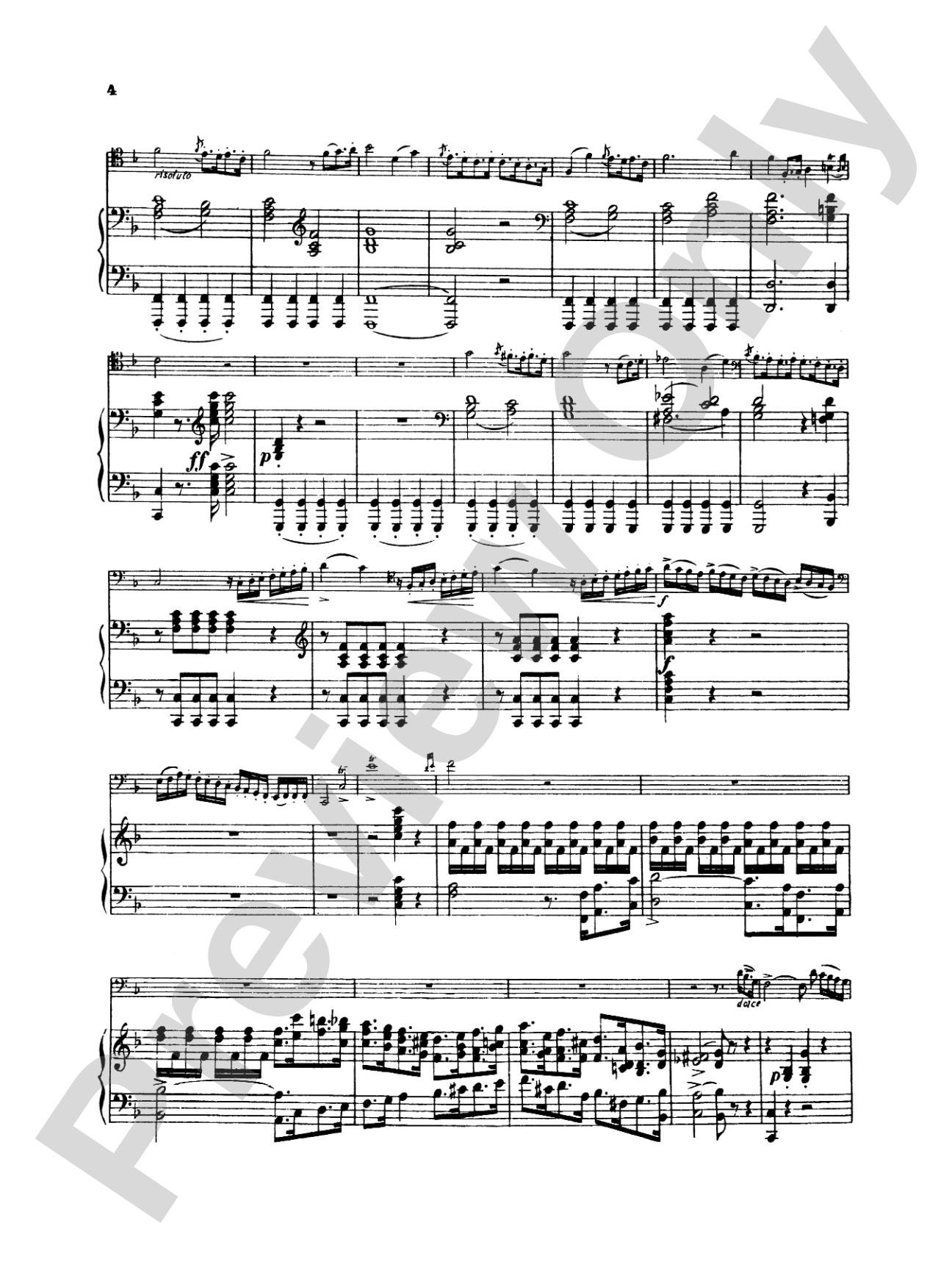
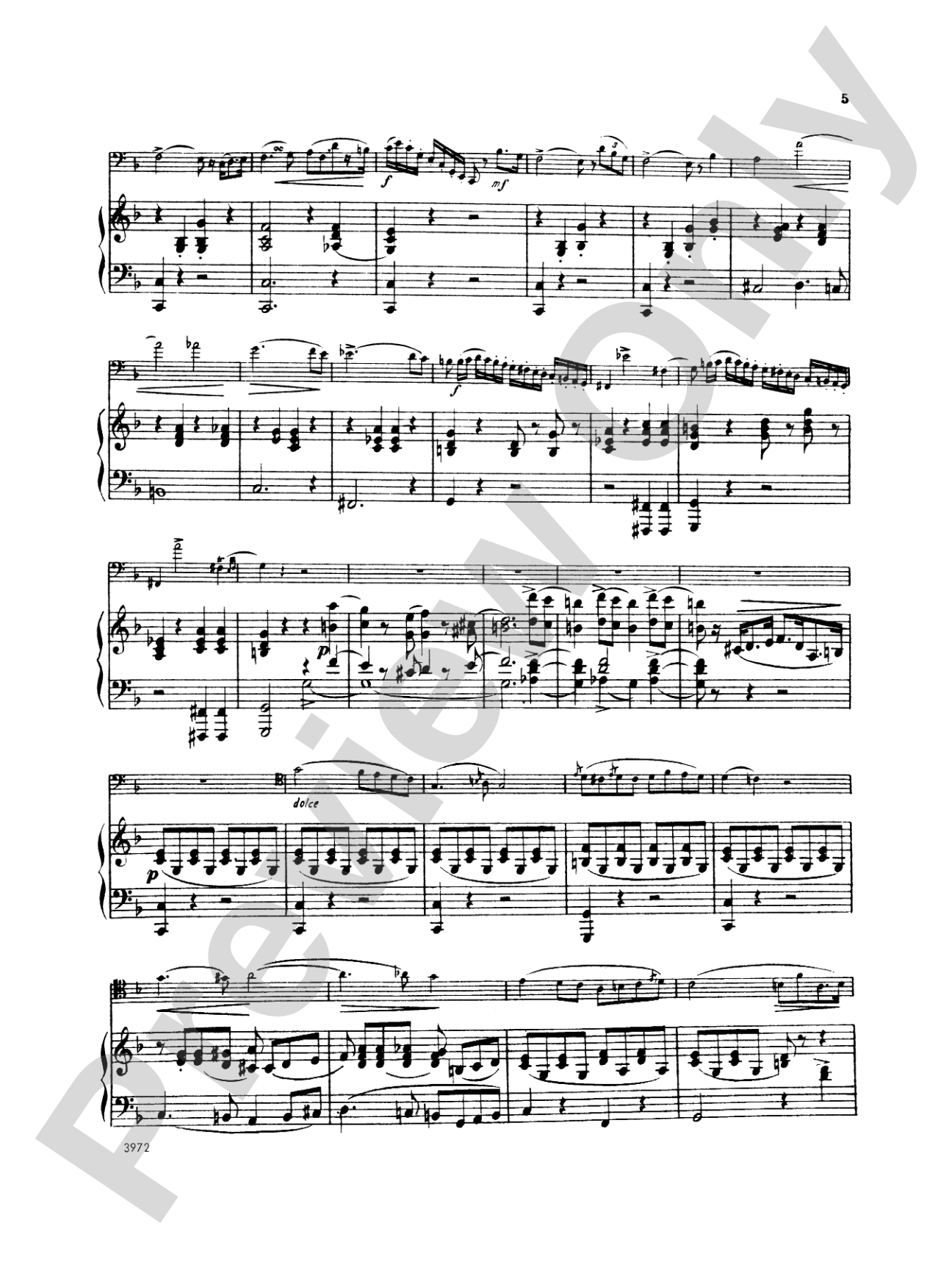
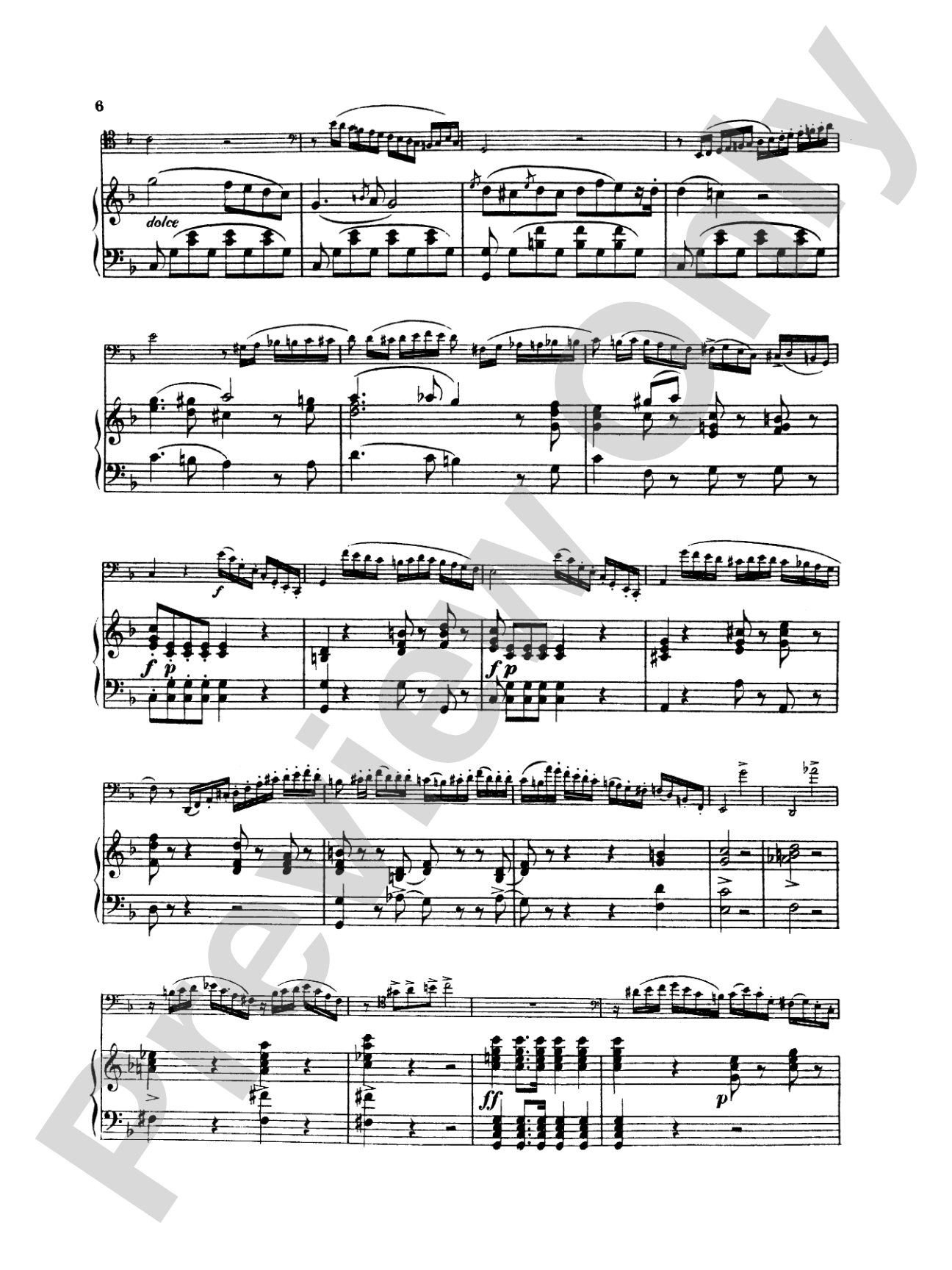
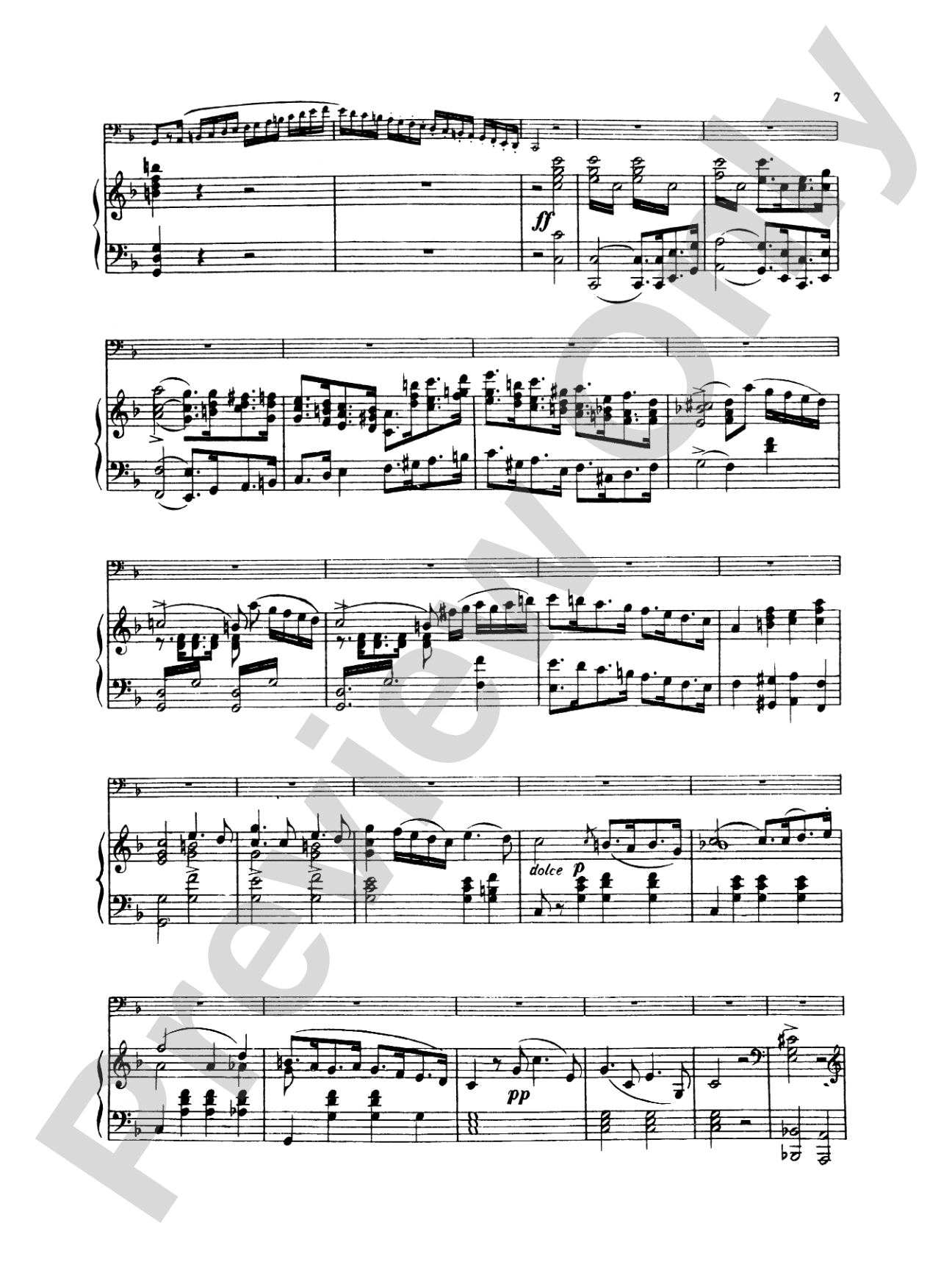
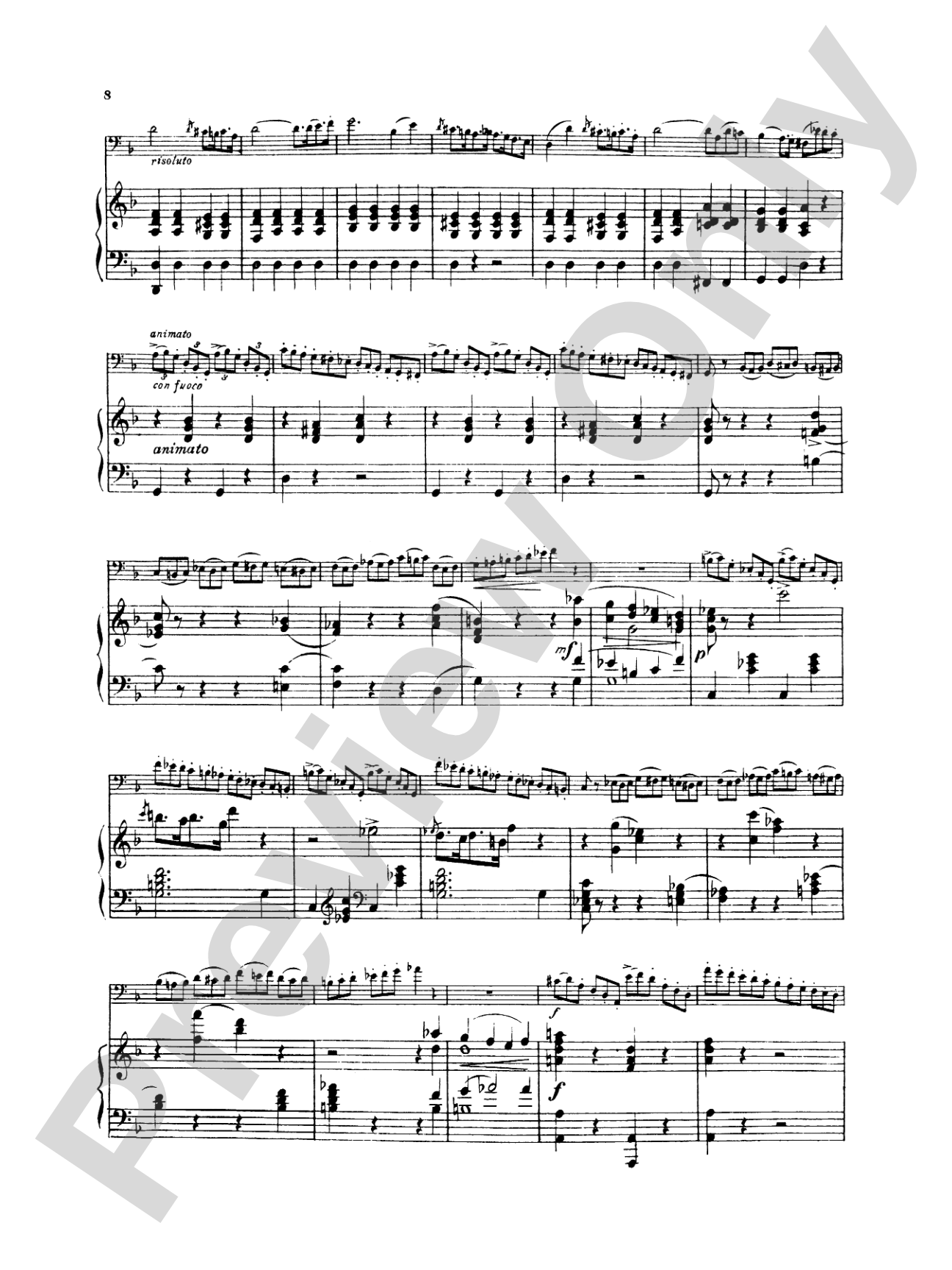
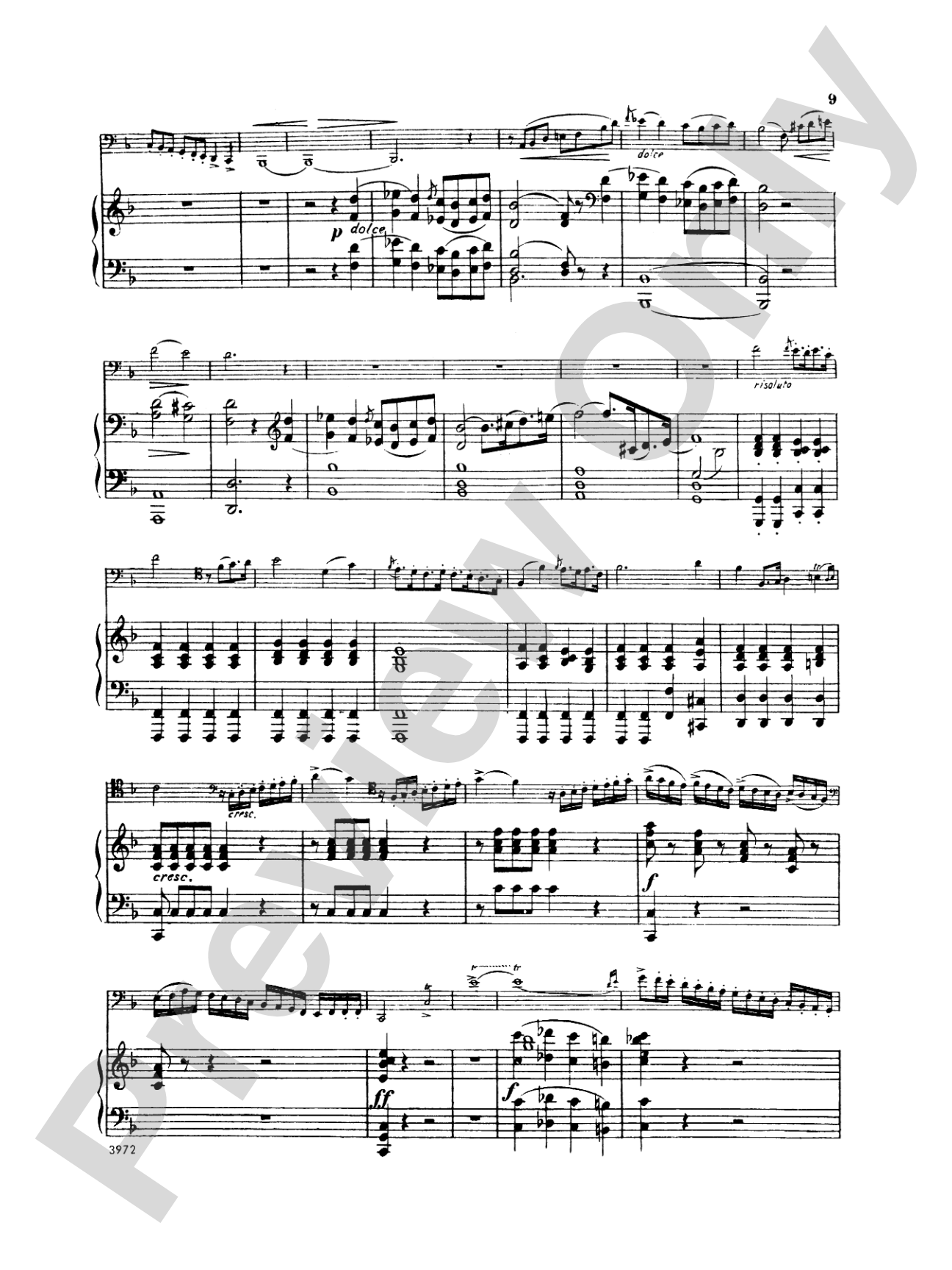
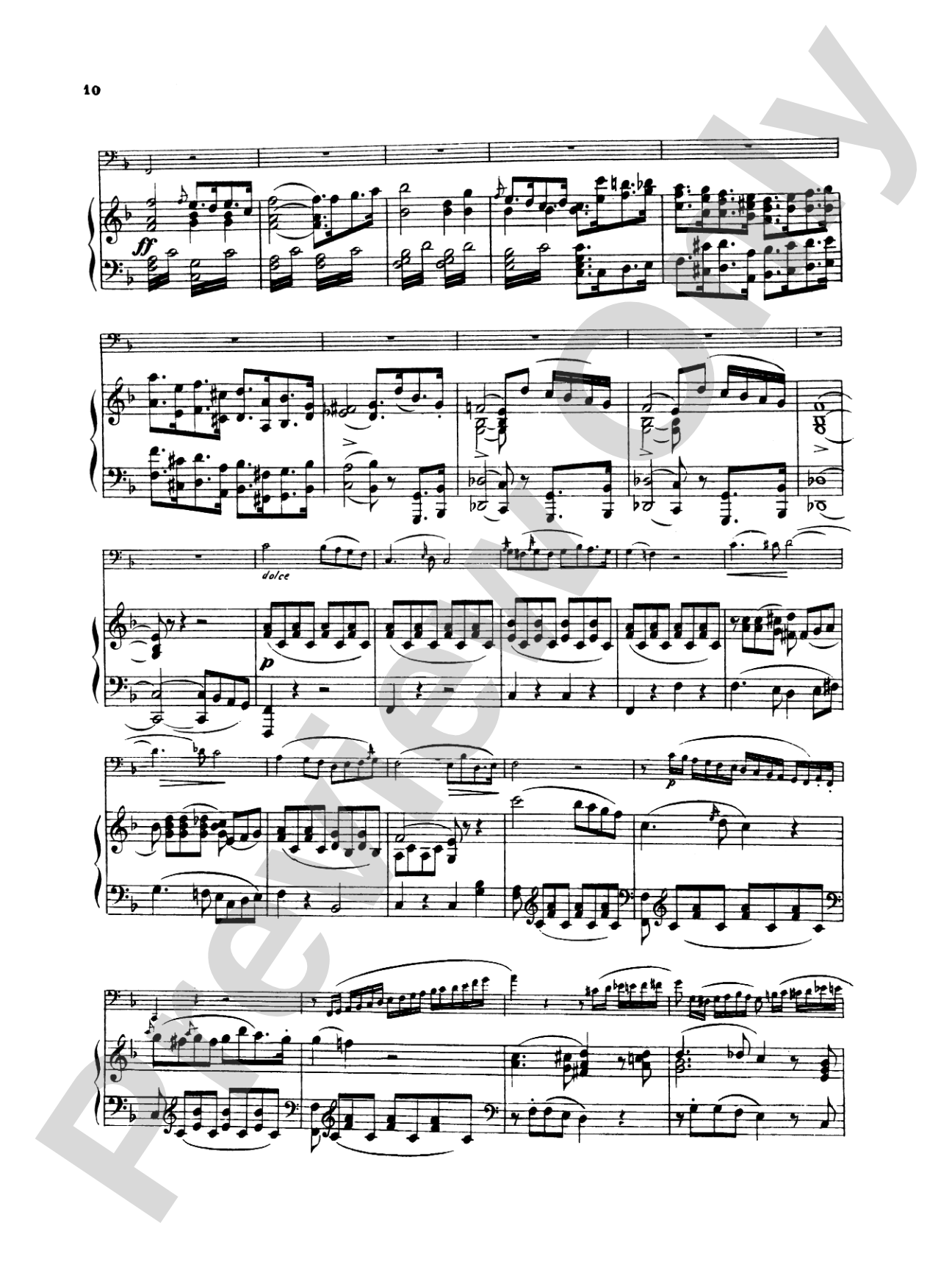
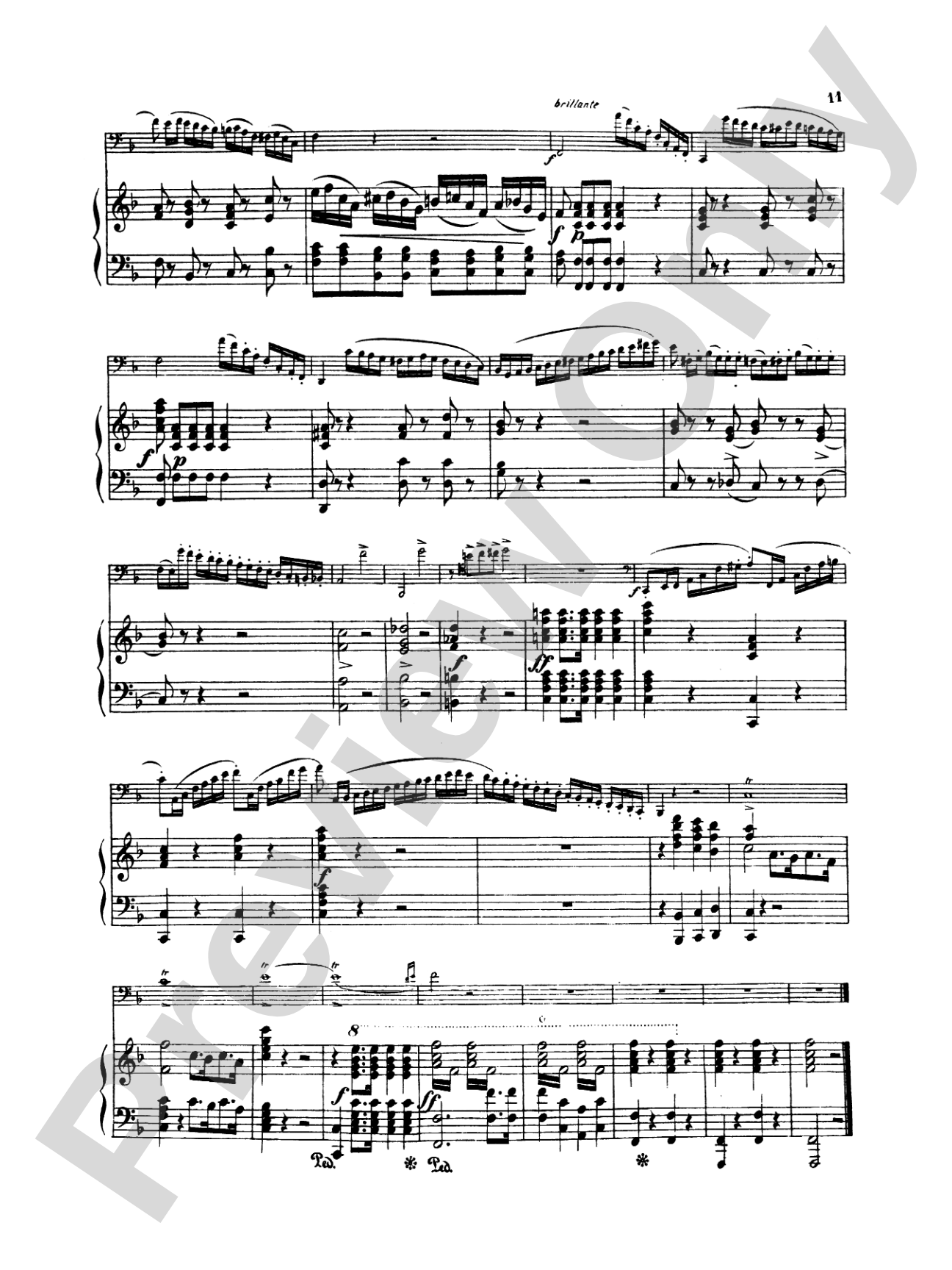
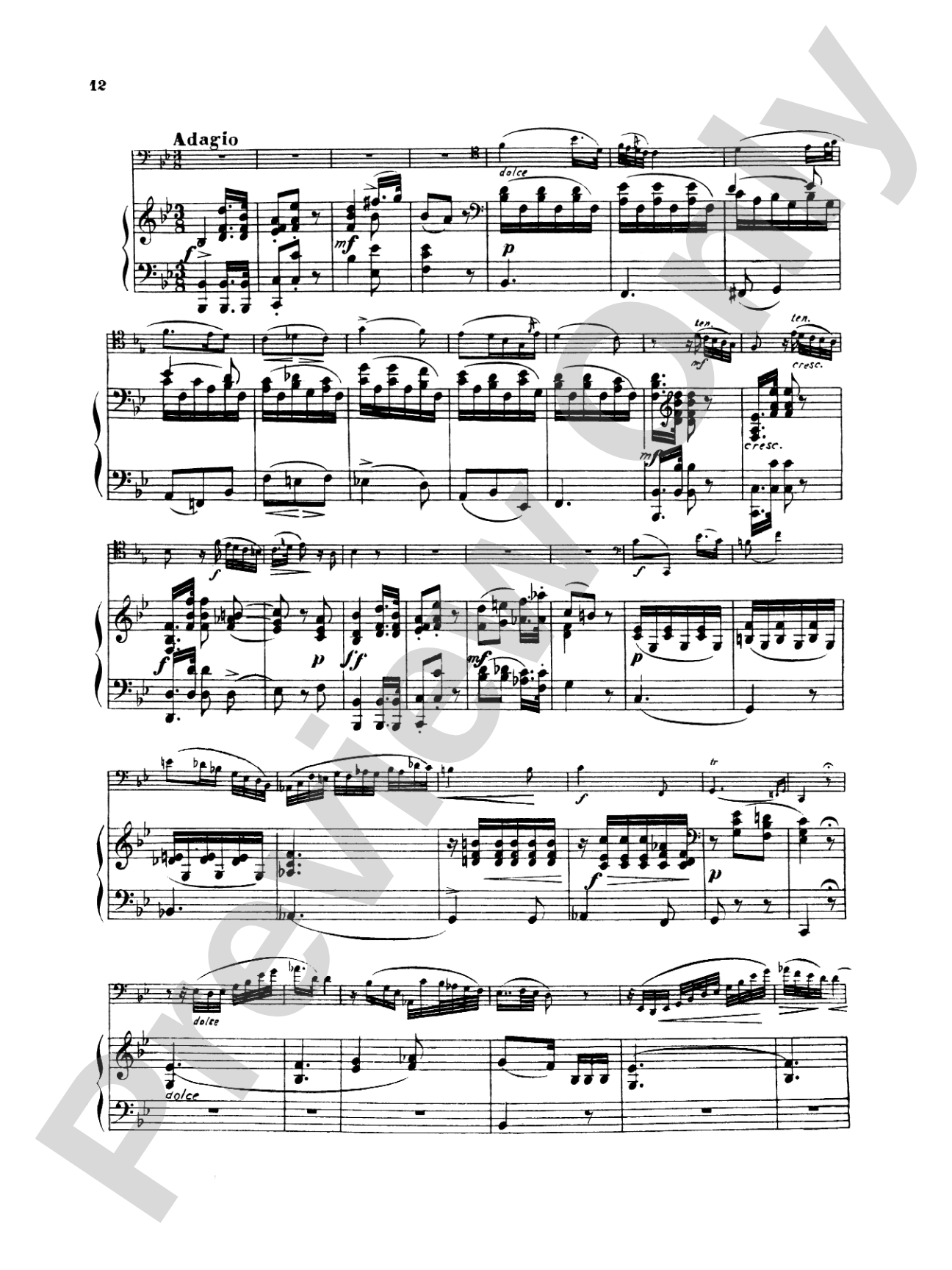
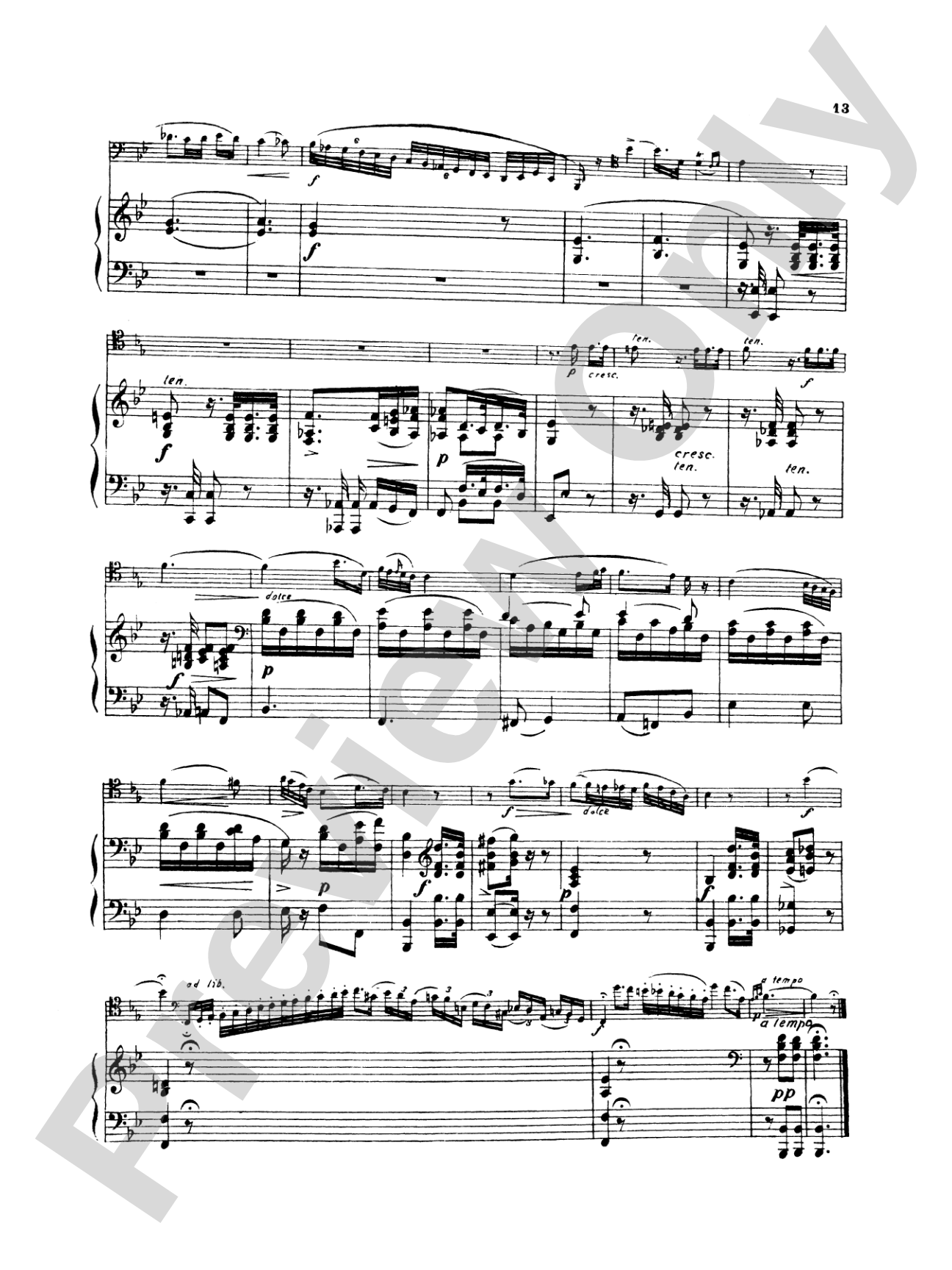
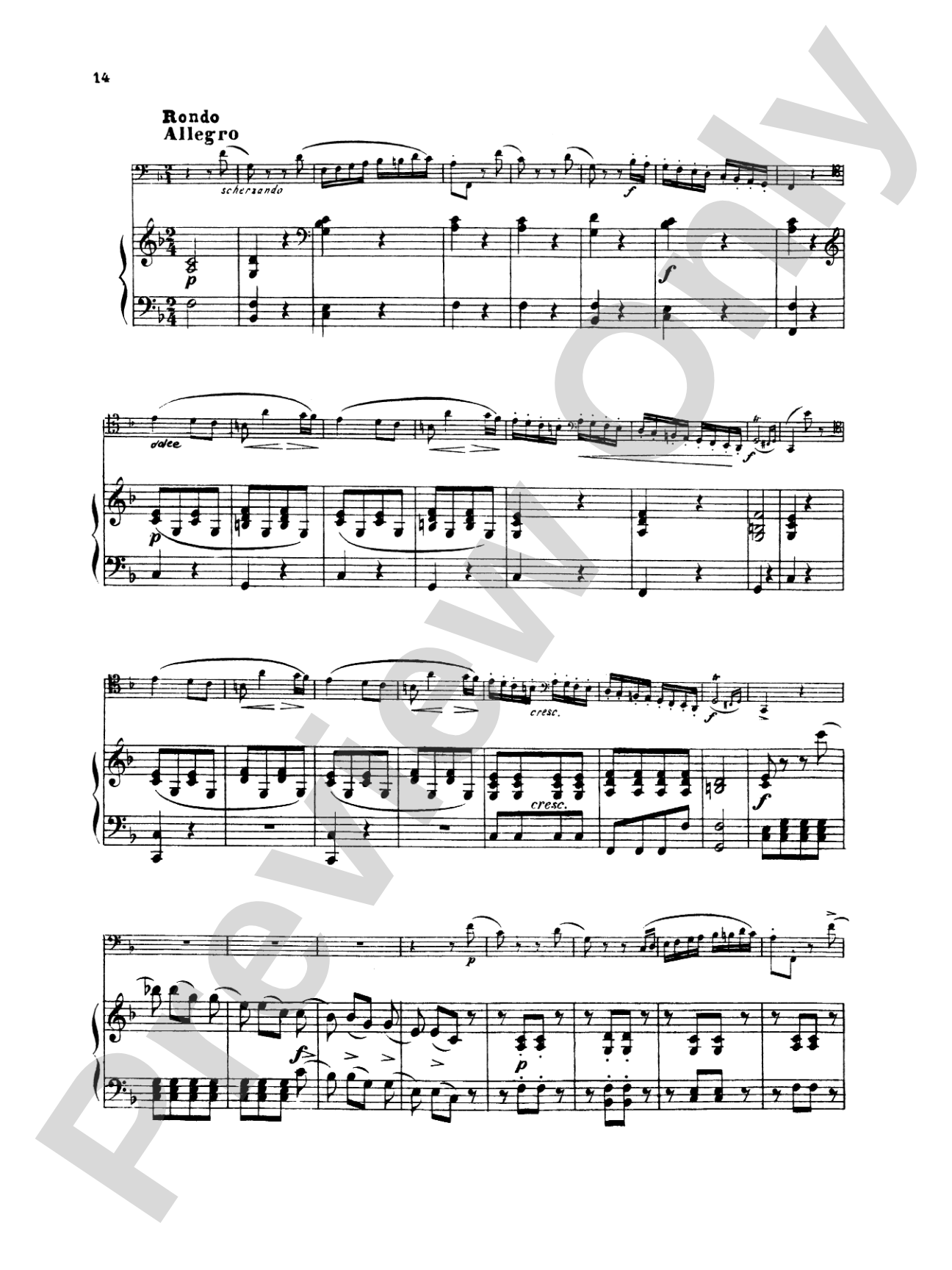
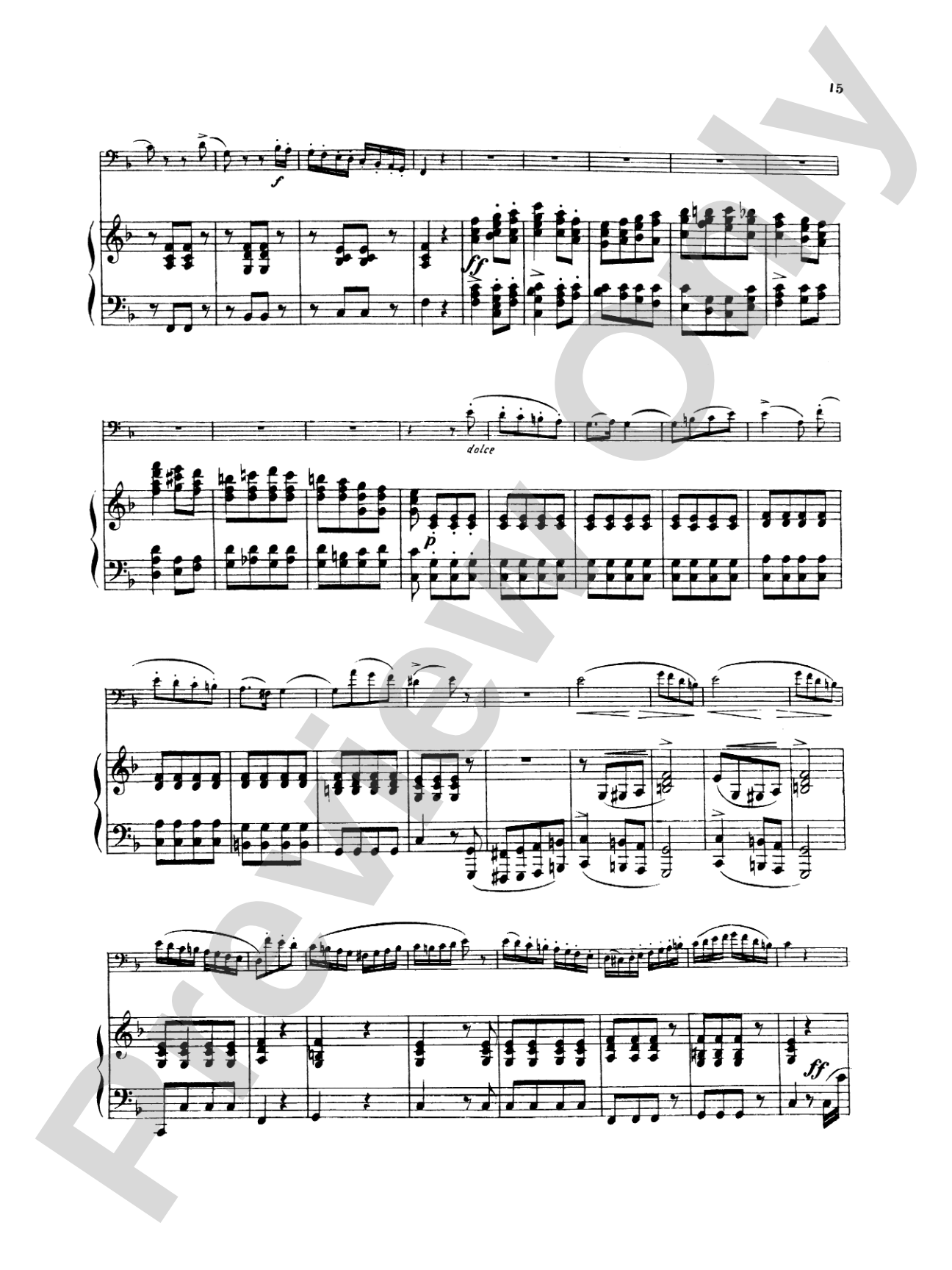
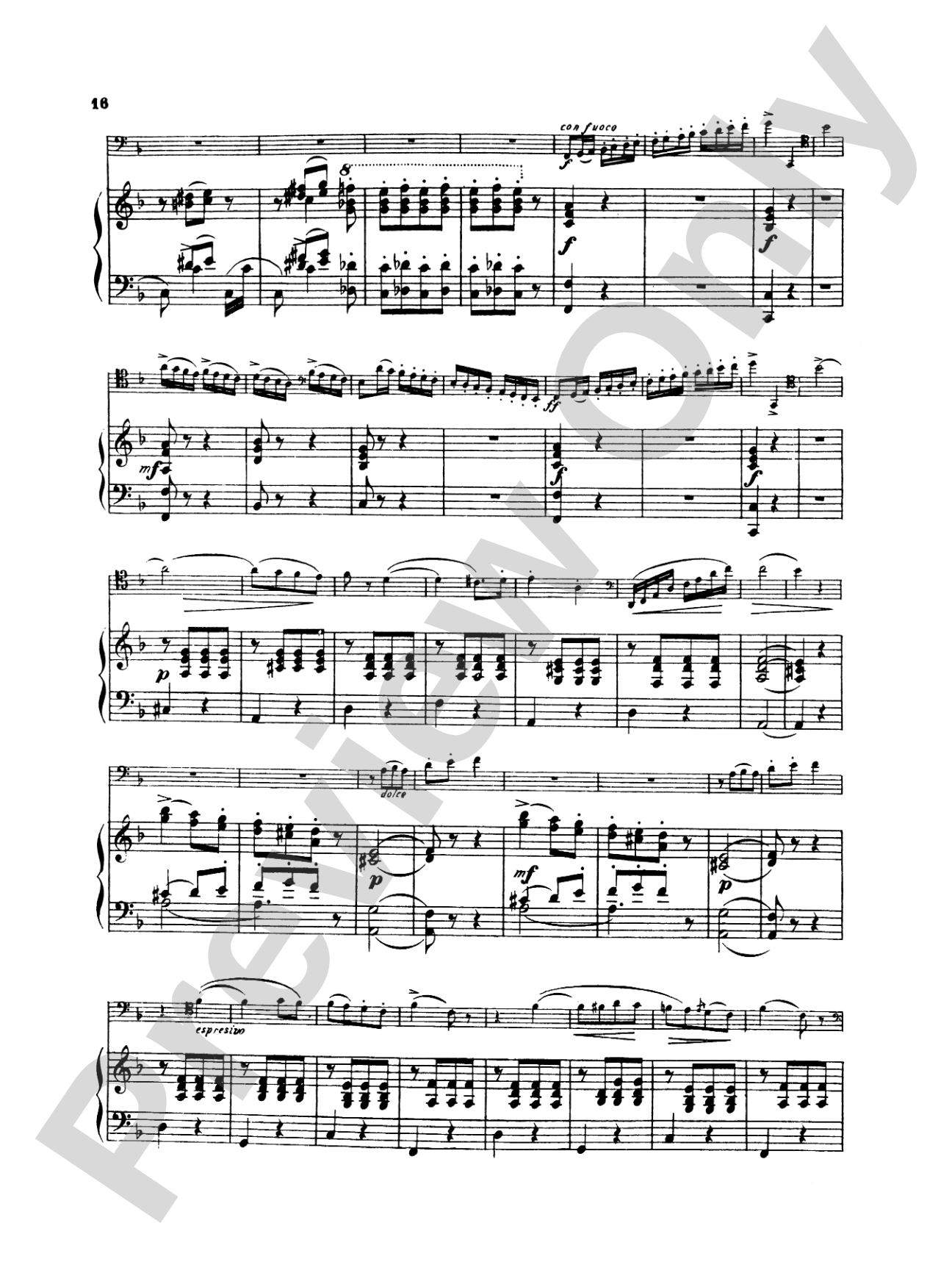
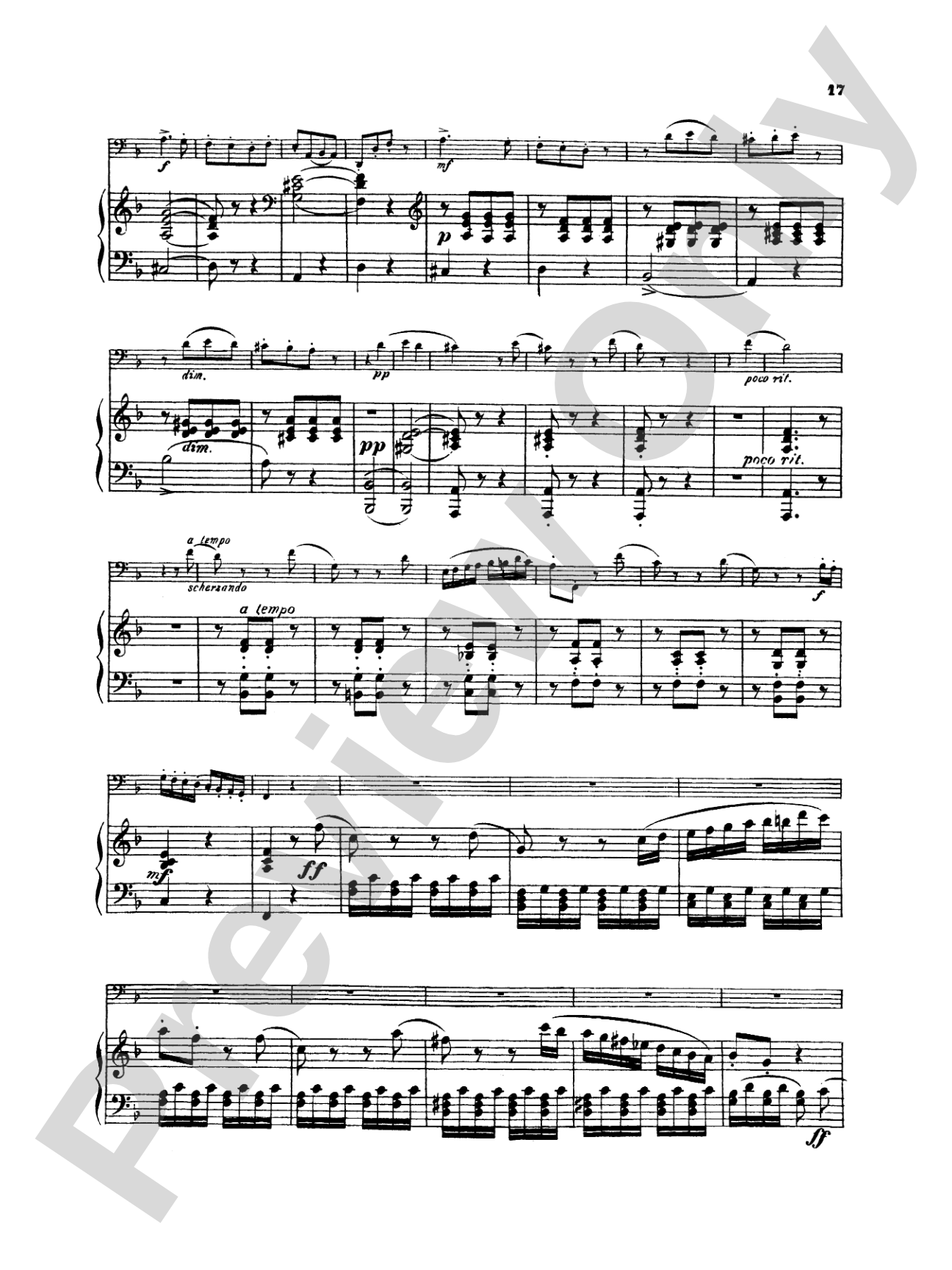
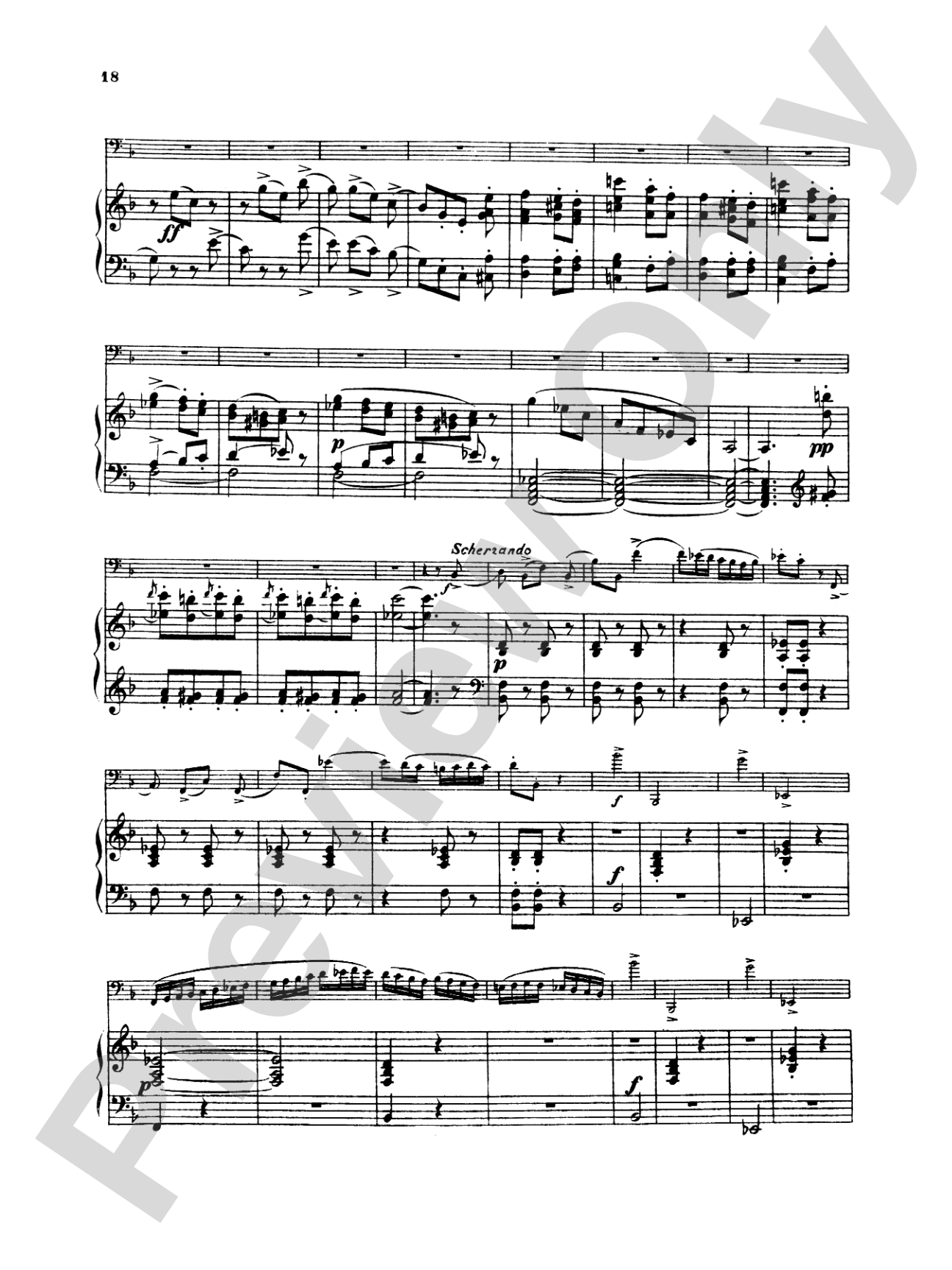
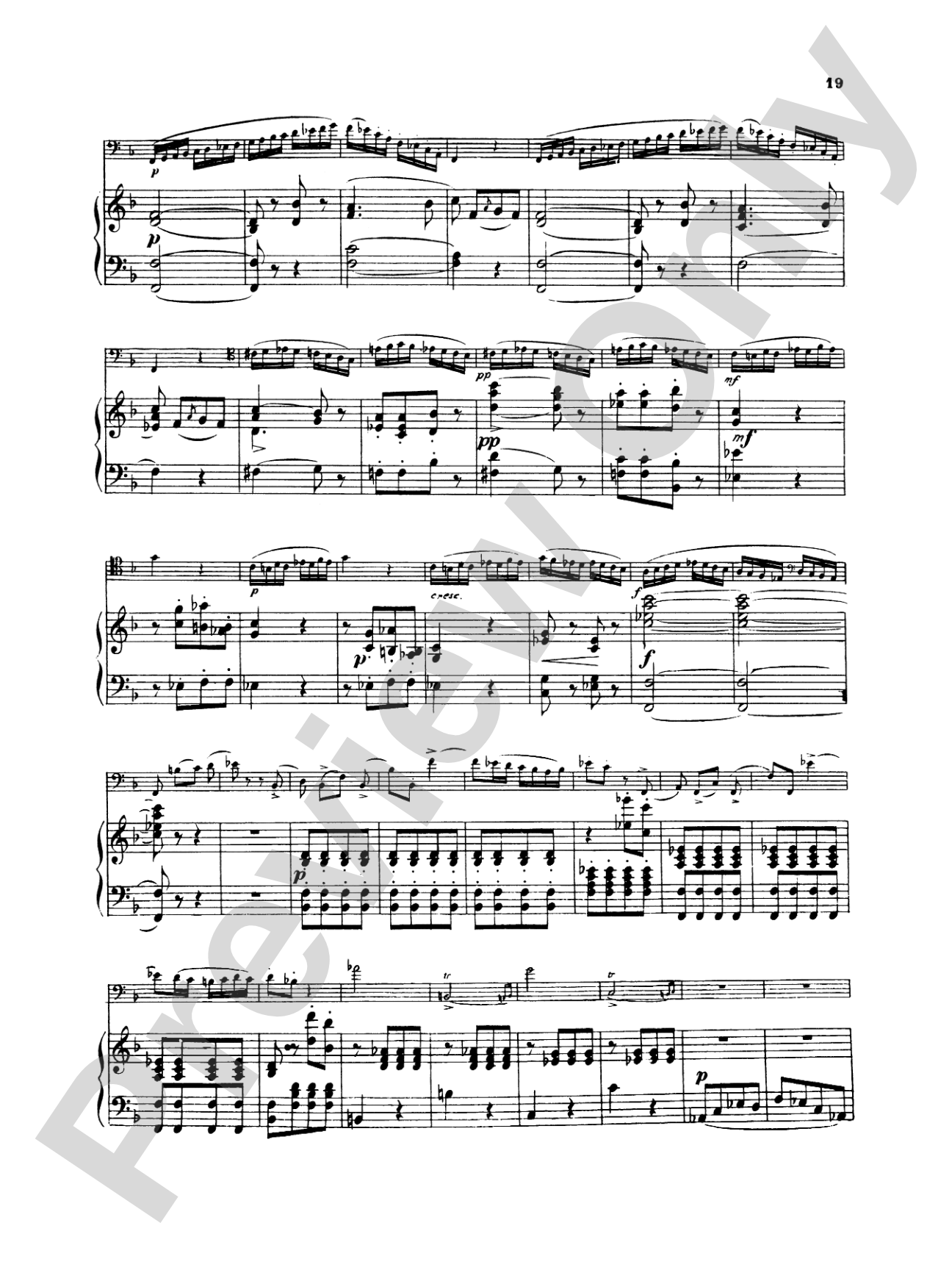
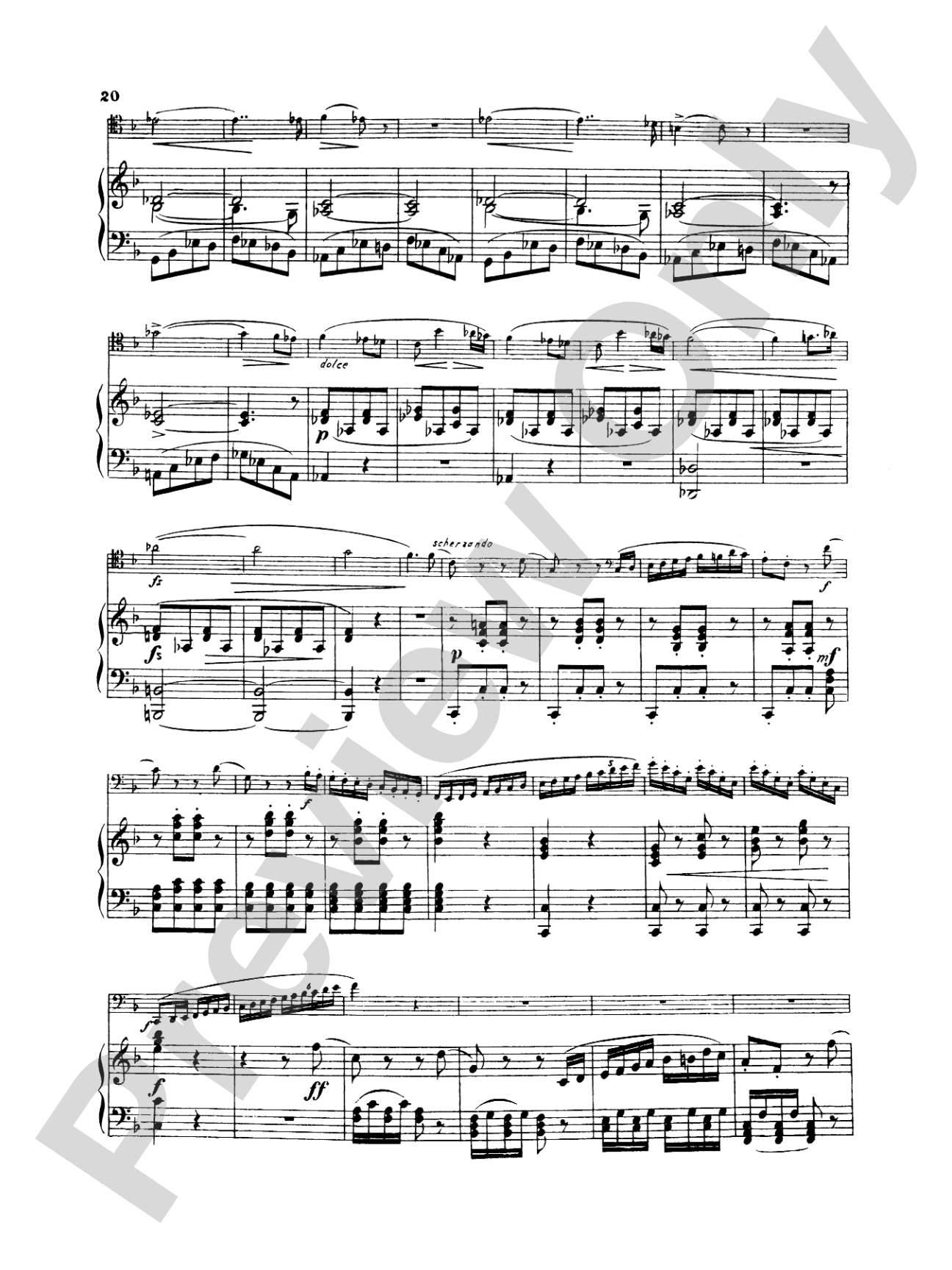
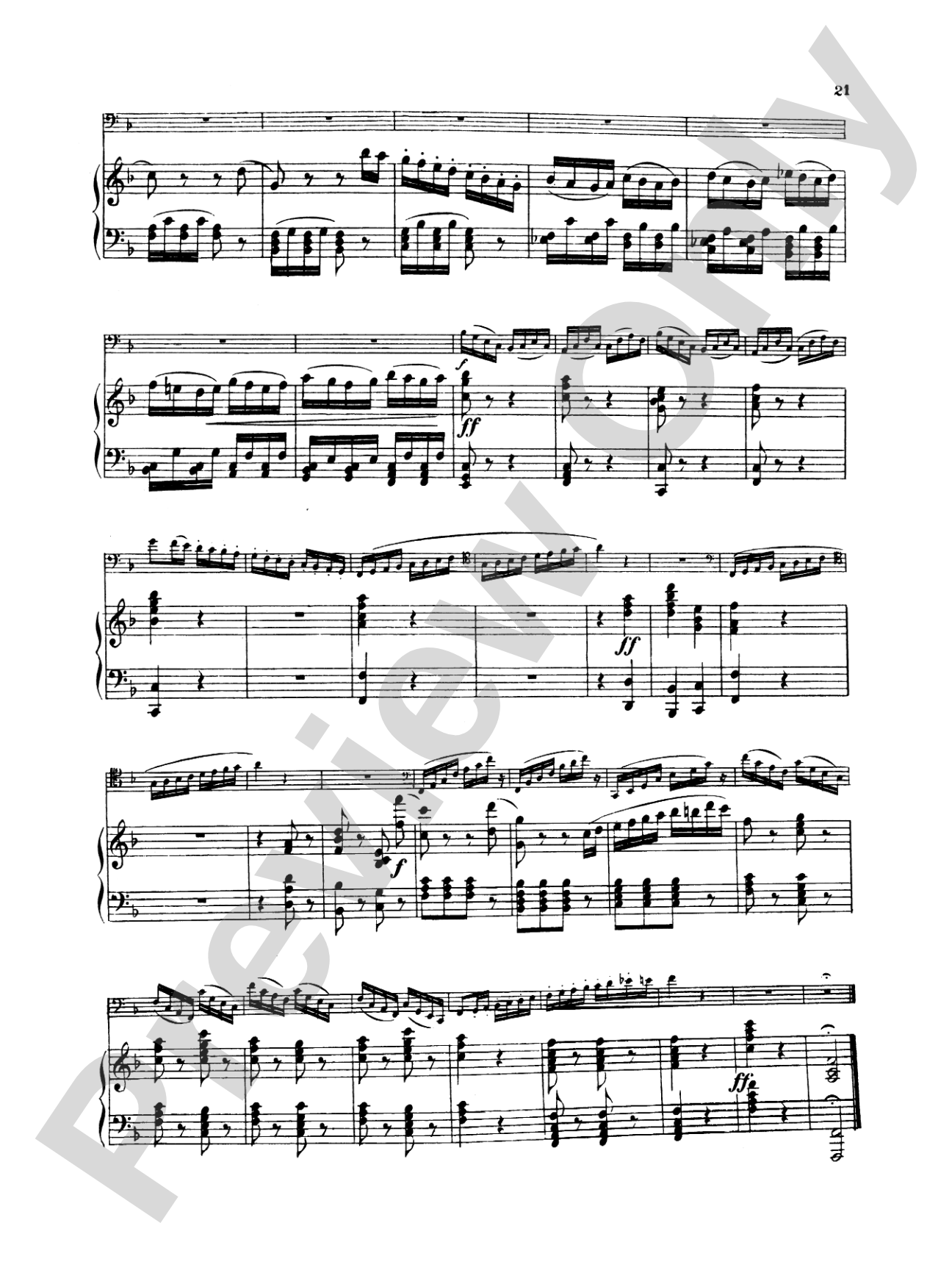




Weber: Concerto, Op. 75: Bassoon & Piano Part(s)
By Carl Maria von Weber
Item: 00-PK-0003353

$10.99
Pickup currently not available
Parts Added to Cart!
Related Items
Concerto, Opus 75 in F Major: Bassoon & Piano Part(s) |
$10.99
|
View |
Description
Expertly arranged Bassoon Solo with Piano Accompaniment by Carl Maria von Weber from the Kalmus Edition series. This Solo is from the Romantic era.


Don't just read it, hear it, play along with it, and watch your students grow with it. In MakeMusic Cloud, Weber: Concerto, Op. 75: Bassoon & Piano Part(s) comes alive with professional accompaniment, adjustable tempo, and built-in practice tools that turn solo practice into real progress.
Open in the Player
Jump straight in and assign it today.
Start Your Free Trial
Open this title and explore the full library in minutes.
Sample Audio
No sample audio found.
Sample Video
No sample videos found.
Additional Details
Series:
Kalmus Edition
Publisher:
Alfred Music
Page Count:
32
SKU:
00-PK-0003353
Instrumentation:
Bassoon & Piano
More about this title
About the Composer: Carl Maria von Weber
Carl Maria von Weber (1786-1826) stands as a pivotal figure in German Romantic opera and orchestral music. His compositional legacy shaped the development of German opera through works like Der Freischütz, and his instrumental writing consistently showcases rich harmonic language and dramatic flair that influenced countless 19th-century composers.
Why we love this
Weber's Concerto for Bassoon reveals the instrument's lyrical and virtuosic potential in a way that feels both idiomatic and genuinely musical. The work sits comfortably in the competition and festival circuit, offering substantial musical content without unnecessary technical obstacles, making it an ideal choice for advanced high school students or college-level players seeking repertoire with real substance.
What to expect
Weber's writing captures the dramatic elegance of early 19th-century German Romanticism. The music alternates between moments of intimate lyricism and displays of virtuosity, with a harmonic language that feels modern and expressive while remaining utterly grateful for the bassoon.
Who it's for
This concerto suits advanced bassoon students preparing for college auditions, festivals, or solo recitals. It works equally well for musicians in pre-college programs or undergraduate studies who want to explore the Romantic solo repertoire beyond the typical Telemann or Mozart offerings.
How to get the most out of it
- Shape the opening theme with genuine cantabile phrasing. Weber wrote for singers as much as instrumentalists, so treat the main melody as you would a vocal line, allowing the bassoon's warmth to shine through.
- Balance the relationship between soloist and pianist carefully during the accompaniment textures. The piano part is full enough to require active listening from the bassonist, not mere background support.
- Pay close attention to articulation markings and dynamic gradations in the score. Weber's notation is quite specific about character, and respecting those details brings clarity and style to the overall interpretation.
- Work through any rapid passagework in slow practice first, securing the technical demands before adding musical expression. The piece requires clean execution at a level that cannot be faked.
How to use it
This piece makes a strong mid-recital statement or a program opener for a solo recital. Its moderate length and Romantic-era appeal also allow it to pair naturally with other Weber instrumental works or with concert music by his contemporaries such as Rossini or early Mendelssohn.
Skills your students will build
- Sustained cantabile tone production across the full range
- Phrasing in long, arcing melodic lines typical of Romantic song style
- Coordination with an independent piano accompaniment requiring active listening
- Execution of rapid passagework with clarity and security
- Dynamic control and sensitivity to harmonic shifts within a Romantic context