
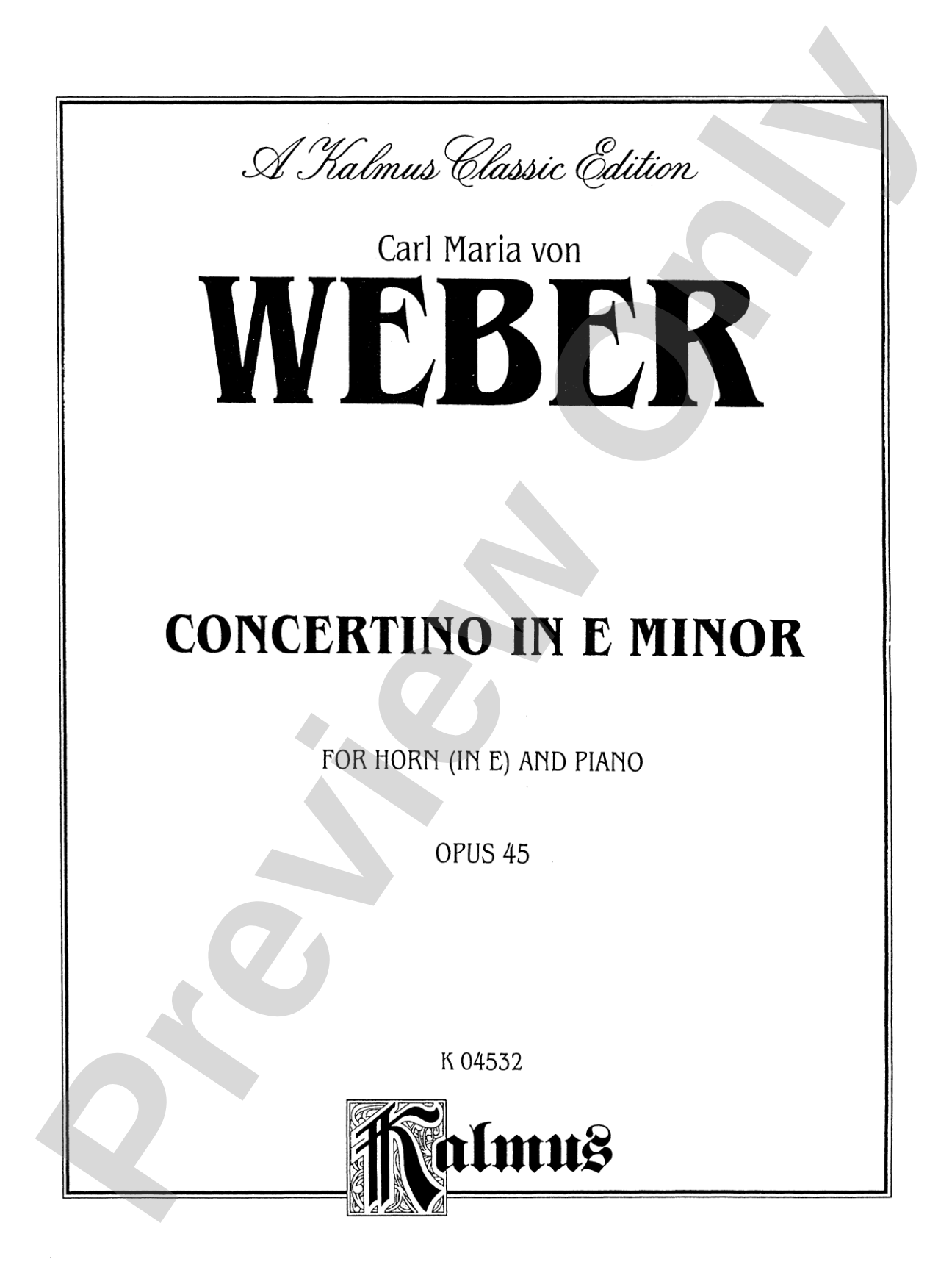
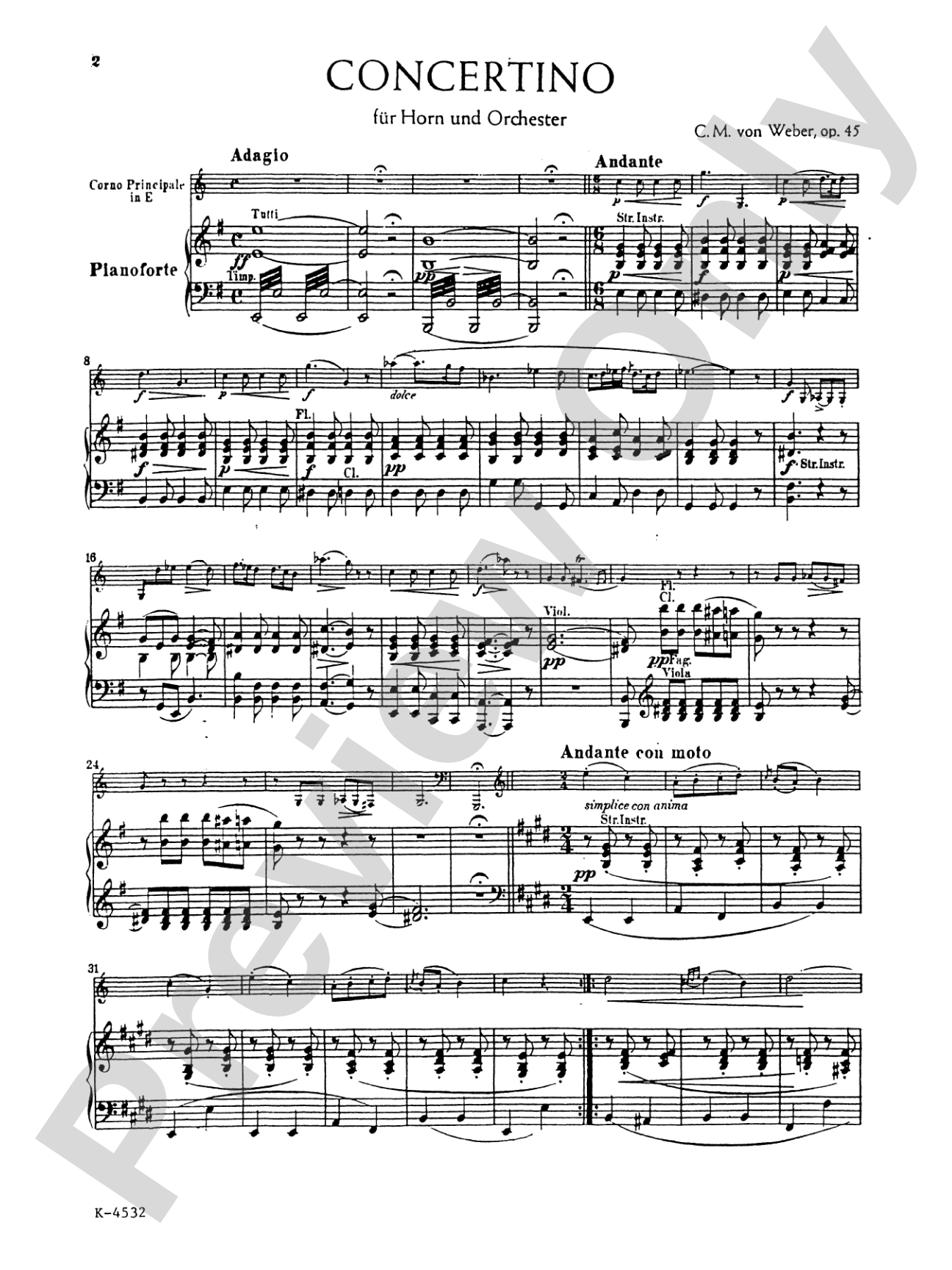
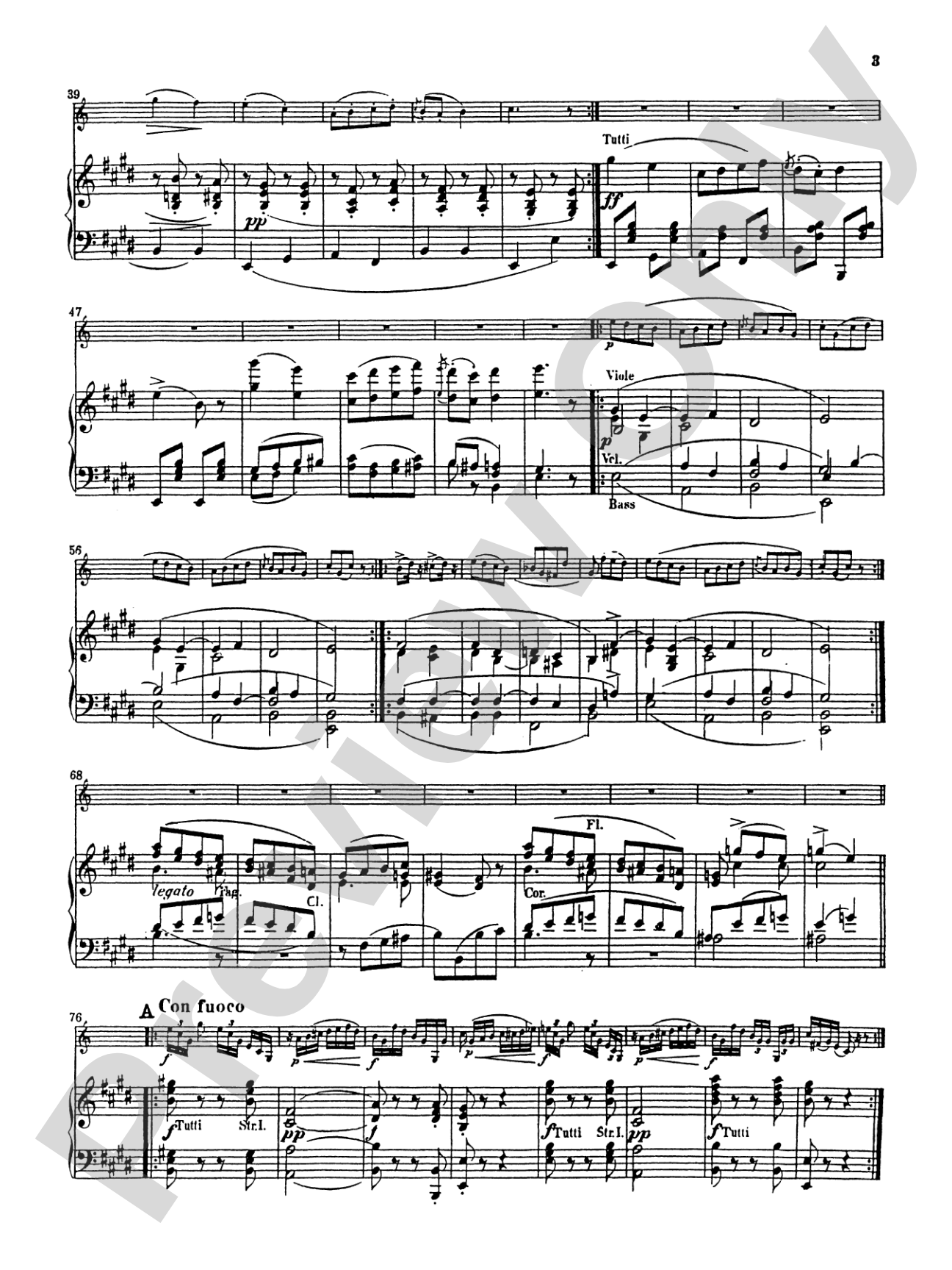
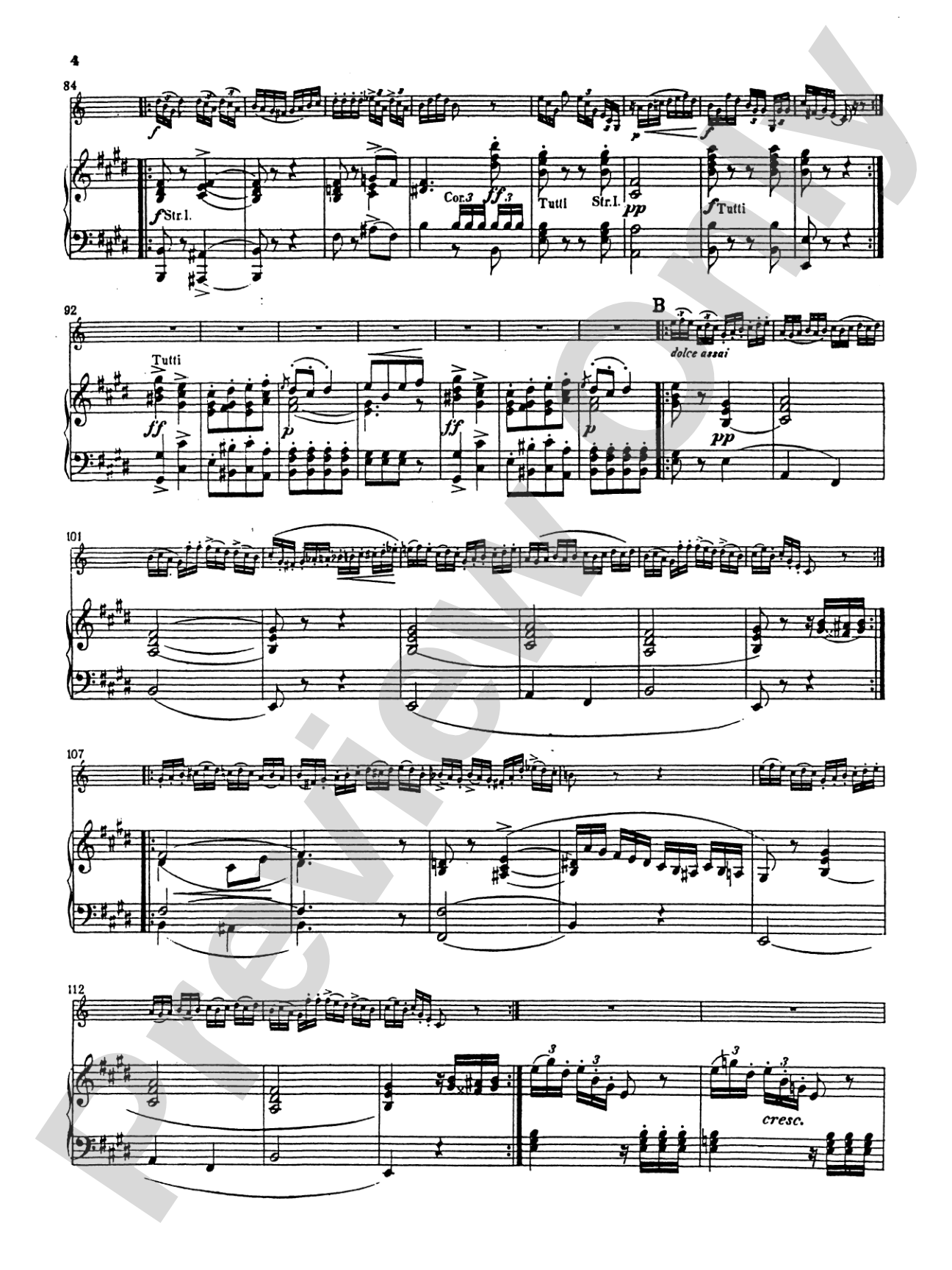
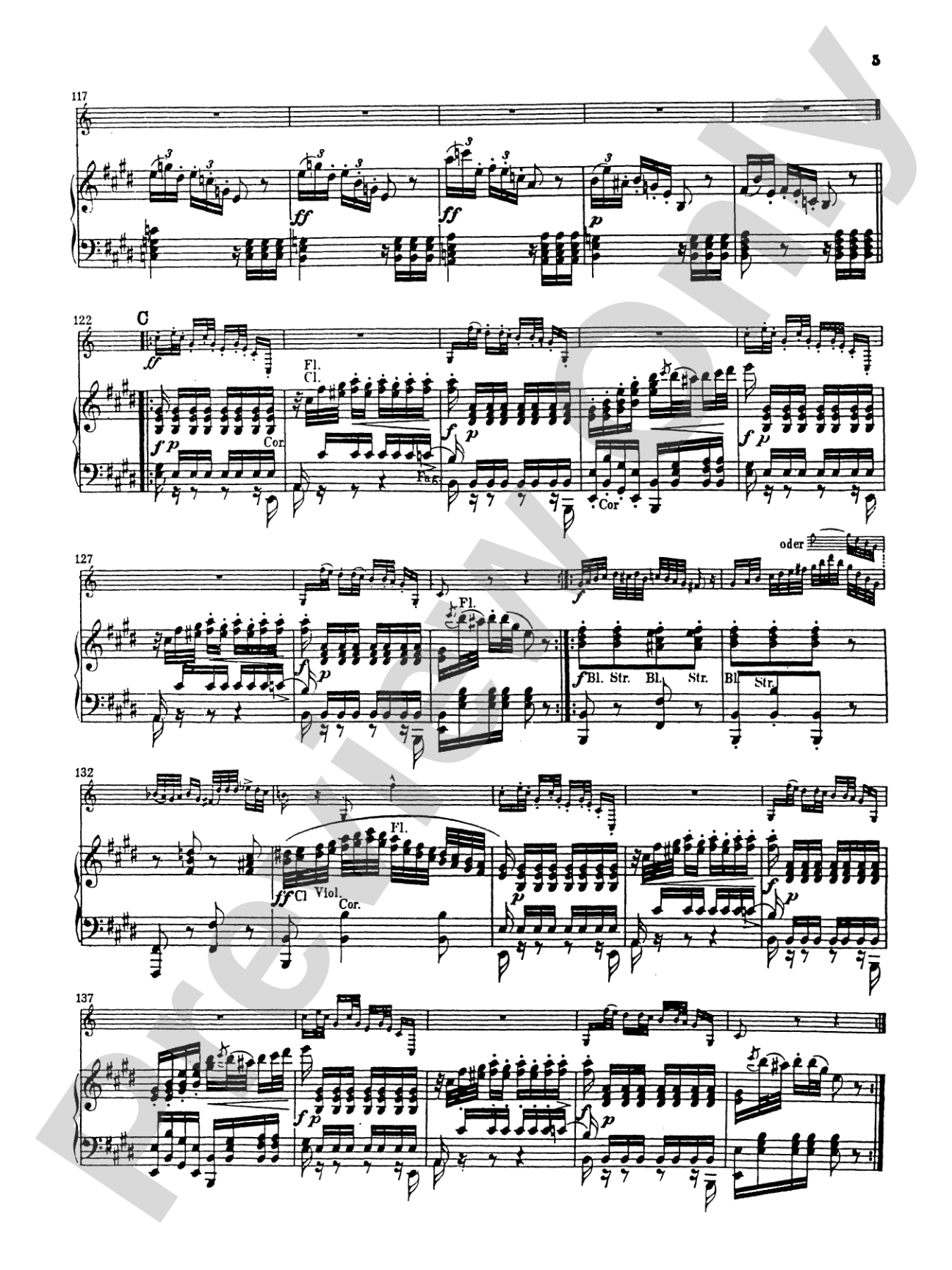
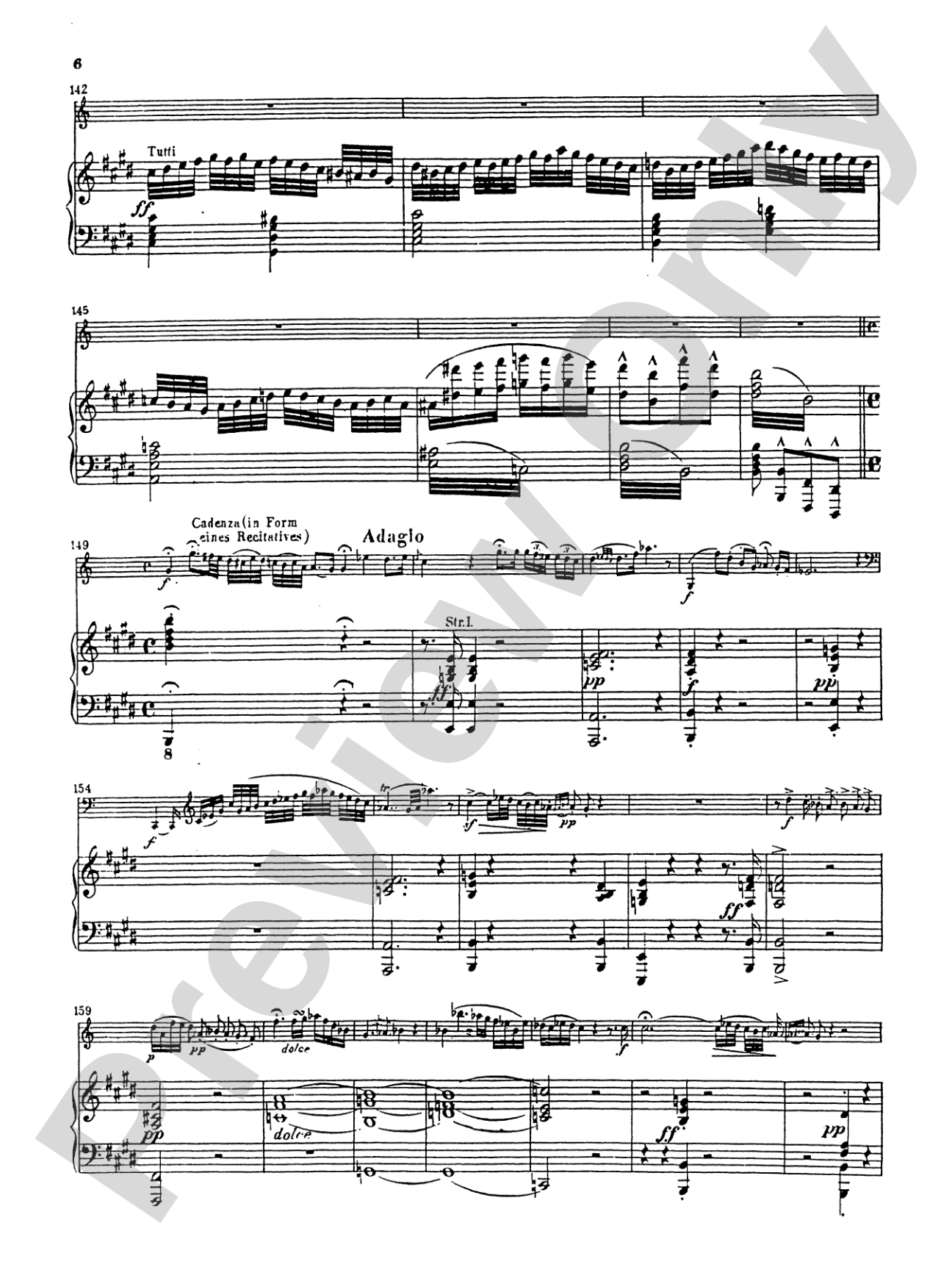
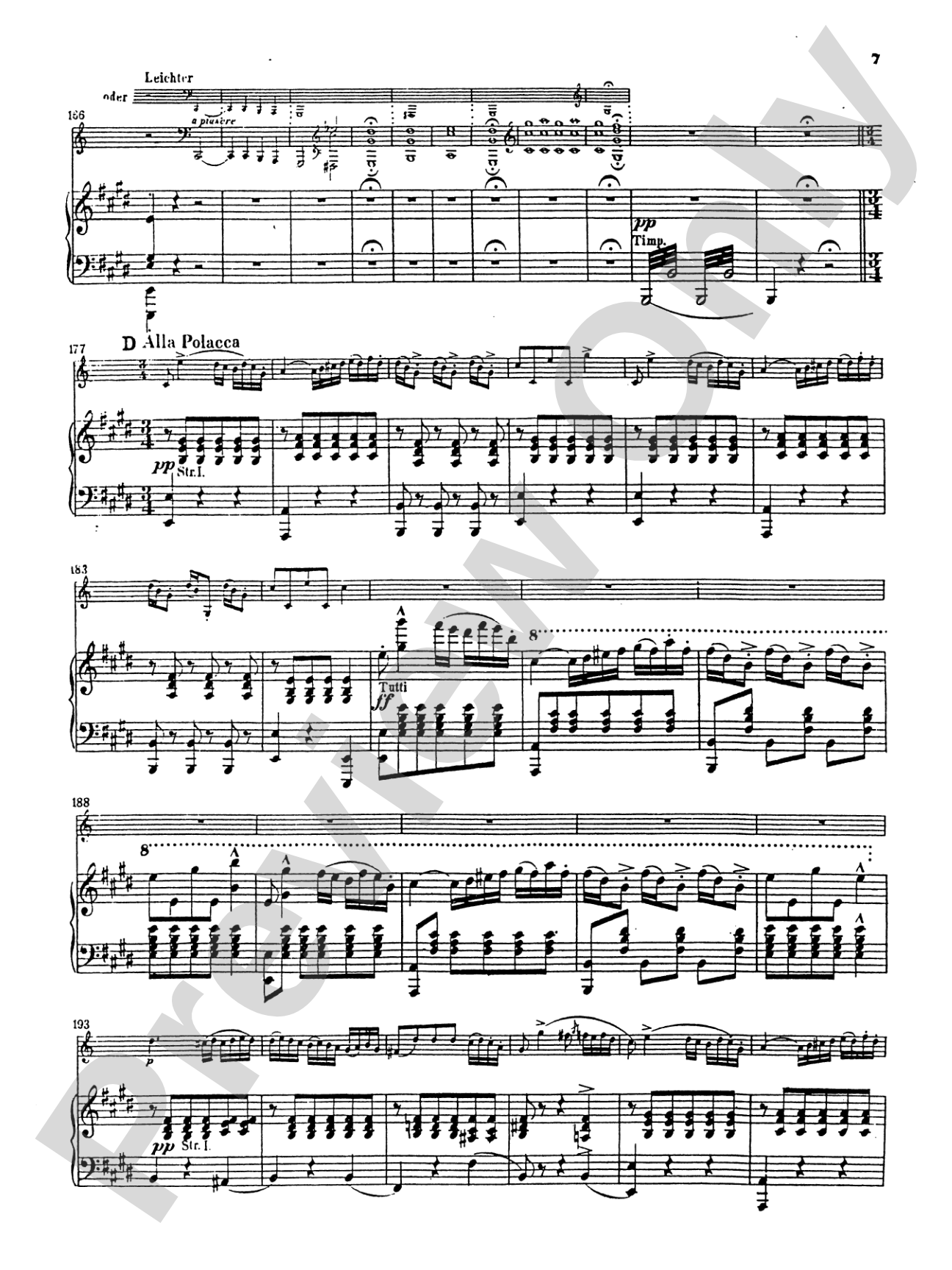
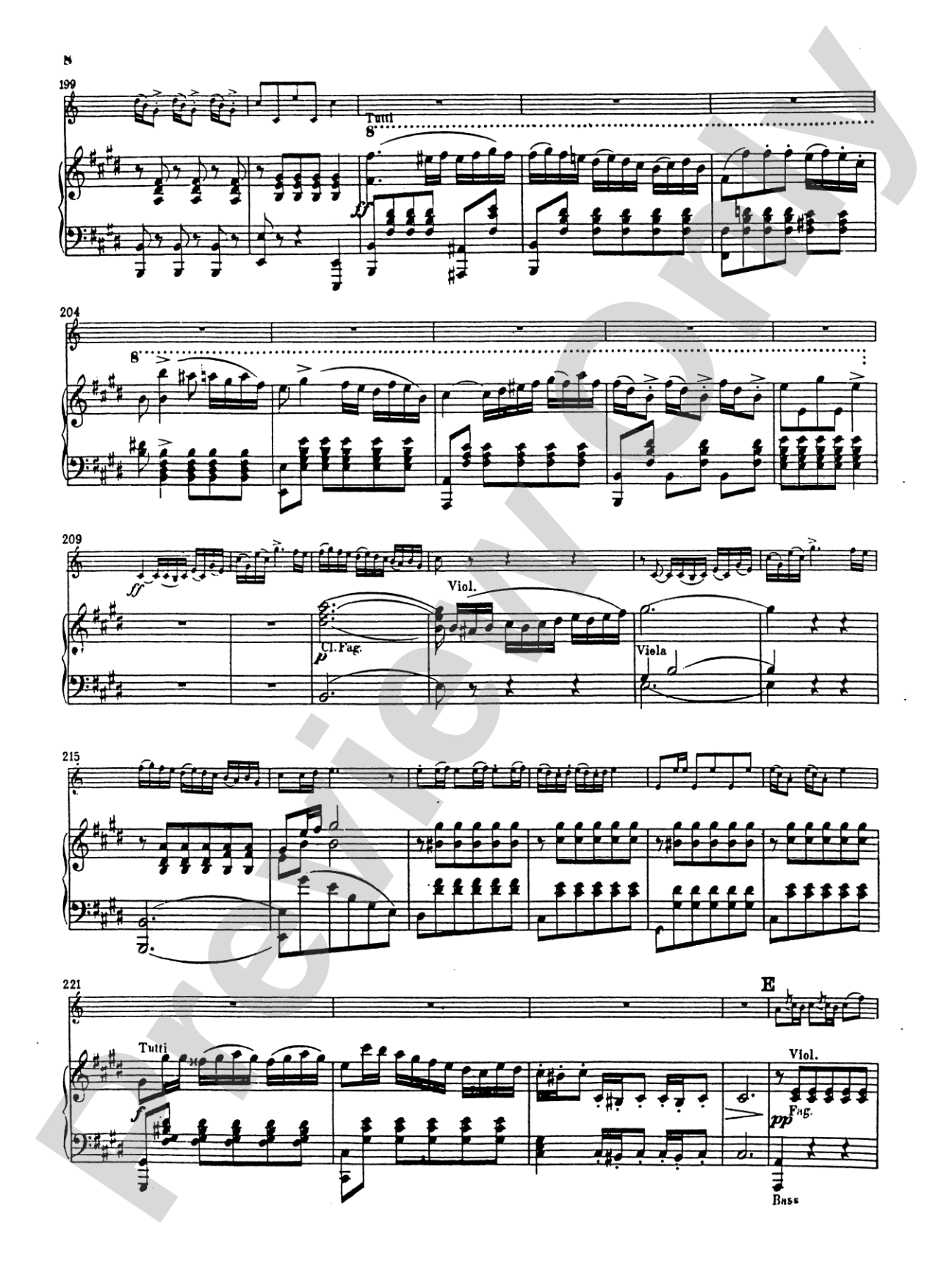
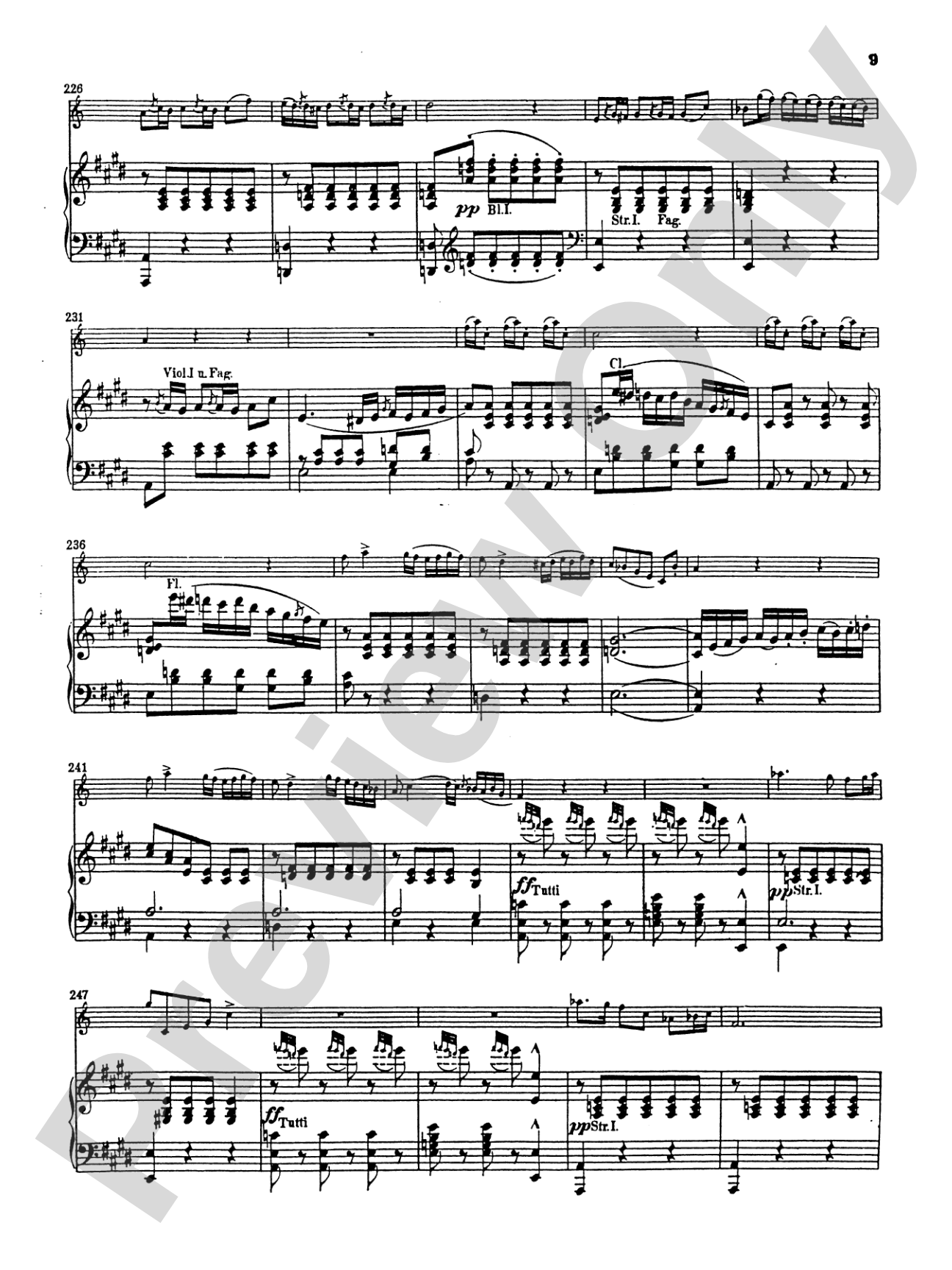
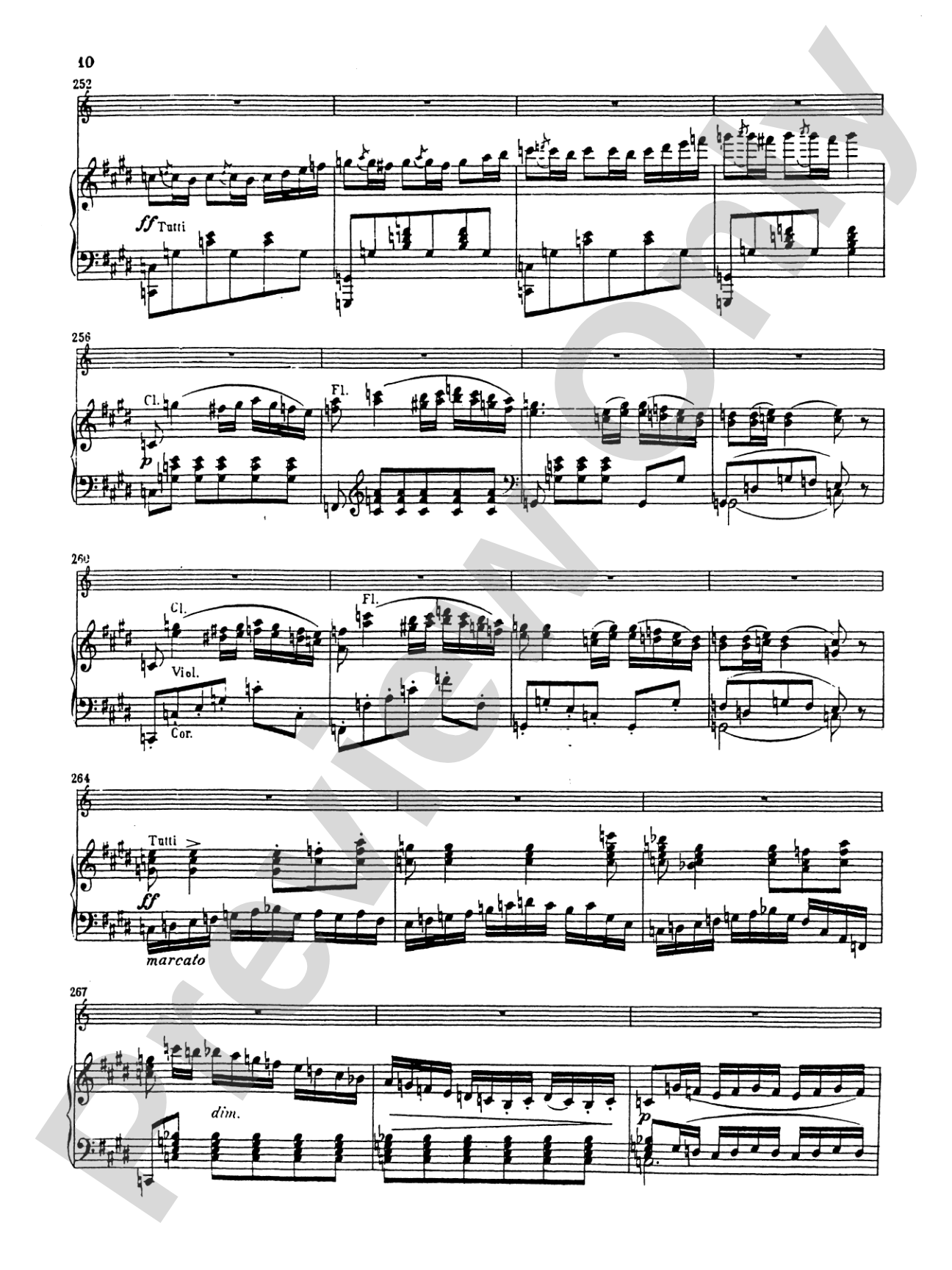
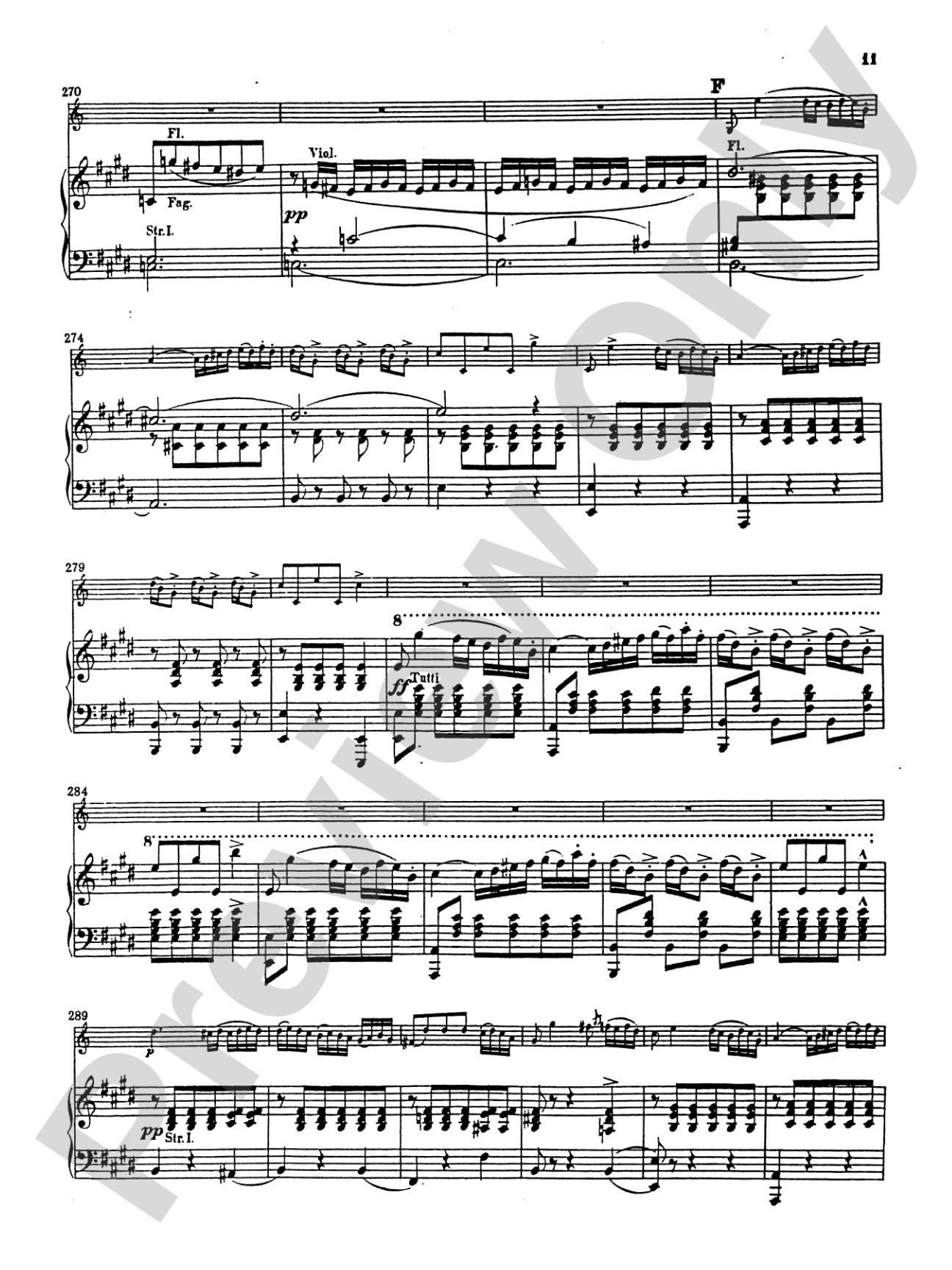
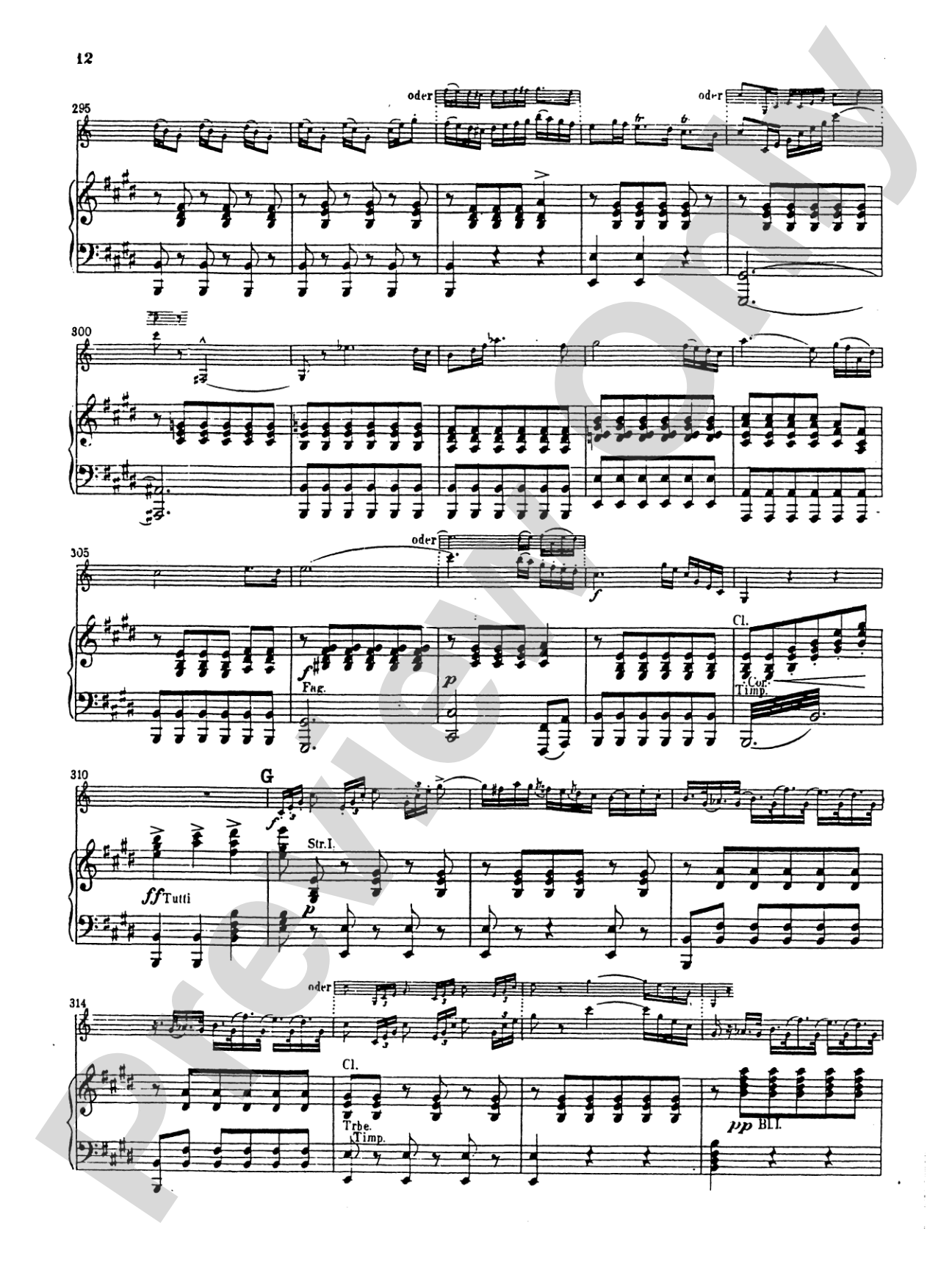
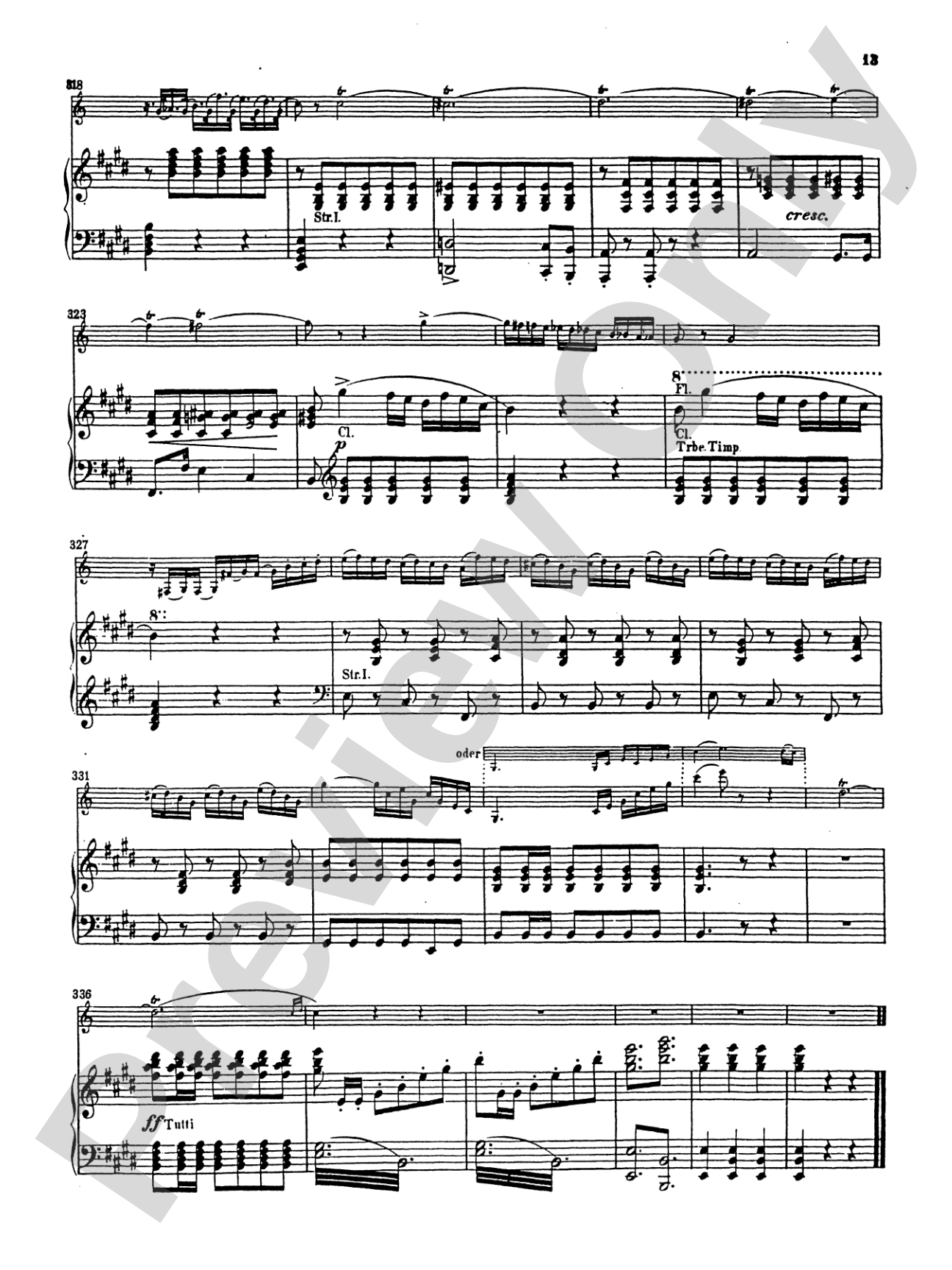




Weber: Concertino in E Minor, Op. 45: French Horn Part(s)
By Carl Maria von Weber
Item: 00-PK-0003546

$9.99
Pickup currently not available
Buy Extra Parts (Digital PDF Download)
| Product | Price | Quantity |
|---|---|---|
| Weber: Concertino in E Minor, Op. 45 | $8.99 |
Parts Added to Cart!
Related Items
Concertino in E Minor, Opus 45 (Orch.): French Horn Part(s) |
$9.95
|
View |
Description
A French Horn solo composed by Carl Maria von Weber.


Don't just read it, hear it, play along with it, and watch your students grow with it. In MakeMusic Cloud, Weber: Concertino in E Minor, Op. 45: French Horn Part(s) comes alive with professional accompaniment, adjustable tempo, and built-in practice tools that turn solo practice into real progress.
Open in the Player
Jump straight in and assign it today.
Start Your Free Trial
Open this title and explore the full library in minutes.
Sample Audio
No sample audio found.
Sample Video
No sample videos found.
Additional Details
Series:
Kalmus Edition
Publisher:
Alfred Music
Page Count:
20
SKU:
00-PK-0003546
More about this title
About the Composer: Carl Maria von Weber
Carl Maria von Weber (1786-1826) was a German composer and conductor whose innovations in opera and orchestral writing shaped the Romantic era. Beyond his celebrated operas like Der Freischütz, Weber composed a substantial body of instrumental music that showcased the expressive possibilities of wind instruments, particularly the French horn and clarinet. His chamber works and concertante pieces remain central to the repertoire because they balance technical brilliance with genuine lyricism.
Why we love this
This concertino sits at the intersection of concert hall sophistication and genuine hornist showmanship. Weber writes with complete understanding of the instrument's lyrical voice and technical capabilities, crafting a work that rewards musical maturity while remaining accessible to advanced high school and early college players. The piece has earned its place in auditions and festivals precisely because it demands both refined musicianship and confident execution.
What to expect
The work captures the Romantic horn's dual nature: a singing voice capable of profound lyricism and an instrument of technical virtuosity. The E minor tonality lends an introspective quality to the opening before the work unfolds into passages of brilliant figuration and cantabile melody.
Who it's for
This is ideal for advanced high school hornists and early college students preparing for regional or national competitions. It also serves experienced amateurs and community orchestra players seeking substantial solo material with genuine artistic depth.
How to get the most out of it
- Shape the melodic lines with gentle dynamic swells rather than abrupt changes; Weber's Romantic sensibility favors a singing tone throughout the work.
- Balance technical passage work with the expressive content surrounding it. Clarity in the fast sections should never come at the expense of tone quality.
- Use the printed dynamics as starting points for phrasing. The work benefits from a slightly broader interpretive approach than strict adherence to the score might suggest.
How to use it
Program this as a featured solo in an orchestral or chamber concert where you want to highlight a strong hornist. It pairs naturally alongside other Romantic solo works and can anchor a chamber program of 19th-century wind music.
Skills your students will build
- Sustained lyrical playing in the upper register
- Technical facility across wide intervallic leaps
- Balancing rapid passage work with musical phrasing
- Controlling tone quality and projection in both virtuosic and expressive contexts