
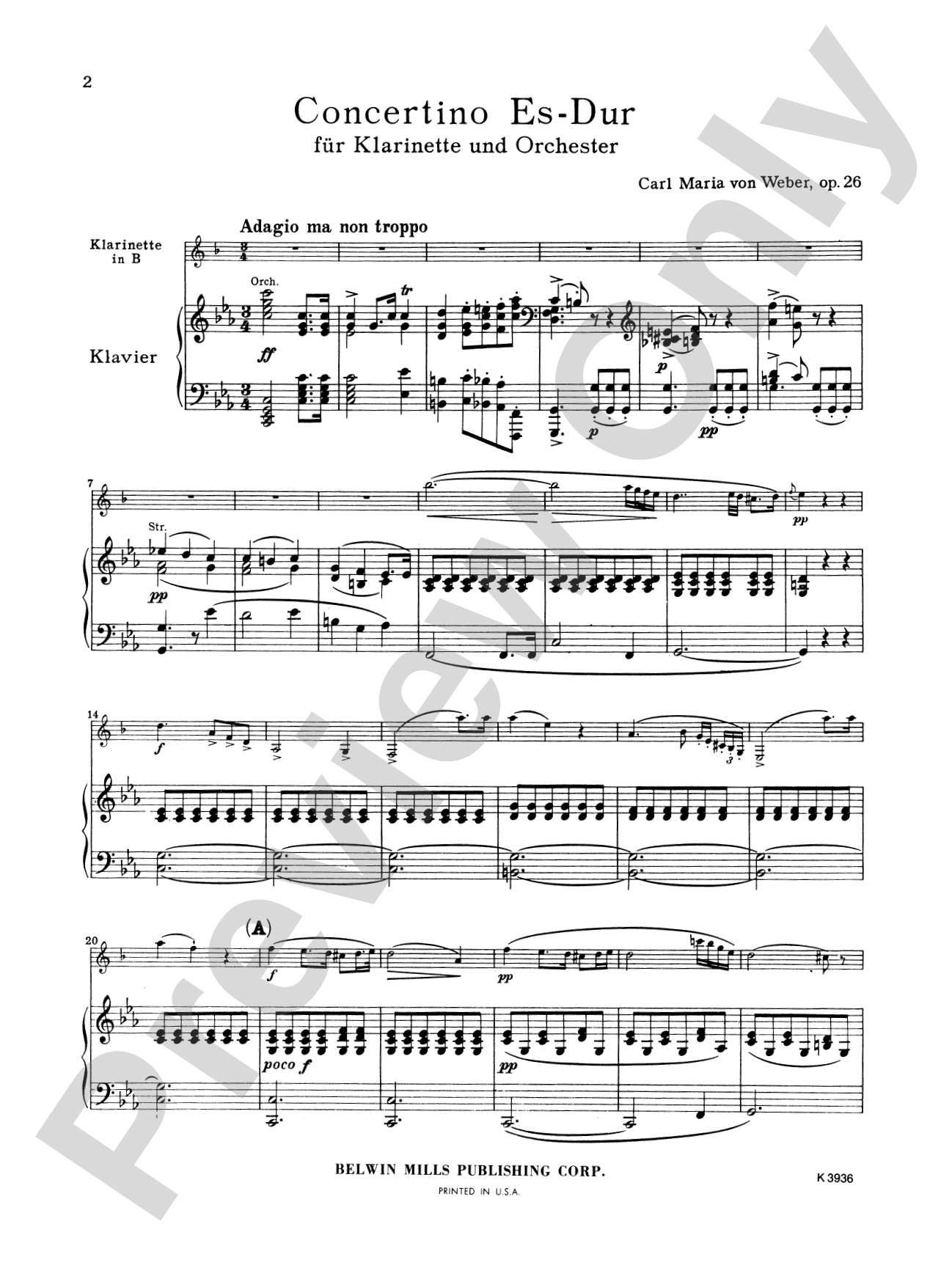
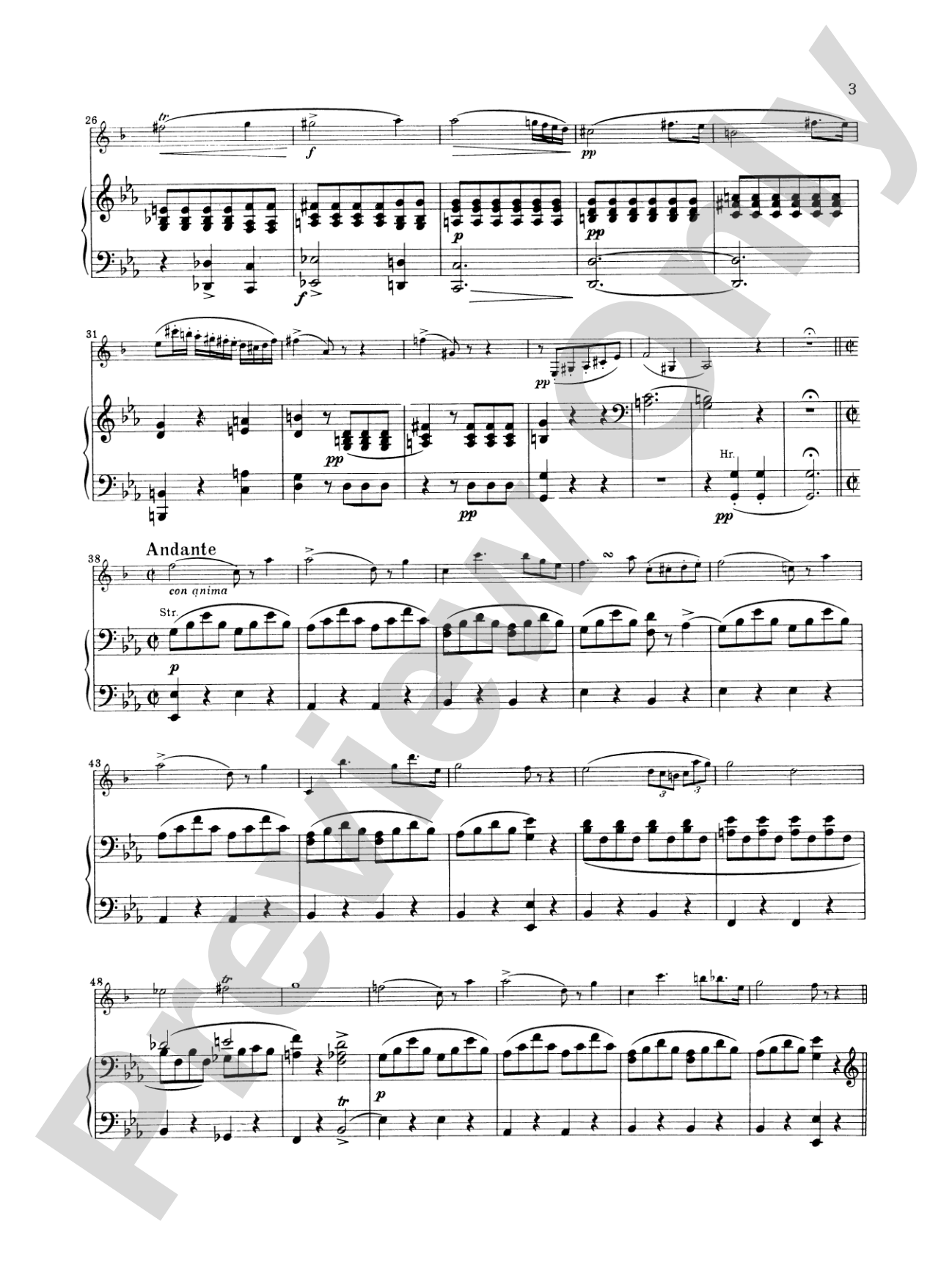
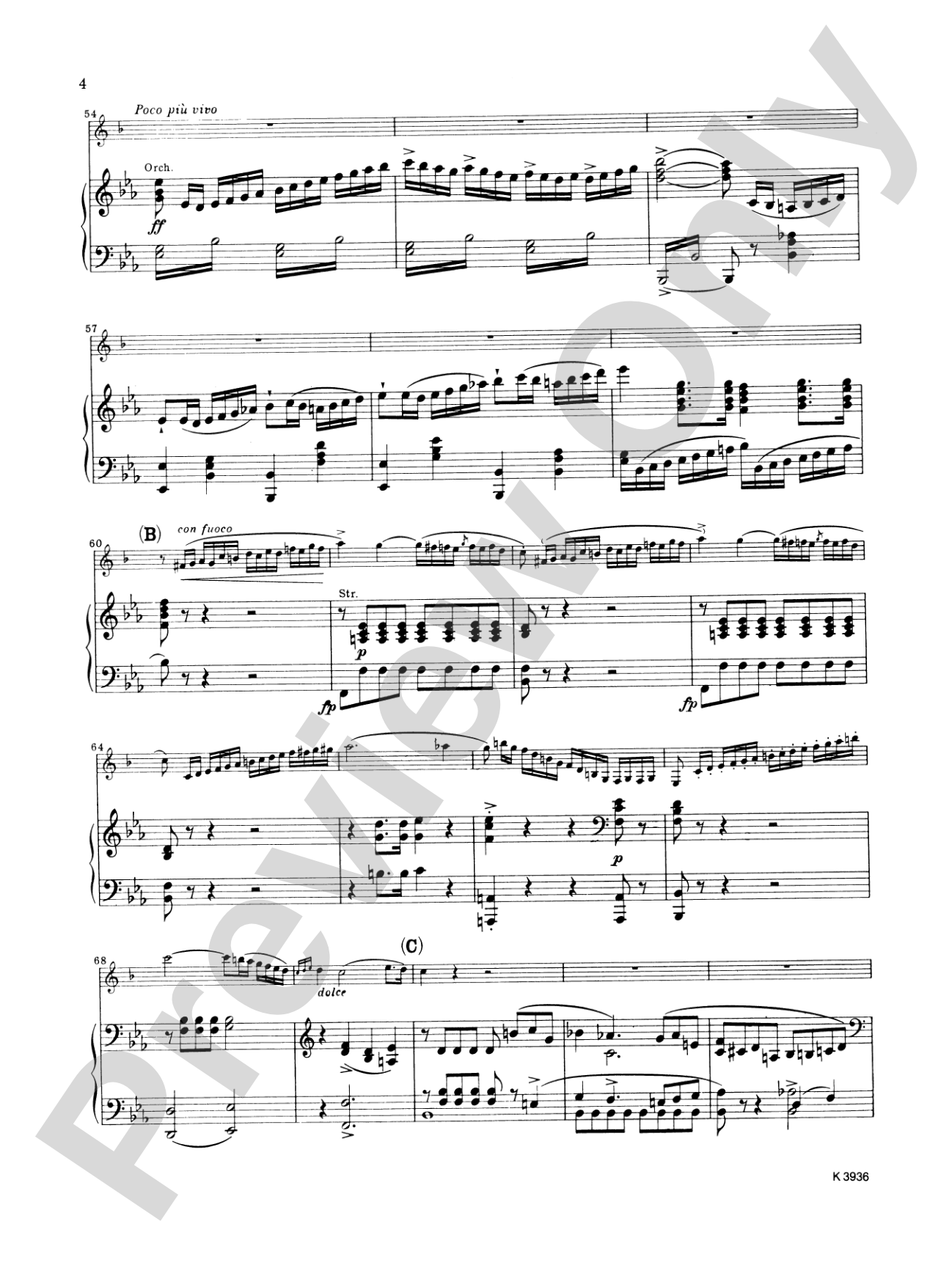
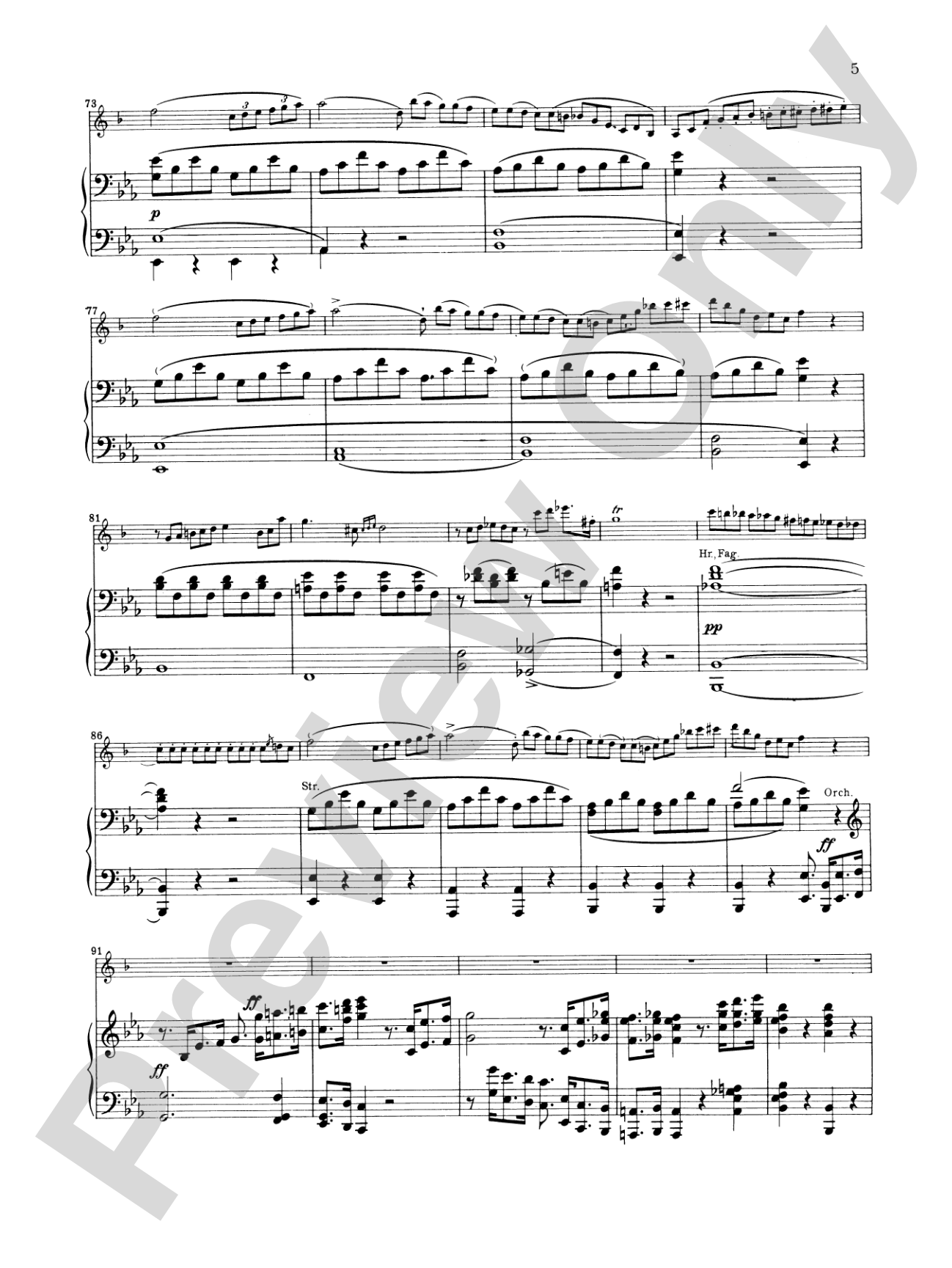
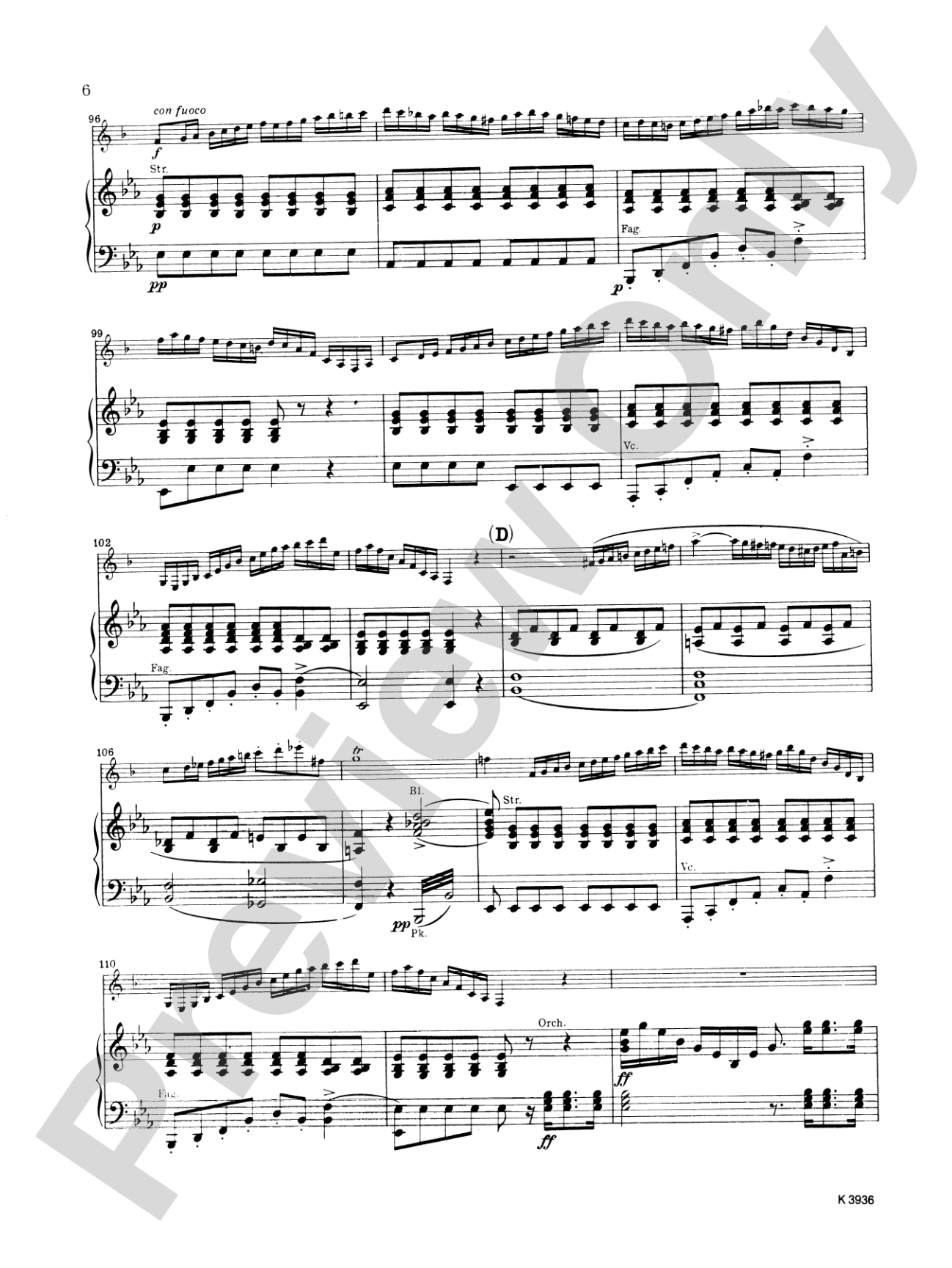
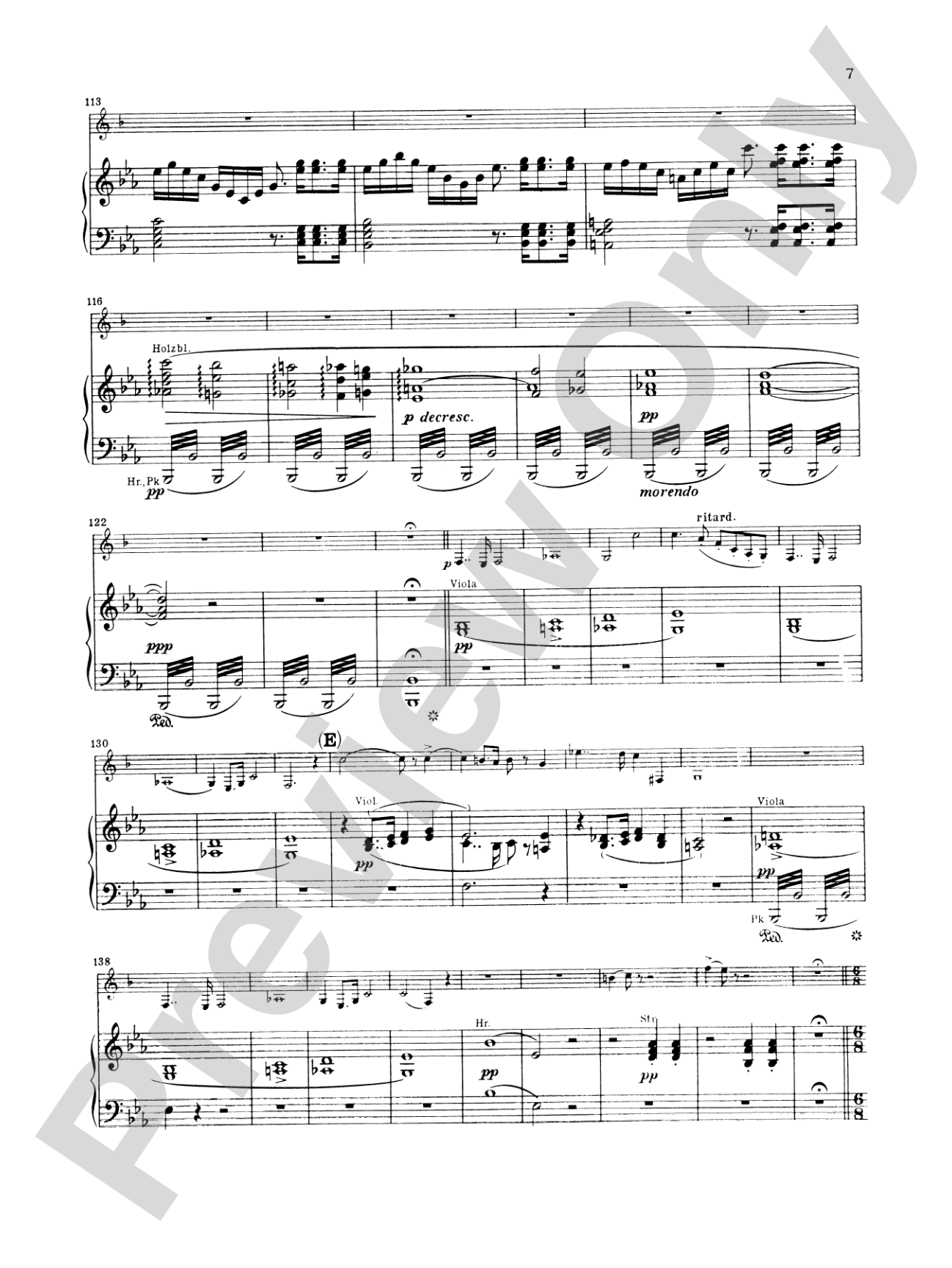
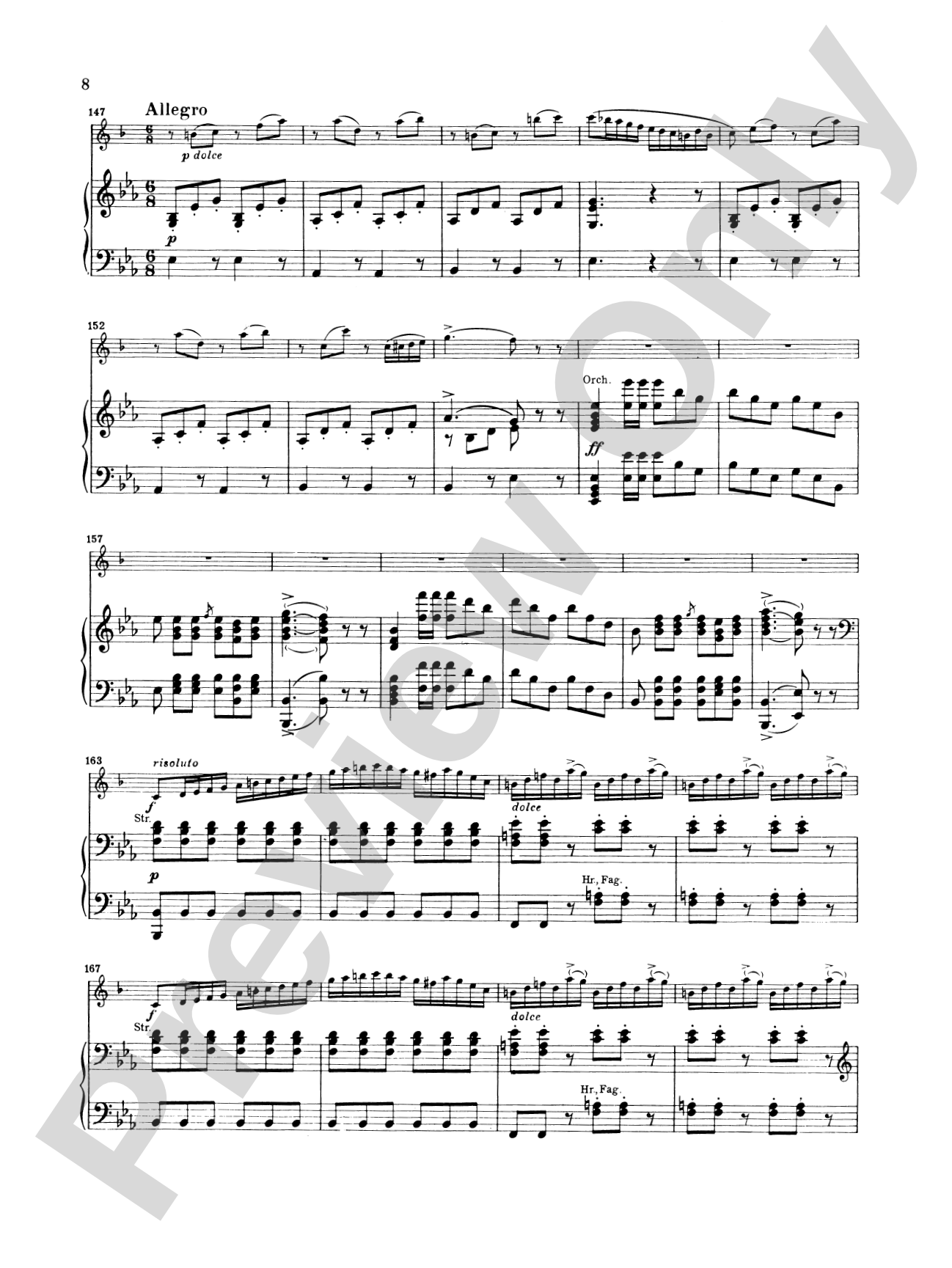
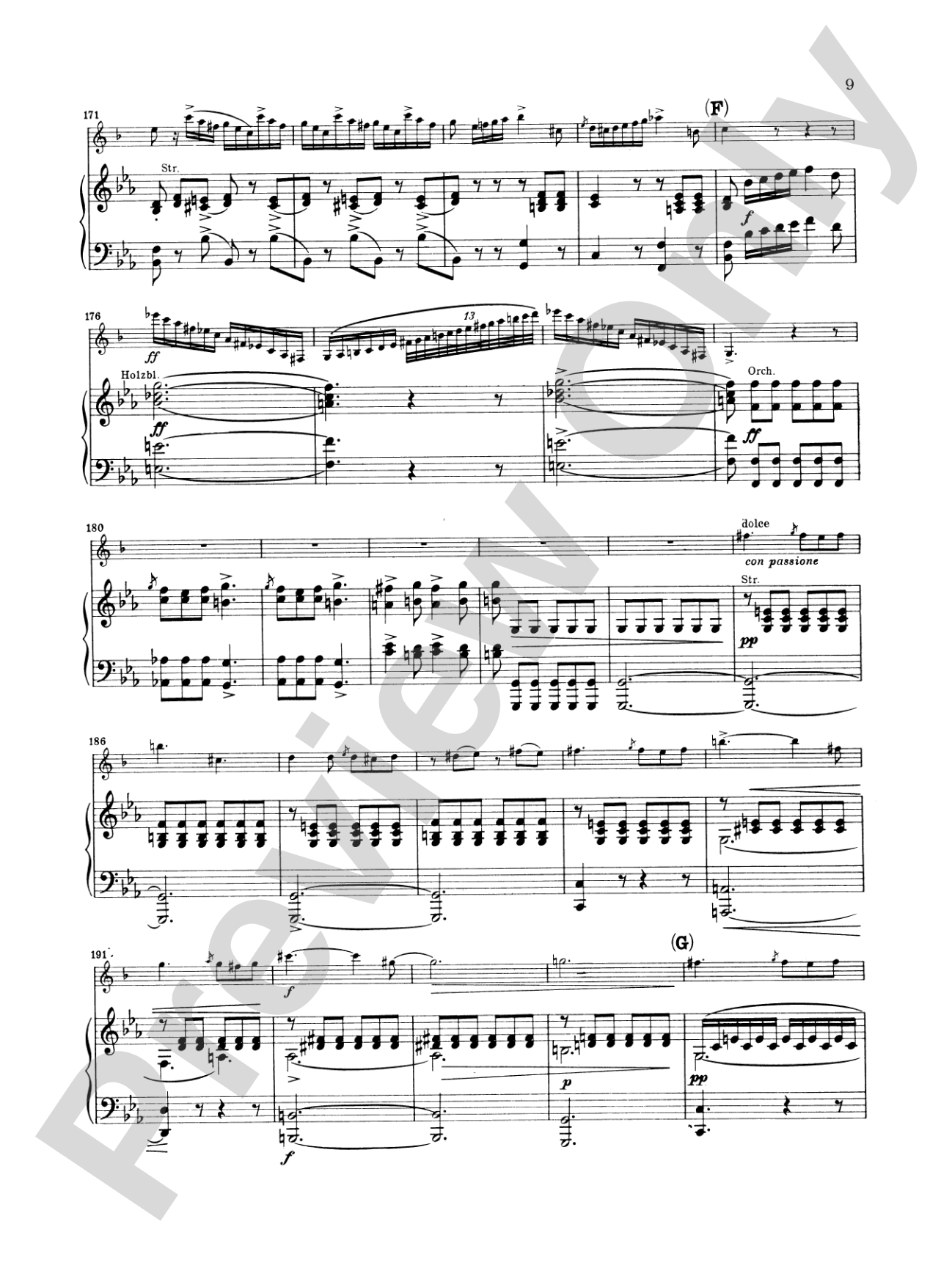
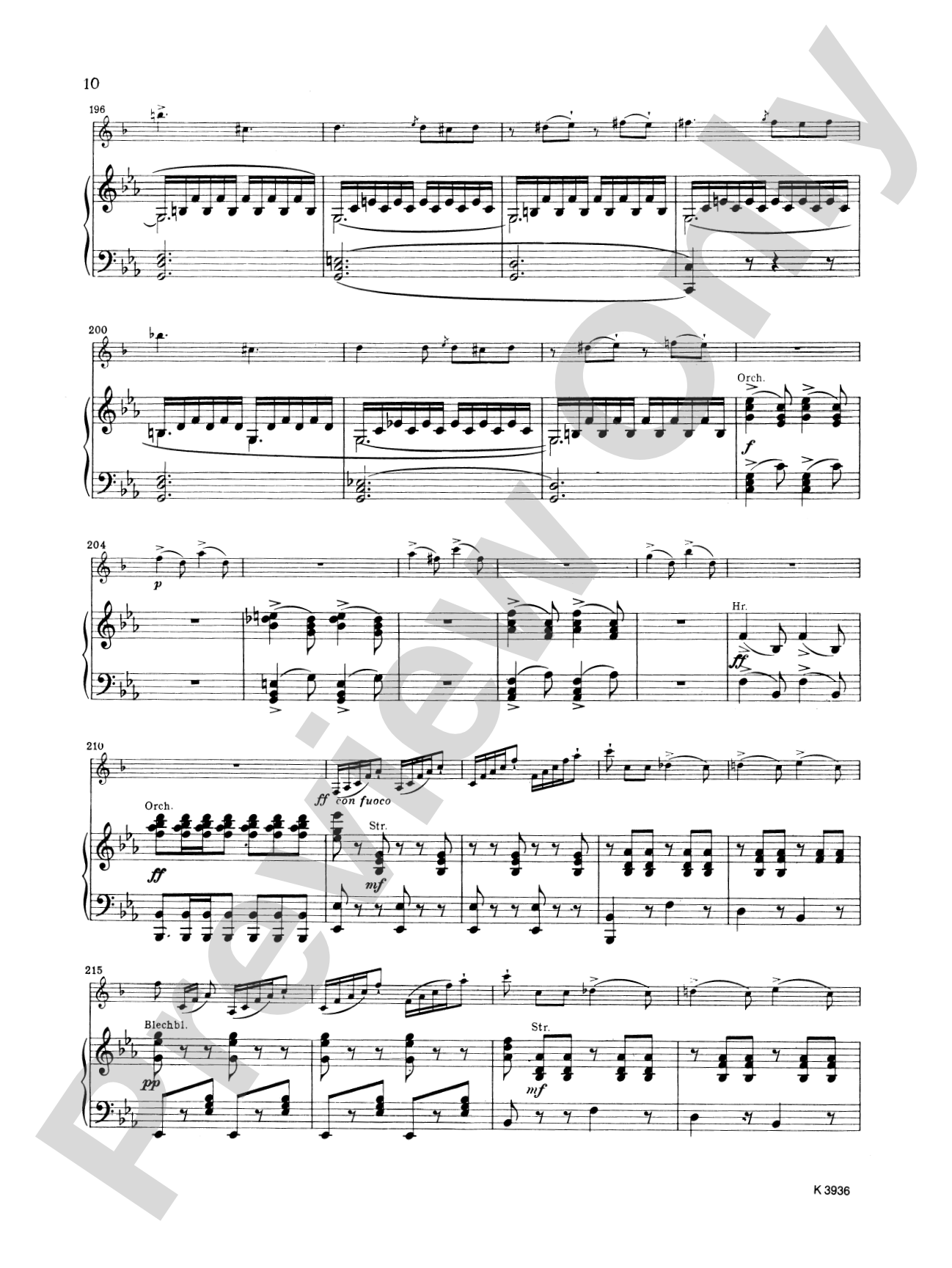
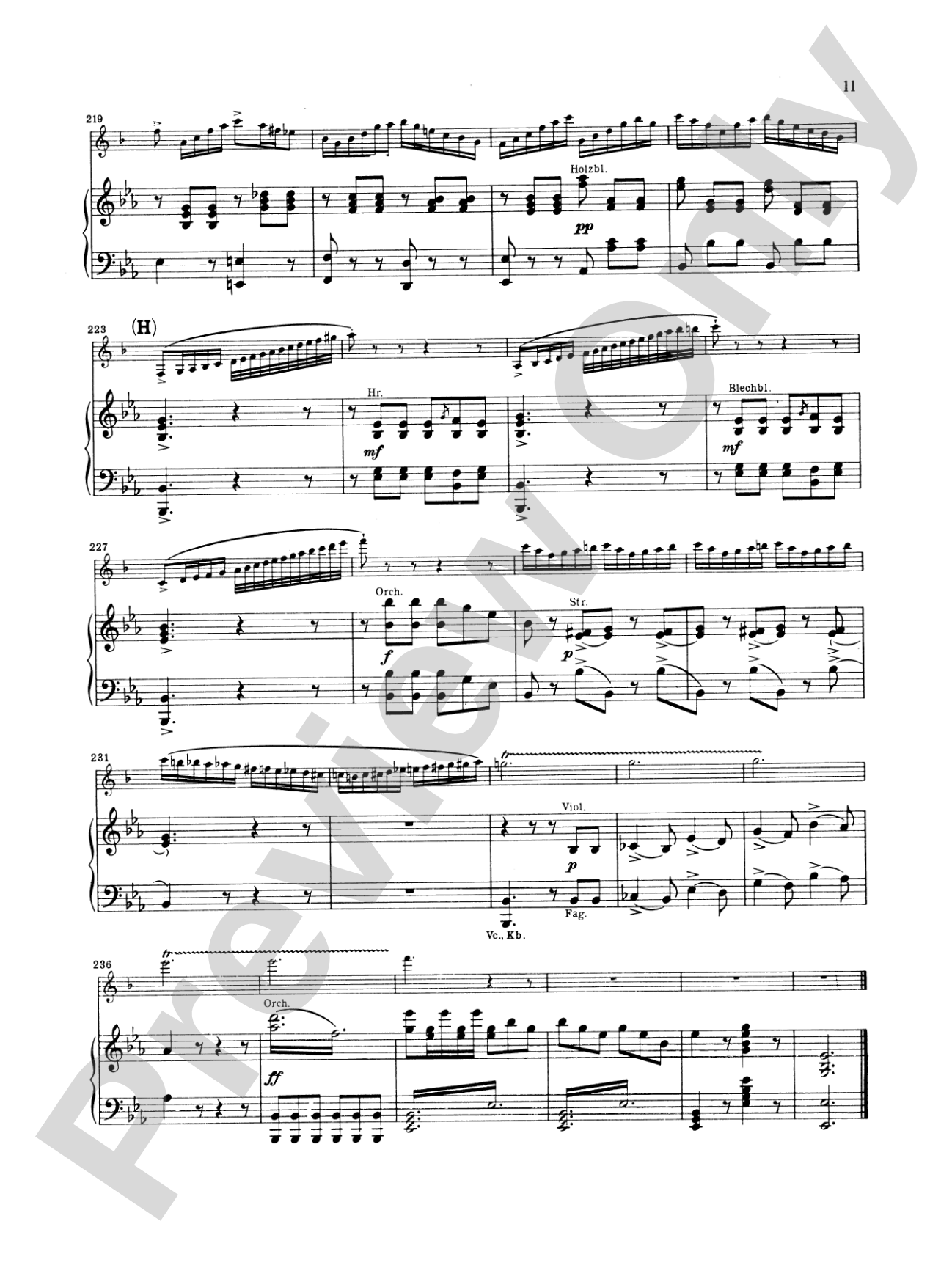


Weber: Concertino in E flat Major, Op. 26: Clarinet Part(s)
By Carl Maria von Weber
Item: 00-PK-0003339

$7.99
Pickup currently not available
Buy Extra Parts (Digital PDF Download)
| Product | Price | Quantity |
|---|---|---|
| Weber: Concertino in E flat Major, Op. 26 | $6.99 |
Parts Added to Cart!
Related Items
Concertino for Clarinet in E-flat Major, Opus 26: Clarinet Part(s) |
$7.95
|
View |
Description
Expertly arranged B-Flat Clarinet Solo by Carl Maria von Weber from the Kalmus Edition series. This is from the Romantic era.


Don't just read it, hear it, play along with it, and watch your students grow with it. In MakeMusic Cloud, Weber: Concertino in E flat Major, Op. 26: Clarinet Part(s) comes alive with professional accompaniment, adjustable tempo, and built-in practice tools that turn solo practice into real progress.
Open in the Player
Jump straight in and assign it today.
Start Your Free Trial
Open this title and explore the full library in minutes.
Sample Audio
No sample audio found.
Sample Video
No sample videos found.
Additional Details
Series:
Kalmus Edition
Publisher:
Alfred Music
Page Count:
16
SKU:
00-PK-0003339
More about this title
About the Composer: Carl Maria von Weber
Carl Maria von Weber (1786-1826) stands as a foundational figure in Romantic opera and orchestral writing. His works helped define the sound of early 19th-century German music, blending virtuosic instrumental writing with dramatic expression. Weber's clarinet works remain essential repertoire because he understood the instrument's lyrical warmth and technical capabilities with rare insight, writing passages that sound grateful under the fingers while demanding genuine musicianship.
Beyond the opera house, Weber composed numerous instrumental works that showcase both the virtuoso and the poet. His concertos and concertinos for wind instruments set a standard for the genre; they appear regularly on competition and festival programs because they reward careful practice with genuinely satisfying musical results. Teachers and players return to Weber repeatedly because his writing balances accessibility with genuine artistic depth.
Why we love this
This work sits at exactly the right level for serious clarinet students preparing for festivals and competitions. Weber's writing in the Concertino is idiomatic and elegant without becoming gratuitously difficult; the musical arc feels inevitable rather than imposed. You'll find that the piece rewards clarity of phrasing and control of tone color more than sheer technical flash, which means your students will focus on musicianship rather than scrambling through passages.
What to expect
The Concertino unfolds with the graceful dignity of early Romantic lyricism. You'll encounter passages of genuine lyrical warmth alternating with moments of brilliant, articulate passage work that feel more decorative than aggressive. The overall arc pulls toward expression and musical storytelling rather than technical display, creating the sense of a small but complete musical statement.
Who it's for
This solo belongs in the hands of clarinet students advancing toward festival and competition performance, typically around grade 4-5 level of difficulty. Accomplished high school clarinetists and capable middle school advanced players will find rewarding musical material here. It suits students who can handle Romantic-era phrasing with some independence and who are ready to think beyond note accuracy.
How to get the most out of it
- Attend carefully to the balance between the lyrical melody and any accompaniment texture. The clarinet line should float above the harmonic foundation rather than fighting it.
- Shape each phrase with a clear sense of direction. Weber's Romantic sensibility demands that you know where each musical gesture is headed, even in passage work.
- Treat the technical passages as punctuation to the larger musical sentences. Clarity and elegance matter more than speed; precision of articulation makes the virtuosity audible.
- Work the dynamic range thoroughly. This piece often rewards subtle gradations and unexpected softer moments that deepen the lyrical impact.
How to use it
Feature this on a festival or competition program as a solo that showcases both musicality and technical facility. It pairs well with a contrasting contemporary or Baroque work, or it can anchor a concert devoted to Romantic-era wind music. Consider it a natural fit for a recital program in the spring, when students have developed the musical maturity to sustain its lyrical phrases.
Skills your students will build
- Shaping long melodic phrases with intentional dynamic and harmonic awareness
- Executing rapid articulated passage work with clarity and precision
- Balancing virtuosic display with genuine musical expression in Romantic idiom
- Managing dynamic range and tonal color across the clarinet's full range
- Reading and interpreting period-appropriate phrasing and ornamentation