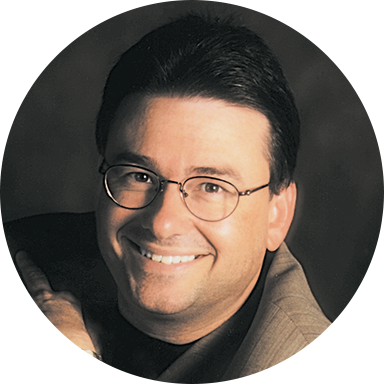
Joseph M. Martin studied piano performance at Furman University in Greenville, South Carolina, then pursued advanced study at the University of Texas, Austin, where he earned his master's degree. He spent five years teaching in the Piano Pedagogy Department at UT Austin while maintaining an active performance schedule, appearing as a soloist with orchestras across the United States and Mexico and winning the Nina Plant Wideman Competition, which led to a featured performance with the Guadalajara Symphony Orchestra.
Today Martin divides his time between concert performances and church music work, composing and arranging extensively for worship settings. His output spans an impressive range of contexts: from Carnegie Hall to regional theaters to countless Sunday services across North America. Based in Austin, Texas, he continues to create music that reflects both his classical training and his deep commitment to congregational music.
Why we love this
Martin and Angerman have crafted a setting that balances accessibility with musical substance. The ten pages give your choir enough material to sink into without the density of a full-length anthem, making this an efficient choice for worship services that need impact without exhausting preparation time.
What to expect
The piece radiates earnest gratitude and measured joy. Martin's harmonic language feels contemporary without straying from the core of congregational dignity, creating space for singers to communicate reverence while remaining musically engaged.
Who it's for
This octavo suits established church choirs and concert ensembles comfortable with four-part writing and harmonic sophistication. It works equally well in sacred concert programming or as a meaningful contribution to regular worship services.
How to get the most out of it
Shape the opening phrases with gentle, legato singing to establish reverence before building dynamic momentum in the middle sections
Pay close attention to voice leading in the inner parts; soprano and alto independence makes the harmonic language sing more effectively than forcing blend at the expense of line clarity
Record a rehearsal run-through and listen for unison sections so you can ensure they sound unified and confident rather than tentative
How to use it
Consider this for a fall or spring concert when you want to anchor a program with meaningful sacred music that reaches both musicians and listeners. It also pairs naturally into worship services during seasons of thanksgiving or celebration, where its textual affirmation strengthens the liturgical context.
Skills your students will build
Four-part harmonic independence and voice leading
Legato phrasing across longer musical lines
Ensemble balance between inner and outer voice clarity
Interpretation of sacred text through musical expression
You May Also Like
Scan to Complete Your Purchase
Use your phone's camera to scan the code below
You'll log in on your phone and the order will be added to your account