
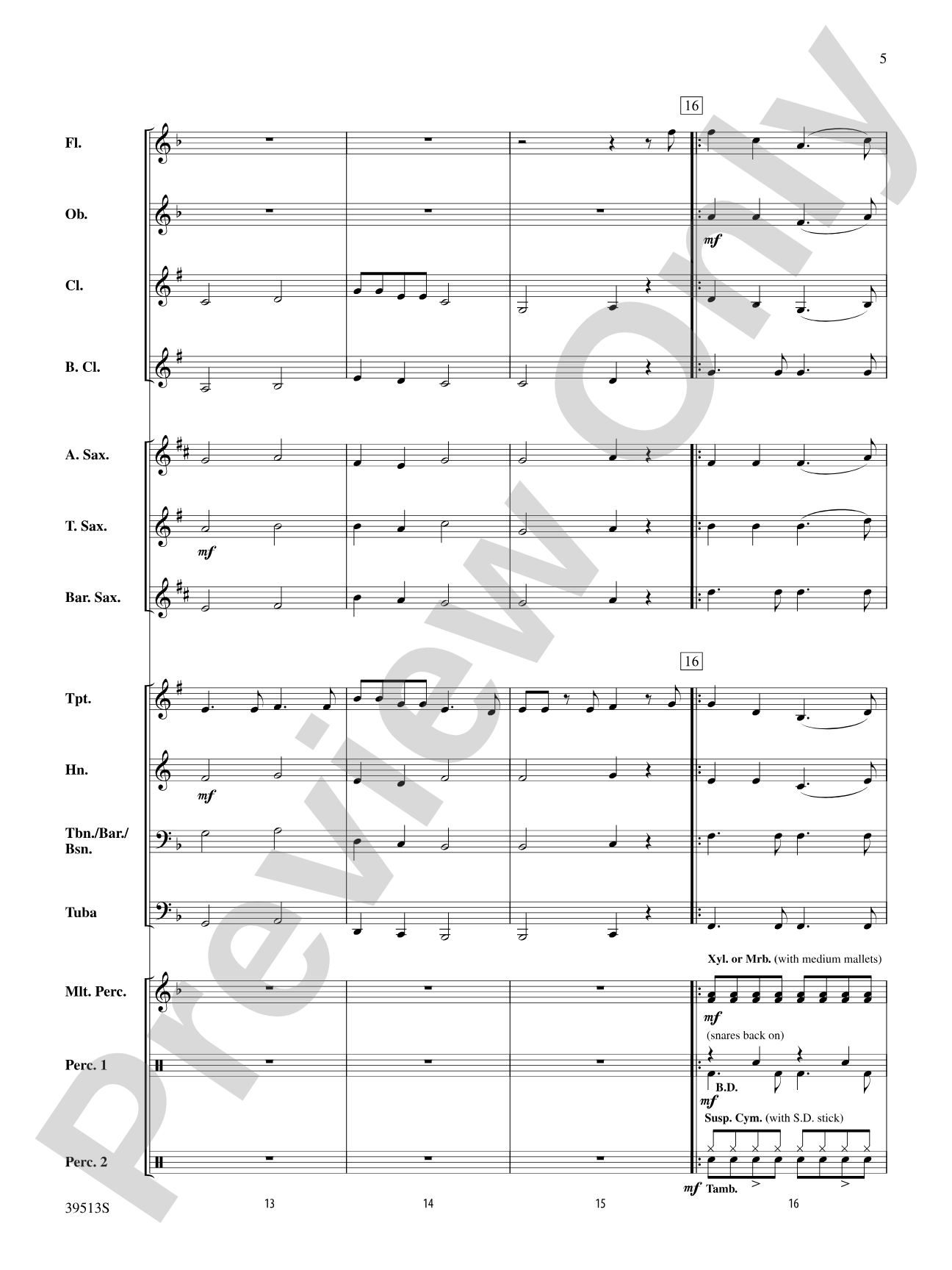
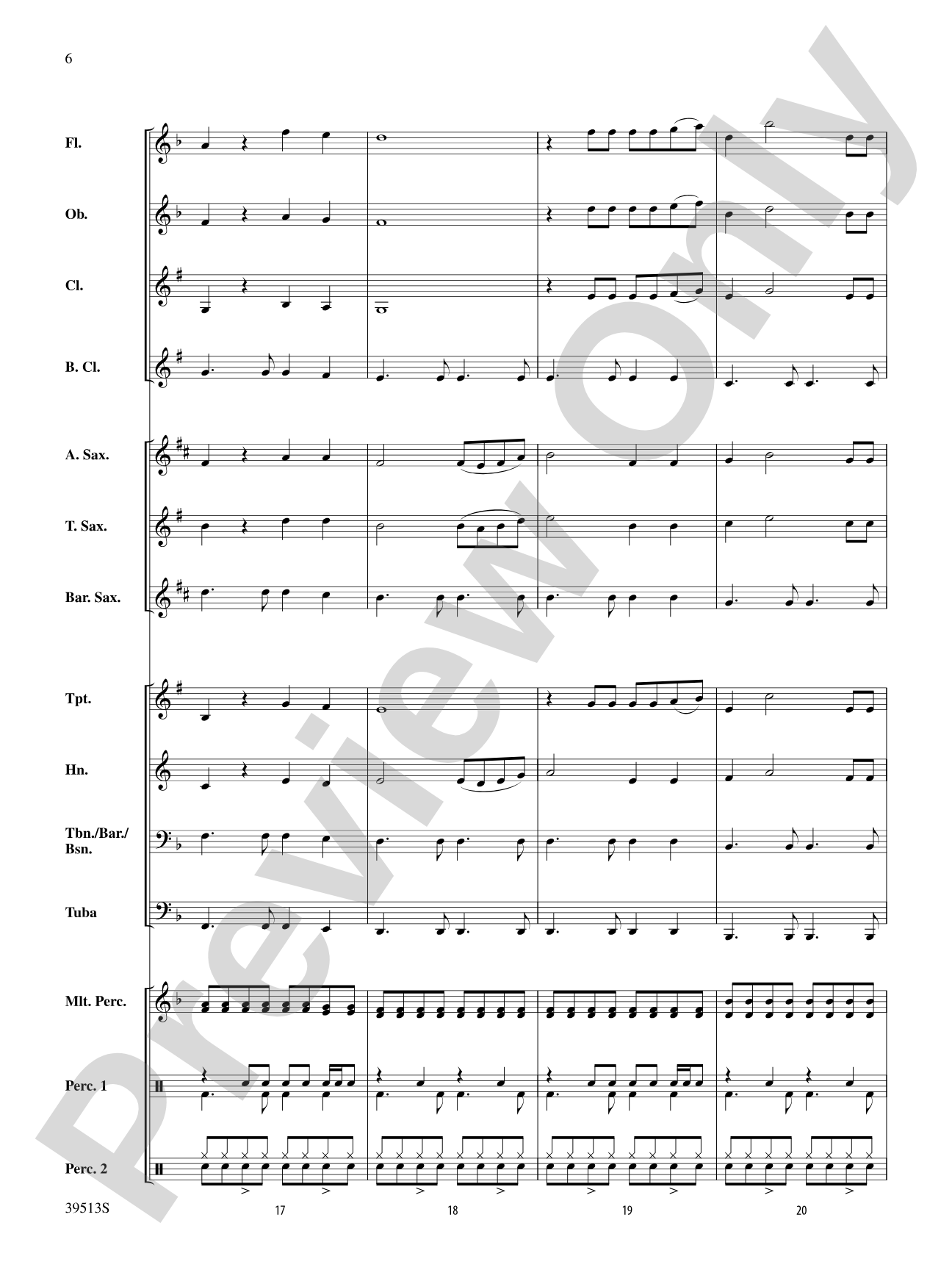
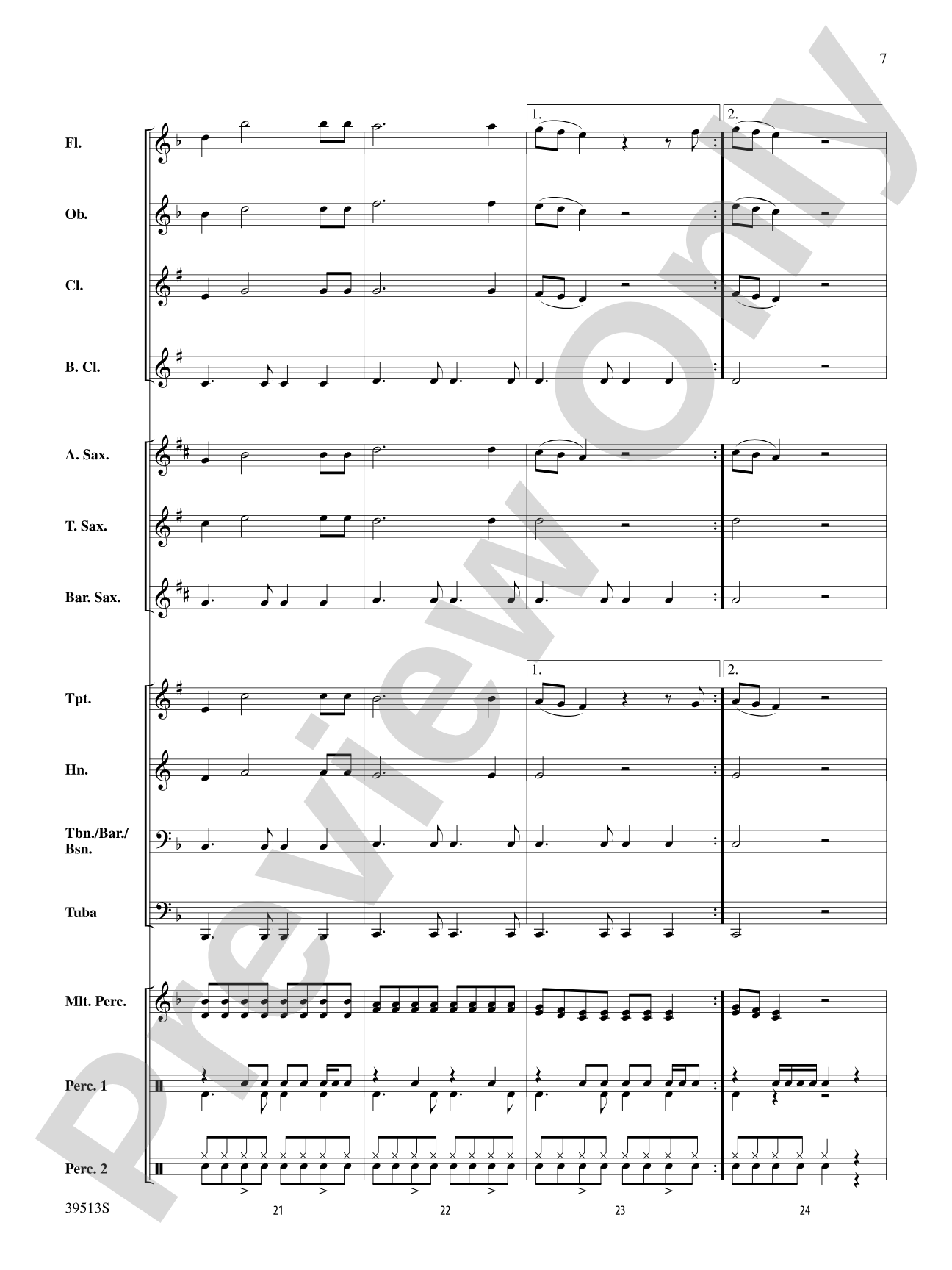
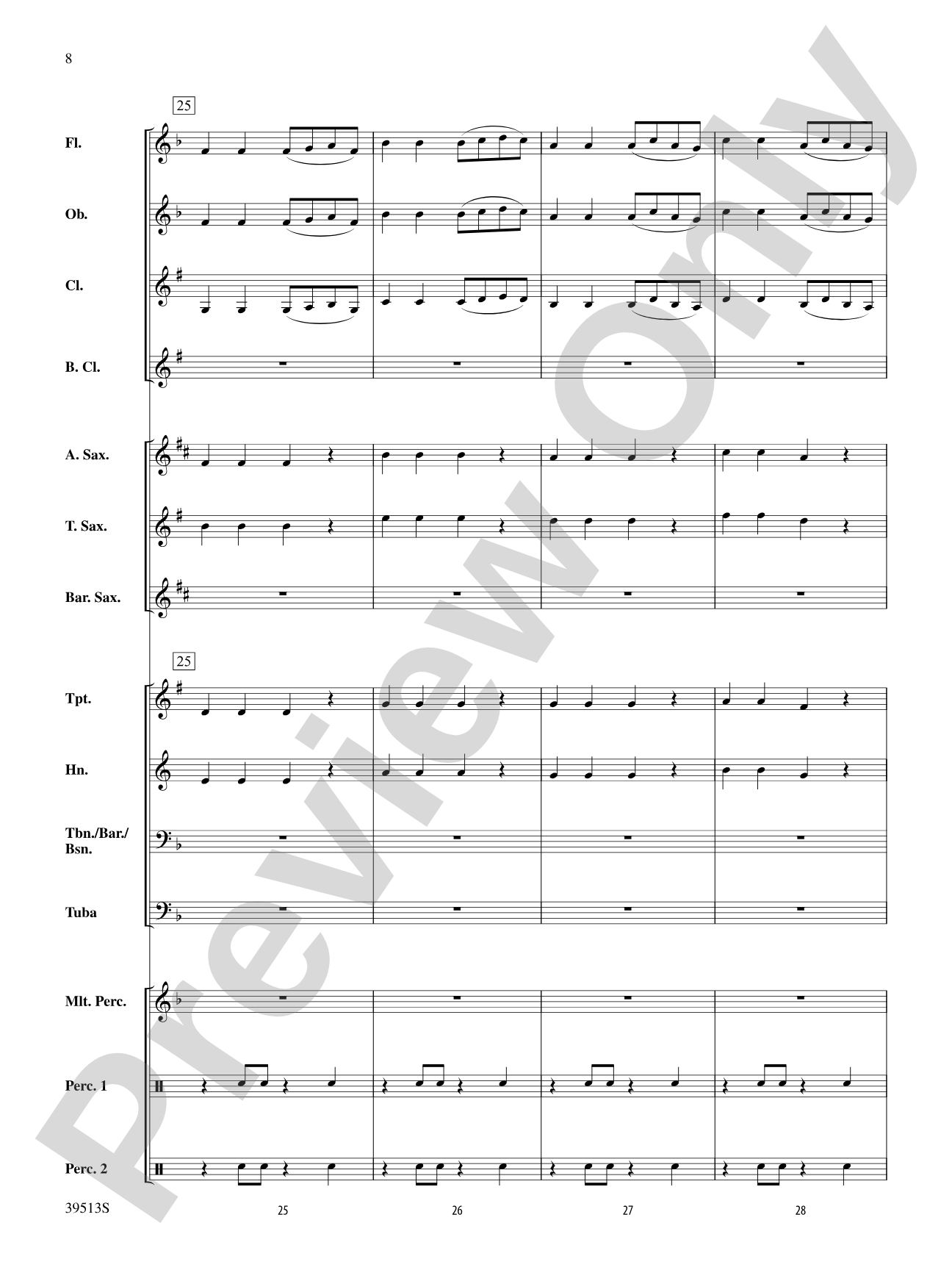

We Are Young: Concert Band Conductor Score & Parts
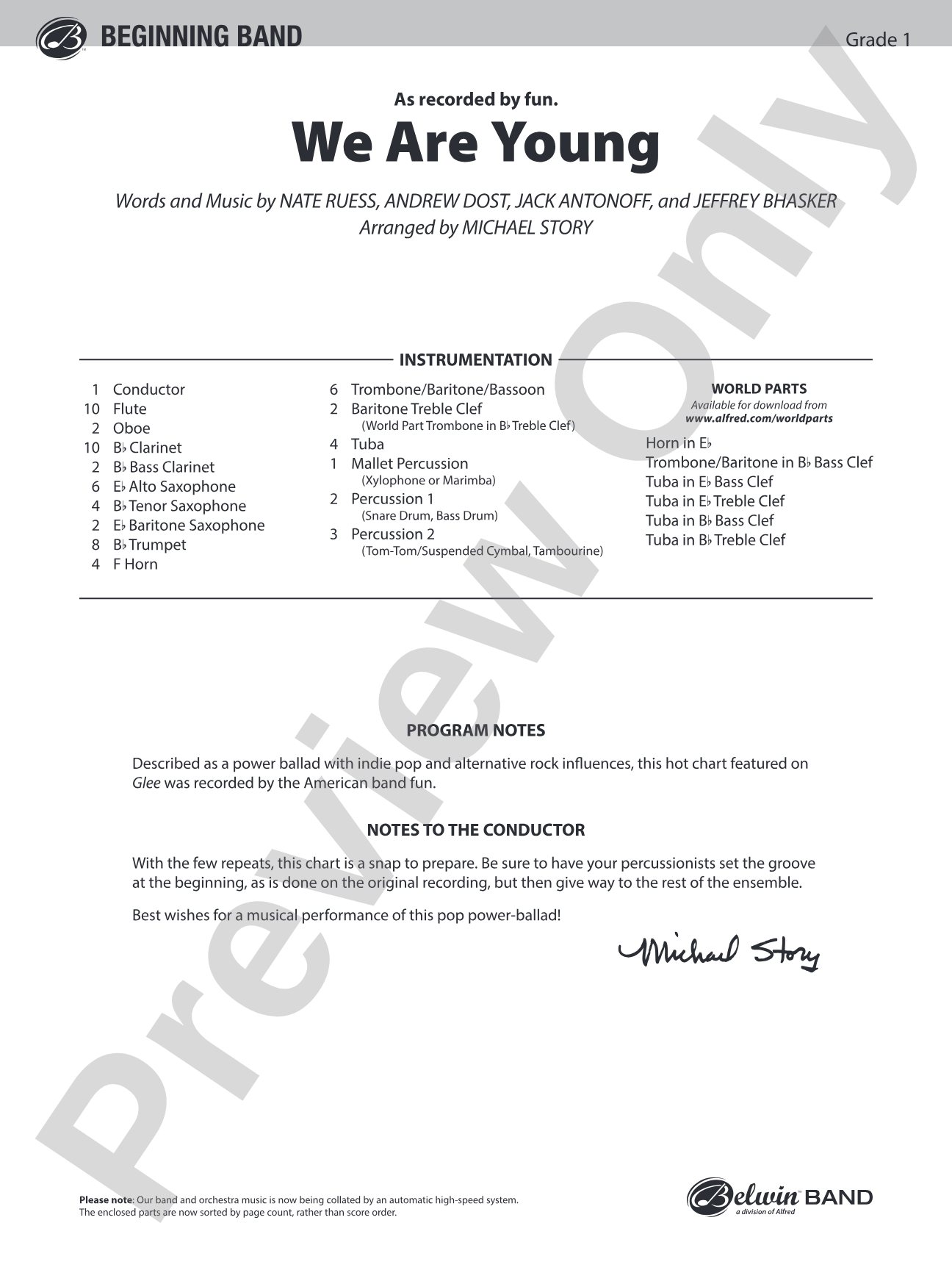
As Recorded by fun.
Words and music by Nate Ruess, Andrew Dost, Jack Antonoff, and Jeffrey Bhasker / arr. Michael Story
Grade: 1 (Very Easy)
Item: 00-PK-0005576

$56.00
One moment…
Related Items
We Are Young: String Orchestra Conductor Score & Parts |
$51.00
|
View | |
We Are Young: Concert Band Conductor Score & Parts |
$56.00
|
View | |
We Are Young: Concert Band Conductor Score |
$9.00
|
View | |
We Are Young: String Orchestra Conductor Score & Parts |
$51.00
|
View | |
We Are Young: String Orchestra Conductor Score |
$9.00
|
View |
Description
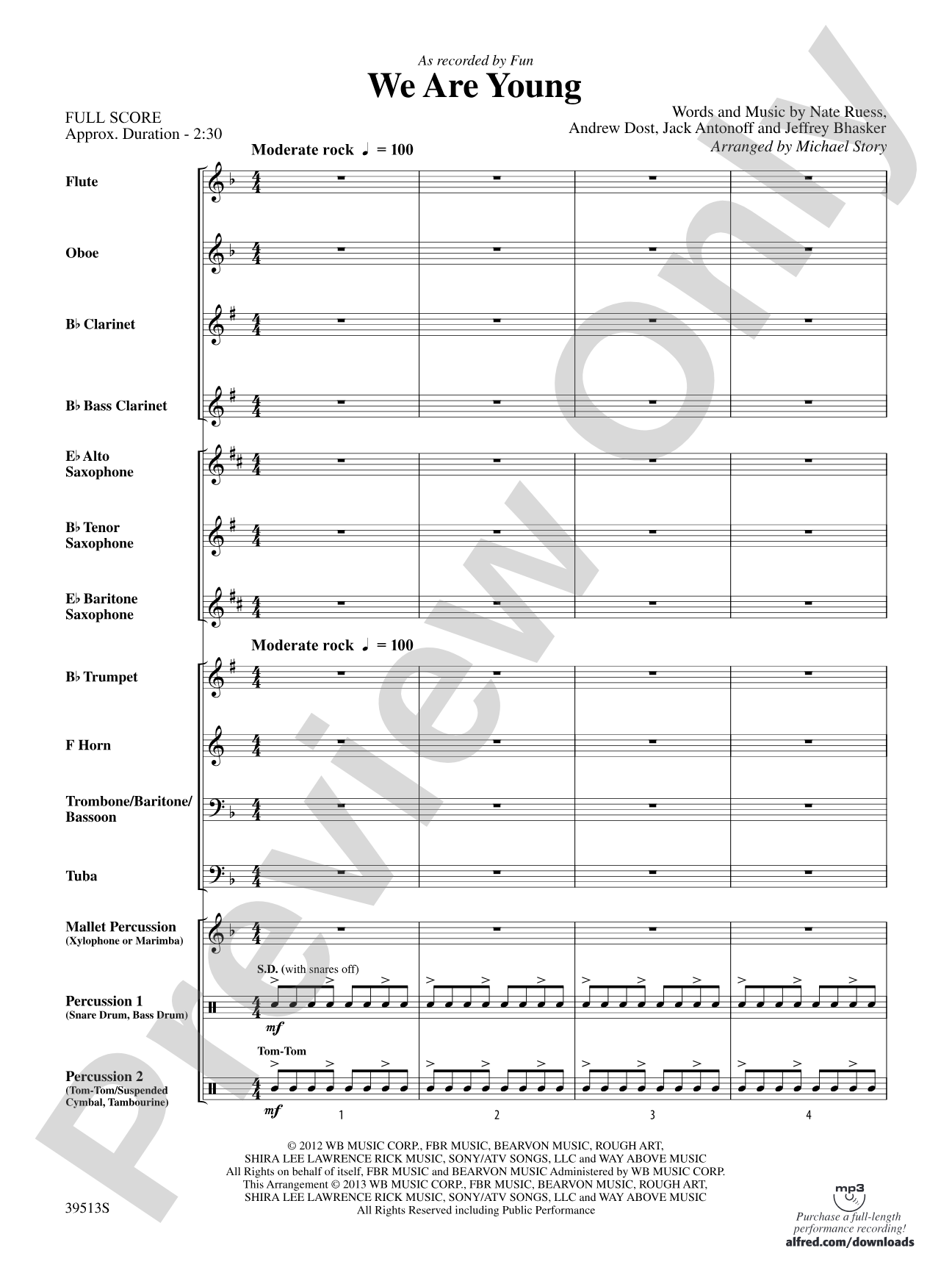
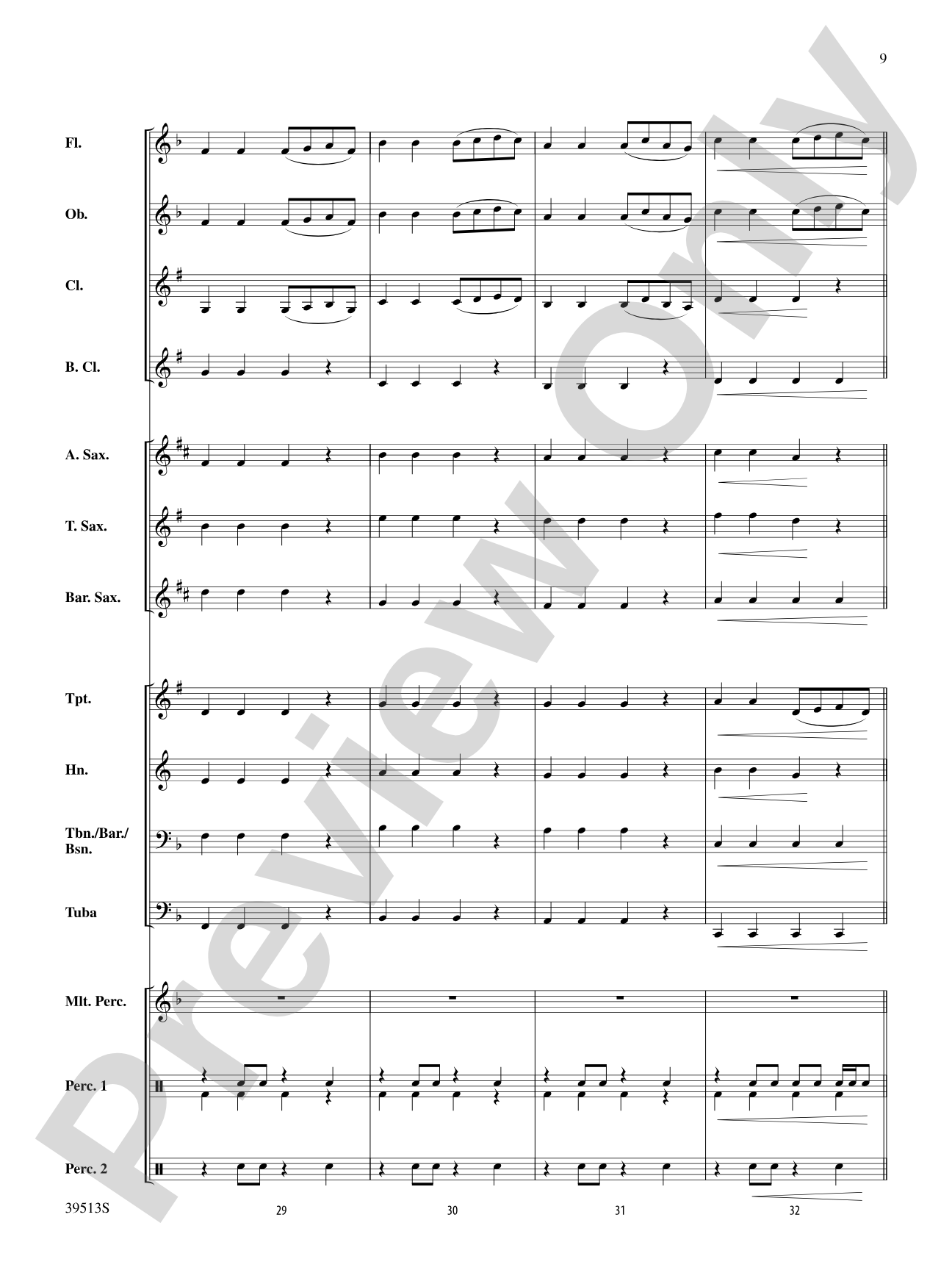
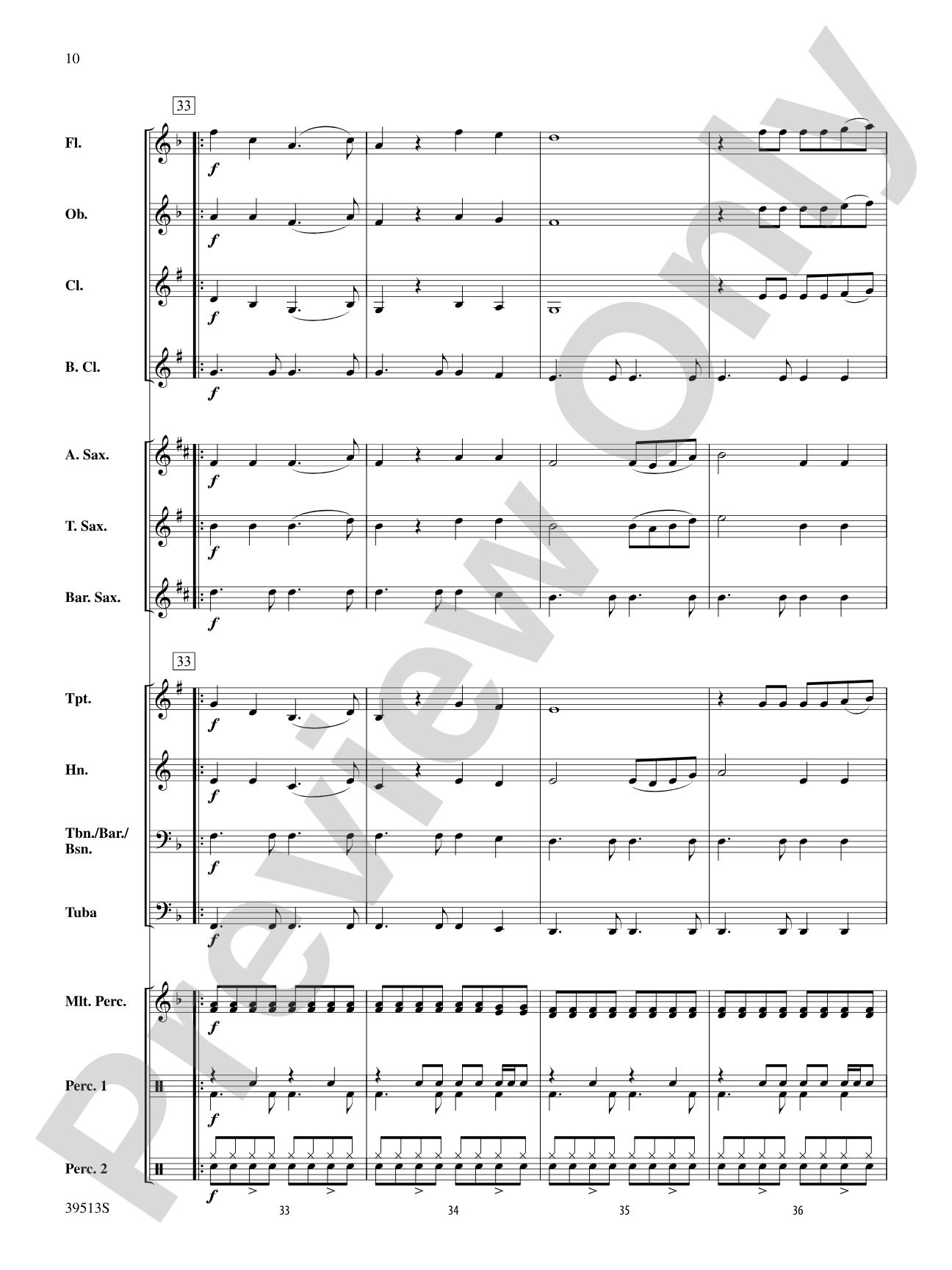
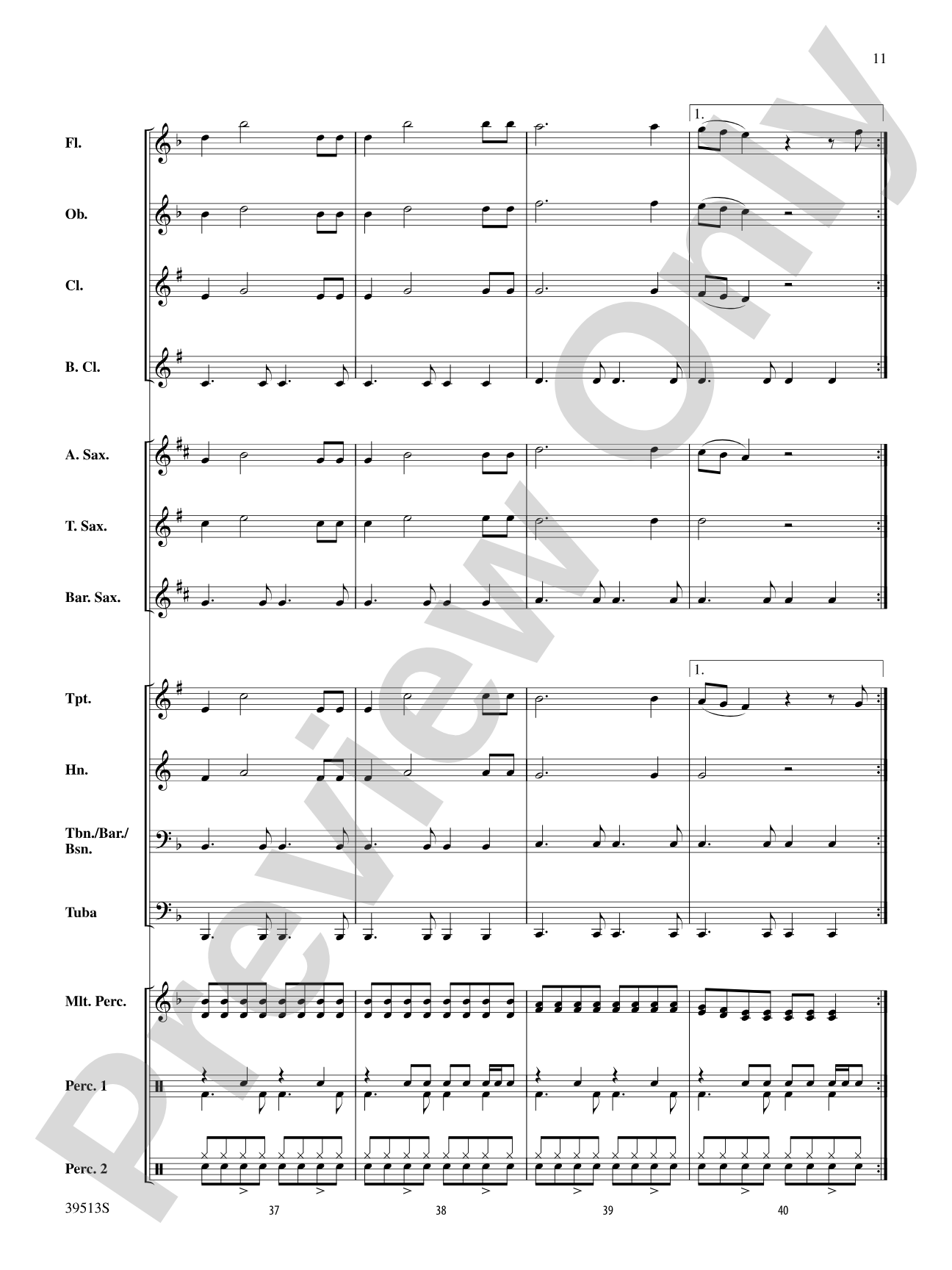
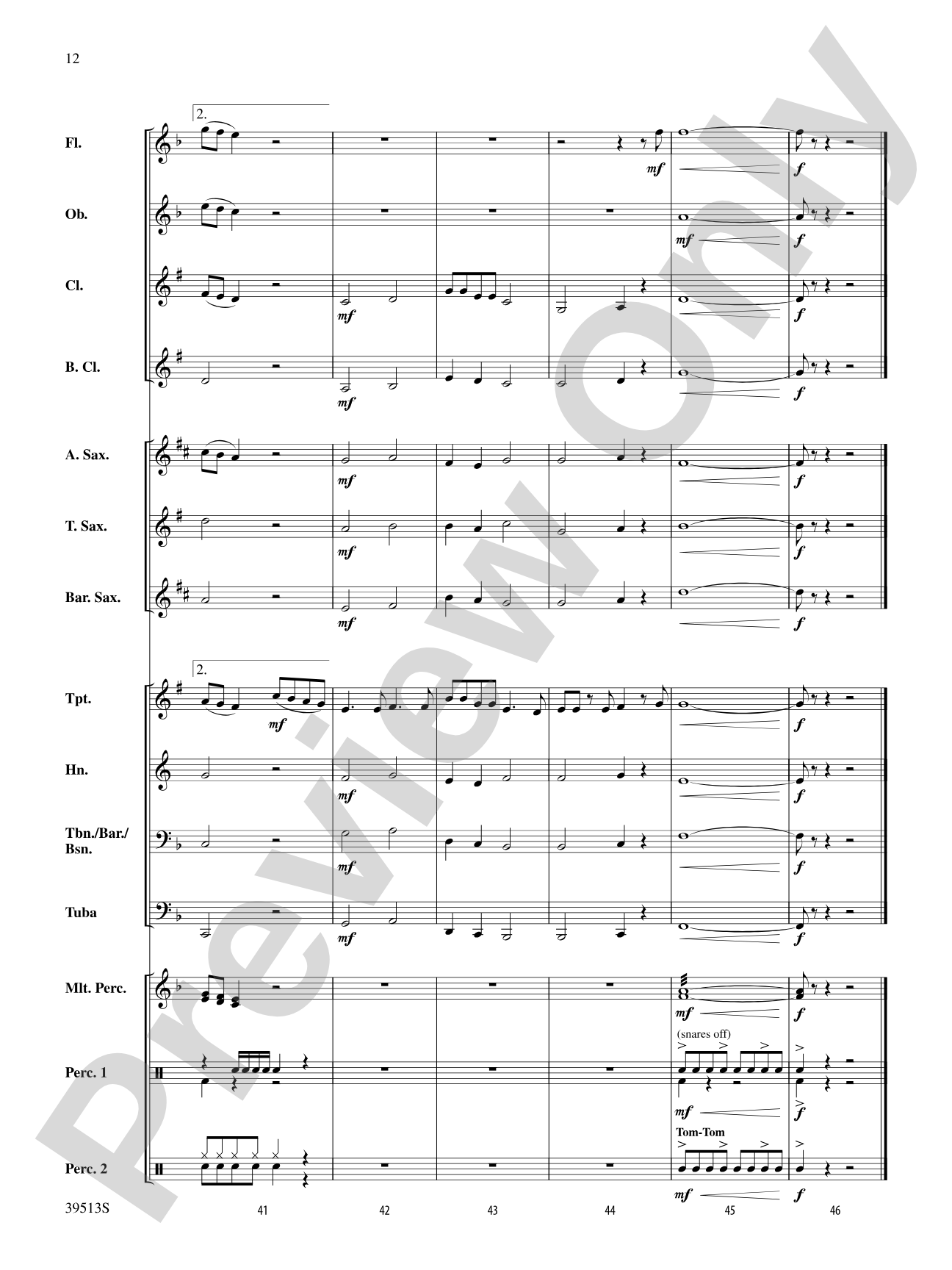
Described as a power ballad with indie pop and alternative rock influences, this hot chart featured on Glee was recorded by the American band fun. Opening with the drum introduction that is on the CD track, your beginners will sound huge with this energetic pop melody. Oozing with enthusiasm it's great fun indeed! (2:30) This title is available in MakeMusic Cloud.


Don't just read it, hear it, play along with it, and watch your students grow with it. In MakeMusic Cloud, We Are Young: Concert Band Conductor Score & Parts comes alive with professional accompaniment, adjustable tempo, and built-in practice tools that turn solo practice into real progress.
Open in the Player
Jump straight in and assign it today.
Start Your Free Trial
Open this title and explore the full library in minutes.
Sample Audio
1
Audio File
--:--
0:00
0:00
Sample Video
No sample videos found.
Additional Details
Series:
Pop Beginning Band
Publisher:
Alfred Music
Page Count:
132
SKU:
00-PK-0005576
More about this title
About the Composer: Nate Ruess
Nate Ruess is a vocalist and songwriter best known as the frontman of fun., the indie pop band that achieved mainstream success in the early 2010s. His work blends pop sensibility with alternative and rock influences, creating hooks that resonate across commercial and creative contexts. Ruess has collaborated extensively as a songwriter and producer, contributing to tracks across multiple genres and demonstrating a gift for crafting memorable melodies that work in both intimate and energetic settings.
Why we love this
This arrangement captures everything that made "We Are Young" a cultural moment while remaining completely accessible to Grade 1 bands. The drum introduction and driving energy mean your students won't sound like they're playing a beginner chart, even though the technical demands stay manageable. Programming a contemporary hit this well-written builds genuine excitement in rehearsal and gives young musicians the confidence that comes from playing something real.
What to expect
Infectious energy from the first drum hit. The arrangement opens with momentum and sustains it throughout, delivering the anthemic quality of the original without requiring advanced technique. This is pop music that sounds current and feels good to play, with the kind of straightforward accessibility that makes beginning musicians sound more experienced than they are.
Who it's for
This is written for beginning concert bands ready to tackle contemporary popular music with confidence. If your students know the Glee version or have heard the original, they'll connect immediately to the arrangement and bring that recognition into the rehearsal room.
How to get the most out of it
- Lock the rhythm section into the drum introduction from the recorded track. Having bass drum and snare lock that opening before the full band enters ensures the energy carries through from measure one.
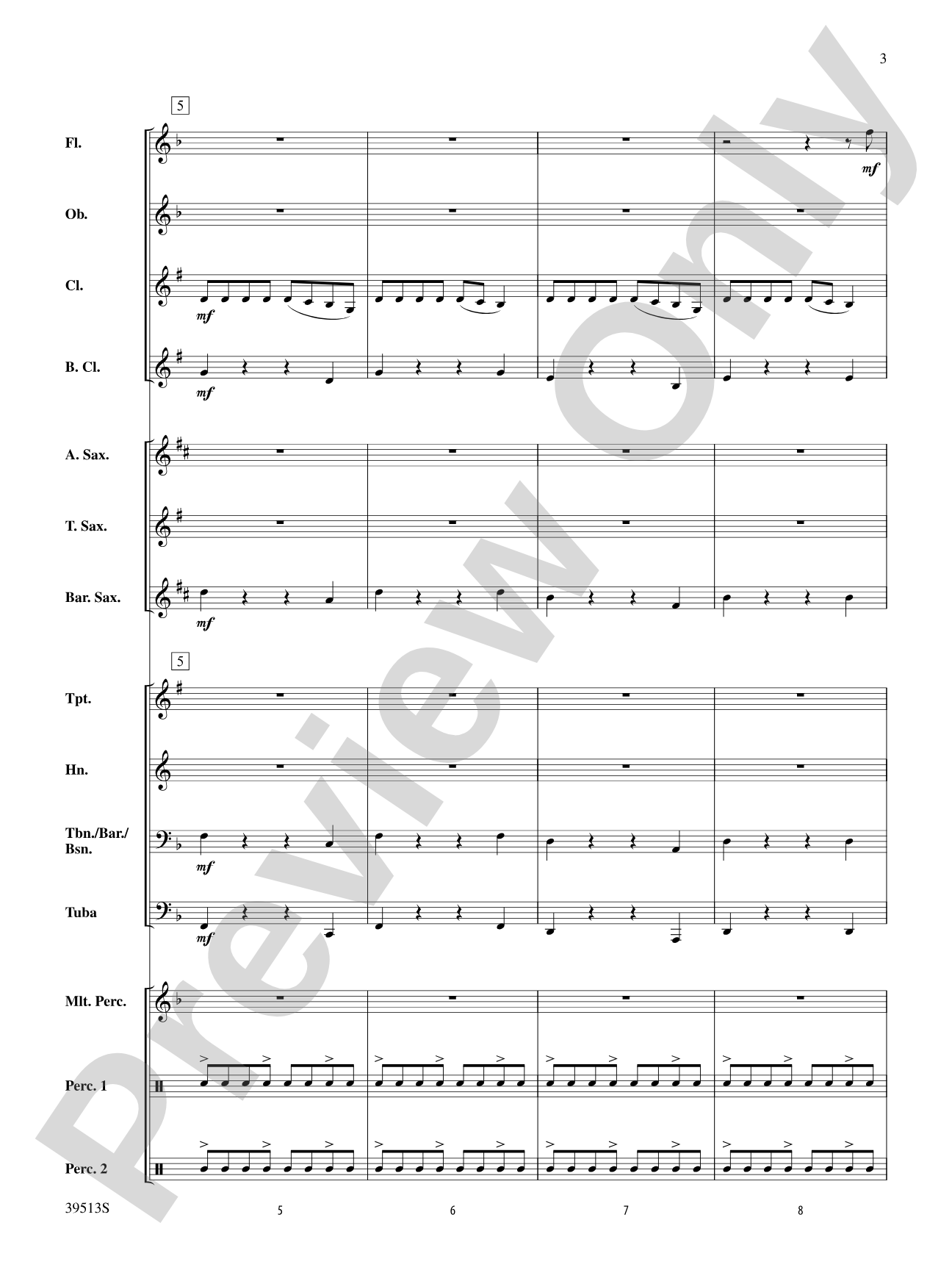
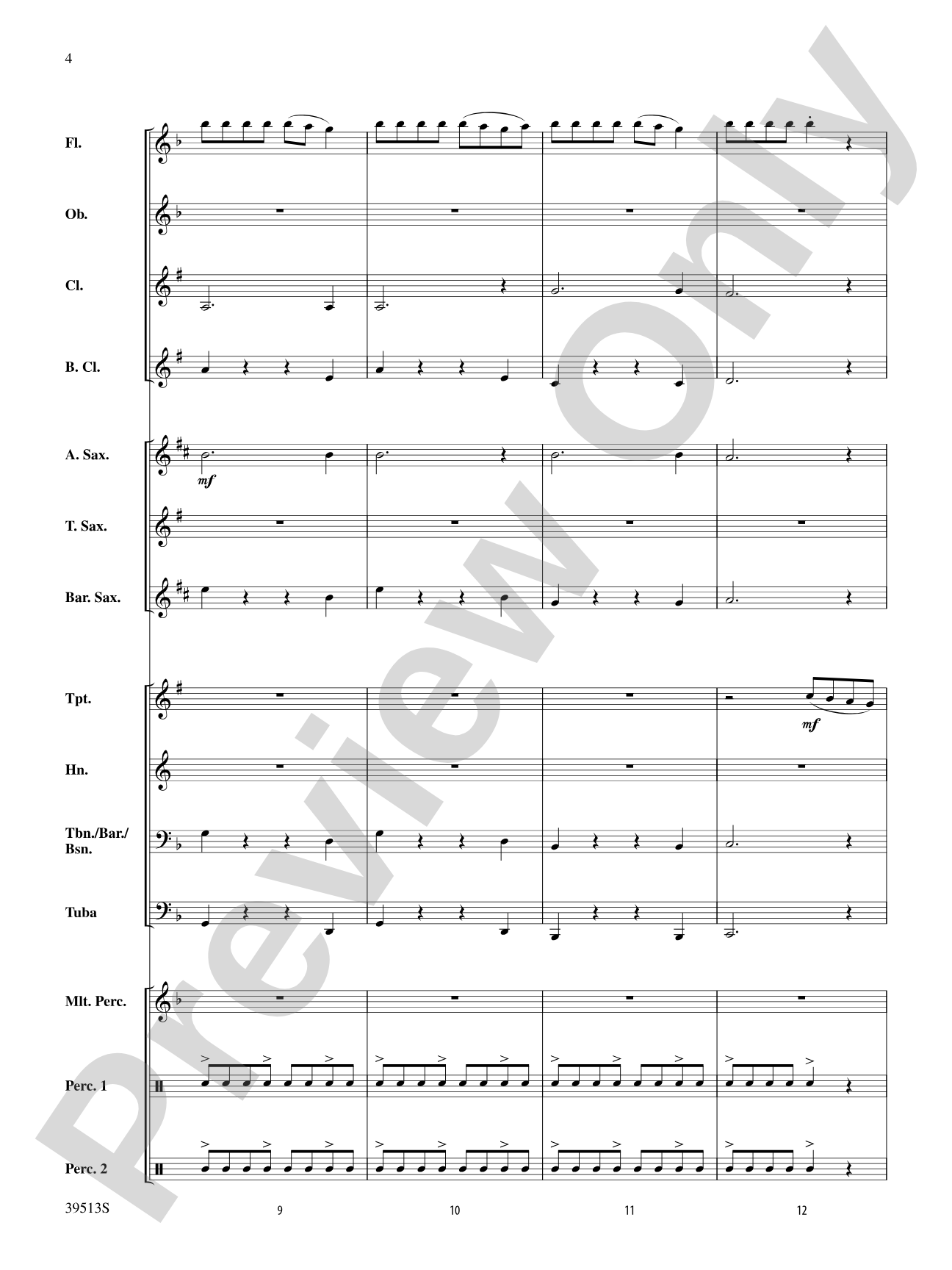
- Balance the pop melody against the supporting voices so the tune sits forward without the accompaniment getting buried. These charts thrive on clarity.
- Keep the tempo steady but not rigid. The recording runs 2:30, which gives you a reference for pacing while leaving room for the band to own the groove.
- Let the enthusiasm in the writing show. This piece invites a lighter touch than much symphonic band literature; allow the natural lift of the melody to drive the sound.
How to use it
Pair this with other pop selections from the series to build a contemporary pops concert, or feature it as a standalone moment in a mixed program to give audiences a familiar touchstone. The 2:30 length and high energy make it an excellent closer for a spring concert or a fun contrast when programmed alongside more traditional concert band literature.
Skills your students will build
- Maintaining steady tempo in a groove-based chart
- Balancing melody against rhythmic accompaniment parts
- Playing with stylistic awareness of pop and rock idioms
- Reading contemporary notation and rhythmic figures
- Responding to recorded accompaniment cues