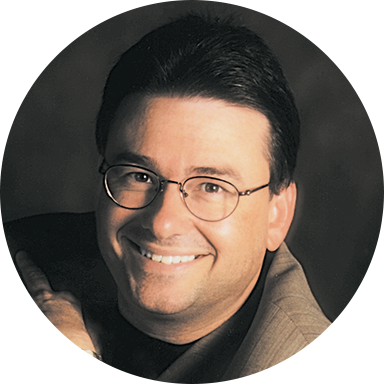
Joseph M. Martin studied piano performance at Furman University and earned his master's degree from the University of Texas at Austin, where he later taught in the Piano Pedagogy Department. A concert pianist in his own right, he has performed solo recitals across the United States and Mexico, including a performance with the Guadalajara Symphony Orchestra following his win in the Nina Plant Wideman Competition. His solo recital from Ex-convento del Carman was broadcast nationally.
Martin's prolific output as a composer and arranger now reaches audiences in unexpected venues: from Carnegie Hall to the Mel Tillis Theatre in Branson, Missouri, and most importantly, in hundreds of worship services across the United States and Canada. Based in Austin, Texas, he continues to balance concert performance with an energetic focus on church music and conferences for church musicians, bringing his characteristic versatility and scope to communities of faith.
Why we love this
Martin writes with genuine warmth and accessibility without sacrificing musical substance. This octavo has the kind of direct, singable melodicism that keeps your singers engaged while the harmonic language feels fresh and contemporary, making it an ideal choice for worship settings or concert programs that need a moment of affirmation and joy.
What to expect
Affirmative and forward moving, with melodies that feel both accessible and memorable. The piece radiates a quiet confidence, never forcing its message but allowing the text and harmony to speak naturally to both singers and listeners.
Who it's for
Any SATB choir looking for a concert or liturgical piece that combines solid musicianship with genuine emotional resonance. Works equally well for church choirs preparing a service anthem or community ensembles seeking uplifting repertoire.
How to get the most out of it
Shape the text with natural speech rhythms rather than treating each syllable with equal weight; allow the praise language to breathe and build.
Balance the four voices so that no single line dominates the texture unless the score explicitly calls for emphasis in that part.
Consider how the acoustic of your space affects the piece; these straightforward harmonies project well, so adjust your dynamics accordingly.
How to use it
Place this in the second half of a concert program as a turning point toward more hopeful or celebratory material. It also functions beautifully as a closing anthem in a worship service or as the centerpiece of a short program focused on contemporary sacred music.
Skills your students will build
Balancing independent vocal lines in four-part harmony
Text expression and word painting in sacred contexts
Ensemble blend and tuning in sustained passages
Phrasing that honors both musical structure and lyrical content
You May Also Like
Scan to Complete Your Purchase
Use your phone's camera to scan the code below
You'll log in on your phone and the order will be added to your account