Wayfaring Stranger Cover Image

Wayfaring Stranger: 2-Part, <I>a cappella</I> Choral Octavo

$2.25 USD
Sale price  $2.25 USD Regular price 
Skip to product information
Wayfaring Stranger Cover Image

Wayfaring Stranger: 2-Part, a cappella Choral Octavo

Arr. Robert DeCormier

Item: 00-LG51626

makemusic Cloud badge

Need it now?

Buy Digital Version
$2.25
Shipped

One moment…

Description
Robert DeCormier's a cappella setting of the Sacred Harp melody has been part of the choral repertoire for many years. If you haven't performed this recently, do it now!

Don't just read it, hear it, play along with it, and watch your students grow with it. In MakeMusic Cloud, Wayfaring Stranger: 2-Part, a cappella Choral Octavo comes alive with professional accompaniment, adjustable tempo, and built-in practice tools that turn solo practice into real progress.

Sample Pages

Sample Audio
No sample audio found.
Sample Video
Additional Details
Series: Alfred Archive Edition: Lawson-Gould Music Publishers
Publisher: Alfred Music
Page Count: 4
UPC: 783556007623
SKU: 00-LG51626

More about this title

About the Arranger: Robert DeCormier
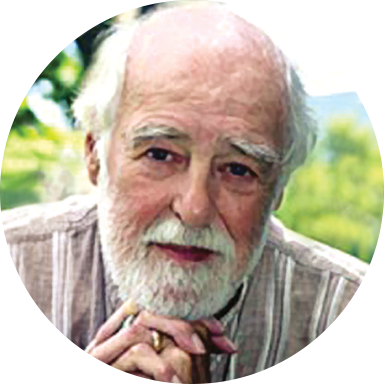
Robert DeCormier

Robert DeCormier trained at Juilliard and built a distinguished career as a conductor, arranger, and founder of significant choral ensembles. His work spanned Broadway and opera, concert tours across North America, seventeen years leading the New York Choral Society, and decades as conductor and arranger for Harry Belafonte and Peter, Paul and Mary. He served on the faculty at the Eastman School of Music and co-founded Counterpoint, a professional vocal ensemble based in Vermont that produced multiple recordings and mentored high school choirs throughout New England.

DeCormier's arranging legacy centers on American vernacular music—spirituals, folk songs, and sacred traditions—transformed through sophisticated choral writing. His contributions earned recognition from the National Endowment for the Arts, the Vermont Governor's Award for Excellence in the Arts, and a Lifetime Achievement Award from the New England Choral Arts Foundation.

Why we love this

DeCormier's arrangement respects the melodic integrity of the Sacred Harp tune while stripping away accompaniment to let the spiritual's emotional weight speak through pure voices. This is the kind of a cappella setting that works in concert, festival, and worship contexts alike because it demands nothing but musicianship and genuine interpretation from your singers.

What to expect

The piece carries the weight of a spiritual journeyed through long roads and tested faith, yet without melodrama. Singing it a cappella creates an intimate, almost meditative quality that lets the text and tune speak directly to listeners. There is clarity and dignity in its simplicity.

Who it's for

This arrangement suits any choir with solid vocal fundamentals and the ability to sing without instrumental support. It works equally well in a mixed high school ensemble or an adult community choir, provided singers are comfortable with independent parts and sustained vocal control.

How to get the most out of it

  • Sing with steady, grounded tone quality throughout. The simplicity of the texture means every voice must be present and supported; there is nowhere to hide.
  • Shape the melodic line with long, generous phrases rather than stopping at bar lines. Listen for where the text naturally breathes and let phrasing follow meaning.
  • Balance the two parts so neither dominates. In a cappella writing, the lower voices provide harmonic foundation and must be heard as equal partners to the melody.

How to use it

Program this as a powerful, accessible spiritual in a concert that features American choral traditions or sacred music. Its brevity (four pages) and 2-part voicing make it an excellent choice to include alongside other spirituals or folk-based arrangements, or to use as a compelling opener or closer that leaves a lingering impression.

Skills your students will build

  • A cappella intonation and blend without instrumental reference
  • Phrasing and interpretation of spiritual/folk melody
  • Independent part singing in a 2-part texture
  • Sustained vocal tone and breath control across longer phrases

You May Also Like
