
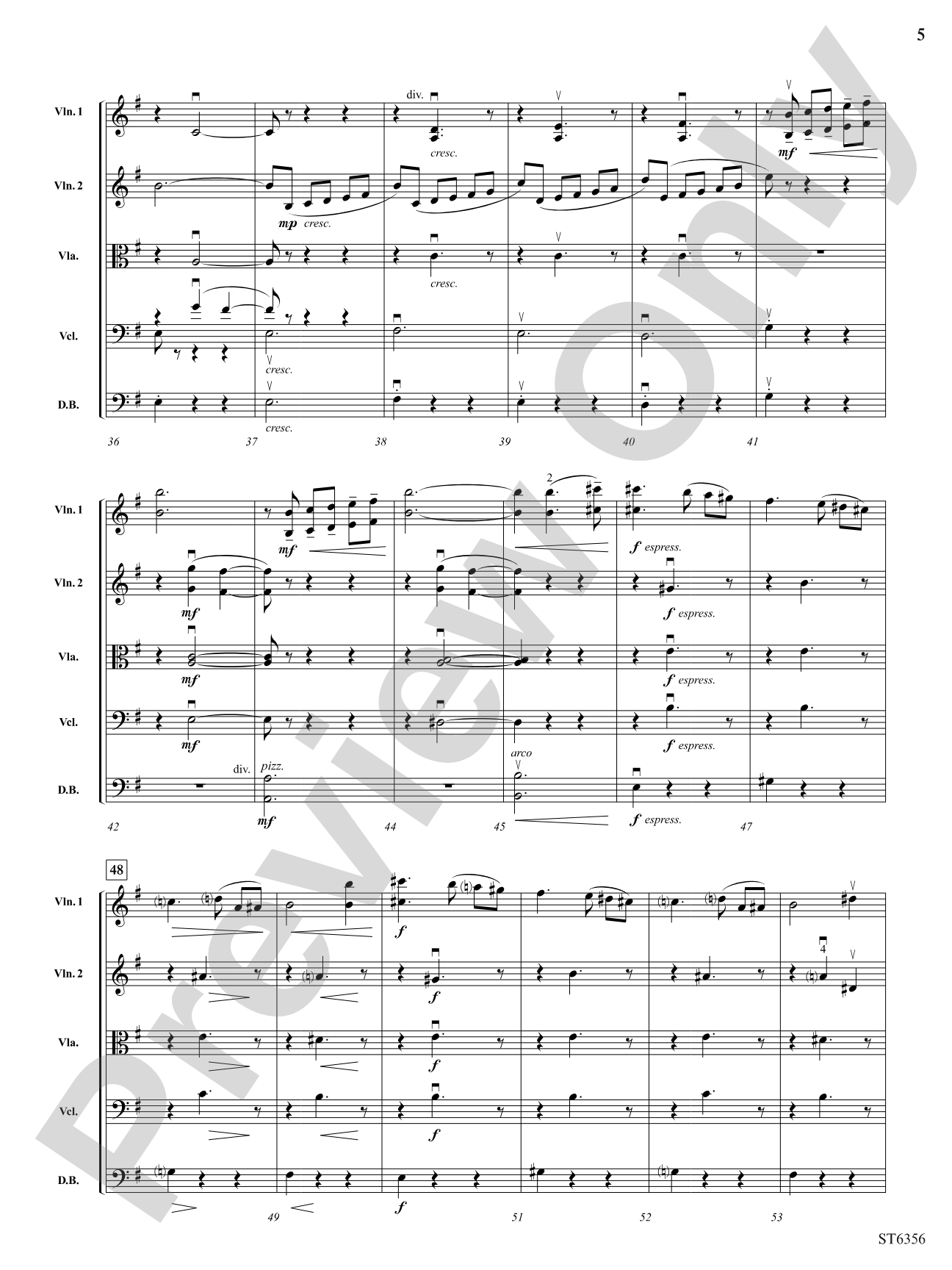
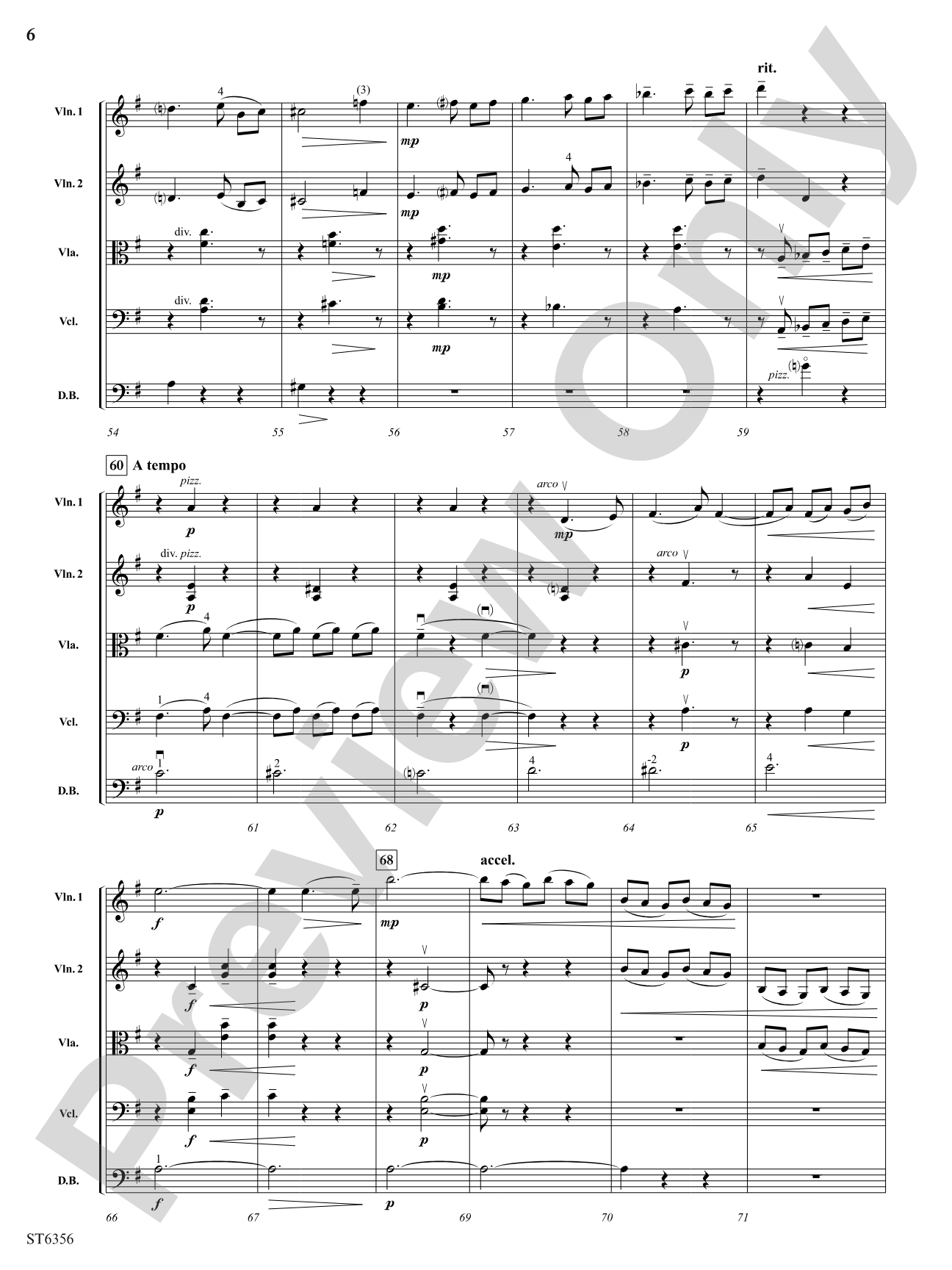
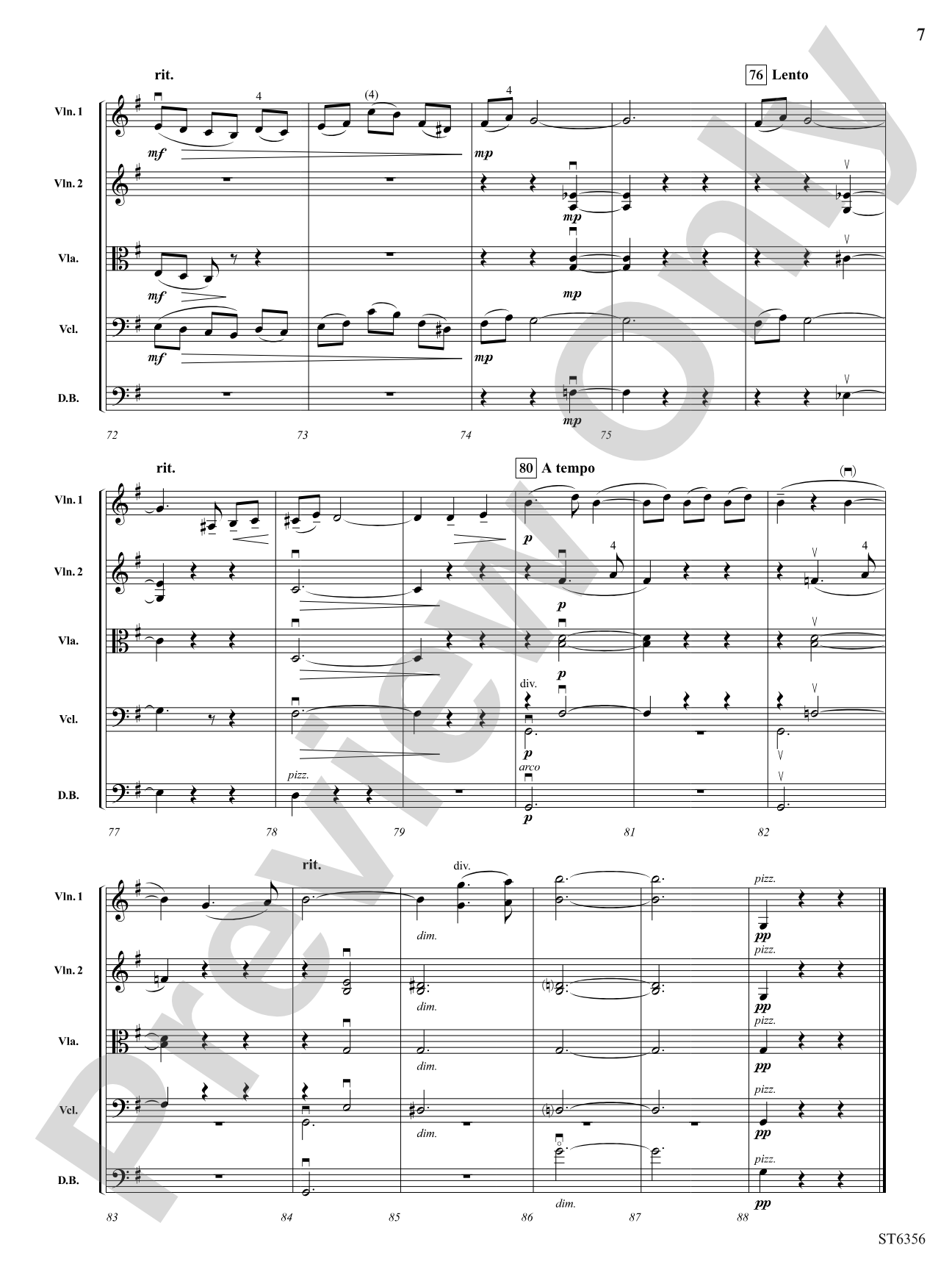

Waltz: Score
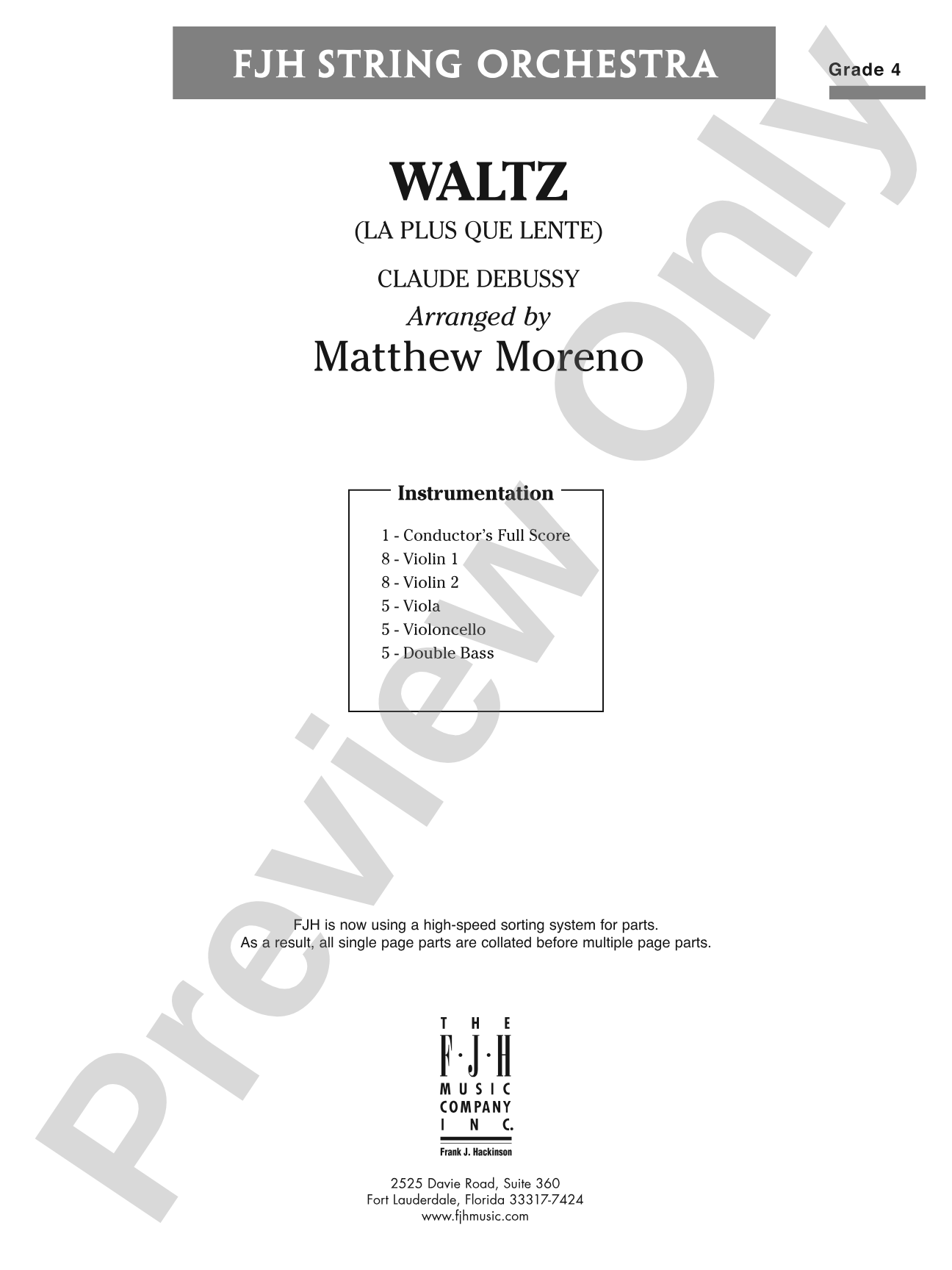
By Claude Debussy / arr. Matthew Moreno
Grade: 4
Item: 98-DST6356S
$5.00
Pickup currently not available
Description
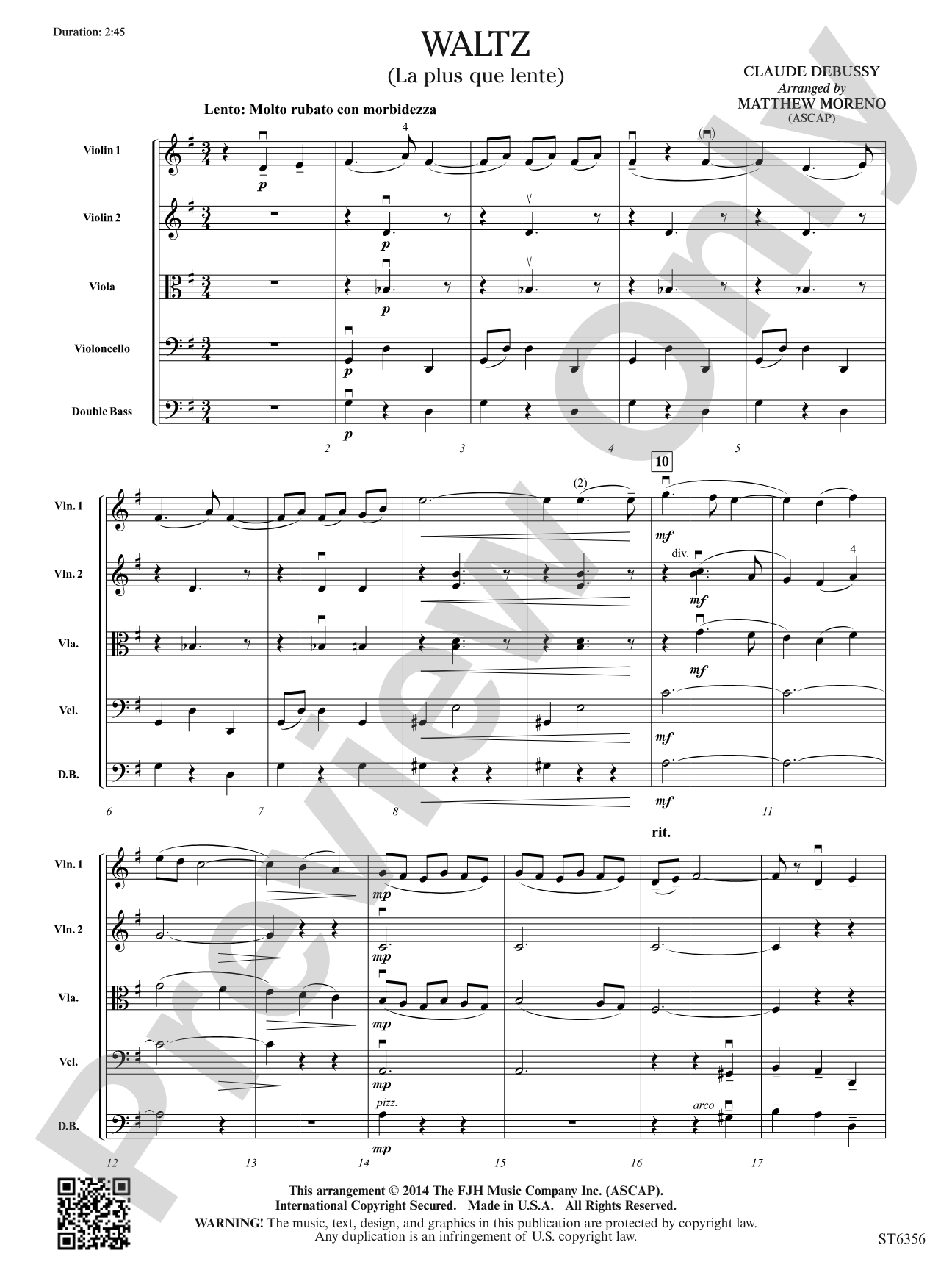
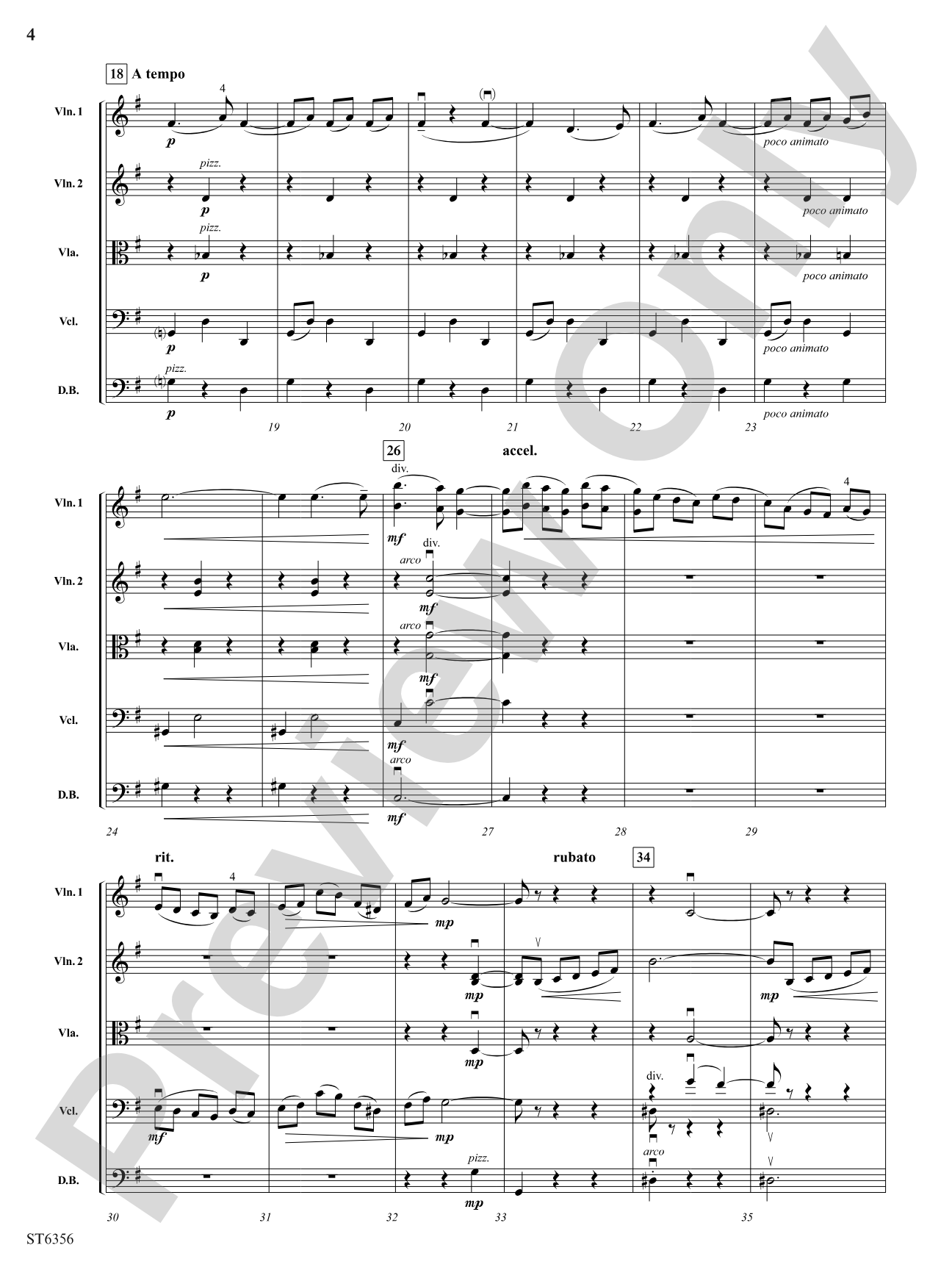
This beautiful and subdued waltz by Debussy is a unique and colorful addition to any concert program. Complex impressionistic harmonies support a delightful melody that goes through several interations before a relaxed and satisfying ending. Debussy at his finest in a superb arrangement for strings!


Don't just read it, hear it, play along with it, and watch your students grow with it. In MakeMusic Cloud, Waltz: Score comes alive with professional accompaniment, adjustable tempo, and built-in practice tools that turn solo practice into real progress.
Open in the Player
Jump straight in and assign it today.
Start Your Free Trial
Open this title and explore the full library in minutes.
Sample Audio
1
Audio File
--:--
0:00
0:00
Sample Video
No sample videos found.
Additional Details
Series:
FJH String Orchestra
Publisher:
The FJH Music Company, Inc.
SKU:
98-DST6356S
More about this title
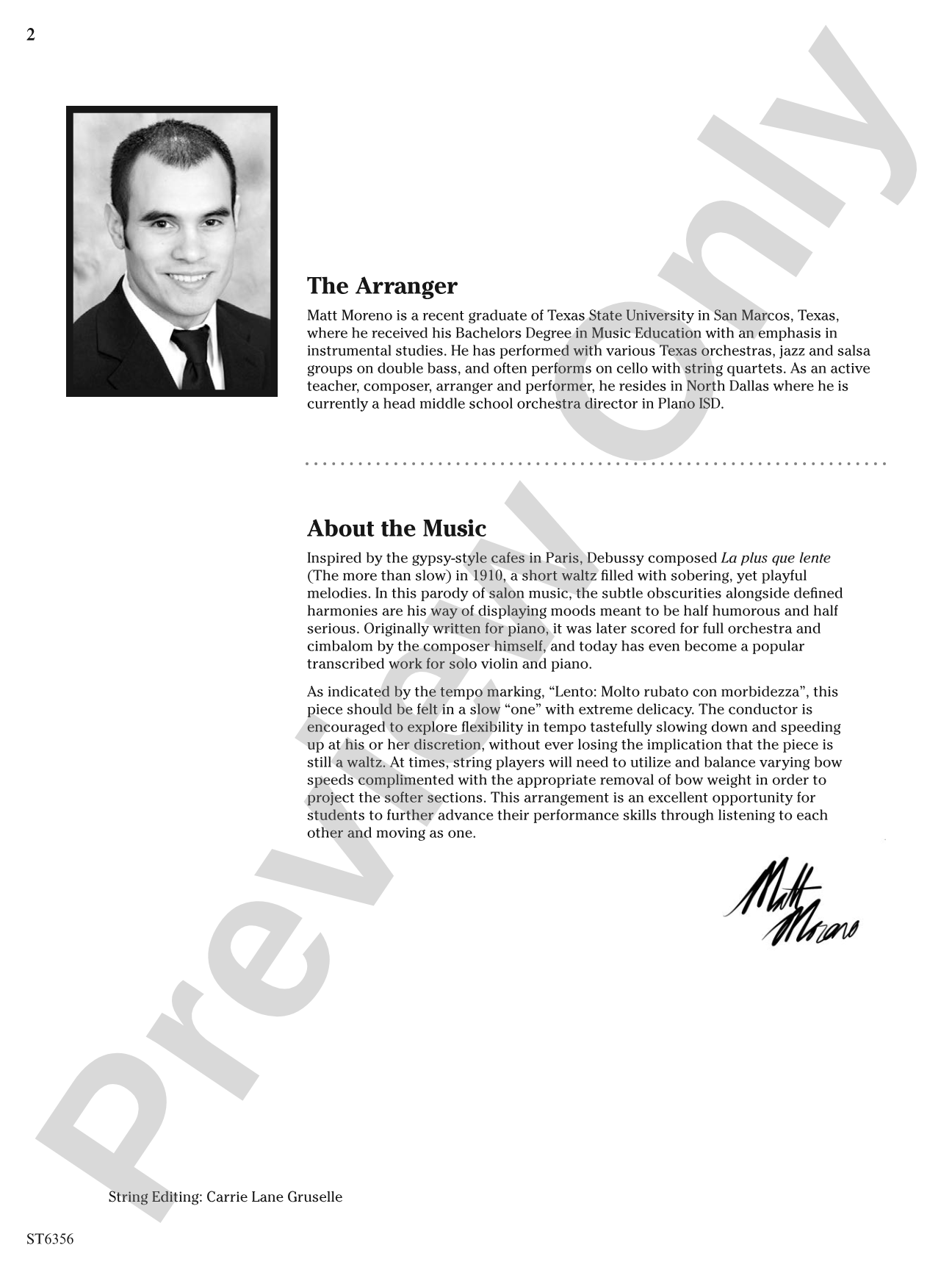
About the Composer: Claude Debussy
Claude Debussy (1862-1918) fundamentally changed how composers approached harmony, orchestration, and musical form. Rather than following rigid classical structures, he let impressionistic color and subtle tonal shifts drive his compositions, creating music that feels more like painting with sound than traditional storytelling. His influence on twentieth-century music cannot be overstated; generations of composers learned from his fearless approach to dissonance and his ability to suggest mood through timbre alone.
For string educators, Debussy's work presents an invaluable study in orchestration. His string writing prioritizes blend and atmosphere over technical display, making his pieces both rewarding and accessible to developing ensembles. This arrangement preserves the essence of his harmonic language while making it achievable for Grade 4 orchestras.
Why we love this
String directors often struggle to find concert repertoire that sounds sophisticated without demanding virtuosic technique from every player. This arrangement delivers both. The impressionistic harmonies and flowing melody give your orchestra genuine musical substance to sink their teeth into, while the scoring lets younger and less advanced players contribute meaningfully without drowning in technical demands. It programs beautifully alongside both standard classics and contemporary works.
What to expect
Debussy's waltz unfolds like watching light filter through water. The melody dances through several variations, each one revealing new harmonic colors beneath the surface. The piece wraps around itself gently, never hurried, never heavy, settling into a peaceful resolution that feels earned rather than expected.
Who it's for
String orchestra directors at the Grade 4 level who want to program music that sounds genuinely artistic and complex without overwhelming their ensemble. This arrangement suits orchestras that have solid fundamentals in place and are ready to grapple with twentieth-century harmonic language in an accessible form.
How to get the most out of it
- Shape the melody through subtle dynamic shaping rather than obvious crescendos and diminuendos. Let the phrase breathe naturally, especially during the different iterations of the main theme.
- Balance the harmonic accompaniment carefully so it supports rather than overwhelms the primary line. Impressionistic textures collapse quickly if any single voice pushes too hard.
- Listen closely at section breaks to ensure smooth voice leading between parts. Debussy's chromatic voice movement can expose ensemble intonation issues if tuning isn't precise.
- Approach the ending with restraint. The 'relaxed and satisfying' conclusion works only if you resist the urge to swell or rush; let it resolve with gentle certainty.
How to use it
This works exceptionally well as a concert centerpiece between a classical opening and a more energetic contemporary closing. Its subdued character also makes it ideal for smaller chamber orchestra settings or as a standalone program for a spring concert focused on impressionistic or twentieth-century repertoire.
Skills your students will build
- Balancing melody and harmonic accompaniment in impressionistic textures
- Voice leading through chromatic harmony and non-traditional chord progressions
- Sustaining tone and line without vibrato-dependent expression
- Listening for blend across divided sections
- Interpreting musical direction through subtle dynamic and timbral changes