
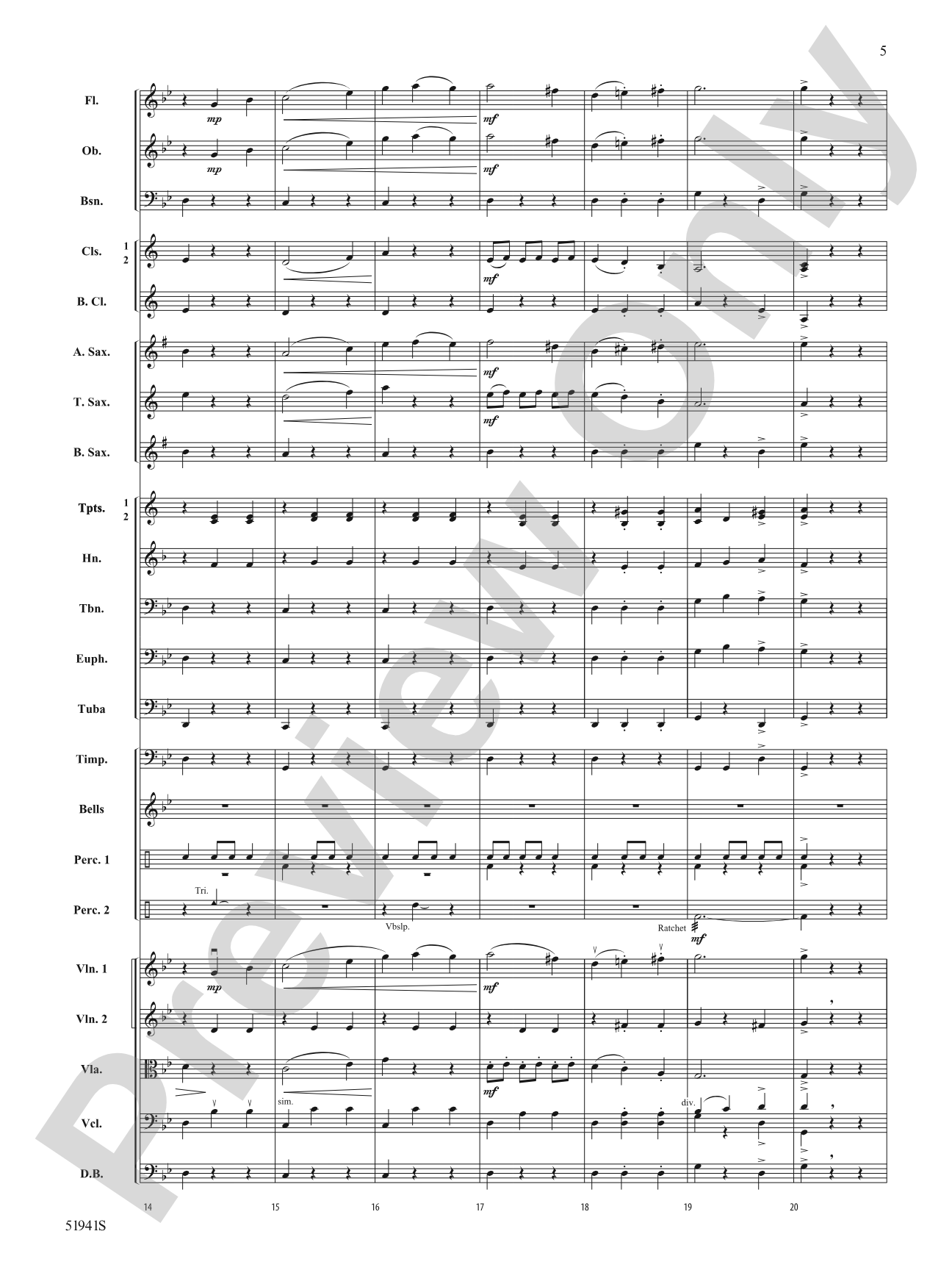
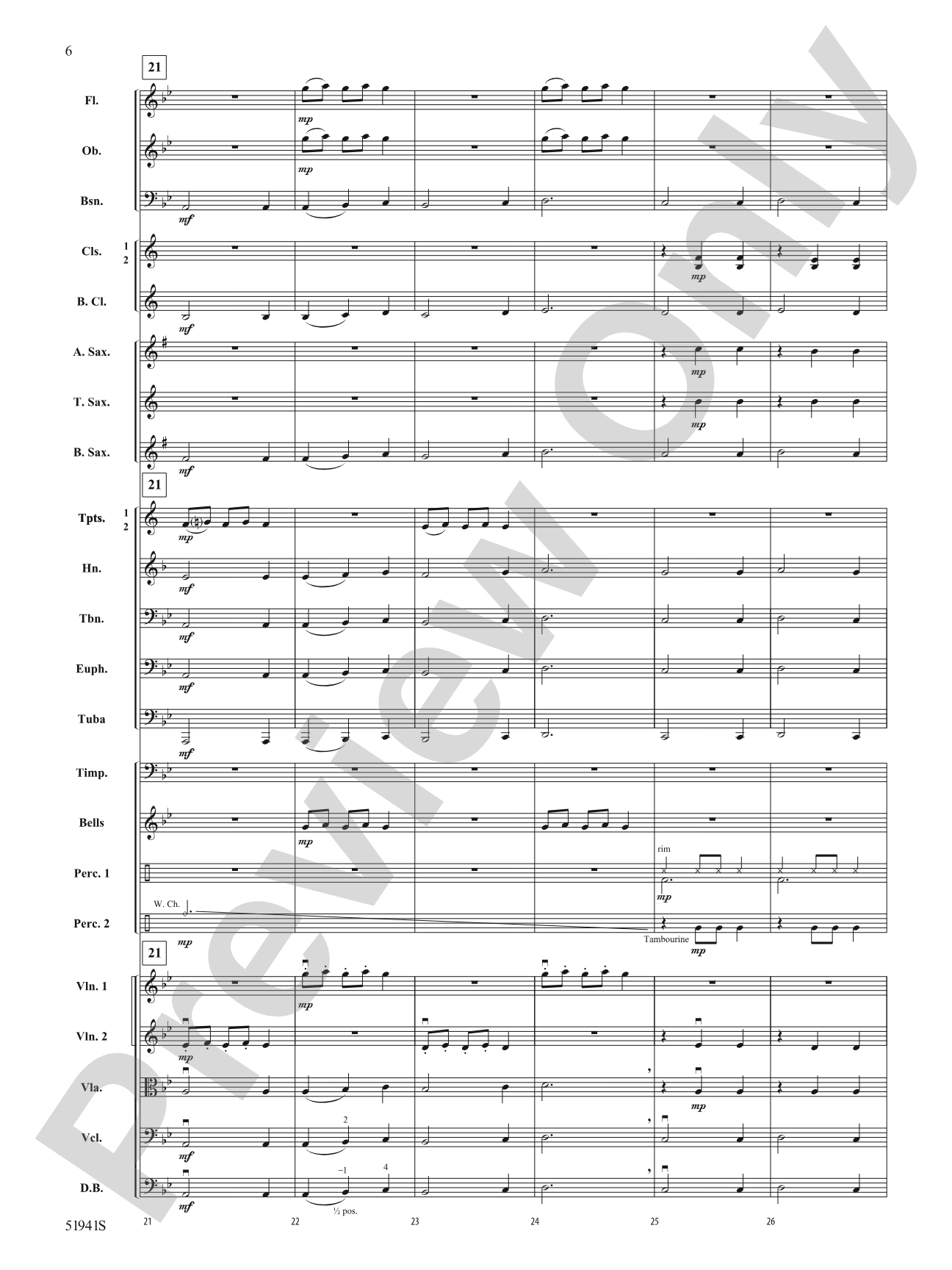
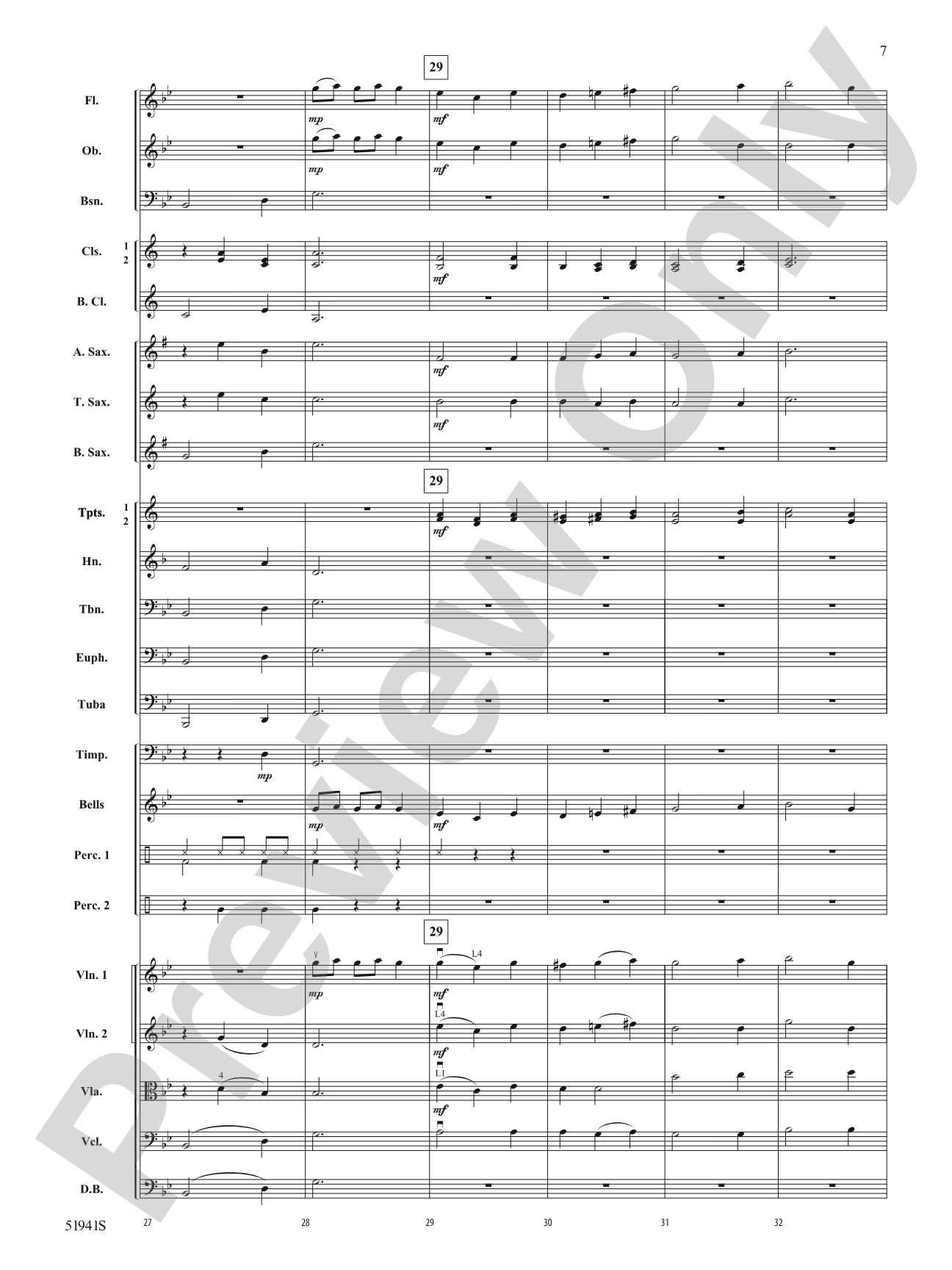
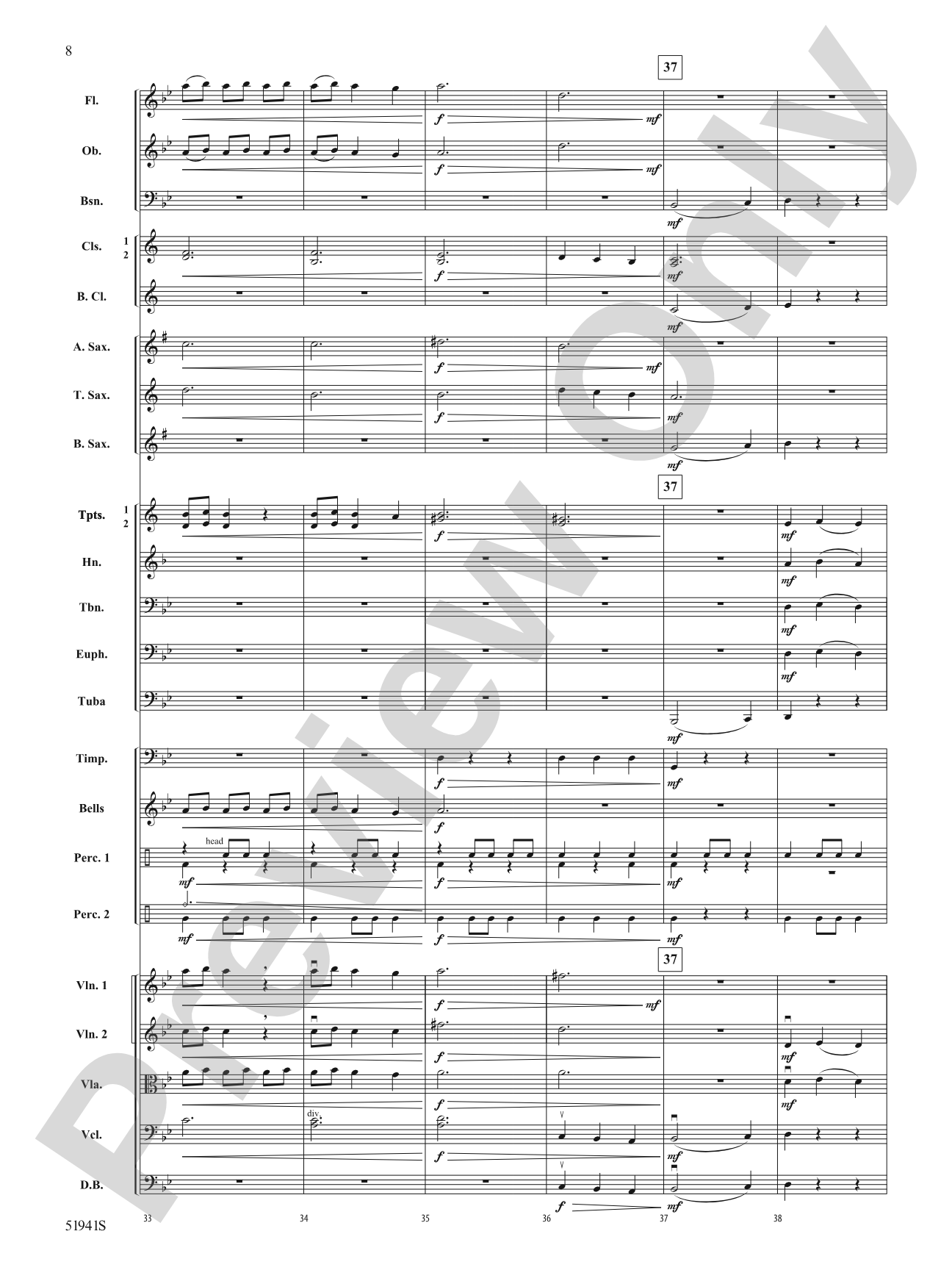
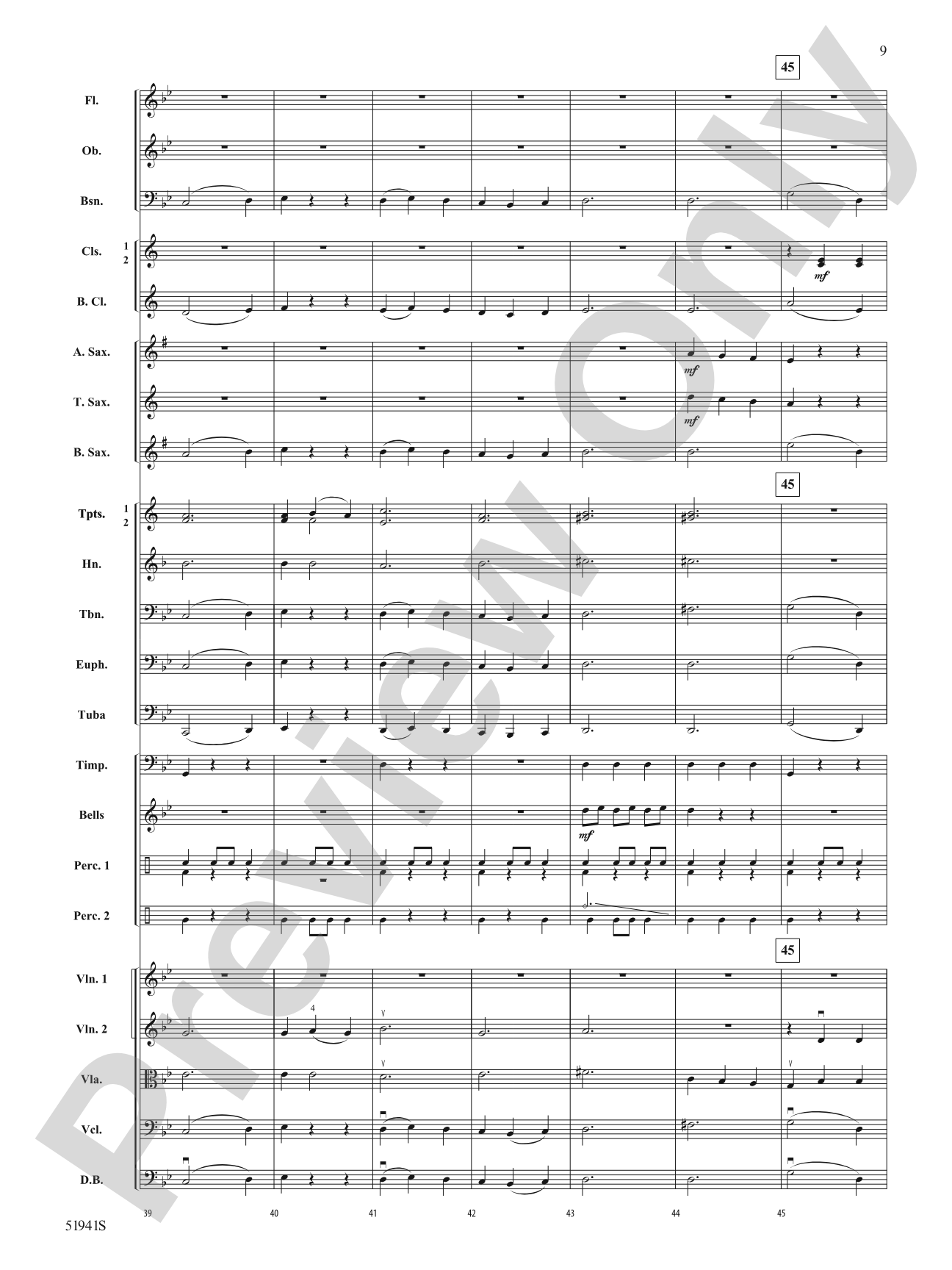
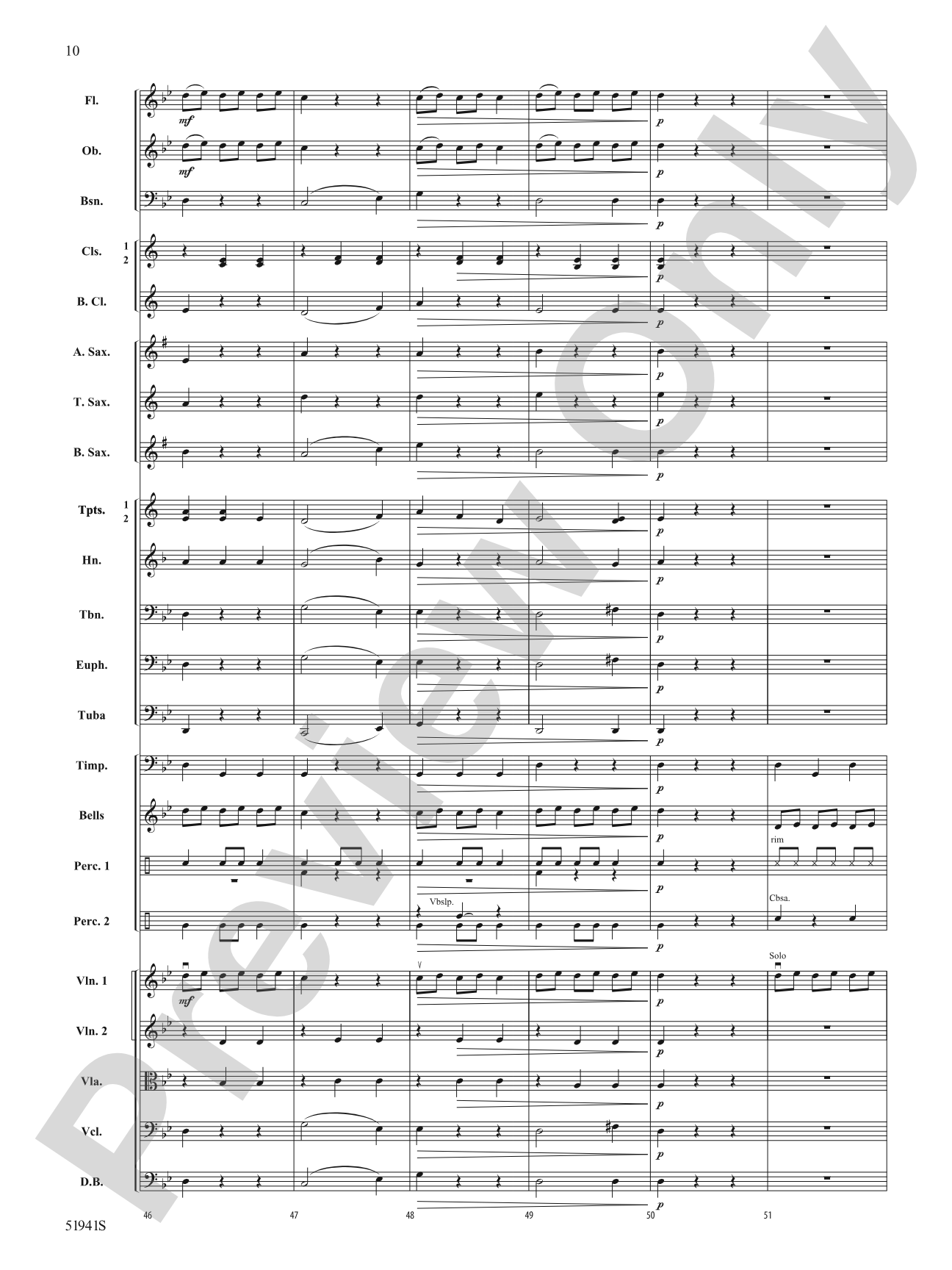
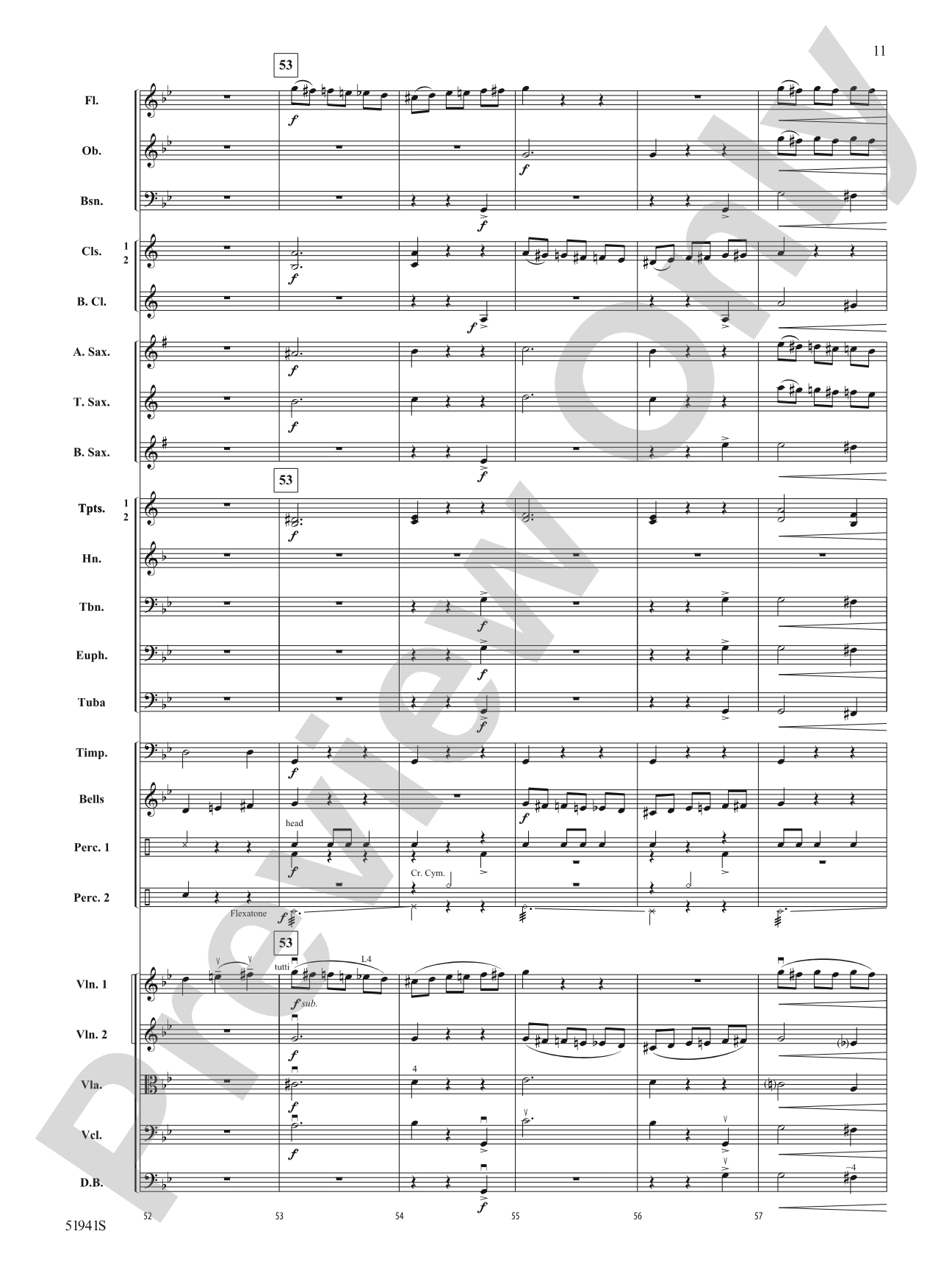
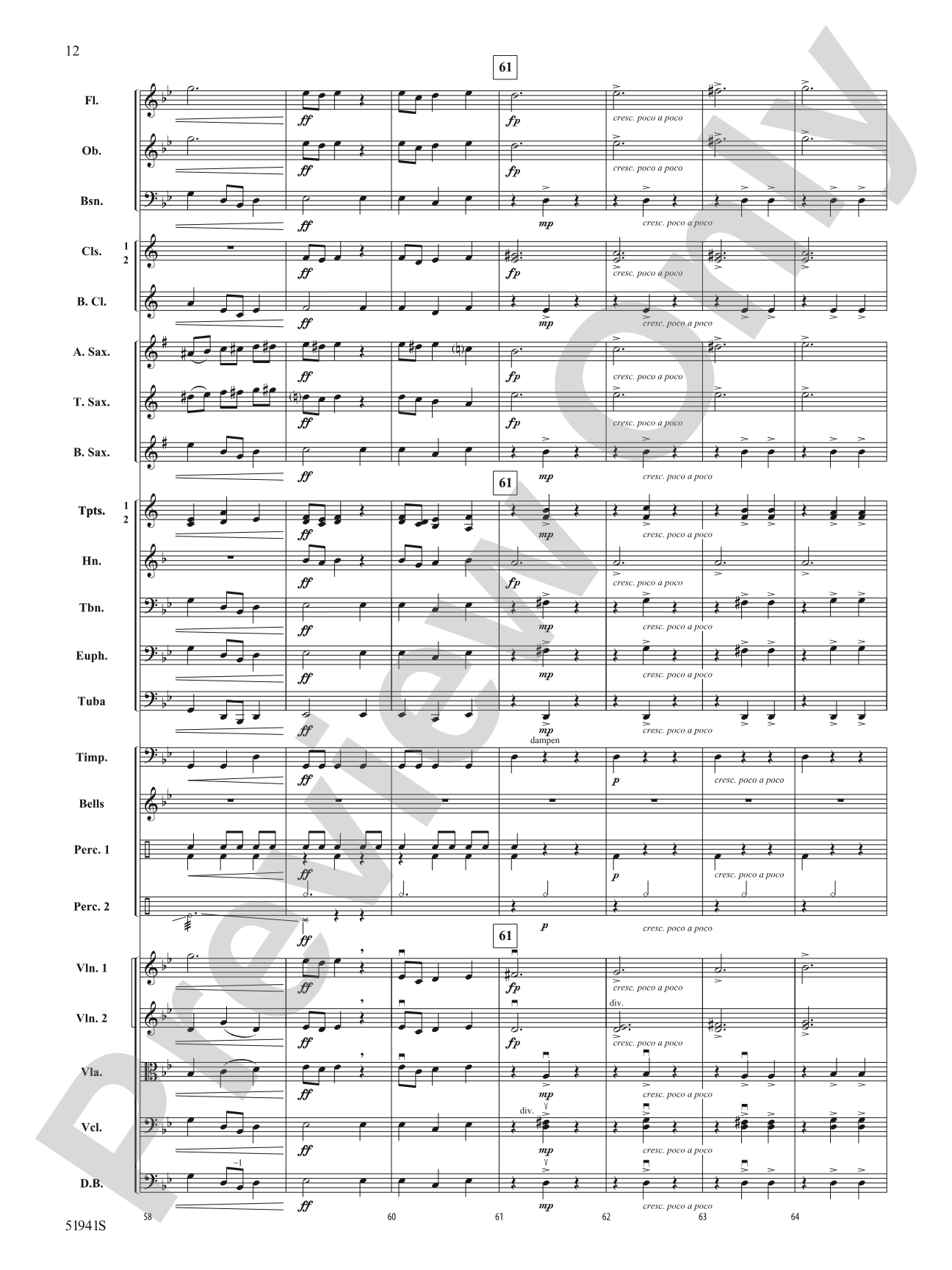
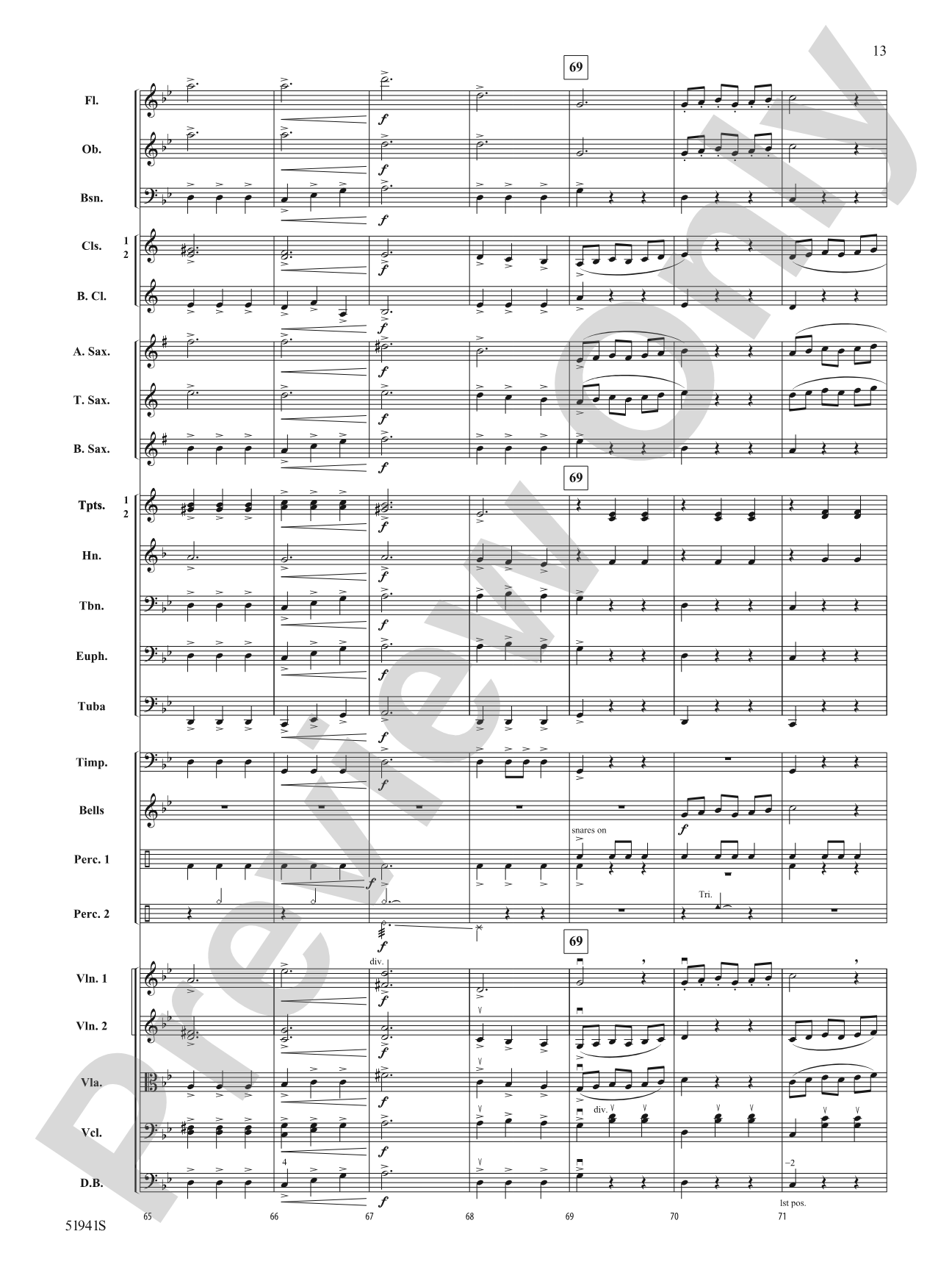
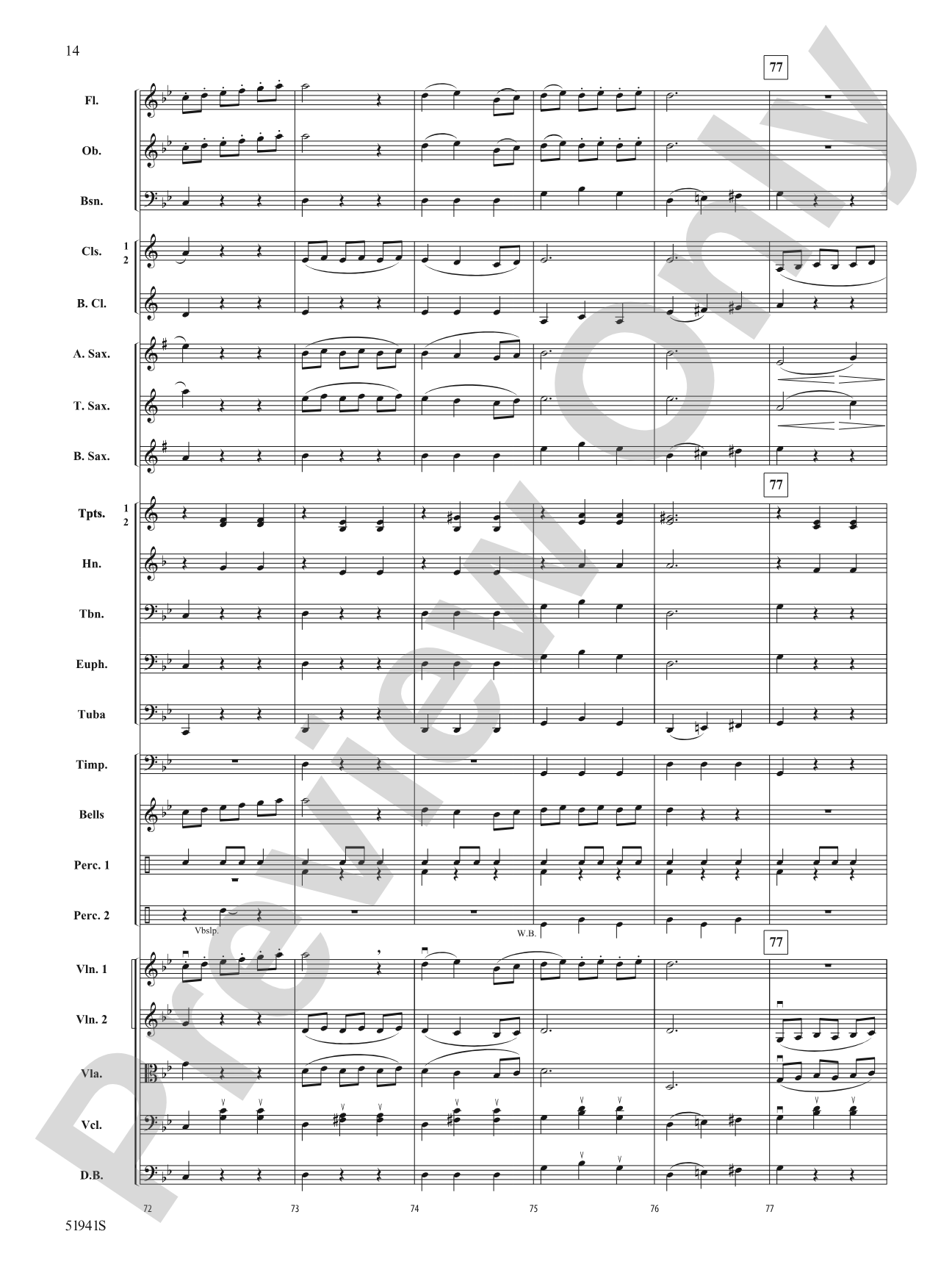
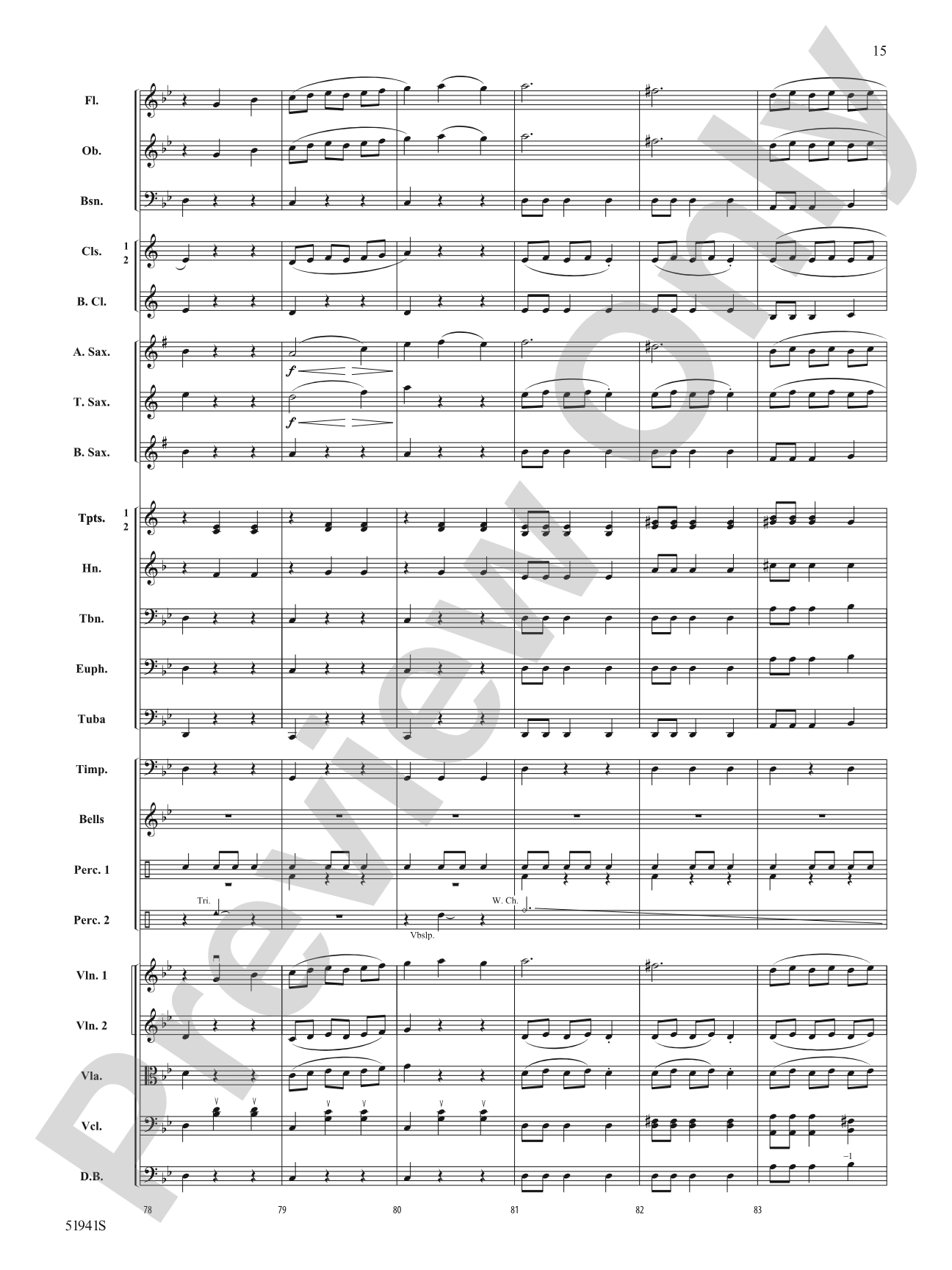
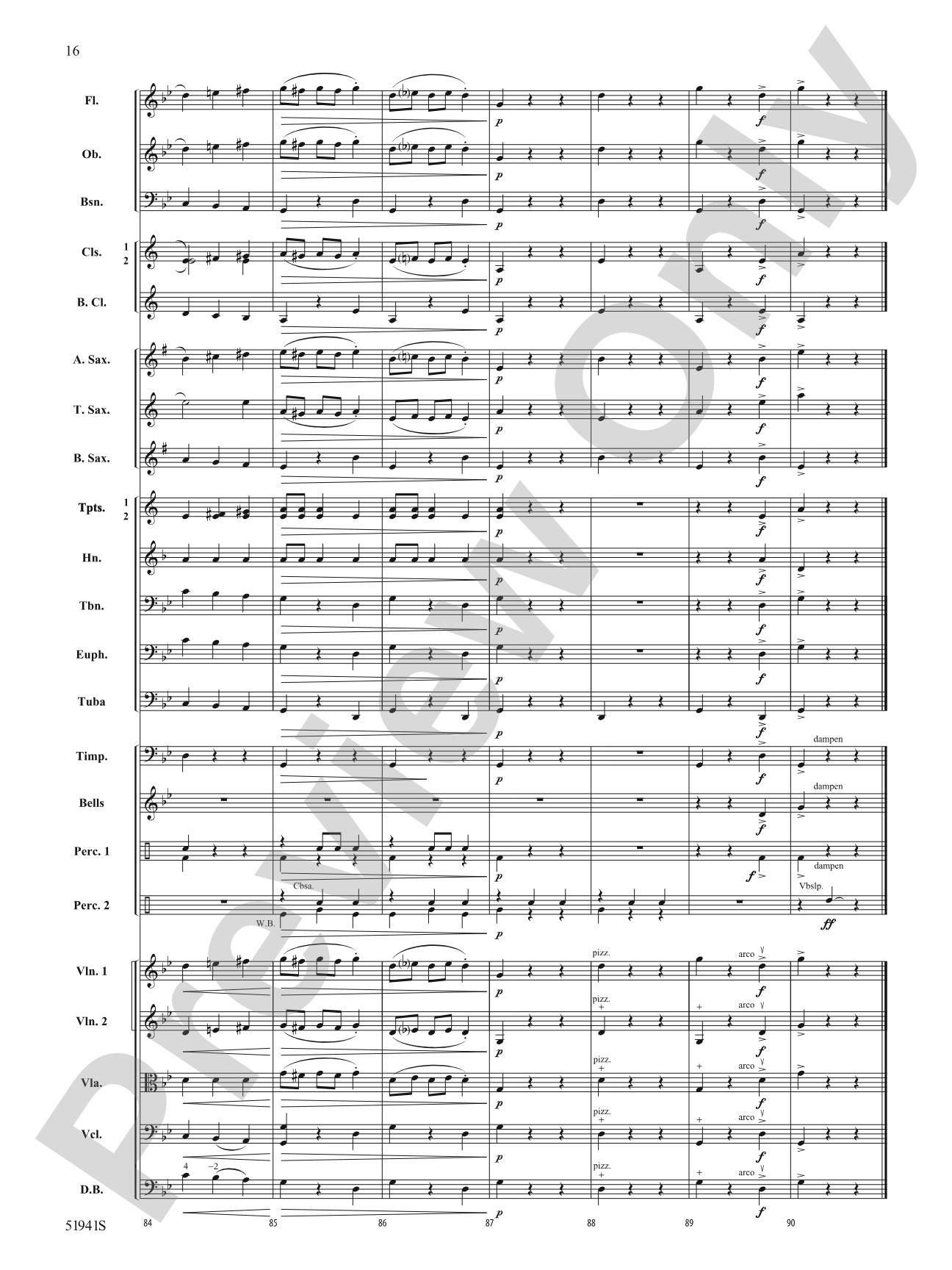

Waltz Macabre: Score
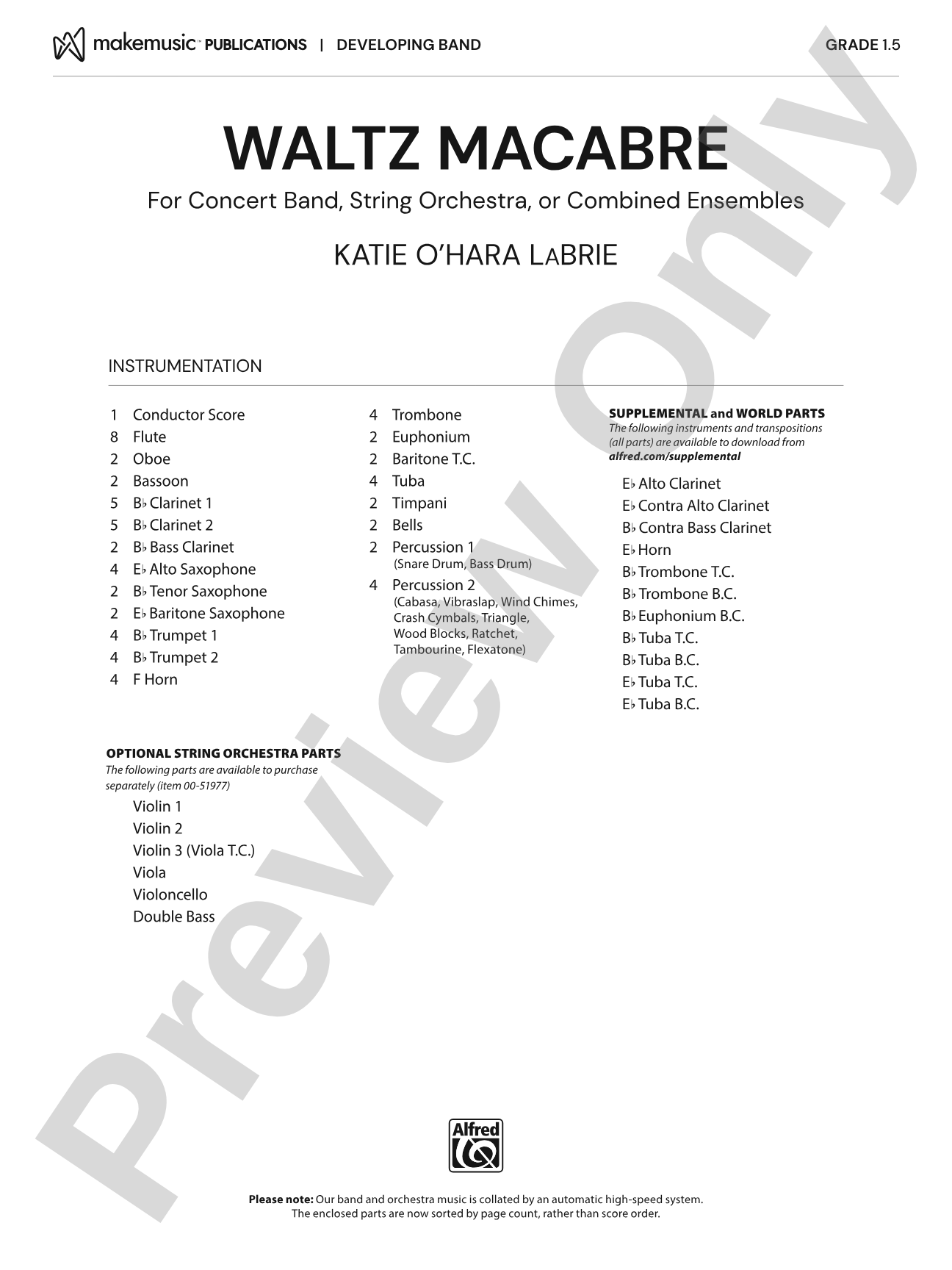
For Concert Band, String Orchestra, or Combined Ensembles
By Katie O'Hara LaBrie
Grade: 1.5
Item: 00-PR-0007666
$10.00
Pickup currently not available
Description
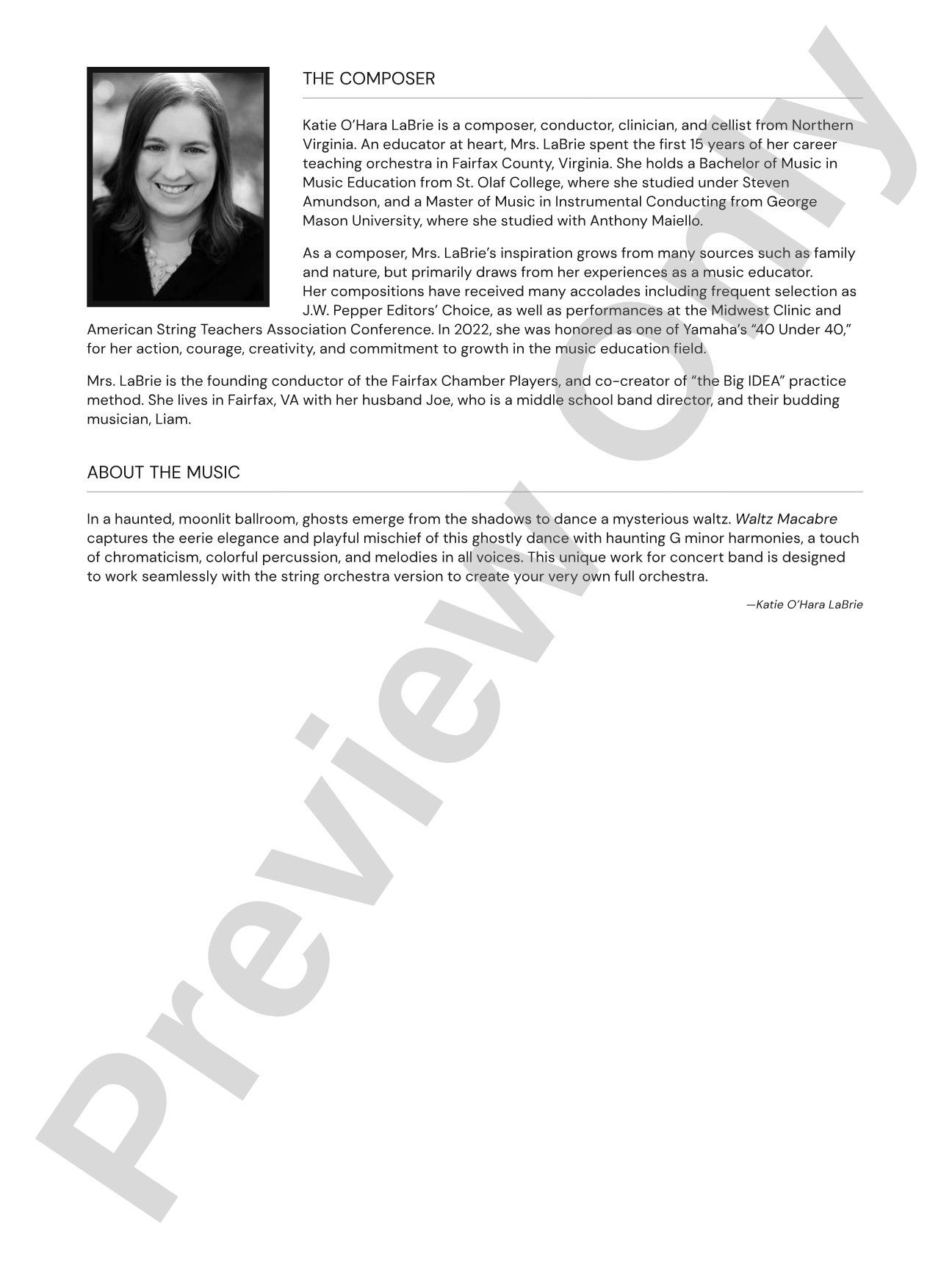
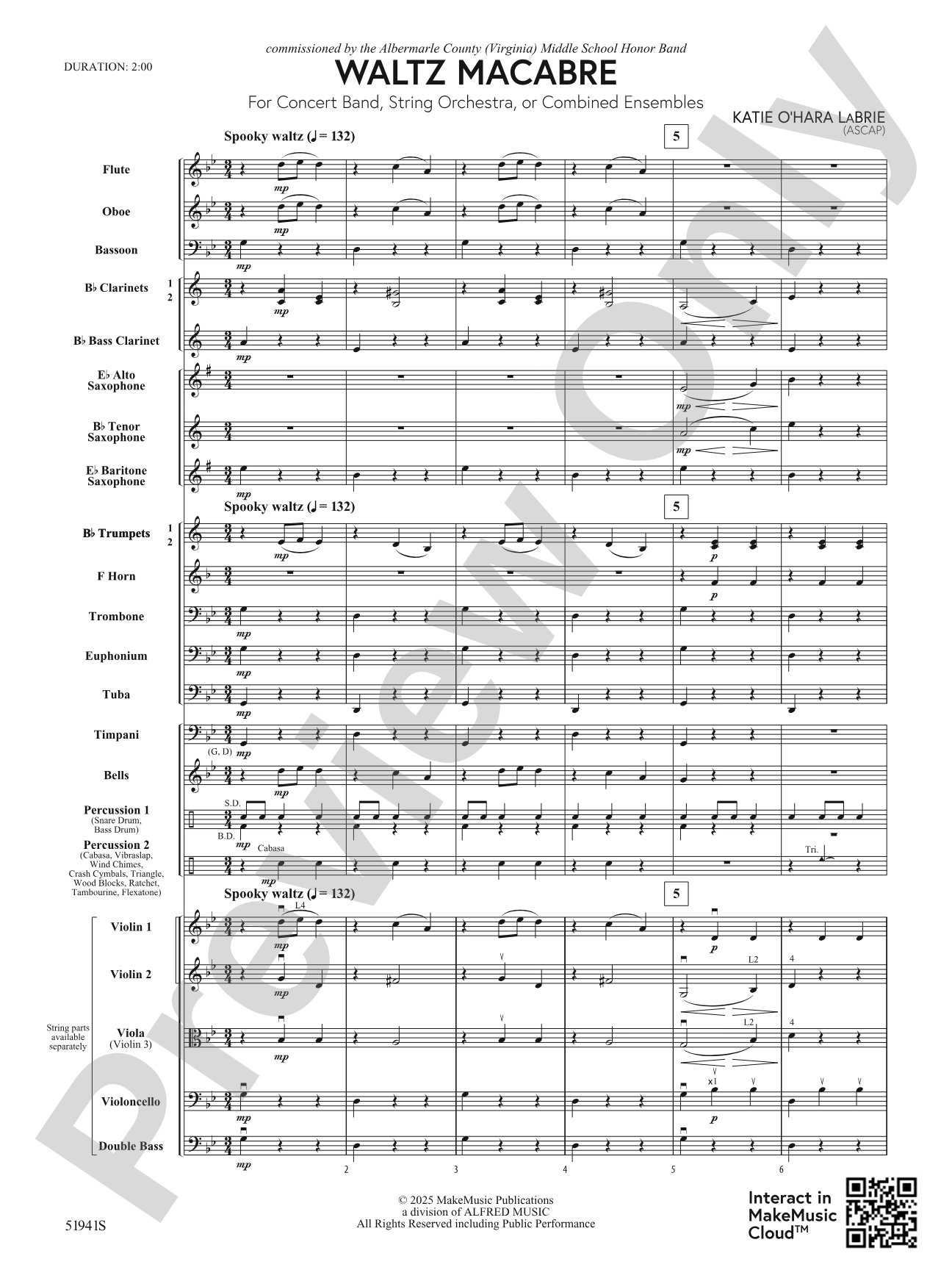
In a haunted, moonlit ballroom, ghosts emerge from the shadows to dance a mysterious waltz. Waltz Macabre by Katie O'Hara LaBrie captures the eerie elegance and playful mischief of this ghostly dance in a unique work for band, designed to work seamlessly with the string orchestra version to create your very own full orchestra! (2:00)


Don't just read it, hear it, play along with it, and watch your students grow with it. In MakeMusic Cloud, Waltz Macabre: Score comes alive with professional accompaniment, adjustable tempo, and built-in practice tools that turn solo practice into real progress.
Open in the Player
Jump straight in and assign it today.
Start Your Free Trial
Open this title and explore the full library in minutes.
Sample Audio
1
Audio File
--:--
0:00
0:00
Sample Video
Additional Details
Series:
MakeMusic Developing Band
Publisher:
MakeMusic Publications
SKU:
00-PR-0007666
More about this title
About the Composer: Katie O'Hara LaBrie

Katie O'Hara LaBrie is a composer, conductor, and cellist whose musical voice is rooted in her decade and a half as an orchestra educator in Fairfax County, Virginia. She earned her Bachelor of Music in Music Education from St. Olaf College and her Master of Music in Instrumental Conducting from George Mason University, where she studied with Anthony Maiello. Her compositions consistently blend pedagogical thoughtfulness with genuine musical appeal, drawing inspiration from family, nature, and the classroom itself.
Recognized as one of Yamaha's "40 Under 40" in 2022, LaBrie has established herself as a composer whose work appears regularly on festival programs and earns J.W. Pepper Editor's Choice selections. She founded the Fairfax Chamber Players and co-created "the Big IDEA" practice method, demonstrating her commitment to helping students develop intentional practice habits. She currently lives in Northern Virginia with her family.
Why we love this
LaBrie designs this piece to bridge concert band and string orchestra, giving you genuine flexibility in how you program Halloween repertoire without requiring two separate purchases. The Grade 1.5 difficulty keeps it accessible for developing ensembles while the two-minute length fits perfectly into a concert program without demanding extensive rehearsal time. The writing balances spooky atmosphere with playful character work, giving your students something genuinely fun to perform rather than a gimmick that wears thin after opening night.
What to expect
Waltz Macabre captures the strange beauty of a ballroom frozen in time, where elegance and mischief coexist. The waltz meter creates a gentle, almost hypnotic sway, while the instrumentation and harmony keep the listener aware something supernatural is unfolding. It's playful rather than frightening, with an energy that feels more "delightful costume party" than "horror film."
Who it's for
Developing concert bands ready for short, thematic works that challenge musicianship without requiring advanced technique. This is equally suited to middle school bands seeking engaging fall repertoire and high school bands looking for lighter pieces to pair with more substantial material on a concert.
How to get the most out of it
- Lean into the waltz lilt. Even though the texture is sparse, maintaining a natural three-beat pulse gives the ghostly material its elegance rather than letting it sound awkward or stilted.
- Balance your melody line clearly against the accompaniment. The orchestration likely features exposed solo moments, so confirm those voices can sing over the harmonic foundation without forcing the dynamics.
- If you plan to combine this with the string orchestra version, map out your instrumentation beforehand. Decide which sections double strings and which maintain independence so the full orchestra version sounds cohesive rather than muddy.
- Use the story (ghosts dancing in a haunted ballroom) to shape phrasing and color. Ask students what the music does when the dance is playful versus when it shifts to genuinely eerie, then conduct accordingly.
How to use it
Use this as your gateway into Halloween programming without committing to a full thematic concert. Two minutes of atmospheric fun pairs well with traditional fall selections or opens a "Spooky Sounds" set if you program multiple seasonal pieces. If your string orchestra also performs it, schedule both ensembles on the same concert and consider a combined bow as a special moment.
Skills your students will build
- Maintaining steady waltz rhythm (3/4 pulse) across phrase lines
- Balancing exposed melodic lines with accompaniment textures
- Shaping musical line through color and dynamic contrast rather than virtuosity
- Responding to narrative and character as interpretive tools