
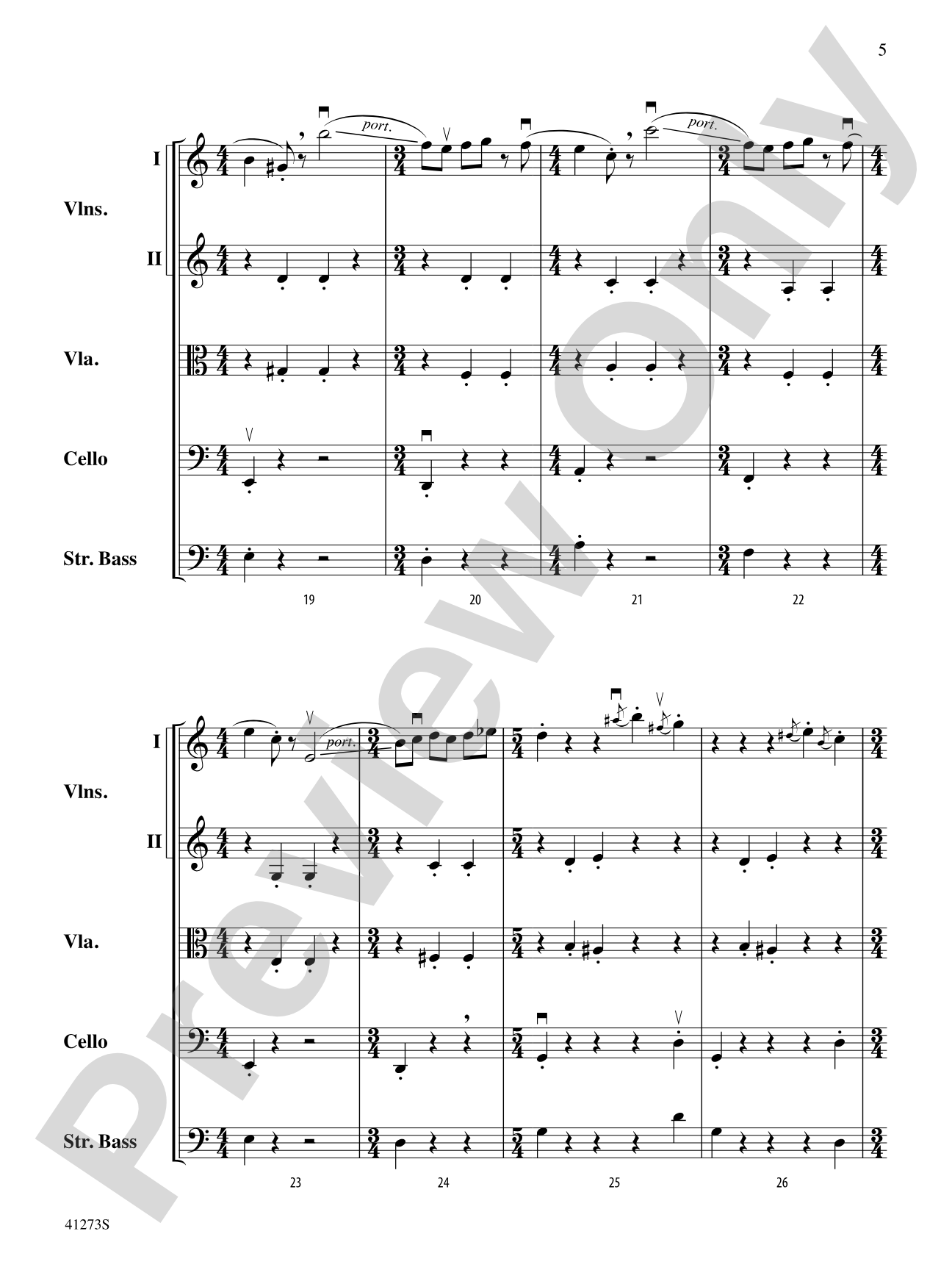
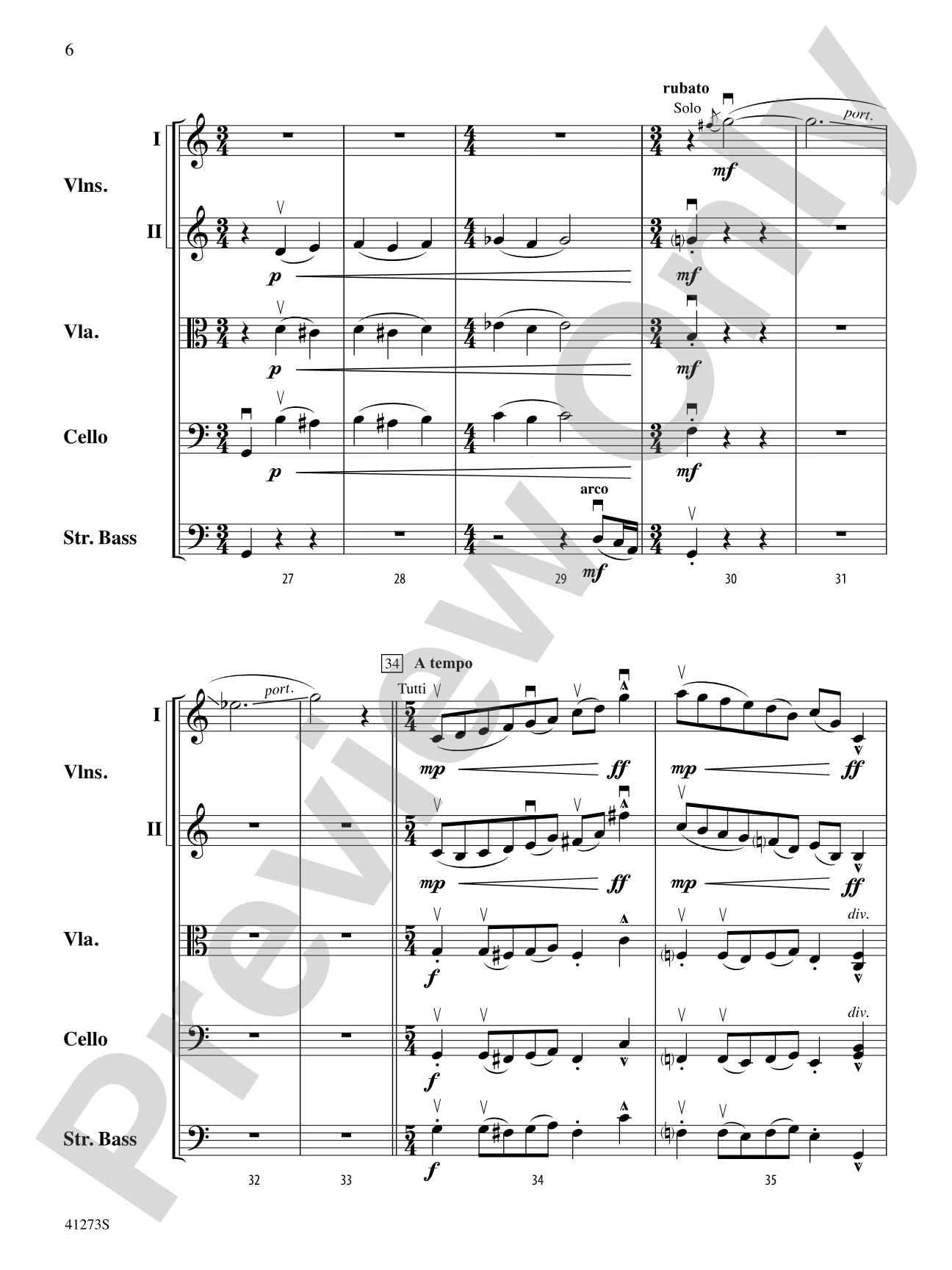
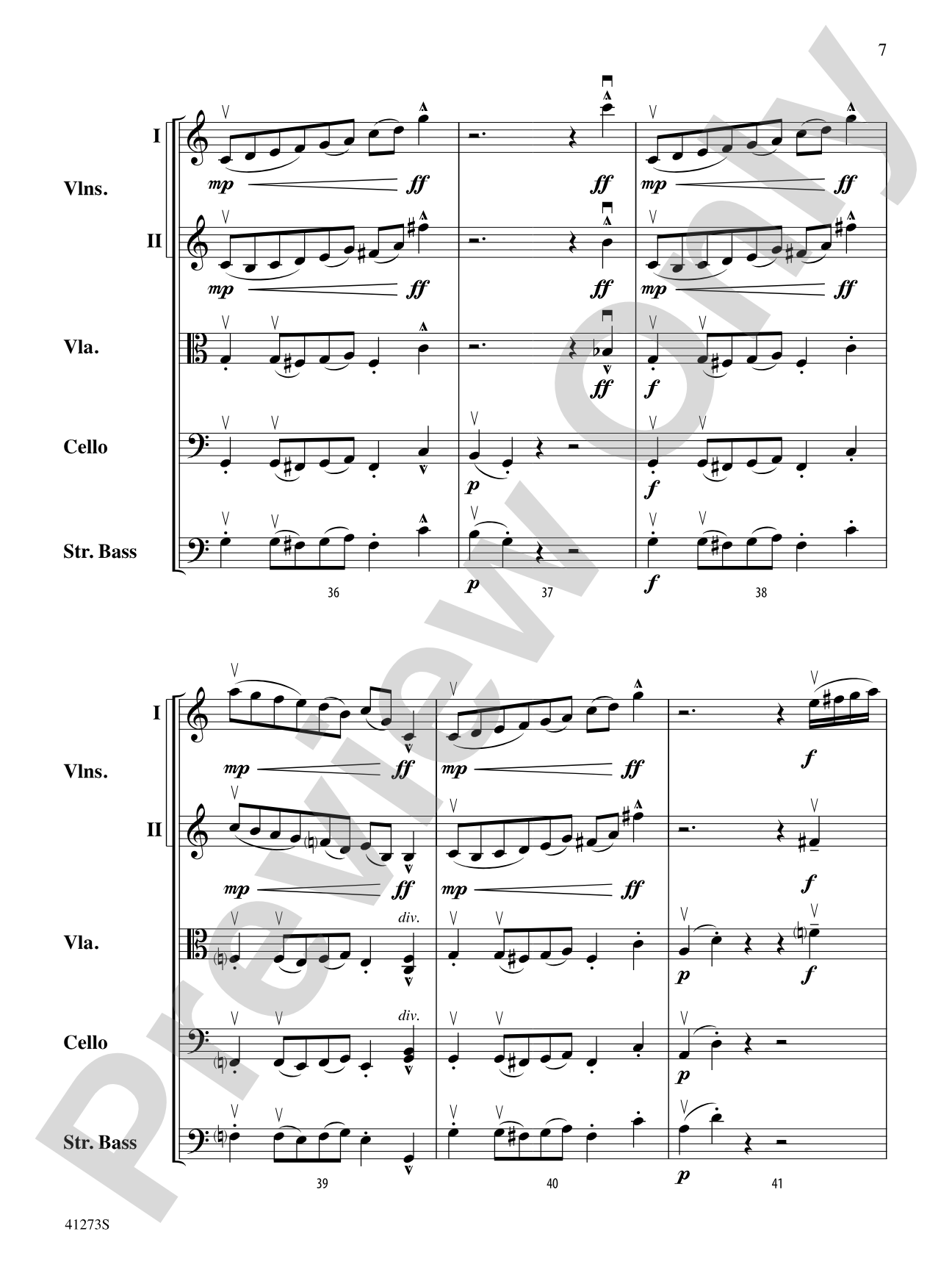
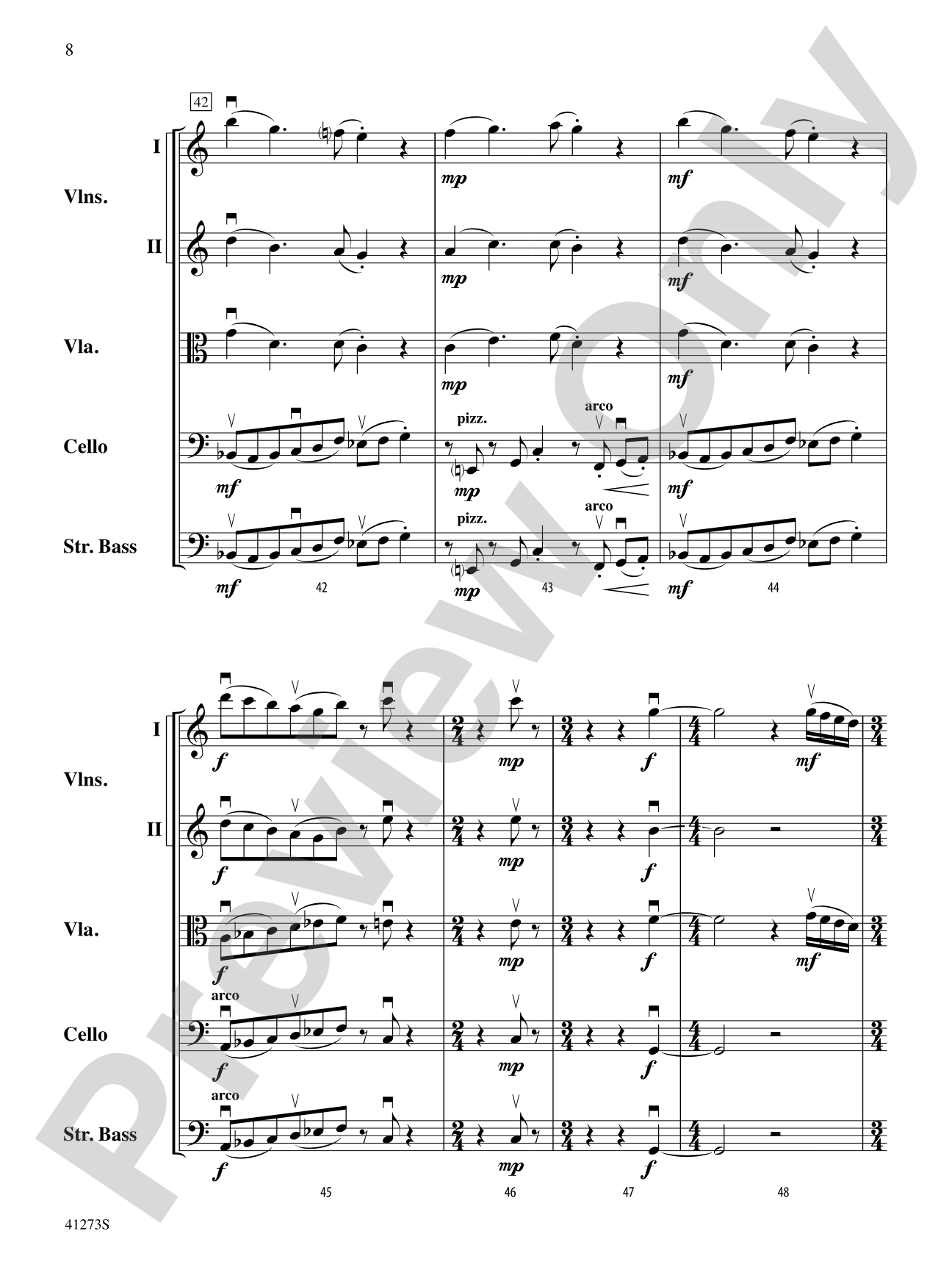

Waltz for Wobbly Wilfred: String Orchestra Conductor Score & Parts
By Thom Sharp
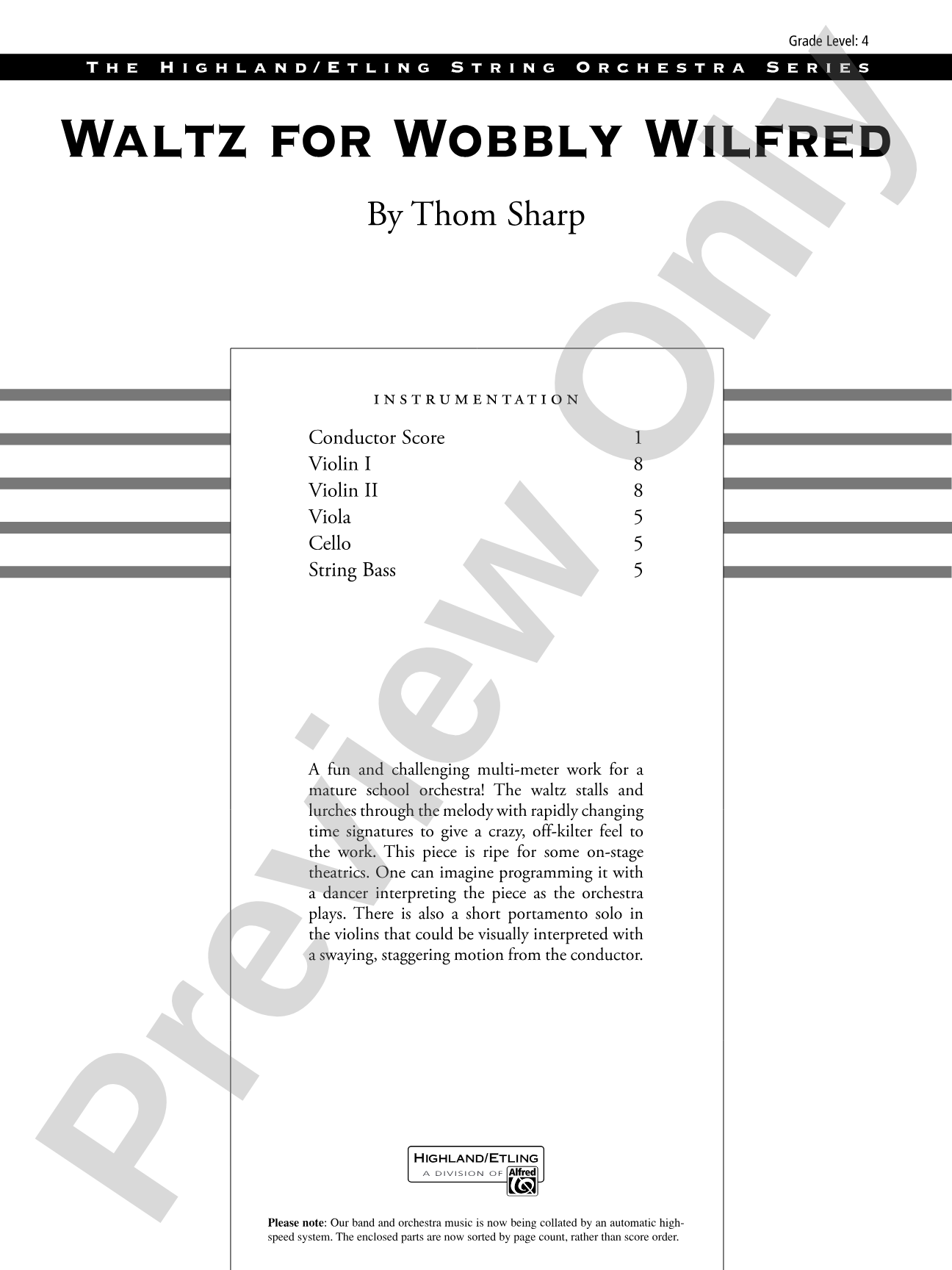
Grade: 4
Item: 00-PK-0006134

$48.00
Pickup currently not available
Buy Extra Parts (Digital PDF Download)
| Product | Price | Quantity |
|---|---|---|
| Waltz for Wobbly Wilfred: Score | $7.00 | |
| Waltz for Wobbly Wilfred: 1st Violin | $5.99 | |
| Waltz for Wobbly Wilfred: 2nd Violin | $5.99 | |
| Waltz for Wobbly Wilfred: Viola | $5.99 | |
| Waltz for Wobbly Wilfred: Cello | $5.99 | |
| Waltz for Wobbly Wilfred: String Bass | $5.99 |
Parts Added to Cart!
Description
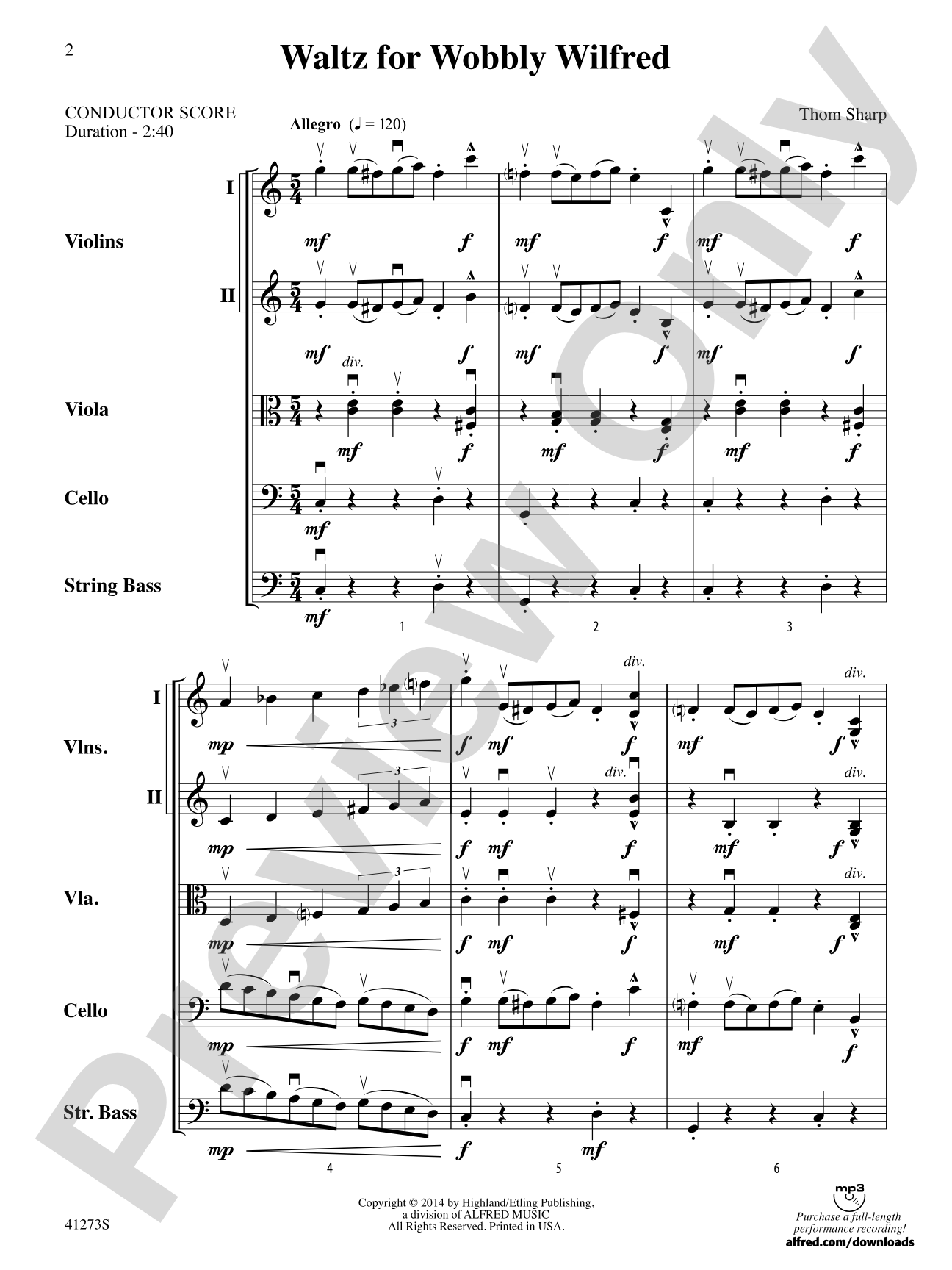
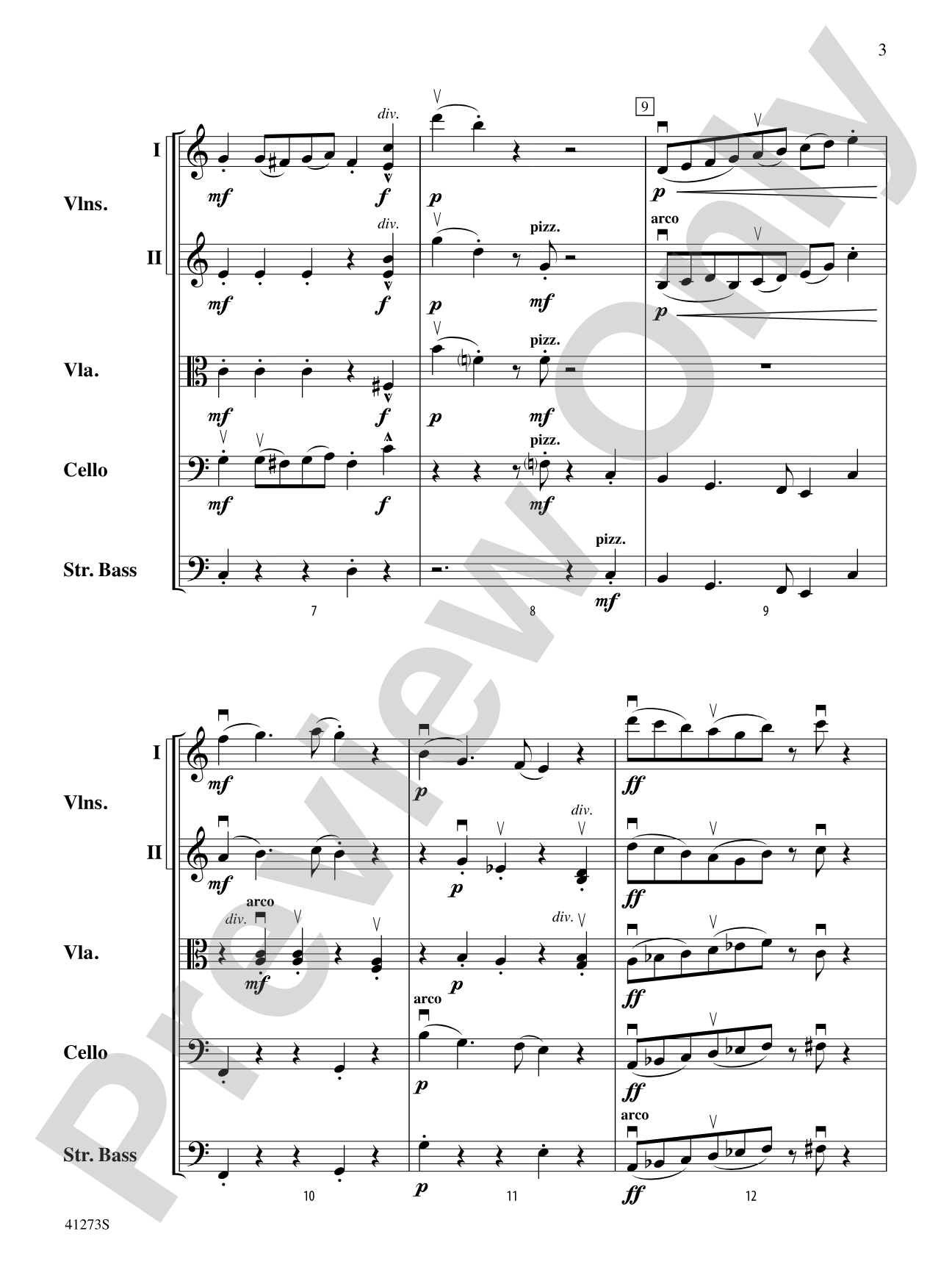
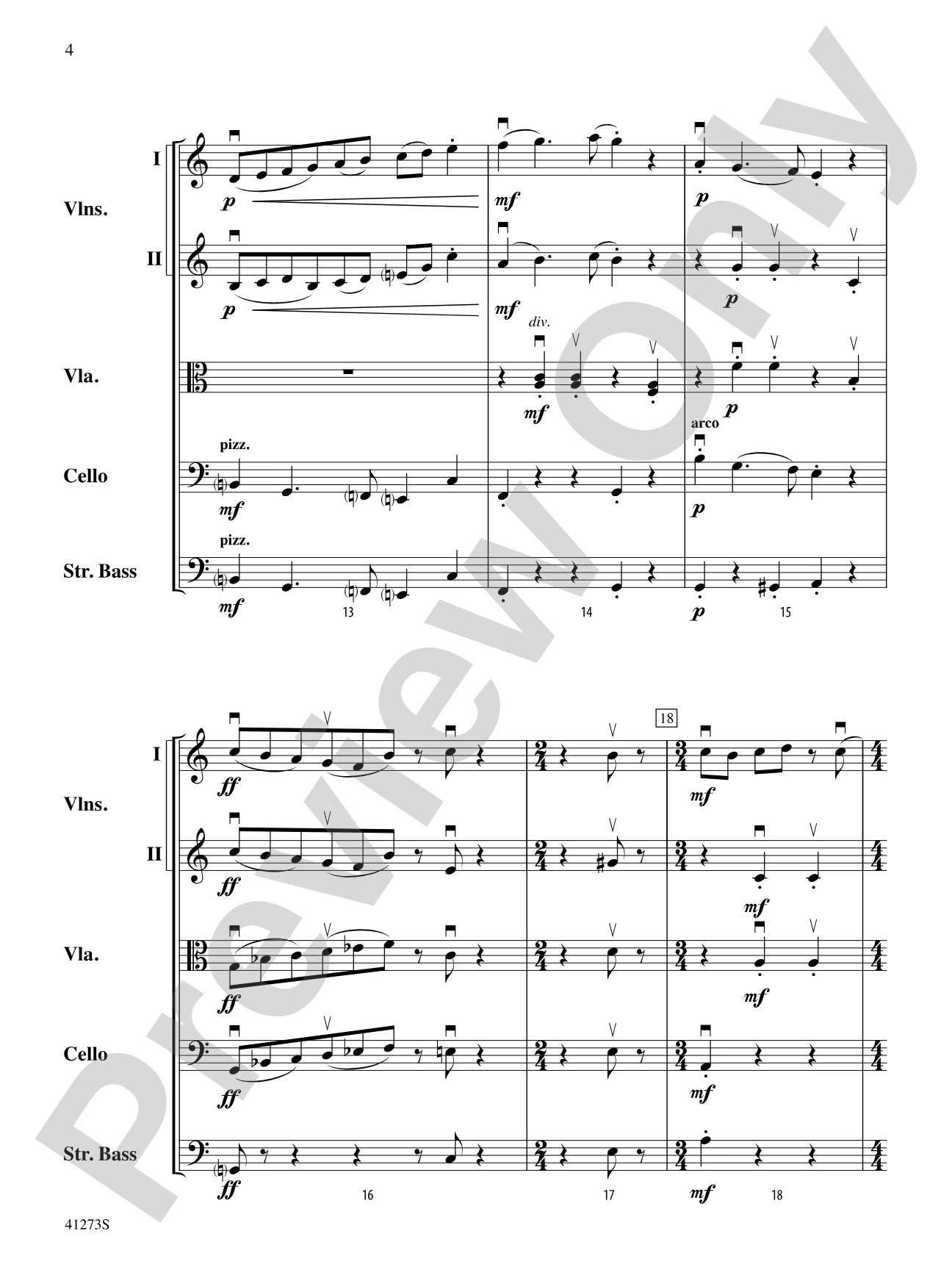
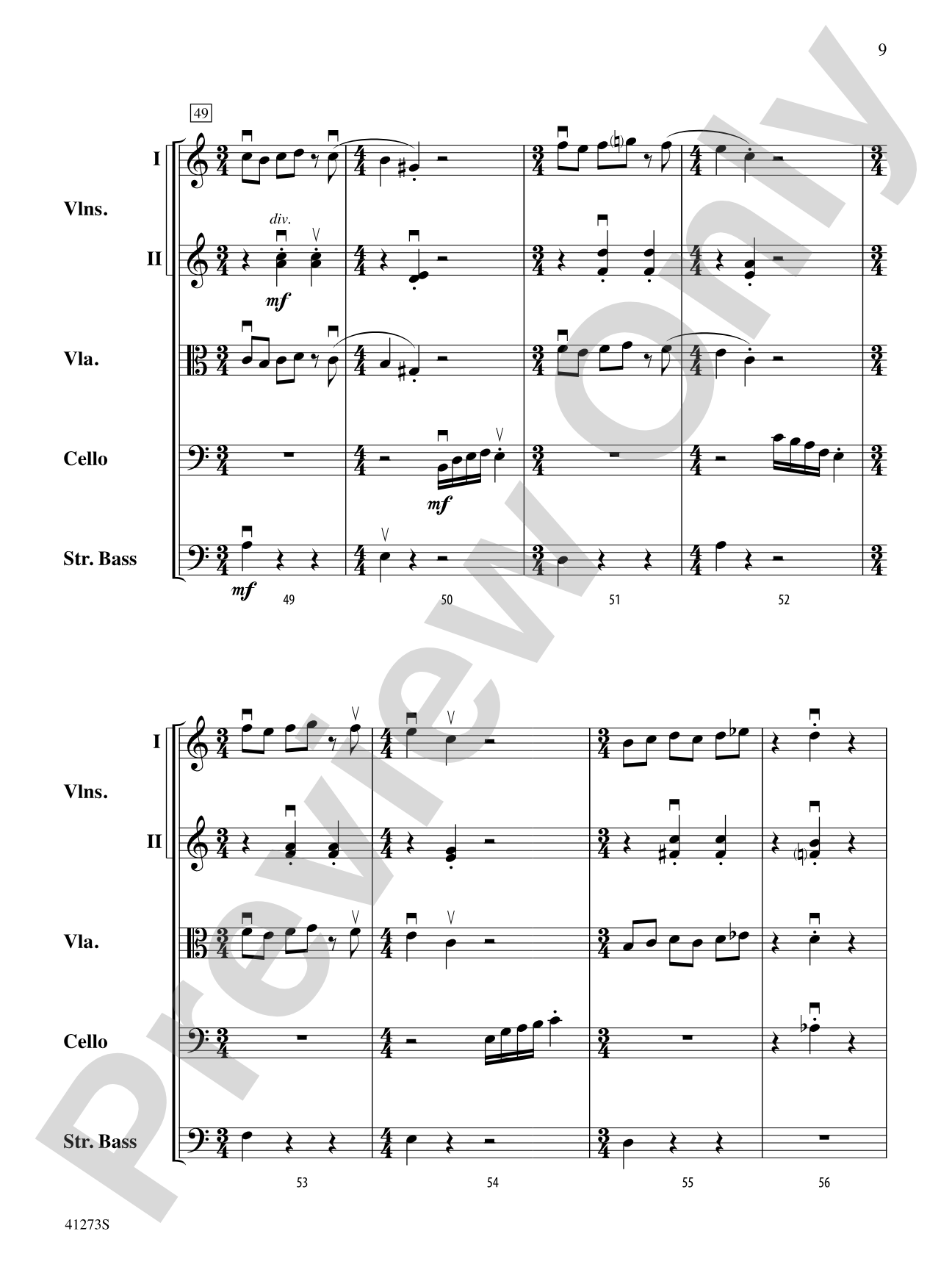
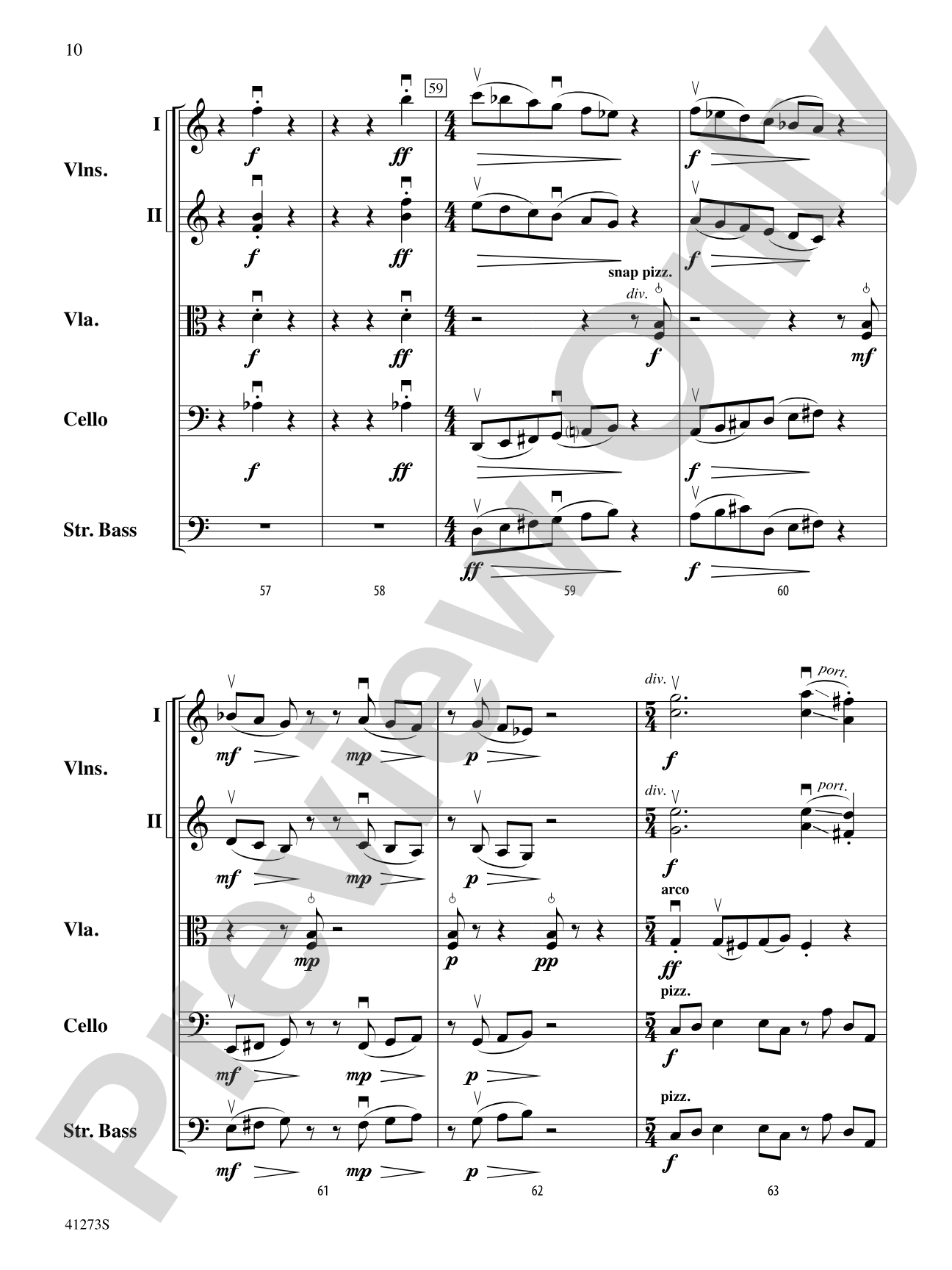
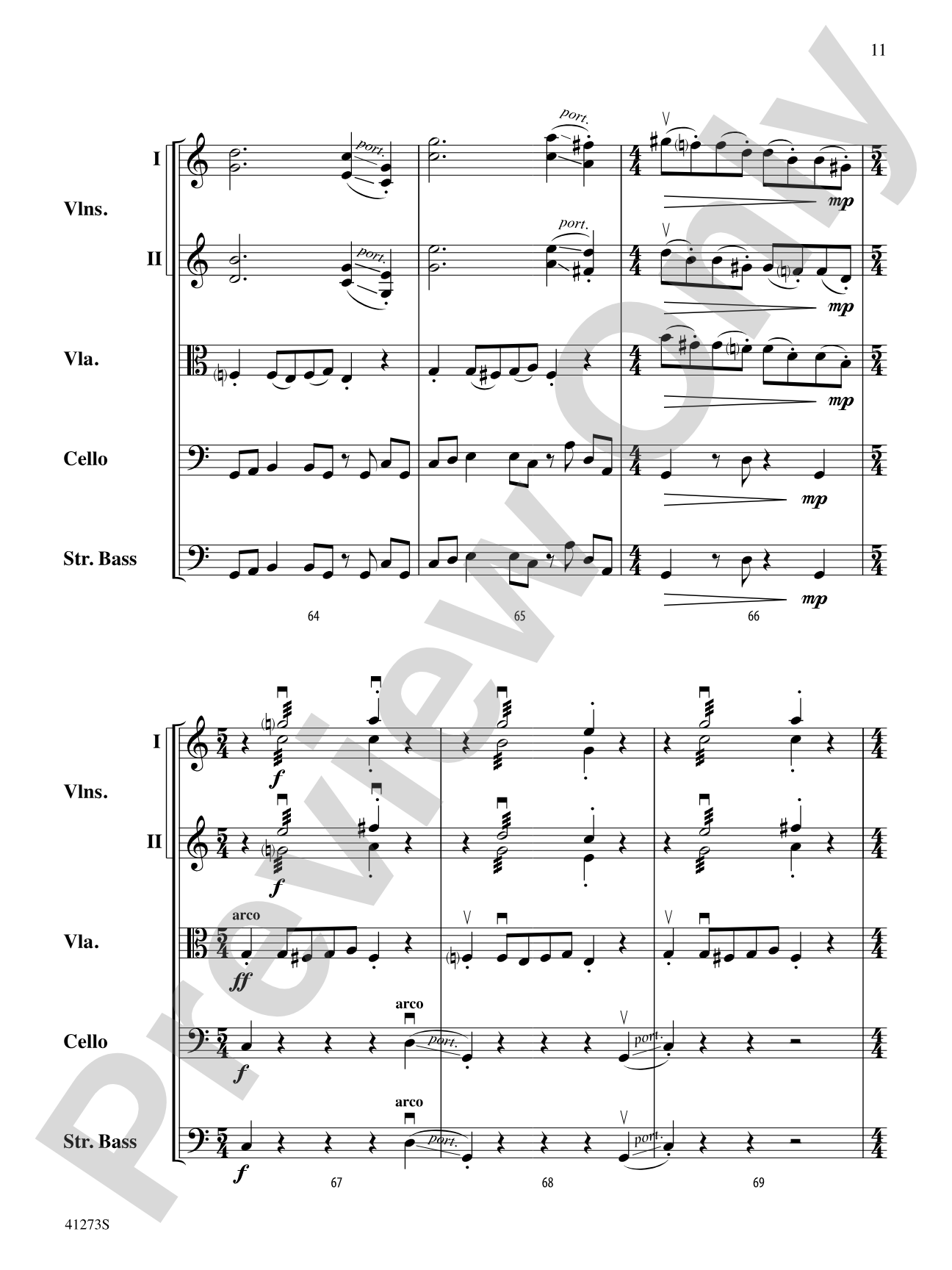
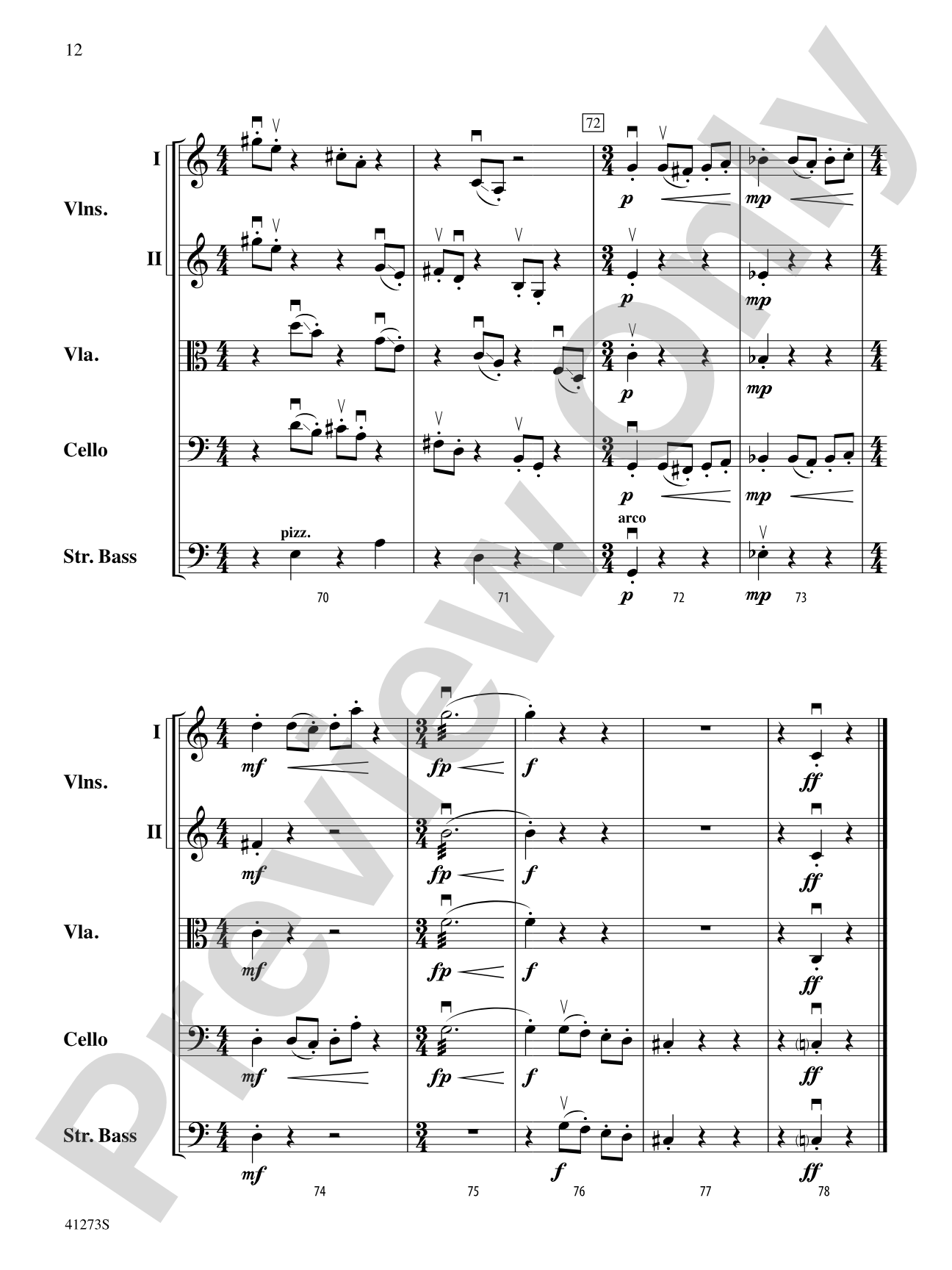
A fun and challenging multi-meter work for a mature school orchestra! The waltz stalls and lurches through the melody with rapidly changing time signatures to give a crazy, off-kilter feel to the work. This piece is ripe for some on-stage theatrics. (2:40) This title is available in MakeMusic Cloud.


Don't just read it, hear it, play along with it, and watch your students grow with it. In MakeMusic Cloud, Waltz for Wobbly Wilfred: String Orchestra Conductor Score & Parts comes alive with professional accompaniment, adjustable tempo, and built-in practice tools that turn solo practice into real progress.
Open in the Player
Jump straight in and assign it today.
Start Your Free Trial
Open this title and explore the full library in minutes.
Sample Audio
1
Audio File
--:--
0:00
0:00
Sample Video
No sample videos found.
Additional Details
Series:
Highland/Etling String Orchestra
Publisher:
Alfred Music
Page Count:
124
SKU:
00-PK-0006134
More about this title
Why we love this
Sharp writes novelty pieces with genuine musical substance. The rapid meter changes never feel gimmicky because they're woven into the melodic fabric, forcing your orchestra to listen and respond rather than coast through familiar patterns. It's the kind of work that makes musicians grateful they learned to read.
What to expect
Imagine a waltz that keeps stumbling over its own feet, only to right itself just in time. The melody weaves through unexpected time signature changes that create a delightfully tipsy, off-balance quality. Despite its playful theatrics, the piece maintains genuine musical integrity, making it engaging for players who might otherwise roll their eyes at novelty repertoire.
Who it's for
Conductors leading mature school orchestras (Grade 4 and above) who want to challenge their ensemble's rhythmic literacy and musical maturity without relying on dense chromatic harmony or extreme range demands. This work rewards careful preparation and a section that's willing to think critically about pulse and meter.
How to get the most out of it
- Establish a clear conducting pattern for each meter change before rehearsal. Mark your score with visual cues (box the time signature, color-code sections) so you can lead decisively without hunting for the next barline.
- Isolate the meter transitions in sectional rehearsals. Have strings anchor the pulse in the new meter while you count aloud; this builds security faster than running the whole piece repeatedly.
- Encourage the orchestra to lean into the theatrical potential. The off-kilter rhythm is intentional, so slight exaggeration of the 'lurches' in phrasing will make the character land without sacrificing accuracy.
- Record a rehearsal and listen back as an ensemble. Hearing the meter shifts in context helps musicians internalize the progression and adjust their timing instinctively.
How to use it
Program this as a spring concert opener or a mid-program palate cleanser between weightier works. The theatrical nature and 2:40 duration make it ideal for showcasing your orchestra's rhythmic sophistication while giving the audience a moment of musical humor. It works especially well in all-strings showcase concerts where the focus is on the ensemble's technical development.
Skills your students will build
- Reading and executing rapidly changing meter (waltz, cut time, and other signatures in quick succession)
- Maintaining ensemble pulse during metric modulation and irregular phrasing
- Coordinating entrances and cutoffs across meter changes
- Musical interpretation of character and theatrical expression while managing technical complexity
- Listening to the conductor's gesture across metric shifts rather than relying on counting alone