Walden: Ballad for Strings Cover Image

Walden: Ballad for Strings: String Orchestra Conductor Score and Parts

$45.00 USD
Sale price  $45.00 USD Regular price 
Skip to product information
Walden: Ballad for Strings Cover Image

Walden: Ballad for Strings: String Orchestra Conductor Score and Parts

By Edmund J. Siennicki

Grade: 2

Item: 36-20250690

$45.00
Shipped

One moment…

Description
Walden is a beautiful new ballad for strings by one of the most respected composers for young performers. Warm harmonies support a pastoral melody, while exquisite moving lines for all parts make this work an important addition to the literature for developing string orchestras.

Walden: Ballad for Strings: String Orchestra Conductor Score and Parts isn't in MakeMusic Cloud just yet...but it could be. Let us know you'd like to see it, and you'll help shape what comes next. In the meantime, start a free trial and dive into thousands of interactive titles your students can play along with today.

Sample Pages

No sample pages found.

Sample Audio
No sample audio found.
Sample Video
Additional Details
Series: Great Works Publishing - LudwigMasters
Publisher: Keiser Productions, Inc.
ISBN10: 1-57-891765-4
ISBN13: 978-1-57-891765-5
UPC: 660355046018
SKU: 36-20250690
Instrumentation: String Orchestra

More about this title

About the Composer: Edmund J. Siennicki
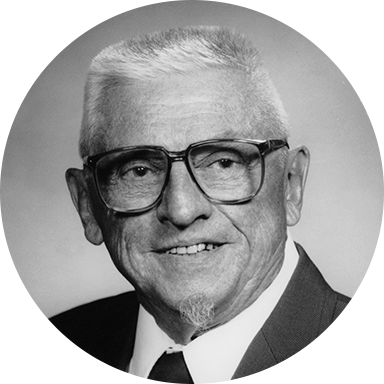
Edmund J. Siennicki

Edmund J. Siennicki was born in Cleveland in 1920 and studied composition with Herbert Elwell and Vincent Persichetti, earning degrees from Kent State University and Teachers College, Columbia University. A formative moment came at age 12 when he met pianist Ignacy Jan Paderewski; that conversation shaped his artistic direction for decades to come. Beyond composition, he performed professionally on bassoon and piano, and his fight song for Kent State remains a staple at the university's football games.

Siennicki's output spans approximately 200 published works, many of which have won recognition in National School Orchestra composition contests. He spent two residencies at the MacDowell Colony and received annual ASCAP awards for the past 20 years. His teaching career centered in Cleveland junior high schools, though he also served on the faculty at Michigan State and Kent State University. He continues to compose and conduct clinics in schools.

Why we love this

Siennicki writes for young ensembles with genuine warmth and textural sophistication. Walden manages to sound elegant and accessible simultaneously, giving every section material that feels important while keeping technical demands realistic for Grade 2 orchestras. Directors appreciate his gift for writing moving lines that prevent any part from sitting idle.

What to expect

Walden evokes open countryside and quiet reflection. Warm harmonic progressions envelop a graceful melody, while carefully crafted inner voices create depth and movement without disrupting the work's contemplative mood. The result feels both intimate and spacious.

Who it's for

String orchestras at the Grade 2 level, particularly those ready to move beyond rhythmically driven pieces into works that emphasize melody, harmonic color, and sustained playing. This ballad suits ensembles developing musicianship in lyrical contexts.

How to get the most out of it

  • Balance the pastoral melody against the supporting harmonies by ensuring the primary melodic voice leads clearly while secondary voices blend in support rather than compete.
  • Shape phrases through subtle dynamic swells that follow the natural contours of the melody; avoid sudden dynamic shifts that interrupt the ballad's peaceful character.
  • Maintain warm, singing tone quality throughout all sections; treat this work as a vehicle for developing sustained, expressive playing rather than technical display.

How to use it

Program this early in a concert to establish a lyrical tone, or pair it with contrasting works to showcase your orchestra's range of musical expression. It also serves well as a teaching performance, demonstrating how young ensembles can convey genuine artistry through careful attention to tone and phrasing.

Skills your students will build

  • Sustaining warm, singing tone across an entire phrase
  • Balancing melody and accompaniment within the ensemble
  • Shaping legato passages with subtle dynamic inflection
  • Listening across parts to blend and support harmonic movement

You May Also Like