


Wait Your Turn!: String Orchestra Conductor Score & Parts
By Doug Spata
Grade: 1
Item: 00-PK-0004502

$48.00
Pickup currently not available
Buy Extra Parts (Digital PDF Download)
| Product | Price | Quantity |
|---|---|---|
| Wait Your Turn!: Score | $9.00 | |
| Wait Your Turn!: 1st Violin | $5.99 | |
| Wait Your Turn!: 2nd Violin | $5.99 | |
| Wait Your Turn!: Viola | $5.99 | |
| Wait Your Turn!: Cello | $5.99 | |
| Wait Your Turn!: String Bass | $5.99 | |
| Wait Your Turn!: Drums | $5.99 | |
| Wait Your Turn!: Piano Accompaniment | $5.99 |
Parts Added to Cart!
Description
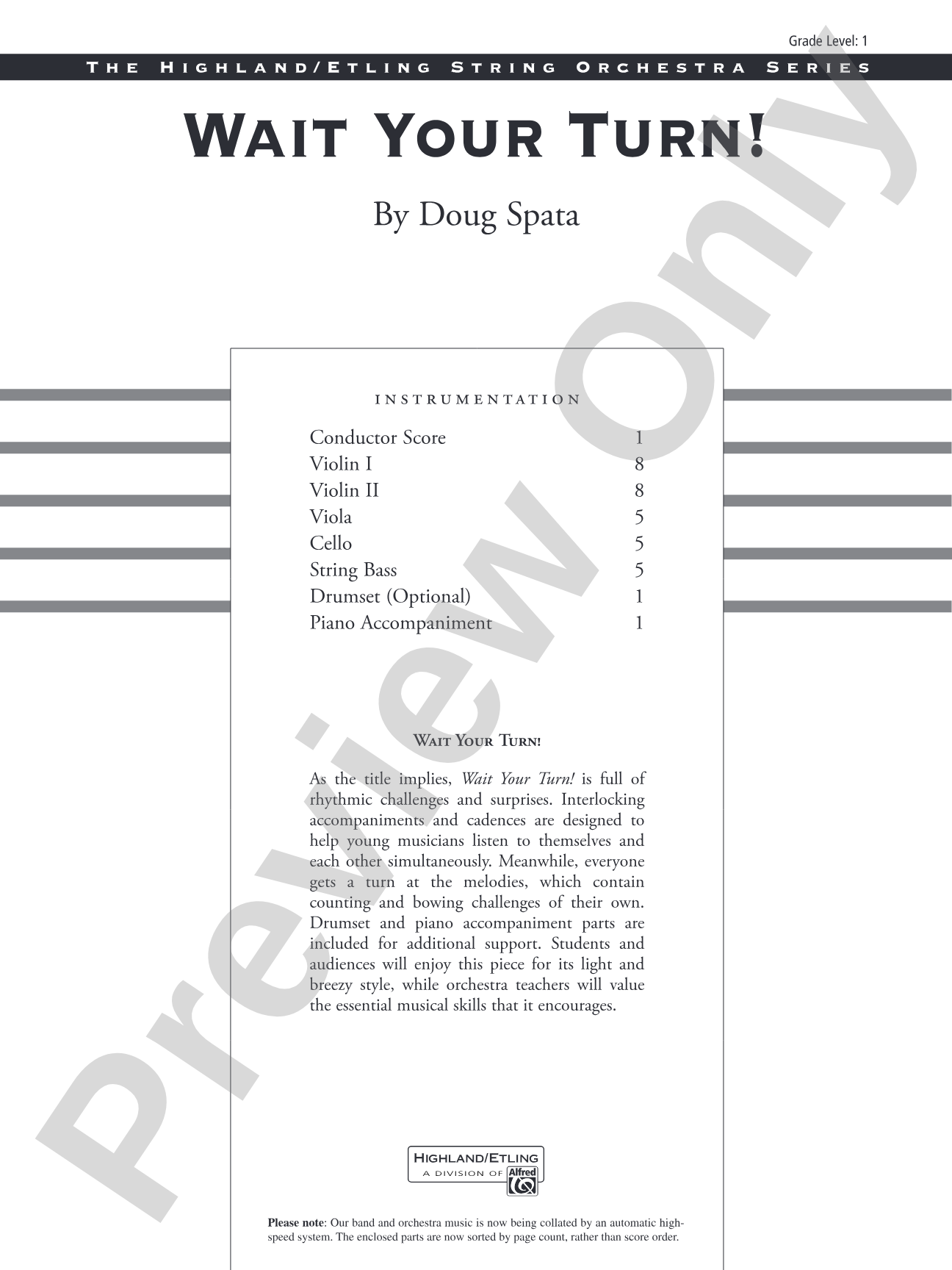
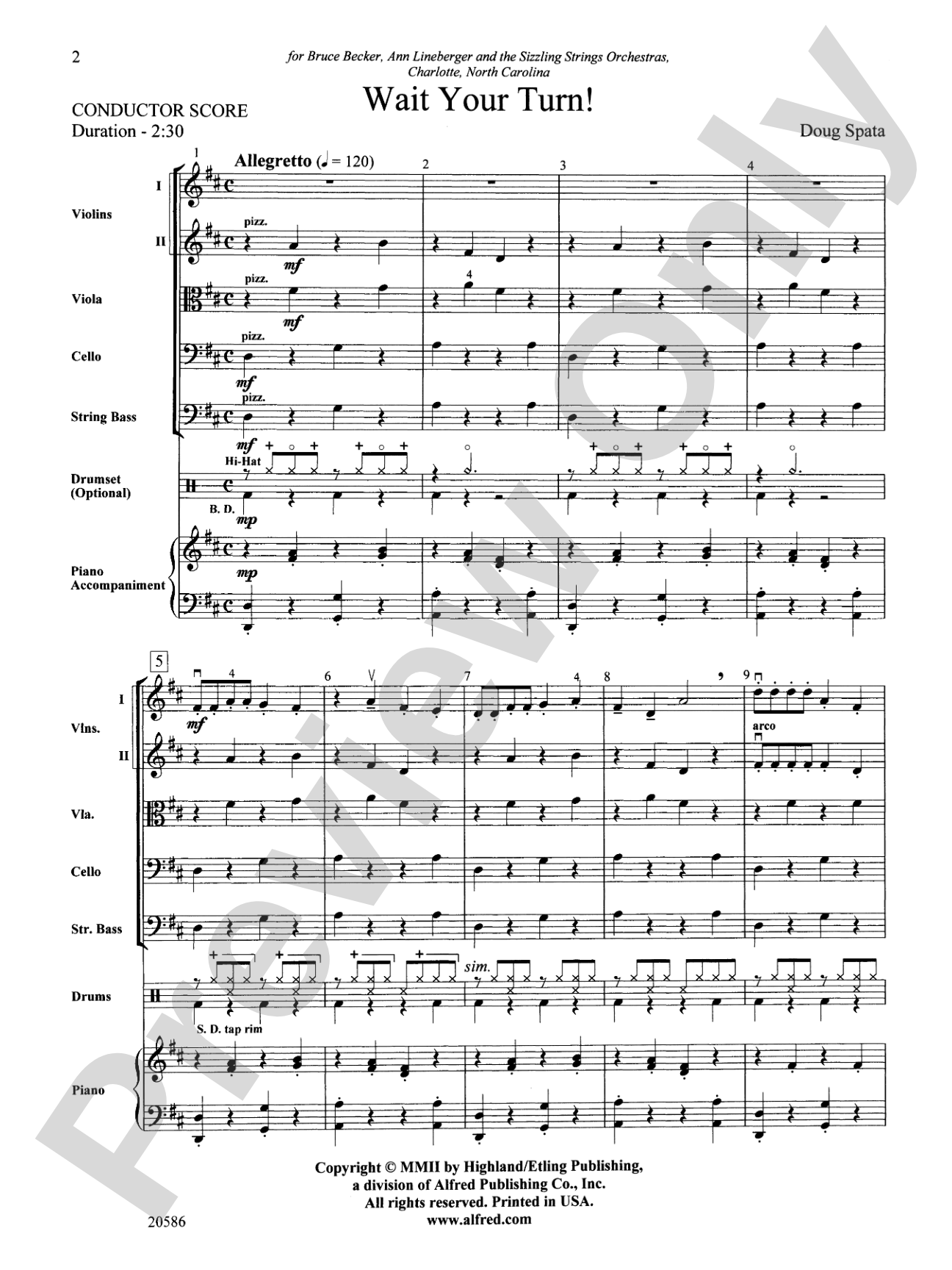
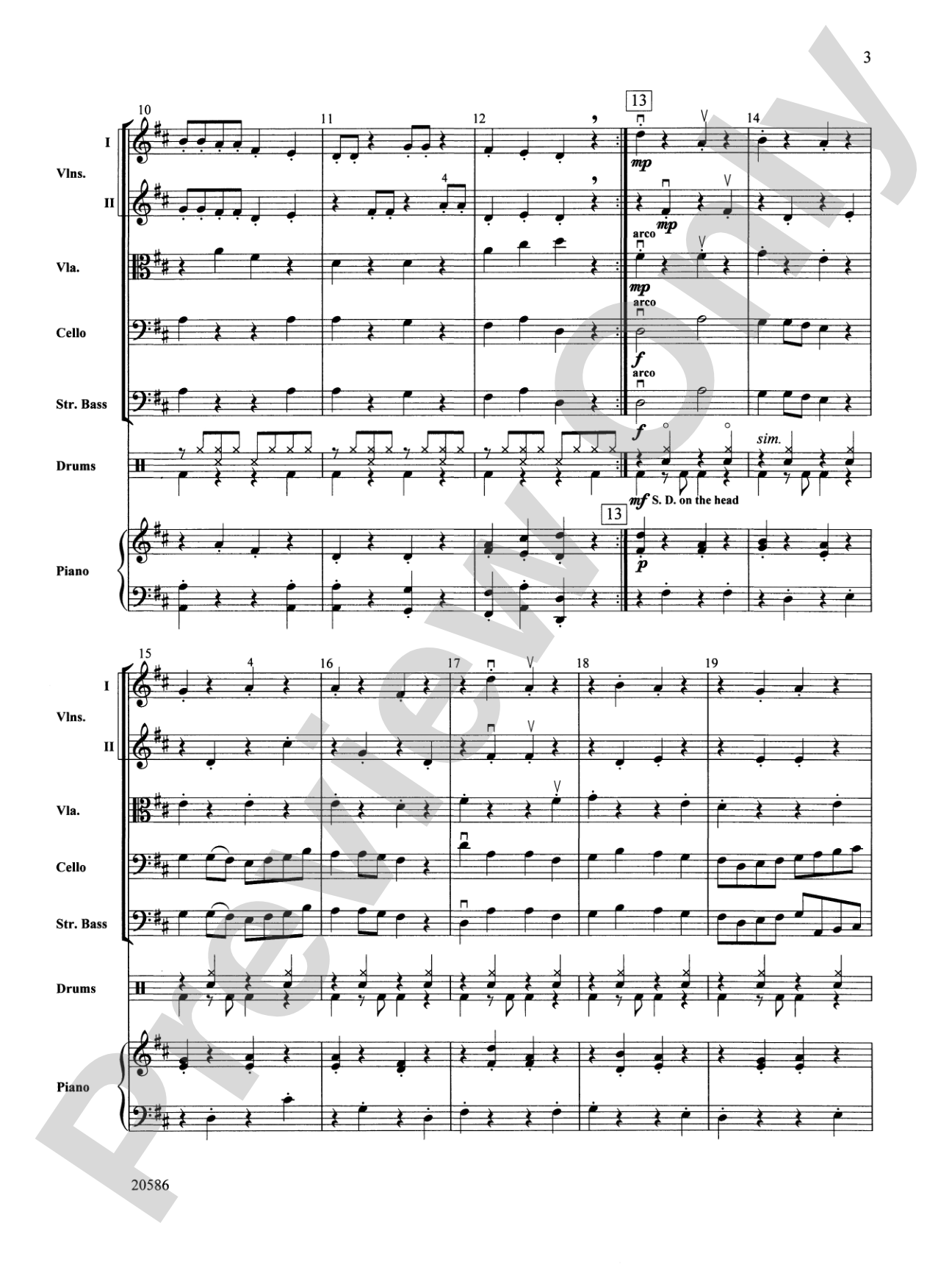
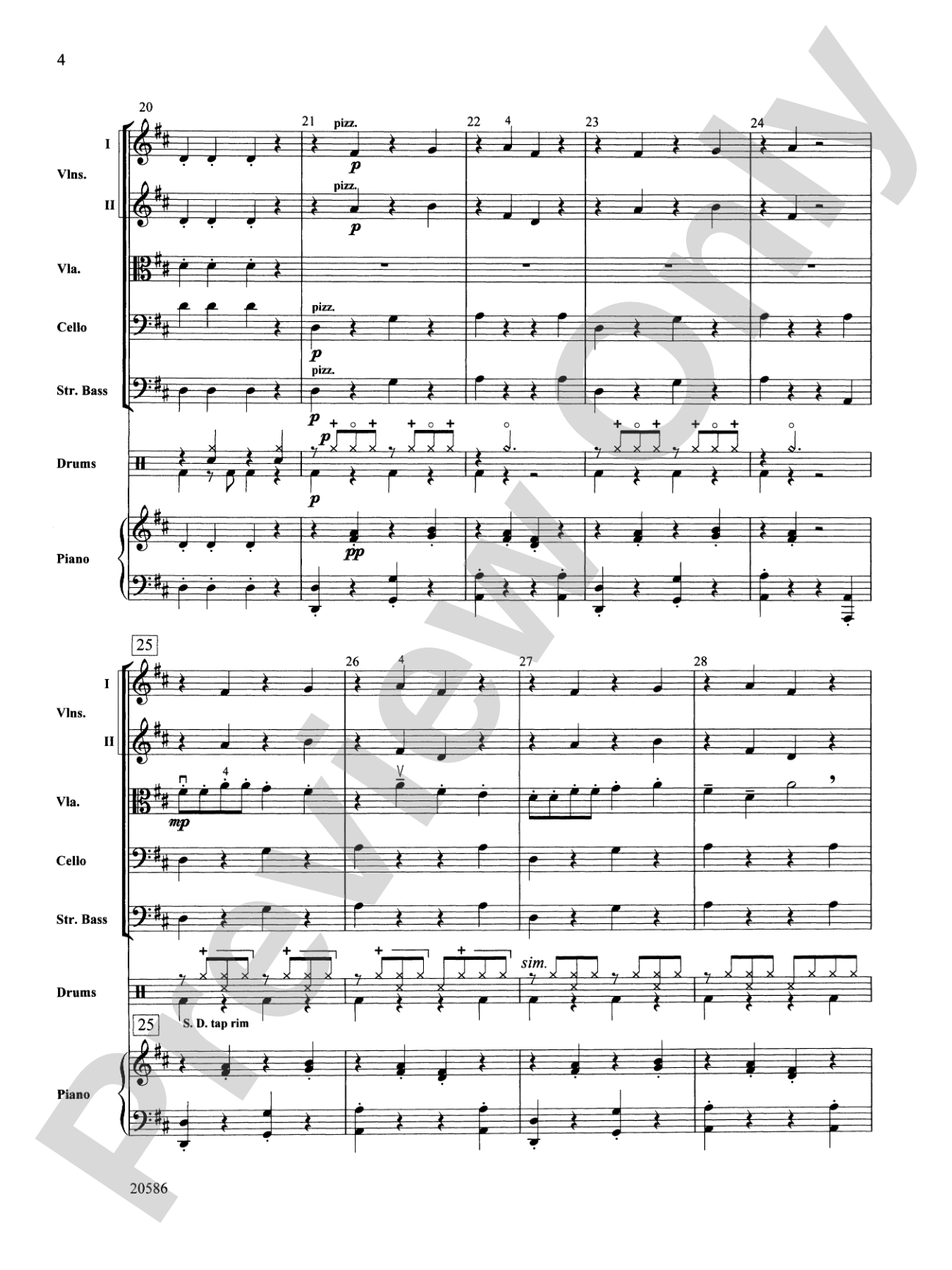
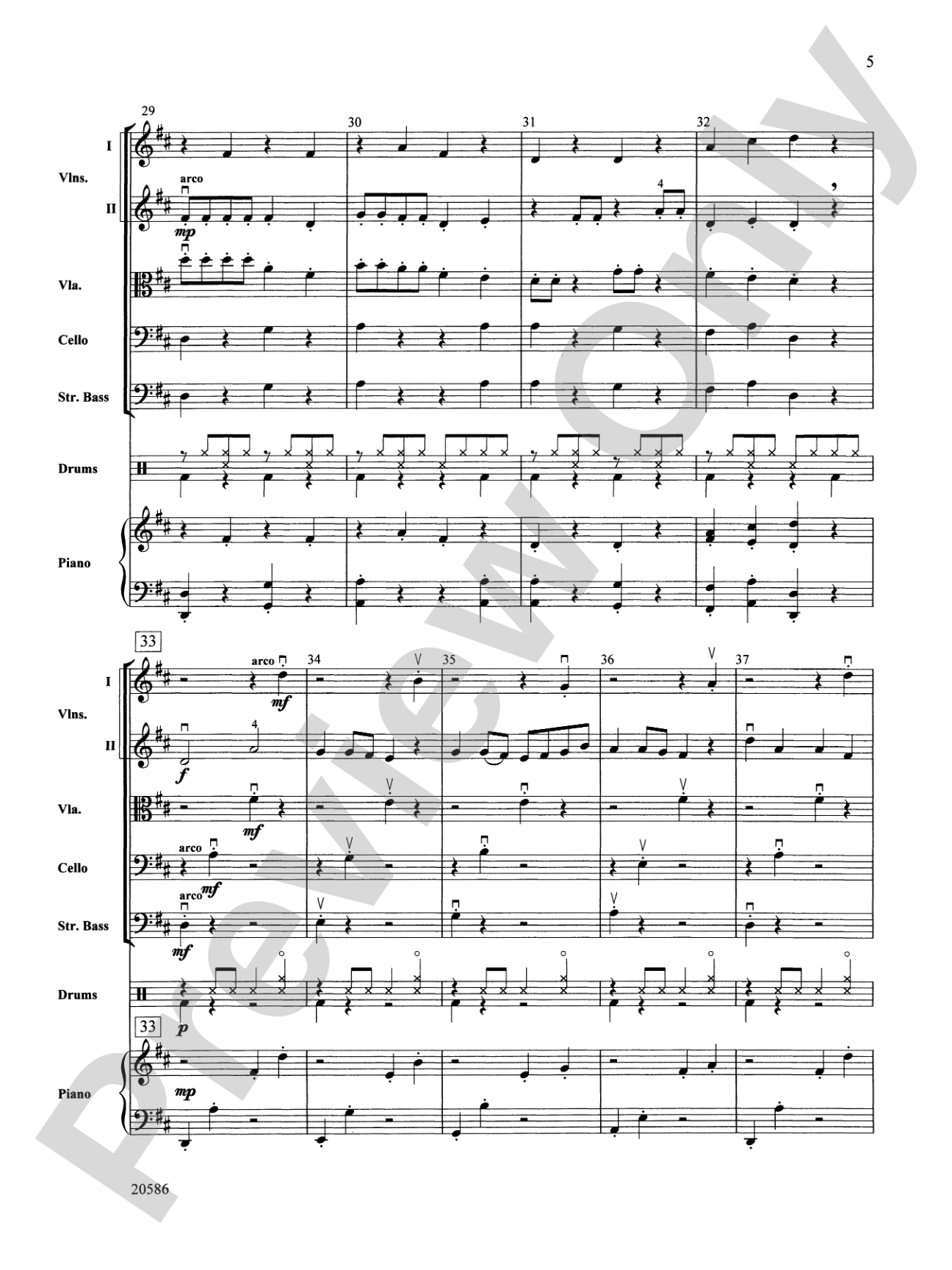
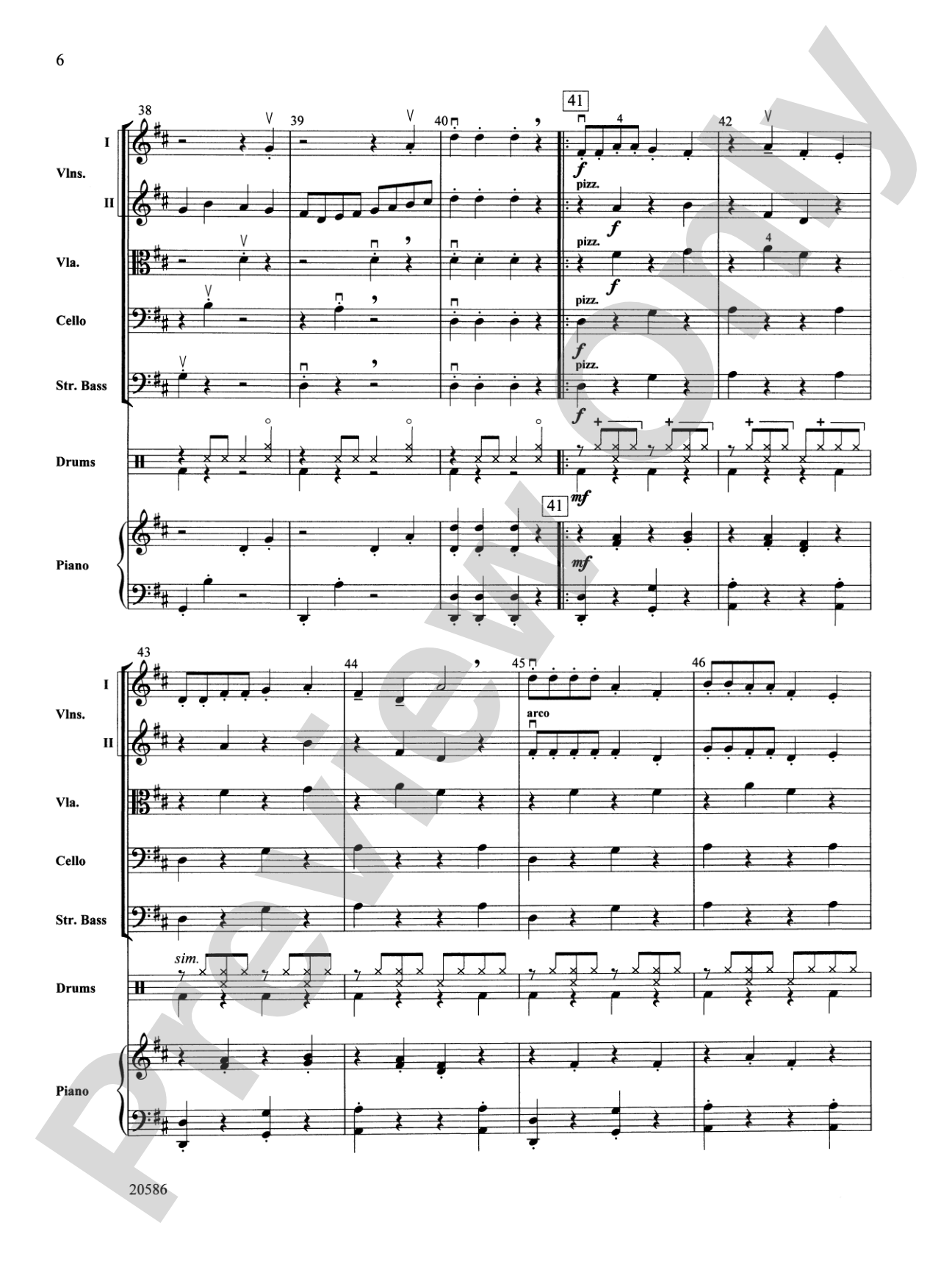
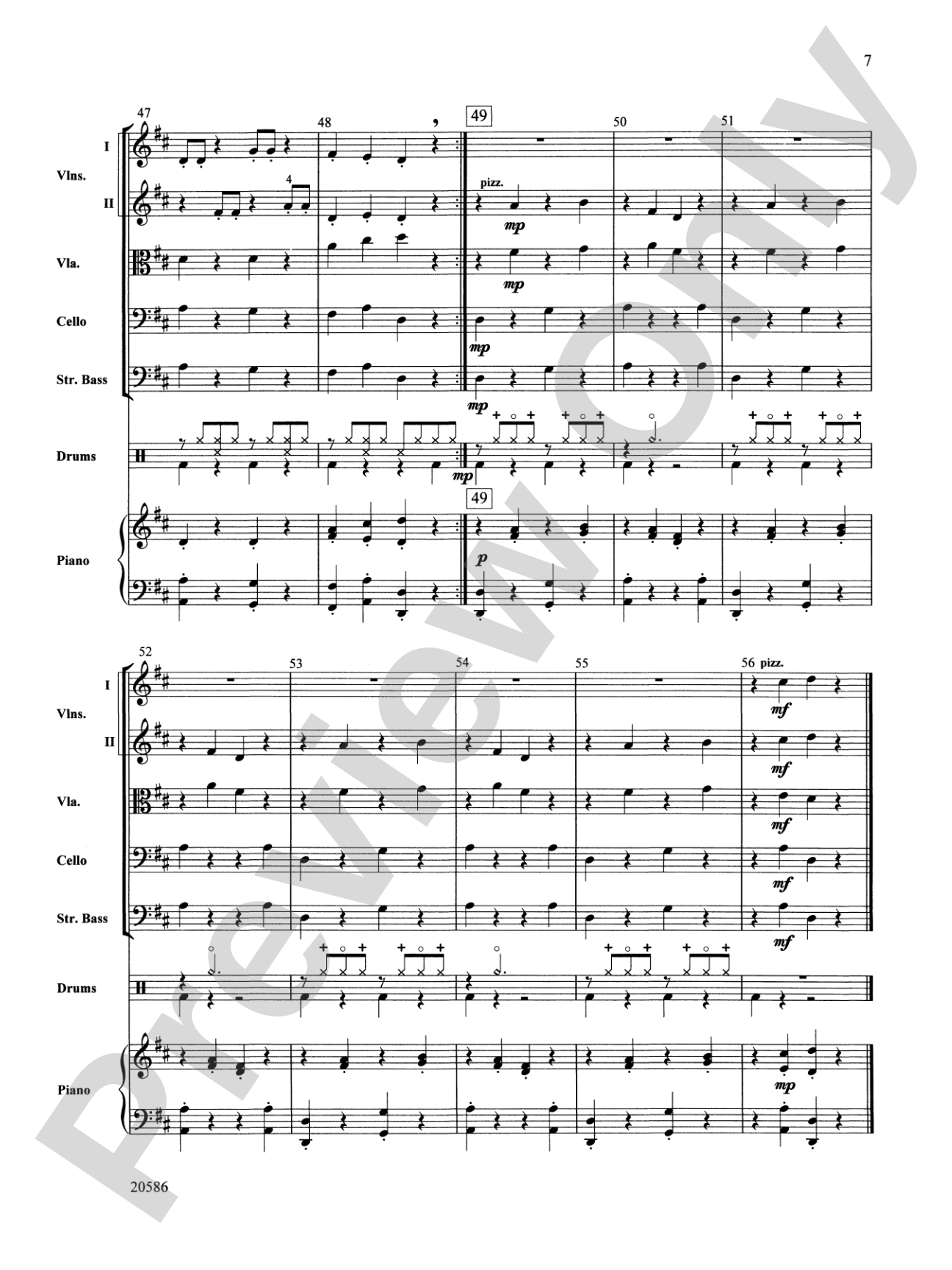
As the title implies, Wait Your Turn! is full of rhythmic challenges and surprises. Interlocking accompaniments and cadences are designed to help young musicians listen to themselves and each other simultaneously. Everyone gets a turn at the melodies, which contain counting and bowing challenges of their own. Drumset and piano accompaniment parts are included for additional support. Students and audiences will enjoy this piece for its light and breezy style, while orchestra teachers will value the essential musical skills that it encourages. This title is available in MakeMusic Cloud.


Don't just read it, hear it, play along with it, and watch your students grow with it. In MakeMusic Cloud, Wait Your Turn!: String Orchestra Conductor Score & Parts comes alive with professional accompaniment, adjustable tempo, and built-in practice tools that turn solo practice into real progress.
Open in the Player
Jump straight in and assign it today.
Start Your Free Trial
Open this title and explore the full library in minutes.
Sample Audio
1
Audio File
--:--
0:00
0:00
Sample Video
No sample videos found.
Additional Details
Series:
Highland/Etling String Orchestra
Publisher:
Alfred Music
Page Count:
68
SKU:
00-PK-0004502
More about this title
About the Composer: Doug Spata

Doug Spata began his musical training as a clarinetist but found his true compositional voice through years of teaching orchestra. His deep understanding of how young musicians learn comes through in every score he writes for strings, earning recognition from educators and audiences across the country and internationally. His catalog spans opera, ballet, symphonic works, and chamber music for ensembles of every size, but his gift for writing idiomatically for student orchestras remains his signature strength.
Why we love this
Spata builds genuine listening skills into the fabric of the piece rather than treating them as separate drills. The interlocking accompaniments and shared melodies force each section to tune their ears to others in real time, and the rhythmic variety keeps rehearsals engaging while developing real musicianship, not just note-reading.
What to expect
Rhythmically playful and unpredictable, with a breezy, conversational quality as different voices take the lead and pass it on. The constant trading of melodies keeps the momentum alive while the underlying accompaniments create a sense of interdependence rather than solo spotlighting.
Who it's for
Grade 1 orchestras with enough players in each section to handle the layered texture and enough rehearsal time to lock in the interlocking parts. This piece rewards orchestras that prioritize ensemble listening and intonation development alongside sightreading fluency.
How to get the most out of it
- Isolate the interlocking accompaniment patterns in sectional rehearsals before bringing the full orchestra together; this clarity prevents the texture from muddying during early run-throughs.
- Use the included drumset and piano parts strategically in early rehearsals to anchor rhythm, then gradually withdraw them as the string sections gain confidence with the material.
- Mark the counting challenges in each melodic line during first read-throughs to prevent stumbling; once the ensemble owns the rhythms, the light style emerges naturally.
- Work through the bowing challenges separately from the rhythmic content; students often cannot process both simultaneously at this level.
How to use it
Program this as a centerpiece on a spring concert where you want to showcase your orchestra's listening skills and ensemble blend without the weight of a heavier work. It also shines at solo and ensemble festivals where Grade 1 ensembles need a piece that sounds polished while demonstrating genuine musicianship.
Skills your students will build
- Ensemble listening while maintaining an independent part
- Rhythmic precision within complex, interlocking accompaniment patterns
- Reading and executing bowing patterns in melodic lines
- Counting and rhythm execution in sections with metric variety
- Dynamic balance between melody and accompaniment layers
- Part independence and awareness of multiple simultaneous textures