





Wagner: Adagio: Clarinet Part(s)
By Richard Wagner
Item: 00-PK-0003352

$5.99
Pickup currently not available
Parts Added to Cart!
Related Items
Adagio: Clarinet Part(s) |
$5.95
|
View |
Description
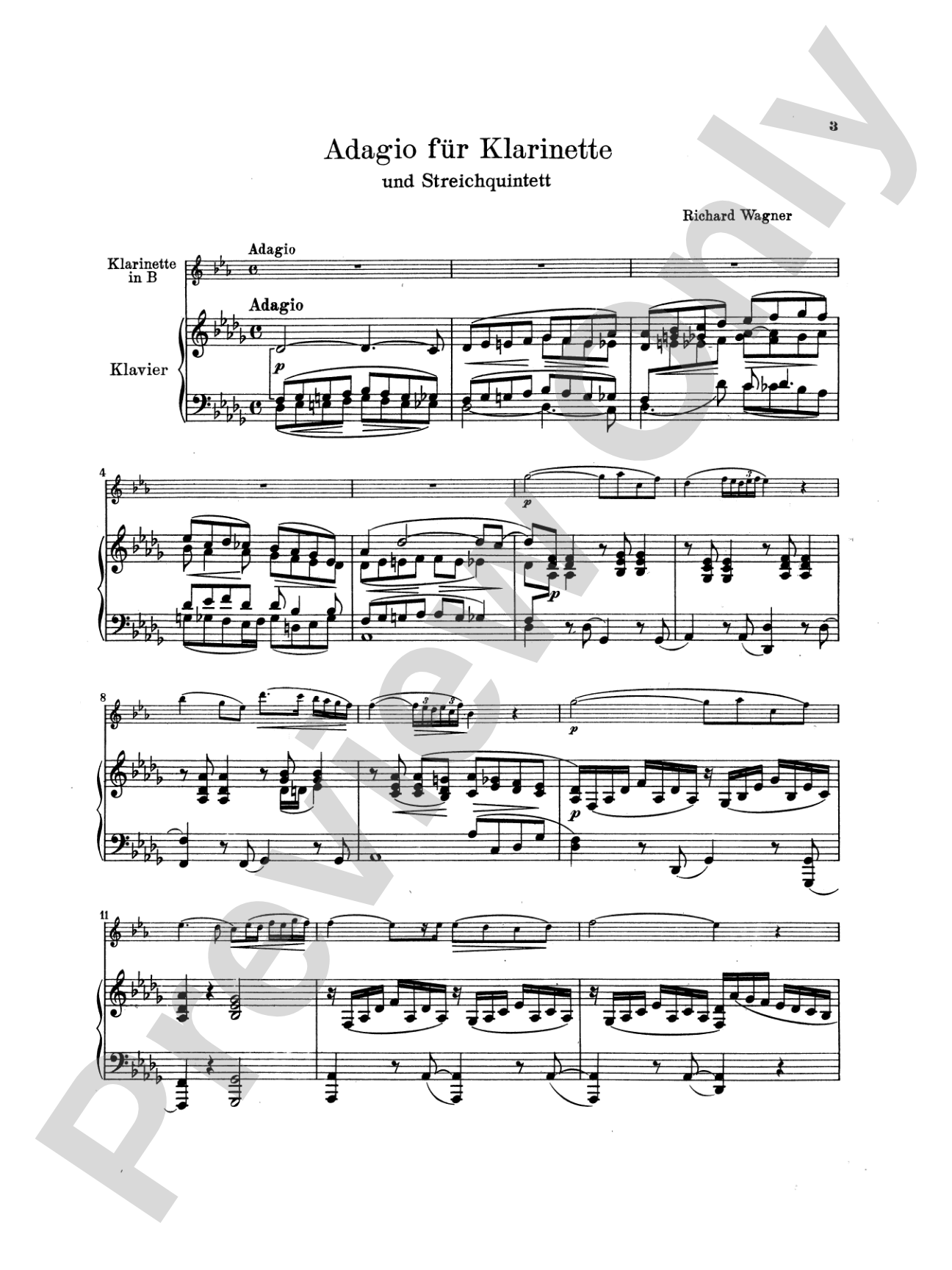
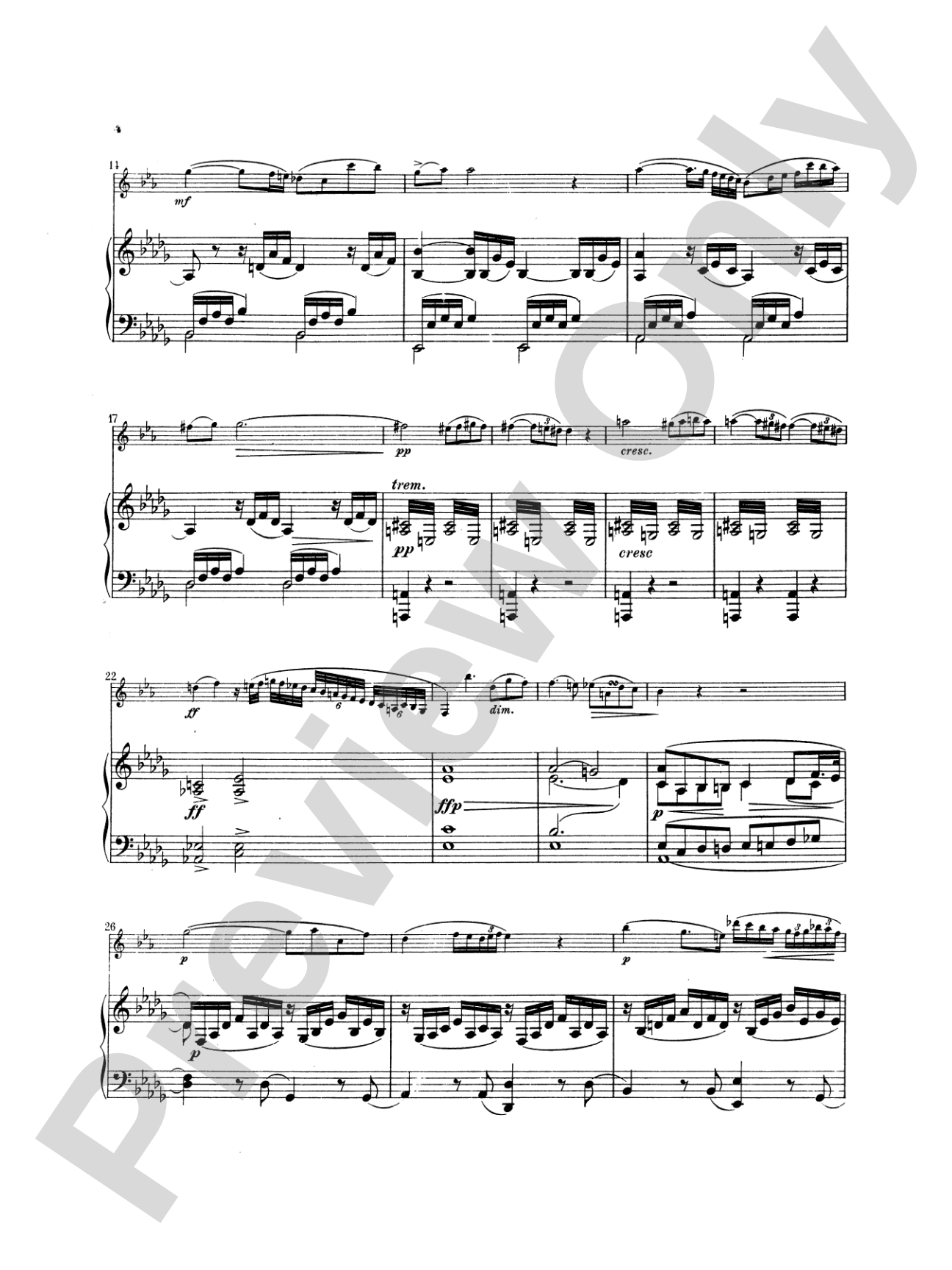
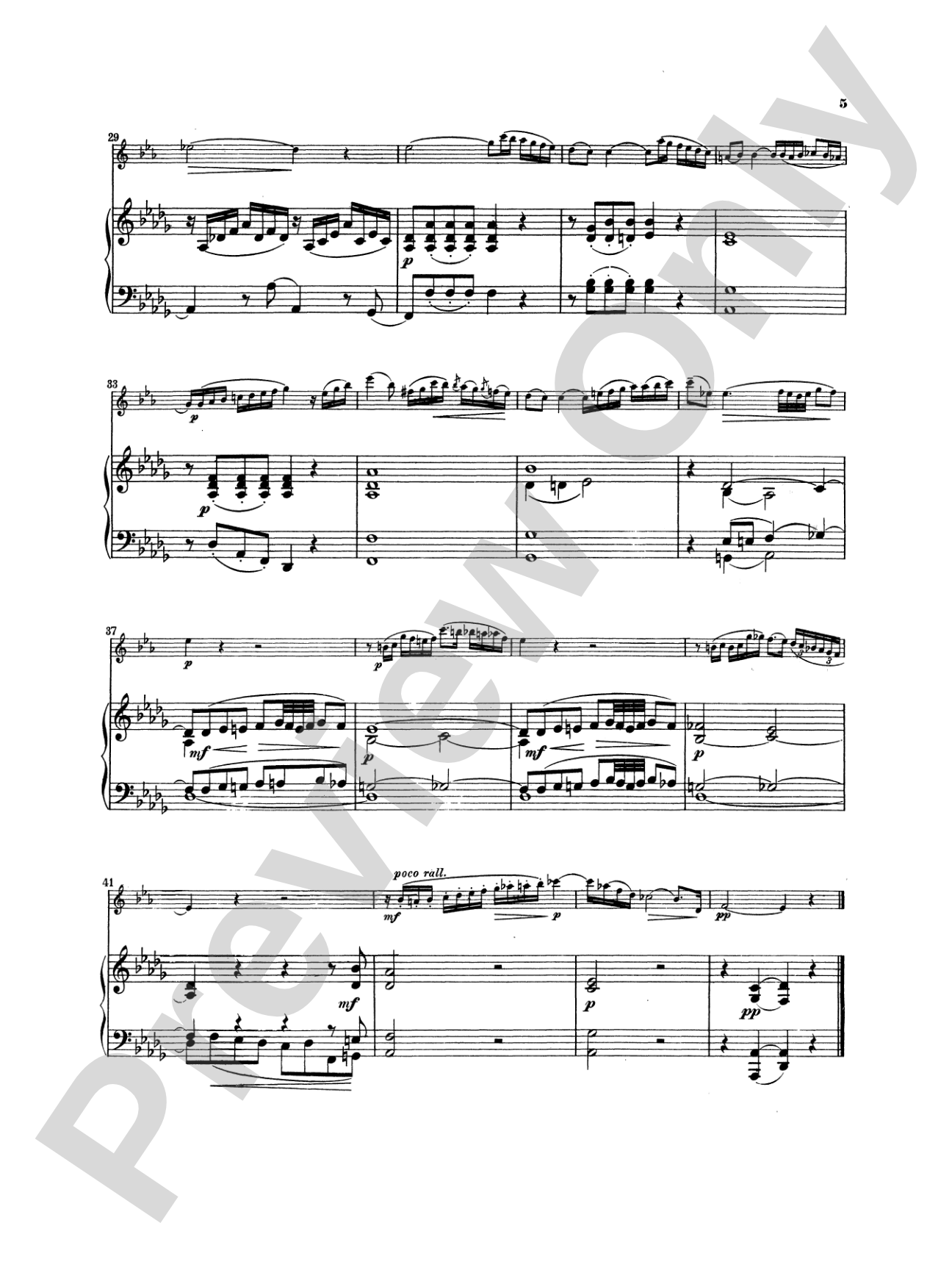
A B-Flat Calrinet Solo, composed by Richard Wagner.


Don't just read it, hear it, play along with it, and watch your students grow with it. In MakeMusic Cloud, Wagner: Adagio: Clarinet Part(s) comes alive with professional accompaniment, adjustable tempo, and built-in practice tools that turn solo practice into real progress.
Open in the Player
Jump straight in and assign it today.
Start Your Free Trial
Open this title and explore the full library in minutes.
Sample Audio
No sample audio found.
Sample Video
No sample videos found.
Additional Details
Series:
Kalmus Edition
Publisher:
Alfred Music
Page Count:
9
SKU:
00-PK-0003352
More about this title
About the Composer: Richard Wagner
Richard Wagner (1813-1883) fundamentally reshaped opera and orchestral music through his harmonic innovations and psychological depth. His works pushed the boundaries of melody, harmony, and dramatic storytelling, influencing composers across generations and establishing new standards for expressive orchestration.
Why we love this
Wagner's Adagio offers clarinet soloists a chance to explore the lyrical, singing quality that defines Romantic expression. This piece demands real musical maturity: control of long phrases, subtle dynamic shaping, and the ability to sustain emotional intensity without artifice. It's the kind of work that separates technical facility from genuine musicianship.
What to expect
The Adagio unfolds with the weight of genuine contemplation. Wagner's harmonic language creates a sense of harmonic motion beneath what initially sounds static, drawing the listener into intimate reflection. The piece hovers between resignation and hope, asking the clarinetist to sustain an emotional conversation with a silence that feels alive.
Who it's for
Intermediate to advanced high school and college clarinetists are the primary audience, though strong middle school soloists working toward festival performance may also benefit. Contest and festival regulations typically accommodate this piece, making it ideal for students preparing for solo competition or recital requirements.
How to get the most out of it
- Treat the melodic line as a complete vocal statement; phrase generously across the bar lines rather than breaking at notational boundaries.
- Shape each phrase with a gentle swell from the interior outward, avoiding a crescendo-decrescendo that feels mechanical.
- Balance projection with intimacy; the sound should carry without forcing or hardening the tone.
- Let silence breathe between sections; resist the urge to fill space with unnecessary articulation or vibrato.
How to use it
Program this as a recital centerpiece or festival selection where a single, sustained work showcases mature artistry rather than technical display. It pairs naturally with other Romantic-era woodwind solos or contemporary pieces that share its introspective character, creating a concert arc that moves through emotional rather than stylistic terrain.
Skills your students will build
- Sustaining long phrases with consistent tone quality and dynamic control
- Shaping Romantic-era melody with harmonic awareness rather than surface gestures
- Managing breath phrasing across extended musical sentences
- Responding to harmonic tension and resolution with expressive subtlety
- Building performance stamina and emotional focus for contest and festival settings