
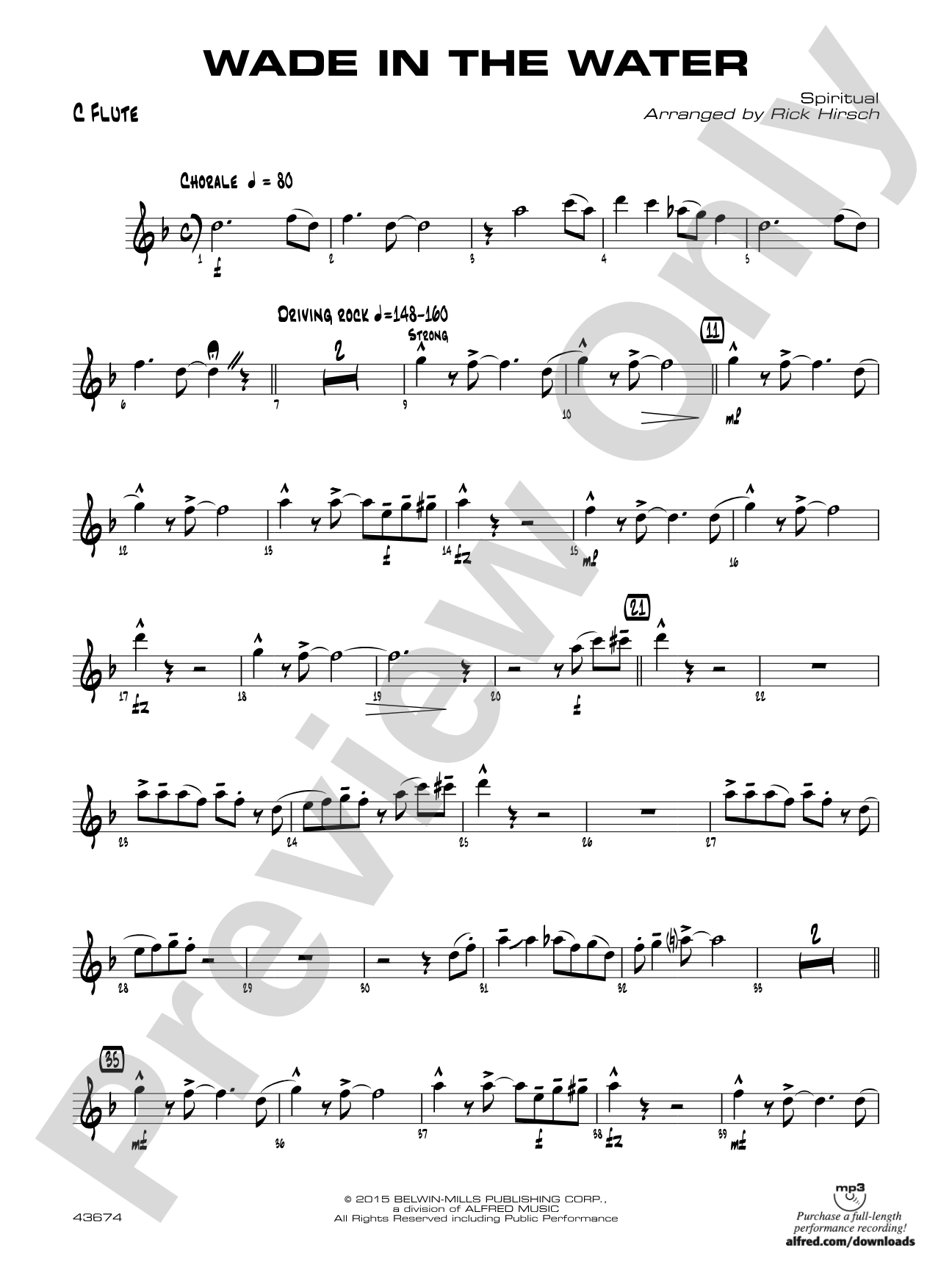

Wade in the Water: Flute
Spiritual / arr. Rick Hirsch
Grade: 2 (Medium Easy)
Item: 00-PC-0016814_F1
$3.00
Pickup currently not available
Description
"Wade in the Water" is a gospel rock that should be played around 148 BPM featuring a slow chorale introduction and modest brass ranges. Check out the written solos for alto 1, trombone 1, and trumpet 1. A great chart for all occasions. (3:04)


Don't just read it, hear it, play along with it, and watch your students grow with it. In MakeMusic Cloud, Wade in the Water: Flute comes alive with professional accompaniment, adjustable tempo, and built-in practice tools that turn solo practice into real progress.
Open in the Player
Jump straight in and assign it today.
Start Your Free Trial
Open this title and explore the full library in minutes.
Sample Audio
1
Audio File
--:--
0:00
0:00
Sample Video
No sample videos found.
Additional Details
Series:
Young Jazz Ensemble
Publisher:
Alfred Music
Page Count:
98
SKU:
00-PC-0016814_F1
More about this title
About the Arranger: Rick Hirsch
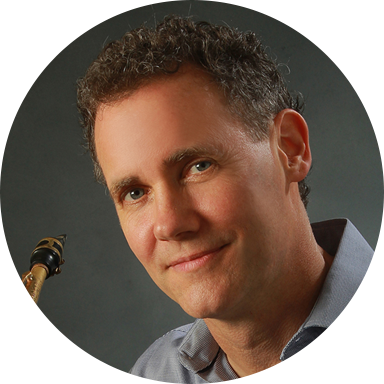
Rick Hirsch studied composition and arranging at UMass-Amherst and Northern Illinois University, earning degrees that launched a career rooted in the working jazz world. Early in his professional life, he served as a personal music copyist for bandleaders Bob Mintzer and Toshiko Akiyoshi, an apprenticeship that shaped his ear for orchestration and his command of the jazz ensemble idiom. His arrangements have been performed by jazz luminaries including Yusef Lateef and Eddie Henderson, and his compositions have reached ensembles as varied as the Penn State Blue Band and the Capitol Quartet. Hirsch has conducted All-State and District Jazz Bands as a guest clinician and taught on the faculty at Penn State University. In 2017, his own big band, BIG OL' BAND, released their debut album Pocono Git-Down, which documents the creative energy of regional jazz scenes often overlooked by mainstream attention.
Why we love this
Hirsch builds this spiritual on a rock-solid foundation: a chorale introduction that lets your ensemble settle into the sacred character before the groove arrives at 148 BPM. The written solos for alto 1, trombone 1, and trumpet 1 are accessible without being bland, giving your soloists shaped material they can own. At Grade 2, the brass ranges are genuinely modest, making this playable for younger ensembles while the gospel-rock energy keeps everyone engaged.
What to expect
The chorale opening creates a moment of reverence and reflection, invoking the hymn tradition that birthed "Wade in the Water" as a spiritual. When the gospel-rock groove enters, the music transforms into something vital and propulsive, grounded in an ensemble sound that feels both contemporary and rooted in African American musical tradition.
Who it's for
This arrangement suits jazz ensembles at the high school level and serious middle school programs looking for repertoire with spiritual depth and contemporary groove. Directors seeking music that honors the sacred tradition while remaining energetically engaging for student musicians will find a ready solution here.
How to get the most out of it
- Shape the chorale introduction with clear phrase breathing and unhurried tempo; this sets the spiritual tone and prepares the ensemble for the rhythmic shift ahead.
- Lock the groove at 148 BPM with your rhythm section first, then layer the horns so the feel cohesive rather than rushed.
- Encourage your soloists to listen deeply to the ensemble voicings behind them; the written horn parts are crafted to support, not overshadow.
- Balance the gospel-rock character by letting the ensemble feel the backbeat pulse without forcing it; it should swing naturally from the arrangement itself.
How to use it
This works beautifully as a concert centerpiece that allows you to program sacred music outside the holiday season, or as a bridge between a classical first half and a more contemporary second set. Its moderate length (just over three minutes) and approachable level make it a natural fit for spring jazz festivals or community concerts where you want to showcase both musicianship and meaningful repertoire.
Skills your students will build
- Gospel-rock groove and swing feel in medium-tempo contexts
- Balancing chorale voicing with contemporary rhythmic accompaniment
- Solo construction and phrasing over written jazz changes
- Collective ensemble sound in a sacred/spiritual context
- Dynamic control and phrase shaping across contrasting sections