

Voices in the Shadows: String Orchestra Conductor Score & Parts
By Brian Balmages
Grade: 3
Item: 98-DST6346

$50.00
Pickup currently not available
Buy Extra Parts (Digital PDF Download)
| Product | Price | Quantity |
|---|---|---|
| Voices in the Shadows: Score | $5.00 | |
| Voices in the Shadows: Violin 1 | $7.00 | |
| Voices in the Shadows: Violin 2 | $7.00 | |
| Voices in the Shadows: Violin 3 (Viola T.C.) | $7.00 | |
| Voices in the Shadows: Viola | $7.00 | |
| Voices in the Shadows: Violoncello | $7.00 | |
| Voices in the Shadows: Double Bass | $7.00 | |
| Voices in the Shadows: Piano | $7.00 |
Parts Added to Cart!
Description
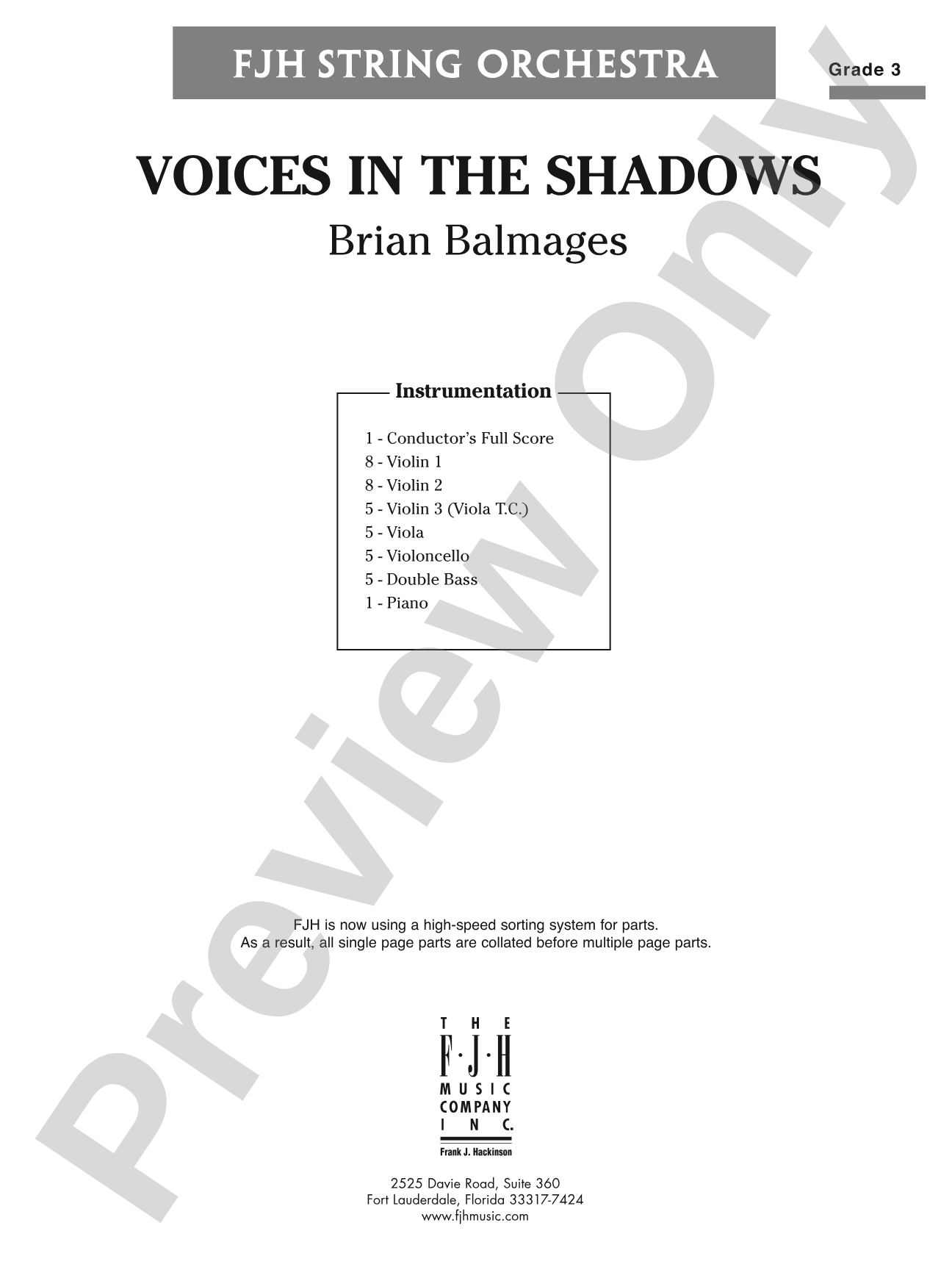
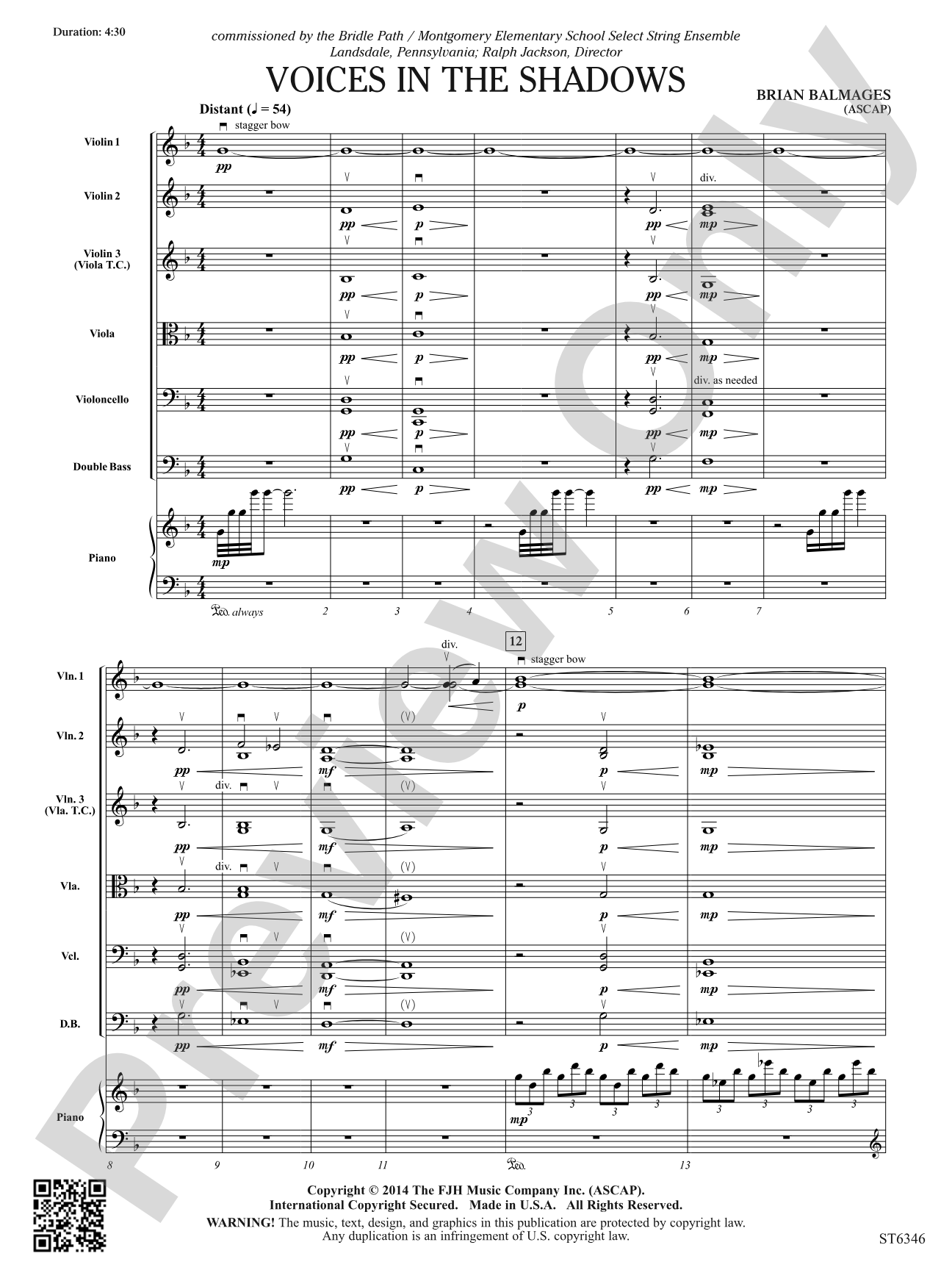
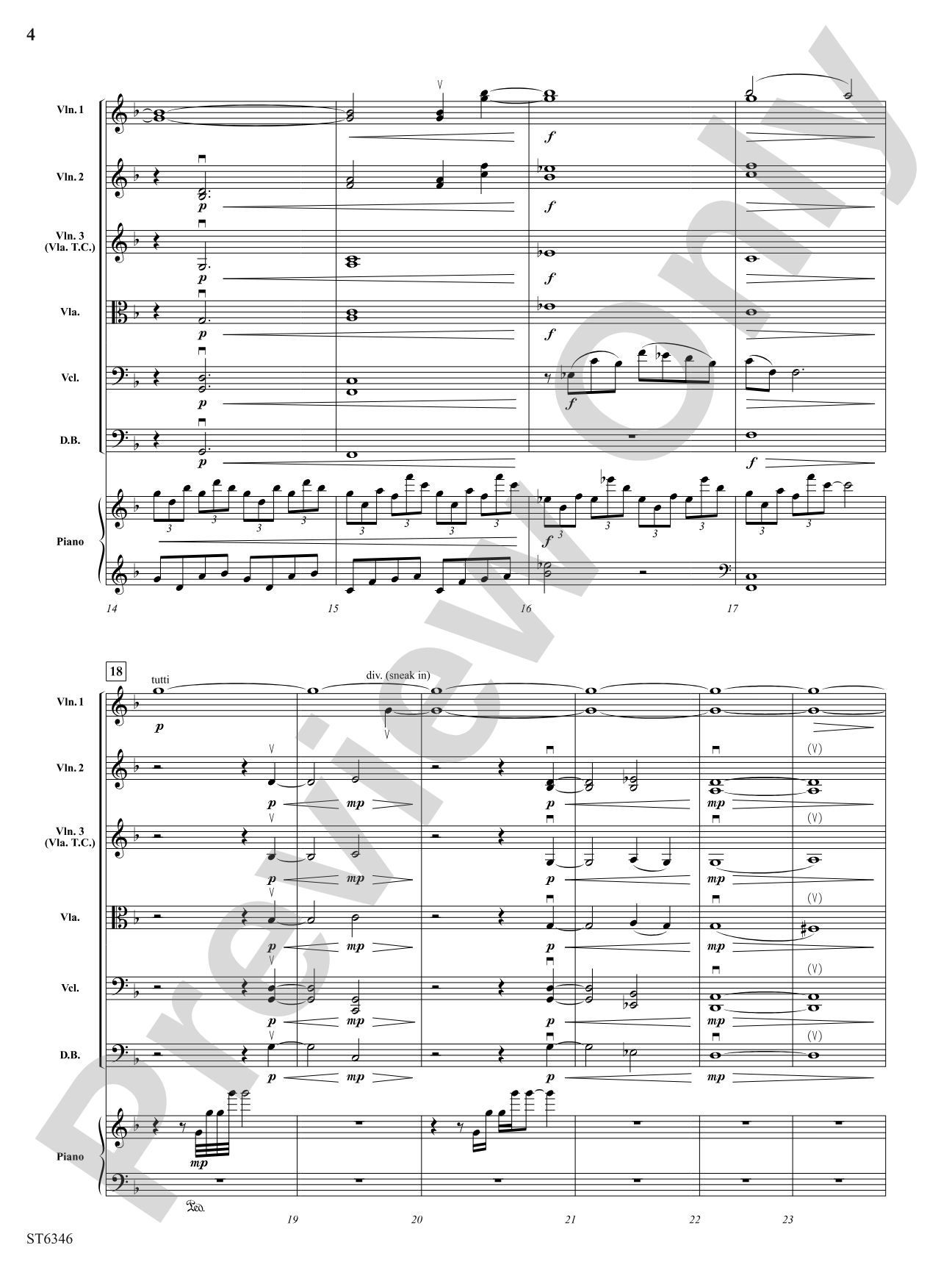
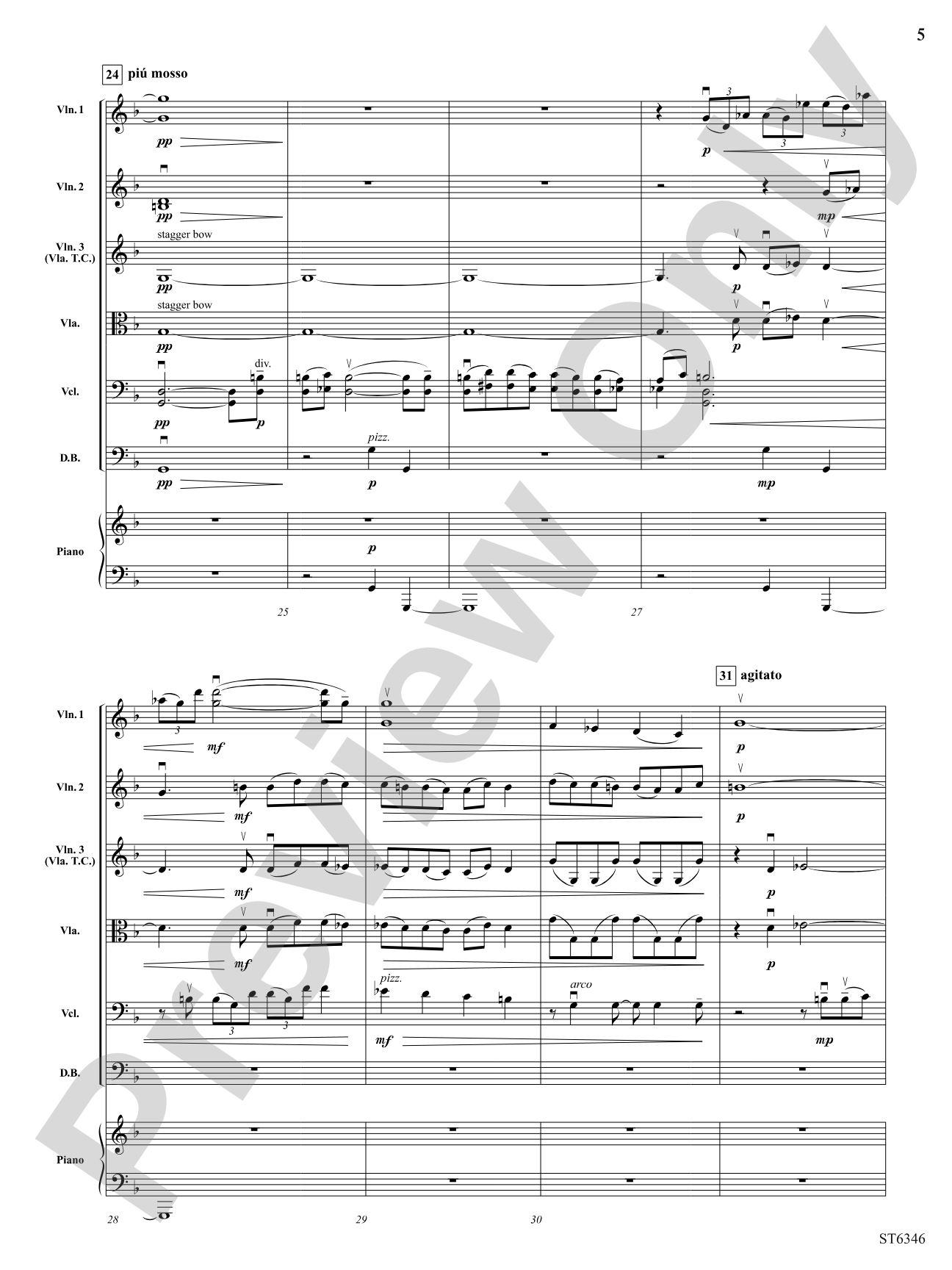
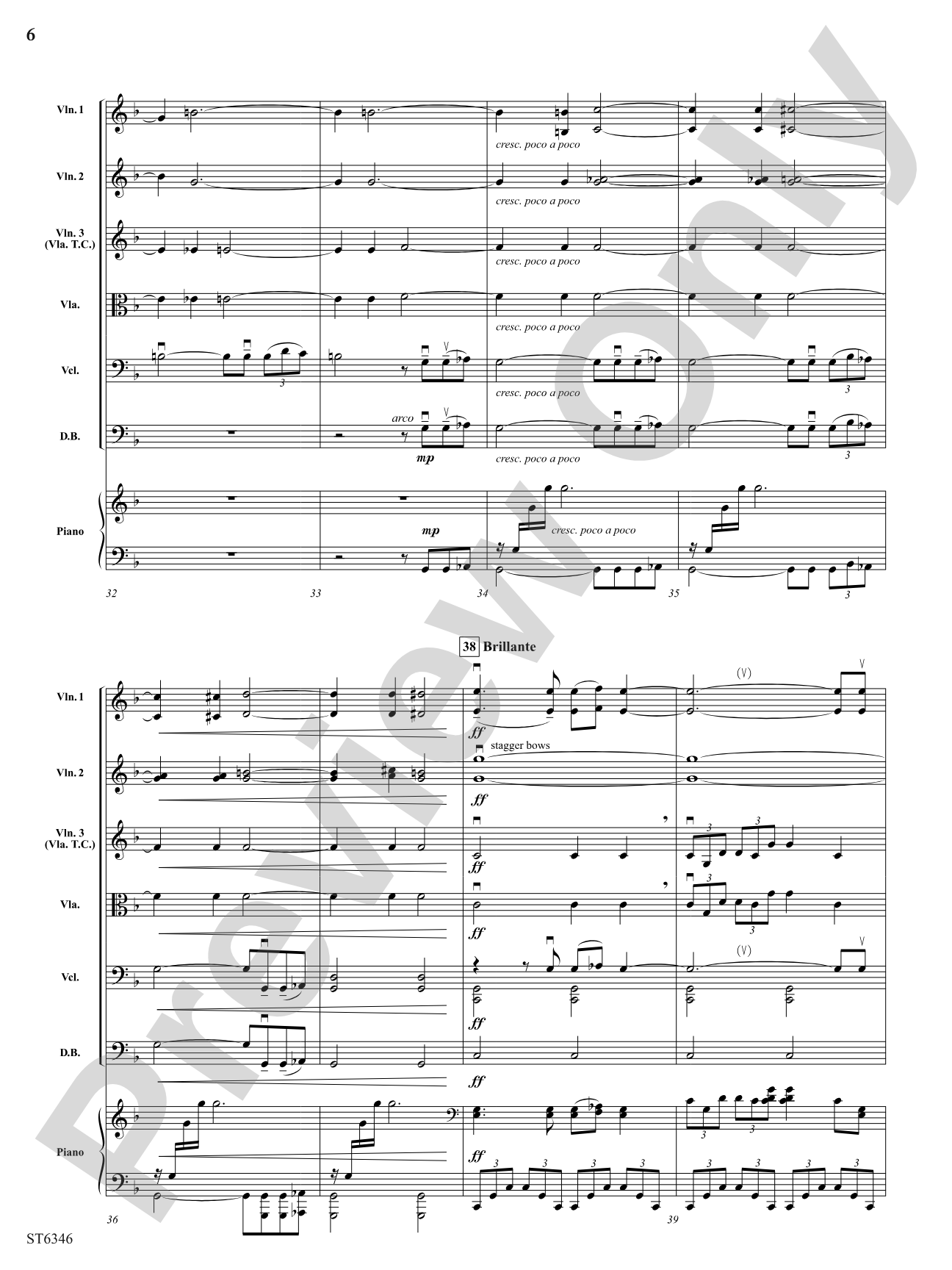
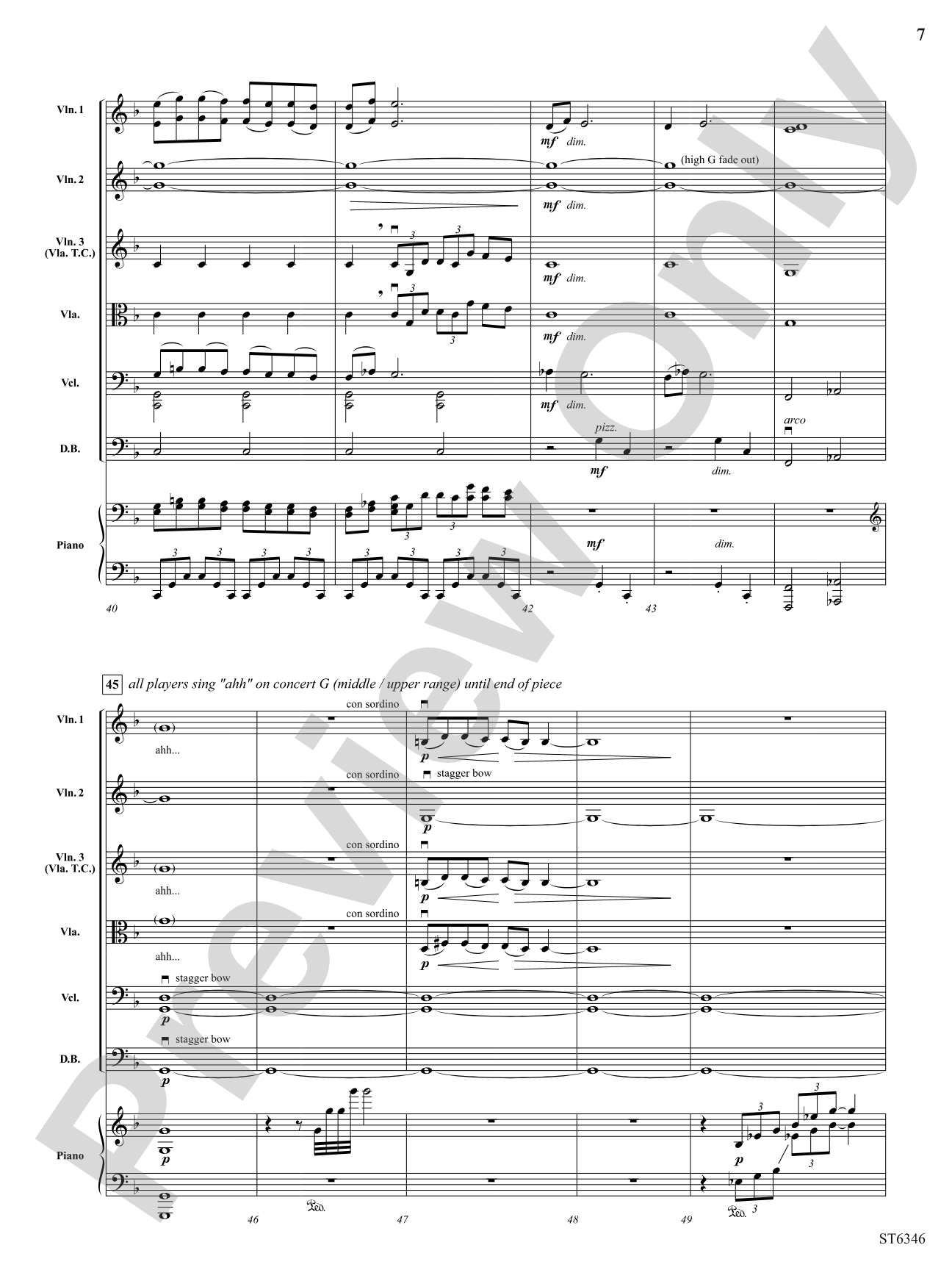
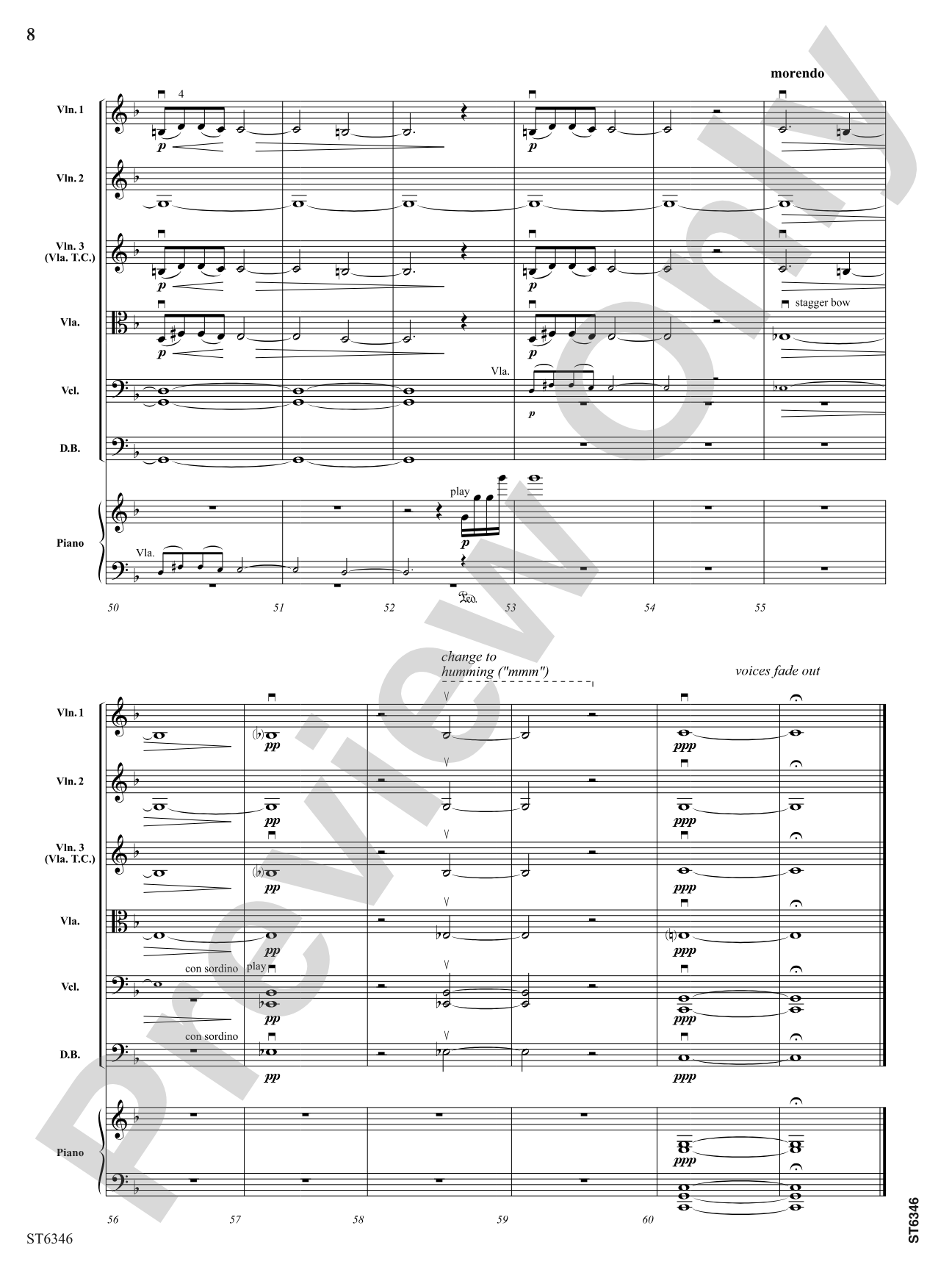
Exploring mature harmonies while a single note lingers throughout the entire work, this powerful piece will leave you breathless. Orchestrated for strings and piano, the music moves through a series of sections that become increasingly intense, all while the note G sounds nonstop from the first measure until the final chord. The haunting sound of voices (members of the ensemble) eventually fade into a soft hum before the music reaches is final chord and ultimate resolution. Simply stunning.


Don't just read it, hear it, play along with it, and watch your students grow with it. In MakeMusic Cloud, Voices in the Shadows: String Orchestra Conductor Score & Parts comes alive with professional accompaniment, adjustable tempo, and built-in practice tools that turn solo practice into real progress.
Open in the Player
Jump straight in and assign it today.
Start Your Free Trial
Open this title and explore the full library in minutes.
Sample Audio
1
Audio File
--:--
0:00
0:00
Sample Video
No sample videos found.
Additional Details
Series:
FJH String Orchestra
Publisher:
The FJH Music Company, Inc.
SKU:
98-DST6346
More about this title
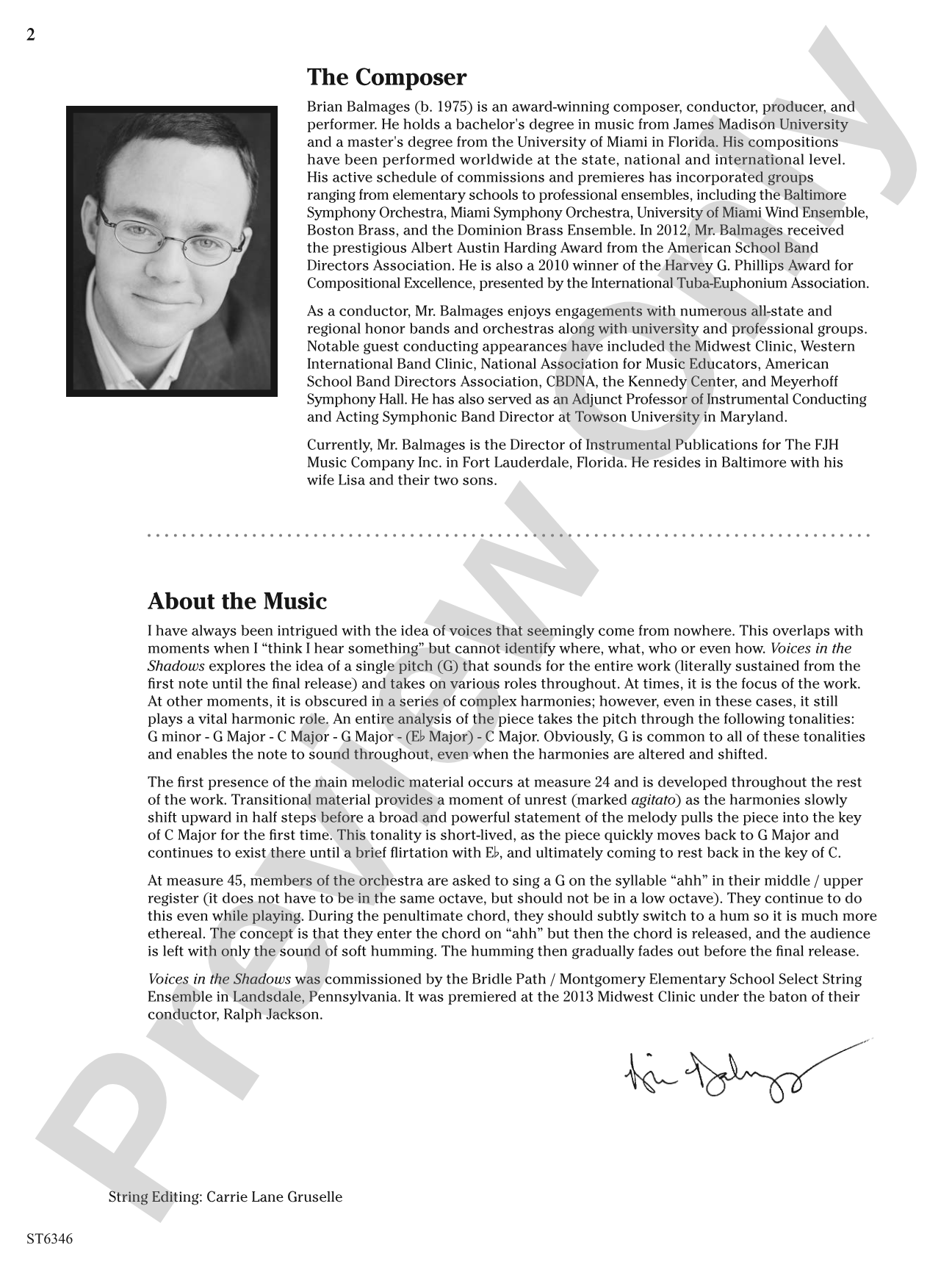
About the Composer: Brian Balmages

Brian Balmages has established himself as a composer and conductor working fluently across orchestral, band, and chamber repertoires. His works have been performed by ensembles at every level, from professional symphony orchestras to elementary school groups, in landmark venues including Carnegie Hall, the Kennedy Center, and the Sydney Opera House. He holds membership in the American Bandmasters Association and has received significant recognition including the A. Austin Harding Award from the American School Band Directors Association and the 2020 NBA William D. Revelli Composition Contest.
Balmages currently serves as Director of MakeMusic Publications and Digital Education for Alfred and MakeMusic. His conducting engagements span all-state and regional ensembles as well as university and professional orchestras worldwide. He has taught at James Madison University and the University of Miami, where he was commissioned to compose for the presidential inauguration ceremony.
Why we love this
This piece demonstrates compositional restraint and sophistication without demanding excessive technical facility from players. The sustained G pedal point creates immediate architectural coherence while the evolving harmonies above it keep listeners engaged, making it an intelligent choice for a contest or festival setting where judges reward thoughtful orchestration alongside student musicianship.
What to expect
The sustained G creates an almost meditative foundation as harmonies shift and deepen above it, building an ever-present tension. As sections grow denser and more intense, the texture becomes increasingly dramatic, until the gradual fade into humming brings unexpected intimacy before a final, resolute close.
Who it's for
Grade 3 string orchestras seeking a piece that bridges accessible technical demands with musical maturity. Conductors looking to program a single-movement work that holds audience attention through compositional ingenuity rather than virtuosic display will find this particularly valuable.
How to get the most out of it
- Balance the sustained G carefully across string sections; it should anchor the texture without overpowering the harmonic movement. Assign it to a reliable player or pair of players and rehearse them as a separate structural element.
- Approach the crescendos toward the final sections with graduated dynamic control rather than sudden jumps. The intensity builds through musical logic, not volume alone.
- Treat the vocal humming section as a genuine timbral shift. Coach singers to find a warm, sustained tone quality distinct from their normal speaking or singing voices.
- Use sectional rehearsals to isolate the harmonic transitions; string players often discover the underlying chord movements more readily when working apart from the drone.
How to use it
This works beautifully as a standalone festival entry or as the centerpiece of a concert exploring modern string writing. It also serves well as a closing piece on a concert program, offering a reflective moment that contrasts effectively with more energetic repertoire.
Skills your students will build
- Sustaining extended melodic lines with tonal consistency
- Balancing multiple harmonic layers while maintaining awareness of a single anchoring pitch
- Executing gradual dynamic transitions and crescendos across the full ensemble
- Coordinating intonation across shifting harmonic contexts
- Responding to non-traditional sonorities (vocal humming with instrumental accompaniment)