
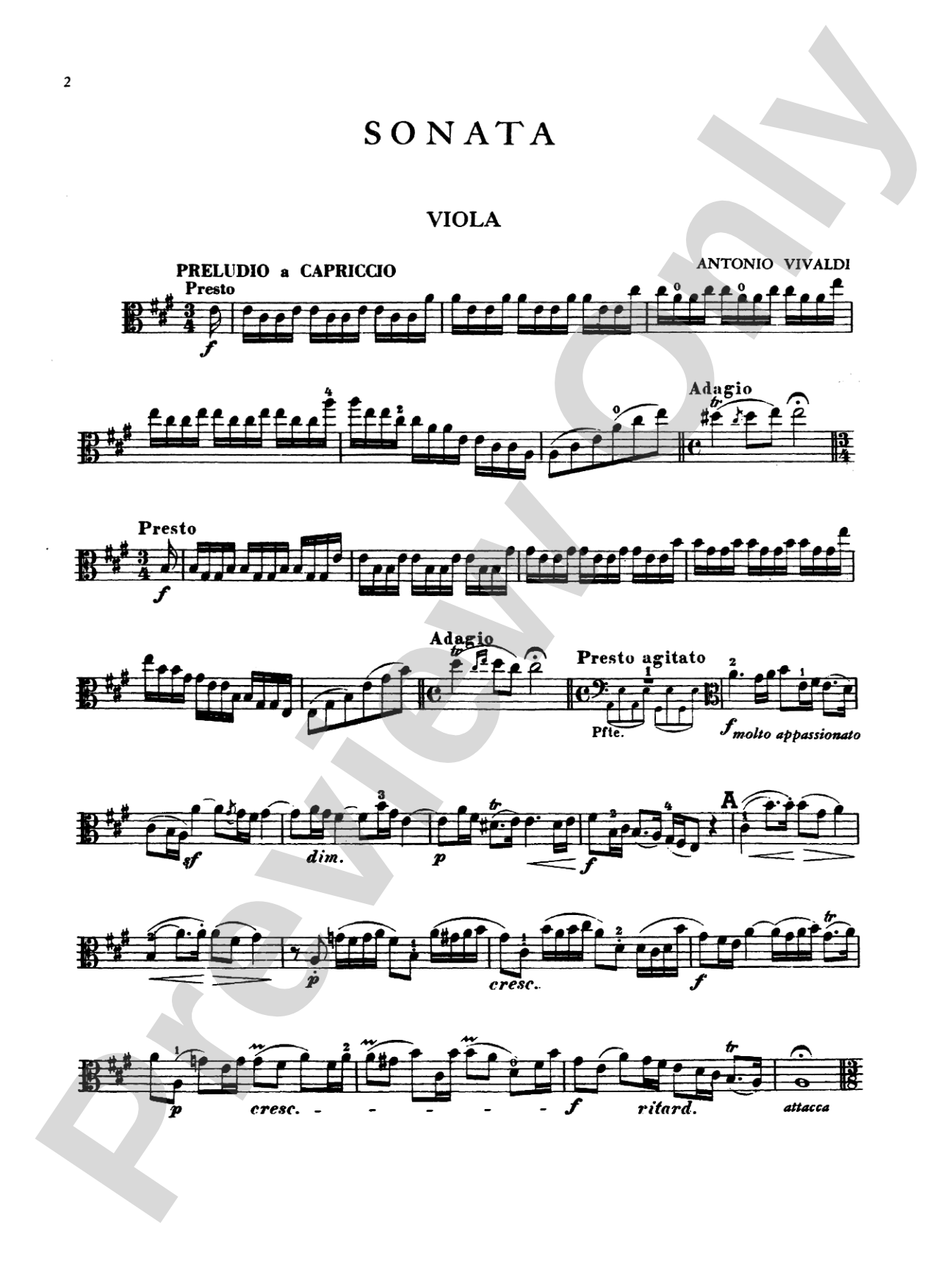
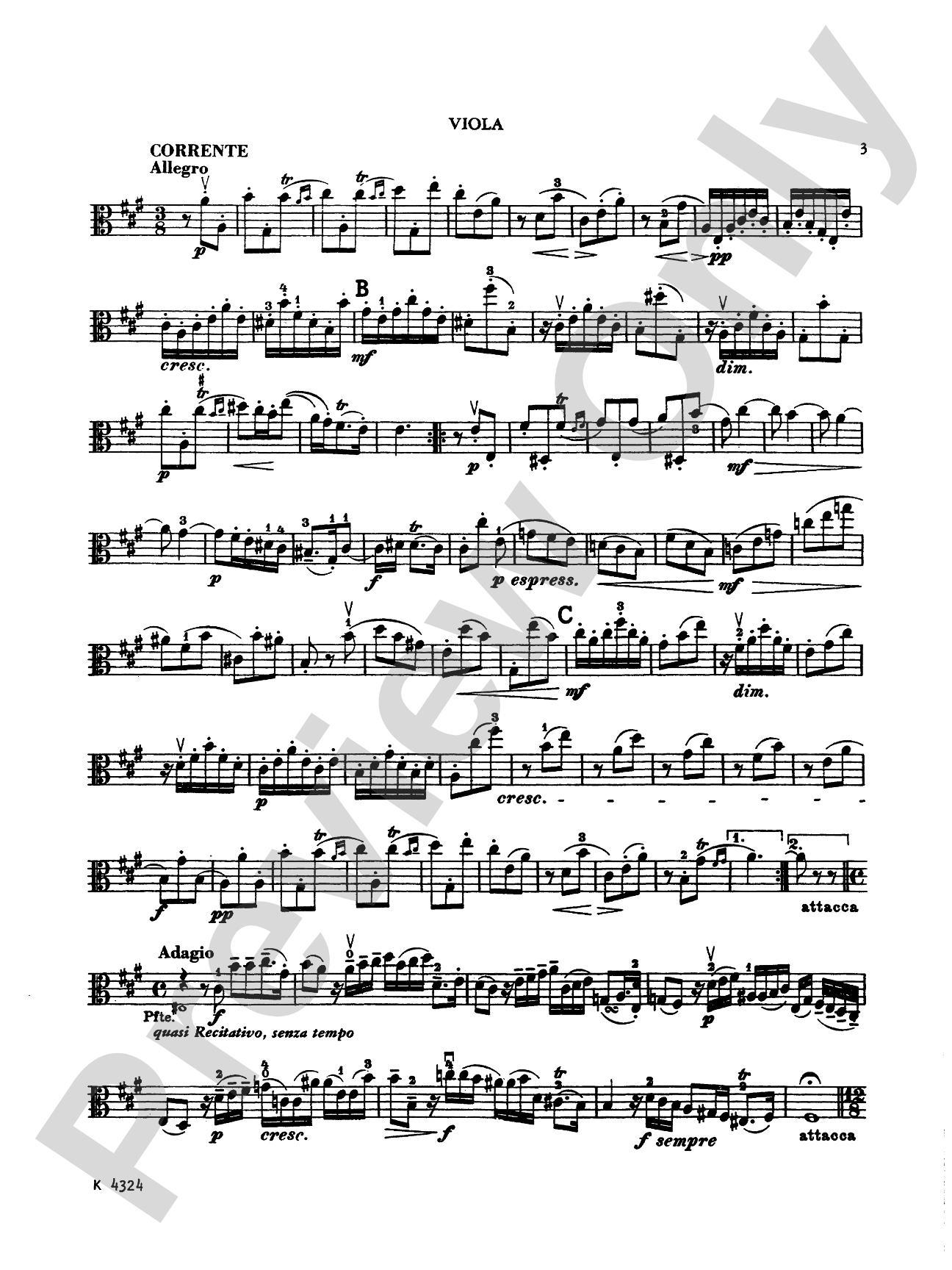
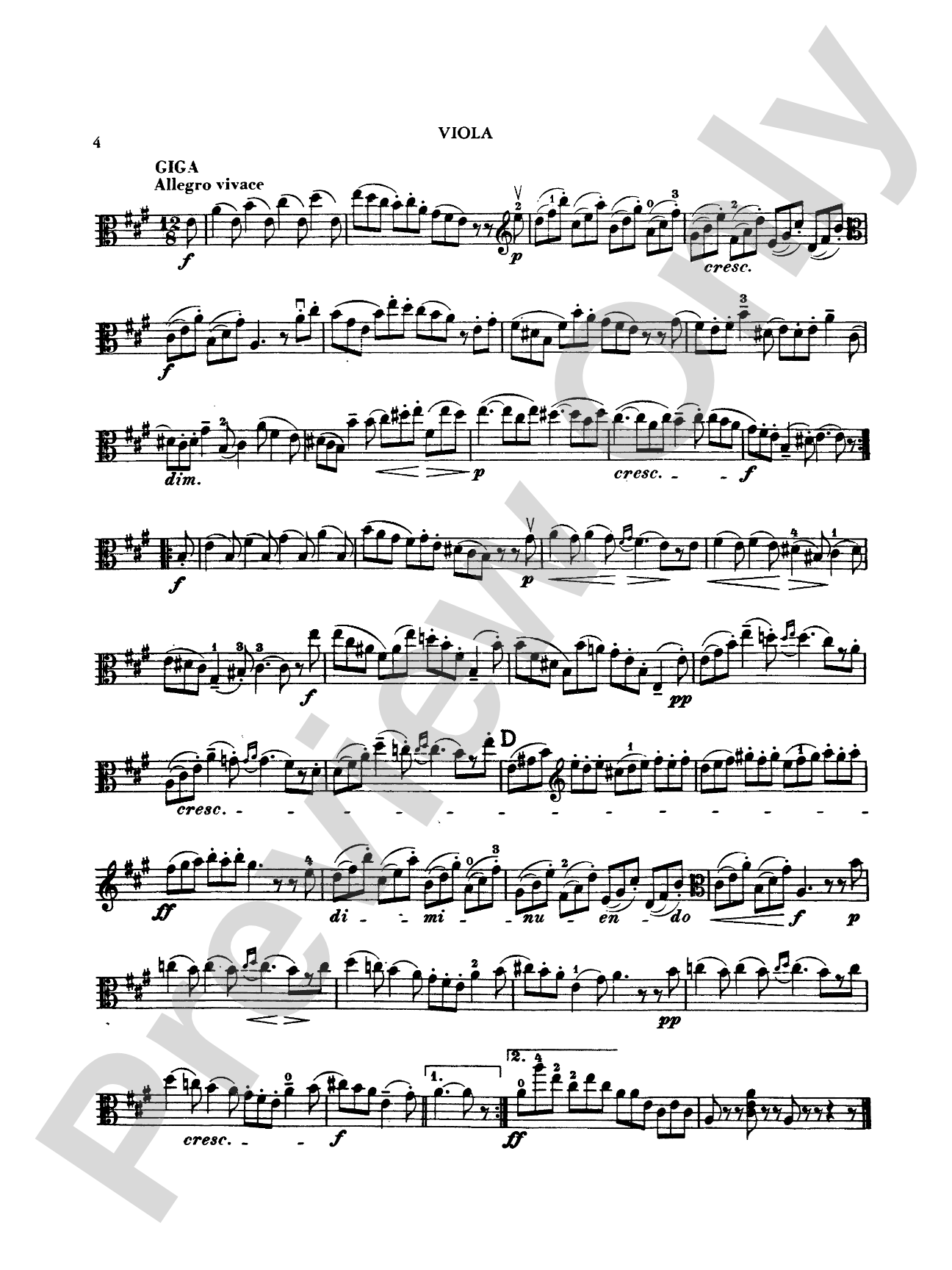

Vivaldi: Sonata in A Major: Viola Book
By Antonio Vivaldi
Item: 00-PK-0003469

$8.99
Pickup currently not available
Buy Extra Parts (Digital PDF Download)
| Product | Price | Quantity |
|---|---|---|
| Vivaldi: Sonata in A Major | $3.99 | |
| Vivaldi: Sonata in A Major | $3.99 |
Parts Added to Cart!
Related Items
Sonata in A Major: Viola Book |
$8.95
|
View |
Description
A solo, for Viola with Piano Accompaniment, composed by Antonio Vivaldi.


Don't just read it, hear it, play along with it, and watch your students grow with it. In MakeMusic Cloud, Vivaldi: Sonata in A Major: Viola Book comes alive with professional accompaniment, adjustable tempo, and built-in practice tools that turn solo practice into real progress.
Open in the Player
Jump straight in and assign it today.
Start Your Free Trial
Open this title and explore the full library in minutes.
Sample Audio
No sample audio found.
Sample Video
No sample videos found.
Additional Details
Series:
Kalmus Edition
Publisher:
Alfred Music
Page Count:
12
SKU:
00-PK-0003469
More about this title
About the Composer: Antonio Vivaldi
Antonio Vivaldi (1678-1741) was a Venetian priest and virtuoso violinist whose output shaped the Baroque concerto and established many conventions still taught in music schools today. His methodical approach to composition, combined with his intimate knowledge of string technique from his own performance practice, made him one of the most prolific and influential composers of his era. Over 500 works survive under his name, including concertos, sonatas, operas, and sacred music that demonstrate a mastery of form, harmonic language, and instrumental writing.
Why we love this
Vivaldi's viola sonatas offer serious students access to repertoire that sits at the intersection of technical brilliance and genuine lyricism. The Baroque idiom demands clarity of line and precise articulation, skills that transfer directly to a violist's ability to voice inner parts in larger ensemble settings. This score provides the kind of masterwork foundation that competition judges and college audition committees expect to hear.
What to expect
The A Major tonality radiates brightness and optimism characteristic of Vivaldi's most engaging writing. Rhythmic vitality and melodic invention create a sense of forward momentum tempered by moments of lyrical reflection, giving the work an architectural coherence that reveals itself through careful practice.
Who it's for
Advanced violists preparing for competitions, festival appearances, or college auditions will find this sonata a cornerstone work. Upper-level students in private study or ensemble programs seeking Baroque repertoire with genuine musical substance will benefit from its technical and expressive demands.
How to get the most out of it
- Shape phrases with the underlying harmonic rhythm rather than relying on long sustained tones; Baroque style privileges forward motion and clarity of structure.
- Balance your tone production with the piano accompaniment so neither dominates; the sonata texture assumes partnership, not competition.
- Approach ornaments (trills, turns, mordents) with appropriate rhythmic precision and period-appropriate speed; they should feel integral to the melodic line, not decorative.
- Mark your breathing points and phrase boundaries clearly in advance to avoid fragmenting the line where larger structural units demand continuity.
How to use it
Position this as a standalone recital offering or pair it with another Baroque work to frame a concert program that highlights historical string repertoire. Its contest designation and compact scope (12 pages) make it suitable for spring festival competitions or chamber music showcases where violists perform with piano accompaniment.
Skills your students will build
- Baroque articulation and phrasing conventions
- Ornamentation realization and period-appropriate execution
- Melodic independence within a harmonic texture
- Sustaining forward motion through longer phrase arcs
- Dynamic nuance within a limited but expressive palette