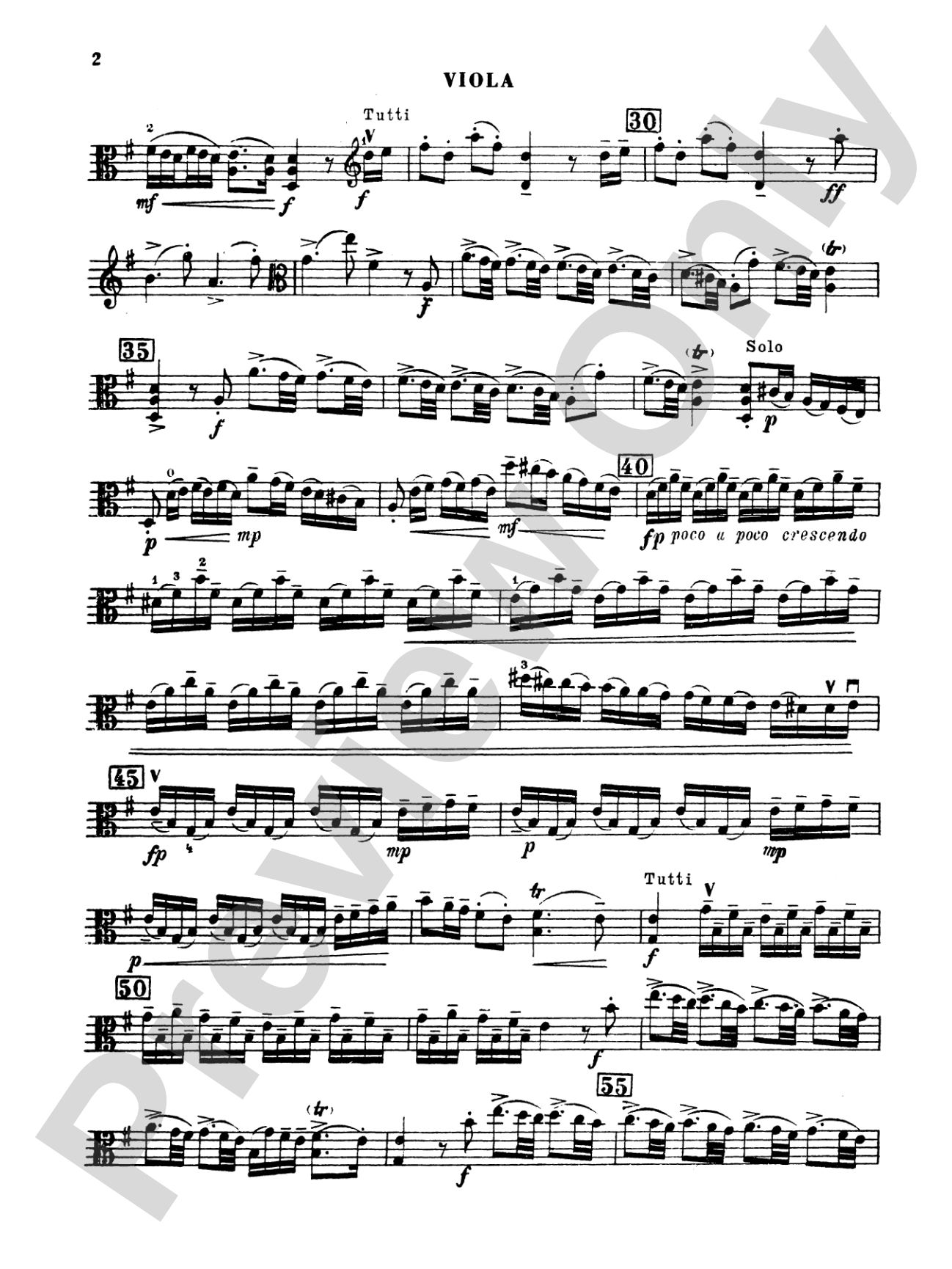
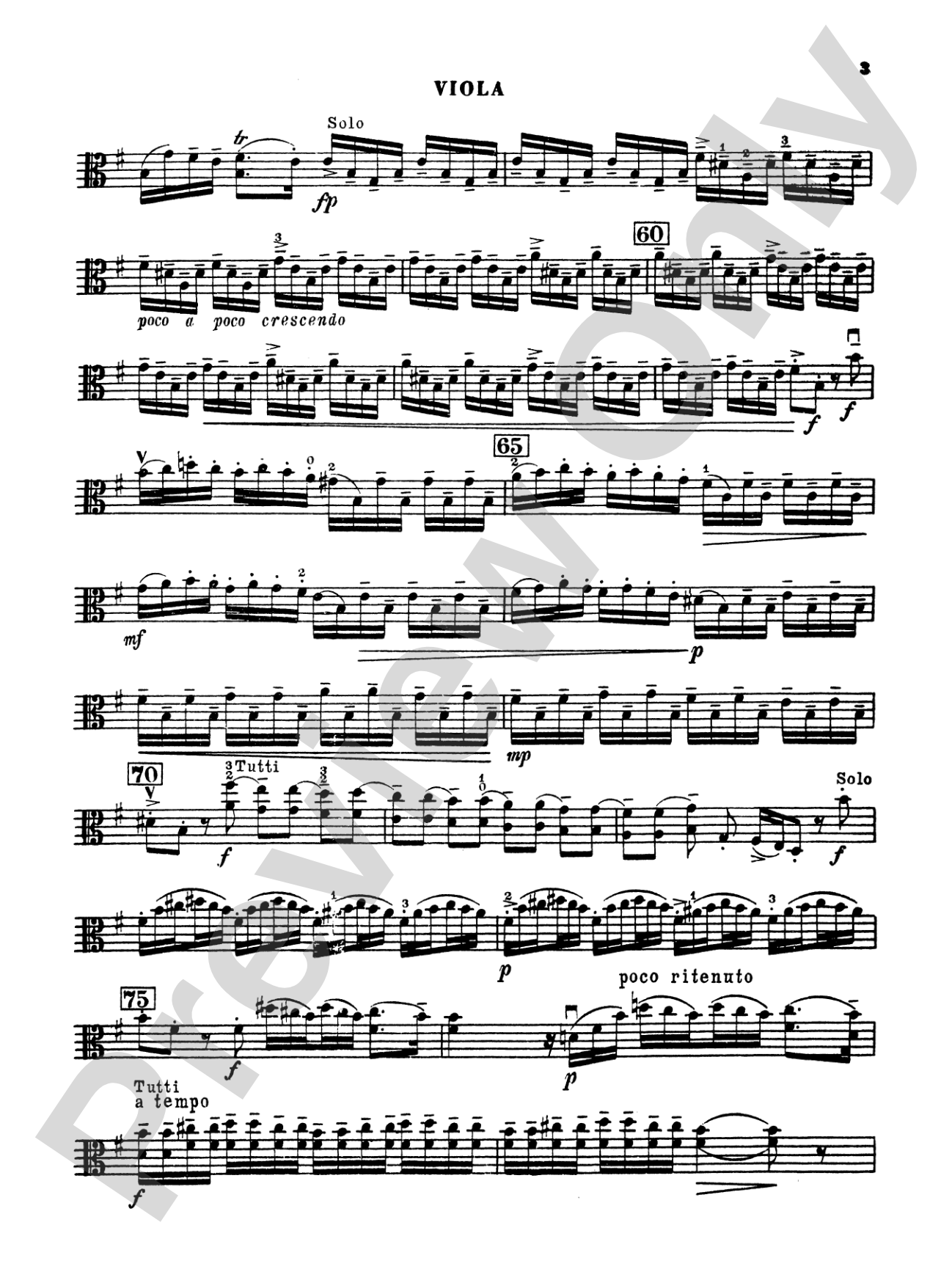
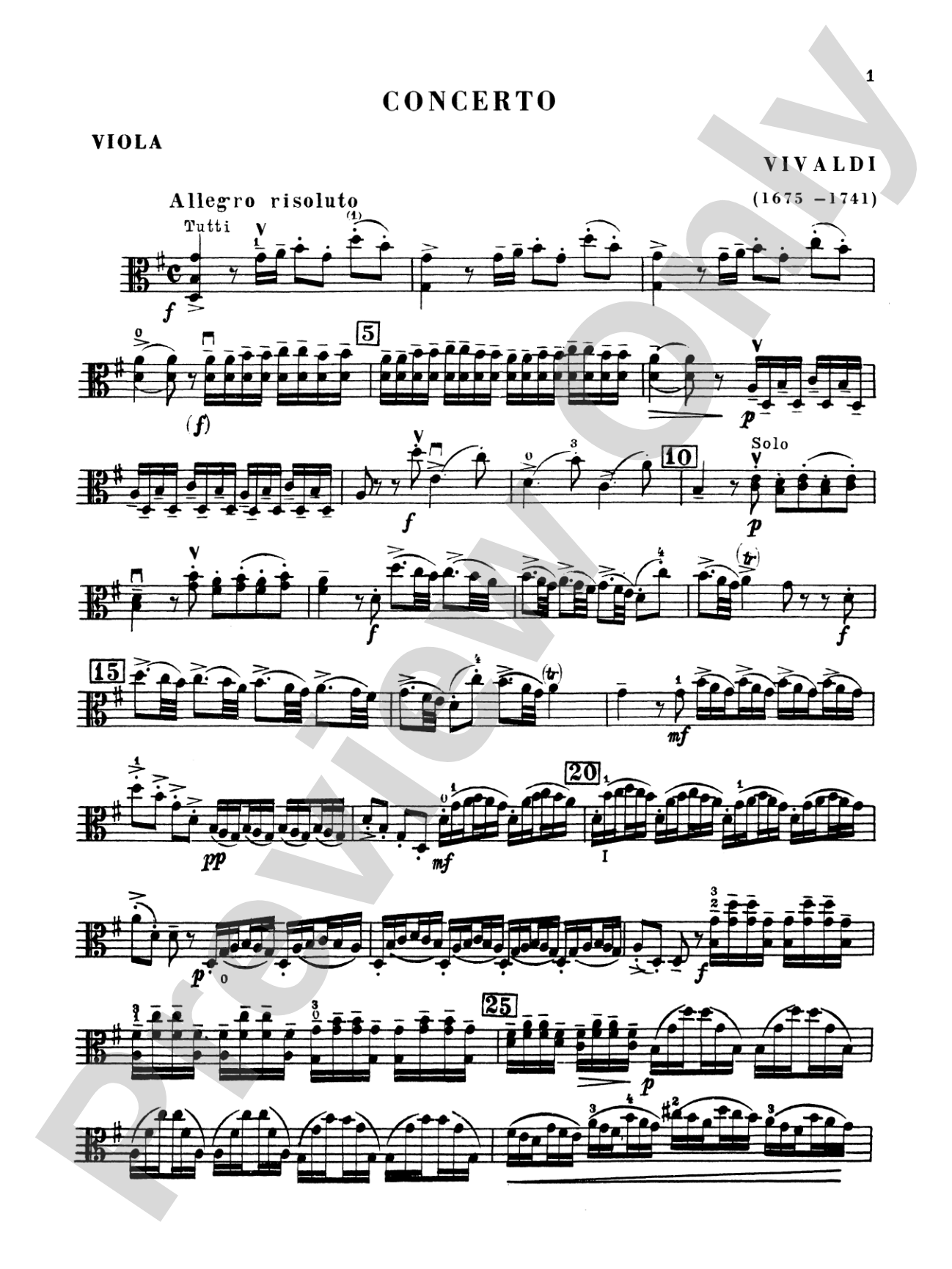
Vivaldi: Concerto for Viola d'Amore Sheet Music Preview

Vivaldi: Concerto for Viola d'Amore

By Antonio Vivaldi

Item: 00-PC-0010197

Digital Download
$4.99
Description
(transcribed)

Don't just read it, hear it, play along with it, and watch your students grow with it. In MakeMusic Cloud, Vivaldi: Concerto for Viola d'Amore comes alive with professional accompaniment, adjustable tempo, and built-in practice tools that turn solo practice into real progress.

Sample Audio
No sample audio found.
Sample Video
Additional Details
Series: Kalmus Edition
Publisher: Alfred Music
Page Count: 40
SKU: 00-PC-0010197

More about this title

About the Composer: Antonio Vivaldi

Antonio Vivaldi (1678-1741) was a Venetian priest and virtuoso violinist whose prolific output defined the Baroque concerto. He composed over 500 concertos across various instruments, establishing many of the formal and stylistic conventions that shaped instrumental music for generations. His influence extends far beyond his own era; his works remain cornerstones of string pedagogy and performance.

Vivaldi's mastery of writing for solo strings set the standard for technical brilliance paired with lyrical expression. The viola d'amore, a seven-stringed instrument with sympathetic strings that produce a warm, resonant tone, captured his compositional imagination. His concertos for this instrument showcase both the technical possibilities and the inherent beauty of the instrument itself, making them treasured by advanced performers and audiences alike.

Why we love this

Vivaldi's viola d'amore concertos represent a rare opportunity to program a genuinely substantial Baroque work written specifically for viola that isn't a transposition. This transcription gives violists access to material that celebrates their instrument's cantabile voice while demanding genuine virtuosity. The orchestration sits beautifully with piano accompaniment for recitals or competitions, and the 40-page score provides serious substance without overwhelming rehearsal schedules.

What to expect

The viola d'amore sings with uncommon sweetness and depth in Vivaldi's hands, suspended between the intimacy of a solo voice and the grandeur of a full concerto. The interplay between the viola's principal line and the supportive harmonic language creates a lyrical intensity that rewards both player and listener with an experience of Baroque elegance and melodic generosity.

Who it's for

This edition is designed for advanced violists preparing for recitals, competitions, or festival performances. It suits players with solid command of Baroque style and the technical facility to execute Vivaldi's figuration cleanly and musically.

How to get the most out of it

  • Study the harmonic architecture across full phrases rather than measure by measure; Vivaldi's long-line thinking becomes clear when you track the functional harmony from section to section.
  • Shape the ornamentation with intentionality. Vivaldi's runs and scalar passages should serve the melodic contour, not overshadow it.
  • Work with your pianist to establish clear rhythmic anchors in the faster movements; the basso continuo tradition demands stylistic unity between soloist and accompaniment.
  • Exploit the natural sonority of your viola to sustain the warmth that defines this Baroque style; avoid a thin or overly bright tone that contradicts the instrument's inherent character.

How to use it

This concerto serves equally well as a featured recital centerpiece or a competition audition piece. Program it alongside other Baroque solo works (harpsichord music, continuo-based chamber works) to anchor a classical program, or pair it with a contemporary viola solo to highlight the instrument's expressive range across centuries.

Skills your students will build

  • Executing Baroque ornamentation and scalar passage work with clarity and stylistic integrity
  • Sustaining long melodic lines with shape and direction across multiple phrases
  • Coordinating solo viola lines with continuo-based harmonic accompaniment
  • Reading at an advanced level across a full-length concerto in multiple movements
  • Developing interpretive choices within the harmonic and formal conventions of the Baroque concerto

You May Also Like