
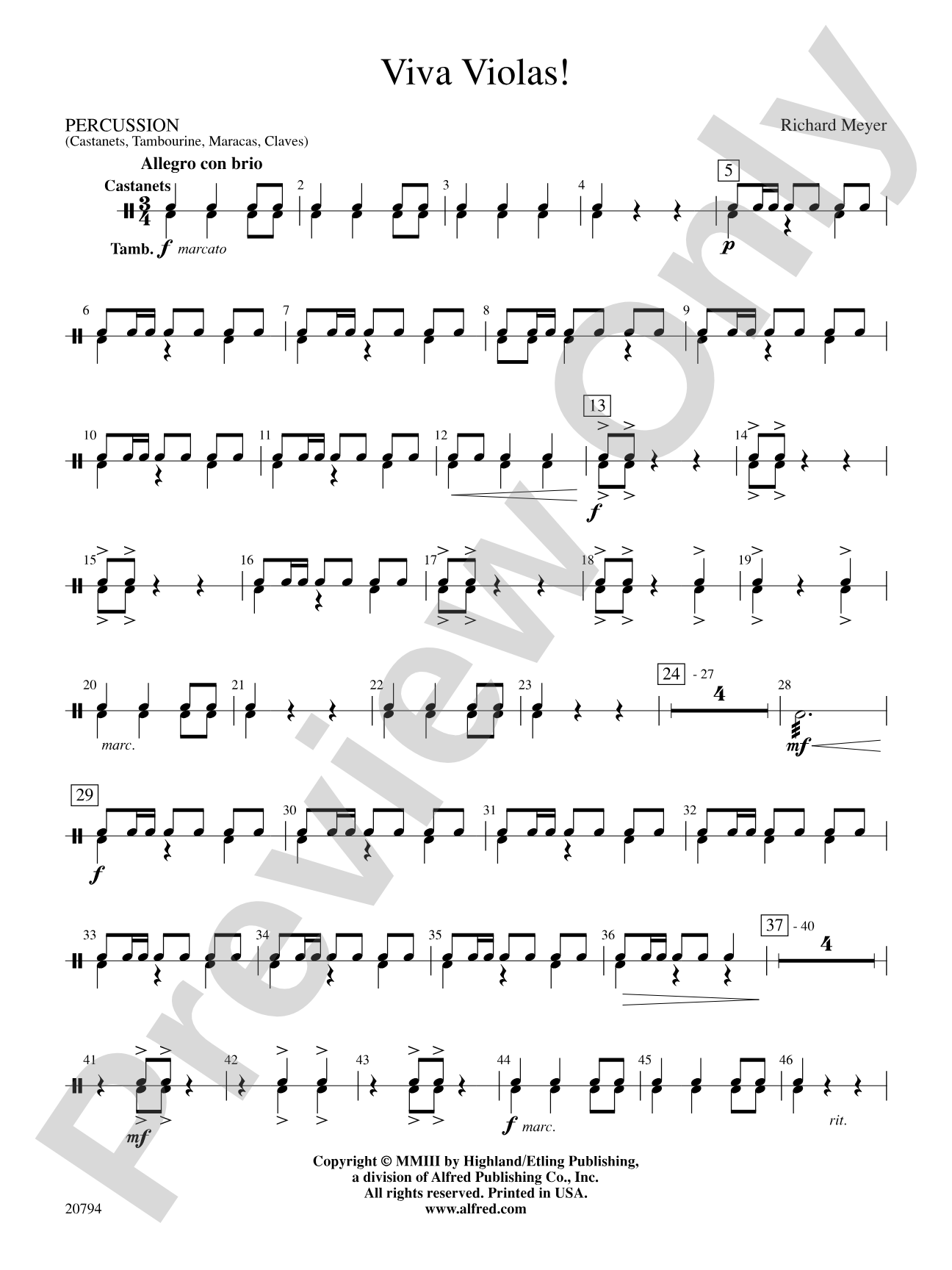

Viva Violas!: 1st Percussion
Viola Section Feature
By Richard Meyer
Grade: 2.5
Item: 00-PC-0000460_PC1
$5.99
Pickup currently not available
Description
Spotlight your viola section with this Spanish-flavored feature. The minor-keyed opening contains all the bravura of an exciting bullfight and is followed by a section that slows down briefly for a dramatic recitative-like transition, leading to a playful dance section in G Major. The rhythmic challenges of the accompaniment will keep all sections of the string orchestra interested. A Viola II part (second violin in alto clef) is included for those violists not yet ready to solo. Violin, cello, and bass parts are in first position throughout, while the solo part contains brief excursions into third position. Latin percussion parts are added for texture. Very playable!


Don't just read it, hear it, play along with it, and watch your students grow with it. In MakeMusic Cloud, Viva Violas!: 1st Percussion comes alive with professional accompaniment, adjustable tempo, and built-in practice tools that turn solo practice into real progress.
Open in the Player
Jump straight in and assign it today.
Start Your Free Trial
Open this title and explore the full library in minutes.
Sample Audio
1
Audio File
--:--
0:00
0:00
Sample Video
No sample videos found.
Additional Details
Series:
Highland/Etling String Orchestra
Publisher:
Alfred Music
Page Count:
144
SKU:
00-PC-0000460_PC1
More about this title
About the Composer: Richard Meyer
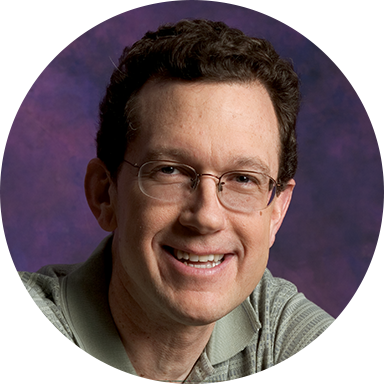
Richard Meyer spent 35 years teaching strings in public schools, where he built the Oak Avenue Intermediate School orchestra from 29 students to 200 and oversaw the city's elementary string program. He conducted the Pasadena Youth Symphony Orchestra for 16 years, leading performances across North America, Europe, and Australia, and founded the "Giving Bach" program, which has earned national recognition for using interactive concerts to reach special needs and underserved students throughout Southern California.
Beyond the podium, Meyer is a prolific and commercially successful composer with over 190 works published. He served 16 years as string editor for Alfred Publishing Company and co-authored the String Explorer Series and Sight-read It for Strings. His work as a guest clinician spans the A.S.T.A. National Conference, state orchestra director associations, and university string workshops across the country.
Why we love this
Meyer's writing puts the violas front and center without sacrificing musical substance. The combination of a thrilling minor-key opening, dramatic recitative-like passage, and infectious major-key dance gives your orchestra something genuinely exciting to perform, while the rhythmic texture in the accompaniment keeps every other section engaged and challenged.
What to expect
Spanish drama unfolds across three distinct landscapes. The opening bristles with the intensity of a bullfight, all minor-key swagger and rhythmic drive. Then the music pauses for a moment of lyrical introspection before pivoting to a sunny, irresistible dance in G Major that bounces with folk-dance energy and playful swagger.
Who it's for
Directors of Grade 2.5 string orchestras who want to feature the viola section with a piece that combines genuine musical substance and excitement. This works equally well for groups with developing violists and those with confident soloists, thanks to the included Viola II part.
How to get the most out of it
- Balance the solo viola line with confidence during the opening bullfight section; the excitement comes from full, projected tone, not timidity.
- Work the rhythm section (cello and bass) on their accompaniment patterns independently before full rehearsals. Their rhythmic accuracy shapes the entire piece.
- Use the Viola II part in alto clef to build confidence in developing violists and to double the main viola line where needed until your soloists are secure.
- Treat the recitative-like transition as a true moment of repose. Let the tempo breathe and allow the violas to shape the phrase expressively before the energy returns.
How to use it
This is an ideal contest or festival piece that showcases section accomplishment while remaining fully engaging for the entire ensemble. Program it alongside lighter works to highlight how much color and character your strings can deliver at this level, or pair it with a classical-era piece to demonstrate musical range across styles and time periods.
Skills your students will build
- Reading alto clef with confidence (for violists on the solo part and Viola II players)
- First position security across all string sections with minimal position shifts
- Controlled introduction to third position (solo viola part only)
- Rhythmic precision in accompaniment figures with syncopation and Latin rhythm patterns
- Expressive playing in recitative-like passages with varied tempo and phrasing
- Balancing a featured melody against active accompaniment textures