
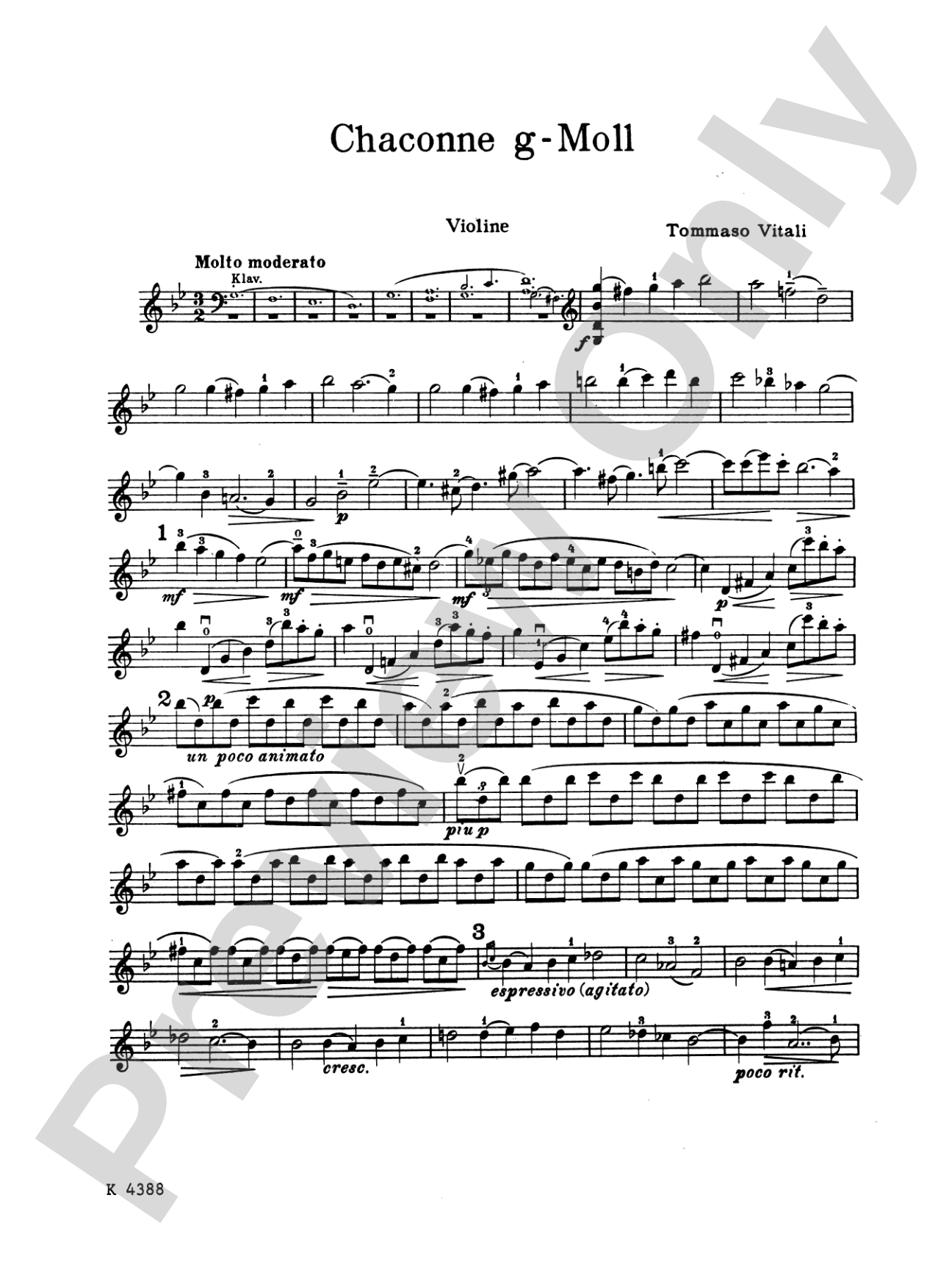
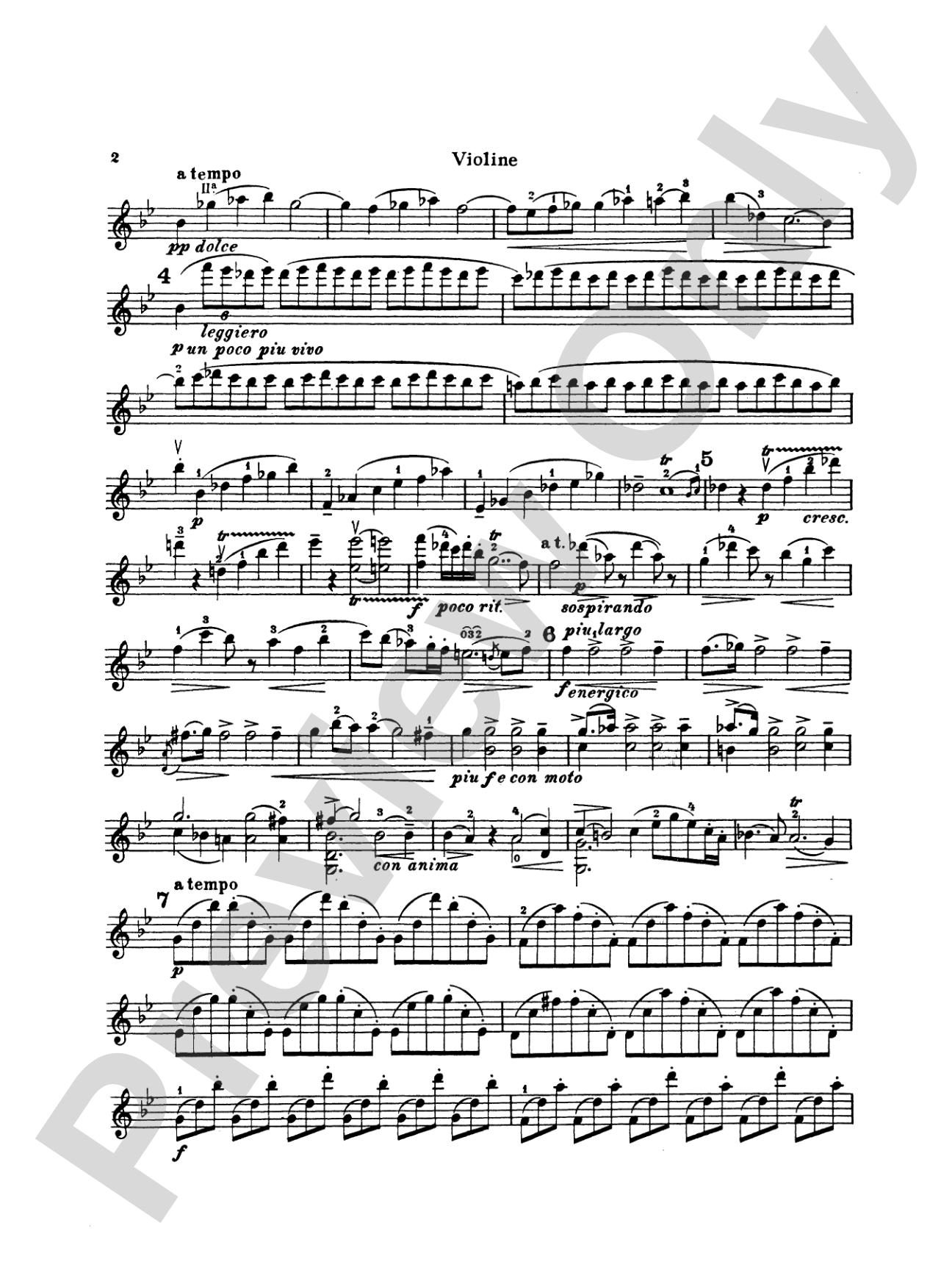
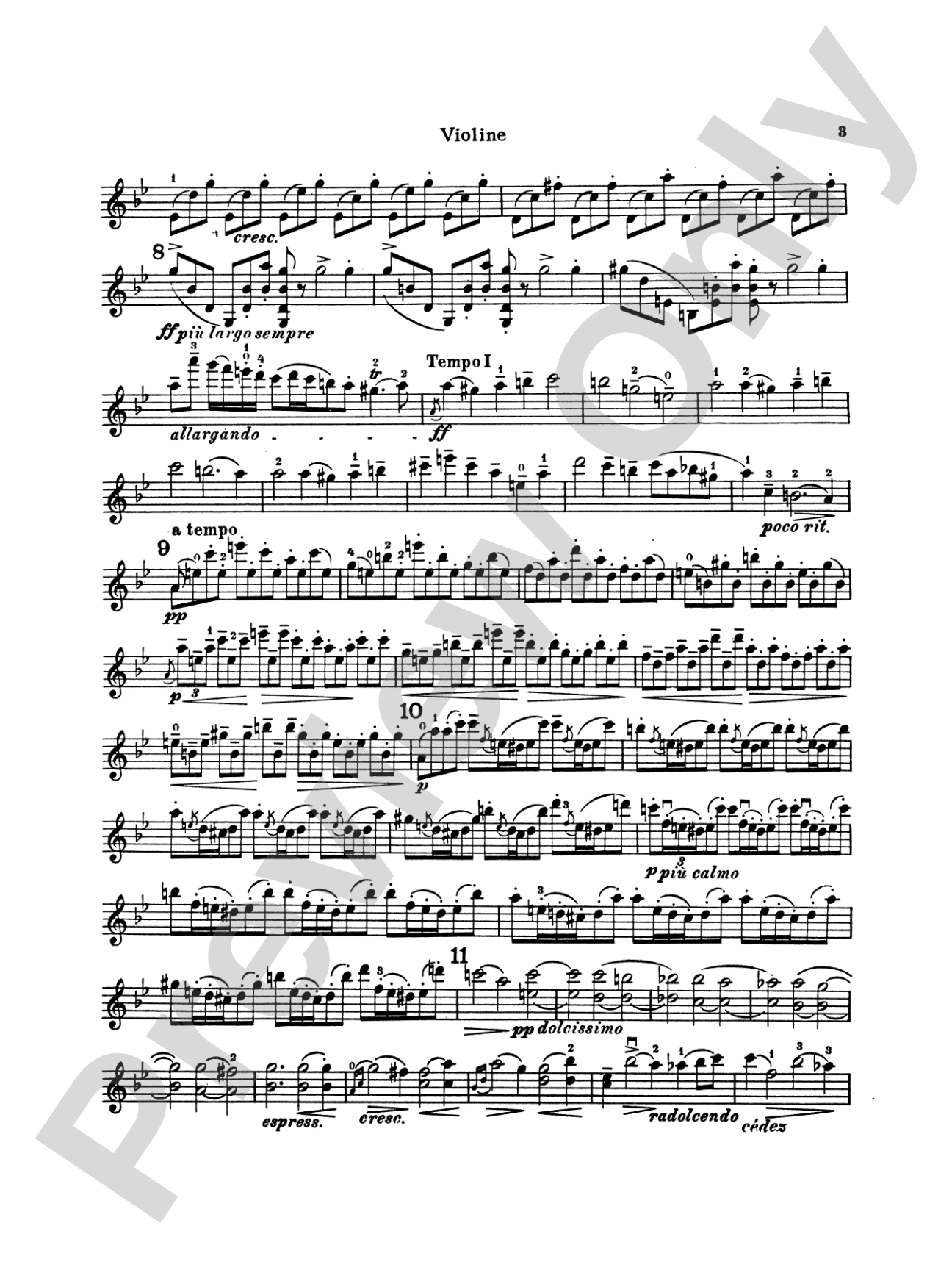
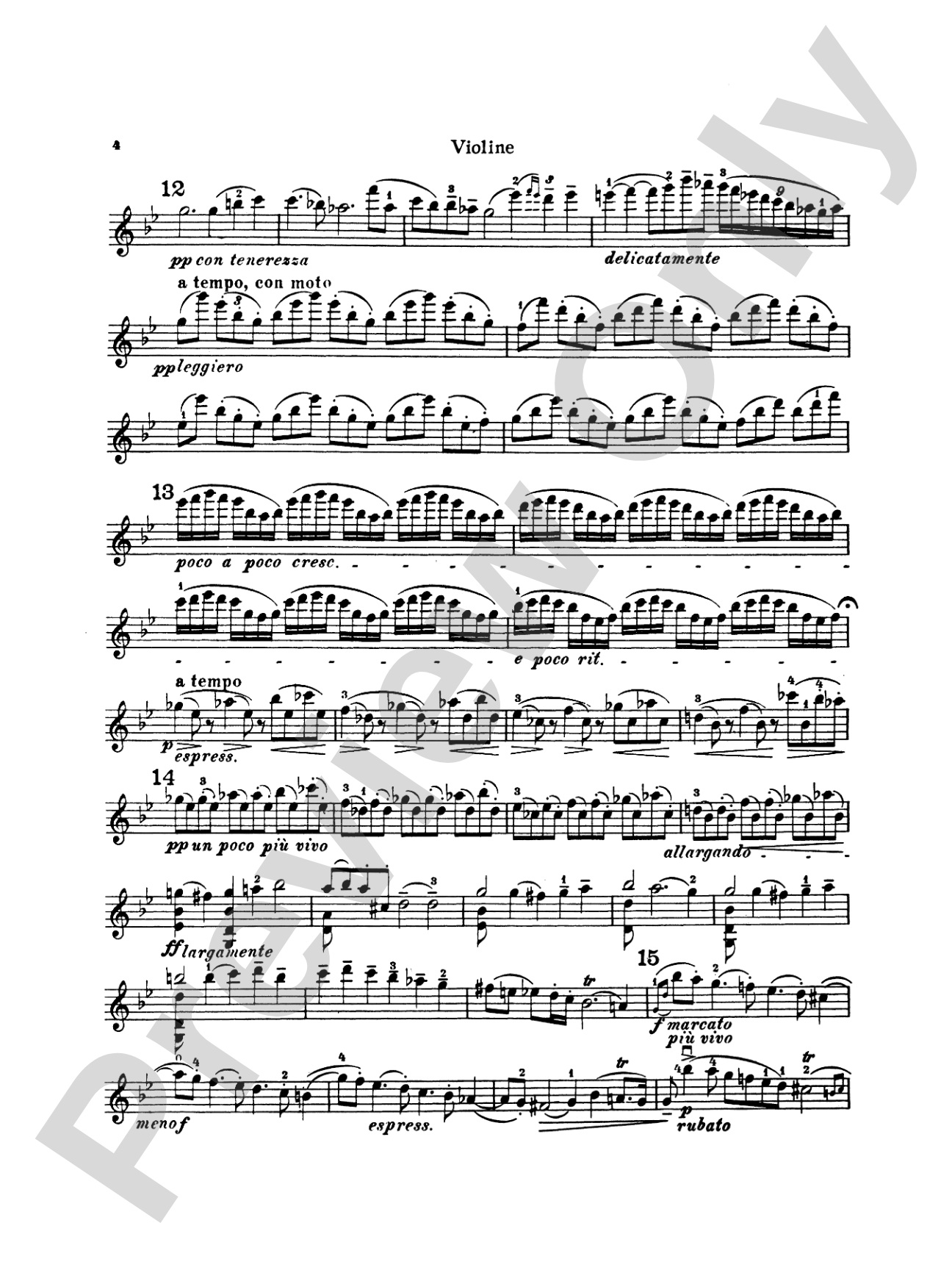
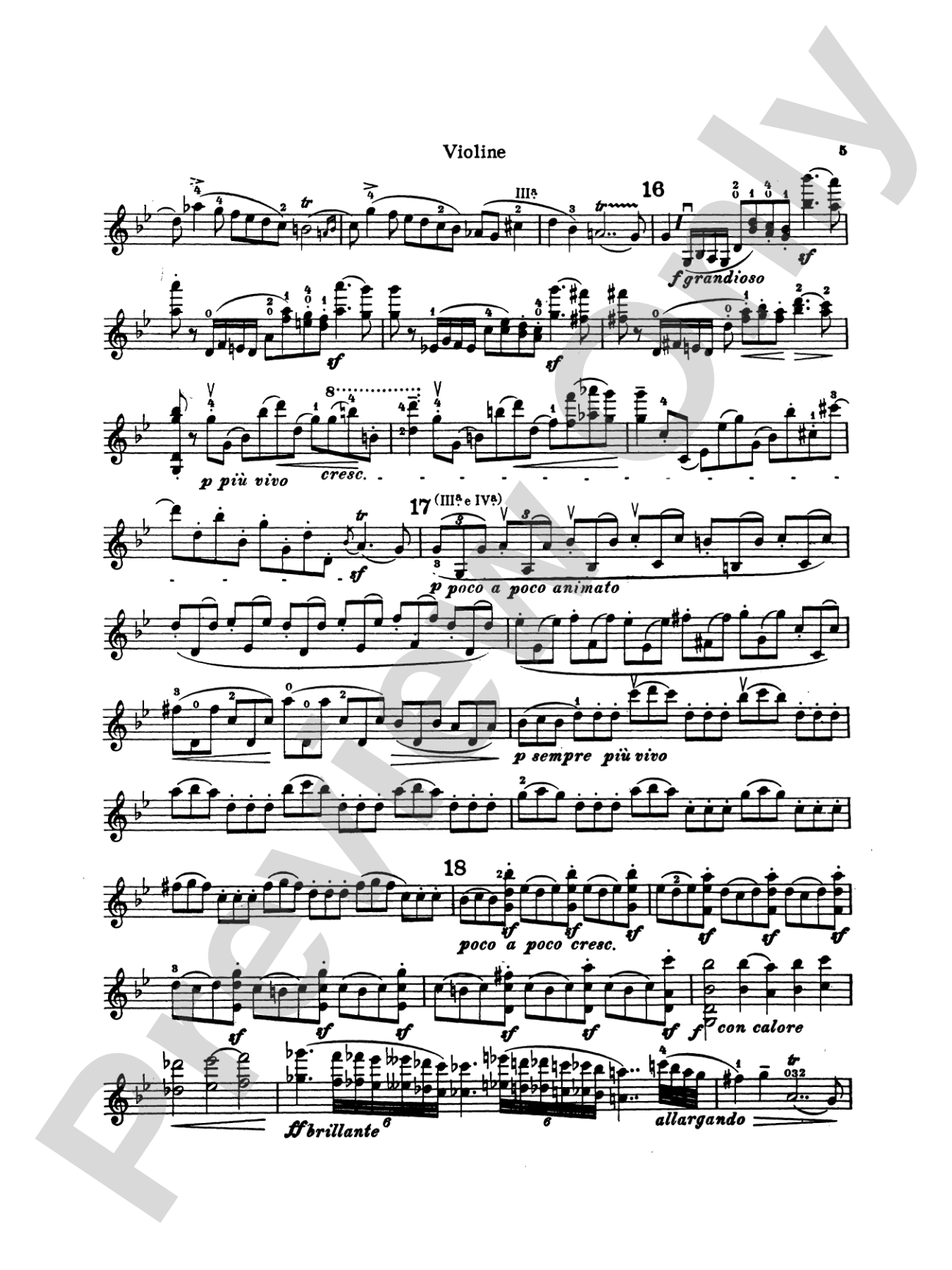
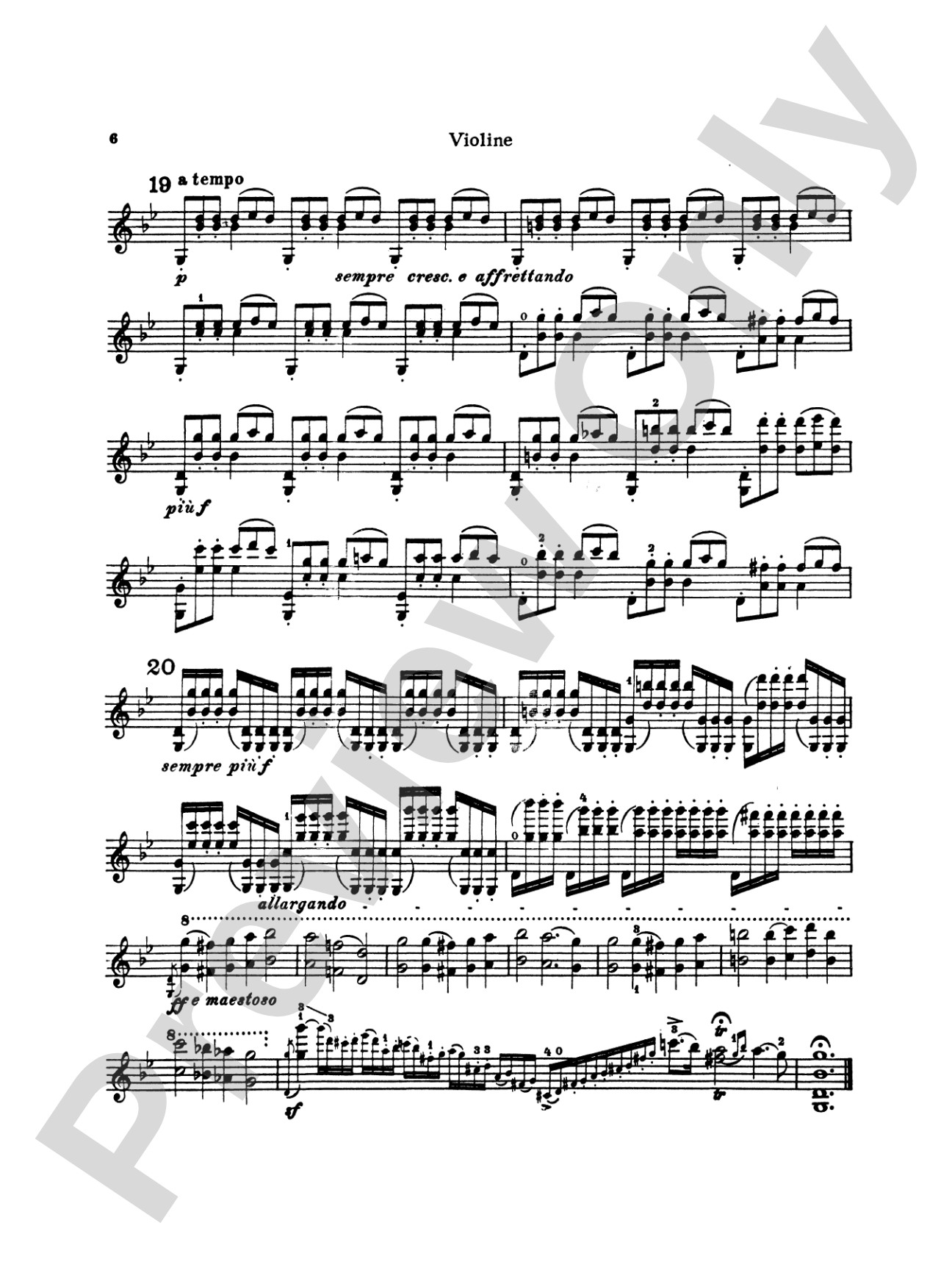



Vitali: Chaconne in G Minor: Violin Book
By Tomaso Antonio Vitali
Item: 00-PK-0003493

$9.99
Pickup currently not available
Buy Extra Parts (Digital PDF Download)
| Product | Price | Quantity |
|---|---|---|
| Vitali: Chaconne in G Minor | $3.99 | |
| Vitali: Chaconne in G Minor | $3.99 |
Parts Added to Cart!
Description
Expertly arranged Violin with Piano Accompaniment music by Tomaso Antonio Vitali from the Kalmus Edition series. This is from the Baroque era.


Don't just read it, hear it, play along with it, and watch your students grow with it. In MakeMusic Cloud, Vitali: Chaconne in G Minor: Violin Book comes alive with professional accompaniment, adjustable tempo, and built-in practice tools that turn solo practice into real progress.
Open in the Player
Jump straight in and assign it today.
Start Your Free Trial
Open this title and explore the full library in minutes.
Sample Audio
No sample audio found.
Sample Video
No sample videos found.
Additional Details
Series:
Kalmus Edition
Publisher:
Alfred Music
Page Count:
24
SKU:
00-PK-0003493
More about this title
About the Composer: Tomaso Antonio Vitali
Tomaso Antonio Vitali (1644-1712) was an Italian Baroque violinist and composer whose virtuosic writing for the instrument established him as a significant figure in the development of violin technique. Working primarily in Rome and Modena, Vitali composed primarily for strings and left behind a legacy of demanding, musically sophisticated works that pushed the technical and expressive boundaries of violin playing in his era.
Why we love this
The Chaconne in G minor stands as one of the most rewarding Baroque violin showpieces for advanced students and young professionals. Its combination of technical brilliance, harmonic depth, and sustained melodic beauty makes it a natural choice for competition rounds and concert recitals where you want repertoire that sounds impressive and plays beautifully without requiring contemporary performance practice research.
What to expect
The Chaconne unfolds as a series of increasingly elaborate decorations over a ground bass that anchors the entire structure with quiet inevitability. Each variation reveals new facets of the melodic and technical possibilities, building momentum and intensity while the harmonic foundation remains constant, creating a sense of both architectural inevitability and emotional depth.
Who it's for
Advanced violin students preparing for competitions, juries, or advanced recitals will find this edition an accessible entry point to this essential Baroque masterwork. Chamber musicians and professional violinists seeking compelling traditional repertoire for concert programming will appreciate the proven musicality and technical showcase this work provides.
How to get the most out of it
- Shape each variation of the chaconne ground with clarity; resist the temptation to play through without articulating the harmonic changes underneath the figurework.
- Establish a steady, unhurried tempo that allows the sixteenth-note passagework to sing rather than scramble, particularly in the virtuosic central sections.
- Balance the relationship between violin and piano accompaniment so that your melodic line remains the clear focus while the keyboard provides supportive harmonic definition.
- Attend to the bow distribution in longer phrases to maintain tone quality across the span of the variation; this prevents fatigue and keeps the listener engaged through the piece's cumulative structure.
How to use it
This work functions beautifully as a recital centerpiece for advanced students or as the cornerstone of a Baroque violin program that might pair it with sonatas or other chaconne-based works. Its contest-appropriate length and undeniable musical substance make it ideal for pre-competition programming when you need repertoire that demonstrates both technical command and interpretive maturity.
Skills your students will build
- Sustained control of tone quality across extended virtuosic passagework
- Reading and executing Baroque articulation and ornamentation conventions
- Structural listening and phrasing across variations on a fixed harmonic ground
- Stylistic balance between violin and continuo accompaniment
- Endurance and consistency in maintaining musical focus through cumulative formal structures