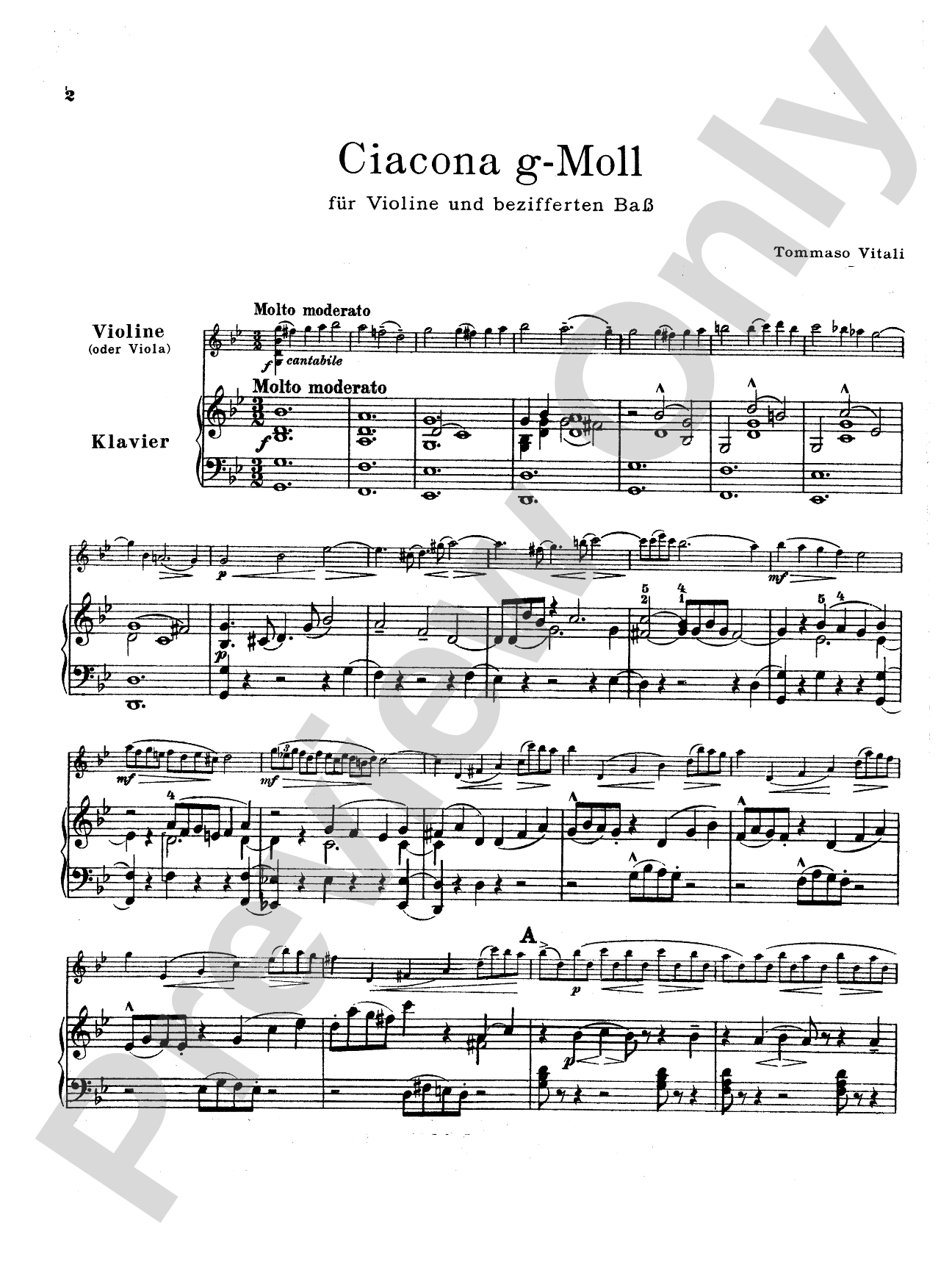
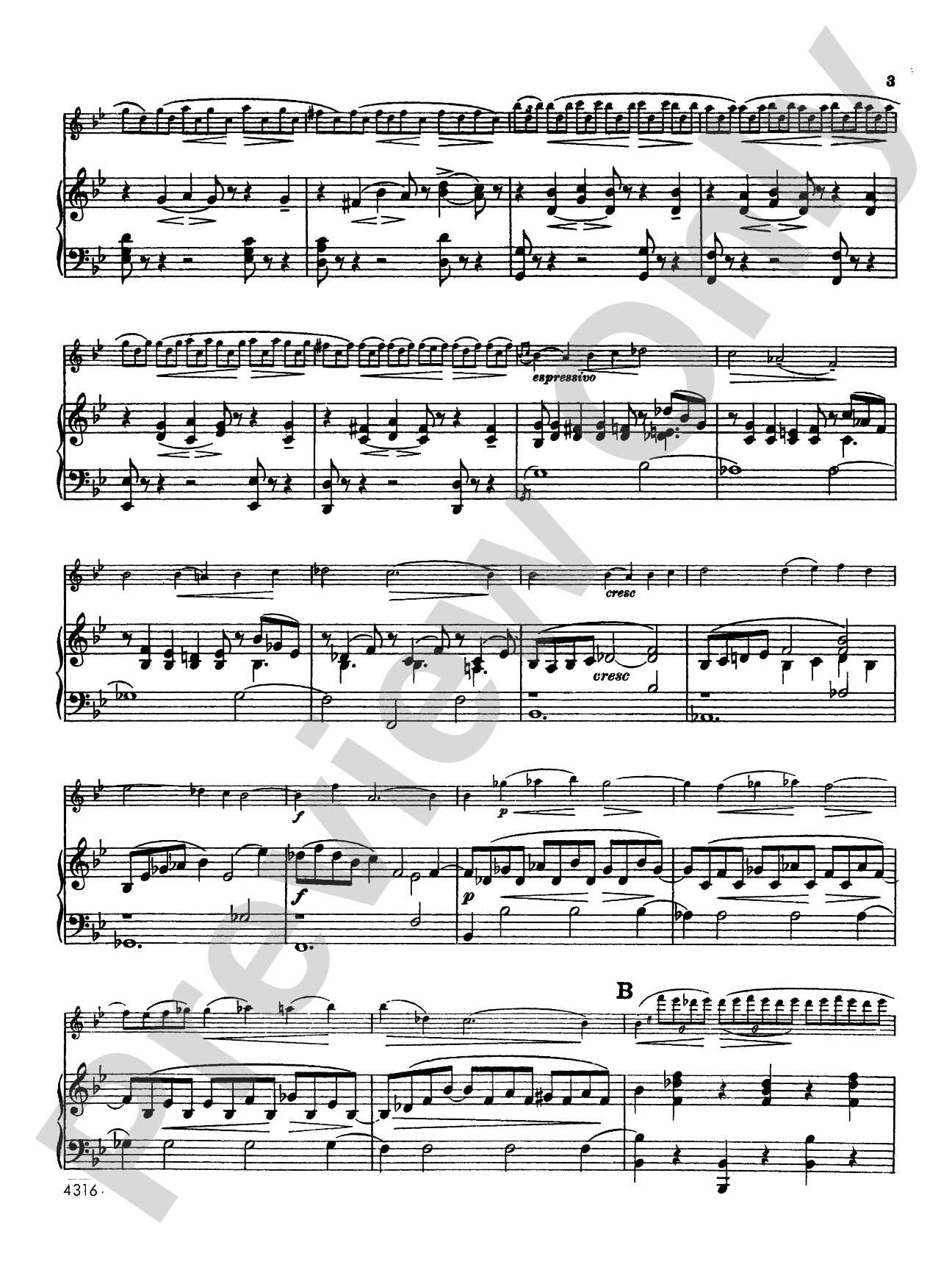
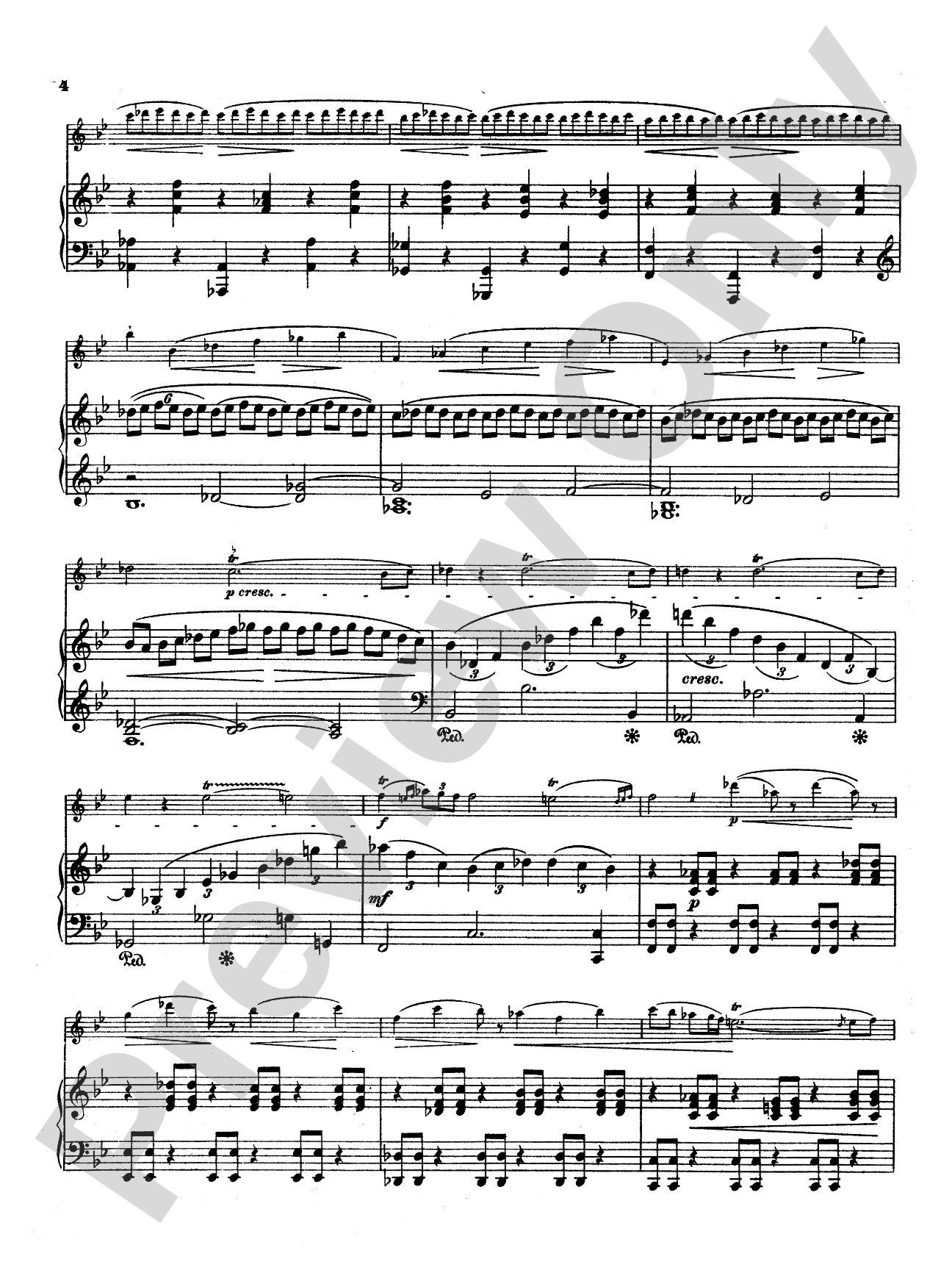
Vitali: Chaconne in G Minor Sheet Music Preview

Vitali: Chaconne in G Minor

By Tomaso Antonio Vitali

Item: 00-PC-0010218

Digital Download
$3.99
Description
A solo, for Viola with Piano Accompaniment, composed by Tomaso Antonio Vitali.

Don't just read it, hear it, play along with it, and watch your students grow with it. In MakeMusic Cloud, Vitali: Chaconne in G Minor comes alive with professional accompaniment, adjustable tempo, and built-in practice tools that turn solo practice into real progress.

Sample Audio
No sample audio found.
Sample Video
Additional Details
Series: Kalmus Edition
Publisher: Alfred Music
Page Count: 24
SKU: 00-PC-0010218

More about this title

About the Composer: Tomaso Antonio Vitali

Tomaso Antonio Vitali (1644-1712) was an Italian Baroque violinist and composer whose works remain central to string pedagogy and concert repertoire. Active in Rome and other Italian centers during the late 17th century, Vitali built his reputation as both a virtuoso performer and a composer of substantial instrumental music, including sonatas and works that pushed the technical and expressive boundaries of the violin.

The Chaconne in G Minor stands as his most enduring composition. Though long attributed to other composers, this work has secured Vitali's legacy in music education and performance. Its demands for technical facility, musical maturity, and interpretive depth make it a cornerstone of advanced string repertoire.

Why we love this

Vitali's Chaconne offers viola students a genuine Baroque masterwork scaled appropriately for advanced players. The work sits at that rare intersection where technical demands serve the music rather than dominate it, making it ideal for contest preparation without sacrificing artistic substance. Its pervasive use in competitions and festivals speaks to both its musical integrity and its appeal to adjudicators across generations.

What to expect

Stately and intricate. Vitali unfolds a series of variations over a grounded harmonic foundation, allowing the viola to soar from technical figuration to singing lines and back again. The work carries both the ceremonial weight of Baroque formality and the intimate virtuosity of a master craftsman writing for his own instrument.

Who it's for

Advanced high school and college viola students preparing for competitions, festivals, or recitals. This work demands secure technique across the entire range of the instrument, intonation control in the upper positions, and the interpretive maturity to sustain a substantial solo form.

How to get the most out of it

  • Shape each variation within the chaconne's harmonic framework rather than treating sections as isolated technical exercises. The underlying bass pattern connects every variation, and maintaining that sense of architecture keeps the work coherent across its 24 pages.
  • Balance technical passages with the lyrical content Vitali embedded throughout. Passages that showcase facility should never overshadow the cantabile phrases that give the work its Baroque dignity.
  • Use the piano accompaniment to establish tempo and harmonic grounding early in rehearsals. The keyboard part, while supportive, clarifies the work's structural foundation and helps both players lock into the chaconne's rhythmic pulse.
  • Attend to articulation as a primary tool for clarity and style. Baroque viola writing benefits from careful distinction between slurred and separated passages, which shapes both the technical and expressive character of each variation.

How to use it

Program this as the centerpiece of a solo recital or as a bridge between smaller character pieces and contemporary works. It also serves well as a contest or festival entry where judges expect substantial technical and musical maturity. Pair it with a Baroque sonata by a different composer to showcase the breadth of the era, or contrast it with a 20th-century viola solo to highlight stylistic range.

Skills your students will build

  • Baroque articulation and phrasing conventions
  • Sustained playing over extended passages with consistent tone quality
  • Intonation security in upper positions and chromatic passages
  • Variation technique and the ability to maintain coherence through structural repetition
  • Technical facility across bow strokes and left-hand positions
  • Collaborative listening and ensemble balance with piano accompaniment

You May Also Like