
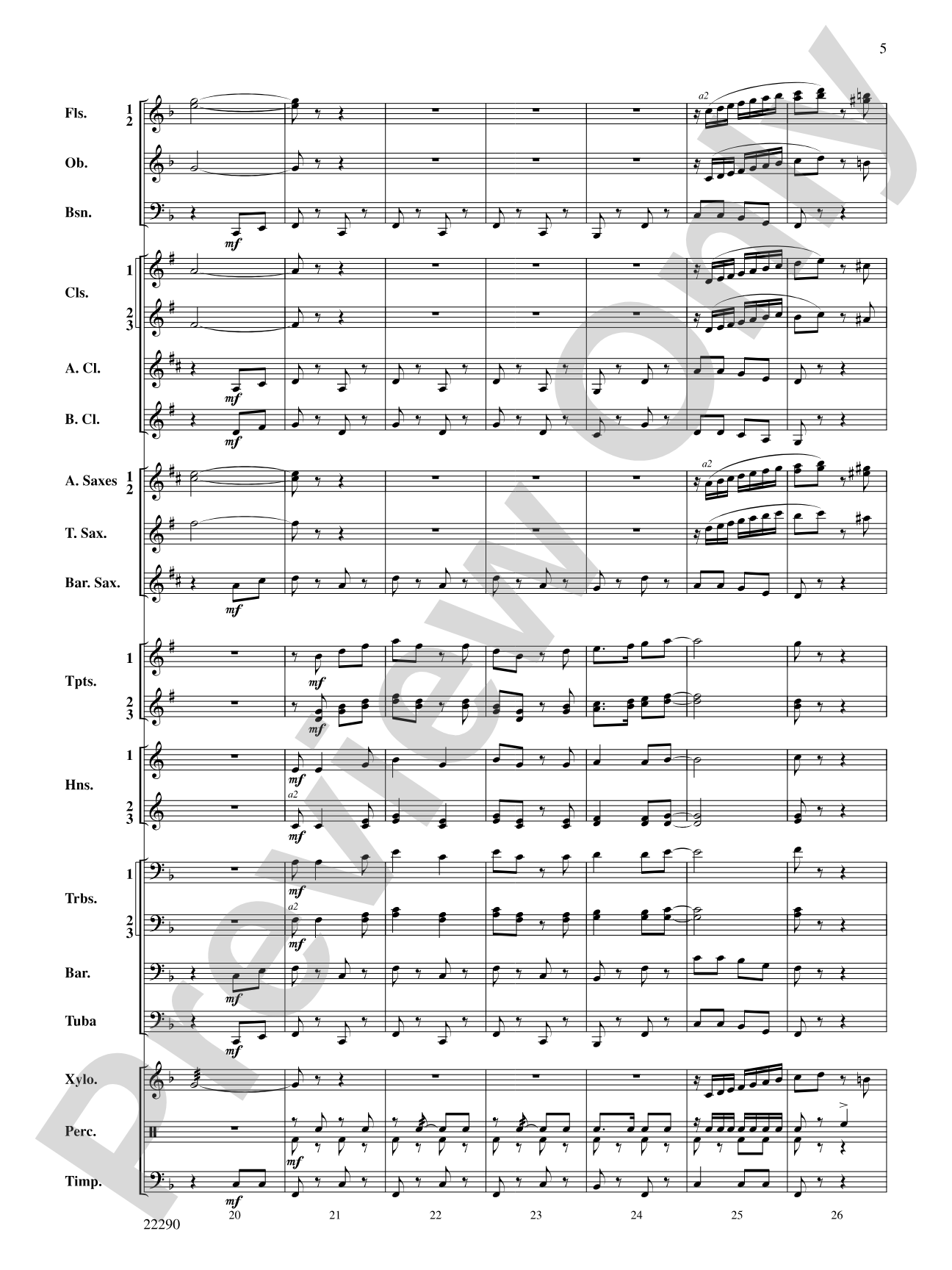
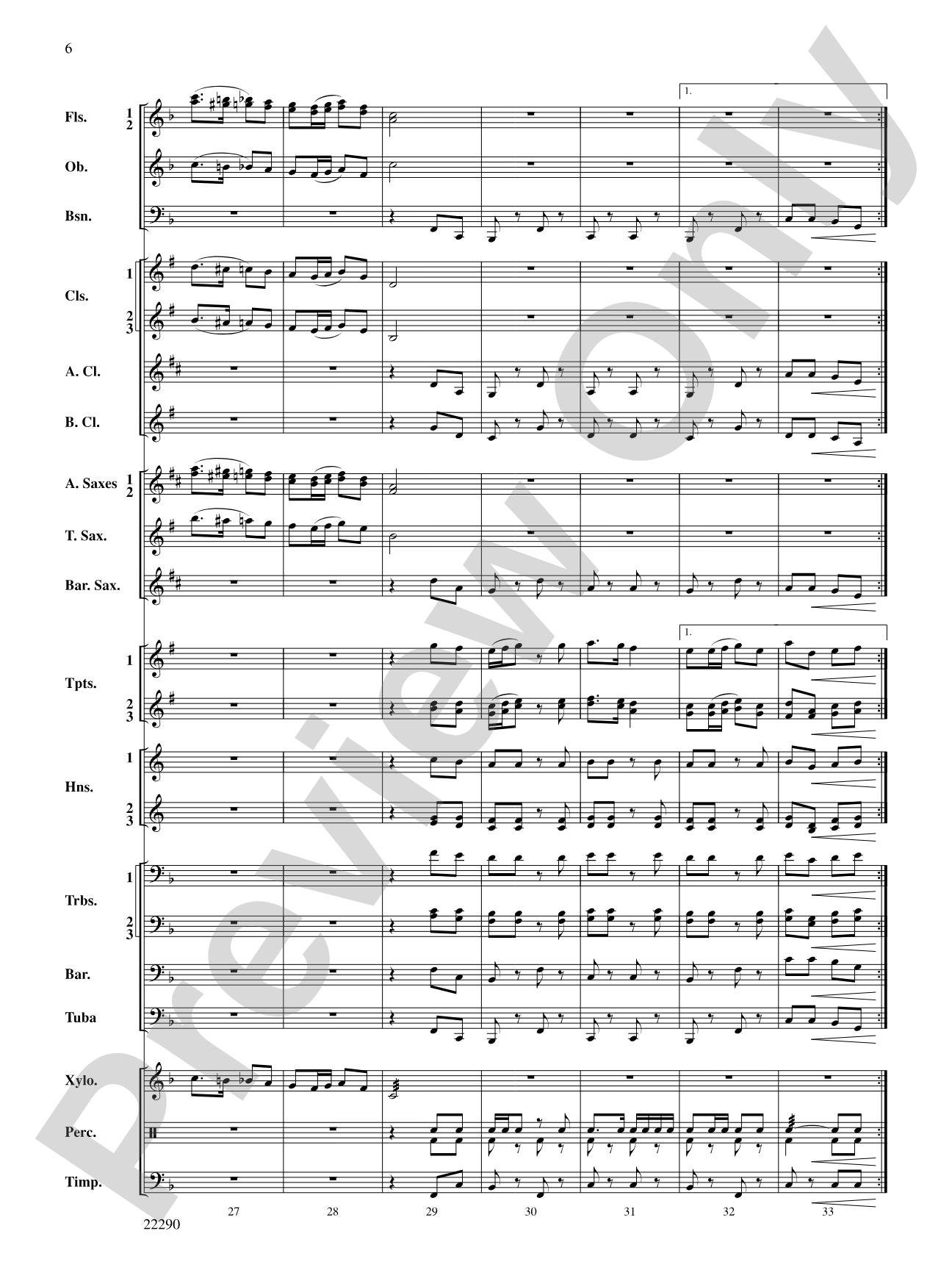
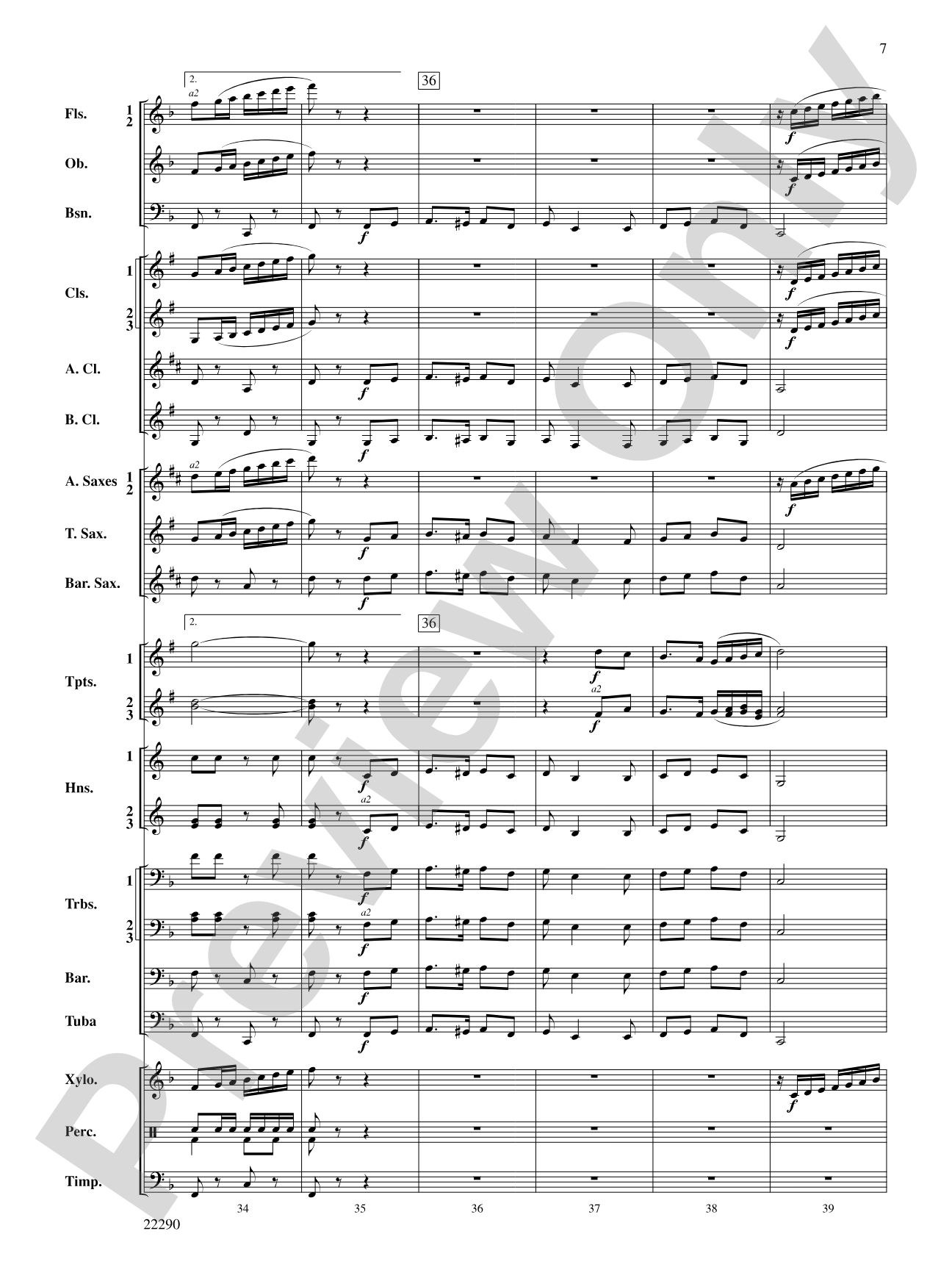
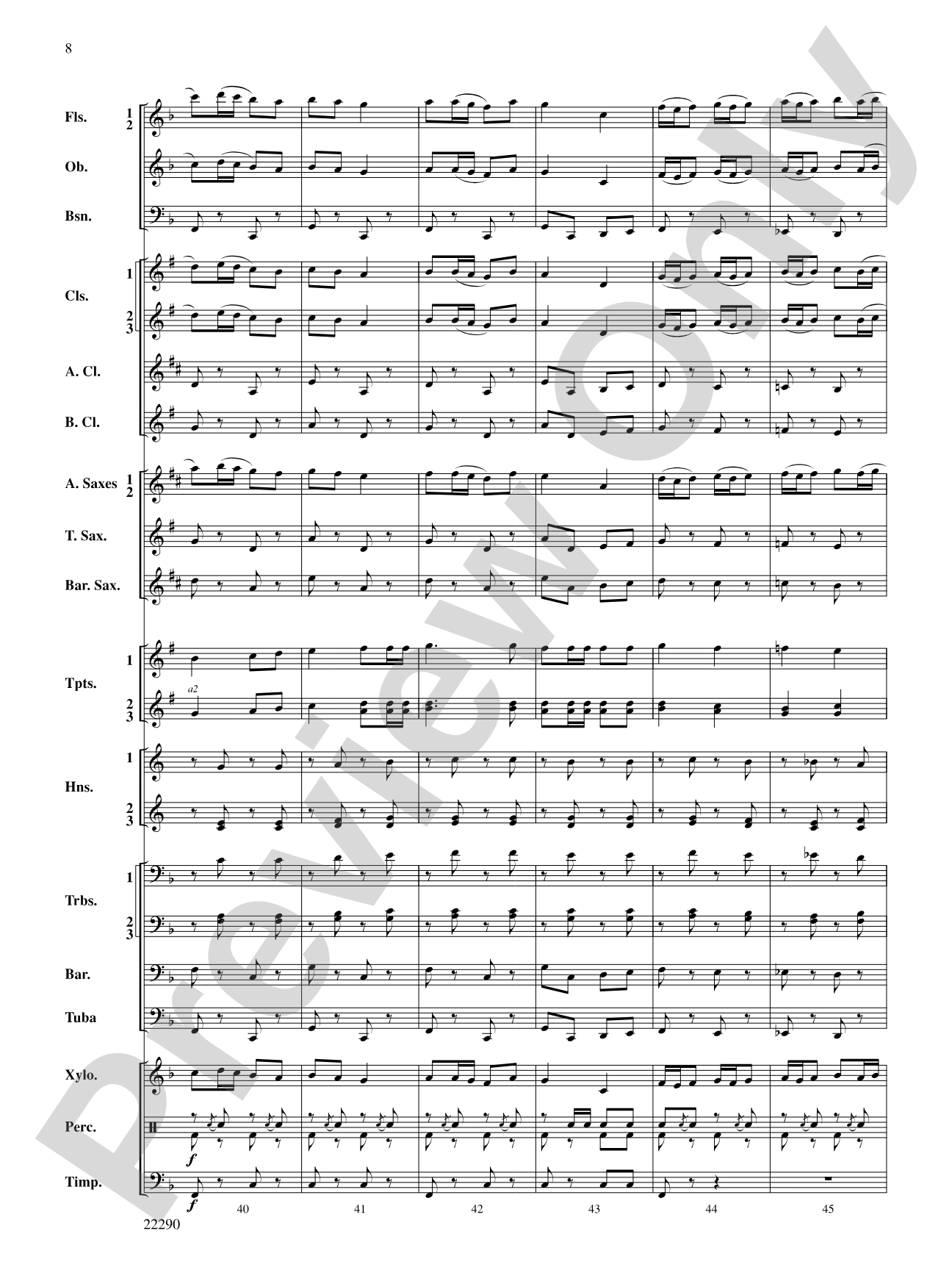
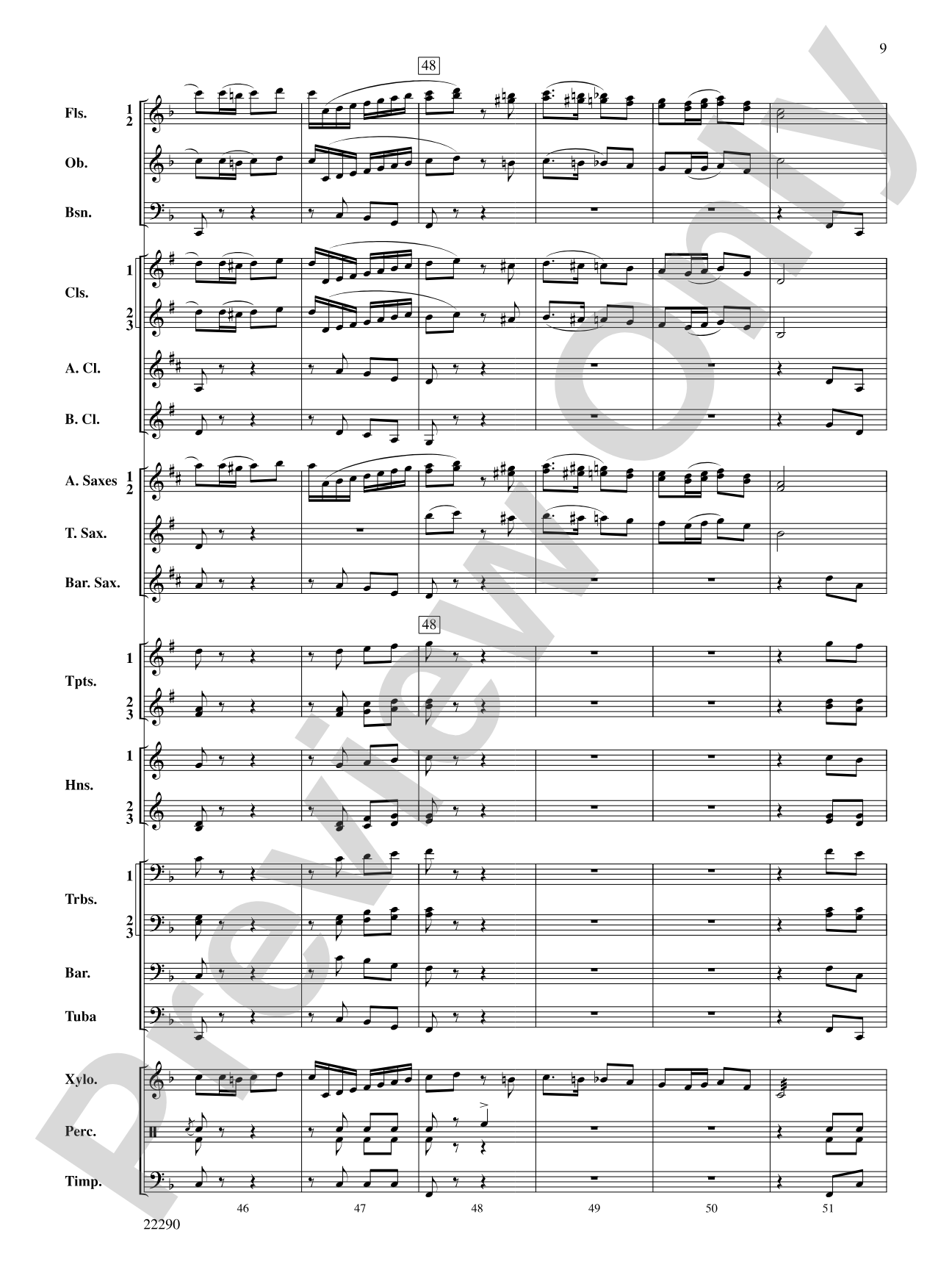
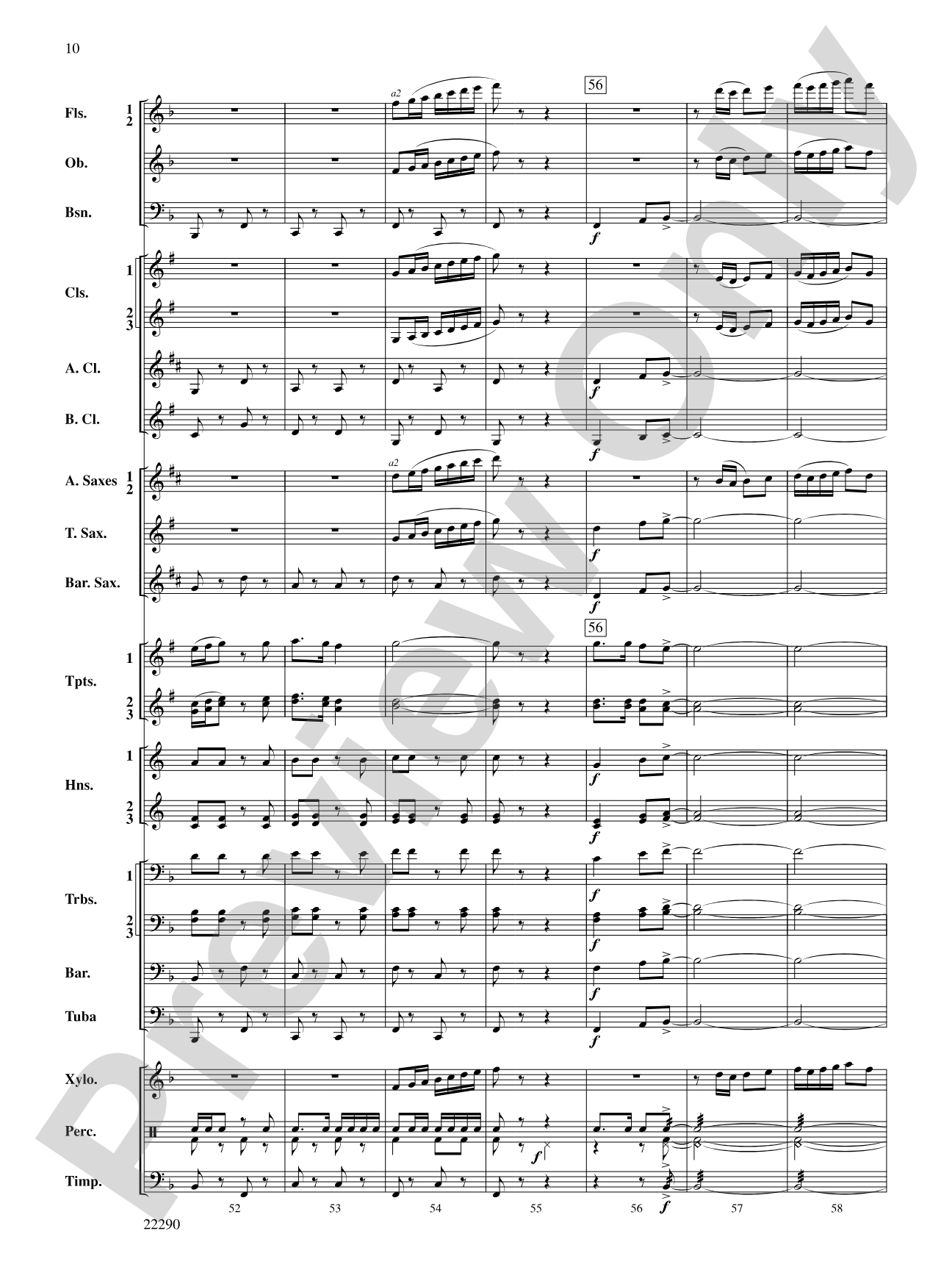
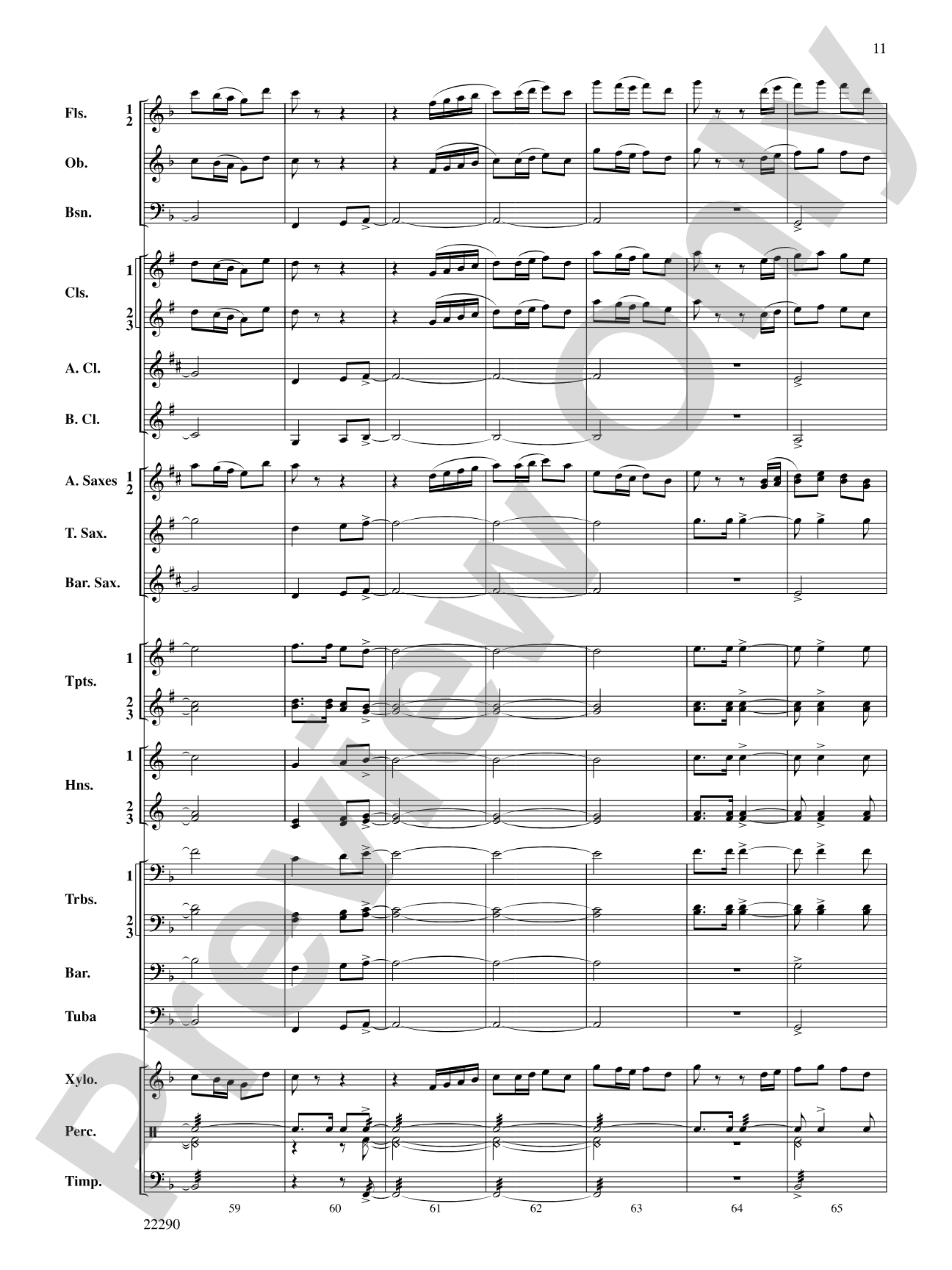
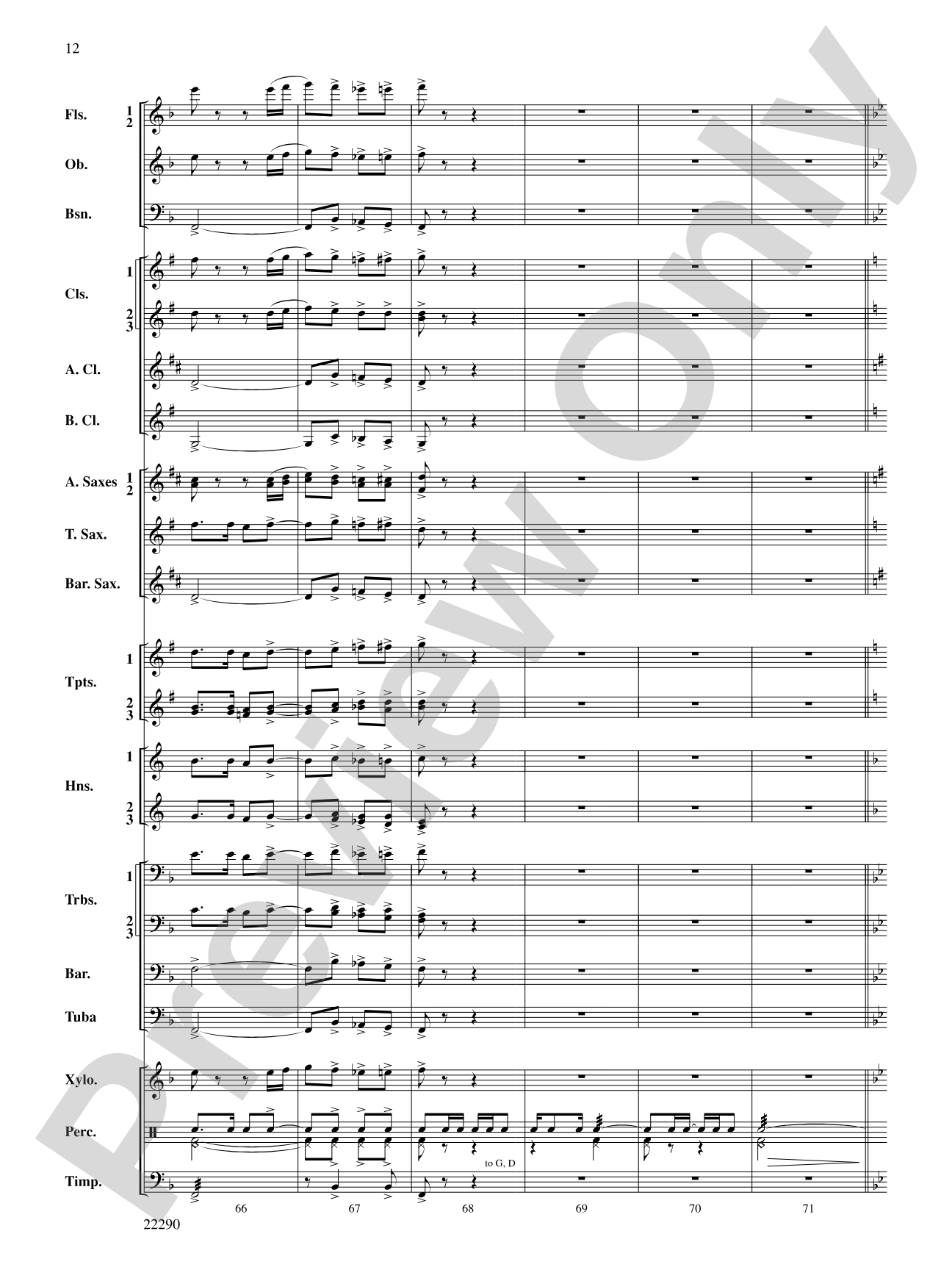
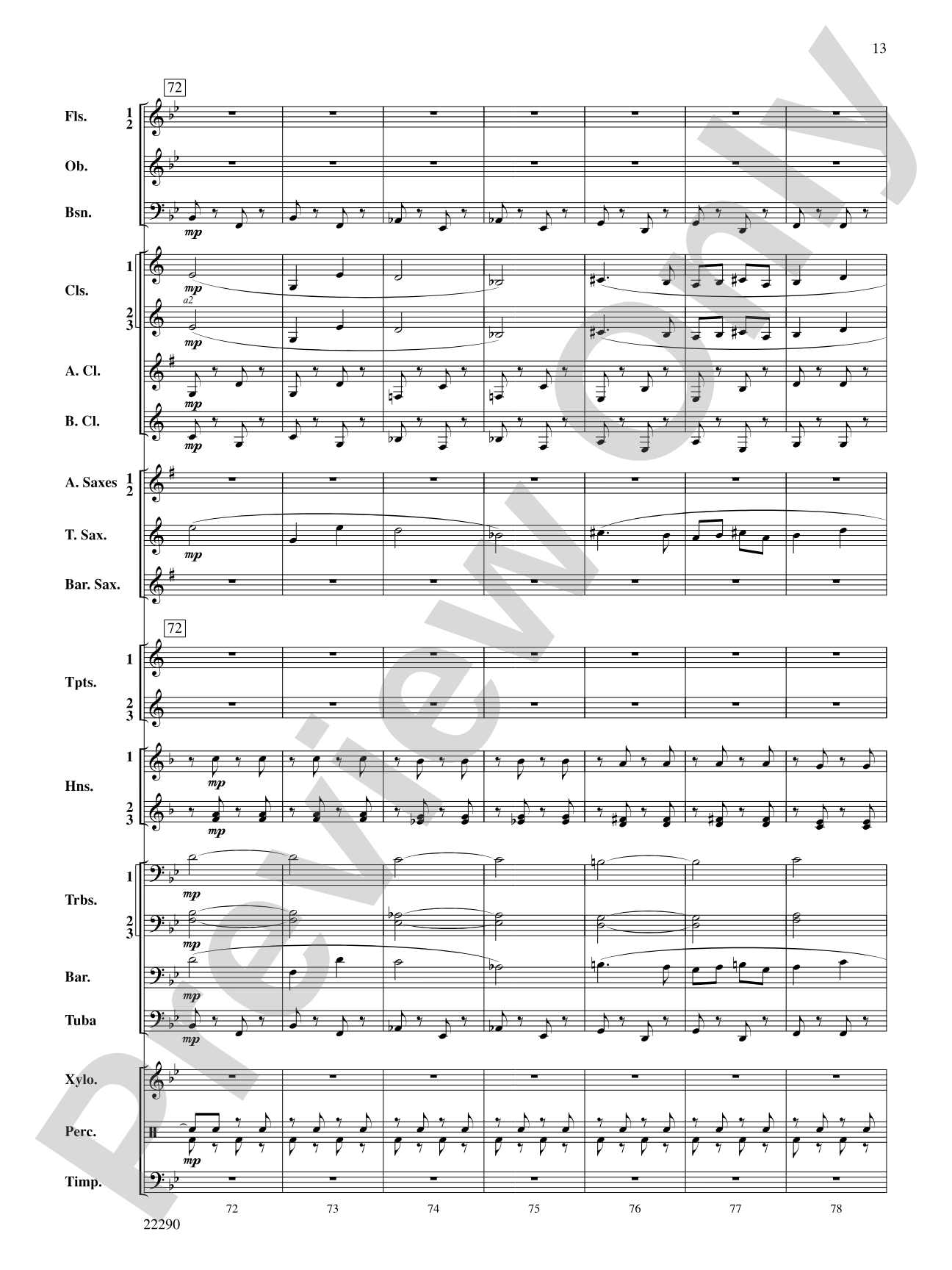
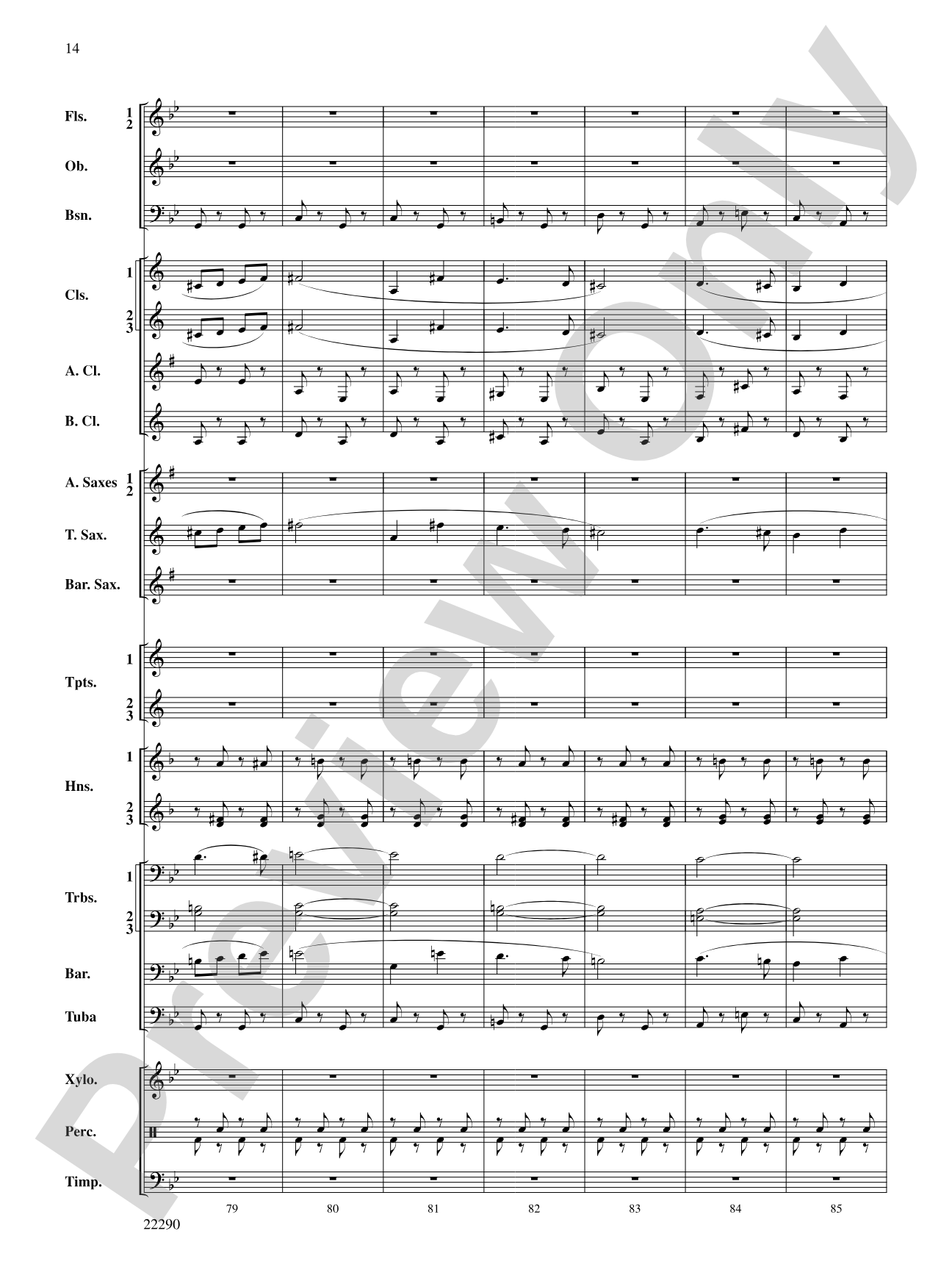
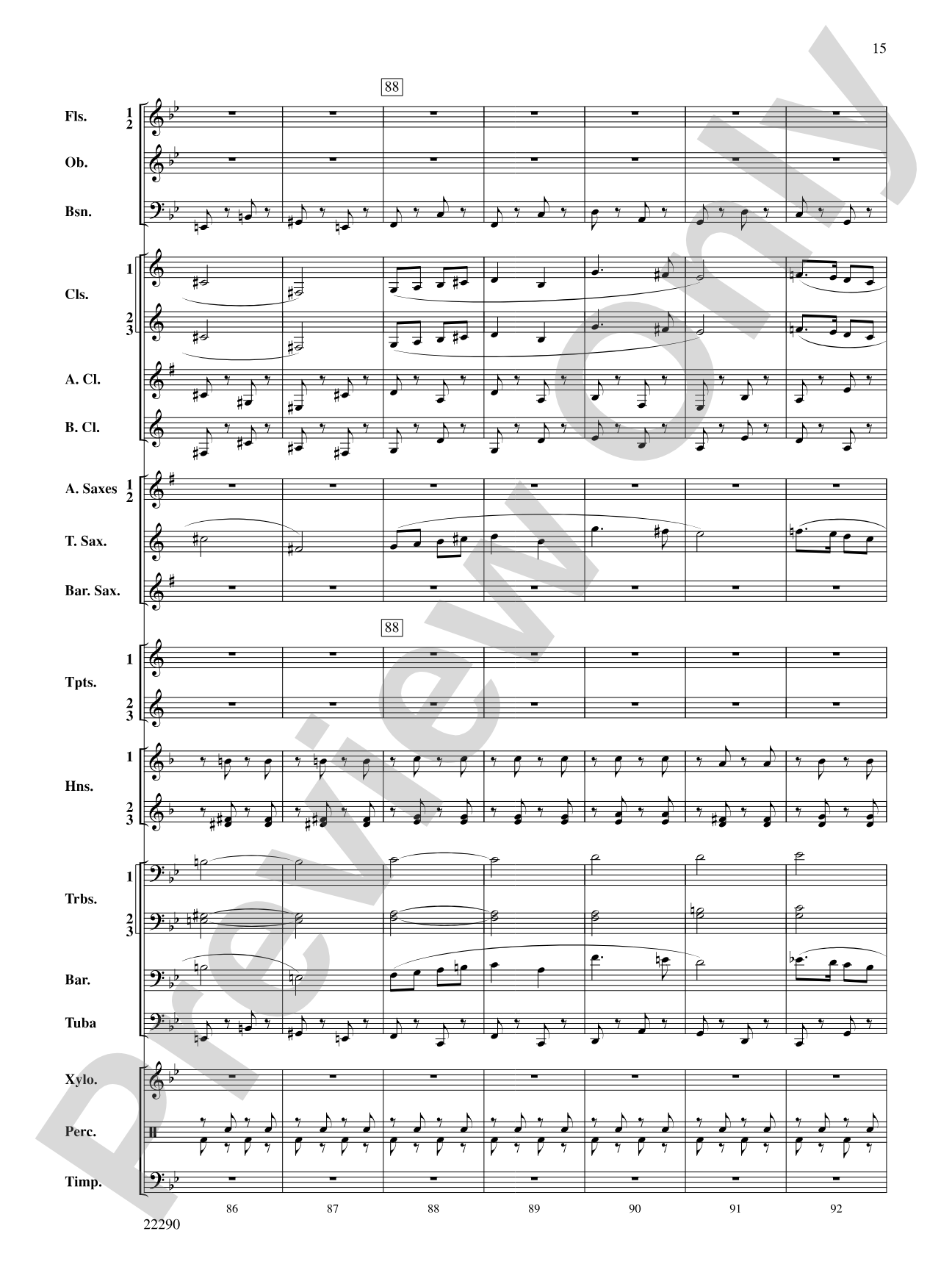
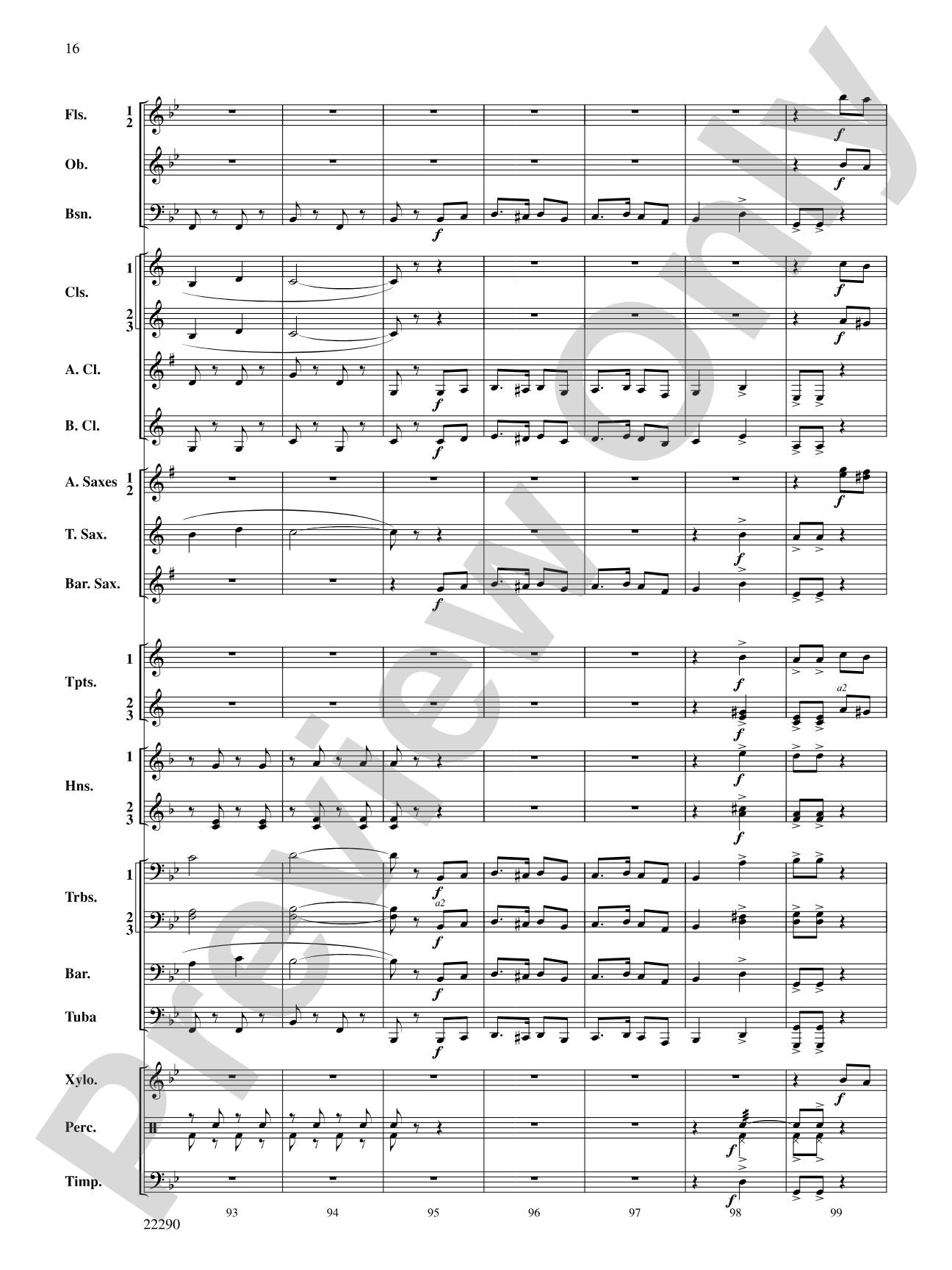
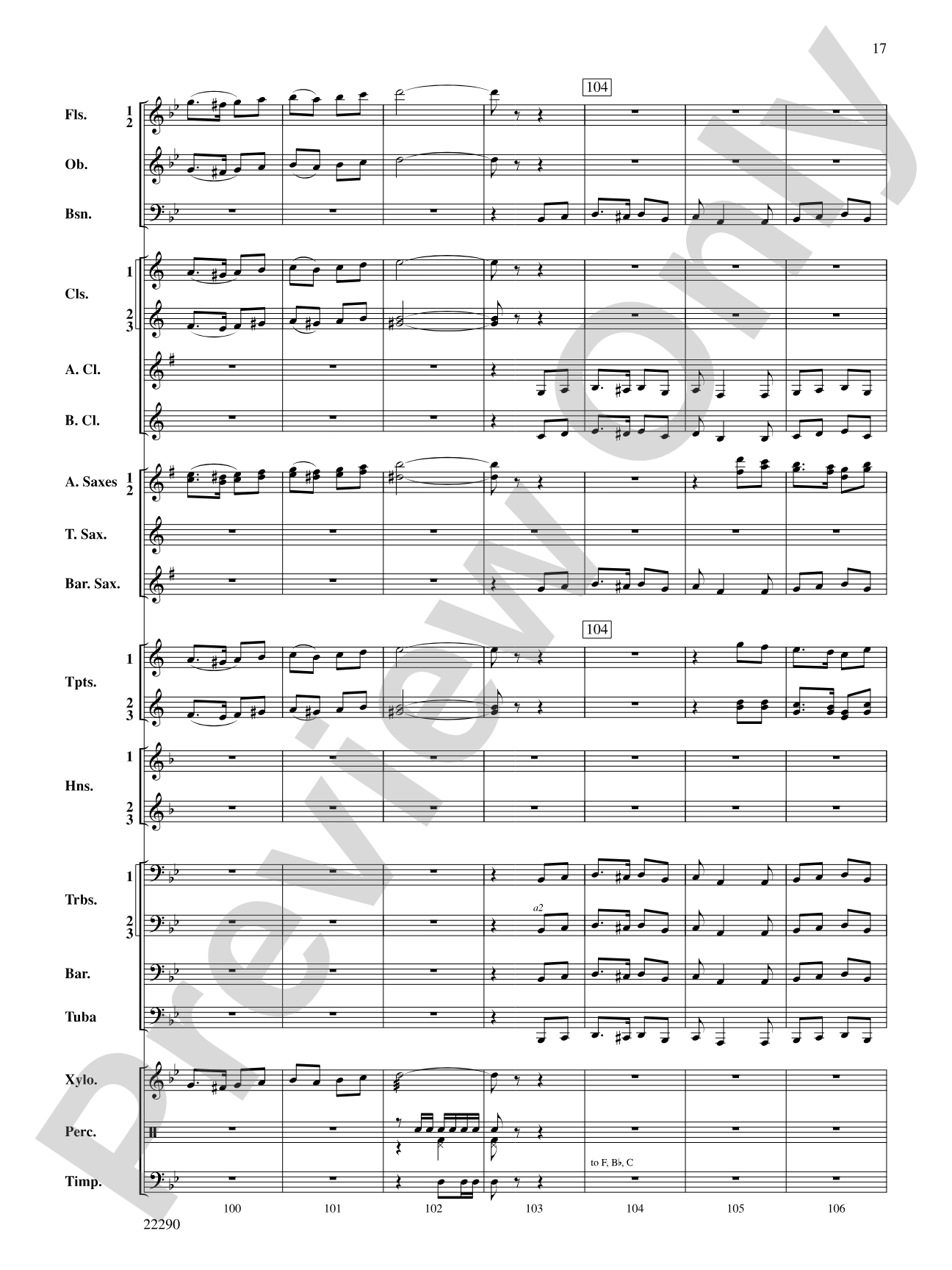
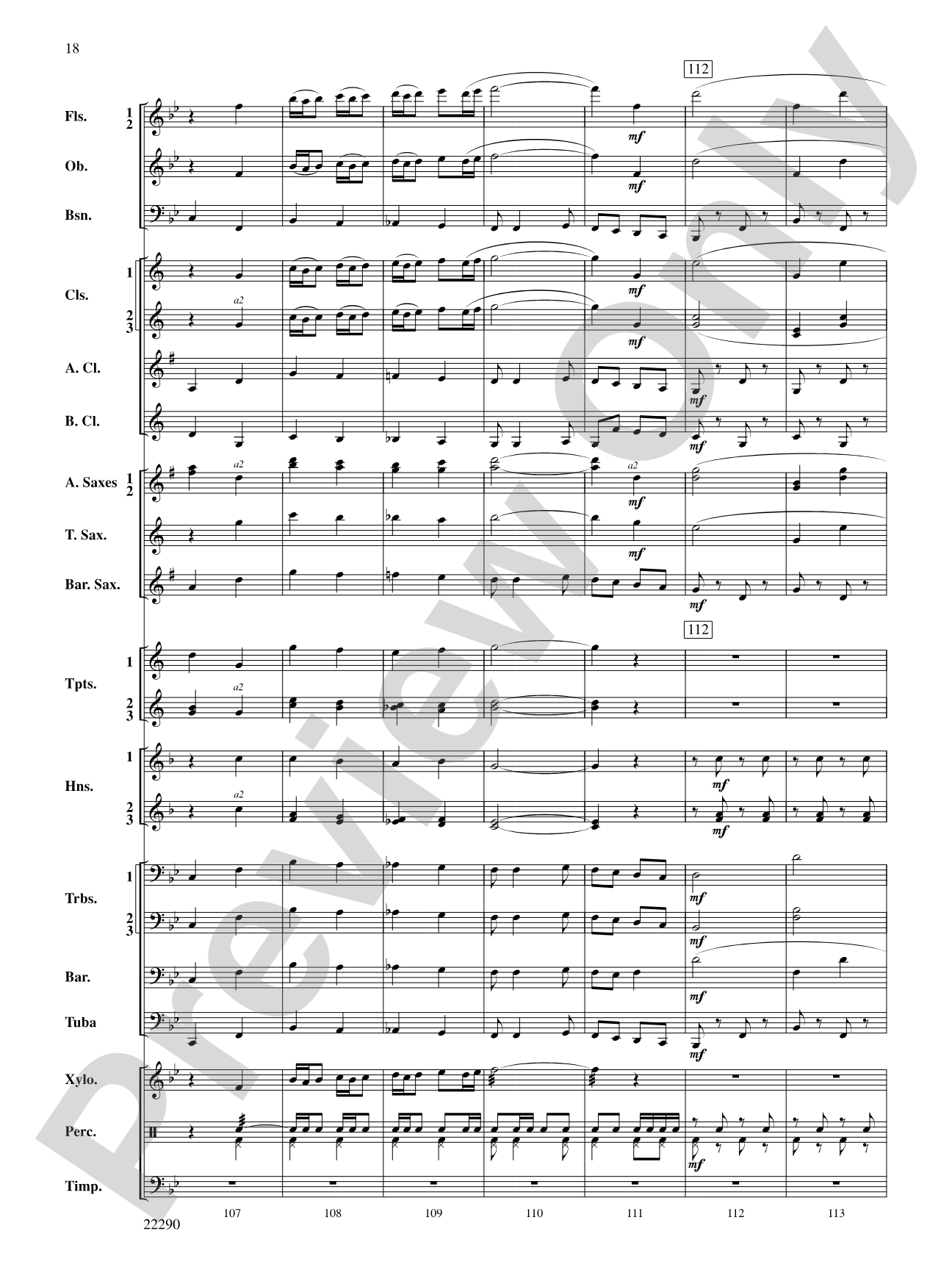
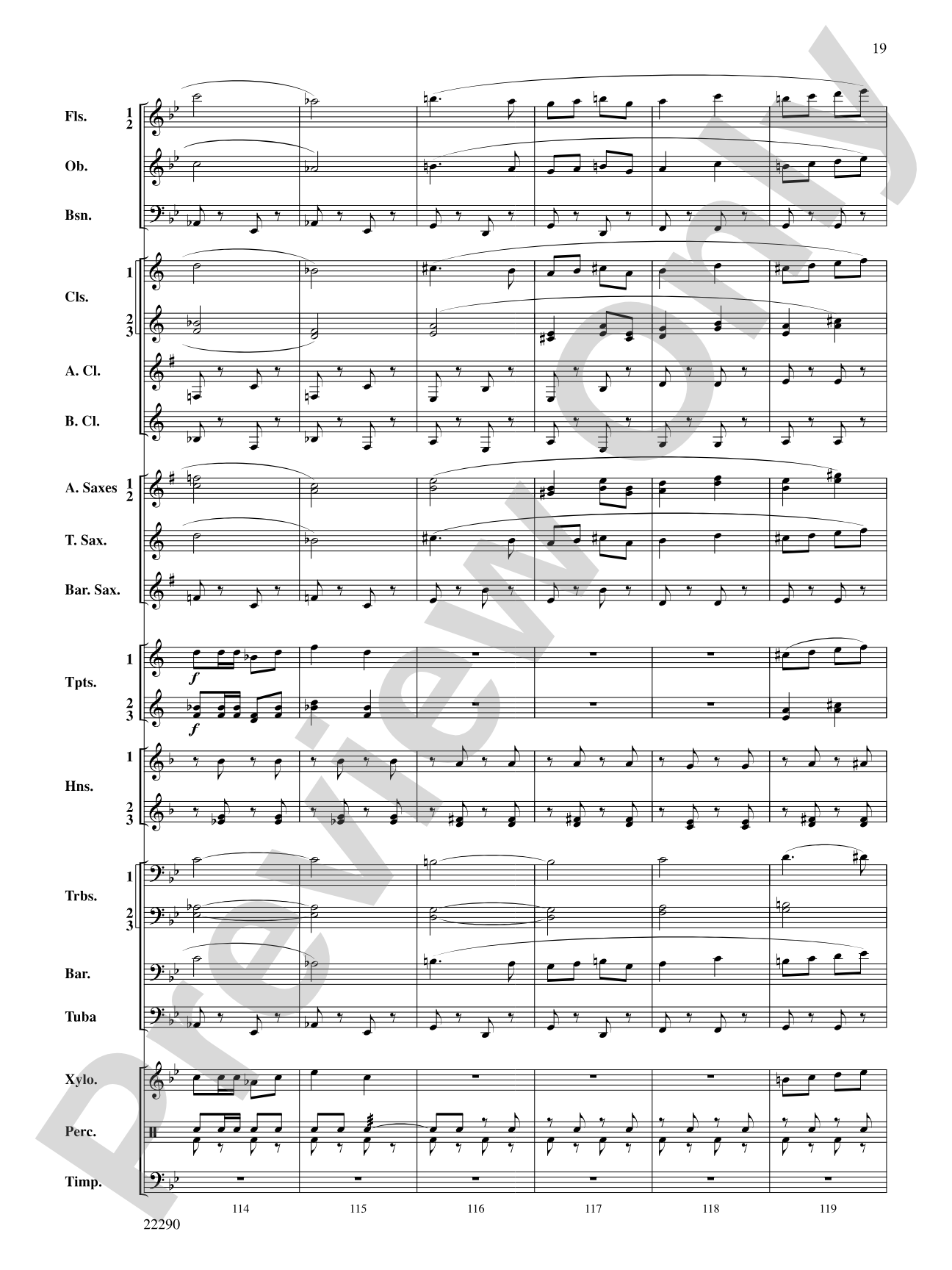
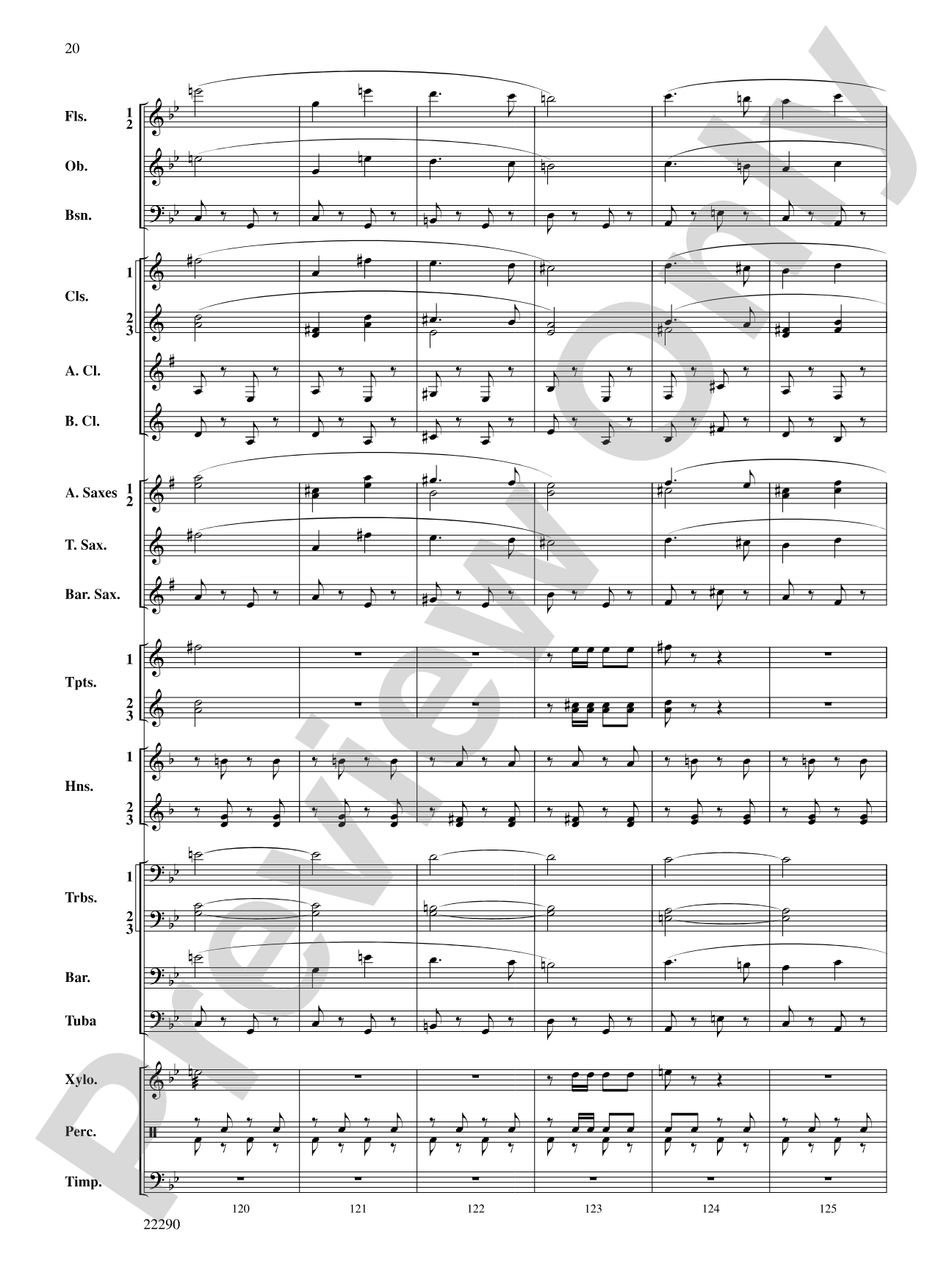
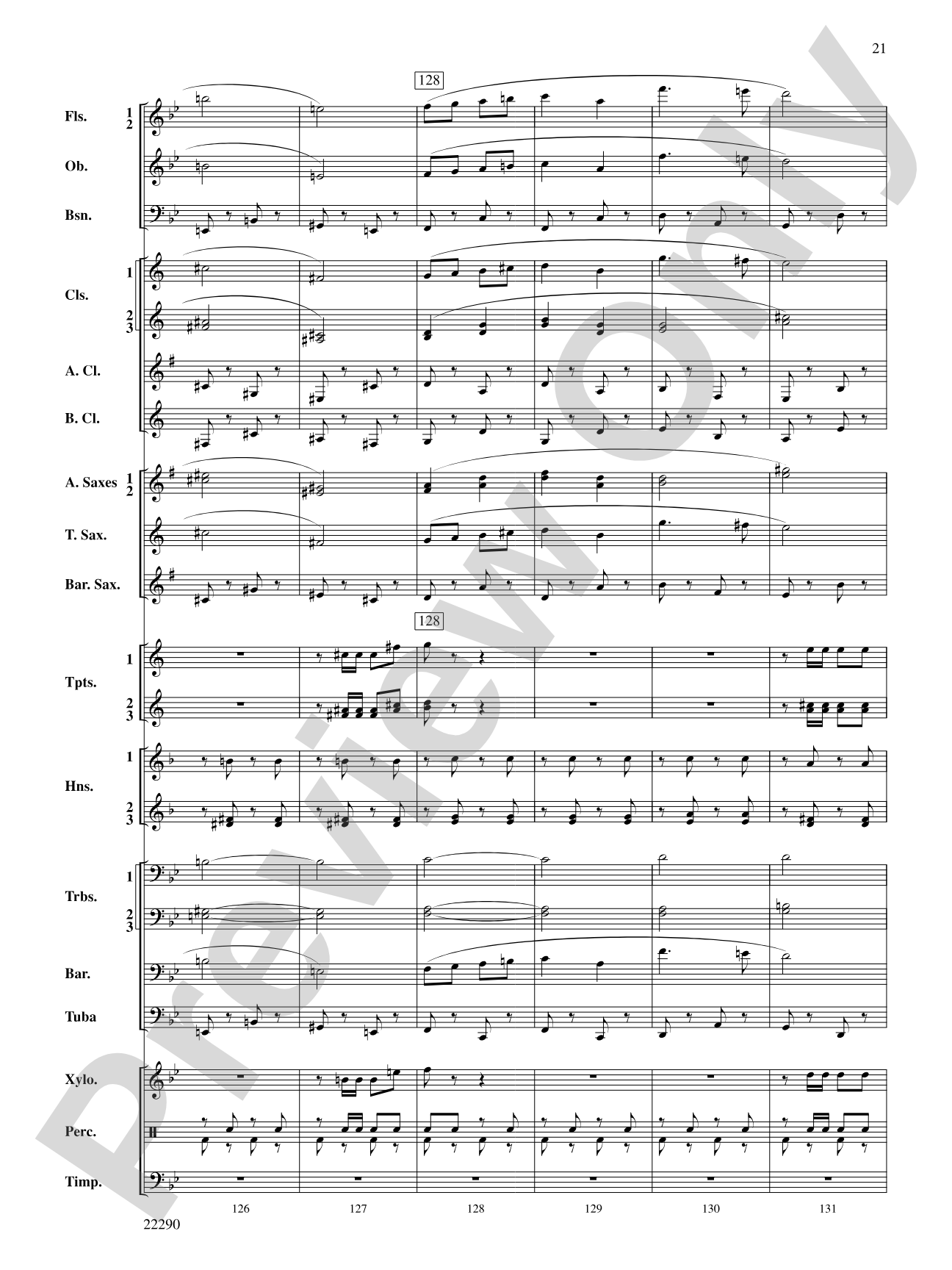
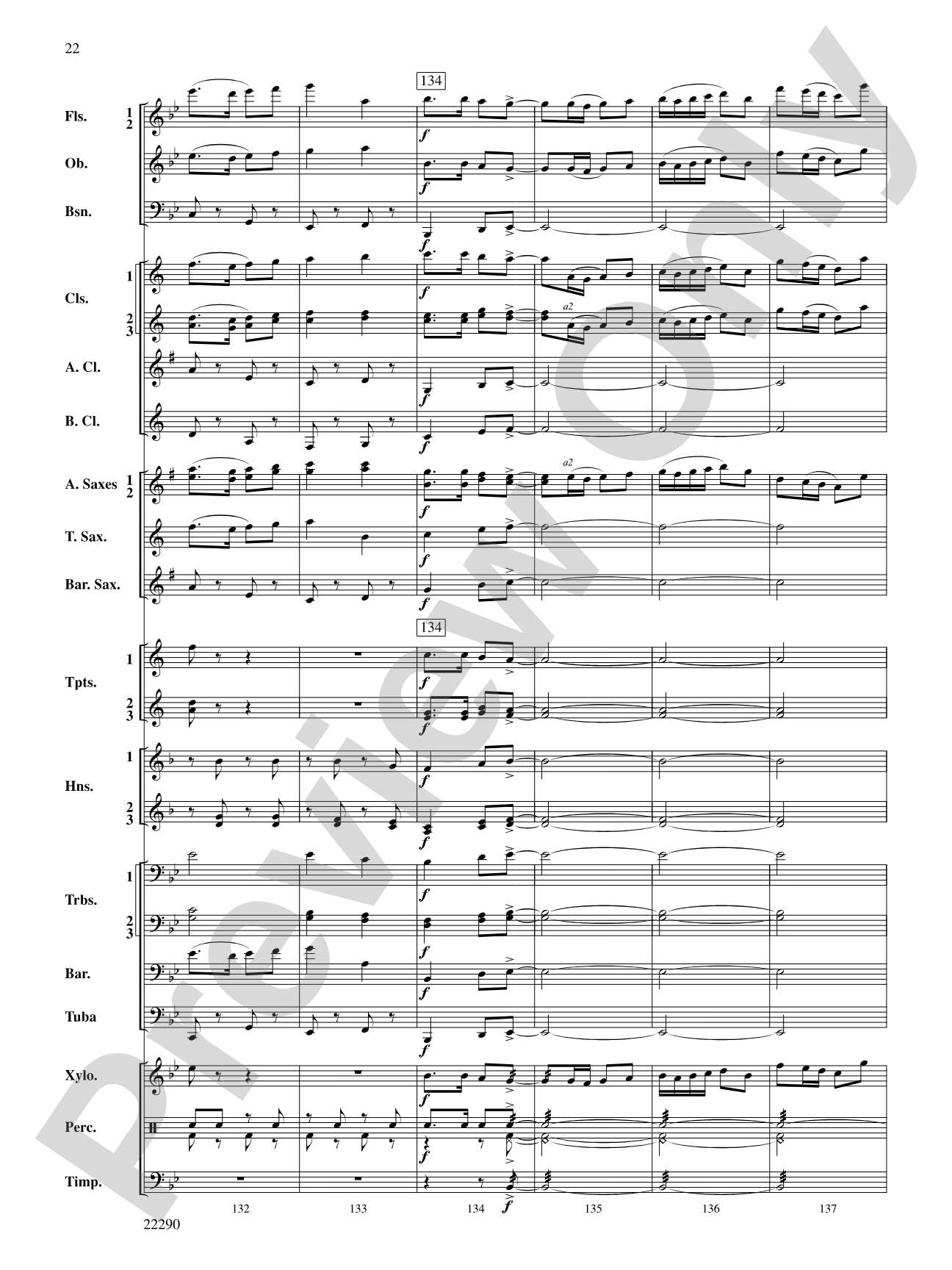
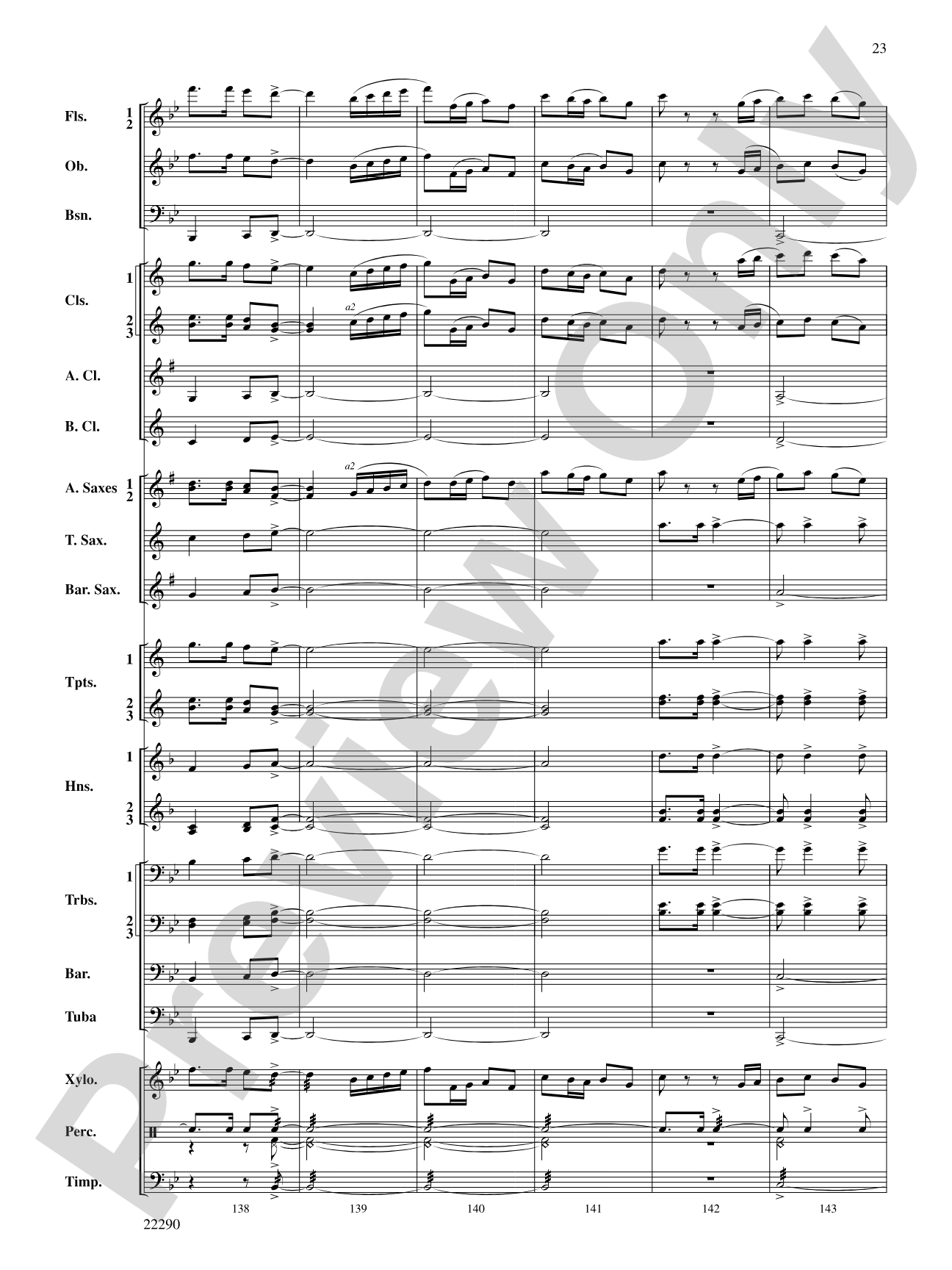
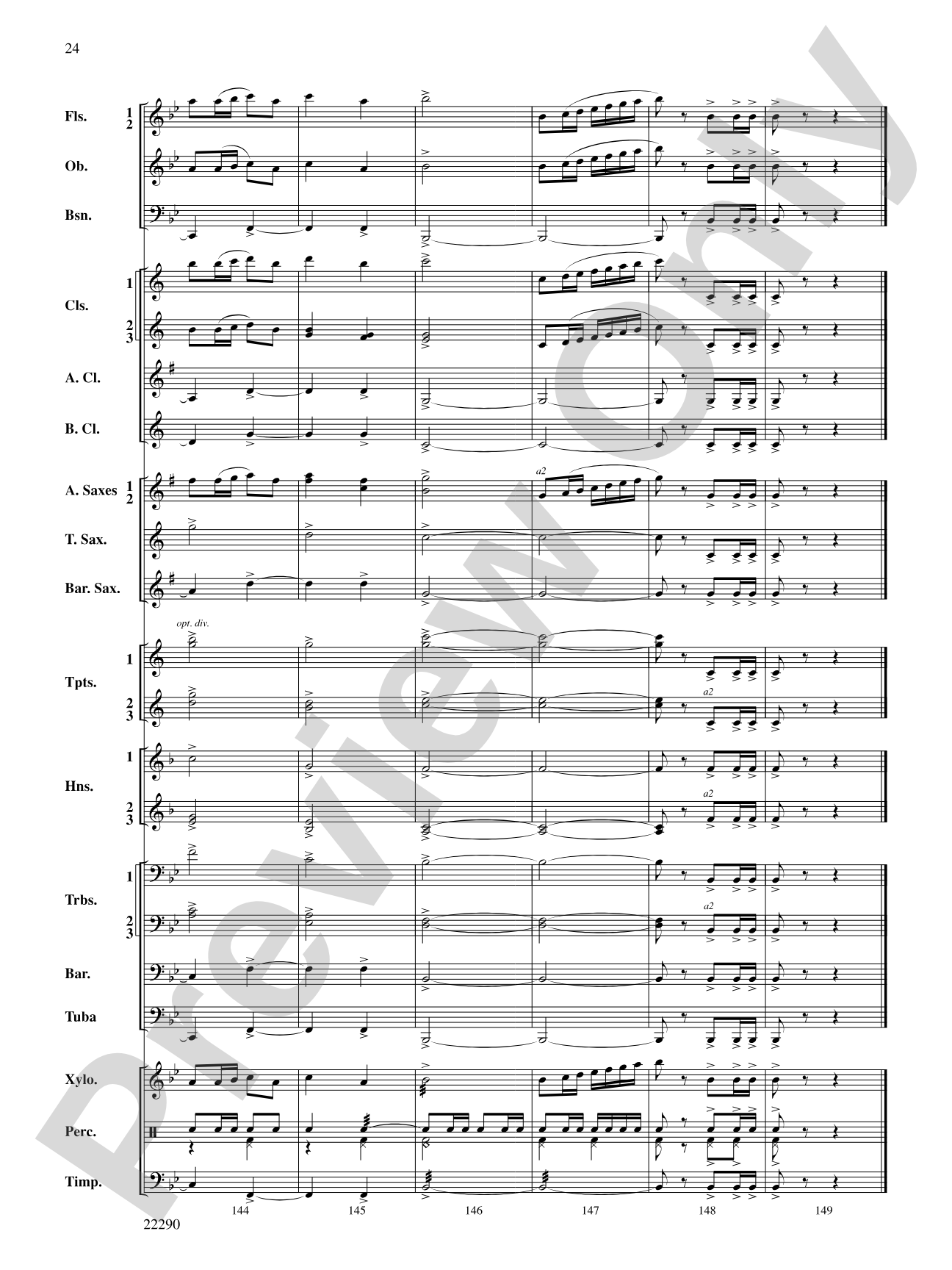

Viper Squadron March: Score
Music by John O'Reilly
Grade: 3 (Medium)
Item: 00-PR-0000538
$7.00
Pickup currently not available
Description
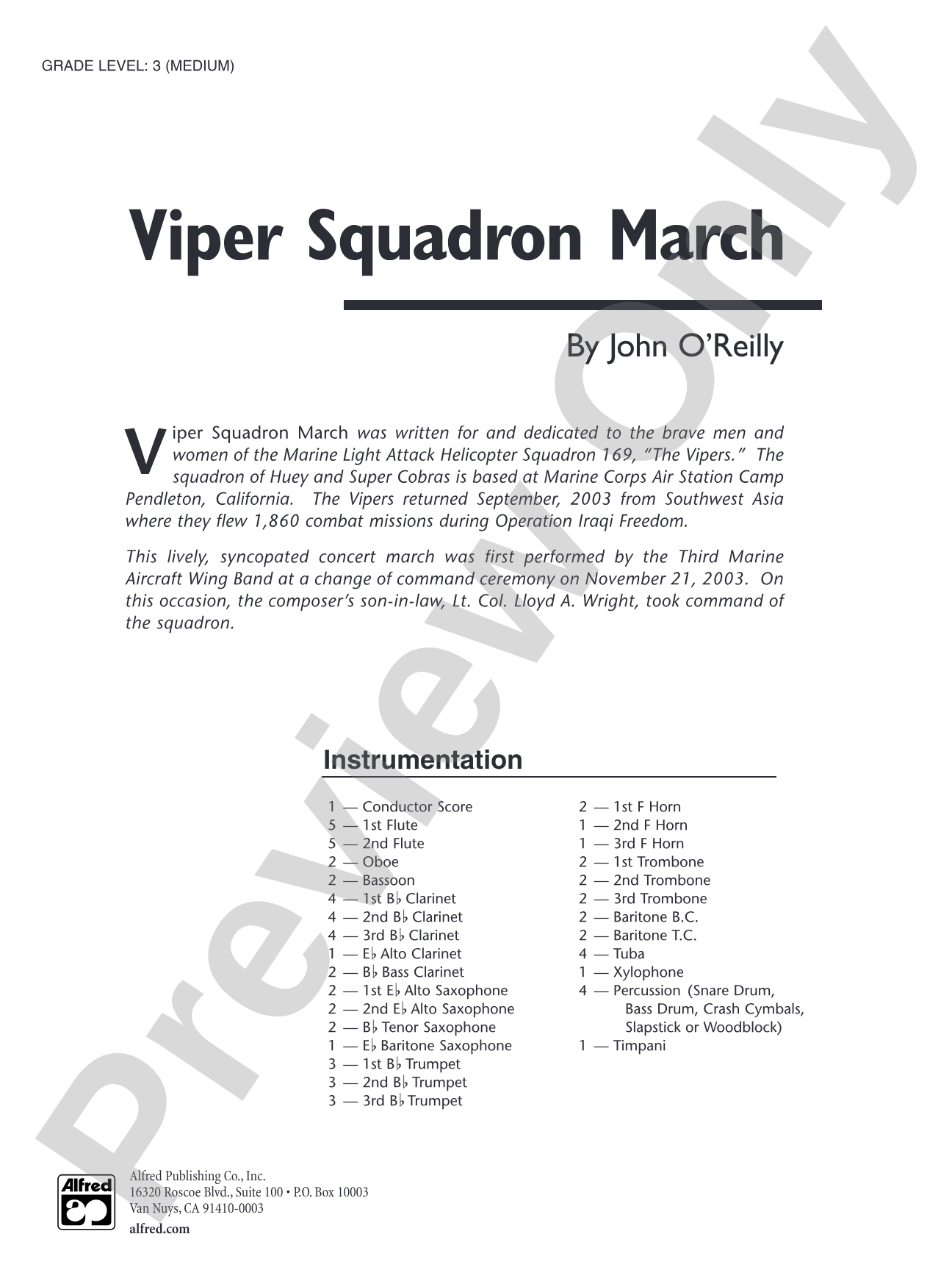
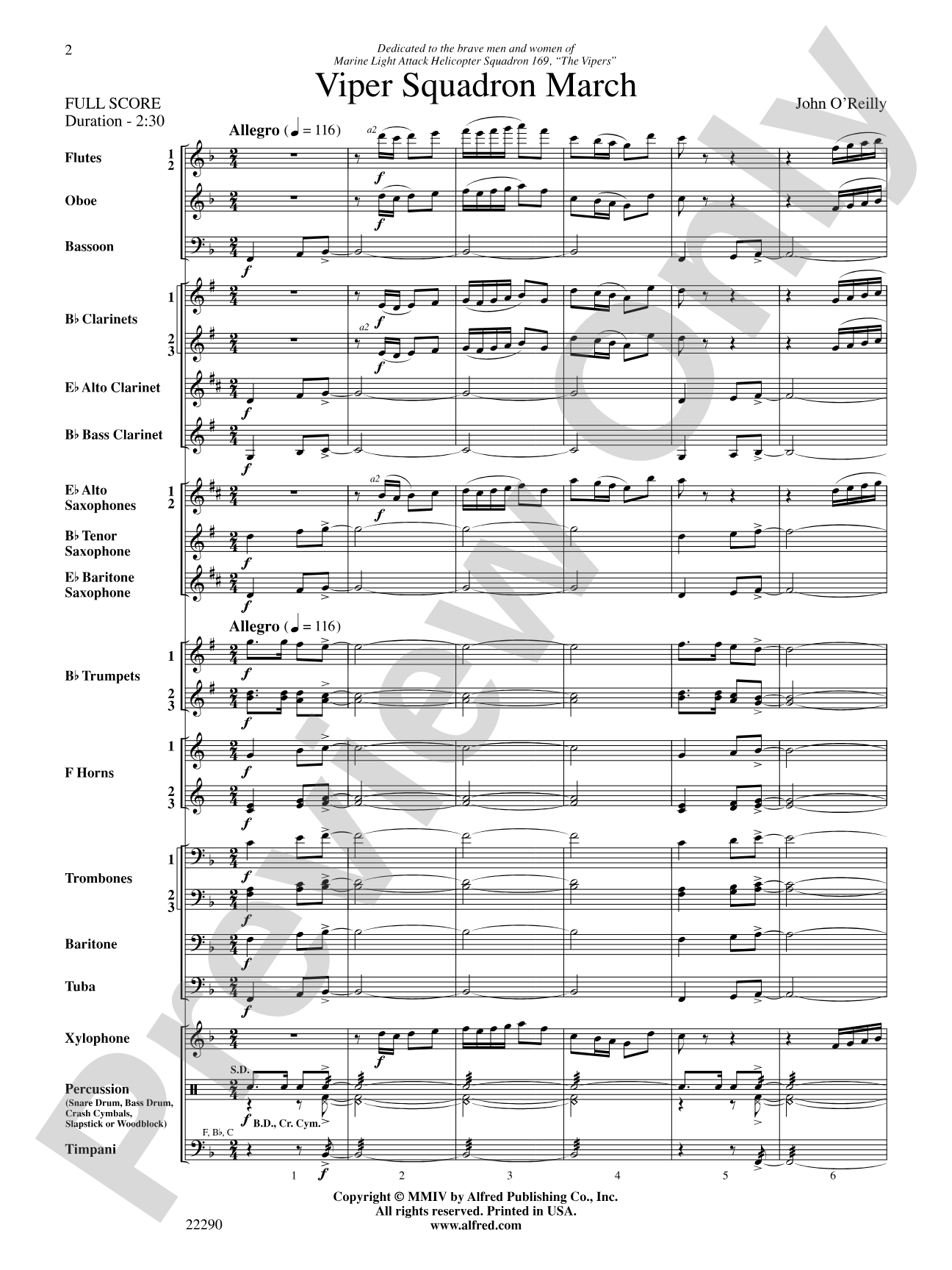
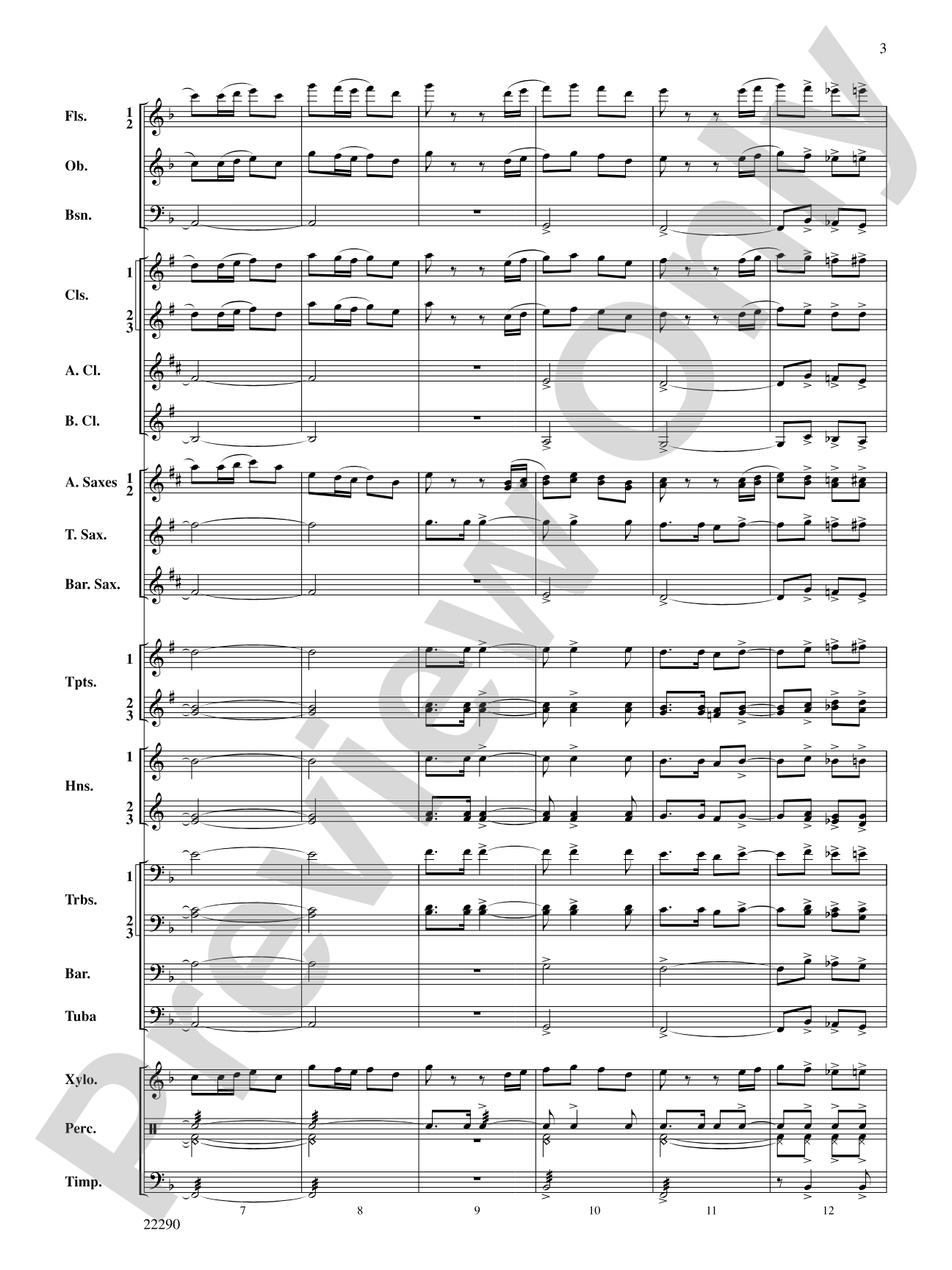
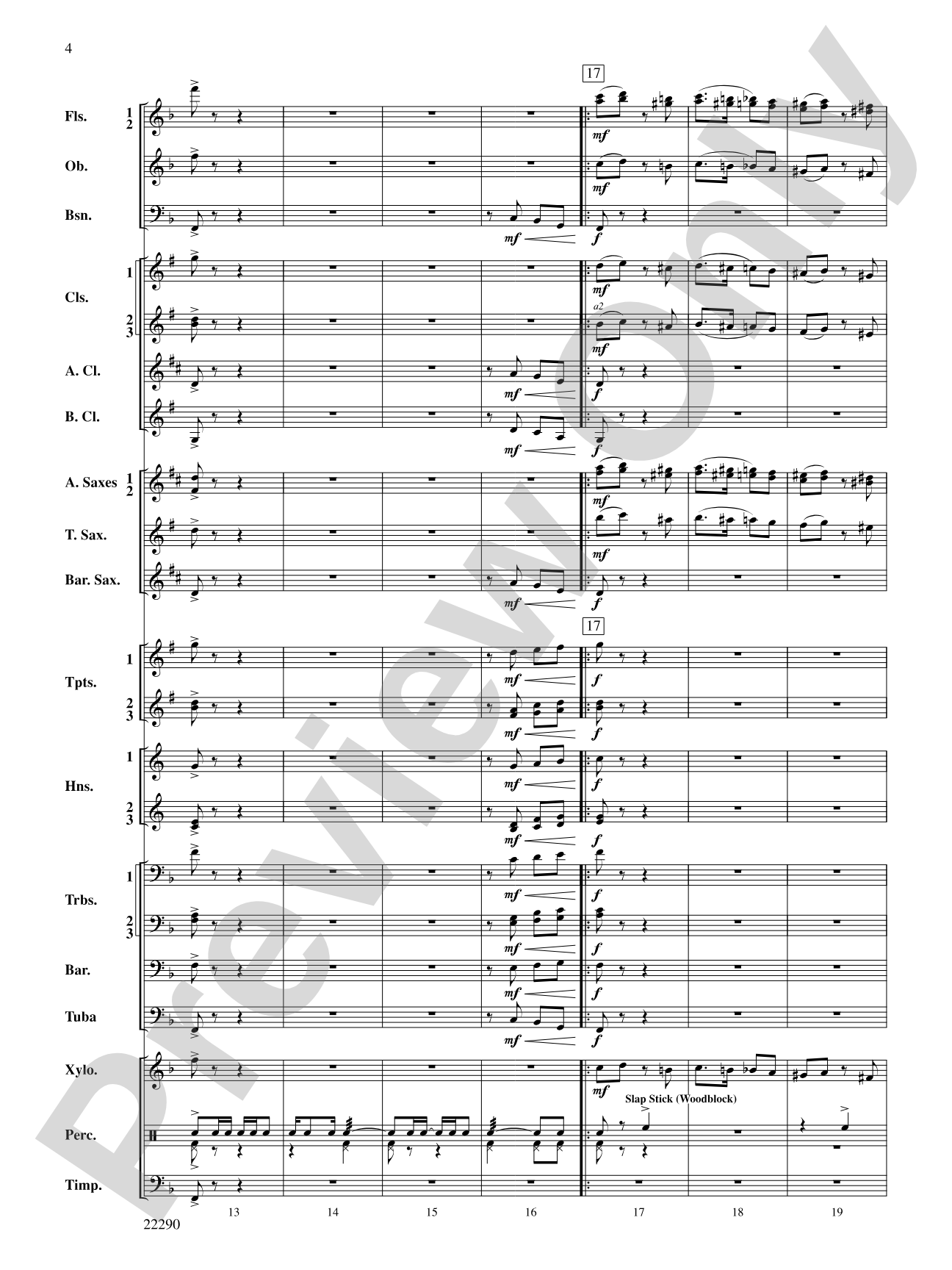
Viper Squadron March is written for and dedicated to the brave men and women of the Marine Light Attack Helicopter Squadron 169, "The Vipers." The Vipers returned September, 2003 from Southwest Asia where they flew 1,860 combat missions during Operation Iraqi Freedom. This lively, syncopated concert march was first performed by the Third Marine Aircraft Wing Band at a change of command ceremony on November 21, 2003.


Don't just read it, hear it, play along with it, and watch your students grow with it. In MakeMusic Cloud, Viper Squadron March: Score comes alive with professional accompaniment, adjustable tempo, and built-in practice tools that turn solo practice into real progress.
Open in the Player
Jump straight in and assign it today.
Start Your Free Trial
Open this title and explore the full library in minutes.
Sample Audio
1
Audio File
--:--
0:00
0:00
Sample Video
No sample videos found.
Additional Details
Series:
Alfred Concert Band
Publisher:
Alfred Music
Page Count:
2
SKU:
00-PR-0000538
More about this title
About the Composer: John O'Reilly
John O'Reilly is a composer and arranger whose work spans both concert band and military band traditions. His compositions often draw inspiration from American service branches and historical events, bringing ceremony and celebration to the concert stage through accessible, energetic writing.
Why we love this
O'Reilly captures the energy and pride of a military unit with a march that sounds far more sophisticated than its Grade 3 difficulty suggests. The syncopated rhythms give it personality and forward momentum without requiring advanced technical chops, making it equally rewarding for developing bands and audiences who expect real musicianship.
What to expect
Spirited and purposeful, with syncopated rhythms that give the traditional march form a contemporary edge. The piece radiates military pride without bombast, balancing ceremonial weight with the kind of lively character that energizes both performers and listeners.
Who it's for
Concert bands at the Grade 3 level looking for patriotic repertoire with genuine substance. Directors programming for summer concerts, military appreciation events, or 4th of July celebrations will find a piece that honors its subject while remaining accessible to intermediate ensembles.
How to get the most out of it
- Lock the syncopated figures between the woodwinds and brass so they land together crisply. These rhythmic layers define the march's character, and any dragging or misalignment flattens the energy.
- Shape the dynamics purposefully through each phrase rather than playing at a static level. A march this short benefits from deliberate peaks and valleys that keep the audience engaged.
- Maintain a steady march tempo without rushing. The lively character comes from rhythmic precision and articulation, not tempo inflation.
How to use it
Place this as a centerpiece in patriotic programming or as a strong opener for a summer pops concert. Its moderate length and Grade 3 difficulty make it an ideal choice for showcasing what your intermediate band can do musically while honoring the piece's meaningful subject and history.
Skills your students will build
- Syncopated rhythm reading and execution
- Articulation control in fast-moving passages
- Ensemble balance between syncopated melodic lines
- March tempo and style conventions
- Dynamic shaping within a formal march structure