
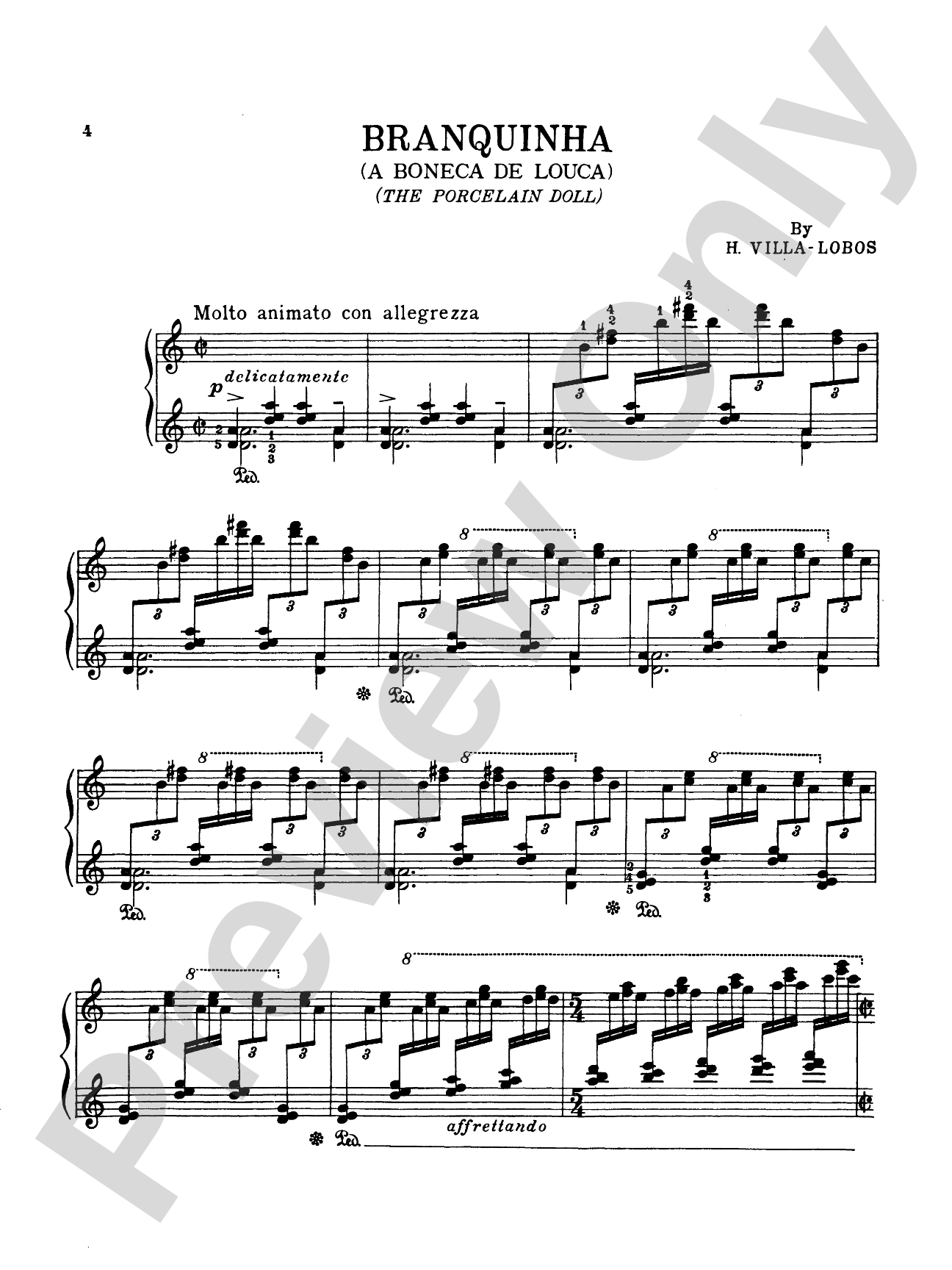
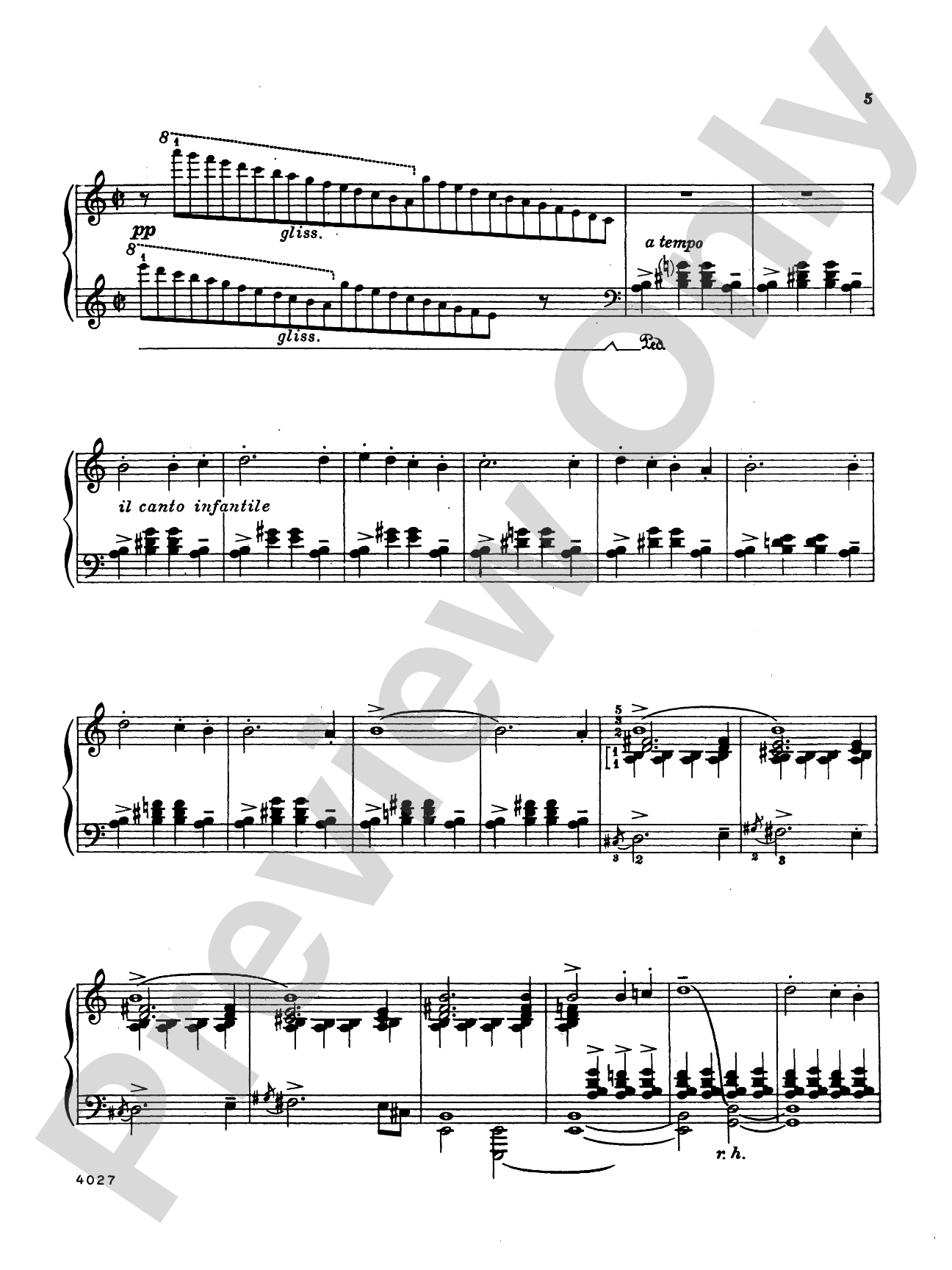
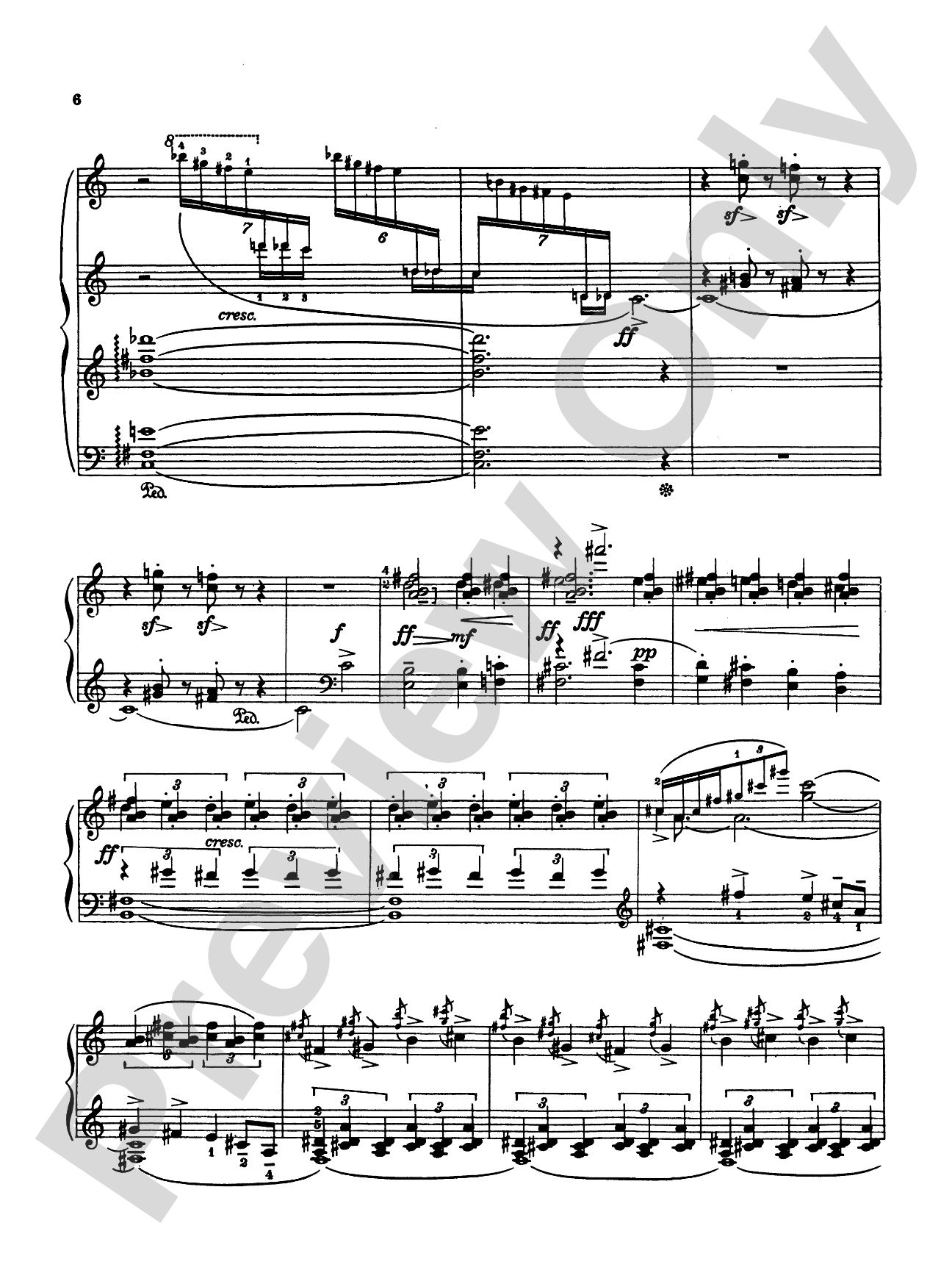
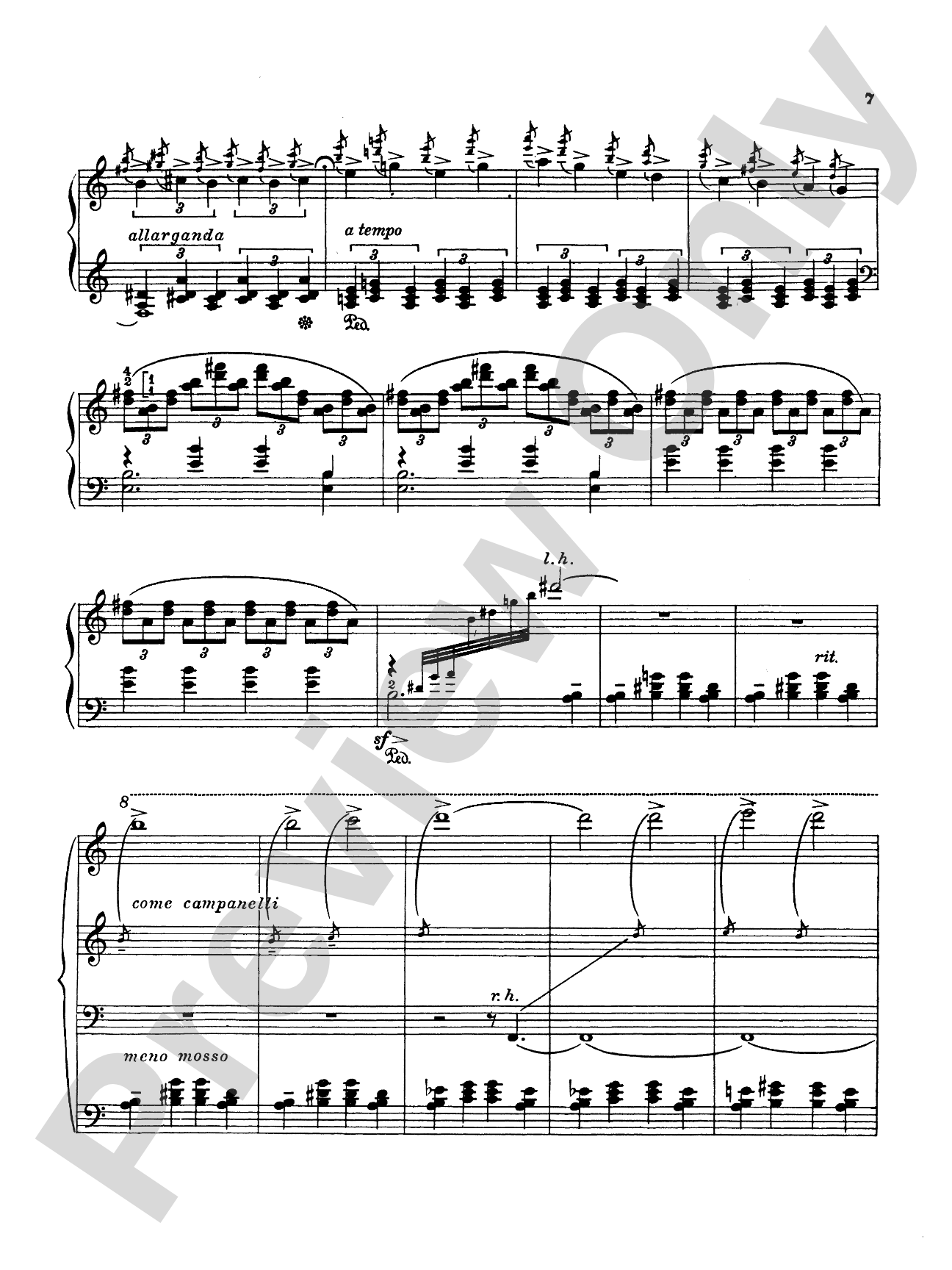

Villa-Lobos: The Baby's Family (Prole do Bebe), Volume I: Piano
By Heitor Villa-Lobos
Item: 00-PK-0003376

$9.99
Pickup currently not available
Buy Extra Parts (Digital PDF Download)
Parts Added to Cart!
Related Items
The Baby's Family (Prole do Bebe), Volume I: Piano |
$9.95
|
View |
Description
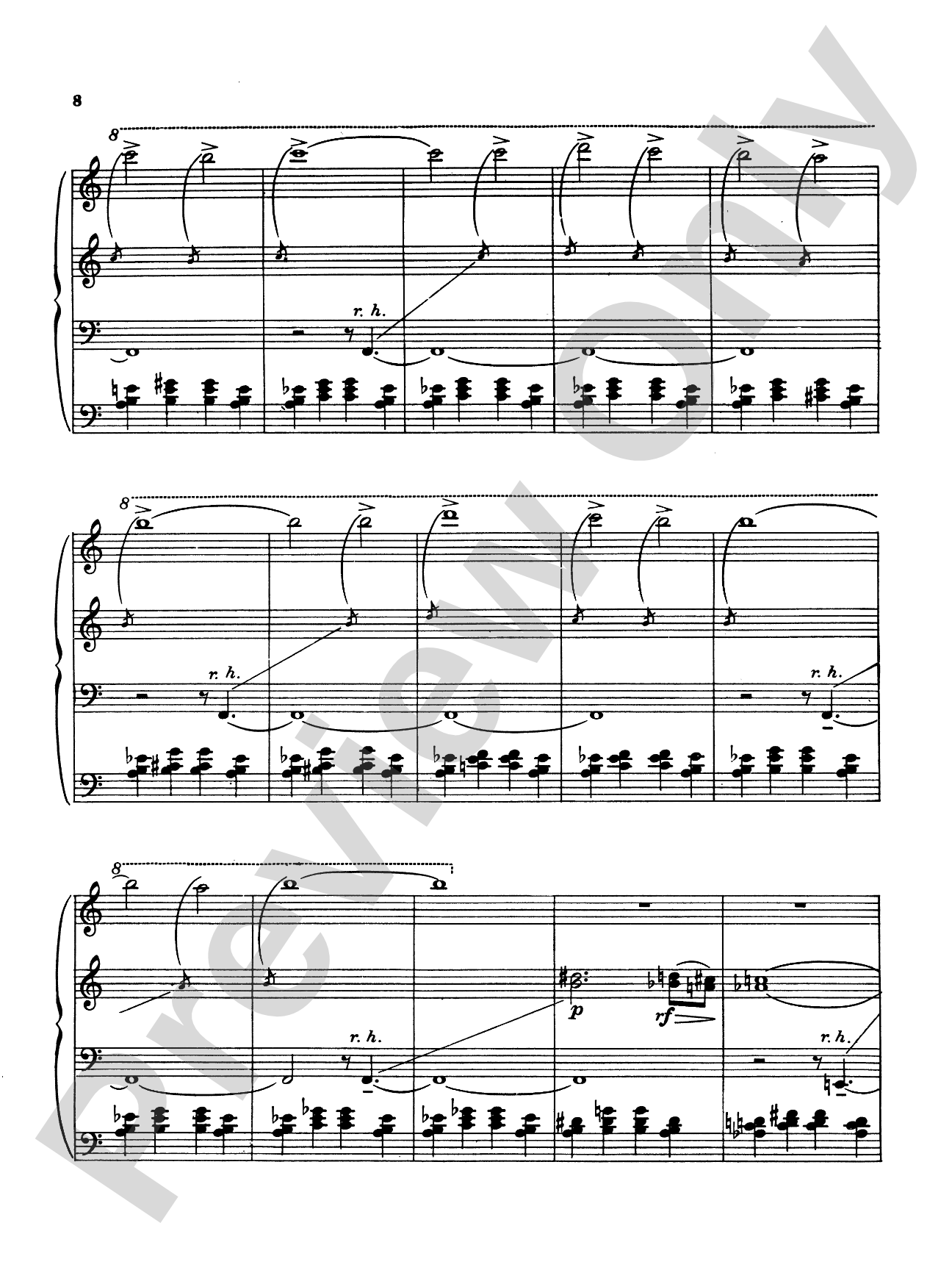
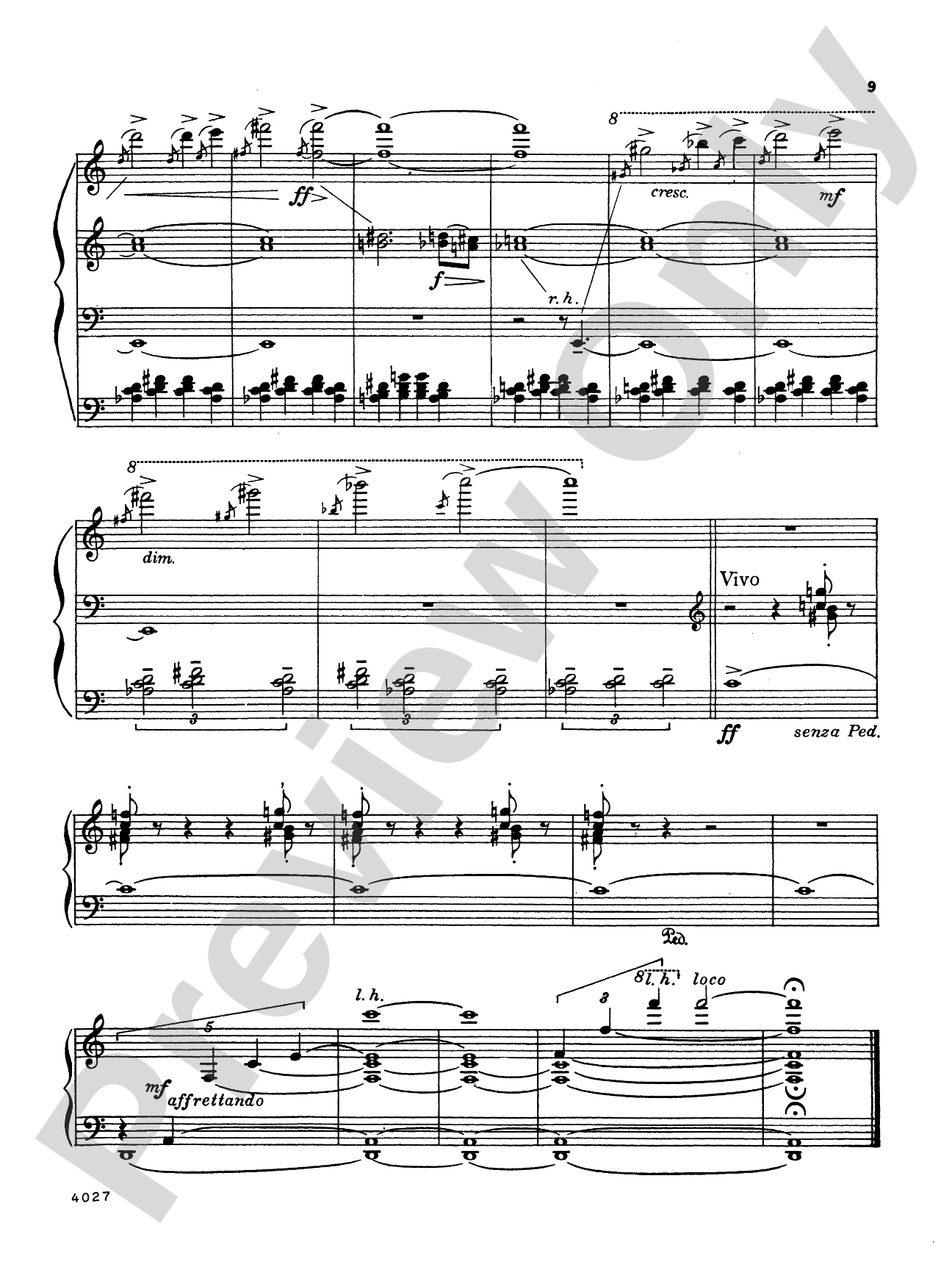
Titles: Branquinha (The Porcelain Doll) * Moreninha (The Paper Doll) * Caboclinha (The Clay Doll) * Mulatinha (The Rubber Doll) * Negrinha (The Wooden Doll) * A Probresinha (The Rag Doll) * O Polichinelo (Punch) * Bruxa (The Witch Doll).


Don't just read it, hear it, play along with it, and watch your students grow with it. In MakeMusic Cloud, Villa-Lobos: The Baby's Family (Prole do Bebe), Volume I: Piano comes alive with professional accompaniment, adjustable tempo, and built-in practice tools that turn solo practice into real progress.
Open in the Player
Jump straight in and assign it today.
Start Your Free Trial
Open this title and explore the full library in minutes.
Sample Audio
No sample audio found.
Sample Video
No sample videos found.
Additional Details
Series:
Kalmus Edition
Publisher:
Alfred Music
Page Count:
40
SKU:
00-PK-0003376
More about this title
About the Composer: Heitor Villa-Lobos
Heitor Villa-Lobos (1887-1959) was a Brazilian composer whose music synthesized European modernism with the folk idioms, rhythms, and instrumental colors of his native country. He produced over 1,000 works across every genre, from symphonies and concertos to chamber music and solo piano pieces, and served as a central figure in establishing a distinctly Brazilian classical music tradition. His prolific output and fearless experimentation made him one of the most influential Latin American composers of the 20th century.
Villa-Lobos's piano works range from intimate character pieces to virtuosic studies, and his writing for the keyboard is idiomatic and inventive. The Prole do Bebê series exemplifies his gift for combining sophisticated harmonic language with melodic accessibility, creating pieces that work equally well in recital, student repertoire, and concert programming.
Why we love this
Volume I of Prole do Bebê offers eight distinctive character pieces that introduce students to modernist harmonic thinking without sacrificing lyrical charm. Each piece is short enough to master quickly yet complex enough to challenge intermediate players, and the collection's programmatic titles invite performers to discover narrative and color in contemporary classical music rather than relegating modernism to concert halls only.
What to expect
Whimsical yet sophisticated, these eight pieces evoke the enchantment of childhood objects transformed into musical personalities. Villa-Lobos moves freely between folk-like simplicity and modernist harmonies, creating a dreamlike quality where a folk melody might drift through unexpected chords, and where playfulness coexists with genuine harmonic invention. The overall effect is intimate and imaginative, never condescending.
Who it's for
Intermediate to advanced pianists ready to explore 20th-century concert music with character and accessibility. Students preparing recital programs that blend classical and modern aesthetics will find these pieces both manageable and genuinely engaging. Teachers seeking short works that introduce modernism without overwhelming students will appreciate how these pieces reward careful listening.
How to get the most out of it
- Shape each title character through tempo flexibility and dynamic nuance; these are portrait studies, not études, so let the personality of each doll emerge through your phrasing choices.
- Listen for the harmonic movement beneath the surface melodies. Villa-Lobos layers chords that may sound dissonant in isolation but create logical progression when heard as part of the larger harmonic landscape.
- Balance rhythmic precision in syncopated passages with the lyrical freedom these pieces demand. Rigid metronomic playing flattens the music; conversely, unchecked rubato obscures Villa-Lobos's carefully crafted harmonic structures.
- Exploit the full range of the keyboard in pieces that span octaves or leap across registers. Dynamic contrast between registers helps the ear follow multiple layers of texture.
How to use it
Program the collection across a season of lessons to build modernist listening habits gradually, or select individual pieces to fill concert programs and student recitals seeking diverse period representation. These works sit comfortably alongside Romantic character pieces or other 20th-century Latin American music, and their modest technical demands make them ideal bridge repertoire for students transitioning from traditional Classical and Romantic styles into contemporary concert music.
Skills your students will build
- Reading and interpreting extended tertian and non-tertian harmonies
- Shaping character pieces through tempo rubato and dynamic contrast
- Playing syncopated rhythmic figures with independence from harmonic movement
- Balancing lyrical expression with modernist harmonic language
- Executing quick leaps and wide-range keyboard navigation with precision