
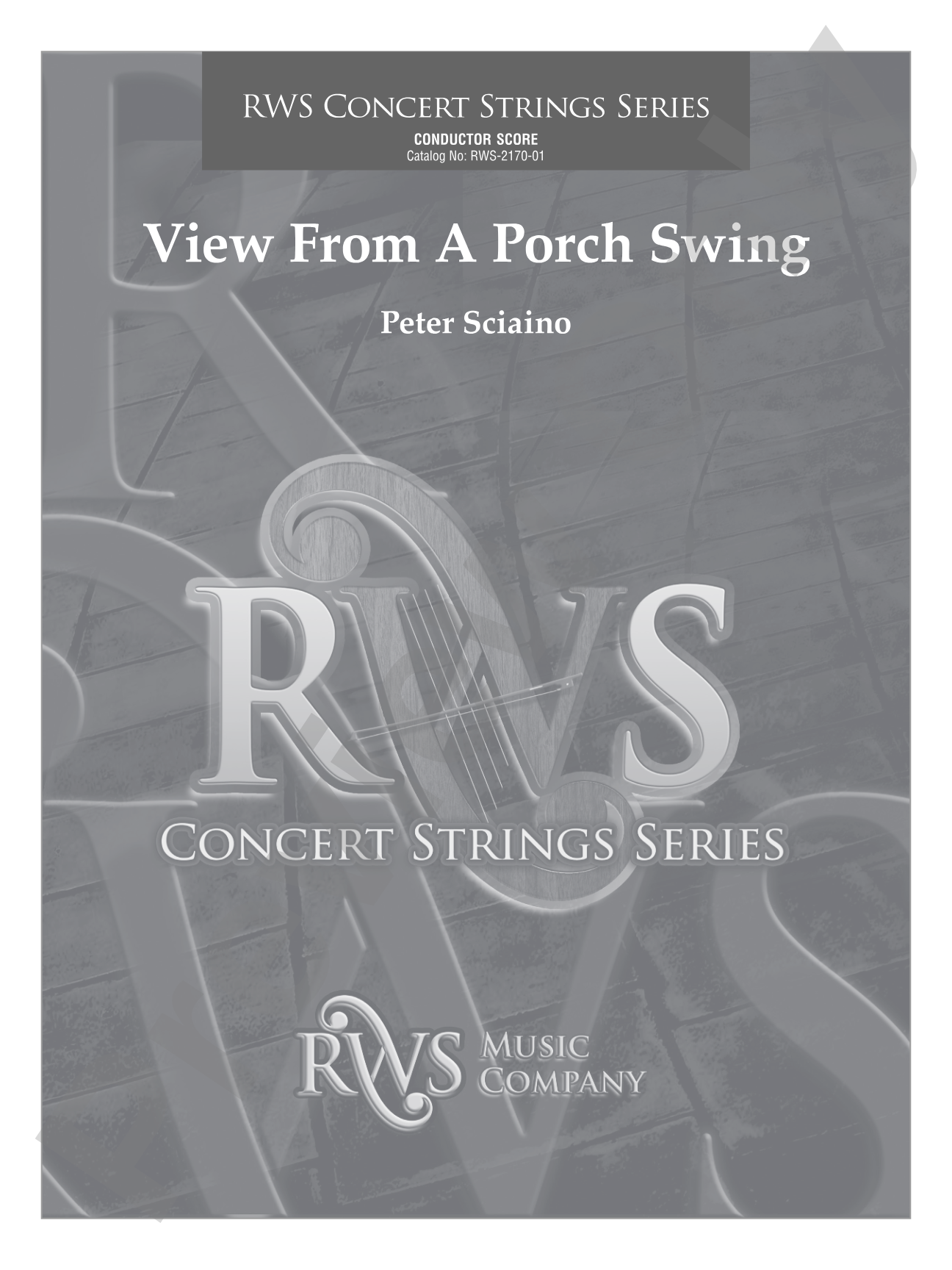
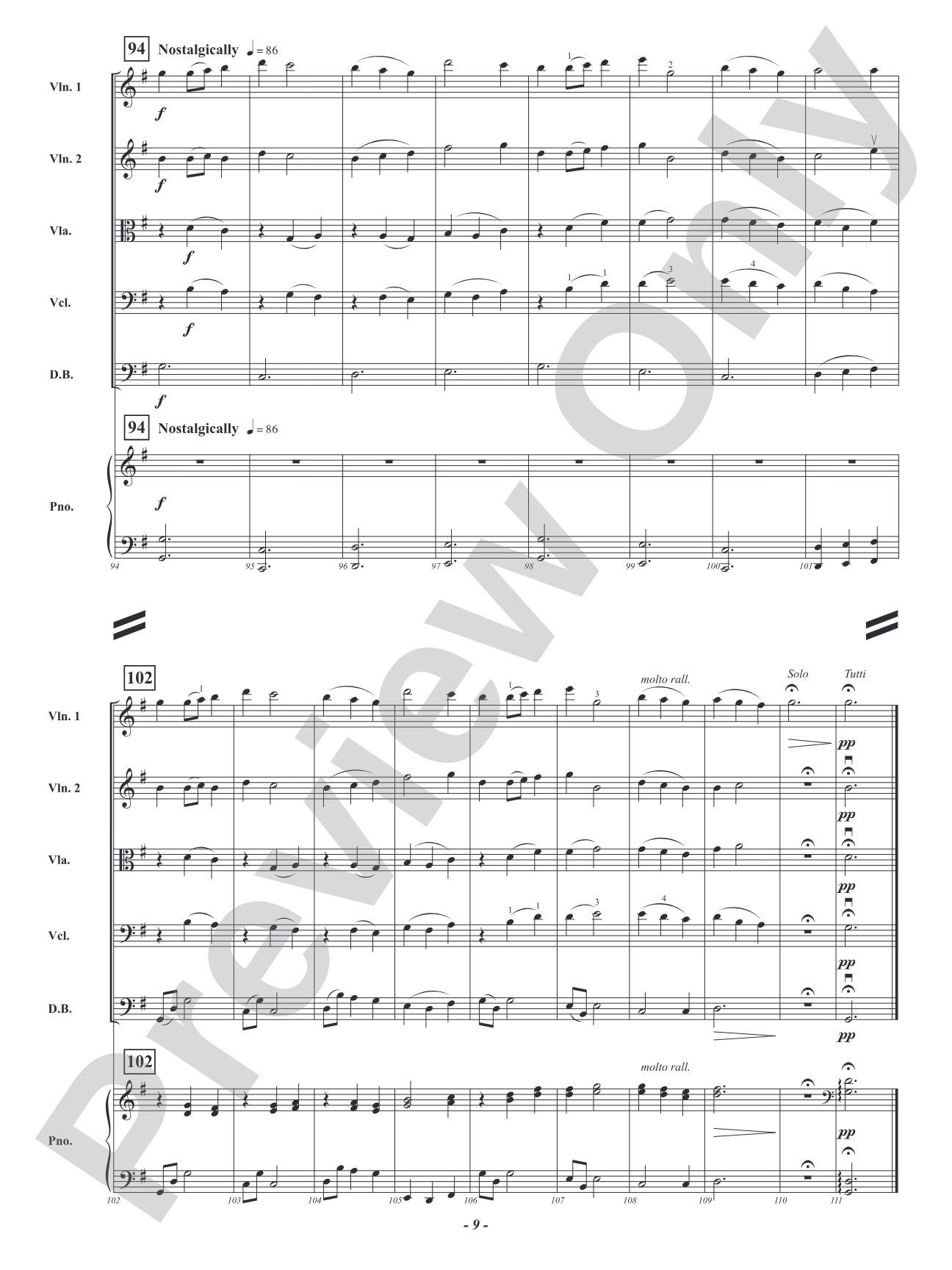




View from a Porch Swing: Score
By Peter Sciaino
Grade: 3.5
Item: 98-PR-RWS2170
$8.00
Pickup currently not available
Description
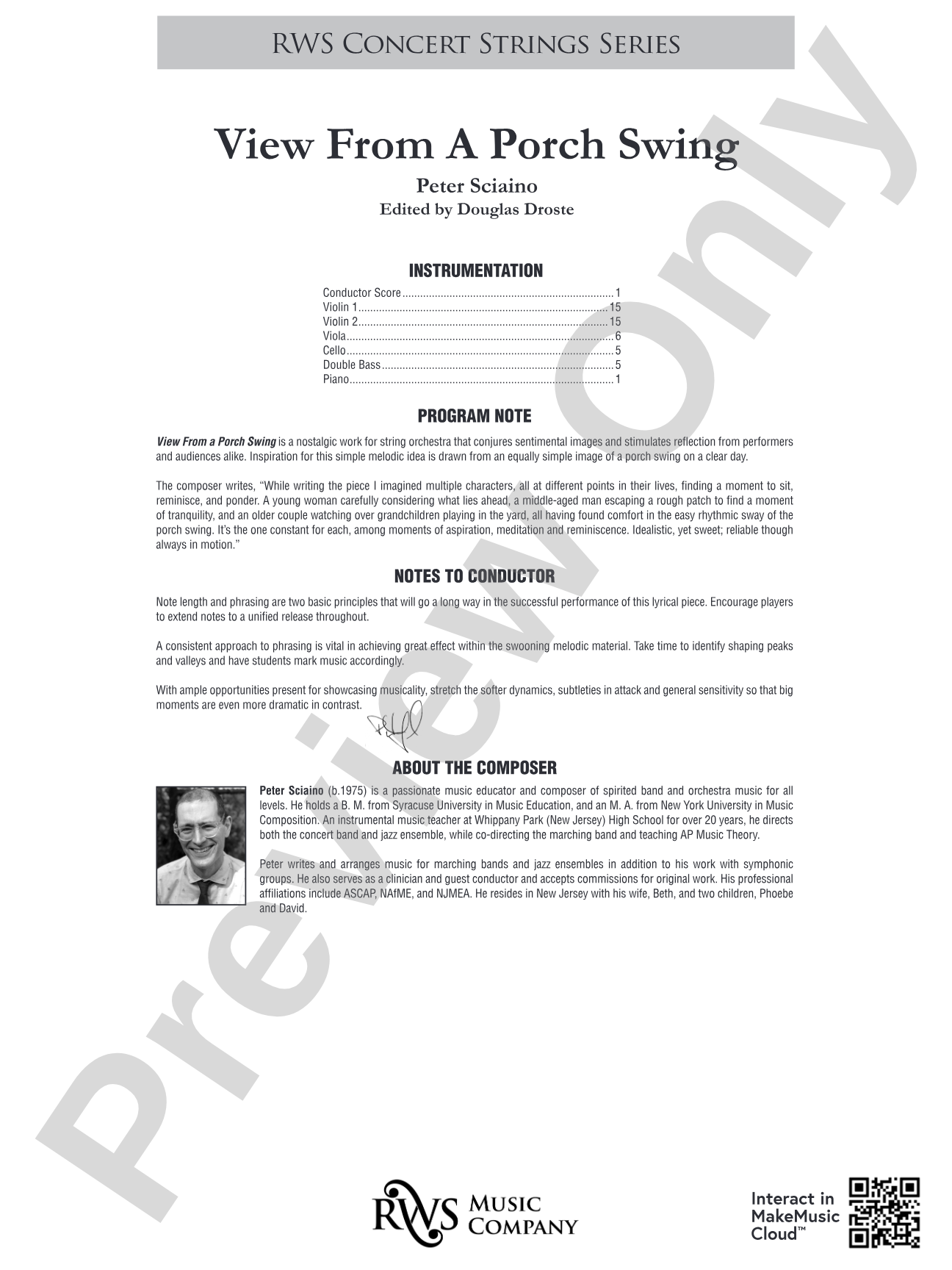
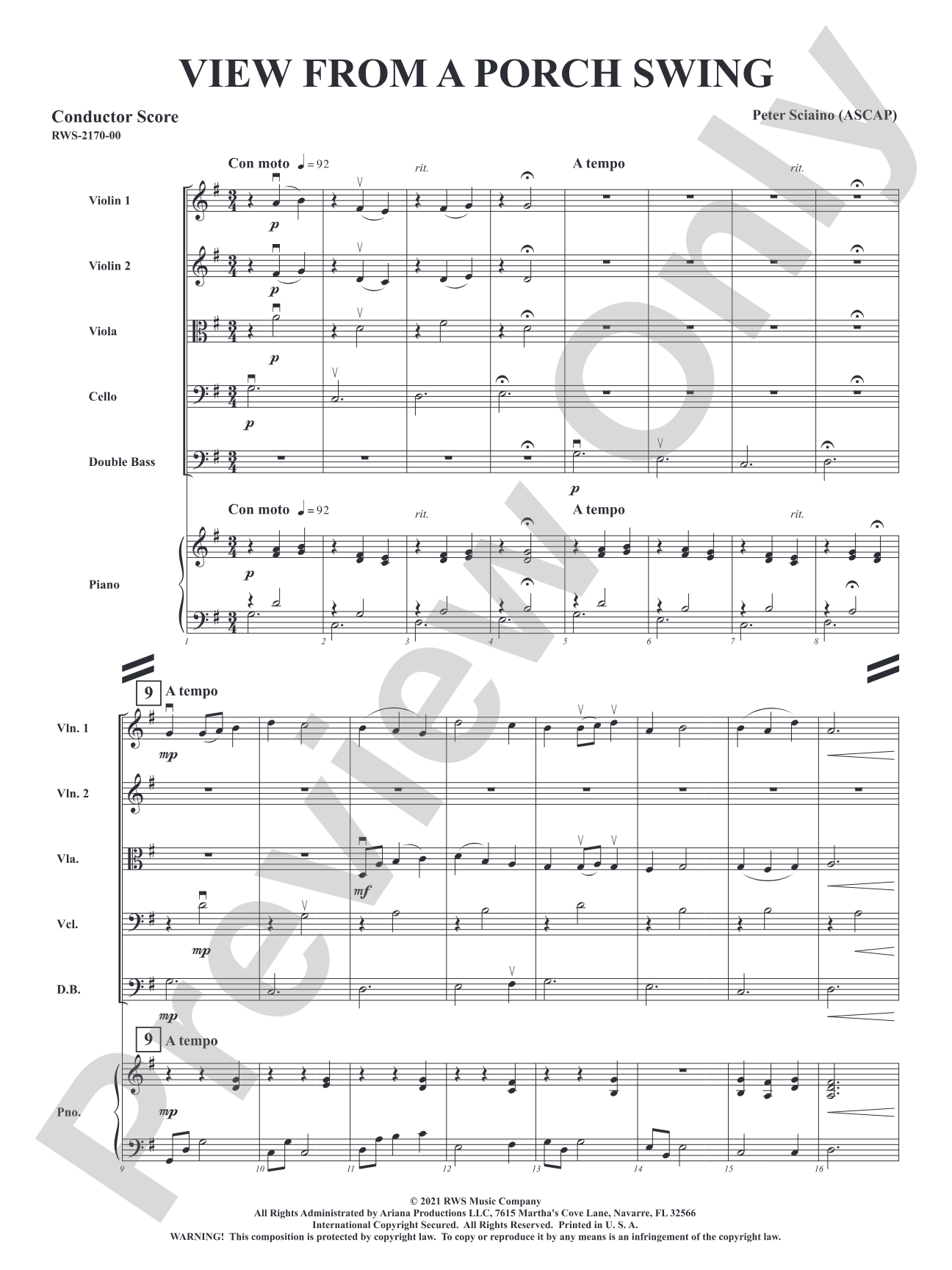
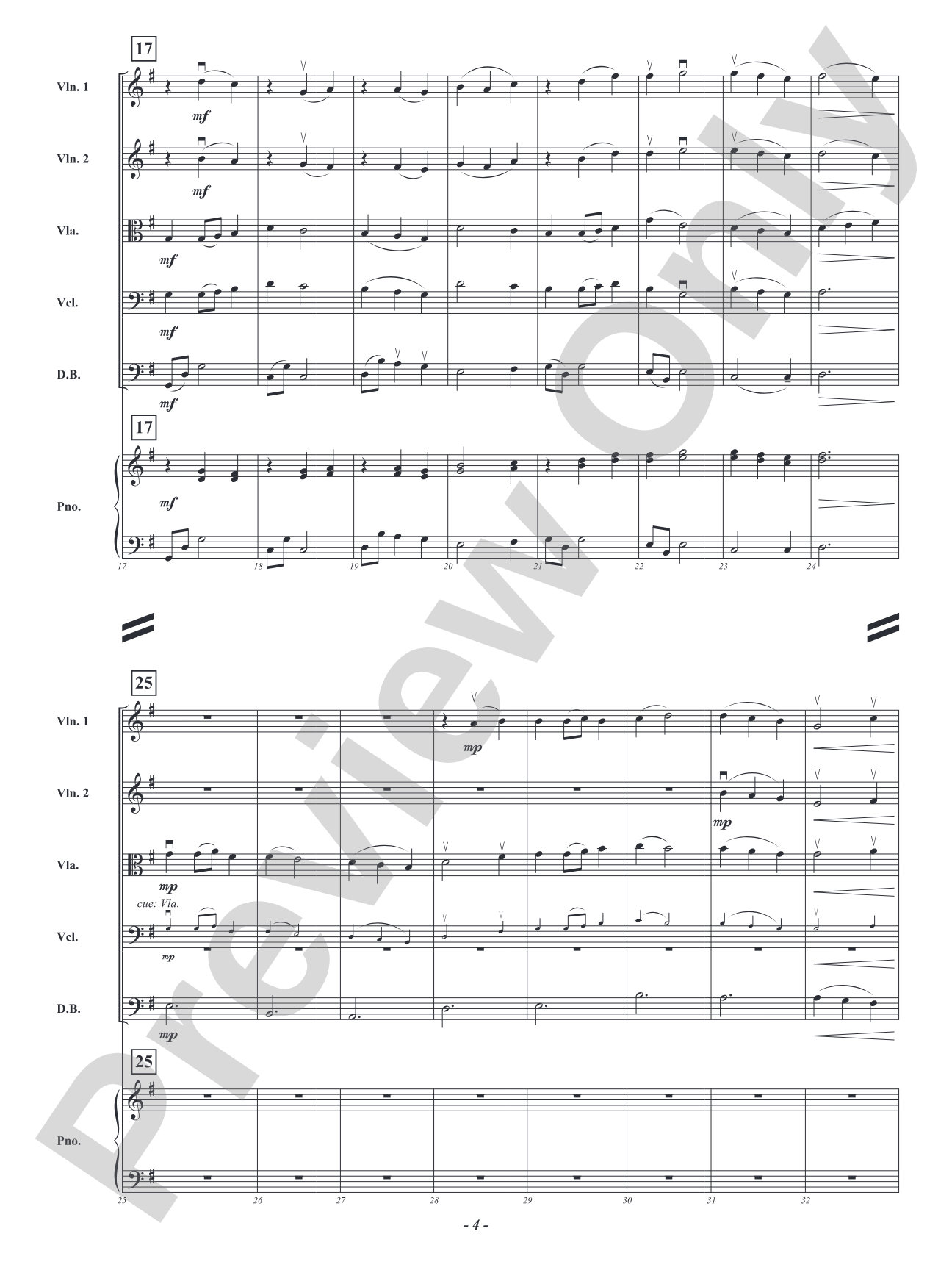
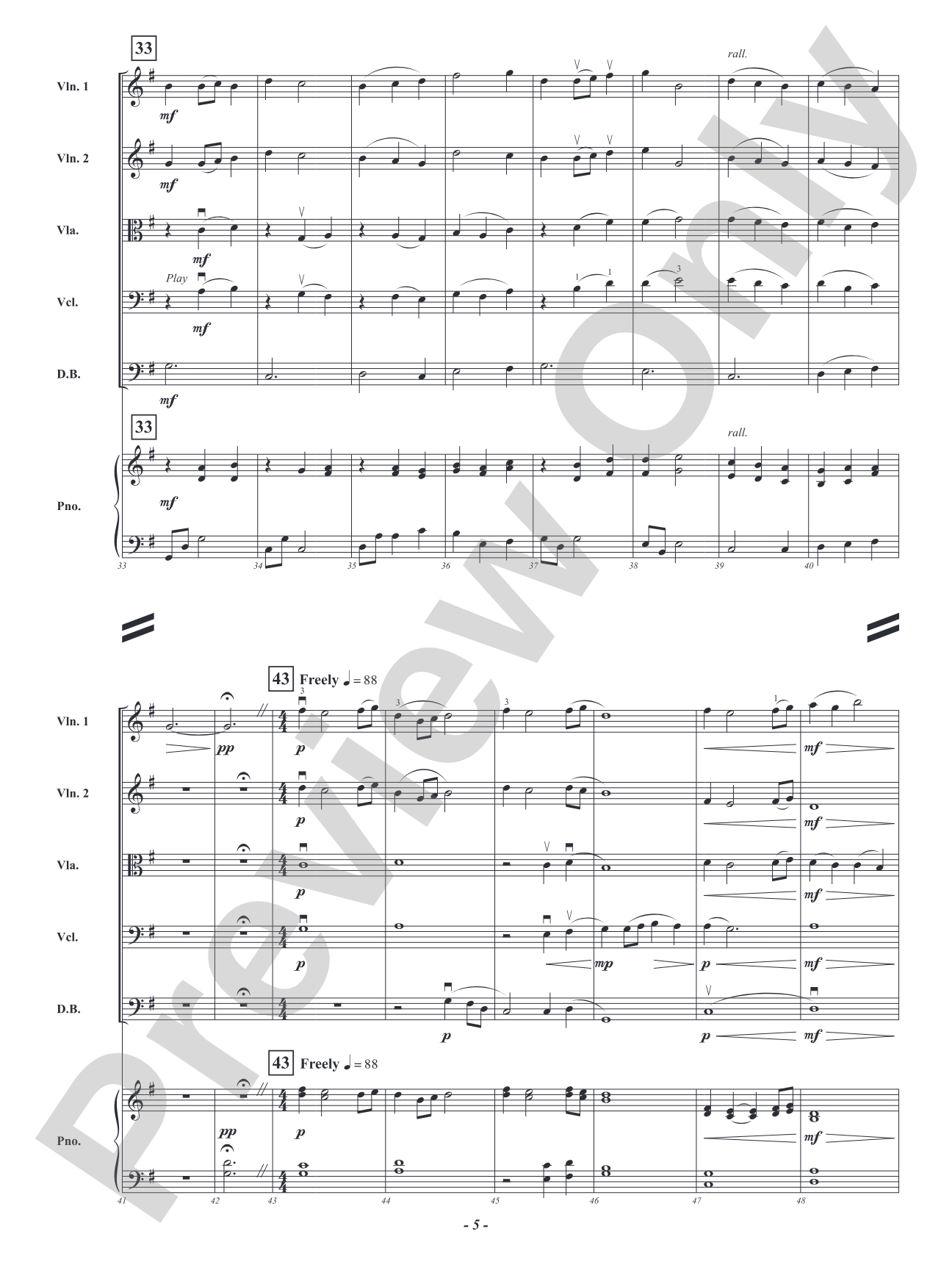
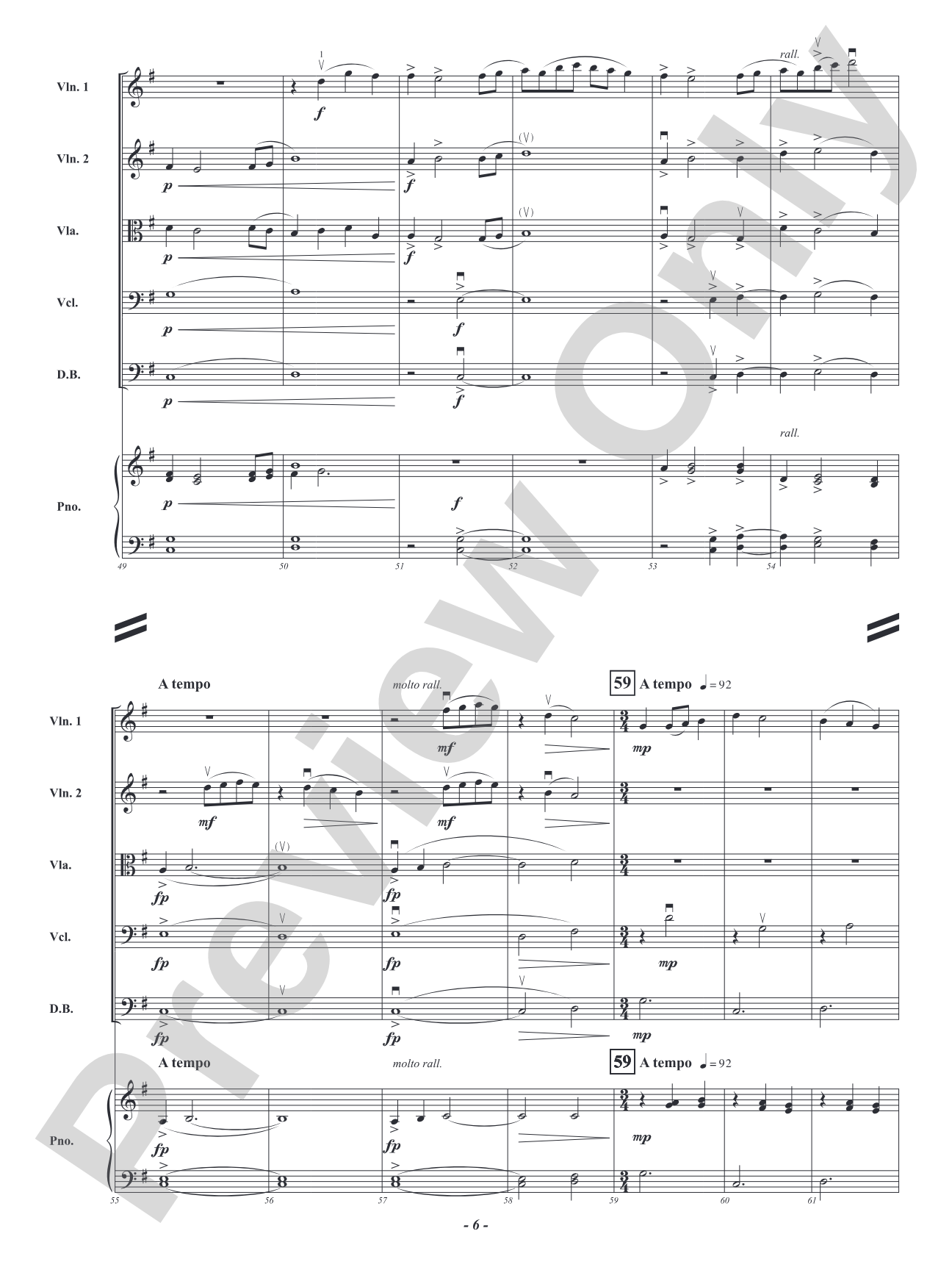
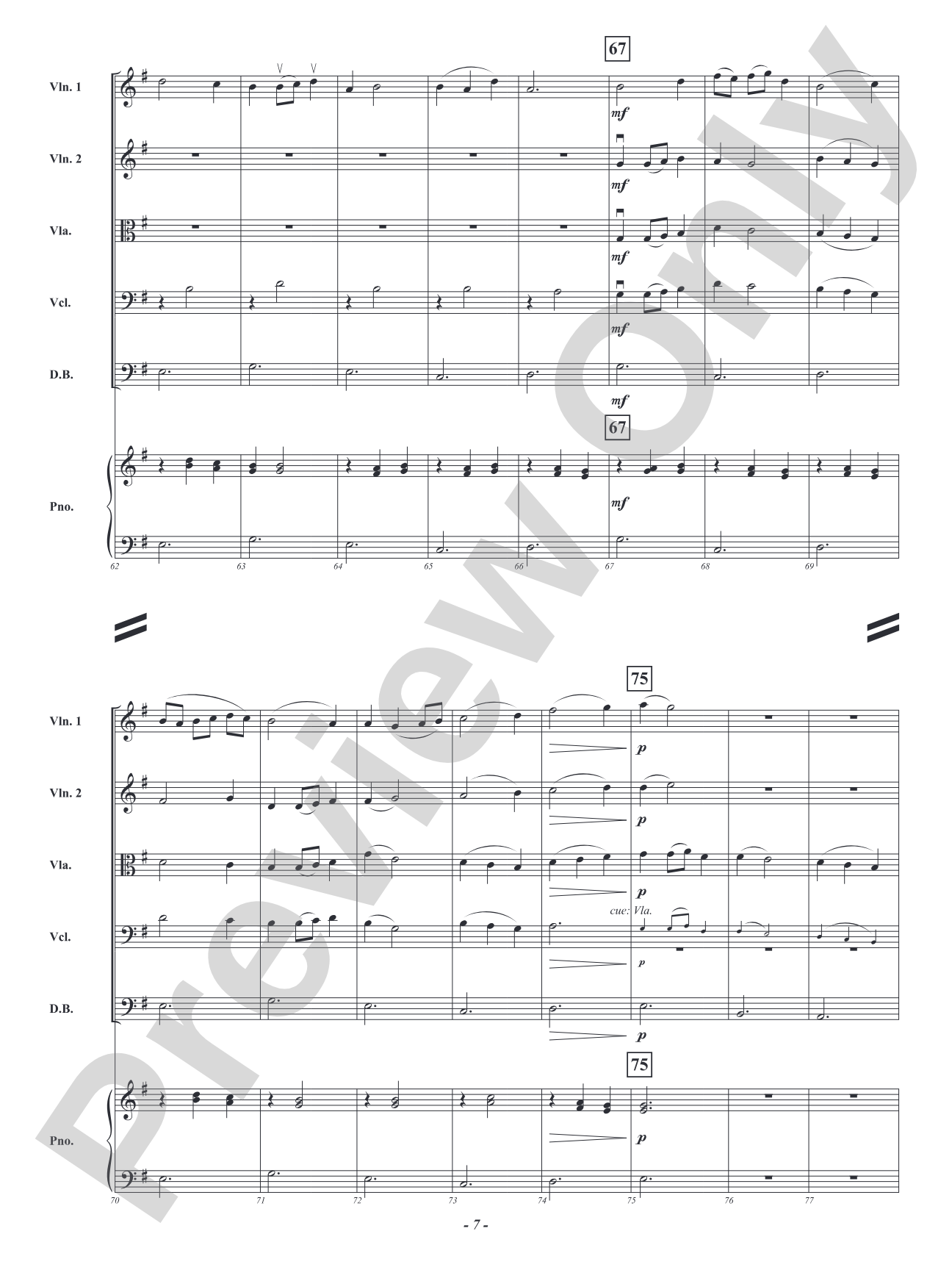
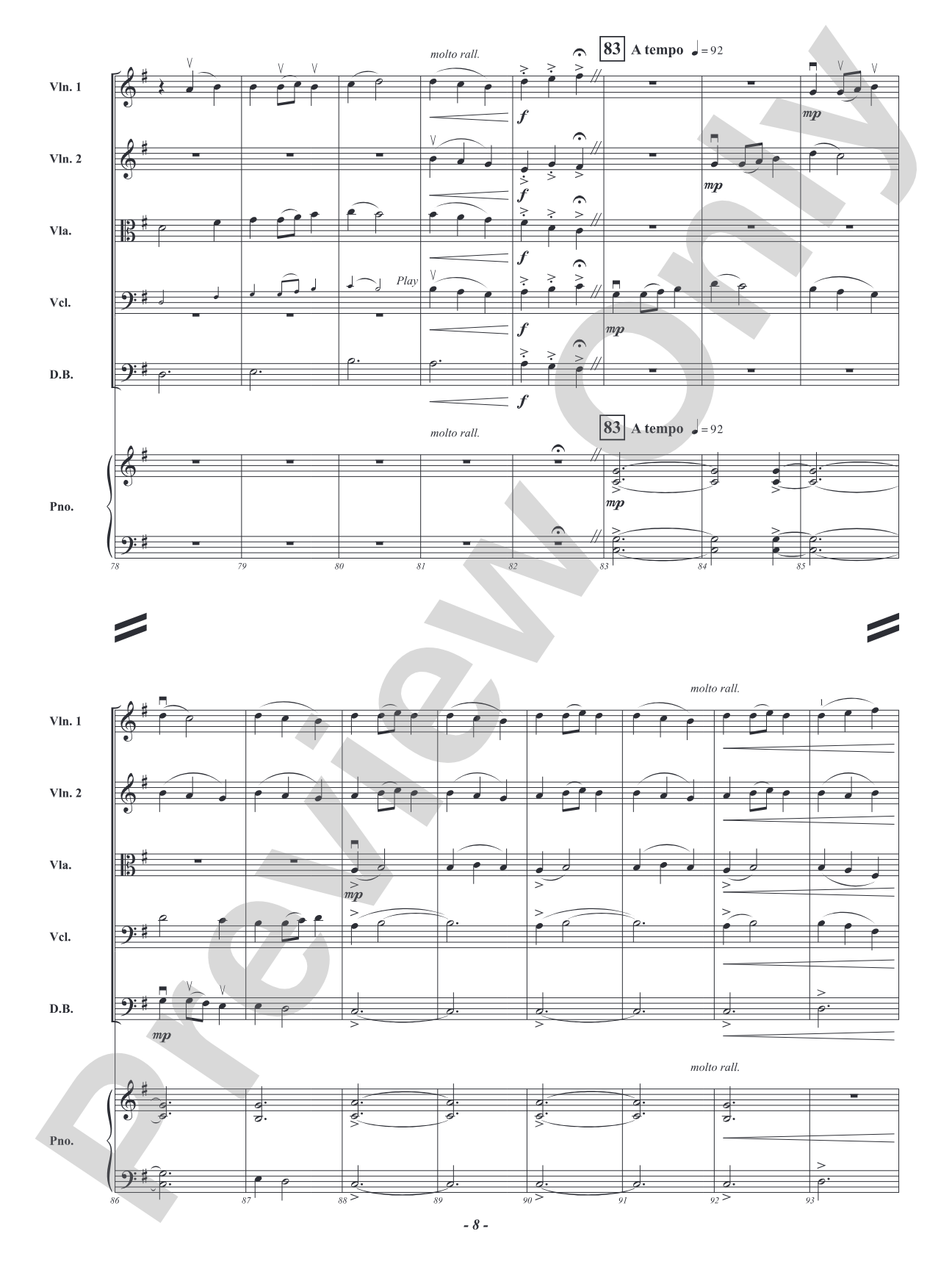
A nostalgic work that conjures sentimental images and stimulates reflection, "View From a Porch Swing" is a stunning work for string orchestra. With flowing melodic content and cinematic orchestration, this sentimental selection will provide depth to any concert program with reasonable technical demands.
Original Item#: RWS-2170-00


Original Item#: RWS-2170-00
View from a Porch Swing: Score isn't in MakeMusic Cloud just yet...but it could be. Let us know you'd like to see it, and you'll help shape what comes next. In the meantime, start a free trial and dive into thousands of interactive titles your students can play along with today.
Request This Title
Tell us you want it.
Start Your Free Trial
Explore everything that's ready to play right now.
Sample Audio
1
Audio File
--:--
0:00
0:00
Sample Video
No sample videos found.
Additional Details
Series:
RWS - Concert Strings
Publisher:
RWS Music Company
SKU:
98-PR-RWS2170
More about this title
Why we love this
Sciaino crafts something rare at this level: a piece that sounds mature and cinematic without overreaching technically. The flowing melodic writing sits naturally under the fingers across all string parts, and the orchestration does real work—it shifts emotional weight and sustains listener engagement across a full concert context without fatigue.
What to expect
Sitting on a porch in fading light, watching the landscape shift as memories surface. The writing evokes that specific quietness where nothing dramatic happens, yet everything feels significant. Beneath the sentimentality sits a compositional confidence that lets silence and space do as much work as the notes themselves.
Who it's for
String orchestras at the intermediate level looking to expand their expressive range with material that feels contemporary in sensibility but accessible in execution. This works equally well for high school ensembles seeking a concert centerpiece or middle school orchestras ready to tackle something with genuine depth.
How to get the most out of it
- Shape the phrasing through bow distribution rather than sudden dynamic shifts. The nostalgia lives in the breath and swell of each line, not in dramatic contrasts.
- Balance the melody across your section leaders. Since the piece emphasizes lyrical content, ensure the primary melodic voices project without the accompaniment figures getting lost underneath.
- Use the dynamic landscape to guide rehearsal focus. Identify where the work modulates its emotional center and mark those transitions clearly so players understand the arc they're supporting.
- Let the ensemble settle into a comfortable tempo that allows the flowing melodies to breathe. Rushing flattens the reflective quality the piece demands.
How to use it
This functions beautifully as a program anchor, capable of standing alone as a concert's emotional core. It also pairs well with shorter, lighter works, where it deepens the second half and sends audiences home in a reflective mood rather than an energized one.
Skills your students will build
- Sustained legato phrasing across longer melodic lines
- Dynamic nuance and shaping without sudden shifts
- Ensemble balance in sections with layered accompaniment figures
- Awareness of emotional arc and how it connects to interpretive choices